Conducting system of the heart
Conducting system of the heart Conducting system of the heart: the impulse for cardiac contraction is transmitted through the conduction system of the heart. This

Classification of Human Bones
Classification of Bones according to shape Long bones: Long bones are characterized by a long tubular shaft and an articular surface at each end of

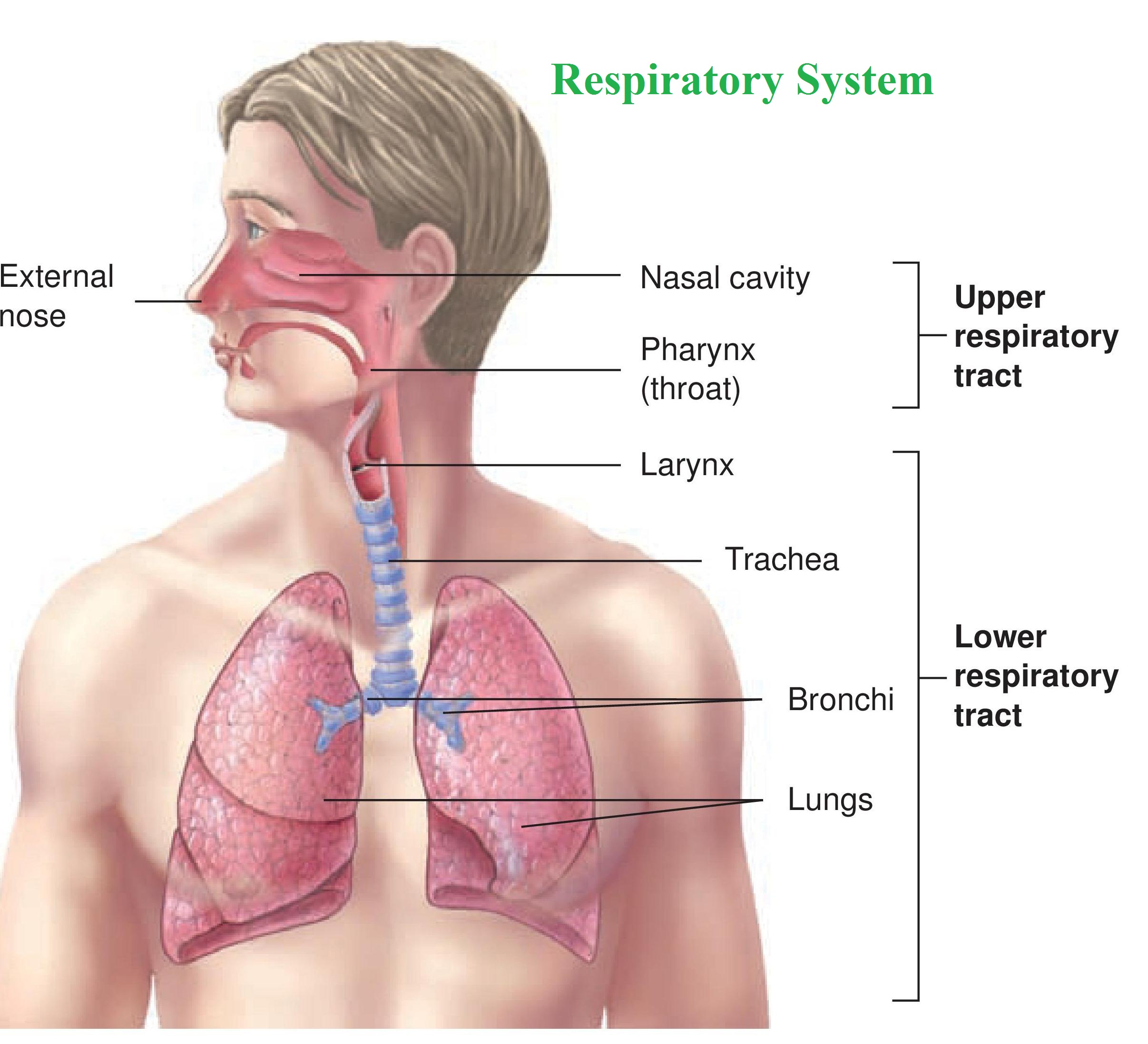
Pulmonary Ventilation
Pulmonary Ventilation Smooth muscle cells in the walls of the bronchioles adjust their diameter and help to control the flow of air into the alveoli

Nervous System
Nervous System The nervous system has been divided into two components: The central nervous system which is composed of the brain and the spinal cord,

CHARACTERISTICS OF SKELETAL MUSCLES
CHARACTERISTICS OF SKELETAL MUSCLES The four major functional characteristics of skeletal muscle are: Contractility – The ability to shorten which causes movement of the structures

Cardiac Output
Cardiac Output The cardiac output is simply the amount of blood pumped by the heart per minute. Necessarily, the cardiac output is the product of

Bone structure and formation
Bone structure and formation: Bone is the hardest of the connective tissues. Compact bone (Cortical Bone) and Spongy bone (Spongy Bone) are the two types

Lungs Volume
Lungs Volume The total air volume of the lungs is about 4 to 6 liters and varies with a person’s size, age, gender, and respiratory

Central Nervous System
The Central Nervous System: The Central Nervous System comprises of the Brain and the Spinal cord: The Brain plays a central role in the control

Muscular tissues
Muscular tissues can be classified into: Smooth, non-striated or involuntary muscles. Cardiac muscle or myocardium. Skeletal, striated or voluntary muscles. Skeletal muscles: Skeletal muscle comes

Cardiovascular system
Cardiovascular system Humans have a closed circulatory system. You may remember that in a closed system blood is contained within vessels and that the main

BONE DEVELOPMENT
BONE DEVELOPMENT: There are two processes that form our bones before we are born: intramembranous ossification and endochondral ossification. Bones of the skeleton are developed

Abnormal Breathing and Breathing Disorders:
Abnormal Breathing and Breathing Disorders Apnea:Absence of breathing. Orthopnea:Only able to breathe comfortably in upright, unable to breath laying down Dyspnea: Subjective sensation related by

Autonomic Nervous System
Autonomic Nervous System The autonomic system is the part of the peripheral nervous system responsible for regulating involuntary body functions, such as blood flow, heartbeat,

Muscle Physiology
Muscle Physiology Muscle cells are specialized to contract. The cells are similar in structure to the other cells in the body but are elongated

Blood pressure (BP)
Blood pressure (BP) It’s the lateral pressure excreted by blood on blood vessels. It’s normally expressed as arterial pressure. It has 2 phases: Systolic blood

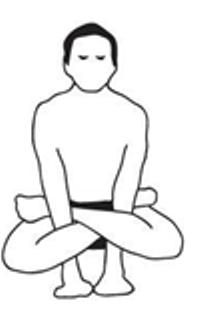
Vajrasana – Thunderbolt Posture
Vajrasana – Thunderbolt Posture (Vajra – thunder bolt or diamond) Practice: Come to (Dandasana) staff posture, by palms beside hip. Slide towards left, bend

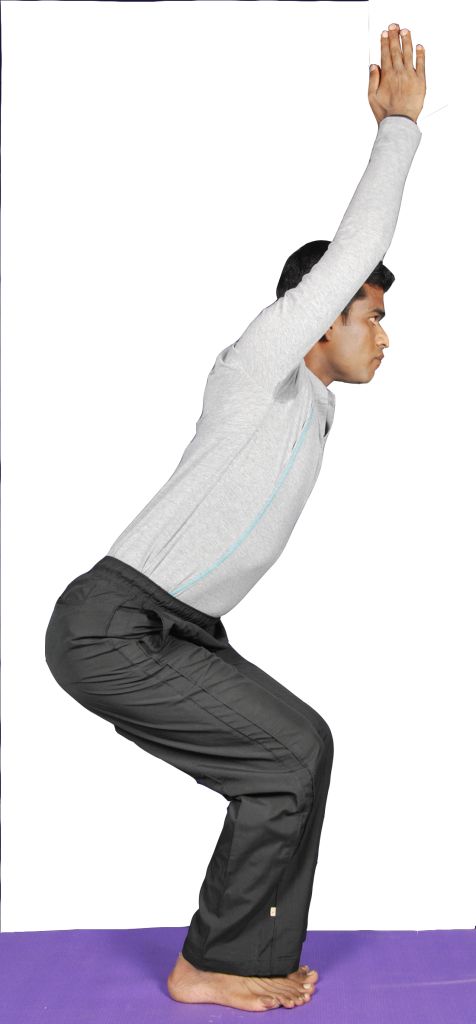
Utkatasana – Mighty Posture
Utkatasana – Mighty Posture (utkata = mighty or powerful) Practice: Come to Tadasana, by keeping legs together and palms beside your thighs. As you inhale

Ustrasana – Camel Posture
Ustrasana – Camel Posture (ustra – camel) Practice: Come to kneeling posture called (Vajrasana) thunder bolt posture, by keeping knees together, hips touching

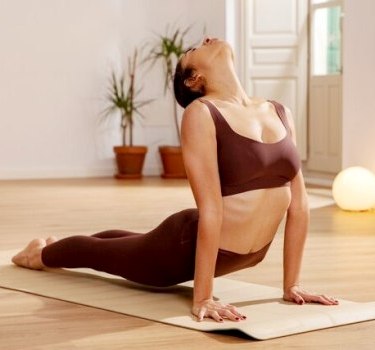
Urdhva Mukha Svanasana – Urdhva Mukha Svanasana
Urdhva Mukha Svanasana – Urdhva Mukha Svanasana (urdhva – upward, mukha – face, svana – dog) Practice: Come to Makrasana (crocodile posture), place palms

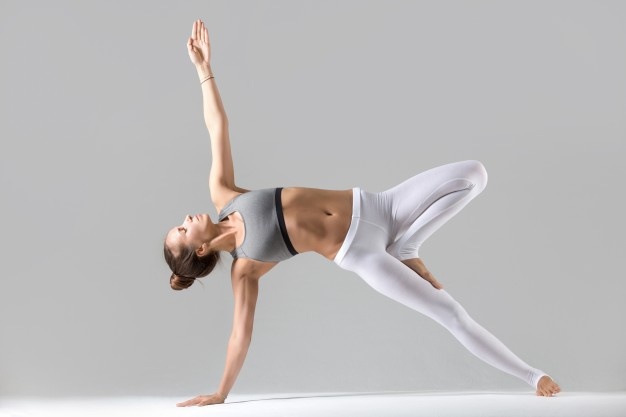
Utthita Trikonasana – Extended Triangle Posture
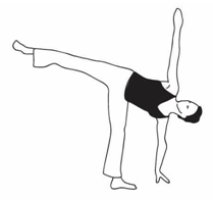
Utthita Trikonasana – Extended Triangle Posture (utthita – extended, tri – three, kon- angle) Practice: Come to (Tadasana) Mountain Posture, by palms beside thighs. Inhale

Vrksasana – Tree Posture
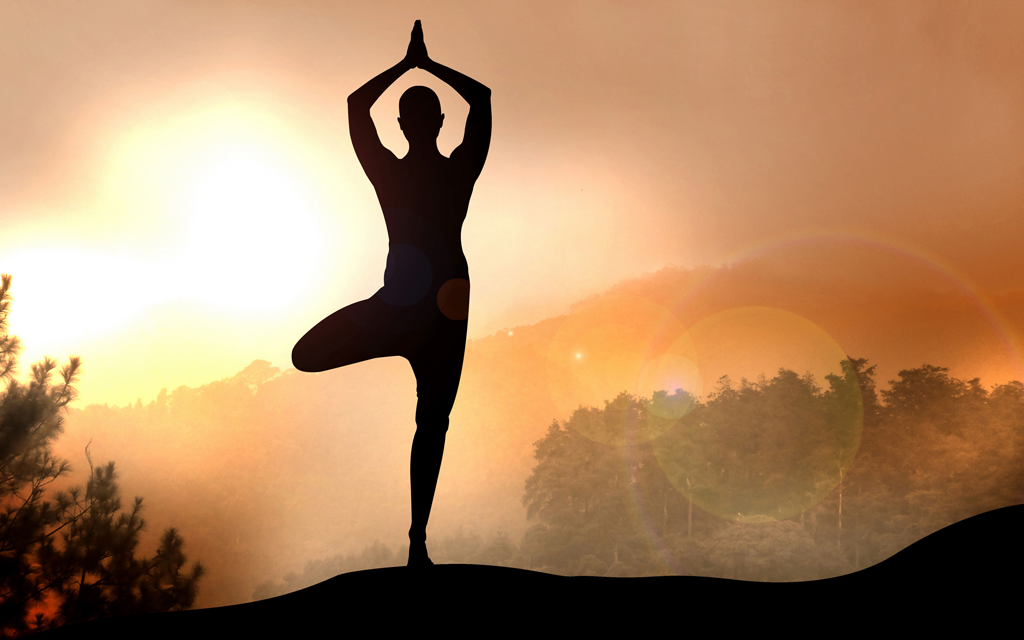
Vrksasana – Tree Posture (vrksa – tree) Practice: Come to Tadasana( mountain posture), shift your whole body weight to left foot , bend right leg

Tadasana – Mountain Posture
Tadasana – Mountain Posture (tada – mountain) Practice: Come to standing posture. Stand straight with the feet together, the inner heels and big toes

Sukhasana – Easy Posture
Sukhasana – Easy Posture (sukha – easy or comfortable) Practice: Come to (Dandasana) staff posture, fold right leg knees place it beneath left knee. Now

Sirsasana – Head Standing Posture
Sirsasana – Head Standing Posture (sirsa – head) Practice: Come to knelling posture called Vajrasana. Lean forward by knee apart for one fore

Siddhasana – Perfect Posture
Siddhasana – Perfect Posture (siddha – perfect) Practice: Come to Dandasana (staff posture), by palms on floor beside hips. Bend the right leg at

Salabhasana – Locust Posture
Salabhasana – Locust Posture (salabha – locust) Practice: Come to (Makrasana) Crocodile relaxation posture, bring legs together toes pointing outward, heels together , knees together

Sethu Bandha Asana – Bridge Lock Posture
Sethu Bandha Asana – Bridge Lock Posture (sethu- bridge, bandha – lock) Practice: Lie down on your back with the legs bent at the

Sarvangasana – Shoulder Standing Posture
Sarvangasana – Shoulder Standing Posture (sarva- all, whole, entire, anga – limb or part of body) Practice: Lie flat on the back with feet

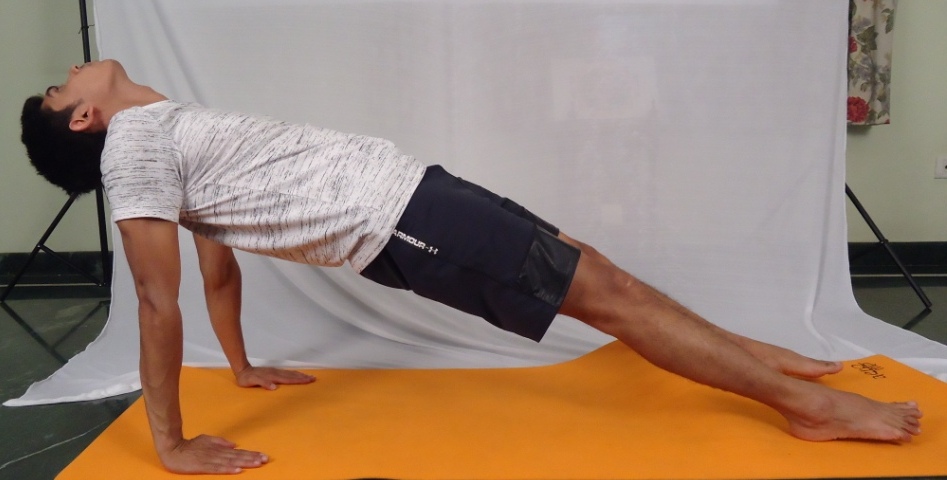
Purvottanasana – Intense East Stretch
Purvottanasana – Intense East Stretch (Purva – east, Uttana- intense stretch) Practice: Come to Dandasana posture, by palms on floor beside thighs. Recline back,

Plank Posture
Plank Posture Practice: It is the part of the Surya namaskara ( sun salutation) after Aswa Sanchalansana (Equestrian or runners lunge Posture) , from here

Pavana Mukta Asana – Wind Releasing Posture
Pavana Mukta Asana – Wind Releasing Posture (pavana – wind, mukta-releasing) Practice: Come to Savasana, bring legs together,

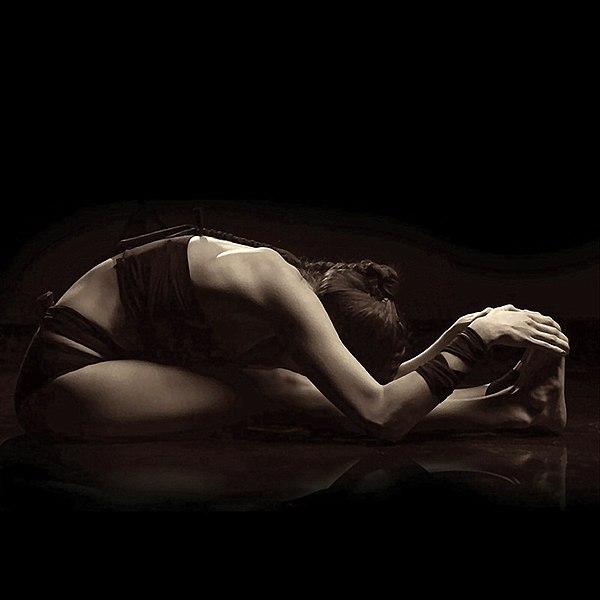
Paschimottanasana – Intense West Stretch or Sitting Forward Bend
Paschimottanasana – Intense West Stretch or Sitting Forward Bend (paschima – west uttana – intense stretch) Practice: Come to Dandasana (staff posture) by keeping

Padmasana – Lotus Posture
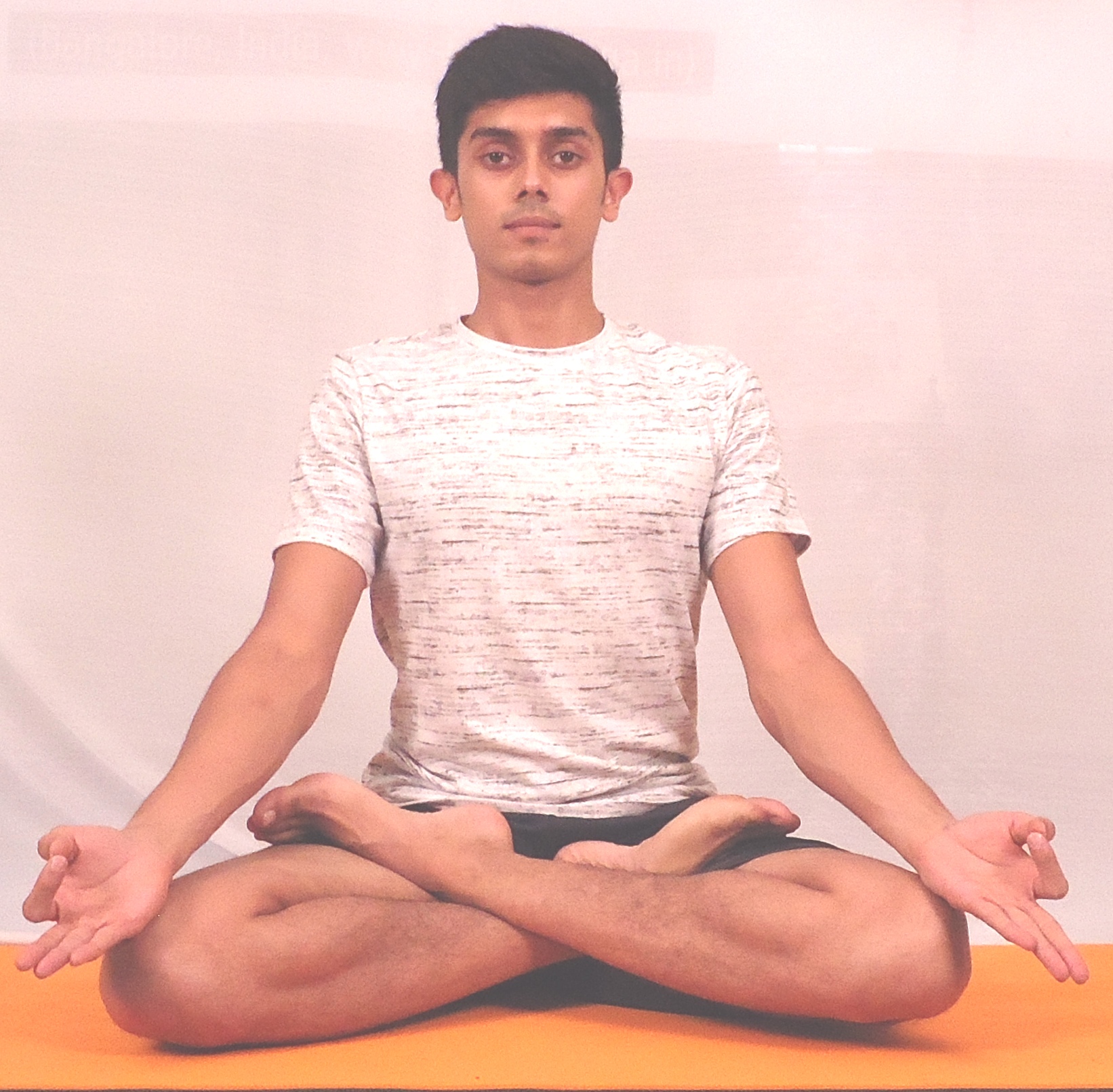
Padmasana – Lotus Posture (padma – lotus flower) Practice: Come to Dandasana, by palms beside hip n floor. Bend right leg with help of

Padahastasana – Hand to Foot Posture
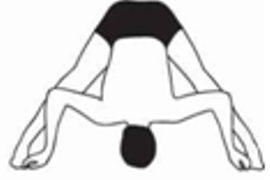
Padahastasana – Hand to Foot Posture (pada – foot, hasta – hand) Practice: Come to Tadasana(mountain) posture, by arms beside your thighs. Inhale raise

Matsyasana – Fish Posture
Matsyasana – Fish Posture (matsya – fish) Practice: Come to supine posture, by bringing legs together, arms beside thi Now adopt padmasana with support

Janu Sirsasana – Head to Knee Posture
Janu Sirsasana – Head to Knee Posture (janu – knee, sirsa – head) Practice: Come to Dandasana (staff posture), bend right leg knee with help

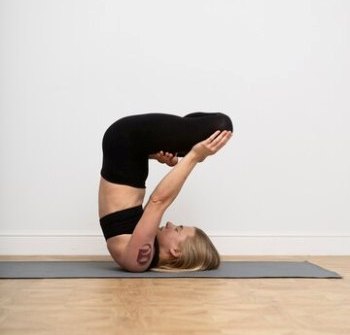
Halasana – Plough Posture
Halasana – Plough Posture (hala – plough) Practice: Lie supine on the floor with the hands extended along the body and the feet together.

Dhanurasana – Bow Posture
Dhanurasana – Bow Posture (dhanu – bow) Practice: Lie on prone posture called Makrasana (crocodile) relaxation posture. Now bend the knees, stretch the arms

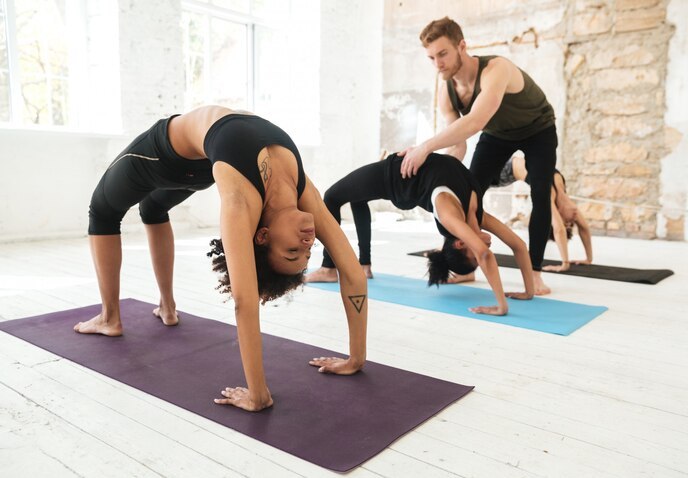
Cakarasana – Wheel Posture
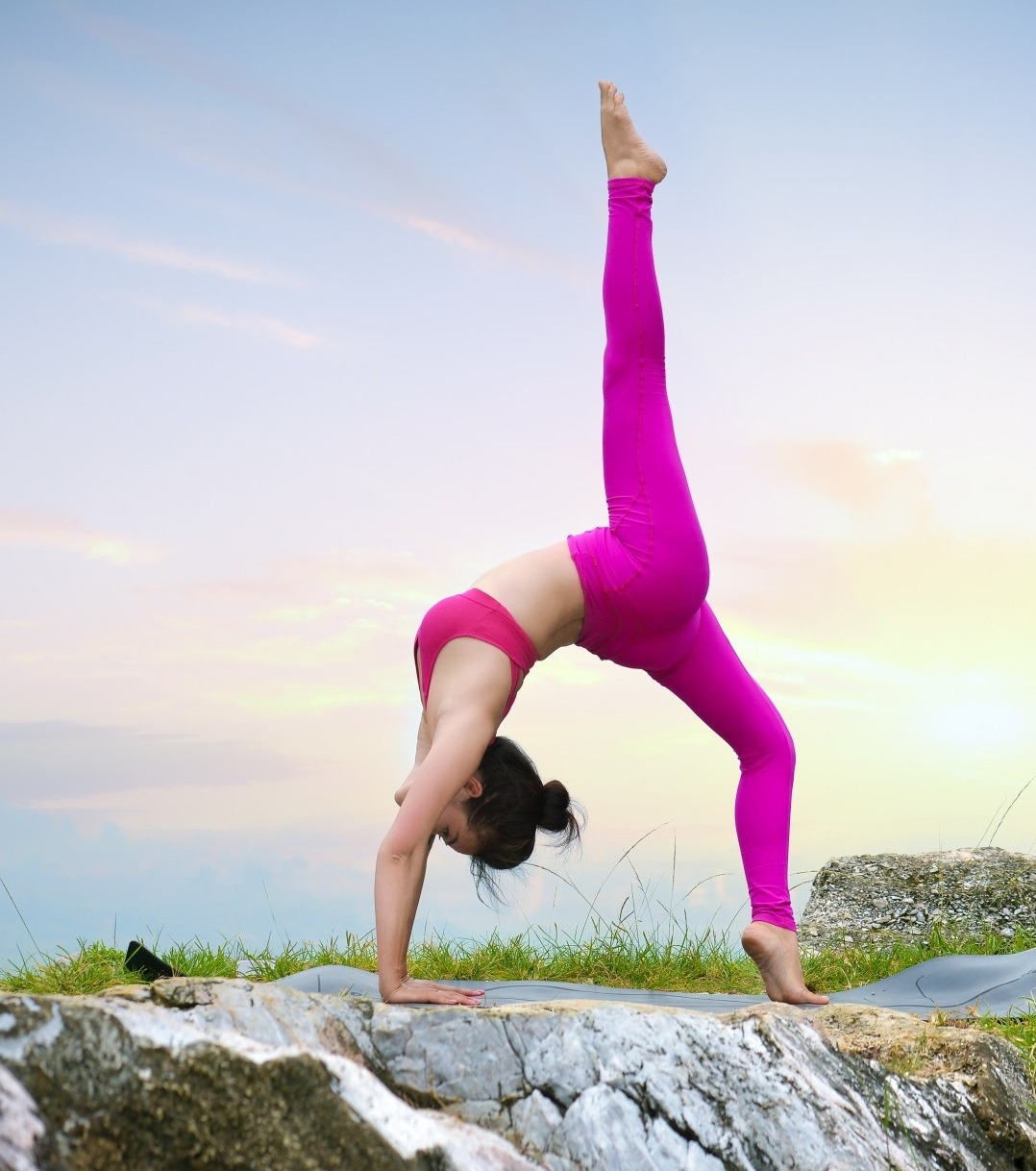
Cakarasana – Wheel Posture (cakra – wheel) Practice: Come to (Savasana) corpse posture; bring legs together foot pointing upward, arms beside thighs. Place the palms