
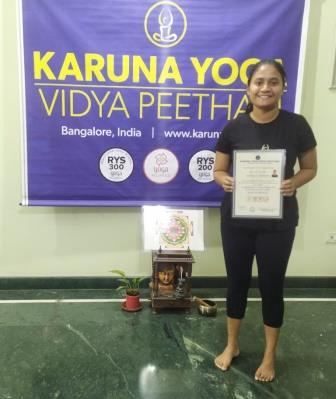
Karuna is a Sanskrit word that is often translated as “compassion,” “empathy,” or “loving-kindness.”
In Patanjali’s Yoga Sutra in Samadhi Pada (1.33)
• Maitri—friendliness
• Karuna—compassion
• Mudita—gladness
• Upeksanam—indifference
• Sukha—happiness
• Duhkha-misery
• Punya-virtue
• Apunya-vice
• Visayanam—of the objects
• Bhavanatah-attitude
• Chitta-mind
• Prasadanam—purification, making peaceful
In relation to happiness, misery, virtue, and vice, by cultivating the attitudes of friendliness, compassion, gladness, and indifference, respectively, the mind becomes purified and peaceful.
Karuna yoga is a type of yoga that combines the physical practice of Hatha yoga, involving asanas (yoga postures), pranayama (breathing practices), kriyas (internal cleansing techniques), bandhas (muscular locks and contractions), and mudras (hand gestures and seals), to greater or lesser degrees depending on the style of Hatha yoga, with Patanjali’s principles of Dhyana (meditation) and Samadhi (super consciousness). It is also sometimes referred to as Compassionate Yoga.
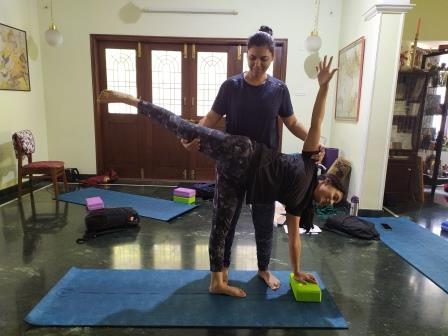
Karuna involves feeling empathy and compassion towards oneself and others and is an important aspect of yoga practice. It is seen as a means of developing greater awareness and insight into the interconnectedness of all beings and is often used as a basis for meditation and other practices aimed at cultivating a more compassionate attitude towards oneself and others.
In Karuna Yoga, the principles of karuna are incorporated into the practice through the use of meditation, pranayama, and yoga postures. The aim is to cultivate greater self-compassion and compassion towards others and to use the practice as a means of developing greater awareness and insight into one’s own thoughts and feelings.
Tags / Keywords
- What is Karuna Yoga
- Karuna Yoga
- Karuna Yoga meaning
- Compassionate Yoga
- Karuna Yoga philosophy
- Karuna Yoga benefits
- Karuna in Yoga
- Karuna Sanskrit meaning
- Patanjali Yoga Sutra Karuna
- Yoga Sutra 1.33
- Maitri Karuna Mudita Upeksha
- Compassion in Yoga
- Yoga and compassion
- Hatha Yoga and meditation
- Hatha Yoga philosophy
- Yoga for inner peace
- Yoga for emotional healing
- Yoga for self-compassion
- Yoga mindfulness practice
- Meditation and compassion
- Pranayama and meditation
- Traditional Yoga philosophy
- Yoga spiritual practice
- Eight Limbs of Yoga
- Patanjali Yoga philosophy
- Yoga for mental wellness
- Yoga for stress relief
- Yoga awareness practices
- Holistic Yoga
- Ancient Yoga teachings
- Authentic Yoga practice
- Yoga and mindfulness
- Compassion meditation
- Yoga breathing techniques
- Yoga mudras and bandhas
- Yoga kriyas
- Yoga for emotional balance
- Yoga teacher training philosophy
- Yoga TTC philosophy
- Karuna Yoga Vidya Peetham
- Yoga philosophy course
- Yogic compassion
- Mind purification in Yoga
- Dhyana and Samadhi
- Yoga for holistic health
Important Links
- Apply Now Online Registration
- Review By Student
- Accreditation – Yoga Alliance USA
- Gallery
- FAQ
- KARUNA YOGA VIDYA PEETHAM
- Yoga PDF Book Free Download
- Asana Gallery
- Rules and Regulations
- Dr. S. Karuna Murthy
- Eligibility Criteria – TTC
- Admission Rules and Regulations – TTC
- Anti-Harassment/Sexual Misconduct Policy
- Refund & Cancellation Policy

What Are the Different Levels of Yoga Teachers? (Complete Guide 2026-27)Yoga education is a lasting journey of education, practice, happening, and self-happening. …

Choosing the right Yoga Teacher Training Course (TTC) is a main conclusion for one who wants to expand their private practice or …

Yoga for Generation Z: How Younger Demographics Are Reshaping Practice Generation Z—those innate about ‘tween the mid-1990s and early 2010s—have adults in …
Who Is the Ideal Student for an Online Hatha Yoga TTC? The celebrity of Online Hatha Yoga Teacher Training Courses (TTCs) resumes …