
Course: 50 Hrs – Somatic Yoga Teacher Training Certificate Course
- Contact Hours: 40 Hours
Contact Hr – Direct or live interaction with Teacher. This includes in-person or real-time online sessions where you are actively engaged with the teacher, receiving instruction, feedback, and guidance.
Non-Contact Hr – Reading a book or article, or watching a video, Self-Practice, Written Assignment, Project Work, Audio Assignment, Video Assignment.

- Non-Contact Hours 10 Hours
- Course: 50 Hrs – Somatic Yoga Teacher Training Certificate Course
- Total Fee for the Training(For Indian Citizens Only): INR 20,000(Registration Fee) + INR 40,000 (Course Fee) = INR 60,000
- Total Fee for the Training(For Non-Indian Citizens Only): USD 400(Registration Fee) + USD 500 (Course Fee) = USD 900
- Accreditation: Yoga Alliance USA YACEP.
- Skill level: Beginners, Intermediate & Advanced
- Language: English
- Mode: Offline/Online/Hybrid/Self-Paced
- About the course facilitator: Dr. S. Karuna Murthy, M.Sc., Ph.D., E-RYT 500, YACEP
- Language: Our courses will be held in English Medium.
- Course Dates: Please Contact Us (karunaayoga@gmail.comor +91 9686549129)
‘Balance emotional, mental and physical health & to reduce pain, increase mobility, improve posture with Somatic Yoga’
‘Understand your body-mind connection, transform the way you move and revolutionize the way you work’
‘Deepen your knowledge, grow your confidence and refine your skills as a yoga teacher’
Introduction & What is Somatic Yoga Style
Somatic Yoga movement is a neuromuscular re-education technique which teaches you to release and relax your muscles so that you can regain proper muscle function again. The movements are slow and gentle and promote sensory awareness to increase brain-muscle coordination. The exercises are performed consciously with the intention of focusing on the internal experience of the movement rather than the external appearance and are very helpful in improving body awareness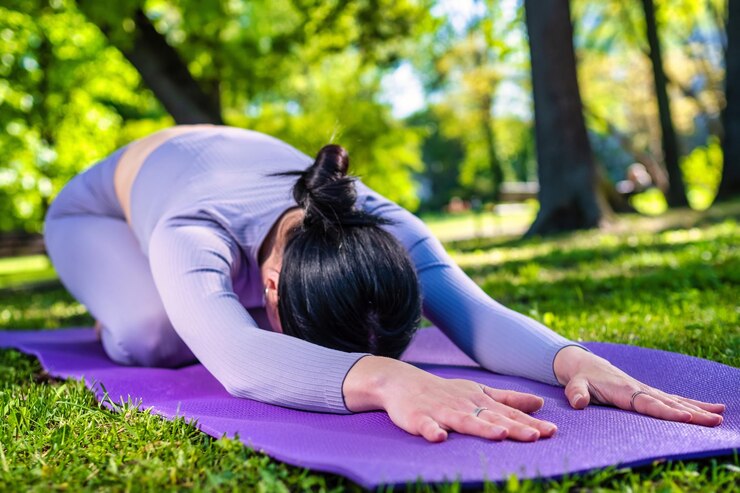
Through a method of slowly contracting, releasing, lengthening and relaxing a muscle or group of muscles, you will re-educate your body to move in an efficient and pain-free way.Based on the original teachings of Thomas Hanna, these exercises can change unhelpful learned muscular patterns. Some benefits of somatic movement methods are:
If you suffer with tight hips or back pain and stiffness, somatic yoga will address your underlying issues. The Total Somatic movements are specialized and work by stimulating regions of your brain directly influencing areas of your body. You will learn how to release tension and retrain your brain to muscle connection, helping you to move more freely, enhance muscle memory and improve posture whilst deepening your skills of mindfulness. You will be working your ‘software’ or brain, so the movements are gentle and small.
You will release tense, tight muscles without stretching and putting pressure on your muscles and joints. These movements are powerful because you are using the processes of neuroplasticity and bioplasticity to create long term change. This course delves into why you may experience recurring pain & injury. You will learn how to change this habitual behaviour by working areas of your subconscious, which influences how you stand, sit, move, think, act and carry out daily activities. Take the principles and practices of Total Somatic Yoga Movement, Mindset & Mindfulness in to your daily activities to create lasting change.
What you’ll learn
- A set of exercises to reset and connect the body and mind.
- Improve mobility, flexibility and strength in a gentle but effective way
- Improve balance, co-ordination and posture; reduce pain
- Strengthen the mind/body connection, improving focus
- Release chronically tight muscles and tension in the body
- Improve body awareness and truly sense how your body feels
- Improve your emotional, mental and physical health
- Slow down your stress response so you can start to repair and heal
- Do basic somatic practices for regulating the nervous system

- Shifting one’s internal states or disposition
- Support any recovery or healing procedures in progress
- Help improve mental clarity or focus
Know how to release muscle tension & retrain your brain to muscle connection.
- Know how to reduce pain whilst deepening your skills of mindfulness.
- Discover how to develop skills that will allow you to read feedback from ‘the inside out.’
- These Somatic Yoga movements up-skill you with methods to address & ease recurring pain & injuries, right to your brain level.


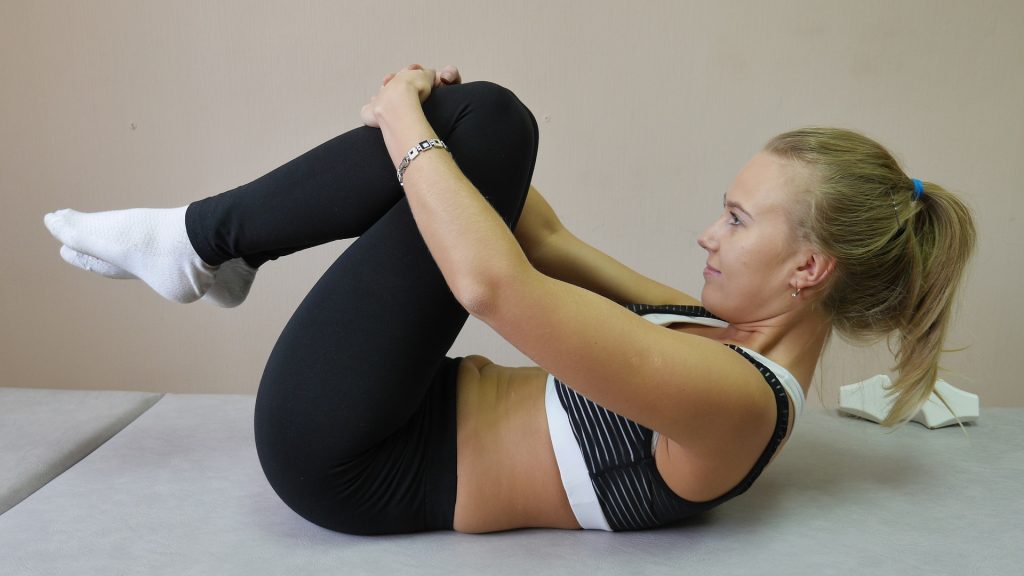
To Whom this course for?
- Anyone wishing to improve their body awareness and quality of movement will benefit from learning this course.
- This form of yoga movement is attractive to anyone looking to achieve all the benefits of floor bases exercise in a non-aggressive way
- Useful to help recover from injury or illness, ensuring a safe and smooth transition from rest and recovery to regaining their fitness levels.
- For those who are older and new to exercise, this is the ideal choice. Also, for the older practitioner who want to remain healthy and active but needs something more gentle as the years pass.
- Very useful exercises for Pilates, yoga and other health/fitness/well-being specialists to include in their regular programs.
- This course has been designed for people of all levels of fitness & experience who suffer with hip pain or a tight, stiff back and have tried ‘everything’ but so far haven’t had any success in easing their pain and improving their
- This course will teach the learner gentle floor movements (that does not include stretching) to ease muscle tension and pain.
- The learner will discover how their brain patterns muscle tension and creates adaptations to their posture, due to habits.
- This course is ideal for active and sedentary people because in both situations, muscle tension and postural changes occur.
- This course will teach the learner how to release muscle tension from stress, dysfunctional breathing, post surgery and poor habits.
What’s Covered?
Health benefits and current scientific research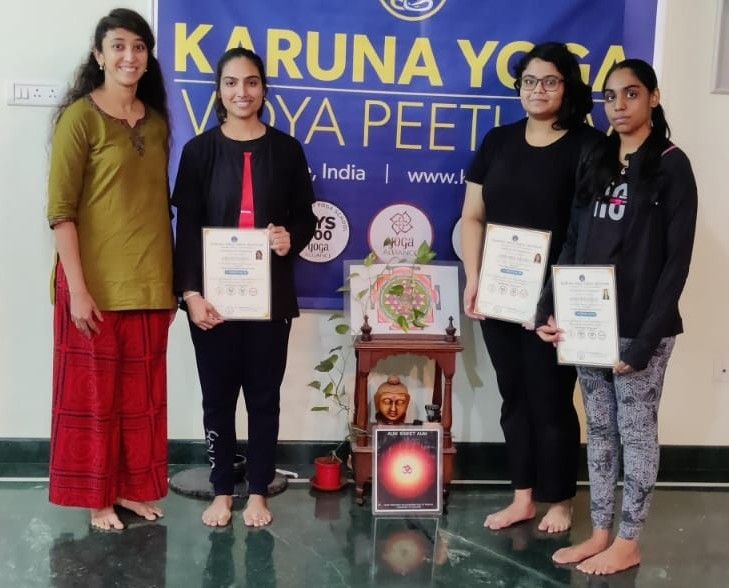
- Online practice library that includes full-length somatics classes and videos of each exercise individually with cue sheets for practice.
- Therapeutic adaptations and sequences to relieve specific musculoskeletal issues including back pain, shoulder issues, chronic neck tension, hip & knee issues, scoliosis and trauma.
- Neuroception, Interoception, Exteroception, and Proprioception
- Anatomy of trauma and how to unwind traumatic relfex patterns in the body.
- Sensory motor amnesia and technique of pandiculation
- Anatomy, biomechanics, & addressing common musculoskeletal issues
- Exploration of the somatics applications for unwinding imbalanced patterns along the myofascial lines of the body
- Skill development for teaching including; how to cue, voice tone, and rhythm for quality delivery
- Practice principles and guidelines
- Practice teach opportunities
Highlights
- Live online sessions will be held over Zoom or Google Meet.
- Online sessions’ time-zone: Bangalore, India (GMT+5:30).
- Eligible to register with Yoga Alliance under YACEP category upon completion.
- Special discounts on advanced courses.
- There will be live contact hours whenever needed in order to clarify doubts.
- One live Q&A session every week.
Requirements
Course is open for all Levels with Step by Step Approach
- All the Notes are provided with the course
- Students with any health conditions, please consult your doctor before taking this course
- Yoga mat
- Internet connection
- Yoga props: blocks, yoga cushion, yoga strap (optional)
What is Yoga Continuing Education Courses (YACEP)
We offer various training programs to deepen knowledge and improve teaching skills through various yoga teacher training courses. Continuing education is a post-learning, formal learning program for yoga practitioners that can have credit courses as well as non-credit courses. These courses are intended to allow an individual to extend their insight and develop their abilities in a particular field. Numerous callings even expect individuals to take up Continuing Education to have the option to recharge their permit and seek after their training.
Continuing education in yoga mainly serves two purposes
To deepen your existing knowledge and skills.
- To teach you new skills and techniques related to teaching yoga.
Yoga Alliance Registered Continuing Education Provider, Courses Open to Everyone.
This course is eligible for Continued Education (CE) credits with Yoga Alliance. It is accredited by Yoga Alliance and it can be used as a continuing education course (YACEP) for Register Yoga Teachers with Yoga Alliance
- Deepen your practice and your knowledge
- Are you are yoga professional or a curious practitioner and wish to deepen your yoga knowledge and techniques? Then a continuing education course may be something for you! You will learn selected specialized yoga topics that will allow you to expand your horizons when it comes to your personal practice or that of your students. With the knowledge you will acquire, you will gain a deeper understanding of the functioning of anatomical and energetic body layers, and develop a more complete insight into yoga.
International Certification
Upon successful completion of the course, you will receive a certificate of completion of the Self-Paced 50 Hrs – Somatic Yoga Teacher Training Certificate Course(Yoga Alliance YACEP Certification), which you can count towards your continuing education. Our yoga teacher training courses are accredited by Yoga Alliance USA.
Terms & Conditions:
After the payment of the course fee, you will receive a link to access the classes through zoom. This short-term course is only meant for sincere students of Yoga practitioners. Without submitting the required assignments, you will not receive a certification. Please note that the course fee is non-refundable. However, if you can’t start the course due to severe circumstances, please get in touch with us and we’ll find a solution for you.
Somatic Yoga Training Syllabus
Module:1 Techniques Training And Practice
- Breaking down core concepts & progressive skill building
- Basic Somatic movements
- Embodying natural and intuitive movements
- How to move slowly, gently and with awareness
- Safe & effective forward, backbends, lateral and twisting poses
- The power and importance of moving from the centre of the body
- Flowing transitions between poses & linking breath to movement
- Circulation through the blood flow
- Mindfulness in action and no mind movements
- Both dynamic and still meditation
- Kriyas, yogic cleansing techniques and pranayama
- The art of effectively releasing tensions
Module: 2 Teaching Methodology
- The importance of sensing yourself before and after a practice
- Purposeful touch
- The language of movement
- Voice projection, how to use your voice as a tool in class
- Rhythm and pacing
- Class planning , for groups, privates and workshops
- Intelligent, efficient and creative sequencing for yoga
- Conscious communication skills
- Facilitating deep relaxation
Module:3 Anatomy And Physiology
Somatic inquiry and movement
- The three reflexes, and sensory motor amnesia
- Pandiculation and basic neurology
- Body assessment
- Why we suffer from chronical pain and long term solutions
- Applied anatomy and physiology
- The anatomy of the breath
- How to create muscular stability around the joint complexes
- How to reset the nervous system deeply and stimulate the relaxation reflex

Module:4 Yoga Philosophy, Lifestyle, Ethics
Establishing routine and self-practice
- The meaning of Soma , the somatic perspective and characteristics
- Philosophy and Yoga sutras applied to modern life
- The teachings of the Buddha
- Sanskrit names of the poses
- The koshas, gunas and 5 elements
- Exploring E(motion) and the psychology of yoga
- How to navigate the process of transformation
- Understanding the relation between control and freedom and how they are linked
- How to keep your passion alive and transmit it
- The business side of teaching
- Embodying the practice and philosophy of yoga in daily life
- Healthy diet and nutrition
- Meditation
Module:5 Practicum
- Partner work, and small group teaching
- Elaborate your own yoga sequence
- Create a somatic yoga movement class
- Observing each other teach , and giving, receiving feedback
- Building confidence and trust
- Empowerment to find your authentic voice
- The importance of your own practice when you are teaching
- How to apply what you learn from your practice to your everyday life.
Yoga Teacher Training Institutes in Bangalore: Which Yoga Style Does Each School Teach & Which One Is Best for You?
Yoga Teacher Training Institutes in Bangalore: Which Yoga Style Does Each School Teach & Which One Is Best for You?Bangalore has combined India’s fastest-increasing goals for yoga teacher training. The city connects usual yogic insight with up-to-date instruction, fascinating undergraduates from across India and the globe. Whether you are going to enhance a professional yoga scholar or clearly expand your private practice, you’ll find off-course sort of Yoga Teacher Training (YTT) programs in Bangalore.One of the greatest questions potential pupils request is“Which yoga style does each institute educate, and which individual is the best choice for me?”The answer depends on your aims. Some schools acquire information on simple Hatha Yoga, while possible choices devote effort to something Vinyasa, Ashtanga, Iyengar-stimulated adjustment, healing yoga, or multistyle preparation. Rather than querying that school is everywhere “best,” it’s more beneficial to request that program best counterparts your knowledge style and future education aims.________________________________________Why Bangalore Is a Popular Destination for Yoga Teacher TrainingBangalore offers various benefits for yoga undergraduates:• Experienced coaches• Traditional and up-to-date yoga schools• Weekend and weekday courses• Intensive and part-occasion programs• International pupil society• Growing well-being manufacturing• Pleasant mood during the whole of much of the old ageThe city offers preparation in diversified yoga habits, bestowing scholars the freedom to select a program that joins their interests.________________________________________Common Yoga Styles Offered in BangaloreMost yoga teacher training programs devote effort to something individual or more of these styles:• Classical Hatha Yoga• Vinyasa Yoga• Ashtanga Yoga• Multistyle Yoga• Iyengar-stimulated Alignment• Yin Yoga• Restorative Yoga• Chair Yoga• Meditation & Pranayama• Yoga Philosophy• Yoga Anatomy• Yoga Therapy (at picked schools)________________________________________Popular Yoga Teacher Training Institutes in BangaloreBelow is a survey of famous institutes and the styles they usually stress. Course contributions concede possibility change over opportunity, so continually review the new syllabus before enrolling.Institute Common Teaching FocusKaruna Yoga Vidya Peetham Multistyle Yoga, Hatha, Vinyasa, Ashtanga-stimulated practices, Somatic Yoga, Chair Yoga, Breathwork, Meditation, Anatomy, PhilosophySri Sri School of Yoga Classical Yoga, Meditation, Pranayama, Philosophy, Holistic LifestyleBodhi School of Yoga Hatha Yoga, Vinyasa Yoga, and Mindfulness-located practiceYogakulam Academy Hatha Yoga, Ashtanga, Vinyasa, Philosophy, AnatomyYogaTute Health Classical Yoga, Therapeutic Yoga, Teacher TrainingHAMSA Learning Center: Hatha Yoga, Meditation, Teacher TrainingVivekananda School of Yoga Traditional Yoga, Philosophy, MeditationVishwa Poornima’s Yoga Centre Classical Yoga, Hatha, and General Yoga PracticeThese schools show a range of education approaches, from usual Hatha-located instruction to fuller multistyle programs.________________________________________Understanding the Different Teaching Styles1. Hatha Yoga Teacher TrainingIdeal for undergraduates who want:• Strong adjustment• Traditional yoga bases• Slow-paced education• Breath knowledge• MeditationBest for: Beginners and future scholars pursuing a dimensional base.________________________________________2. Vinyasa Yoga Teacher TrainingFocuses on:• Dynamic change• Creative sequencing• Breath synchrony• Functional shiftBest for: Active experts who love gushing classes.________________________________________3. Ashtanga Yoga Teacher TrainingEmphasizes:• Fixed sequences• Discipline• Strength• Daily practice• Breath controlBest for: Students who enjoy construction and constancy.________________________________________4. Multistyle Yoga Teacher TrainingUsually connects:• Hatha Yoga• Vinyasa Yoga• Ashtanga-stimulated practice• Yin Yoga• Meditation• Pranayama• Anatomy• Teaching methodsBest for: Students who want flexibility and uncovering diversified ideas before training.________________________________________5. Therapeutic & Somatic YogaSome institutes too contain:• Functional motion• Nervous system knowledge• Accessible yoga• Breathwork• Relaxation methodsThese approaches are particularly valuable for supervisors who wish to cooperate with different cultures.________________________________________Which Style Is Best for You?If You Are a BeginnerChoose:• Hatha Yoga• Multistyle YogaThese determine an inclusive influx to yoga and education.________________________________________If You Love FitnessChoose:• Vinyasa Yoga• Ashtanga YogaThese styles stress vital drive and tangible lastingness.________________________________________If You Want to Teach Diverse StudentsA multistyle yoga teacher training offers uncovering of various customs and education plans, making it smooth to fit classes for novices, pensioners, commission employees, and assorted-strength groups.________________________________________If You Enjoy Traditional YogaLook for schools accompanying a forceful prominence on:• Yoga Philosophy• Pranayama• Meditation• Classical Hatha Yoga________________________________________What Makes a Great Yoga Teacher Training Institute?Rather than selecting a school located only on the allure yoga style, judge these determinants:Experienced FacultyLearn from assistants accompanying solid education happening and an obligation to graduate growth.Comprehensive CurriculumA feature YTT bear involves:• Asana• Pranayama• Meditation• Anatomy• Philosophy• Teaching methods• Practice educationPractical Teaching ExperienceThe best programs determine the moment to educate, endure response, and build assurance.Small Class SizesSmaller groups frequently involve made-to-order counseling and advising.Student SupportLook for schools that resume upholding graduates through the state of being an informal teacher, plant, or leading preparation moment.________________________________________Is Multistyle Yoga Teacher Training the highest-ranked choice?For many hopeful professors, agreed.A multistyle program can support:• A fuller understanding of yoga• Greater education adaptability• Exposure to diversified attitudes• Confidence occupied accompanying various undergraduate groupsHowever, if you are intensely dedicated to a particular lineage—such as Ashtanga or Iyengar-stimulated practice—a specific preparation could concede possibility to be a better fit.________________________________________Questions to Ask Before EnrollingBefore selecting a yoga teacher training institute, request:• Which yoga styles are contained?• Is the syllabus novice-companionable?• How much directed education practice is supported?• What affairs are enclosed further asana?• Who are the lead instructors?• What confirmation will I endure?• Does the program contain plants, knowledge, contemplation, and pranayama?• Are skilled journeys, weekday, or exhaustive alternatives?The answers will help you find a program that joins with your aims.________________________________________Frequently Asked Questions (FAQs)1. Which yoga style is most usually instructed in Bangalore?Hatha Yoga and Multistyle Yoga Teacher Training are between ultimate lows, accompanying many schools still combining Vinyasa, Ashtanga-stimulated practices, contemplation, and pranayama.2. Is Multistyle Yoga Teacher Training better than Hatha Yoga Teacher Training?Neither is everywhere better. Multistyle preparation offers more extensive uncovering, while Hatha-fixated preparation supplies better insight in basic practices.3. Can novices take a yoga teacher training course?Yes. Many 200-stage Yoga Teacher Training programs are created for newcomers; the ones are dedicated to education and undertaking exactly.4. What else do I expect besides the yoga style?Consider the status of the instructors, educational program, plants and knowledge content, education practicum, class length, pupil support, and knowledge surroundings.5. Which institute is best for me?The best institute is the individual whose education knowledge, syllabus, and education surroundings compete with your individual aims. Compare the course content painstakingly, alternatively selecting only the institute’s name or celebrity.________________________________________KeywordsYoga Teacher Training Institute Bangalore, Best Yoga Teacher Training Bangalore, Yoga TTC Bangalore, Yoga Teacher Training India, Hatha Yoga Teacher Training Bangalore, Vinyasa Yoga Teacher Training Bangalore, Ashtanga Yoga Teacher Training Bangalore, Multistyle Yoga Teacher Training Bangalore, Yoga Certification Bangalore, Yoga Alliance Teacher Training Bangalore, Compare Yoga Teacher Training Bangalore, Best Yoga School in Bangalore, 200-Hour Yoga Teacher Training Bangalore.
Yoga Teacher Training in Bangalore accompanying Karuna Yoga Vidya Peetham
Yoga Teacher Training in Bangalore accompanying Karuna Yoga Vidya PeethamIf you’re planning to expand your yoga practice or enhance an authorized yoga educator, selecting the right school is an individual of ultimate important determinations you’ll form. A feature Yoga Teacher Training (YTT) program bears support as well as a certificate—it endures to offer a strong base in yoga principles, plants, education methods, contemplation, and private growth.Among the increasing number of yoga schools in India, Karuna Yoga Vidya Peetham in Bangalore has erected a position for contribution-inclusive yoga instruction that connects traditional yogic insight to accompanying new education plans. Established in 2012, the institute offers a type of professor training and adult education programs planned for newcomers, knowing experts, and hopeful yoga scholars.Whether your goal is private renewal, professional confirmation, or lasting knowledge, this guide investigates why Karuna Yoga Vidya Peetham is a popular choice for yoga teacher training in Bangalore.________________________________________Why Choose Bangalore for Yoga Teacher Training?Bangalore has a combination of India’s chief centers for yoga instruction and well-being.Students from India and about the planet pick Bangalore because it offers:• Experienced yoga professors• Modern yoga workshops• Traditional and modern yoga instruction• Flexible journey and weekday courses• Affordable living distinguished itself by accompanying many international goals.• A successful well-being society• Excellent connectedness through boulevard, fume, and airUnlike seasonal yoga goals, Bangalore offers old-age-round education moments and approaches to plants, conferences, and wellness occurrences.________________________________________About Karuna Yoga Vidya PeethamKaruna Yoga Vidya Peetham is a yoga instruction institute located in Bangalore that focuses on professional instructor preparation and adult education. According to the institute, its responsibility is to search out support for yoga instruction, advance complete welfare, and assemble students to enhance assured yoga supervisors through genuine and inclusive preparation.The institute offers:• 200-Hour Yoga Teacher Training• 300-Hour Multi-Style Yoga Teacher Training• 500-Hour Advanced Yoga Teacher Training• 50-Hour and 100-Hour Continuing Education Courses• Specialized preparation in areas such as yoga nidra, breathwork & pranayama, meditation, somatic yoga, mudra therapy, yin yoga, gentle yoga, and yoga for cancer.________________________________________A Student-Centered ApproachOne of the distinctive lineaments of Karuna Yoga Vidya Peetham is the unparalleled importance of a pupil-focused learning atmosphere.The institute aims to:• Support newcomers and knowing experts alike• Encourage piecemeal progress• Provide distinguished guidance• Balance established yoga accompanying existing information• Foster individual and professional tumorRather than directing only on mastering progressive postures, the educational program reassures scholars to believe yoga as a complete order of material, mental, and righteous incident.________________________________________Yoga Styles You Can LearnKaruna Yoga Vidya Peetham combines diversified styles of yoga to help pupils cultivate flexibility.Depending on the program, students can come together to:• Hatha Yoga• Vinyasa Yoga• Gentle Yoga• Yin Yoga• Restorative Yoga• Ashtanga-stimulated practices• Meditation• Pranayama• Yoga NidraThis multistyle approach prepares graduates to educate pupils accompanying different goals, capabilities, and knowledge levels.________________________________________What You’ll Learn in a 200-Hour Yoga Teacher TrainingAn inclusive 200-moment yoga teacher training usually contains two together practical and hypothetical knowledge.Asana PracticeStudents expand:• Safe adjustment• Body knowledge• Modifications• Sequencing• Teaching manifestations________________________________________PranayamaTraining contains foundational respiration practices in the way that:• Ujjayi• Nadi Shodhana• Dirgha Pranayama• Breath knowledgeStudents too discover by what method to educate breathing methods carefully.________________________________________Meditation and Yoga NidraMeditation practices help nurture:• Mindfulness• Concentration• Emotional balance• Self-knowledgeMany programs again contain directed yoga nidra as a structured entertainment practice.________________________________________Yoga PhilosophyStudents survey simple ideas from:• The Yoga Sutras of Patanjali• Bhagavad Gita• Hatha Yoga heritages• Yogic morality and behavior________________________________________Anatomy and PhysiologyThe curriculum mainly covers:• Skeletal arrangement• Muscular plan• Respiratory scheme• Functional shift• Postural adjustment• Injury stopModern anatomical information is joined with established yoga standards to support secure education.________________________________________Teaching MethodologyFuture teachers discover:• Class preparation• Sequencing• Verbal cueing• Observation abilities• Hands-on education practice (place appropriate)• Student ideasThese proficient teaching occurrences help build assurance before graduates start education alone.________________________________________Specialized Continuing Education CoursesFor yoga professors who want to expand their knowledge, Karuna Yoga Vidya Peetham offers a type of adult education program.Examples contain:• Somatic Yoga• Breathwork & Pranayama• Meditation & Yoga Nidra• Mudra Therapy• Mantra Chanting• Yin Yoga• Gentle Yoga• Trataka & Meditation• Yoga MentorshipThese smaller courses admit teachers to extend their abilities and investigate particular districts of interest.________________________________________Experienced FacultyA powerful coach training program depends on knowing instructors.According to the institute, the skill involves professionals in:• Hatha Yoga• Vinyasa Yoga• Ashtanga Yoga• Anatomy and Physiology• Yoga Philosophy• Meditation• Kinesiology• Body AlignmentThe institute’s founder, Dr. S. Karuna Murthy (M.Sc., Ph.D., E-RYT 500), has academic and professional knowledge in yoga instruction and analysis. The faculty also involves assistants accompanying knowledge in knowledge, plants, alignment, and Vinyasa Yoga.________________________________________AccreditationKaruna Yoga Vidya Peetham states that allure 200-time, 300-period, and 500-time scholar preparation programs are globally recognized and recorded accompanying Yoga Alliance USA. Students concede possibility forever and confirm current authorization analyses directly accompanying the school before enrolling.________________________________________Flexible Learning OptionsRecognizing that undergraduates have various schedules, the institute offers diversified knowledge layouts, containing:• Weekend batches• Weekday exhaustive programs• Tailor-made courses (liable to be subjected to chance)• Continuing education studiosThis elasticity form is approachable to working specialists, seminary undergraduates, healthcare experts, and worldwide learners.________________________________________Who Can Join?Many of the institute’s programs are available:• Complete neophytes• Yoga enthusiasts• Fitness artists• Healthcare experts• Aspiring yoga scholars• Experienced instructors pursuing adult educationSome state-of-the-art courses concede the possibility of having prerequisites, while basic 200-time programs are mainly planned to welcome scholars accompanying a sincere interest in education and yoga.________________________________________Career Opportunities After TrainingGraduates of an inclusive yoga teacher training grant permission to chase freedom in the way that:• Teaching at yoga workshops• Conducting private yoga sessions• Corporate well-being demand• Community yoga programs• Online yoga education• Continuing into leading assistant preparation• Specializing in fields such as somatic yoga, breathwork, meditation, or Yin yogaSuccess as a yoga lecturer depends not only on confirmation but also on continuous practice, education knowledge, and professional happening.________________________________________Why Many Students Choose Karuna Yoga Vidya PeethamStudents often select the institute by way of allure:• Comprehensive multistyle educational program• Blend of usual and up-to-date education• Experienced faculty• Flexible knowledge plans• Specialized adult education programs• Focus on useful education abilities• Supportive knowledge environment• Location in Bangalore’s alive wellbeing societyThe blend of basic instructor preparation and specialized certifications admits graduates in the second place, cultivating their knowledge over opportunity. ________________________________________Frequently Asked Questions (FAQs)1. Why pick Yoga Teacher Training in Bangalore?Bangalore offers knowledgeable instructors, different yoga styles, responsive course formats, up-to-date abilities, and a successful well-being society, making it one of India’s chief destinations for yoga instruction.2. What courses does Karuna Yoga Vidya Peetham offer?The institute offers 200-moment, 300-period, and 500-stage Yoga Teacher Training programs, in addition to many 50-stage and 100-hour adult education courses in specific businesses in the way that Somatic Yoga, Breathwork, Meditation, Mudra Therapy, and Yoga Nidra.3. Is the 200-period Yoga Teacher Training acceptable for learners?According to the institute, its basic educator preparation programs are devised for learners in addition to experts who wish to expand their understanding of yoga.4. What issues are contained in the educational program?A conventional educational program contains asana, pranayama, meditation, yoga knowledge, plants and plant structure, education methods, class sequencing, morality, and directed teaching practice.5. Are the faculty member preparation programs globally acknowledged?The institute states that the allure of big scholar training programs is recorded accompanying Yoga Alliance USA. Prospective juniors endure confirm current authorization analyses directly accompanying the school before enrolling.________________________________________KeywordsYoga Teacher Training Bangalore, Karuna Yoga Vidya Peetham, Best Yoga Teacher Training Bangalore, 200-Hour Yoga Teacher Training Bangalore, Multistyle Yoga Teacher Training India, Yoga Teacher Certification Bangalore, Yoga Alliance Teacher Training India, Hatha Yoga Teacher Training, Vinyasa Yoga Teacher Training, Yoga Courses Bangalore, Breathwork Teacher Training, Meditation Teacher Training, Somatic Yoga Teacher Training, Yoga Nidra Teacher Training, Yoga School Bangalore.
What Do You Learn in a 200-Hour Yoga Teacher Training? (Complete Guide 2026-27)
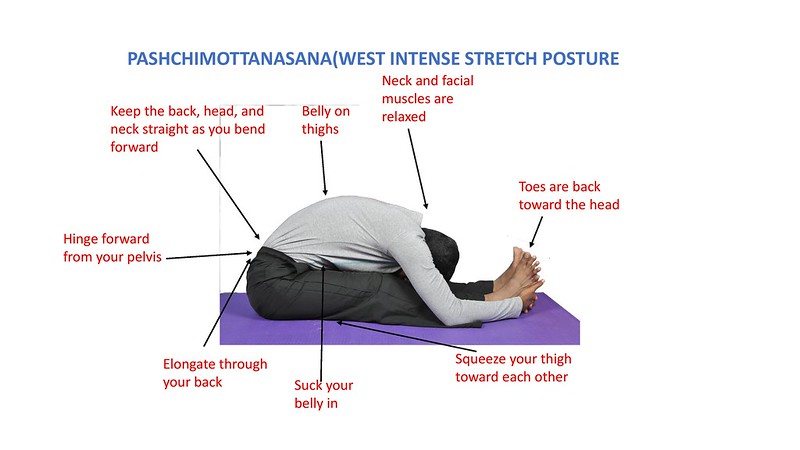
What Do You Learn in a 200-Hour Yoga Teacher Training?A 200-stage Yoga Teacher Training Course (YTTC) is an individual of the ultimate favorite basic programs for hopeful yoga faculty members about the realm. It is created to alter a hard-working yoga expert into an assured, educated, and skillful yoga adviser.An inclusive 200-moment YTT goes far further than knowledge of yoga poses. Students study the complete wisdom of yoga, containing yoga knowledge, plants, biomechanics, pranayama, contemplation, education methods, sequencing, morality, and experienced education abilities.Whether you are preparing to enhance a professional yoga professor, expand your individual practice, or comprehend yoga at a deeper level, a 200-time preparation supports a forceful bedrock.________________________________________What Is a 200-Hour Yoga Teacher Training?A 200-stage Yoga Teacher Training is an organized course of study that usually contains 200 hours of contact and education ventures top two together with hypothetical information and realistic knowledge.The program prepares pupils to:• Understand established yoga law• Practice yoga cautiously and efficiently• Teach learner and in-between-level classes• Create equalized yoga sequences• Guide graduates optimistically• Develop professional education abilitiesMany schools offer 200-time programs through:• Offline dwellings courses• Weekend programs• Online knowledge• Hybrid layouts________________________________________1. Yoga Philosophy and HistoryOne of the ultimate main parts of a 200-time YTT is understanding yoga’s further tangible postures.Students survey the ancestries, ideas, and standards that form the support of yoga.Topics Include:History of YogaStudents determine about:• Origins of yoga in old India• Vedic heritages• Upanishadic education• Classical yoga• Hatha Yoga beliefs• Evolution of new yoga________________________________________Patanjali Yoga SutrasStudents study:• Meaning and purpose of yoga• Chitta vritti (modifications of the mind)• Practice and disconnection• Eight Limbs of Yoga________________________________________Eight Limbs of YogaThe eightfold course contains:1. Yama – Ethical standard2. Niyama – Personal training3. Asana – Physical postures4. Pranayama – Breath rule5. Pratyahara – Withdrawal of senses6. Dharana – Concentration7. Dhyana – Meditation8. Samadhi – Absorption________________________________________Yoga EthicsStudents determine:• Teacher trustworthiness• Respect for graduates• Professional lines• Compassionate education• Yogic behavior law________________________________________2. Asana Practice and TeachingAsana is individual of the main elements of yoga faculty member preparation.Students discover not only by means of what to act but likewise by virtue of what to educate bureaucracy carefully.________________________________________Asana Categories CoveredStanding PosturesExamples:• Tadasana• Trikonasana• Virabhadrasana alternatives• Utthita ParsvakonasanaFocus:• Alignment• Stability• Strength________________________________________Sitting PosturesExamples:• Sukhasana• Dandasana• Baddha Konasana• PaschimottanasanaFocus:• Flexibility• Grounding• Meditation readiness________________________________________Forward BendsStudents gain:• Benefits• Contraindications• Safe progress________________________________________BackbendsTopics involve:• Spine change• Shoulder maneuverability• Core date• Safe practice orders________________________________________TwistsStudents learn:• Spinal turn• Breath arrangement• Alignment standard________________________________________Balancing PosturesStudents expand:• Focus• Stability• Body knowledge________________________________________InversionsDepending on the school:• Preparation methods• Safety law• Modifications________________________________________3. Yoga Anatomy and PhysiologyAnatomy is a basic fact of suitable and cautious yoga faculty members.Students determine by virtue of what the human frame moves and responds all the while yoga practice.________________________________________Major Anatomy TopicsSkeletal SystemIncludes:• Bones• Joints• Spine• Alignment law________________________________________Muscular SystemStudents study:• Major influence groups• Muscle conduct• Stretching law• Strengthening methods________________________________________Nervous SystemTopics involve:• Brain- and sleep-inducing or numbing drug rope• Stress reaction• Relaxation reaction• Mind-carcass relation________________________________________Respiratory SystemStudents discover:• Breathing mechanical details• Diaphragm function• Breath knowledge________________________________________Biomechanics and KinesiologyIncludes:• Joint campaigns• Planes of motion• Muscle date• Safe adjustment• Injury stop________________________________________4. Pranayama (Yogic Breathing Practices)A 200-period YTT presents graduates to the erudition of break control.Students gain by virtue of what respite influences:• Energy levels• Concentration• Relaxation• Emotional balance________________________________________Common Pranayama PracticesNadi ShodhanaAlternate nostril respiring for weight respiration knowledge.________________________________________KapalabhatiA washing respiring practice including alive exhalations.________________________________________BhramariHumming break practice for entertainment and aggregation.________________________________________UjjayiA reserved, alive method frequently secondhand all along yoga practice.________________________________________BhastrikaA vital alive practice instructed accompanying decent arrangement and counseling.________________________________________5. Meditation TrainingMeditation is a fundamental part of yoga instruction.Students gain methods to expand:• Awareness• Concentration• Inner calm• Mental clearness________________________________________Meditation methods include:• Breath contemplation• Mindfulness contemplation• Mantra contemplation• Visualization• Chakra contemplation• Yoga Nidra________________________________________6. Teaching MethodologyThis piece converts juniors from experts into schoolteachers.Students determine in what way or manner to:• Plan yoga classes• Give directions• Demonstrate postures• Observe undergraduates• Offer modifications• Manage various skill levels________________________________________Teaching Skills Include:Verbal CueingLearning by means of what to determine:• Clear commands• Step-by-step counseling• Safe adjustment clues________________________________________Class SequencingStudents gain by what method to build:• Beginner classes• Intermediate classes• Themed classesA conventional order involves:1. Centering2. Warm-up3. Main practice4. Cooling postures5. Relaxation6. Meditation________________________________________Hands-On AdjustmentsWhere contained, graduates gain:• Safe helping methods• Consent-located adaptations• Proper ideas________________________________________7. Practicum and Teaching PracticeA 200-time program condition involves realistic education occurrence.Students practice:• Teaching short gatherings• Leading complete classes• Receiving response• Improving ideas abilities________________________________________Practicum Helps Develop:• Confidence• Teaching vicinity• Observation abilities• Class administration talent________________________________________8. Yoga Nidra and Relaxation TechniquesMany programs present Yoga Nidra, the yogic practice of deep entertainment.Students gain:• Body scan methods• Breath knowledge• Sankalpa (goal scene)• Guided entertainment means________________________________________9. Sanskrit and Yoga TerminologyStudents are received to:• Sanskrit pose names• Common yoga wording• Pronunciation• Traditional ideasExamples:• Asana• Prana• Chakra• Dharana• Dhyana• Samadhi________________________________________10. Lifestyle and Professional EthicsA yoga professor is necessary to practice expertise and accountability.Topics contain:• Teacher-pupil connection• Professional conduct• Continuing education• Self-practice• Building genuineness as an assistant________________________________________11. Business and Career Skills for Yoga TeachersMany up-to-date 200-moment programs contain elementary professional incidents.Students can determine:• Creating yoga classes• Building assurance• Online education fundamentals• Personal tainting• Social news knowledge• Marketing essentials________________________________________Typical 200-Hour Yoga Teacher Training Curriculum StructureModule Approximate FocusYoga Philosophy History, Yoga Sutras, EthicsAsana Practice, Alignment, TeachingAnatomy: Body arrangements, movement, safetyPranayama breath methodsMeditation, Mindfulness, and AwarenessTeaching Methodology: Class preparation and educationPracticum teaching is happening.Lifestyle & Ethics Professional incident________________________________________Skills You Gain After Completing a 200-Hour YTTAfter achieving the course, juniors usually expand:Knowledge Skills• Understanding of yoga knowledge• Knowledge of plants• Understanding of yoga methods________________________________________Teaching Skills• Class preparation• Instruction methods• Student remark• Communication________________________________________Personal Development• Self-knowledge• Discipline• Confidence• Mindfulness________________________________________Career Opportunities After 200-Hour Yoga Teacher TrainingGraduates concede possibility investigate freedom as:• Yoga Instructor• Private Yoga Teacher• Online Yoga Teacher• Corporate Yoga Trainer• Wellness Instructor• Retreat Teacher• Community Yoga TeacherSome faculty members resume their instruction through:• 300-stage state-of-the-art preparation• Yoga cure courses• Pranayama business• Meditation professor preparation• Anatomy and biomechanics courses________________________________________Who Should Join a 200-Hour Yoga Teacher Training?A 200-moment YTT is acceptable for:✅ Beginners: the one who wants an organized education course✅ Regular yoga experts✅ Fitness pros✅ Wellness participants✅ People pursuing course change✅ Teachers lacking deeper informationYou do not need leading adaptability or age of occurrence. Commitment, interest, and enthusiasm to determine are the ultimate main characters. Keywords:• What Do You Learn in a 200-Hour Yoga Teacher Training?• 200-Hour Yoga Teacher Training Curriculum• 200-Hour Yoga TTC India• Yoga Teacher Training Course • 200-Hour YTT Syllabus• Yoga Teacher Certification India• Yoga Anatomy Training• Yoga Philosophy Course• Pranayama Teacher Training• Meditation Teacher Training• Yoga Teaching Methodology• Become a Certified Yoga Teacher• Yoga Teacher Training Bangalore• Online 200 Hour Yoga Teacher Training• Hybrid Yoga Teacher Training• Yoga Certification Course India
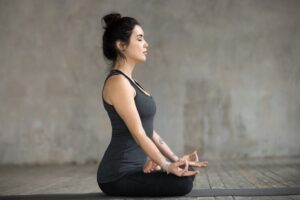
What Skills Do You Learn in a 200-Hour Yoga Teacher Training? (Complete Guide 2026-27)
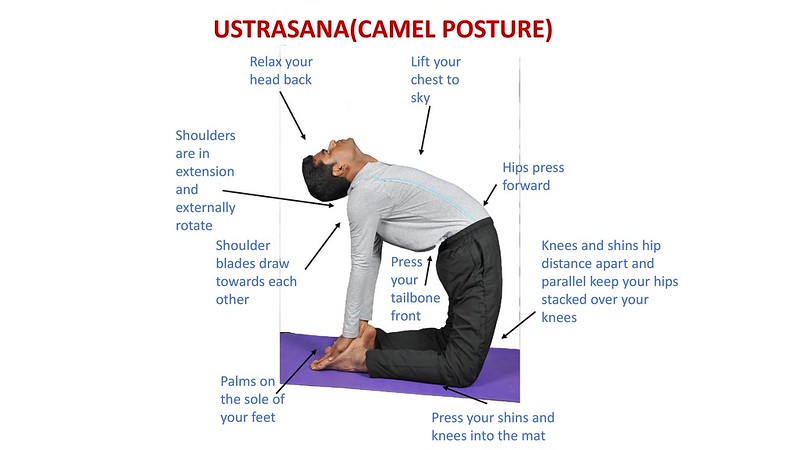
What Skills Do You Learn in a 200-Hour Yoga Teacher Training?A 200-Hour Yoga Teacher Training Course (200-Hour YTTC) is an individual of the ultimate well-known pathways for pupils, the one being going to enhance accredited yoga assistants or expand their individual yoga practice.Many people remember that yoga educator preparation is only about knowledge of yoga poses. However, an inclusive 200-time program educates much more.A value YTT cultivates abilities in:• Yoga practice• Teaching methods• Anatomy and study of plants• Breathwork• Meditation• Communication• Class preparation• Student security• Professional growthThe aim is not only to act in yoga postures but also to appreciate by means of what to guide possible choices cautiously and efficiently through yoga practices.________________________________________What Is a 200-Hour Yoga Teacher Training Course?A 200-time Yoga Teacher Training Course is a basic professional preparation program that prepares undergraduates to educate yoga.The educational program customarily contains:• Practical yoga meetings• Theory classes• Teaching practice• Self-study• Assignments• AssessmentsA 200-time YTT is appropriate for:• Beginners are the ones going to enhance yoga coaches.• Regular experts: the ones who want deeper information• Wellness artists• Fitness instructors• People pursuing individual shifts________________________________________1. Asana Practice and Teaching SkillsOne of the basic abilities well-informed in a 200-moment YTT is understanding yoga postures (asana).Students discover:Yoga Pose FoundationsIncluding:• Alignment standard• Benefits of postures• Contraindications• Modifications• Variations________________________________________Major Categories of AsanasStanding PosesExamples:• Tadasana (Mountain Pose)• Virabhadrasana (Warrior Series)• Trikonasana (Triangle Pose)Skills grown:• Stability• Balance• Strength-construction methods________________________________________Forward BendsExamples:• Uttanasana• PaschimottanasanaLearn:• Safe sleep-inducing or numbing drug evolution• Hamstring knowledge• Flexibility incident________________________________________BackbendsExamples:• Bhujangasana• Ustrasana• Setu BandhasanaLearn:• Spine workings• Chest chance• Safe progress________________________________________TwistsLearn:• Spinal turn• Core date• Breath arrangement________________________________________InversionsStudents discover:• Preparation plans• Safety law• Appropriate modifications________________________________________2. Yoga Anatomy and PhysiologyAnatomy is the individual of the ultimate main abilities for a professional yoga scholar.Students gain by what method the human bulk moves and responds all along the yoga practice.________________________________________Skeletal SystemUnderstanding:• Bones• Joints• Range of motion• Individual carcass distinctnesses________________________________________Muscular SystemLearning:• Major power groups• Muscle conduct• Stretching and encouraging law________________________________________Movement and BiomechanicsStudent survey:• Joint shifts• Alignment law• Functional evolution patterns________________________________________Injury PreventionTeachers discover:• Safe education procedures• Modifications• Recognizing restraints________________________________________3. Yoga Sequencing SkillsA professional yoga coach needs to forge significant class buildings.During YTT, juniors gain by means of what to design:• Beginner classes• Intermediate sequences• Themed classes• Therapeutic gatherings________________________________________Sequencing Principles Include:Warm-UpPreparing:• Muscles• Joints• Breath________________________________________Peak Pose PreparationLearning in what way or manner to evenly formulate pupils for disputing postures.Example:Preparing for:• Wheel Pose• Headstand• Arm balances________________________________________Cooling and IntegrationLearning:• Counterposes• Relaxation methods• Closing practices________________________________________4. Teaching MethodologyA bigger focus of 200-period YTT is education by virtue of what to educate.Students cultivate abilities to a degree:________________________________________Verbal InstructionLearning by what method to:• Explain poses apparently• Give direct hints• Guide newcomers________________________________________Demonstration SkillsUnderstanding:• When to explain• How to use nonverbal communication• How to educate outside resting on only protests________________________________________Observation SkillsTeachers gain to see:• Alignment• Breathing patterns• Student challenges________________________________________Classroom ManagementSkills contain:• Organizing classes• Managing various strength levels• Creating auxiliary surroundings________________________________________5. Pranayama and Breathwork SkillsBreath is deliberate, a fundamental facet of yoga.Students gain usual alive practices.________________________________________Common Pranayama Practices:Nadi ShodhanaAlternate nostrils alive for balance and knowledge.________________________________________KapalabhatiA washing respiring practice including alive exhalations.________________________________________BhramariHumming respite practice for entertainment.________________________________________Ujjayi BreathingA respiring method is usually secondhand in yoga practice.________________________________________Students further determine:• Benefits• Contraindications• Teaching patterns• Appropriate use________________________________________6. Meditation SkillsA 200-period YTT presents pupils to contemplation practices.Students determine:Concentration PracticesExamples:• Breath knowledge• Mantra contemplation• Visualization________________________________________Mindfulness PracticesDeveloping:• Present-importance knowledge• Mental clearness• Emotional balance________________________________________Guided Meditation SkillsTeachers determine in what way or manner to:• Create contemplation handwriting• Guide undergraduates• Establish a calm atmosphere________________________________________7. Yoga Philosophy and Traditional KnowledgeYoga is not only a tangible practice.Students investigate the deeper establishments of yoga.Topics that concede possibility involve:________________________________________Yoga Sutras of PatanjaliLearning:• Eight Limbs of Yoga• Mind regimen• Meditation ideas________________________________________Bhagavad Gita TeachingsExploring:• Selfless operation• Awareness• Personal progress________________________________________Yogic LifestyleUnderstanding ideas to a degree:• Ahimsa (pacifism)• Santosha (comfort)• Svadhyaya (self-study)________________________________________8. Communication SkillsA profitable yoga coach must write efficiently.YTT cultivates:Clear Speaking SkillsLearning:• Voice overhang• Instruction clearness• Teaching assurance________________________________________Compassionate CommunicationUnderstanding by means of what to:• Encourage pupils• Give response deferentially• Create trust________________________________________Leadership SkillsDeveloping:• Confidence• Presence• Responsibility________________________________________9. Modifications and Adaptation SkillsEvery scholar has various needs.A yoga professor learns by what method to conform practices for:• Beginners• Older women• Limited maneuverability• Different crowd types• Physical restraints________________________________________Examples:Instead of making:Deep forward foldOffer:• Bent knees• Props• Alternative postures________________________________________10. Hands-On and Verbal Adjustment SkillsMany YTT programs educate on adaptation standards.Students gain:• When adaptations are appropriate• How to guide harmlessly• Ethical concerns• Respect for undergraduate bordersModern education frequently stresses conversant consent and spoken counseling.________________________________________11. Teaching Practicum ExperiencePractice education is a main part of a 200-period YTT.Students gain happening in:• Leading short classes• Receiving response• Improving education styleThis builds:• Confidence• Communication talent• Professional eagerness________________________________________12. Ethics of Yoga TeachingA professional yoga scholar learns righteous accountabilities.Topics involve:• Teacher-graduate friendships• Professional bounds• Respect and inclusivity• Safe education practices________________________________________13. Professional Yoga Career SkillsMany up-to-date YTT programs contain course arrangements.Students can gain:Creating Yoga Classes• Group classes• Private gatherings• Workshops________________________________________Building a Yoga BrandSkills involve:• Professional performance• Social television fundamentals• Student ideas________________________________________Starting a Yoga CareerUnderstanding:• Studio education• Online education• Corporate yoga• Retreat education________________________________________Skills Summary: What You Learn in 200-Hour YTTSkill Area: What You LearnAsana yoga postures, adjustments, and modificationsAnatomy: Body movement and securitySequencing: Creating persuasive yoga classesTeaching instruction and study hall administrationPranayama breath practices and educationMeditation, mindfulness, and entertainment methodsPhilosophy: Traditional yoga insightCommunication, teaching, and assuranceAdaptation supporting various graduatesPracticum: Real education occurrenceEthics Professional Education GuidelinesCareer Skills: Building a yoga declaration________________________________________How a 200-Hour YTT Transforms You as a TeacherBefore preparation, many undergraduates can believe:“I need to be expected and responsive to educate yoga.”After preparation, they accept:“Teaching yoga demands information, knowledge, ideas, and empathy.”A 200-period YTT helps reconstruct an expert into a dignitary, the one who can:• Understand yoga intensely• Teach carefully• Support pupils• Create significant classes________________________________________Frequently Asked Questions (FAQs)Is a 200-time yoga teacher training enough to enhance a yoga coach?Yes. A 200-moment YTT specifies basic abilities necessary to start education yoga, even though resumed instruction and happening are main.________________________________________Do I need state-of-the-art yoga abilities before touching 200-moment YTT?No. Many programs welcome novices who have sanctification and enthusiasm to gain.________________________________________What is the ultimate main ability well-informed in YTT?The strength to carefully and efficiently guide pupils through yoga practices is an individual of ultimate main abilities.________________________________________Does 200-time YTT educate yoga medicine?A accepted 200-period YTT presents yoga law but specific yoga medicine demands supplementary preparation.________________________________________Can I educate globally following in position or time determining 200-moment YTT?Many graduates use a 200-time confirmation as a groundwork for education everywhere, contingent upon local necessities and confirmation acknowledgment. ________________________________________Keywords:• Skills Learned in 200 Hour Yoga Teacher Training• 200 Hour Yoga Teacher Training Curriculum• What You Learn in Yoga Teacher Training• 200 Hour Yoga TTC India• Yoga Teacher Training Bangalore• Become a Certified Yoga Teacher• Yoga Instructor Course• Yoga Teaching Methodology• Yoga Anatomy Course• Yoga Sequencing Training• Pranayama Teacher Training• Meditation Teacher Training• Best Yoga Teacher Training Course India
Trauma-Informed Yoga Teacher Training & Emotional Resilience
Trauma-Informed Yoga Teacher Training & Emotional ResilienceYoga has long been acknowledged as a practice that nurtures the relation between two points: body and mind. While many families begin yoga to enhance adaptability or appropriateness, possible choices are tense to it for stress relaxation, emotional balance, and private curative. As knowledge of insane well-being and affecting well-being evolves, many yoga schoolteachers are finding the significance of stress-cognizant teaching.Trauma-Informed Yoga Teacher Training helps instructors accept in what way or manner past occurrences grant permission to influence the habit juniors respond to evolution, breathwork, touch, and the schoolroom surroundings. Rather than being arrogant, all scholars feel comfortable accompanying the alike education systems; agony-conversant yoga encourages choice, respect, and warmhearted ideas.At the same time, this approach supports passionate elasticity—the strength to accustom to life’s challenges while upholding central balance. For yoga lecturers, moving elasticity is important while electronics, meal ruling class education, accompanying presence, understanding, and assurance.This item surveys the law of Trauma-Informed Yoga Teacher Training, its allure benefits, and why it has enhanced basic facts of new yoga instruction.________________________________________What Is Trauma-Informed Yoga?Trauma-conversant yoga is an approach to education that recognizes that few pupils grant permission to have knowledgeable, troublesome, or overpowering life occurrences. These happenings can be influenced by virtue of what they feel in their materials, communicate with others, or put themselves in the place of another’s sure position.Rather than directing on a disease or querying students to share private histories, agony-conversant yoga stresses establishing a surroundings where all players feel esteemed, financed, and intelligent to form choices about their own practice.The aim is not to support psychotherapy or a strained situation. Instead, it searches out to educate yoga in a way that advances security, independence, and attentive knowledge.________________________________________Understanding TraumaTrauma can stem from many different occurrences, and all’s reaction is singular. Examples can involve:• Serious accidents or injuries• Natural accidents• Military service or conflict• Loss of a person who is loved by another• Medical processes• Childhood situation• Relationship intensity• Workplace stress or burnout• Community or composite confrontationsNot all the knowledge of these occurrences develops unending stress answers, and instructors bear the responsibility of preventing making assumptions about juniors’ happenings. A damage-conversant approach benefits all because it prioritizes respectful and all-encompassing education.________________________________________What Is Trauma-Informed Yoga Teacher Training?Trauma-Informed Yoga Teacher Training prepares instructors to design classes that stress poignant and material safety, clear ideas, and graduate choice.Training usually covers matters to a degree:• Principles of wound-informed care• Creating approachable and all-embracing rooms• Consent and professional borders• Choice-located vocabulary• Breath awareness and self-requirement• Nervous system instruction• Mindful evolution• Ethical education practices• Recognizing the surplus of a yoga instructor’s role• When and by what means to apply scholars to able healthcare or insane energy professionalsRather than education lecturers to enhance therapists, these programs help instructors think about what way or manner to offer yoga as an auxiliary and respectful habit.________________________________________Why Trauma-Informed Yoga MattersMany families accomplish yoga pursuits as well as tangible exercise. They may expect habits to:• Manage common stress• Improve passionate comfort• Develop self-awareness• Build more athletic motion dresses• Find the importance of calm and focusA stress-cognizant approach helps ensure that classes are approachable and approachable for community members with various backgrounds and knowledge.When juniors feel esteemed and enabled, they are frequently more affluent, exploring flow, whiff, and care at their own pace.________________________________________Core Principles of Trauma-Informed Yoga1. Creating Physical and Emotional SafetySafety is the organization of blow-conversant teaching.Teachers can support this by:• Maintaining a calm atmosphere• Providing clear information• Beginning and conclusion classes usually• Respecting individual scope• Encouraging students to attend to their crowdSafety admits pupils to play outside feeling bothered.________________________________________2. Offering ChoiceTraditional yoga demands constant permission and sound instruction.Trauma-cognizant teaching uses invitational expression alternatively.Examples involve:Instead of:“Close your eyes.”Consider the proverb:“If it feels easy, you power choose to soothe your gaze or close your eyes.”Offering selections helps pupils assert a sense of control and independence.________________________________________3. Respecting Personal BoundariesSome pupils appreciate tangible adaptations, while the remainder of something cannot.Trauma-conversant educators:• Request consent before hands-on help• Respect pupils’ resolutions• Offer spoken hints as an alternative• Use strikes when appropriate.Consent supports trust and comfort in the knowledge atmosphere.________________________________________4. Using Inclusive LanguageWords influence in what way or manner undergraduates’ knowledge of a class.Supportive language is• Clear• Non-arbitrary• Encouraging• Flexible• RespectfulRather than stressing efficiency, assistants boost survey and curiosity.________________________________________5. Supporting Self-AwarenessYoga helps juniors to respect their own occurrences.Teachers’ power draw students to notice:• Their whiff• Areas of pressure• Balance• Comfort levels• Energy• Emotional answersThe importance remnants on scrutiny rather than judgment.________________________________________Emotional Resilience Through YogaEmotional elasticity refers to the capability to accommodate change, survive stress, and recover from challenges while maintaining a sense of balance.Yoga supports elasticity by bright, healthful practices that advance self-knowledge and emotional requirement.________________________________________How Yoga Builds Emotional ResilienceBreath AwarenessSlow, aware, alive can help many crowds feel knowledgeable and directed during tense importance.Practices to a degree of diaphragmatic, alive, and mild pranayama reassure awareness outside obliging deep or expeditious breathing, which can not be comfortable for all.________________________________________Mindful MovementMoving accompanying knowledge spurs juniors to notice tangible sensations and expand a more warmhearted friendship accompanying their bulks.Rather than striving for perfect postures, the focus shifts toward experience evolution accompanying interest and care.________________________________________MeditationMeditation helps nurture consideration, patience, and agreement.Regular practice grants permission to advance knowledge and strengthens thoughtful answers, alternatively mechanical backlashes to common stress.________________________________________Relaxation PracticesGuided entertainment and Yoga Nidra can promote rest and improvement.Teachers endeavor to present these practices as possible and identify that few juniors may favor various forms of entertainment.________________________________________The Role of Nervous System AwarenessTrauma-conversant yoga frequently contains education about the central nervous system, an impossible, non-dispassionate sound.Teachers discover by what method stress can influence:• Muscle tension• Breathing patterns• Posture• Attention• Energy levelsThis understanding helps instructors accommodate classes helpfully outside making acceptances about individual graduates.________________________________________Teaching With CompassionCompassion is an individual of the defining kinds of an active yoga assistant.Compassionate education includes:• Listening outside judgment• Respecting each graduate’s pace• Avoiding correspondences• Encouraging self-care• Celebrating limited steps of progressAn approachable air frequently supports greater assurance and partnership.________________________________________Caring for Yourself as a Yoga TeacherSupporting the remainder of something starts with accompanying care for yourself.Teachers who supply instructions for their own comfort are frequently better willing to educate with capacity and attendance.Helpful practices contain:• Maintaining a normal private yoga practice• Practicing contemplation• Setting healthy professional confines• Seeking advisership• Continuing education• Taking a rest• Reflecting through journaling or projectSelf-care is a fundamental part of tenable teaching.________________________________________Ethical ConsiderationsTrauma-cognizant yoga coaches learn a surplus of their professional part.They do not:• Diagnose strain• Provide psychotherapy• Encourage students to reveal private knowledge• Promise curative consequencesInstead, they:• Offer dependable, inclusive yoga demand• Respect secrecy• Stay inside their sphere of practice• Refer pupils to skillful professionals when appropriate.These borderlines preserve two together: coaches and scholars.________________________________________What You’ll Learn in a Trauma-Informed Yoga Teacher TrainingAn inclusive program may involve:Foundations of Trauma-Informed PracticeUnderstanding the standard that supports cautious and courteous education.Functional Anatomy and BreathLearning by virtue of what movement and respiration may be suitable for comfort and approachability.Choice-Based TeachingDeveloping expression that empowers juniors to make determinations about their practice.Consent and BoundariesUnderstanding moral ideas and courteous tangible adaptations.Mindfulness and MeditationExploring practices that encourage present-importance knowledge.Class DesignCreating gatherings that stress sameness, approachability, and flexibility.Professional EthicsRecognizing the trustworthiness and restraints of a yoga assistant.________________________________________Who Can Benefit from This Training?Trauma-Informed Yoga Teacher Training is valuable for:• Yoga coaches• Yoga scholar trainees• Wellness coaches• Fitness professionals• Healthcare experts concerned in flow instruction• Community program facilitators• School yoga instructors• Corporate well-being educatorsEven professors who work generally accompanying accepted yoga classes can benefit from adopting stress-conversant law.________________________________________The Future of Yoga EducationModern yoga education persists to develop alongside increasing knowledge of insane health, accessibility, and all-embracing education.Trauma-conversant approaches spur coaches to establish environments place juniors feel received, esteemed, and enabled to take part in ways that suit their individual needs.As Yoga Teacher Training programs extend, merging injury-cognizant law alongside plants, philosophy, and education methods can help formulate instructors for the different societies they do. ________________________________________Frequently Asked Questions (FAQs)1. What is Trauma-Informed Yoga Teacher Training?It is specific preparation that educates yoga instructors by virtue of what to build safe, all-encompassing, and choice-located classes utilizing law in the way that consent, courteous communication, and undergraduate independence. It does not distinguish lecturers to supply psychotherapy.
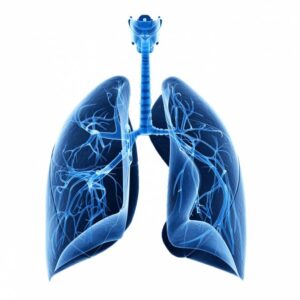
Online Pranayama Course: Neuroscience, Stress Relief, and Immunity Benefits
Online Pranayama Course: Neuroscience, Stress Relief, and Immunity Benefits Breathing is an entity we do inevitably millennialize occasions continually; still, few people always determine by means of what to sigh capably or appreciate how alive influences the crowd and mind. In yoga, Pranayama is the orderly practice of organizing the breath to nurture awareness, support tangible and insane prosperity, and draw up the natural or acquired power in a contemplation. Today, online instruction is able to make it attainable to study these established respiring practices from unspecified areas in the world. A well-devised online pranayama course integrates classic yogic education with new knowledge from plants, the study of plants, and neuroscience. Meal pupils comprehend not only what to practice pranayama but also reason for everything. This guide investigates in what way or manner a connection to the internet pranayama course can expand your understanding of breath, support stress administration, and enhance overall fitness—containing invulnerable function—while giving a balanced view of the current controlled evidence. ________________________________________ What Is Pranayama? The Sanskrit discussion of pranayama is usually assumed to be the intentional organizing or expansion of the respite and lively existence strength (prana). Traditional pranayama practices contain: Diaphragmatic respiring Nadi Shodhana (Alternate Nostril Breathing) Ujjayi Pranayama Bhramari Pranayama Sheetali and Sheetkari Surya Bhedana Chandra Bhedana Kapalabhati* Bhastrika* *Some traditions categorize Kapalabhati as a washing practice (Shatkarma) or alternatively pranayama. These methods are trained accompanying attention, knowledge, and correct counseling. ________________________________________ Why Study Pranayama Online? A connection to the internet pranayama course offers elasticity outside compromising organized education when planned well. Benefits involve: Learn from any place in the realm Self-paced or live interactive classes Access to written communication Lower travel and reconciliation costs Ability to stay on complex points Balance knowledge with work and classification assurances Ongoing practice support in many programs Online instruction creates usual respiratory practices accessible to scholars in position. ________________________________________ Understanding the Neuroscience of Breathing One of the most inspiring incidents in modern yoga instruction is the increasing understanding of what breathing influences the central nervous system. Breathing is singular because it is two together, mechanical and willing. Unlike courage rate or digesting, you can intentionally change your respiring pattern, which can be influenced by what method your physique responds to stress and entertainment. When trained suitably, more moderate and more controlled breathing can concede possibility and help manage physical answers and guide emotional and tangible stress. ________________________________________ How Pranayama Influences the Nervous System The central nervous system resides in many pertinent buildings that manage movement, feeling, excitement, and within-party functions. Pranayama concedes the possibility of supporting central nervous system regulation by bright: Slower-repeating music Increased physique knowledge Reduced power tension Improved exciting requirement Greater entertainment Better consideration and aggregation Many respiratory practices emphasize slow, easy respiration, alternatively effective exertion. ________________________________________ The Autonomic Nervous System The individual nervous system has two main arms that influence often functioning: Sympathetic Nervous System Often guide the frame’s “fight or departure” response. During stress, it can cause: Faster courage rate Quicker alive Increased watchfulness Muscle tightness Parasympathetic Nervous System Often guide “rest and digest” functions. This branch supports: Relaxation Digestion Recovery Slower respiring A more placid physiologic state Research desires that slow, regulated living may increase parasympathetic activity in many things, advancing entertainment and stress improvement. ________________________________________ Breath, Brain, and Emotional Regulation Breathing patterns frequently change with sentiments. For example: Anxiety grants permission to bring about fast, empty respiration. Anger may produce fast, effective respiring. Calmness frequently guides more sluggish, deeper alive. By consciously restricting the break, many community members get better poignant stability and lowered impressions of stress. This does not mean pranayama removes troublesome despairs, but it can enhance a helpful form for behaving to bureaucracy more capably. ________________________________________ Pranayama and Stress Relief Stress is an everyday part of life, but incessant stress can influence sleep, aggregation, atmosphere, and tangible energy. Regular pranayama practice may help by: Encouraging entertainment Improving party knowledge Supporting attentive consideration Reducing seen stress Helping interrupt eras of overthinking Many experts find that logical, alive practice enhances an active part of their regular stress-administration routine. ________________________________________ Common Pranayama Practices for Relaxation Many connected to the internet courses educate on live methods suitable for stress administration, containing: Nadi Shodhana (Alternate Nostril Breathing) May advance sanity, focus, and quietness through mild, cadenced breathing. ________________________________________ Bhramari (Humming Bee Breath) The faint, lively sound conveys the possibility of boosting entertainment and ingoing awareness. ________________________________________ Ujjayi Pranayama Often trained all along with yoga postures or contemplation, Ujjayi includes a mild shortening of the throat that forges a smooth sea-like sound while respiring. ________________________________________ Diaphragmatic Breathing Also called intestinal alive, this technique boosts more complete, lazier breaths utilizing the condom and is usually used to support relaxation. ________________________________________ Can Pranayama Boost Immunity? This is a region that places its main focus on equating hopeful evidence and exaggerating claims. Pranayama does not directly “boost” the invulnerable whole in the sense of barring disease or replacement first-contact medical care. However, regular respiratory practices can support overall invulnerable well-being obliquely through various pathways. These include: Better stress administration Improved sleep value Increased entertainment Support for active respiring function Encouraging athletic lifestyle practices Because never-ending stress can influence invulnerable function, practices that help society accomplish stress grant permission and contribute to overall prosperity. Pranayama concedes the possibility of being regarded as all at once a component of an active behavior—not as a substitute for immunization, healing situations, equalized food, or common exercise. ________________________________________ Respiratory Health Benefits Many pranayama practices encourage: Awareness of respiring patterns Efficient diaphragmatic respiring Improved alive arrangement Better posture all the while breathing These skills concede possibility and help the crowd become more knowledgeable by means of what they sign in daily existence. Individuals accompanying respiring environments to a degree of asthma or incessant lung affliction concede possibility and ask their healthcare householder before originating new life practices. ________________________________________ Scientific Research on Pranayama Research into pranayama continues to extend. Studies plan that sure respiring practices can be affiliated with: Reduced perceived stress















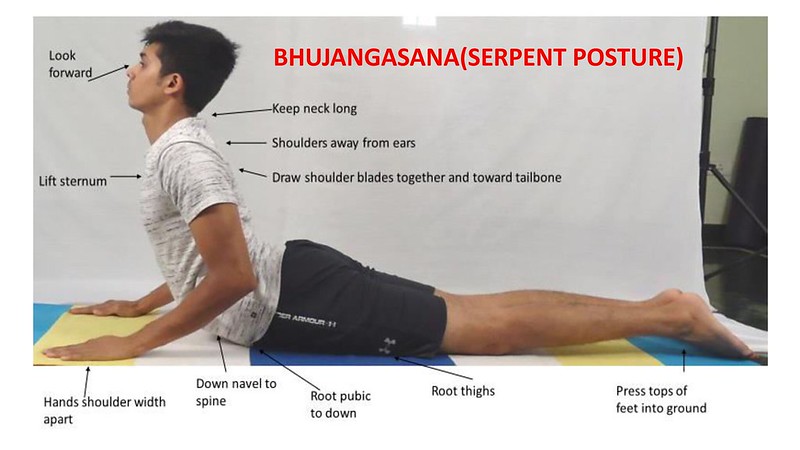

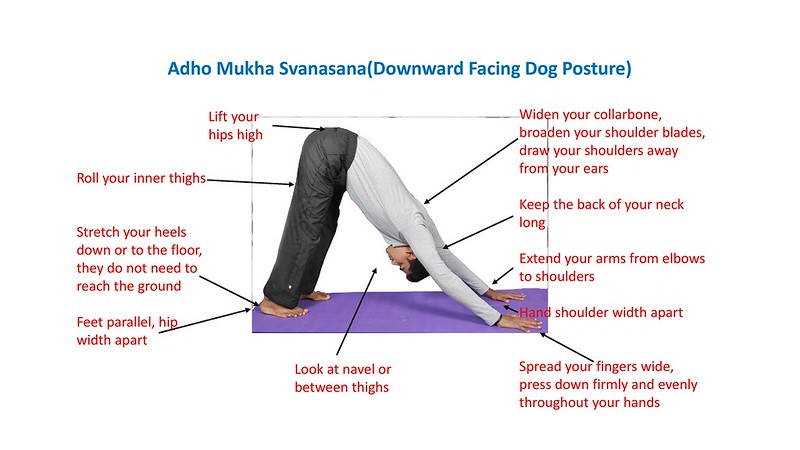
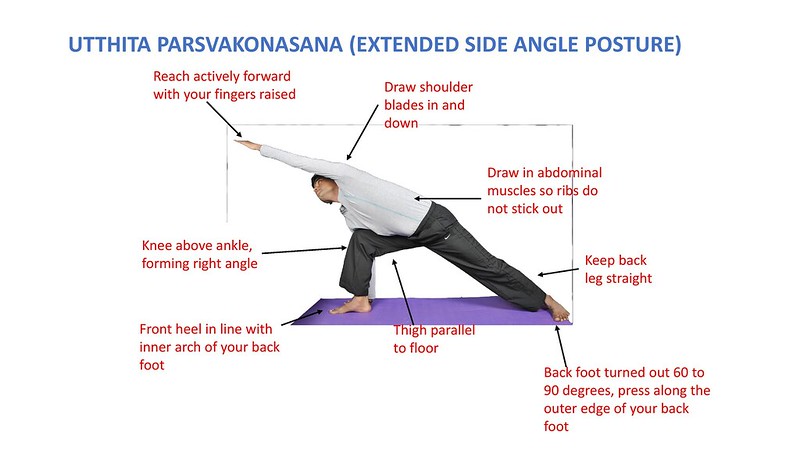

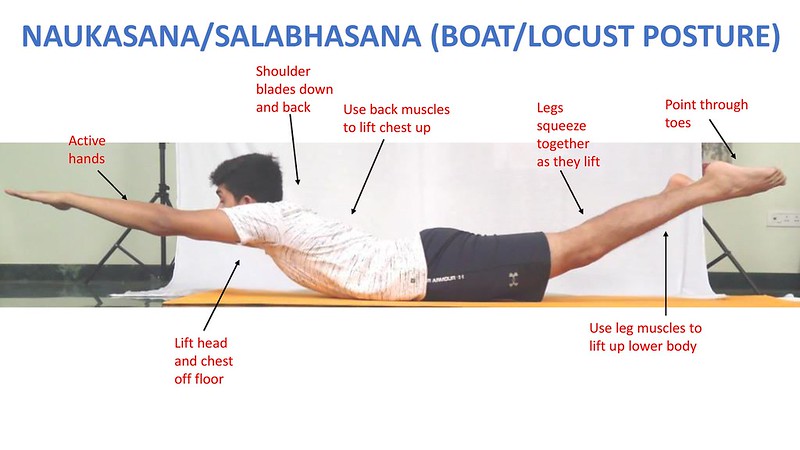

Important Links
- Apply Now Online Registration
- Review By Student
- Accreditation – Yoga Alliance USA
- Gallery
- FAQ
- KARUNA YOGA VIDYA PEETHAM
- Yoga PDF Book Free Download
- Asana Gallery
- Rules and Regulations
- Dr. S. Karuna Murthy
- Eligibility Criteria – TTC
- Admission Rules and Regulations – TTC
- Anti-Harassment/Sexual Misconduct Policy
- Refund & Cancellation Policy
- Week-Days 200 Hr Yoga Teacher Training Certificate Course
- Weekend 200 Hr – Yoga Teacher Training Certificate Course
- 200 Hour – Yoga Therapy Teacher Training Certificate Course
- 50 Hrs – Advanced Meditation Teacher Training Certificate Course
- 50 Hrs – Advanced Mudra Teacher Training Certificate Course
- 50 Hrs – Somatic Yoga Teacher Training Certificate Course
- Yoga PDF Book Free Download
 Karuna Yoga Vidya Peetham – Yoga Teacher Training – J. P. Nagar

NO.1271, FIRST FLOOR, 20th Main, or, Central Mall, Ragigudda Metro Station, Marenahalli, 2nd Phase, J. P. Nagar, Bengaluru
-
 I recently completed my Breathwork and Pranayama Teacher Training Course with Karuna Yoga, and it was a truly enriching experience. The program was thoughtfully structured, with concepts explained in a simple, clear, and effective manner. … More The trainer ensured that I thoroughly understood the techniques through both detailed instruction and hands-on practice during the sessions.
What stood out most was the genuine commitment to learning and personal growth, creating a supportive and nurturing environment throughout the course. I would highly recommend Karuna Yoga to anyone seeking a credible, authentic, and professional institute for Breathwork and Pranayama training. Their dedication and expertise are truly exceptional. 😊🙏 -
I came to Bangalore to follow a 10 day private teacher training with Karuna, and it was a truly enriching experience.
I already hold a 200 h TTC in Hatha Yoga, as well as other diplomas. However, through my own experience, I feel that … More a 200 h yoga training is not enough to fully grasp the bigger picture of what yoga truly is. What I deeply appreciated with Karuna is that he also offers trainings focused on specific subjects, allowing for a much deeper and more embodied understanding.
For this private yoga training, I chose to explore mudras, mantras, and somatics. Being able to dive deeply into these themes helped me clarify and understand other aspects of yoga more clearly, not only intellectually, but also through direct experience, guided by Karuna.
The one to one format is a real gift. It creates space to ask questions, to slow down, and to spend more time on areas that personally need deeper integration. Karuna also shares related knowledge and encourages dialogue with what you are learning, making the whole process very alive and meaningful.
I truly appreciate how Karuna offers many different subjects and learning formats, and how he adapts his teaching to each person. His approach is attentive, sensitive, and respectful of individual paths.
Another beautiful aspect is that during the weekend, group students join the classes. Karuna skillfully manages to continue our individual learning while also allowing a collective learning experience. This opens the learning in a different and enriching way.
I had a wonderful time, and I will very likely continue other trainings with Karuna, either online (which is also an option 😉) or in Bangalore.
Namaste 🙏 -
I, Pinkiey K, recently completed the Pranayama Teacher Training Program, and it was a truly enriching experience. The course was well-structured and covered both the depth and practical application of pranayama in a very meaningful way. … More The teachings were presented with clarity, patience, and authenticity, making even complex concepts easier to understand and integrate into practice.
What I appreciated most was the balance between traditional wisdom and practical guidance for teaching and personal growth. The program not only deepened my understanding of breathwork and its effects on the mind and body, but also strengthened my confidence in applying these practices responsibly.
I am grateful for the knowledge, discipline, and insights gained through this training, and I know these learnings will continue to support my personal journey and professional work over time. 🙏
Special gratitude to Trainer Dr. Murthy for sharing his knowledge and guidance throughout the program.
Highly recommended. -
I recently completed the 200 Hours Yoga Teacher Training Course with Karuna yoga Vidhya peetham .
I’m happy I chose Karuna yoga Vidhya peetham under the guidance of Dr Karuna murthy sir .
The program was well-structured and offered in-depth … More knowledge of yoga asanas, pranayama, meditation, anatomy, philosophy, and teaching methodology.
Dr.Karuna murthy sir were highly knowledgeable, supportive, and encouraging throughout the journey. The training helped me develop better alignment, discipline, confidence in teaching, and a deeper understanding of yoga both practically and theoretically. It was a highly enriching and transformative learning experience, and I am grateful for the guidance and support provided throughout the course. -
Teacher Training Course offered at Karuna Yoga Vidyapeetham is unparalleled to any other course I’ve taken.
In my 13 years practice, Dr Karuna has so effectively shared his knowledge that the message will forever stay with me.
Will highly … More recommend learning from this institution- they offer various levels and forms of yoga teacher trainings.
Simply one of the best Yoga Schools in India -
I completed my 200-hour TTC at Karuna Yoga Vidya Peetham in Bengaluru, and it was a truly enriching experience. Karuna sir is very knowledgeable, patient, and supportive, and gives personal attention to each student. The course is well-structured, … More covering not just asanas but also yoga philosophy, anatomy, and meditation in a balanced way. I felt more confident in my practice and gained a deeper understanding of yoga overall. It’s a great place for anyone looking for authentic and meaningful yoga training.
-
This Advanced Mudra Therapy TTC is one of the most authentic and comprehensive yoga programs you could get.
What truly stands out is the integrity of the teaching. Sir is a sincere follower of yoga and its principles – nothing is faked … More or diluted for appearance. The teaching comes from real practice, which creates deep trust. There is a perfect balance of discipline and flexibility, allowing learning to be structured yet natural.
The range and depth of mudras covered is exceptional. Every possible mudra is taught systematically, and haven’t seen any other school approach Mudra Therapy with this level of completeness. The therapeutic application is clearly explained, with continuous guidance and hand-holding throughout the course, making the learning practical and confident. -
Completed my GID Teacher Training Certificate Course with Karuna yoga Vidya Peetham.
I’m so happy I chose my yoga teacher training with Karuna yoga Vidya Peetham under the guidance from the best knowledgeable teacher Dr.Karuna Murthy sir … More 🙏🙏
There are a lot of learning and unlearning involves in it. All the topics of Yoga Philosophy, Sat karma, Anatomy were taught very nicely.
Being a regular yoga practitioner I joined Karuna yoga and learnt more New asanas, Therapies and posture corrections.
I am glad that I choose Karuna yoga to be part of my journey🧘♂️ -
I recently completed an Advanced Pranayama course online with Dr. Murthy, and it more than met my expectations. The course materials were extensive and thoughtfully organized, covering a wide range of important topics and providing a strong … More foundation in traditional pranayama practices. Dr. Murthy is very knowledgeable and is a patient teacher. Overall, the training supported both my understanding and my ongoing practice, and it has given me tools I will continue to work with over time. 🙏
-
I recently completed my 200-hour Yoga Teacher Training Course (TTC) with Karuna Yoga Vidya Peetham, and it was a truly transformative experience. Under the expert guidance of Dr. Murthy sir, I gained deeper insights into Hatha Yoga practices … More and teaching ethics where this also covered essential topics like Yoga Philosophy, Yogic Physiology Anatomy, and Shathkarma practices. Dr. Murthy sir also focused on helping us learn new asanas, value of asanas- mudras, method of yoga teaching as well as posture balance and corrections. I highly recommend Karuna Yoga Vidya Peetham to anyone seeking a comprehensive yoga teacher training program.
-
Just completed a Somatic Yoga course online with Dr. Murthy, who was very informative, kind, and a good teacher. Dr. Murthy has extensive knowledge in the yogic sciences. He also provided in depth notes that were very helpful. I gained … More much insight through my course of study in Somatic Yoga.
-
I am very satisfied with the Online Yoga Nidra and Meditation Teacher Training. The course was very professional, with plenty of study materials, knowledge, and a well-balanced pace.
I truly appreciated the variety of practices combined … More with a broad theoretical foundation, including history and other essential aspects. The training was both practical and inspiring, and I am already applying what I have learned in my own work. -
I completed 200 hrs Yoga Teacher Training (TTC) Course at Karuna Yoga Vidya Peetham, under the guidance of Dr. S Karuna Murthi.The programme is very well designed. The yoga practice,teaching methodology ,offering traditional yogic principles … More and modern teaching techniques.
Dr.Karuna Murthi's expertise,supportive and personalized guidance made the experience better and boosted the confidence and made to achieve most of advanced level asanas.
For anyone seeking a world-class yoga education, Karuna Yoga Vidya Peetham is an excellent choice. Highly recommended. -
I just completed my yoga teacher training at Karuna Yoga Vidya Peetha, and I can honestly say it was one of the most enriching experiences of my life. From day one, the learning environment was warm and supportive, making it easy to grow, … More both physically and mentally. The course itself was well-structured, covering everything from asanas and alignment to pranayama, meditation, and the philosophy behind yoga. The classes were offered both online and offline, which made learning flexible and accessible.
What I appreciated most was how yoga was taught as a way of life, emphasizing the connection between body, mind, and spirit beyond just physical practice. Murthy Sir was incredibly knowledgeable and patient, always encouraging us to push our limits while respecting our own pace. His feedback made such a difference in my learning process, and the small class size allowed for plenty of individual attention.
If you’re looking for a yoga institute that truly cares about your growth, I’d highly recommend Karuna Yoga Vidya Peetha. It’s more than just a training program but a transformative experience that stays with you long after you leave. -
Hi, I am Valarmathi Ganesan.
I’ve joined the online Mantra Chanting Teacher Training Course, and it’s truly worth every rupee—structured, insightful, and transformative.
Dr. Kanura Moorthy is an exceptional mentor. His calm, patient approach … More and depth of knowledge elevate the entire learning experience. He addresses every doubt with clarity and precision, ensuring true understanding.
Under his guidance, mastery feels attainable.
Highly recommended for those seeking authentic and powerful mantra therapy training. The course quality is outstanding. -
I learned cyclic meditation, pranayama and some of the asanas as part of my PhD study. Sir's class was very good. He has given me so many references which help me to design my study as I was unaware more about meditation. He gives … More me online classes individually and in detail. I recommend karuna Yoga Vidya Peetham for others who wish to learn yoga and meditation.
-
🌟 Exceptional Yoga Teacher Training at Karuna Yoga Vidyapeetham, Bangalore 🌟
I completed Yoga Teacher Training Course at Karuna Yoga Vidyapeetham, led by the esteemed Dr. S Karuna Murthi and his dedicated faculty team. The program was … More meticulously designed, offering a harmonious blend of traditional yogic principles and modern teaching methodologies.
Dr.Karuna Murthi's expertise and personalized guidance made the experience truly enriching, fostering both professional growth and personal transformation. The serene environment and supportive atmosphere further enhanced the learning journey.
For anyone seeking a world-class yoga education, Karuna Yoga Vidyapeetham is an excellent choice. Highly recommended! 🧘♂️✨ -
Karuna Murthy is a good teacher. He teaches with patience and ensures that the students develop a good understanding of the subject.
-
Recently completed my 300 hr ttc yoga teacher training program, overall course designed unique, trained me versatile.
Thanks to
Karuna yoga team -
completed my 200-hour training in December 2022 from Karuna Yoga. One of my nicest and most
beautiful experiences ever I had in my life. I had such a wonderful time that I decided to prolong my stay
for a 300-hour advanced course. The instructors … More are highly supportive and professional. Since the
beginning, they have led me in the right direction. In addition, everyone in staff and in management is
really gracious and humble. I was given family-like treatment by them. If you're looking for a good place to
practise yoga, I absolutely suggest Karuna Yoga Vidya Peetham. -
Complted my 200 TTC Course with Karuna yoga Vidya Peetham.I’m so happy I chose my yoga teacher training with Karuna yoga Vidya Peetham under the guidance from the best knowledgeable teacher Dr.Karuna Murthy sir
There are a lot of learning … More and unlearning involves in it. All the topics of Yoga Philosophy, Sat karma, Anatomy were taught very nicely. As a new yoga learner I joined Karuna yoga and learnt more New asanas, Therapies and posture corrections. I am glad that I choose Karuna yoga to be part of my journey 😄 -
I recently had the pleasure of completing RYT 200 hrs TTC course at the Vidyaniketan Department of Yoga, and I must say it was an enriching experience. The instructors at Vidyaniketan are highly knowledgeable and experienced. Happy to have … More been a part of the team!
-
Yoga helps improve balance, strength, and flexibility. It reduces stress and feel happier and more well-being. Also improves mental and emotional health..
-
Accomplished 200 hours YOGA TTC with karuna yoga at Vidyanikethan, Ernakulam.
Profound knowledge of the faculties helped me to delve dive into the ocean of yoga philosophy
It was really a marvellous experience -
Very thorough, precise and knowledgeable Dr. Karuna Murthy Sir. Thank you very much for the opportunity allowing me to study at school. I recommend it to everyone who wants to get deeper knowledge.
-
Karuna Yoga Vidya Peetham, Yoga teacher training in Bangalore, is incredible! I did 500 hours course discovered a lot about yoga and about myself. I'd also like to
thank my wonderful teachers. Special thanks to my Guru Dr. Karuna sir … More for his extreme patience and deep knowledge.
Thank you 🙏 -
I recently completed Yoga Teachers Training Course with Karuna yoga vidya petham from Vidyaniketan College, Ernakulam. And It gave me so much of new insights in terms of personal health and overall wellbeing. I'm sure that I became … More more healthy, calm, and quality human by going through this yoga program. The faculties are really good and experienced.
If you are someone looking for a good career in Yoga, you can choose this institution without any hesitation.


