
50 Hrs – Advanced Pranayama Teacher Training Certificate Course, Bangalore, India
Contact Hr – Direct or live interaction with Teacher. This includes in-person or real-time online sessions where you are actively engaged with the teacher, receiving instruction, feedback, and guidance.
Non-Contact Hr – Reading a book or article, or watching a video, Self-Practice, Written Assignment, Project Work, Audio Assignment, Video Assignment.
· Contact Hours: 40 Hours 
· Non-Contact Hours 10 Hours
· Course: 50 Hrs – Advanced Pranayama Teacher Training Certificate Course
· Total Fee for the Training(For Indian Citizens Only): INR 15,000(Registration Fee) + INR 40,000 (Course Fee) = INR 55,000
· Total Fee for the Training(For Non-Indian Citizens Only): USD 250(Registration Fee) + USD 500 (Course Fee) = USD 750
· Accreditation: Yoga Alliance USA YACEP.
· Skill level: Beginners, Intermediate & Advanced
· Language: English
· Mode: Offline/Online/Hybrid/Self-Paced
· About the course facilitator: Dr. S. Karuna Murthy, M.Sc., Ph.D., E-RYT 500, YACEP
· Language: Our courses will be held in English Medium.
· Course Dates: Please Contact Us (karunaayoga@gmail.com or +91 9686549129)
Pranayama Teacher Training Certificate Course
Yoga has become synonymous with term Asana; however the entire practice of Yoga is based on practices of consciousness. Asana, Pranayama, Mudra and Bandhas are the three most important techniques that lead to the state of higher level of meditation. When these four techniques are done with awareness, knowledge and preparation, Yoga becomes possible. In this journey to self-discovery, pranayama leads to the purification of senses, prana and mind. With a consolidated state of mind one attains Mudra and maintains bandhas in order to maintain one pointed awareness. Learn these four important practices in Yoga and let your practice be to attain the state of Yoga itself.
Yoga has become synonymous with the term Asana; however, the entire practice of Yoga is based on practices of consciousness. Asana, Pranayama, Mudra and Bandhas are the three most important techniques that lead to the state of a higher level of meditation. When these four techniques are done with awareness, knowledge, and preparation, Yoga becomes possible. In this journey to self-discovery, pranayama leads to the purification of senses, prana and mind. With a consolidated state of mind, one attains Mudra and maintains bandhas in order to maintain one-pointed awareness. Learn these four important practices in Yoga and let your practice be to attain the state of Yoga itself.
The 50-Hour Pranayama Teacher Training Certificate Course is an intensive program designed to provide yoga practitioners and teachers with a deep understanding and hands-on experience of Pranayama (breathing techniques). This course covers the science, practice, and teaching methodology of Pranayama, enabling you to incorporate these techniques into your personal practice and guide students effectively.
Certification & Accreditation
Upon successful completion of the course, you will receive the Pranayama Teacher Training Certificate. This course is often Yoga Alliance accredited, and may also be eligible for YACEP (Yoga Alliance Continuing Education) credits. This allows you to teach Pranayama to others and use the certification for professional development in your yoga career.
Pranayama
Pre-practices, practical hints, seasonal considerations, technical considerations, benefits and modifications of pranayama practices.
Pre-requisites:
- This course is open to all students who wish to deepen their knowledge and application of some of the highest teachings of
- Participants do not need to be yoga
- Mastery of any yoga practice is not
- Only yours sincere desire for knowledge and your commitment to personal
- Love for Yoga is the most important eligibility factor for learning this course.
- Students who want to know Yoga in totality and move beyond Asana and Pranayama, Mudra & Bandha.
What you will learn from this course?
- Four aspects of pranayama
- Pranic body & five koshas (sheaths)
- The five types of prana
- Pranayama’s health benefits
- Pranayama in spiritual context
- The respiratory system
- Yogic breathing and different types of Pranayama
- Neurological and physiological benefits of pranayama
- Benefits of Pranayama
- Types of pranayama and levels
- How to Practice and teach pranayama
- Relevance of pranayama in modern life
- How to practice meditation correctly
- How to teach meditation
- How to develop the right voice & script
- How to setup and structure a class
- Evidence based benefits of meditation
- Meditation and neuroscience
- An overview of different meditation traditions
- Fundamental principles of meditation
- Understand the science behind meditation
- Understand the difference between different meditation styles
- Important do’s and don’t s of teaching meditation
- Anatomy for finding the right sitting position
- How to integrate meditation in daily life
What do I need for the online course?
- Yoga mat
- Computer / Smartphone with camera
- Internet connection
- Yoga Blocks
- Pillow or Bolster or Cushion
- Strap
- Notebook and Pen
- Zoom
Assessment and Certification
The students are continuously assessed throughout the course at all levels. There will be a written exam at the end of the course to evaluate the understanding of the philosophy of Yoga and skills of the students. Participants should pass all different aspects of the course to be eligible for the course diploma.
Recommended Texts
- Asana Pranayama Mudra Bandha by Swami Niranjananda Saraswati
- B.K.S. Iyengar, Light On Yoga.
- Light on Pranayama: By B.K.S. Iyengar.
- The Science of Pranayama: By Swami Sivananda, this book is published by Divine Life Society.
- Asana Pranayama Mudra Bandha: By Saraswati Satyananda Swami.
- Mind Your Breathing: The Yogi’s Handbook with 37 Pranayama Exercises: By Sundar Balasubramanian Ph.d.
- Pranayama Mudra and Meditation: By Dr. Sharadchandra Bhalekar.
- Prana and Pranayama: By Swami S. Nirajanananda.
- Power Pranayama: By Dr. Renu Mahtani M.D.
- Kumbhaka Paddhati of Raghuvira: Science of Pranayama: By M.L. Gharote.
Curriculum Pranayama Teacher Training
Part-1
1.What is Pranayama?
1.1.Etymological meaning
1.3. Pranayama for transformation
1.4. Conscious breathing
1.5. The first step
1.6.Prana nigraha
1.7.Pranayama is kumbhaka
2.Universal prana
2.1. Play of prana and chitta
2.2. Individual prana
2.3. Receiving prana
2.4. Experience of cosmic prana
2.5. Four aspects of pranayama
Pooraka or inhalation
Rechaka or exhalation
Antar kumbhaka or internal breath retention
Bahir kumbhaka or external breath retention.
2.6. The Pranic body
2.7. Breath, health and pranayama
2.8. Breathing and life span
2.9. General notes for the practitioner
- Contra-indications
- Time of practice
- Bathing
- Clothes
- Empty stomach
- Diet
- vii) Place of practice
- Breathing
- Sequence
- Sitting position
- Avoid strain
- Side effects
2.10. Guidelines for Pranayama
- Diet
- Place
- Cleanliness
- Sequence
- The seat
- Posture
- Starting nostril
- The nose
- Flaring the nostrils
- Breathing
- Ratio of inhalation, retention and exhalation
- Bandhas
- Time unit
- Fatigue
- Illness
- Pregnancy
- Possible side effects
- Regularity
- Advice for pranayama sadhana
- Special diets
- Importance of Kumbhaka
- Classification of pranayama
- What is kumbhaka?
- Physiology of kumbhaka
- Kevala kumbhaka
- Kumbhaka and Samadhi
- Thereby the covering of light disappears.
- Kumbhaka and kundalini
3.Natural breathing
3.1. Abdominal Breathing
3.2. Abdominal (or diaphragmatic) breathing
3.3. Thoracic Breathing
3.4. Thoracic breathing
3.5. Clavicular Breathing
3.6. Clavicular breathing
3.7. Full Yogic Breathing
3.8. Yogic breathing
4. Kapalabhati Pranayama (frontal brain cleansing breath)
4.1.Technique 2: Alternate nostrils
4.2.Left nostril
4.3.Right nostril
4.4.Both nostrils
5. Bhastrika Pranayama (bellows breath)
5.1.Technique I: Preparatory practice
5.2.Technique 2: Alternate nostrils
5.3.Right nostril
5.4. Both nostrils
6. Nadi Shodhana Pranayama (psychic network purification)
6.1.Nadi Shodhana Pranayama (psychic network purification)
7.Nadi Shodhana Pranayama (psychic network purification)
7.1.Technique I: Preparatory practice
- Stage I:
- Stage2:
8.Technique 2: Alternate nostril breathing
- Stage I:
- Stage 2:
8.1.Technique 3: with Antar Kumbhaka (inner retention)
- Stage I:
- Stage 2
- Stage 3
- Stage 4
- Stage 5
8.2.Advanced practice: (addition of bandhas)
8.3.Jalandhara and Moola bandhas:
8.4.Technique 4: Antaran Bahir Kumbhak (internal and external retention)
- Stage 1
- Stage 2
- Stage 3
- Stage 4
- Stage 5
- Stage 6
8.5.Advanced practice: (addition of bandhas)
9.Ujjayi Pranayama (the psychic breath)
Technique I
10. Chandra Bhedana Pranayama (calming energy)
10.11. Surya Bhedana Pranayama (stimulating vitality)
11. Sheetali Pranayama(cooling pranayama)
12. Sheetkari Pranayama (hissing breath)
13. Bhramari Pranayama (humming bee breath)
14.Swara Yoga
1.Balancing the swara
1.1.Padadhirasana (breath balancing pose)
2.Danda Kriya (stick action)
2.1.Variation: two dandas
2.2.Lying on the side
2.3.Alternate nostril breathing
Part – 2
2.Pancha Kosha: Vital Sheaths
1.1.Prana and the koshas
1.2.Ascending through the koshas
3.Pancha Prana: Pranic Force Fields
1.1.Sthoola prana
1.2.Subtle level
1.Prana
ii.Apana
iii.Samana
iv.Udana
v.Vyana
1.3. Density and colour of pranas
1.4.Union of prana and apana
1.5.Five minor pranas
- Naga
- Koorma
- Krikara
- Devadatta
- Dhananjaya
1.6.Pranayama and prana vidya
4.Prana and Mantra
2.Big Bang
3.What are mantras?
4.Prana and mantra
5.Use of mantra in pranayama
6.Gayatri mantra
7.Omkara pranayama
8.Bija mantras
9.Ajapa japa
5.Benefits of Pranayama
1.1.Awakening of vital energy
1.2.Physical benefits
1.3.Respiratory system
1.5.Digestive and eliminatory system
1.6.Cardiac system:
1.7.Endocrine system
1.7.1.Nervous system
1.8.Greater concentration
1.9.Experience of higher consciousness
1.10.Changes in the relationship with gravity
1.11.Karmic purging
6. Nadis
2.2.1. Ida, Pingala and Sushumna
7.7. Chakras: Energy Vortex
1.Mooladhara cakra
2.Svadhisthana cakra
3.Manipura cakra
4.Anahata cakra
5.Visuddhi cakra:
6.Ajna cakra
6.1.Bindu
7.Sahasrara cakra
8.Three Bodies – Sthūla Śarīra, Sūkṣma Śarīra, and Kāraṇa Śarīra
a.Sthūla Śarīra (Gross Body)
b.Sūkṣma Śarīra (Subtle Body)
c.Kāraṇa Śarīra (Causal Body)
Part -3
9. Sixteen Types of Pranayama
1. Udar Pranayama (Abdominal Breathing)
2. Vaksha Pranayama (Thoracic Breathing)
3. Jatruka Pranayama (Clavicular/Collarbone Breathing)
4. Yogic Pranayama
5. Kapalbhati Pranayama (Skull Shining Breathing)
6. Chandra Pranayama (Moon Breathing)
7. Surya Pranayama (Sun Breathing)
8. Chandrabhedi Pranayama (Moon-piercing Breathing)
9. Suryabhedi Pranayama (Sun-piercing Breathing)
10. Anulom Vilom Pranayama (Alternate nostril Breathing)
11. Naadi Shodhana Pranayama (Energy channel cleansing Breathing)
12. Bhastrika Pranayama (Bellow Breathing)
13. Sitkari Pranayama (Hissing Breathing)
14. Sheetali Pranayama (Cooling Breathing)
15. Ujjayi Pranayama (Victorious Breathing)
16. Bhramari Pranayama (Honey bee humming Breathing)
17.Murcha Pranayama(Swooning Breathe)
18.Plavini Pranayama (Floating Breath)
10. Health Benefits of Pranayama
Physical Benefits
- Psychological Benefits
- Emotional Benefits
- Vital Benefits
- Spiritual Benefits
11.Anatomy & Physiology of Respiratory System
Anatomy & Physiology of Pranayama
1.1. Gaseous Exchange:
1.2. Respiratory System
a) Larynx:
b) Trachea (wind pipe)
c) Bronchi
d) Bronchioles
e) Alveoli (Air sacs)
1.3. Lungs
1.4. Pleura
a. External Anatomy
1.5. Bronchi
1. 6. Pulmonary Ventilation:
1.7. Respiration Mechanism
a) Shallow breathing
b) Deep Breathing
c) Unconscious control of breathing
d) Conscious control of breathing
1.8. Lung Volume
a. Total air volume
b. Tidal volume
c. Vital capacity
12.Philosophy of Pranayama
History of Yoga
- Philosophy of Yoga
- Philosophy into Practice
- Ayurveda – Allied Practice of Yoga
- Contraindications, Misalignments, & Adaptations
- Relevance of Pranayama in modern life
- Learn the important guidelines for teaching Pranayama
- Introduction of Ashtanga Yoga
- First Limb – Yama
- Second Limb – Niyama
- Third Limb – Asana
- Fourth Limb – Pranayama
- Fifth Limb – Pratyahara
- Sixth Limb – Dharana
- Seventh Limb – Dhyana – Meditation
- Eighth – Samadhi – Super Consciousness
13.Teaching Methodology
Sequencing
Environment for Yoga
Cueing
Class Management
How to Practice and teach Pranayama
How to setup and structure a class
14. Professional Development
Ethical Commitment
Yoga Professionalism Guidelines
15. Practicum(Teaching Practice)
16.Mudra
1.Introduction
1.2. Mudras and prana
1.3. Mudras and the Elements
1.5. Mudras
- Chin Mudra
- Chinmaya Mudra
- Adi Mudra
- Brahma Mudra
- Ashwini Mudra (horse gesture)
17.Bandhas (neuro-muscular locks)
6.1. Introduction to Bandha
6.2. Granthis
6.3. Bandha (lock)
- Jalandhara Bandha (throat lock)
- Moola Bandha (perineum contraction)
- Uddiyana Bandha (abdominal contraction)
- Maha Bandha (the great lock)
18. Shatkarma (internal cleansing)
- Jala Neti (nasal cleansing with water)
- Sutra Neti
19.Alignments of Sitting Asanas (Poses)
Meditation Poses
Precautions
1.Sukhasana (easy pose)
2.Ardha Padmasana (half-lotus pose)
3.Padmasana (lotus pose)
4.Siddhasana (accomplished pose for men)
5.Siddha Yoni Asana (accomplished pose for women)
6.Swastikasana (auspicious pose)
7.Vajrasana (thunderbolt pose)
8.Bhadrasana (gracious pose)
9.Vipareeta Karani Asana (inverted pose)
10.Shavasana (corpse pose)
20.Paper – Breathe Work Exercises
Section -1
- Hands In & Out Breathing
- Hands Stretch Breathing
Stage 1: (Horizontal)
Stage II: (At 135 degree)
Stage III: (Vertical)
3.Ankles stretch breathing
4.Sasaakasana Breathing
5.Tiger Breathing(cat & cow)
6. Quick Relaxation technique
Phase I – Observing the abdominal movements
Phase II – Associate with breathing
Phase III -Breathing with feeling
Section -2
1.Makarasana
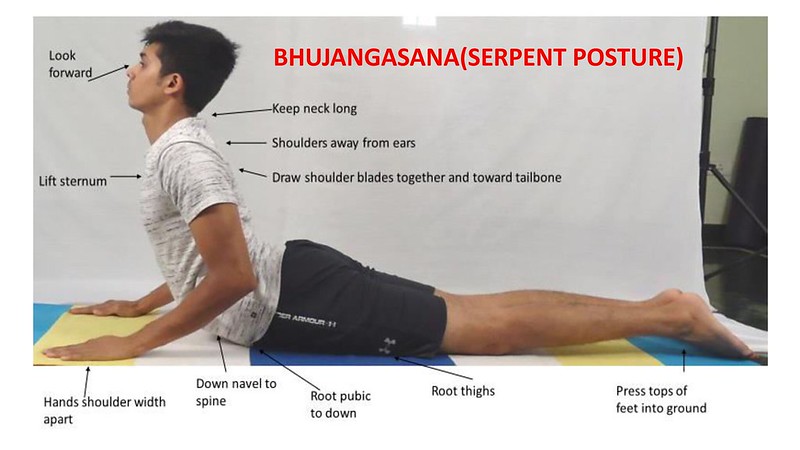
2.Bhujangasana breathing (5 rounds for 1 minute duration)
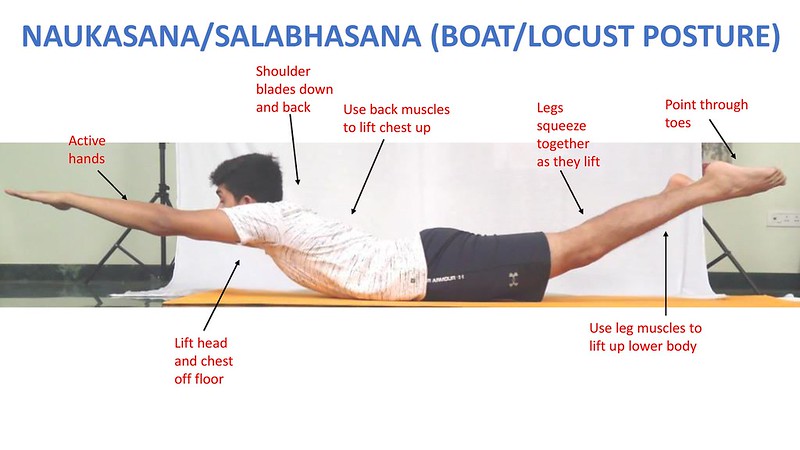
3.Ardha Shalabasana (5 rounds on both sides for 2 minutes duration)
4. Naukasana Breathing (Boat pose) (5 rounds for 1 minute duration)
5. Naukasana Breathing (alternate leg & arm raise boat pose)
6.Side leg raising (5 rounds on both sides for 2 minutes)
7.Savasana 2-3 minutes
Section – 3
1.Straight Leg Raise Breathing (Alternate legs)
2.Pavanmuktasana lumbar stretch: 5 rounds each for 2 minutes duration
3.Folded leg lumbar stretch and crossed leg lumbar stretch
4.Single Folded Legs Lumbar Stretch
5.Crossed Legs Lumbar Stretch
Type -II (Left leg crossed over right leg)
6.Dorsal stretch (5 rounds for 1 minute)
7.Setubandhasana lumbar stretch 5 rounds for 1 minute
8.Deep relaxation technique 15-20 minutes
Phase-II
Phase-III
Phase-IV
Phase-V
Phase-VI
Phase-VII
Phase-VIII
21. Nada Anusandhana (exploration of cosmic sound ‘om’)
Step -1 A- Kara Chanting
Step -2 U- Kara Chanting
Step -3 M-Kara Chanting
Step -4 A-U-M Chanting
22.Chair Yogic Breathing
Eight Step Procedure
1.Instant Relaxation Technique
2.Neck Muscle relaxation with chair support
3.Neck movements in Vajrasana
4.Shashangasana
5.Tadasana (Standing Posture)
6.Neck Movements in Tadasana
7.Ardha Cakrasana – Pada-Hastasana
8.Quick Relaxation Technique (QRT)
Phase I
Phase II
Phase III
23.Warm Up For pranayama
- Seated warm up
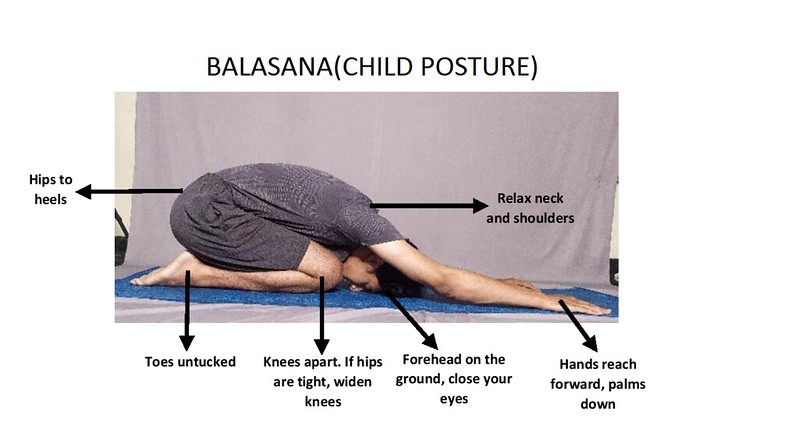
- Child’s Pose Balasana
- Tabletop Pose
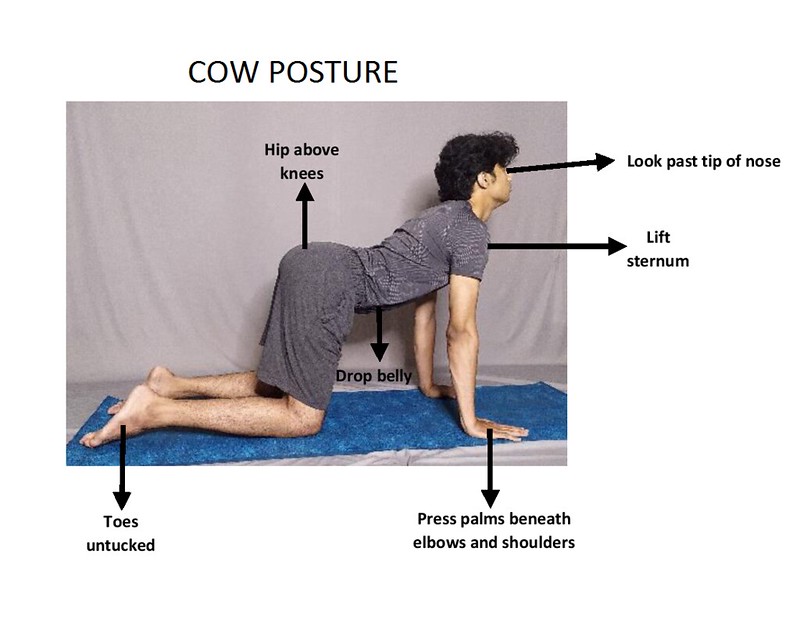
- Cat and Cow Stretch
- Supine Twist Jathara Parivartanasa
- Thread the Needle Parsva Balasana
- Knees-to-Chest Apanasana
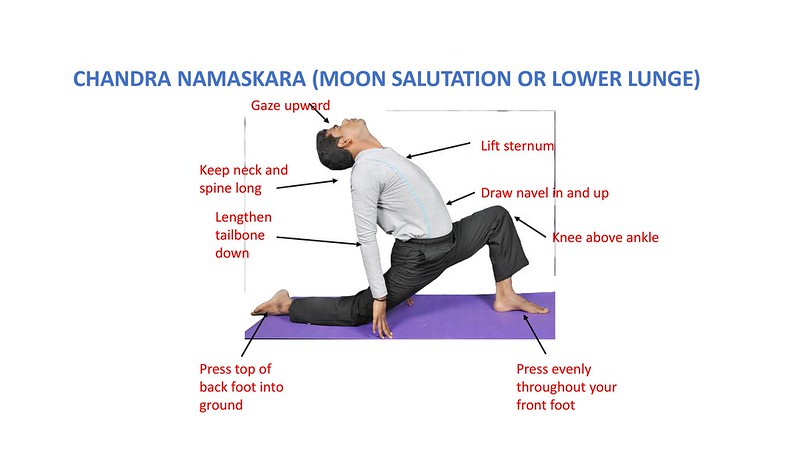
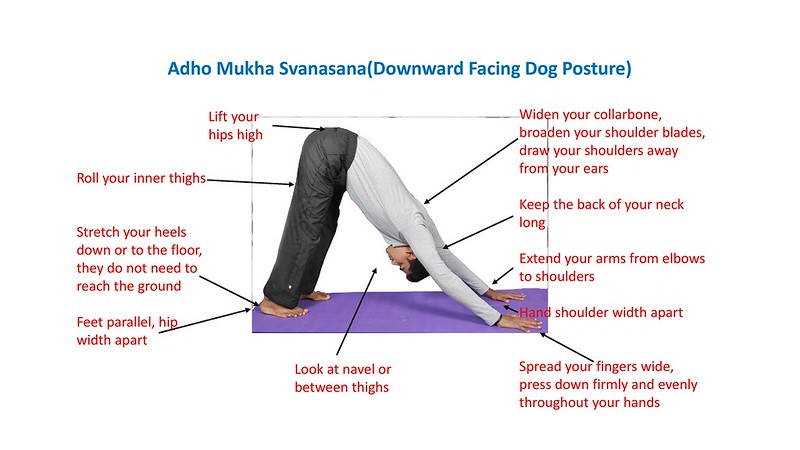
- Downward-Facing Dog
- Upward-Facing Dog Urdhva Mukha Shvanasana
- Hands in & out Breathing
- Hands stretch breathing
- Ankle stretch breathing
- Tiger breathing
- Dog breathing
- Rabbit breathing
24.Practicum (Teaching Practice)
25.Project work(50 Pages)
26. Advance Pranayama
1.The art of preparing the mind for pranayama
2.The Art of Sitting In Pranayama
- How to Sit
- Padmasana
- The Torso
- Three Crucial Spots
- Skin of the Torso
- Inability to Sit on the Floor
- Numbness in the Feet
- Arms and Shoulders
- Headand Throat
- Tongue
- Nose
- Eyes and Ears
- Brain

3.The art of Inhalation and Exhalation
a.Technique For Inhalation (Puraka)
b.Technique For Exhalation
4.The art of Retention (Kumbaka)
- a.Sahita kumbhaka
- b.Kevala kumbhaka
- c.Antara kumbhaka
- d.Bahya kumbaka
5.Bija Pranayama
What is japa?
6.Kapalabhati
1.Vatakrama kapalabhati
2.Vyutkrama kapalabhati
3.Sheetkrama kapalabhati
7.Bhastrika Pranayama
- Bhastrika PranayamaLevel – 1
- Bhastrika PranayamaLevel – 2
- Bhastrika PranayamaLevel – 3
- Bhastrika PranayamaLevel – 4
8.Viloma Pranayama
- Viloma Pranayama Level – 1
- Viloma Pranayama Level – 2
- Viloma Pranayama Level – 3
- Viloma Pranayama Level – 4
- Viloma Pranayama Level – 5
- Viloma Pranayama Level – 6
- Viloma Pranayama Level – 7
- Viloma Pranayama Level – 8
- Viloma Pranayama Level – 9
9.Anuloma Pranayama
10.Pratiloma Pranayama
- Pratiloma PranayamaLevel 1A
- Pratiloma PranayamaLevel 1b
- Pratiloma PranayamaLevel 2a
- Pratiloma PranayamaLevel 2b
- Pratiloma PranayamaLevel 3a
- Pratiloma PranayamaLevel 3b
- Pratiloma PranayamaLevel 4a
- Pratiloma PranayamaLevel 4b
11.Vritti Pranayama
a.Samavrtti pranayama
b.Visamavrtti Pranayama
12.Ujjayi Pranayama
- Ujjayi PranayamaLevel -1
- Ujjayi PranayamaLevel -2
- Ujjayi PranayamaLevel -3
- Ujjayi PranayamaLevel -4
- Ujjayi PranayamaLevel -5
- Ujjayi PranayamaLevel -6
- Ujjayi PranayamaLevel -7
- Ujjayi PranayamaLevel -8
- Ujjayi PranayamaLevel -9
- Ujjayi PranayamaLevel -10
- Ujjayi PranayamaLevel -11
- Ujjayi PranayamaLevel -12
- Ujjayi PranayamaLevel -13
13.Nadi Sodhana Pranayama
- Nadi Sodhana PranayamaLevele 1A
- Nadi Sodhana PranayamaLevele 1B
- Nadi Sodhana PranayamaLevele 2A
- Nadi Sodhana PranayamaLevele 2B
- Nadi Sodhana PranayamaLevele 3A
- Nadi Sodhana PranayamaLevele 3B
- Nadi Sodhana PranayamaLevele 4A
- Nadi Sodhana PranayamaLevele 4B
14.Surya Bhedana Pranayama
- Stage 1
- Stage 2
- Stage 3
- Stage 4
15.Digital Pranayama and Art of placing Finger on Nose
- The Nose
- Right Nostril – WaterFire Air Ether Earth
- Left Nostril- Earth Water Fire Air Ether
- The Art Of Fingering
How to Register?
You can apply online with the application, fee of INR 10,000 (non-refundable) advance towards the course fee or Please Contact Us (karunaayoga@gmail.com or +91 9686549129)
Apply Now Online Registration Online Payment Options
Frequently Asked Questions (FAQ)
1.Who can join this course?
- Yoga teachers who wish to expand their skillset
- Yoga practitioners looking to deepen their understanding of Pranayama
- Beginners with an interest in learning breathing techniques

2.Do I need prior experience in Pranayama to join this course?
No, you do not need prior experience in Pranayama. The course is designed for both beginners and advanced practitioners. It will guide you through the basics of Pranayama and progress into more advanced techniques.
3.Is this course available online?
Yes, the course is available both online and offline. Online courses typically feature live sessions and recorded lessons for flexibility.
4.What will I learn in this course?
You will learn various Pranayama techniques, their benefits, and how to teach them effectively to students. You’ll also explore their relationship with asana and meditation.
5. How long will the course take?
The course is a 50-hour program, which may be completed over several weeks or an intensive format, depending on the provider.
6. What is the 50-Hour Pranayama Teacher Training Certificate Course?
The 50-Hour Pranayama Teacher Training Certificate Course is a specialized program that focuses on the study and teaching of Pranayama, or controlled breathing techniques. The course is designed to help practitioners deepen their understanding of breathwork and its impact on physical, mental, and spiritual health, and provides the skills to teach Pranayama to others effectively.
7. Who is this course suitable for?
- Yoga teachers who want to incorporate Pranayama into their classes
- Yoga practitioners who want to deepen their knowledge and practice of breath control
- Beginners or advanced students interested in learning specific breathing techniques
- Anyone seeking to reduce stress, improve focus, and enhance well-being through breathwork
8. Do I need prior experience to enroll?
No, prior experience is not required. The course is suitable for beginners, and it will guide you through the basics of Pranayama techniques, as well as advance to more complex practices. Those with experience will also benefit by deepening their knowledge and teaching skills.
9. What will I learn in this course?
- Pranayama techniques: Ujjayi, Nadi Shodhana, Kapalbhati, Bhastrika, and more
- Breathing patterns and their effects on the body and mind
- The science of Pranayama: its physical, mental, and energetic benefits
- How to safely teach Pranayama to different groups, including modifications and adjustments
- Developing sequences for Pranayama practice, combined with asanas and meditation
10. How long is the course?
The course duration is 50 hours. The hours can be spread over a few days or weeks, depending on whether the course is online or offline.
11. Is the course available online?
Yes, the course is offered in both online and offline formats. Online courses typically include live sessions, recorded lectures, and self-paced learning. Offline courses are conducted at training centers in-person.
12. Will I receive a certificate upon completion?
Yes, upon successful completion of the course, you will receive a Pranayama Teacher Training Certificate. The course may be Yoga Alliance accredited and contribute to YACEP (Yoga Alliance Continuing Education Program) credits.
13. Can I teach Pranayama after completing the course?
Yes, once you finish the course and receive your certificate, you will be qualified to teach Pranayama to others. You will be equipped to teach a variety of techniques and customize practices for students of all levels.
14. What are the benefits of Pranayama?
- Improves lung capacity and oxygenation of the body
- Reduces stress, anxiety, and promotes mental clarity
- Enhances emotional stability and energy flow
- Balances the nervous system and promotes overall well-being
- Detoxifies the body and improves circulation
- Helps with focus, concentration, and relaxation
15. What is included in the course?
- Course manuals and materials
- Access to live or recorded classes
- Practical sessions where you can practice Pranayama techniques
- Instructor feedback to improve your practice and teaching methods
- Certification upon successful completion
16. What if I miss a class or session?
For online courses, you will usually have access to recorded sessions to catch up on missed content.
17. Can I use this certification for professional development?
Yes, this certification can be used for professional development and is often accredited by Yoga Alliance, allowing you to gain continuing education credits and enhance your credentials as a yoga instructor.
18. How do I register for the course?
1.Choose an accredited training provider offering the 50-Hour Pranayama Teacher Training Certificate Course
2.Complete the online registration form or contact the provider directly
3.Submit payment for the course
4.Receive course materials and scheduling details
Integrated Approach of Yoga Therapy (IAYT) for Amyotrophic Lateral Sclerosis Introduction Amyotrophic Lateral Sclerosis (ALS), usually popular as an “engine neuron affliction,” …
Integrated Approach of Yoga Therapy (IAYT) for Alzheimer’s Disease Introduction Alzheimer’s Disease (AD) is a growing neurodegenerative disorder from intellectual decline, thought …
Breathwork vs. Pranayama: Differences and Similarities Conscious respiring has combine of the fastest-increasing wellbeing practices general. From yoga workshops and contemplation centers …
Breathwork Techniques vs. Pranayama Practices: What’s the Difference? Consciousness is alive and combines ultimate powerful forms for reconstructing material strength, lowering stress, …


















Important Links
- Apply Now Online Registration
- Review By Student
- Accreditation – Yoga Alliance USA
- Gallery
- FAQ
- KARUNA YOGA VIDYA PEETHAM
- Yoga PDF Book Free Download
- Asana Gallery
- Rules and Regulations
- Dr. S. Karuna Murthy
- Eligibility Criteria – TTC
- Admission Rules and Regulations – TTC
- Anti-Harassment/Sexual Misconduct Policy
- Refund & Cancellation Policy
- Week-Days 200 Hr Yoga Teacher Training Certificate Course
- Weekend 200 Hr – Yoga Teacher Training Certificate Course
- 200 Hour – Yoga Therapy Teacher Training Certificate Course
- 50 Hrs – Advanced Meditation Teacher Training Certificate Course
- 50 Hrs – Advanced Mudra Teacher Training Certificate Course
- 50 Hrs – Somatic Yoga Teacher Training Certificate Course
- Yoga PDF Book Free Download
 Karuna Yoga Vidya Peetham – Yoga Teacher Training – J. P. Nagar

NO.1271, FIRST FLOOR, 20th Main, or, Central Mall, Ragigudda Metro Station, Marenahalli, 2nd Phase, J. P. Nagar, Bengaluru
-
 I came to Bangalore to follow a 10 day private teacher training with Karuna, and it was a truly enriching experience.
I already hold a 200 h TTC in Hatha Yoga, as well as other diplomas. However, through my own experience, I feel that … More a 200 h yoga training is not enough to fully grasp the bigger picture of what yoga truly is. What I deeply appreciated with Karuna is that he also offers trainings focused on specific subjects, allowing for a much deeper and more embodied understanding.
For this private yoga training, I chose to explore mudras, mantras, and somatics. Being able to dive deeply into these themes helped me clarify and understand other aspects of yoga more clearly, not only intellectually, but also through direct experience, guided by Karuna.
The one to one format is a real gift. It creates space to ask questions, to slow down, and to spend more time on areas that personally need deeper integration. Karuna also shares related knowledge and encourages dialogue with what you are learning, making the whole process very alive and meaningful.
I truly appreciate how Karuna offers many different subjects and learning formats, and how he adapts his teaching to each person. His approach is attentive, sensitive, and respectful of individual paths.
Another beautiful aspect is that during the weekend, group students join the classes. Karuna skillfully manages to continue our individual learning while also allowing a collective learning experience. This opens the learning in a different and enriching way.
I had a wonderful time, and I will very likely continue other trainings with Karuna, either online (which is also an option 😉) or in Bangalore.
Namaste 🙏 -
I recently completed my Breathwork and Pranayama Teacher Training Course with Karuna Yoga, and it was a truly enriching experience. The program was thoughtfully structured, with concepts explained in a simple, clear, and effective manner. … More The trainer ensured that I thoroughly understood the techniques through both detailed instruction and hands-on practice during the sessions.
What stood out most was the genuine commitment to learning and personal growth, creating a supportive and nurturing environment throughout the course. I would highly recommend Karuna Yoga to anyone seeking a credible, authentic, and professional institute for Breathwork and Pranayama training. Their dedication and expertise are truly exceptional. 😊🙏 -
I completed my 200-hour TTC at Karuna Yoga Vidya Peetham in Bengaluru, and it was a truly enriching experience. Karuna sir is very knowledgeable, patient, and supportive, and gives personal attention to each student. The course is well-structured, … More covering not just asanas but also yoga philosophy, anatomy, and meditation in a balanced way. I felt more confident in my practice and gained a deeper understanding of yoga overall. It’s a great place for anyone looking for authentic and meaningful yoga training.
-
I, Pinkiey K, recently completed the Pranayama Teacher Training Program, and it was a truly enriching experience. The course was well-structured and covered both the depth and practical application of pranayama in a very meaningful way. … More The teachings were presented with clarity, patience, and authenticity, making even complex concepts easier to understand and integrate into practice.
What I appreciated most was the balance between traditional wisdom and practical guidance for teaching and personal growth. The program not only deepened my understanding of breathwork and its effects on the mind and body, but also strengthened my confidence in applying these practices responsibly.
I am grateful for the knowledge, discipline, and insights gained through this training, and I know these learnings will continue to support my personal journey and professional work over time. 🙏
Special gratitude to Trainer Dr. Murthy for sharing his knowledge and guidance throughout the program.
Highly recommended. -
I recently completed the 200 Hours Yoga Teacher Training Course with Karuna yoga Vidhya peetham .
I’m happy I chose Karuna yoga Vidhya peetham under the guidance of Dr Karuna murthy sir .
The program was well-structured and offered in-depth … More knowledge of yoga asanas, pranayama, meditation, anatomy, philosophy, and teaching methodology.
Dr.Karuna murthy sir were highly knowledgeable, supportive, and encouraging throughout the journey. The training helped me develop better alignment, discipline, confidence in teaching, and a deeper understanding of yoga both practically and theoretically. It was a highly enriching and transformative learning experience, and I am grateful for the guidance and support provided throughout the course. -
Teacher Training Course offered at Karuna Yoga Vidyapeetham is unparalleled to any other course I’ve taken.
In my 13 years practice, Dr Karuna has so effectively shared his knowledge that the message will forever stay with me.
Will highly … More recommend learning from this institution- they offer various levels and forms of yoga teacher trainings.
Simply one of the best Yoga Schools in India -
This Advanced Mudra Therapy TTC is one of the most authentic and comprehensive yoga programs you could get.
What truly stands out is the integrity of the teaching. Sir is a sincere follower of yoga and its principles – nothing is faked … More or diluted for appearance. The teaching comes from real practice, which creates deep trust. There is a perfect balance of discipline and flexibility, allowing learning to be structured yet natural.
The range and depth of mudras covered is exceptional. Every possible mudra is taught systematically, and haven’t seen any other school approach Mudra Therapy with this level of completeness. The therapeutic application is clearly explained, with continuous guidance and hand-holding throughout the course, making the learning practical and confident. -
Completed my GID Teacher Training Certificate Course with Karuna yoga Vidya Peetham.
I’m so happy I chose my yoga teacher training with Karuna yoga Vidya Peetham under the guidance from the best knowledgeable teacher Dr.Karuna Murthy sir … More 🙏🙏
There are a lot of learning and unlearning involves in it. All the topics of Yoga Philosophy, Sat karma, Anatomy were taught very nicely.
Being a regular yoga practitioner I joined Karuna yoga and learnt more New asanas, Therapies and posture corrections.
I am glad that I choose Karuna yoga to be part of my journey🧘♂️ -
I recently completed an Advanced Pranayama course online with Dr. Murthy, and it more than met my expectations. The course materials were extensive and thoughtfully organized, covering a wide range of important topics and providing a strong … More foundation in traditional pranayama practices. Dr. Murthy is very knowledgeable and is a patient teacher. Overall, the training supported both my understanding and my ongoing practice, and it has given me tools I will continue to work with over time. 🙏
-
I recently completed my 200-hour Yoga Teacher Training Course (TTC) with Karuna Yoga Vidya Peetham, and it was a truly transformative experience. Under the expert guidance of Dr. Murthy sir, I gained deeper insights into Hatha Yoga practices … More and teaching ethics where this also covered essential topics like Yoga Philosophy, Yogic Physiology Anatomy, and Shathkarma practices. Dr. Murthy sir also focused on helping us learn new asanas, value of asanas- mudras, method of yoga teaching as well as posture balance and corrections. I highly recommend Karuna Yoga Vidya Peetham to anyone seeking a comprehensive yoga teacher training program.
-
Just completed a Somatic Yoga course online with Dr. Murthy, who was very informative, kind, and a good teacher. Dr. Murthy has extensive knowledge in the yogic sciences. He also provided in depth notes that were very helpful. I gained … More much insight through my course of study in Somatic Yoga.
-
I am very satisfied with the Online Yoga Nidra and Meditation Teacher Training. The course was very professional, with plenty of study materials, knowledge, and a well-balanced pace.
I truly appreciated the variety of practices combined … More with a broad theoretical foundation, including history and other essential aspects. The training was both practical and inspiring, and I am already applying what I have learned in my own work. -
I completed 200 hrs Yoga Teacher Training (TTC) Course at Karuna Yoga Vidya Peetham, under the guidance of Dr. S Karuna Murthi.The programme is very well designed. The yoga practice,teaching methodology ,offering traditional yogic principles … More and modern teaching techniques.
Dr.Karuna Murthi's expertise,supportive and personalized guidance made the experience better and boosted the confidence and made to achieve most of advanced level asanas.
For anyone seeking a world-class yoga education, Karuna Yoga Vidya Peetham is an excellent choice. Highly recommended. -
I just completed my yoga teacher training at Karuna Yoga Vidya Peetha, and I can honestly say it was one of the most enriching experiences of my life. From day one, the learning environment was warm and supportive, making it easy to grow, … More both physically and mentally. The course itself was well-structured, covering everything from asanas and alignment to pranayama, meditation, and the philosophy behind yoga. The classes were offered both online and offline, which made learning flexible and accessible.
What I appreciated most was how yoga was taught as a way of life, emphasizing the connection between body, mind, and spirit beyond just physical practice. Murthy Sir was incredibly knowledgeable and patient, always encouraging us to push our limits while respecting our own pace. His feedback made such a difference in my learning process, and the small class size allowed for plenty of individual attention.
If you’re looking for a yoga institute that truly cares about your growth, I’d highly recommend Karuna Yoga Vidya Peetha. It’s more than just a training program but a transformative experience that stays with you long after you leave. -
Hi, I am Valarmathi Ganesan.
I’ve joined the online Mantra Chanting Teacher Training Course, and it’s truly worth every rupee—structured, insightful, and transformative.
Dr. Kanura Moorthy is an exceptional mentor. His calm, patient approach … More and depth of knowledge elevate the entire learning experience. He addresses every doubt with clarity and precision, ensuring true understanding.
Under his guidance, mastery feels attainable.
Highly recommended for those seeking authentic and powerful mantra therapy training. The course quality is outstanding. -
I learned cyclic meditation, pranayama and some of the asanas as part of my PhD study. Sir's class was very good. He has given me so many references which help me to design my study as I was unaware more about meditation. He gives … More me online classes individually and in detail. I recommend karuna Yoga Vidya Peetham for others who wish to learn yoga and meditation.
-
🌟 Exceptional Yoga Teacher Training at Karuna Yoga Vidyapeetham, Bangalore 🌟
I completed Yoga Teacher Training Course at Karuna Yoga Vidyapeetham, led by the esteemed Dr. S Karuna Murthi and his dedicated faculty team. The program was … More meticulously designed, offering a harmonious blend of traditional yogic principles and modern teaching methodologies.
Dr.Karuna Murthi's expertise and personalized guidance made the experience truly enriching, fostering both professional growth and personal transformation. The serene environment and supportive atmosphere further enhanced the learning journey.
For anyone seeking a world-class yoga education, Karuna Yoga Vidyapeetham is an excellent choice. Highly recommended! 🧘♂️✨ -
Karuna Murthy is a good teacher. He teaches with patience and ensures that the students develop a good understanding of the subject.
-
Recently completed my 300 hr ttc yoga teacher training program, overall course designed unique, trained me versatile.
Thanks to
Karuna yoga team -
completed my 200-hour training in December 2022 from Karuna Yoga. One of my nicest and most
beautiful experiences ever I had in my life. I had such a wonderful time that I decided to prolong my stay
for a 300-hour advanced course. The instructors … More are highly supportive and professional. Since the
beginning, they have led me in the right direction. In addition, everyone in staff and in management is
really gracious and humble. I was given family-like treatment by them. If you're looking for a good place to
practise yoga, I absolutely suggest Karuna Yoga Vidya Peetham. -
Complted my 200 TTC Course with Karuna yoga Vidya Peetham.I’m so happy I chose my yoga teacher training with Karuna yoga Vidya Peetham under the guidance from the best knowledgeable teacher Dr.Karuna Murthy sir
There are a lot of learning … More and unlearning involves in it. All the topics of Yoga Philosophy, Sat karma, Anatomy were taught very nicely. As a new yoga learner I joined Karuna yoga and learnt more New asanas, Therapies and posture corrections. I am glad that I choose Karuna yoga to be part of my journey 😄 -
I recently had the pleasure of completing RYT 200 hrs TTC course at the Vidyaniketan Department of Yoga, and I must say it was an enriching experience. The instructors at Vidyaniketan are highly knowledgeable and experienced. Happy to have … More been a part of the team!
-
Yoga helps improve balance, strength, and flexibility. It reduces stress and feel happier and more well-being. Also improves mental and emotional health..
-
Accomplished 200 hours YOGA TTC with karuna yoga at Vidyanikethan, Ernakulam.
Profound knowledge of the faculties helped me to delve dive into the ocean of yoga philosophy
It was really a marvellous experience -
Very thorough, precise and knowledgeable Dr. Karuna Murthy Sir. Thank you very much for the opportunity allowing me to study at school. I recommend it to everyone who wants to get deeper knowledge.
-
Karuna Yoga Vidya Peetham, Yoga teacher training in Bangalore, is incredible! I did 500 hours course discovered a lot about yoga and about myself. I'd also like to
thank my wonderful teachers. Special thanks to my Guru Dr. Karuna sir … More for his extreme patience and deep knowledge.
Thank you 🙏 -
I recently completed Yoga Teachers Training Course with Karuna yoga vidya petham from Vidyaniketan College, Ernakulam. And It gave me so much of new insights in terms of personal health and overall wellbeing. I'm sure that I became … More more healthy, calm, and quality human by going through this yoga program. The faculties are really good and experienced.
If you are someone looking for a good career in Yoga, you can choose this institution without any hesitation.


