Best Yoga Teacher Training in Bangalore, India | Yoga Alliance USA | Accredited

karuna yoga vidya peetham logo

Blog

-
Blog

FASTING & Yoga

FASTING Yogis advocate occasional fasts, particularly helpful in times of illness, in order to give the stomach a rest.   The recuperative energy may thereby be directed toward the casting out of the toxins and poisonous matter that have been causing the trouble.  It is also noted that animals fast when unwell. They stop caring whilst they are sick, lie around until they are normal once again and then return to their food.  Fasting – the practice of abstaining from all or certain foods and liquids – has long attracted spiritual seekers and health devotees. Biblical characters, the Greek ‘Father of Medicine’ Hippocrates and medical pioneers such as Galen and Paracelsus practised fasting either to attain spiritual purification  or  to  reinvigorate  the  body.  Today, many naturopaths, chiropractor herbalists, and other practitioners of natural medicine recommend fasting to speed elimination of toxins, allow the digestive system to rest, and even promote healing of some illnesses. #Best online yoga teacher training certification in India  Fasting for even a day may also help to: Clean your liver, kidneys and colons, Remove toxins and impurities from your blood; Clear your eyes and freshen your breath; Calm your mind, sharpen your senses, Provide you with a feeling of greater energy; and Increase your appreciation of food.  Fasting is one of the quickest ways to increase elimination of wastes and enhance the healing processes of the body. When the body is deprived of energy from food, it begins to eliminate fat-soluble toxins, such as pesticides and food additives that you’ve consumed, by increasing metabolism of body fat.  The toxins are released into the blood stream and then processed for excretion through the urine (which may initially turn dark during a fast), sweat, and the breath. A short fast can be a useful home-remedy for colds, the flu, constipation, indigestion, skin problems, and some types of toxic conditions. Fasting has become an area of study even among practitioner of conventional western medicine, who have focused on its use primarily as a weight-loss programme but also as a treatment for chemical poisoning, arthritis, and other medical conditions. After fasting, there is a new lightness about the body and mind which is very uplifting. Whole new chunks of the day are released from food dudes and consequently more time for chores or reading or relaxation. Of course the mind can sink back into craving sensual food at any time but as we are told ‘yoga comes and goes’. #200 hour Yoga teacher training India
Read More »

Yoga for Dyspepsia or Indigestion

Yoga for Dyspepsia or Indigestion It is a collective term for non – specific symptoms thought to originate from the upper gastro – intestinal tract. #online yoga teacher training India Non – Specific Symptoms Upper abdominal / lower chest pain with or without relationship to food. Regurgitation Heart burn Water brash Anorexia Nausea Vomiting Bloating Belching Flatulence #Best online yoga teacher training certification in India Causes UPPER GIT DISORDERS Peptic ulcer disease Gall stones Gastro – esophageal reflux disease Acute gastritis OTHER GI DISORDERS Irritable bowel syndrome Pancreatic disease Hepatic disease. SYSTEMIC DISEASE Myocardial ischaemia Renal failure Hyper calcaemia Drugs   OTHERS Alcohol Pregnancy Psychological eg. Anxiety, depression YOGIC PRACTICES Asana Vajrsana for alteast 10min after every meals PRANAYAMA: Nadi shodhana Bramari SHATKARMA: Agnisar kriya Lagooshankhaprakshalana Kunjal OTHERS: Relaxation and cultivation of mental tranquility through yoga nidra, and meditation. #Best online yoga teacher training certification in India

Read More »

DIET FOR DIFFERENT SEASONS

DIET FOR DIFFERENT SEASONS   DIETETICS FOR WINTER During the cold winter, the digestive power of human beings possessing good health is enhanced due to the restraint caused upon it by the cold wind, so much so that it is capable of digesting any food stuff irrespective of its heaviness and the quantity when it does not get the proper fuel, the digestive fire affects the nutritive fluids, resulting in the vitiation of vata having cold quality. Therefore one should take the unctuous, sour and saltish juices eat more sweet and less of bitter, astringent, pungent. Avoid dry or uncooked foods (especially salads, raw fruits and vegetables). If one is habitually takes preparation of cow’s milk, cane juice, fat, oil, new rice and hot water during the winter. His span of life is never decreased for winter, heavy food is prescribed -both quantitatively and qualitatively. Unless heavy food is taken, the digestive process cannot function properly. Because for the want of adequate fuel within the body as a result of which the vata gets vitiated. This also happens because väta is cold by nature and its contact with external cold wind during winter season renders it liable to be vitiated. This can be neutralized by only by the intake of heavy food, which provides sufficient heat and also adequate nutrition to the tissues. Don’t worry if your appetite increases –this is a natural tendency in winter and helps pacify vata.  DIET  FOR SPRING #200 hour Yoga Teacher Training online India During the spring, the accumulated kapha is liquefied by the heat of the sun and as such disturbs the power of digestion and causes many diseases. So, one should avoid heavy, unctuous, sour and sweet diets. One should take food   consisting of barley and wheat Favor a diet that is lighter, drier and less oily than during other seasons. Heavy dairy products which tend to aggravate kapha. Favor warm drink and warm food. Eat more food with pungent, bitter and astringent tastes and fewer with sweet, sour and salty tastes DIET FOR SUMMER During the summer, the sun evaporates the moisture of the earth by its rays. In that season, agni is natural yellow, so we may find that our appetite decreases in summer. Respect this change not by over eating.  The in take of sweet, cold, liquid and unctuous diets and drinks is prescribed. One should take cold mantha (a type of groat) along with sugar as well as ghee, milk, along with shali rice. Favor sweet, bitter and astringent tastes .one should avoid diets, which are salty, sour, pungent or hot. DIETETICS FOR RAINY SEASON #online yoga teacher training India In the body, weekend during the period of dehydration the power of digestion is also weakened. It is further weakened due to the vitiation of vata dosa during the rains. The power of digestion in this period is also affected due to gas coming out of the earth rainfall increases of acidity in water and consequently vata and other dosas get vitiated so it is advisable to be moderate as regard to diet and regimen during   rainy season. One should generally use honey in preparing diets, drinks. If the days are cooler due to heavy rains accompanied by the storms, one should take such of the diets as are conspicuously sour, salty and unctuous, this serves as an effective antidote to the vitiation of vata during the rainy season .In order to maintain normal power of digestion one should take old barley, wheat and shali rice. When it is too cold due to heavy rains accompanied with storms, the sour and salty diets are to be taken. DIETETICS F OR AUTUMN #online yoga teacher training India The body parts adopted for rains and cold are suddenly exposed to the heat of the sun with the beginning of the autumn so the pitta accumulated during the rains gets generally vitiated. In this season bitter food and drinks, which have potentialities to alleviate pitta, are to be taken in proper quantity when there is good appetite. Intake of ghee prepared with bitter medicines. In this season only light food is to be taken. Lighter the food the greater is the power of digestion. Even though pitta is identified with fire itself, it brings about loss of appetite due to an increase in its liquid fraction. As it has been said, “As even hot water extinguishes fire, so does pitta suppress the digestive power. #online yoga teacher training India

Read More »

Diet and Digestion

Diet and Digestion The entire process that the food undergoes from the time it is eaten to its excretion is known as metabolism of food. Nutrients are obtained from food by the process of metabolism that takes place in the following steps: Digestion Absorption Assimilation It begins at the mouth and comprises the esophagus stomach, small intestine, large intestine and it ends at the anus.  The liver, gall bladder, salivary gland and pancreas are associated with the porkers of digestion. #200 hour Yoga Teacher Training online India The functions of each of the organs of the digestive system in brief are Mouth – Chewing the food (Mastication) and mixing with saliva coming from salivary gland. Oesophagus – Passage for the food from mouth to stomach. Stomach – storage and churning of food along with various secretion such as HCI, Pepsin renin. Small intestine – Made up of 3 parts Duodenum Jejunum Ileum Duodenum – receives pancreatic juice, bile juices. Jejunum and ileum – Complete digestion and absorbs the digested product through the villi. Pancreas – It secretes digestive enzymes and also insulin which is responsible for carbohydrate metabolism. #200 hour Yoga Teacher Training online India Liver – It secretes bile which is stored in the gallbladder. The lives also stores sugar in the form of glycogen. Gall Bladder – It is the storage gland for the bile secreted by the liver.  It has several functions. Strongly alkaline – The acidic food parsing into the duodenum on mixing with bile becomes alkaline. This change from the acidic state to alkaline is essential for the action of enzymes in the small intestine. Prevents growth of bacteria Emulsifies fat. LARGE INTESTINE The reabsorption of water and certain B Vitamins takes place in the large intestine.  The waste products pars down into the colon and are stored in the rectum till they pass out as stools from the anus. The food moves through the GI tract (Gastro-intestinal) by the regular contractions of the smooth muscles of the system.  These movements are wave – like and called peristaltic movements and the process, peristalsis Digestion of carbohydrate takes the least time.  Proteins the next and fat takes the longest.  Food take about 12-24 her to travel from mouth to rectum. Process of Digestion – Digestion in the Mouth Food is chewed in the mouth where it mixes with saliva.  Saliva contains and enzyme ptyalin which has amylase or starch digesting enzymes.  It helps to partially digest the starch present in the food.  If food is not hewed properly or is swallowed hastily then sufficient amylase is not mixed with it and also big pieces of food enter the stomach.  This results in incomplete digestion.  Saliva contains mucous secretions that wet food and make its passage easy into the stomach through the food pipe. Digestion in The Stomach #200 hour Yoga Teacher Training online India In the stomach, muscular contractions churn the food, break it up and mix it with the gastric juices.  The gastric juice contains a lot of water, HCI and enzyme pepsin.  The acid enhances hydrolysis and food breaks down into micro fragments.  Pepsin acts on protein to form polypeptides.  While digestive actions continues in the stomach, the food is prevented from moving on through the alimentary canal by a muscular valve, the pylorus.  From time to time the pylorus relaxes, allowing semi – digested food (Chyme) to pars into the small intestine. Digestion in the Small Intestine Here the chyme is mixed with the bile juices released from the gall  bladder.  It contains no digestive enzymes.  It is strongly alkaline.  Next, the alkaline mars is mixed with pancreatic juice.  This juice contains several enzymes that act upon carbohydrates, fats and proteins.  They are amylase, lipase, trypsin, polypeptides.             Amylase concert them to maltose.             Lipase emulsified fats to form glycerol and fatty acids. Trypsin convert protein to polypeptides which are further broken down into aminoacids by peptidases.  Small intestine also secretes digestive juices.  The enzymes found in the intestinal juices are lipase, peptidase, lactose, maltose and sucrose.  They convert them to glycerol and fattyacids, aminoacids and simple monosaccharidses (galactose, glucose and fructose) respectively.  These final products of digestion are now ready for absorption. Nearly, the whole process of absorption of digested materials occurs in the lower portion of the small intestine.  The intestine lined with small fingers like projections called the villi  Through these aminoacids simple sugars diffuse from the intestines into the bold.  In the sameway, the fatty acids and glycerol are absorbed into lymph which is the another fluid of circulatory system. Digestion and Absorption in the Large Intestine Here absorption of water is the major task, hers absorption of water results in loose stools.  Where as greater absorption of water results in dry stools.  Along with water, sodium, other minerals, vitamins and aminoacids are also absorbed.  The colon bacteria synthesize vitamins and some vitamins of the B-Complex group especially biotin and folic acid which are absorbed from the colon in sufficient amounts to meet the daily requirement.  The resulting mass is now made up of indigestible matter ie undigested food, mucus, bacteria, cellular debris and metabolic waste products.  The faeces are expelled from the alimentary canal through the anus. Assimilation  It is the process whereby already digested food stuffs are absorbed and utilized by the tissues. #200 hour Yoga Teacher Training online India

Read More »

Yoga for Diabetes Mellitus

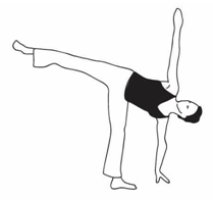
Yoga for Diabetes Mellitus It is a clinical syndrome characterised by hyperglycaemia due to absolute of relative deficiency of insulin #200 hour Yoga teacher training India Causes Age Heredity Stress Disease such as pancreatitis Steroids Pregnancy Lifestyle #Yoga teacher training course fees in Bangalore Clinical Features Polyuria Polydipsia Polyphagia Constipation Peripheral neuropathy Pruritis Weight loss Nocturnal enuresis Recurrent blurred vision Yogic Practices Asanas: Parivritta trikonasana Vakrasana Ardhamatsyendrasana Ushtrasana Hamsasana / Mayurasana Bhujangasana Dhanurasana Sarvangasana Matsyasana Gomukasana Yogamudra Suptavajrasana Pranayama: Nadishodhana Kaphalabhati Brahmari Ujjayi #Online 200 hour Yoga teacher training Bangalore Shatkarma Neti Vamana Dhauti Others: Yoga nidra #200 hour Yoga Teacher Training online India
Read More »

Yoga for Constipation

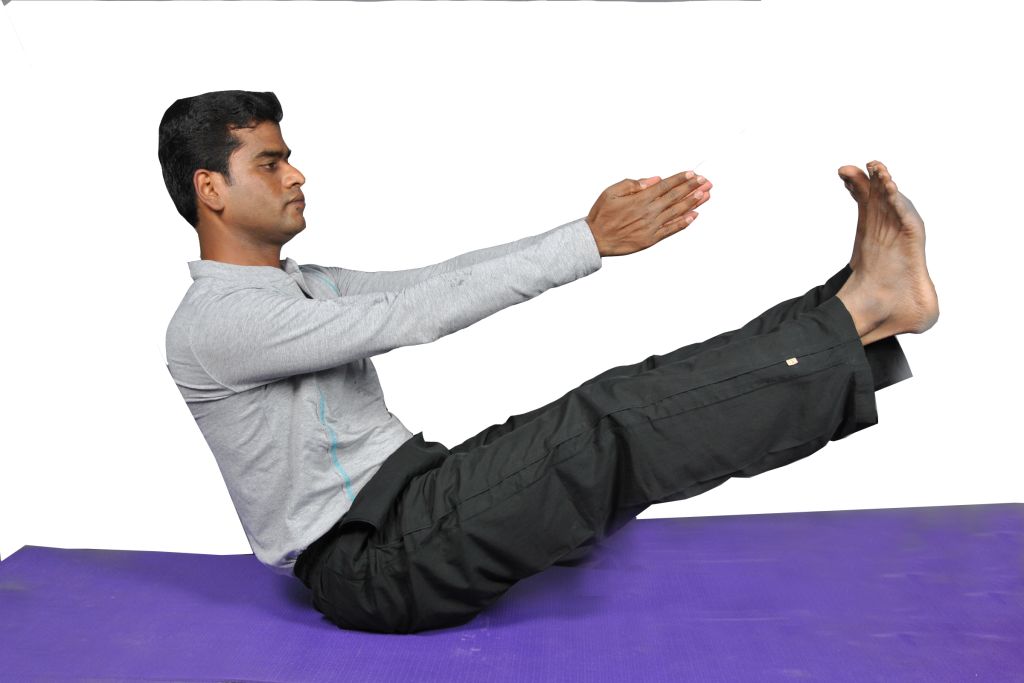
Yoga  for Constipation It is defined as infrequent presaged of hard stools. Causes Wrong diet and faulty ways of living ie intake of refined and rich food lacking in vitamins and minerals – insufficient intake of water, lack of fibre, excessive use of strong tea and coffee, consumption of meat in large quantities. irregular habit of defecation. Frequent use of purgation’s, lack of physical activity emotional stress and strain. #200 hour Yoga Teacher Training online India Drugs such as iron supplements, aluminium containing antacids Diseases such as tumor, colitis, spastic condition of the intestine, disease of the rectum and colon, diabetes etc., Clinical Features Headache Foul breathe Acidity Coated Tongue Loss of appetite Insomnia Constant fullness in the abdomen Yogic Practices #online yoga teacher training India Asanas: Tadasana Triyaka Tadasana Kati Chakrasana Suryanamaskar Pawanamuktasana parts 2 & 3 supta vajrasana Shashankasana Ushtrasana Trikonasana Yoga Mudra Matsyendrasana Halasana All spinal twist asana. #Best online yoga teacher training certification in India Pranayama: Nadi Shodhana Mudra: Ashwini mudra Bandha: Uddiyana bandha Shatkarma: Lagoo shankhaprakshalana Agnisar kriya Nauli Others: Yoga nidra#200 hour Yoga teacher training India
Read More »

Concept of Yogasana

Concept of Yogasana Hatha Yoga Pradipika Nasanam siddha-sadrsam na kumbhakah kevalopamah Na khecari-sama mudra na nada-sadrso laya.(Ref. 2, H.Y.P. CH-I, V-43, P-116) There is no asana like siddha asana, no kumbhaka like kevala kumbhaka, no mudra like khecari mudra and no laya or dissolution of mind like näda, the inner sound. #Online  Best yoga certification courses in Bangalore Hatha Yoga Pradipika Athasane drdhe yogi vasihita mitasanah Gurupadista-margena pranayamam samabhyaset.                                                                    (Ref.12, H.Y.P. CH-2, V-1, P-149) Being established in asana and having control (of the body), taking a balanced diet; pranayama should be practised according to the instructions of the Guru.   Patanjali Sthira-sukham Asanam         (Ref. 3, P.Y.S. 19 P-155) Asana is practised firmly with ease. This means that the student should try to get absolutely disciplined in the various Asanas, so that he can sit motionless and relaxed for various advanced disciplines and practise s in yoga Yogacudamanyupanisad Ekam siddhasanam proktam dvitiyam kamalsanam sat-cakram sodasadharam tri-laksyam vyoma-panakam sva-dehe yo na janati tasya siddhih katham bhavet.                                                                                                                                     (Ref. 4, Y.C.U. 1, 3-4 P-210) How can one who has not known the siddhasana, vrajrasana, six cakras, sixteen bases, three ideas and five types of akasa achieve perfection? Here the padmasana is refer to by them kamalasana similarly in siddhasana is term as vajrasana and padmasana by the termed as kamalasana. Student of yoga should not be confused by the terminology. Out of these Asanas, one is the valued as the base. This one is truly the king among the eighty four lakhs Asanas & is siddhasana. #Online Yoga Teacher Training course in Bangalore Svetasvataropanisad Keeping the body that has three parts erect and withdrawing the organ into the heart with the help of mind, the enlightened person should earn over all the terrible currents by mean of the float that is Brahman. (5) Bhagavad-Gita Gita  Says Samam kaya-siro-grivam dharayannacalam sthirah Sampreksya nasikagram svam disascanavalokayan. (Ref. 6, B.G., CH-6, V-13, P-282) Holding the trunk, head and neck steady, remaining firm and fixing the gaze on the tip of the nose without looking in other direction. #Best yoga blogs in India Patanjali yoga sutra Prayatna-saithilyananta-samapattibhyam     (Ref. 3, P.Y.S.V-20, P-156) An Asana is performed through the process of exertion and relaxation until its completion.   Tato dvandvanabhighatah          (Ref. 3, P.Y.S. V-21, P-158) By practicing Asana properly, one is free from impact of pair of opposites. SWAMI SIVANANDA Yoga means –it is the union of individual soul (Jivatman) with the supreme soul (paramatman). Is asana an easy and comfortable seat or pose or posture. Thus the term of yoga asana means certain posture by assuming any one of which the individual soul is united to supreme soul quite easily by yogic practitioner. B.K.S. IYENGAR Asana is a steady and pleasant posture to produce mental equilibrium and prevent fickleness of mind. It is not merely a physical or gymnastic exercise. True asana is that in which the thought of Brahman flows effortlessly and incessantly through the minds of sadhakas (8). SWAMI SATYANANDA SARASWATI Yoga Asana have often been thought of as a form of exercises. But they are not exercises.  Asana is a technique, which places the physical body in positions that cultivate awareness, relaxation, concentration and meditation. It is complimentary to exercises. RAMANA MAHARSI What are Asanas (postures or seats)? Are they necessary? A: Many Asanas with their effects are mentioned in the yoga sastra. The seats are the tiger skin, grass, etc. The postures are the ‘Lotus posture’, the ‘easy posture’ and so on. Why all these only to know oneself? The truth is that the ego rises up form of the self, confuses itself with the body, mistakes the world to be real, and then, covered with the egoistic conceit, it thinks wildly and looks for asanas (seats). Such a person does not understand that he himself is the center of all and thus forms the basis for all.  The asanas (seats) are meant to make him sit firm. Where and how can he remain firm except in his own real state? This is the real form of the asana. Attaining the steadiness of not swerving from the knowledge that the base (asana) upon which the whole universe rests is only self, which is the space of true knowledge, the illustrious grand, alone is the firm and motionless posture (asana) for excellent Samadhi. #200 hour Yoga Teacher Training online India

Read More »

Concept of Diet & Nutrition According To Modern Science

Concept of Diet & Nutrition According To Modern Science  The basic need of our body is energy to move and to do work. Food is the main source to get energy. Westerners are concerned with the nutritive value of food that we consume and food items are analyzed on the basis of Protein, Carbohydrates, Fat, Vitamins and Minerals etc. Balanced diet is decided on the basis of these with food groups. Their intake is increased or decreased depending on the requirements and needs of the individual. But unfortunately no thought has been given to the sources of food, since no food item is prohibited to them. Prohibition is based only on requirements or non-requirement of certain food items. Therefore it can be safely stated that Western dieticians have focused their attention mainly on physical health through the food. Effects of food on the mind and behavior of individuals has been not given much importance while discussing on this subject. #Yoga, Kinesiology and Bio-Mechanism Teacher Training Course Carbohydrates: Carbohydrate is probably the oldest subject in Western nutrition. It is the fuel on which body functions are based and in the 1800`s the study of nutrition was assumed to be the study of this fuel. Nutritional value was judged largely on the number of calories that a food could provide so that foods like tomato, which are low in calories, were considered to be of ‘little nutritional value.’ Though other items have been discovered, in terms of sheer quantity, carbohydrates remain the most important. If one leaves out water and fiber content of food, it is carbohydrate which makes up the bulk of diet. The average person eats ten ounces of carbohydrate for every ounce of protein. This huge amount of carbohydrate is used by the body for energy. It is on this energy that the entire metabolism depends. Without the burning or internal combustion of carbohydrates, the body’s primary source of energy would be missing. Just as the automobile runs on fuel, the body runs on carbohydrates. The carbohydrate, by contrast on which body cells function, is so called because it is a form of Carbon to which water has been added. Plants take Carbon dioxide from the atmosphere and water form the soil and, using the energy from sun light to force the two together, combine them to form the series of complex chains called rangers and starches. The combustion of carbohydrate by the body cell breaks the carbohydrate molecule back down to its original components, Carbon dioxide and water. The water is exhaled in the breath and excreted in the urine, the Carbon dioxide is exhaled and returns to atmosphere. In the animal cell the oxygen is used to burn Carbohydrate. Thus, there is a constant recurring cycle. There are various types of sugar molecules. A few contain five Carbon atoms, but most contain six. They attach to each other. Wheat contains carbohydrate in large quantities. Other items which have Carbohydrate include rice, corn, millet, buckwheat, rye, oats etc. Wheat contains 72% Carbohydrates, 1.7% Fat. It contains minerals in the form of Iron (1.6%) and Calcium 20mg per 100gm. Rye is a cereal closely related to wheat. Rice provides about 350 Kcal per 100g dry weight. Rice contains 7% Protein; Rice contains Vitamins B, mainly thiamine. Corn contains 2.1g Protein, 0.1gFat, 21.0g Carbohydrate and 95 Kcal in 25g flour. #Online 200 hour Yoga teacher training Bangalore Protein: Protein is a structural material which provides the rigid structures which enable plants and animals to raise themselves above the surface of earth. The word protein is Greek word meaning first or holding first place. Protein contains Nitrogen but the nutritive value of Protein-rich foods does not depend upon the total Nitrogen contents but on the constituent amino-acids. Gelatin for example is rich in Nitrogen but does not contain all the essential amino-acids and so is of little nutritive value. Proteins constitute about 15% of body weight. The liquid part of blood contains over hundred different proteins, each with a specific function. The other elements always present in proteins are carbon, hydrogen, oxygen, sulphur, phosphorus, iron, copper and zinc. Protein known as immuno-globulin serves as the first line of defense against bacterial and viral infections. Biochemical catalysts known as enzymes are Proteins. Several hormones are Protein in nature. Structural proteins furnish mechanical support and some of them like action and myosin are contractile proteins and help in the movement of muscle fibers, microvillus etc. Some proteins preset in cell membrane, cytoplasm and muscle of the cell as receptors. The transport Proteins carryout the function of transporting specific substances in either the membrane or in the body fluids. Storage Proteins bind with specific substances and store them, for example Iron is stored as fertile under certain conditions Proteins can be categorized as supplies energy. When Protein is mentioned in the highly industrialized countries of the West, most of they think that protein comes from meat, flesh, and fowl. Although meat, cheese, milk and eggs are usually  considered as “the protein foods,” There are many other important sources of Protein. Beans, peas, nuts, leaves and legumes (especially when combined with grains) also contain a high percentage of Protein. How much Protein should we take? As the result of popular books on nutrition many people have the idea that with Protein, there is no limit `the more the better`. This is wrong. This was in fact, proved in experiments at MIT where 100 young men were given experimental diets which allowed regulation of Protein intake. Generally an amount less then 30g (one ounce) was sufficient. Thus recent official figures from the National Research Council are 70g for adult men and 60g for a woman and for an average person, 50g is adequate. One should maintain Protein level in the body; otherwise he or she has to face many problems.  Whole food, beans, grain, fruits and vegetables all contain a complex of nutrients. Vitamins Vitamins have been defined as organic compounds occurring in natural food

Read More »

Yoga for Cervical Spondylosis

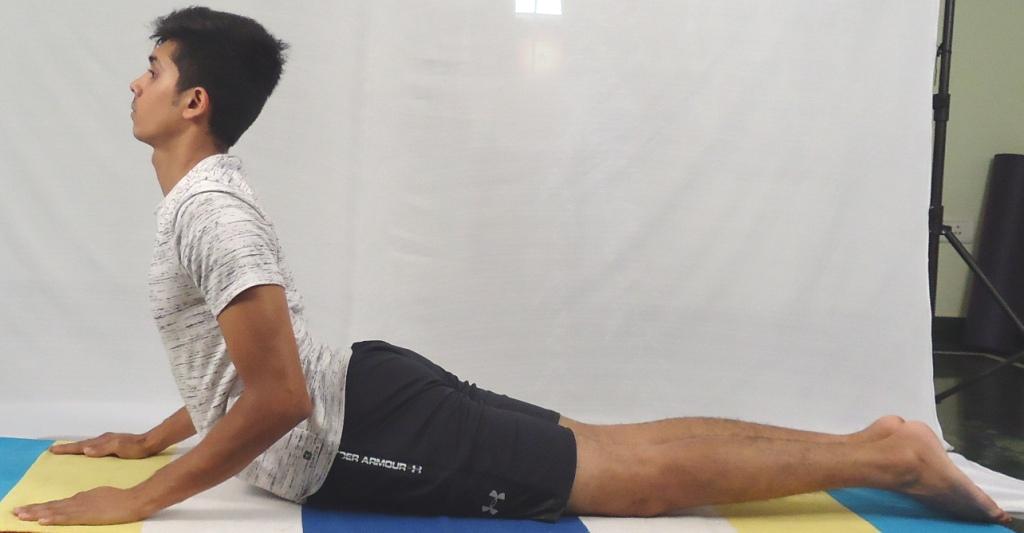
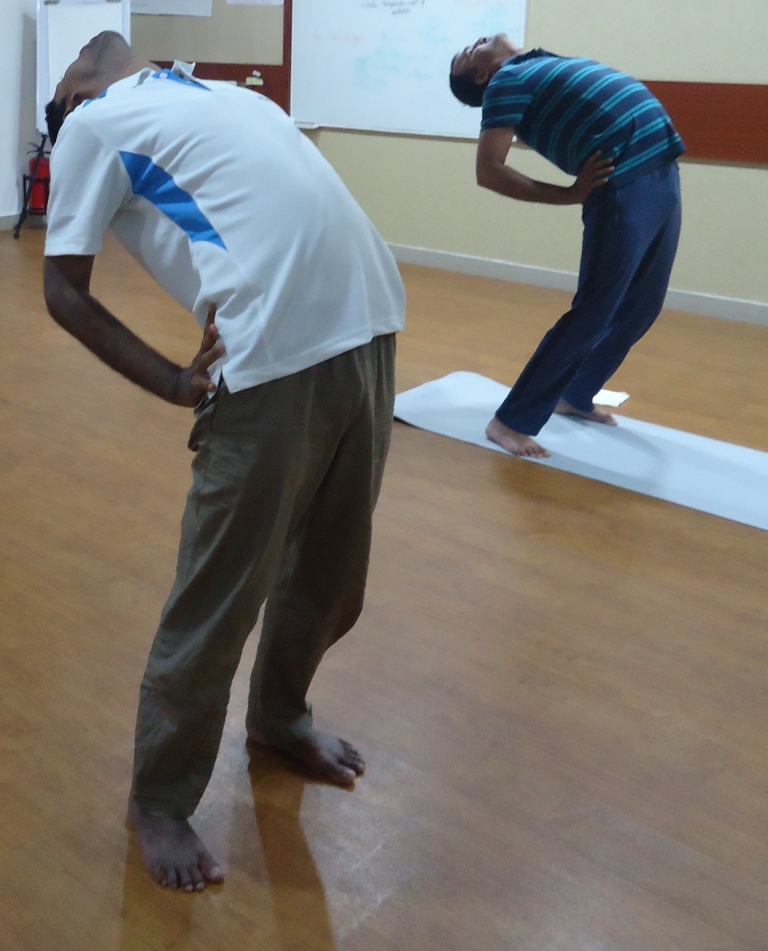
Yoga for Cervical Spondylosis Definition Disc degeneration with associated osteophyte formation and osteoarthritis of the spinal apophyseal joints collectively termed cervical spondylosis. #Yoga, Anatomy & Physiology Certificate Course Causes Age – related. Reduction in the molecular size of the proteoglycans of the nucleus pulposus is associated with loss of viscoelastic properties. Increased load – bearing by the annulus is followed by focal damage and disc herniation in some cases. Simultaeneously, the development of osteoarthritic changes in the spinal apophyseal joints leads to increase in sheer stress and disc damage with cleft formation and Osteophyte formation around the vertebral margins. Combination of disc-prolapse and osteophytosis can result in direct nerve root compression and indirect ischaemic neuronal damage. #Personal yoga classes online India Clinical Features Nagging and sever pain which may spread over both sides of shoulders, back side of the neck, the collar bone and head region. In some cares pain may occur in both the arms and fingers. Stiffeners may be acute or chronic. It may lead to either partial or complete restricted movements. Numbers and tingling or complete loss of sensation on the affected side. Headache Giddiness #Best yoga blogs in India Yogic Practices Ardha kati chakrasana, Tadasana, Makrasana, Vakrasana, Ardhamatsyendrasana, Ushtrasana, Bhujangasana, Pranayama Ujjayi, Brahmari #Yoga, Kinesiology and Bio-Mechanism Teacher Training Course

Read More »

Cakras

 Cakras The cakras are pranic centers within the human framework. The cakra may be described as subtle centers of operation in the body of sakti or powers of various Tattvas or Principles which constitute the body sheaths. Thus the five lower cakras from Mooladhara to Visuddhi are centers of the Bhutas, or five forms of sensible matter. The ajna  and other cakras  in the region ion between it and the Sahasrara are the center of the Tattvas constituting the mental sheaths, while, the Sahasrara or thousand-petalled lotus at the top of the brain, is the blissful abode of parama siva-sakti which is the state of pure consciousness. #Yoga teacher training course fees in Bangalore  In each person, there are myriads of cakras .However, only a few principal ones are utilized in yogic practises. These few are the ones which span the full spectrum of man’s being from the gross to subtle. The main cakras are; Mooladhara Svadhisthana Manipura Anahata Visuddhi Ajna Sahasrara  Yogic Cakra Symbolism: – The use of cakras as a means to spiritual awakening is widely recognized by most religions and mind expansion sects of India.  It is particularly popular in Tantra, Yoga and Buddhism. Attributes of cakras: – The following   are very basic attributes that we associate with the main cakras. Mooladhara: –It is symbolized by four petalled deep red coloured lotus .In the centre is a yellow square, the yantra of ‘prthvi tattwa’the earth element and the béja mantra‘lam’. Resting on top the inverted triangle is the béja mantra ‘lam’, inside the bindu, over the mantra, reside the elephant deva Gaëeñha and the Devi Däkini, who has four arms and brilliant red eyes. She is the carrier of ever pure intelligence. #Online  Yoga teacher training certification course near me Mooladhara cakra  The location is in the region of the perineum.  It is slightly different in man and woman as follows: Man: midway between the anus and the sexual organ, a centimeter or so above the skin surface. Woman: at the cervix, where the vagina and the uterus join. It is the first cakra in the spiritual evolution of man, where one goes beyond animal consciousness and starts to be a real human being.  It is also the last cakra in the completion of animal evolution.  From Mooladhara cakra upwards are the other cakras which are concerned with illumination and evolution of the higher men or supermen.  Mooladhara cakra has a control over the entire range of excretory and sexual functioning in men. #Online  Best yoga certification courses in Bangalore Svadhisthana cakra   Svadhisthana:-This cakra is symbolized by a crimson lotus with six petalled vermilion lotus. In the centre is a white crescent moon, the yantra of aphah tattva, the water element, and the bija mantra ‘vam’. The crescent moon yantra and bija mantra are riding on a crocodile, symbolizing the subterranean movement of the karmas .within the bindu of the mantra reside the deva Visnu and the Devi Rakini. Visnu has four arms, his body is of a luminous blue, he is wearing yellow raiment and he is beautiful to behold. Rakini is the color of a blue lotus and she is clothed in celestial raiment and ornaments.  The location is at the base of the spine at the coccyx (the tail bone).  It corresponds to the sacral plexus of nerves and controls the conscious in man.   Manipura cakra Manipura:-This cakra is depicted as a bright ten petalled yellow lotus .Within the lotus is a fiery red triangle, the yantra of Agni tattva, the fire element, and the bija mantra ‘ram’. The animal which serves as the vehicle for Manipura is ‘ram’, this symbol of assertiveness and energy. In the bindu resides the deva Rudra and devi Lakini. Rudra is of a pure vermilion hue and is smeared with white ashes. He is three-eyed and of an ancient aspect. Lakini, the benefactress of all, is four-armed, of dark complexion and radiant body. The location is in the middle spine directly behind the navel.  It corresponds to the solar plexus and controls the entire process of direction, assimilation and temperature regulation in the body. Anahata cakra Anahata: – This cakra is depicted as a twelve petalled blue lotus. The bija mantra ‘yam’ which is dark grey in color. Within the bindu of this mantra is the presiding deva, Isa (Lord in an all pervading form), who is lustrous like the sun. With him is the Devi Kakini who is yellow in color, three eyed, four armed auspicious and exhilarated. In the centre of the lotus is a hexagon formed by two interlacing triangles. This is the yantra of vayu tattva, the air element and the vehicle is swift black; it is treated as the symbol of alertness and compassion. Anahata cakra is the centre of unconditional love. The location is in the spine directly behind the heart perhaps directly behind the centre of the chest is a more exact description.  It lies in the vertebral column behind the base of the heart, at the level of the depression in the sternum. It corresponds to the cardiac plexus of nerves, and controls the function of heart, the lungs, the diaphragm and other organs in this region of the body. 5.Visuddhi:-It is symbolized by a sixteen petalled violet lotus. In the centre of the lotus is a white circle, the yantra of akasa tattva, the ether element, and the bija mantra is ‘ham’. The animal related to Visuddhi cakra is a white elephant. The Goddess is Sakini who is purer than the ocean of the nectar that flows down from the moon region. Her raiment is yellow and in her four hands she holds the Visuddhi cakra bow, the arrow, the noose and goat. Visuddhi belongs to fifth loka, the plane of Janah.  The location is on the front surface of the throat in the region of the Adam’s apple and the thyroid gland. The cakra corresponds to the cervical plexus of nerves and controls the thyroid complex

Read More »

Yoga for Bronchitis

Yoga for Bronchitis It refers to an inflammation of the mucous membrane lining the bronchi and bronchial tube within the chest It is a disease endemic to cold, damp climates, but may occur anywhere.  It may be acute or chronic, Chronic bronchitis more frequent in males than females. Causes Smoking Infections Environment changes in weather Working in stuffy atmospheres Clinical Features Often follows acute coryza Irritating unproductive cough accompanied by retrosternal discomfort. Sputum is initially scanty, mucoid, viscid and may be streaked with blood. Hoarseness and pain in the chest Breathing trouble continues till the inflammation subsides and mucus is removed Yogic Practices Suryanamaskara Shashankasana Sarvangasana Supta vajrasana Matsyasana Dwikonasana Backward bending asanas Pranayama Nadishodhana, Bhastrika, Kapalbhati Shatkarma Jalaneti, Sutra neti, Vastra dhauti, Kunjal #Yoga teacher training course fees in Bangalore

Read More »

Yoga for Bronchial Asthma

Yoga for Bronchial Asthma It is defined as a chronic inflammatory disorder of the airways, characterized by reversible airflow obstruction causing cough, wheeze, chest tightness and shortness of breath. #Online 200 hour Yoga teacher training Bangalore Causes Allergens Infection Exercise Environment Occupation Drugs Emotion Clinical Features It may be either episodic or chronic Episodic Asthma In this form of the disease the patient has no respiratory symptoms or signs between episodes of asthma. Paroxysms of wheeze and dyspnoea occur at any time and can be of sudden onset. It can be triggered by allergens, exercise or viral infections. Attacks may be mild or severe and may last for hours, days or even weeks #Online 200 hour Yoga teacher training Bangalore Chronic Asthma Chest tightness Wheeze Breathlessness on exertion Spontaneous cough and wheeze during the night and early morning Yogic Practices Surya namaskara Shashakasana Pranamanasana Sarvangasana Suptavajrasana – Ushtrasana Hasta Uttanasana Utthita lolasana Dwikonasana Matsyasana Backward bending asanas Pada hastasana Baddha padmasana. #Yoga teacher training course fees in Bangalore Pranayama Nadishodhana Bhastrika Kapalbhati Deep abdominal breathing at all times. Shatkarma Vastra dhauti Shankhaprakshalana Kunjal Other Yoga nidra Meditation #Yoga teacher training course fees in Bangalore

Read More »

How does the Asanas work?

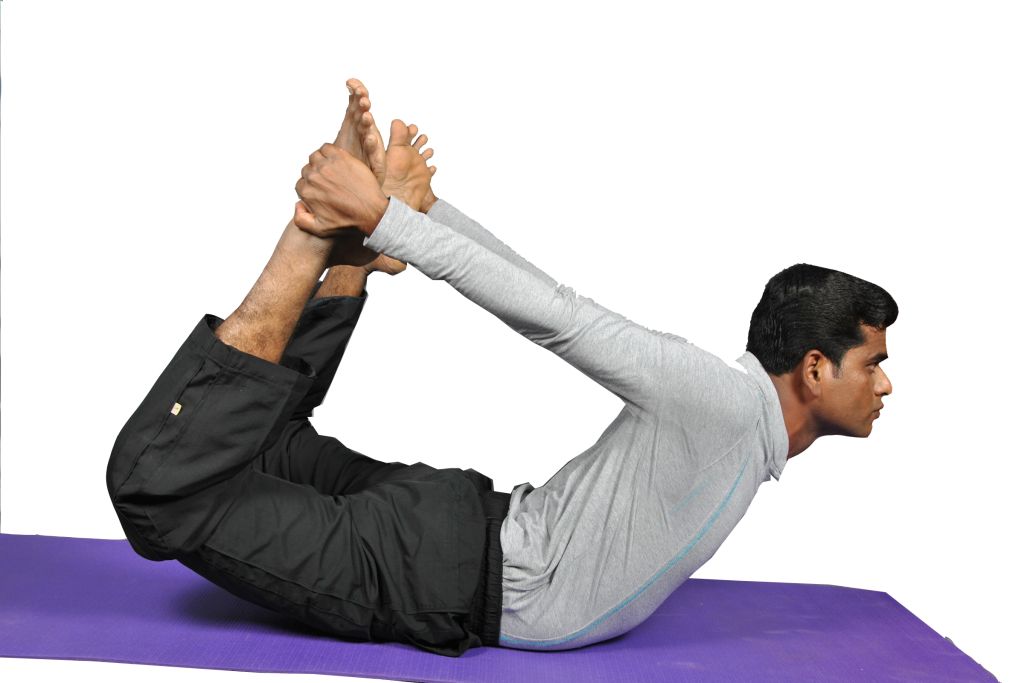
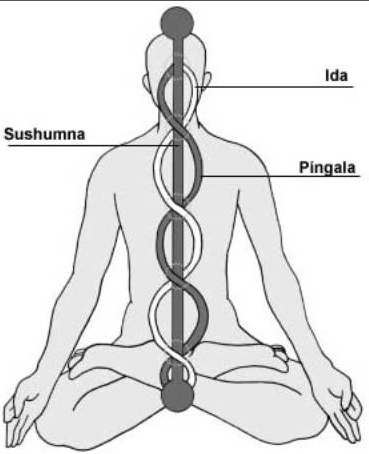
How does the Asanas work? Asanas are based on five principles. i) The use of gravity. The inverted postures such as the headstand, shoulder stand and the reverse posture take advantage of gravity to increase the flow of blood to the desired part of the body; in the headstand to the brain, in the shoulder stand to the thyroid gland and in the reverse posture to the gonads (sex glands). ii) Organ massage. The position of the asanas causes a squeezing action on a specific organ or gland, resulting in the stimulation of that part of the body.#Online Yoga teacher training course fees in Bangalore  iii) Stretching muscles and ligaments. This causes an increase in blood supply to the muscles and ligaments as well as relaxing them. It also takes pressure of nerves in the area. This stretching is involved in all the asanas, since it has such a beneficial effect on the body. iv) Deep breathing. While holding the yoga posture we breathe slowly and deeply, moving the abdomen only (abdominal or low breathing). This increases the oxygen and prana supply to the target organ or gland, thereby enhancing the effect of the asana v) Concentration. As well as breathing slowly and deeply, we also focus our attention on the target organ or gland. This brings the mind into play, and greatly increases the circulation and prana supply to the organ or gland. This concentration has the second benefit of increasing your general powers of concentration through regular practise. This benefits every aspect of your life. Your mind is less distracted and swayed by external events and you are therefore calmer and worriless. You will be able to solve day-to-day problems better and have more success in whatever activity you undertake. Physical exercise draws the prana out. Asanas send the präëa in and distribution quite evenly throughout the body and different system. Asana are not physical but also spiritual, as they awaken the serpent power that is sleeping in Muladhara cakra. This is the third anga (limb) of the Astanga RajaYoga of Patanjali Maharsi .A particular asana removes the Particular disease. Asanas are not mere physical exercises alone. They are something more than that. They have spiritual basis. They help a long way in controlling senses, mind and body. Body nerve and muscle are purified (Sarira suddhi and Nadi suddhi) Kundalini is awakened which gives bliss, power and yogi Samadhi to the aspirant. If you develop vairagya, if you subdue your Indriya and sense enjoyment and pleasures of this world as dung and poison, as they are mixed with pain, sin, fear craving, miseries, disease old age and death, nothing can tempt you in this world. You will have eternal peace and infinite bliss.  Asana and pranayama remove all sorts of disease, improve the health energetic digestion invigorate the nerves ,strength the Sushumna nadi, remove the Rajas and awaken the kundalini .  Practise  of  asana  and Pranayama bestows good health and steady mind. #Online Yoga Classes in India Yogasanas are preliminarily aimed at improving the muscle tone (suppleness) and plasticity of muscle. Activation of muscles that were once important at earlier evolutionary stages but have fallen into disuse. Priming or activating the stretch reflexes at the level of spinal cord. The neural impulses that are needed to travel up the long sensory pathways up to the Ascending Reticular Formation (Mid Brain) and further through the thalamus to the cortex are rendered unnecessary. This automatically helps in maintaining the alpha activity of the E.E.G (Electrical recording of the brain waves) but not disturbing the thalamo-cortical pathways. This ensures a resting, relaxed activating at the level of cerebral cortex. The static comfortable postures accompanied by a meditative state, dampens the inflow of sensory impulses to the brain. This is turn, causes less stimulation to the “Emotional Brain” (Limbic Cortex Hypothalamus Anterior Pituitary and their connections with the Adrenal gland). Therefore, there are less visceral gland disturbance to disturb attention and connection. Further more, the reduction of sensory input creates a reciprocal chain, relaxing the muscles. Inhabitation of synapses at the neuromuscular junctions, in turn, reduces the sensory input further. #Personal yoga classes online India Yoga is smooth graded exercises from the initial posture to the final state. This is achieved not through forcible jerky movements, but slow dynamic movements, gradually changing over to static states. The risk of over-straining or injuring muscle and ligaments are therefore reduced considerably. There is a little fatigue induced by asana. The exercises are done with a few warm-up movements to improve the blood flow and body temperature and are done in a sequence that keeps at the rest certain group of muscles in one asana and brings into active operation the opposite group of muscles in the next asana For exercise, involves the flexion of the spine, those that extend the spinal muscle in the (Bhujangasana s) follow (Paschimottanasana). This is called “Vinyasa” the exercises are interspersed with the restful periods (Shavasana) to eliminate the factor of fatigue. #Personal yoga trainer at home Bangalore The Yogasanas do not require the use of extra calories 2-14 calories per minute (and a man resting on the bed spend about 0.9 to 1 calorie per minute). Yogasanas require only about 0.8 to 3 calories per minutes. The sequential activation of agnostic (Prime mover muscles) and antagonistic (counter acting muscles) assures the muscles suppleness, plasticity and phenomenon of reciprocal inhabitation remains in efficient operation. Yoga asanas improves the perceptual motor co-ordination. In yoga asanas, breathing is kept as natural as possible and at any state of hyperventilation, the person is supposed to restore to relax the postures (Shavasanas). This is the major reason why fatigue is not a usual phenomenon and the expenditure of calories remains minimum. That allows yoga asanas to be induced soon after a common illness or some asanas can be performed during early in the pregnancy. Asanas are primarily involved with postural reflexes which are mediated by sub cortical centers-medulla, pons, cerebellum, basal ganglia

Read More »

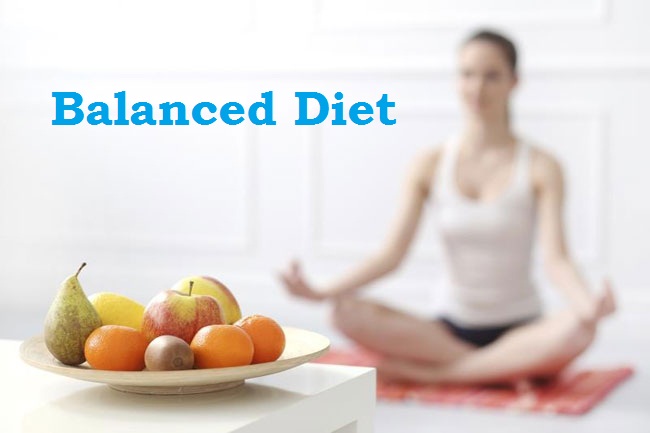
Balanced diet

Balanced diet Definition Balanced diet is a diet which contains all the nutrients in the right amounts as required by an individual’s body needs. #Online Yoga certification Course Bangalore The general rules for making the diet balanced are Each meal should contain some food rich in proteins like pulses, egg, meat, cheese etc. Each meal should contain plenty of fruits and vegetables which are good sources of some vitamins and minerals. Food rich in energy should be eaten in amounts which will satisfy appetite and maintain correct body weight.#Best yoga blogs in India Carbohydrates These supply 70-80% of the total energy requirement of our body.  They contain carbon, hydrogen and oxygen.  Each of carbohydrate provides 4 kcals. They are a quick source of energy after digestion of starch and sugar.  It is absorbed through the walls of the intestine and finally carried to the liver where it may be utilized or stored as glycogen.  Any excess is converted to fat and stored.  Hence carbohydrates and fats are referred to as ‘protein  spares” Fats It contains carbon hydrogen and oxygen are made up of fatty acids.  They serve as insulators, padding around organs, acts as protein spares, carries of Vit, A, D, E & K., increase palatability and satiety value of foods. Each g of fat provides 9 kcals. Sources may be animal (ghee, butter, fish oils) or vegetable (Groundnut, gingerly, mustard, safflower etc) Proteins It forms the structure of muscles, cartilage, bones, skin and also is found in tissues and body fluids Each of protein provides 4 kcals. #Online  Yoga Teacher Training Bangalore Sources             Animal – eggs, Milk, meat, fish             Plant – Cereals, pulses, nuts, beans, oilseeds. Protein Requirement On an average protein requirement is i g / kg of body weight of a person.  This requirement may increase after tissue loss or destruction to rebuild new tissue.  An increase in protein requirement is seen in Growing phase of infants and childhood Destruction of tissues due to burns Wasting diseases During wound healing Pregnancy and lactation. Minerals: are trace elements which are required in small amounts but are essential for life minerals are inorganic substances like Na, K, Ca, P, Mg, I2, Fe, cobalt, cu etc Na, k help in regulation of body fluids and acid base balance. Ca helps in maintenance of neural. Muscular excitability blood coagulation and bone formation. P helps in tissue metabolism and bone formation I2, is required for synthesis of thyroid hormones Fe is incorporated in Hb molecule. Cobalt helps in formation of vit B12. Vitamins are essential for regulating the body process. They are broadly classified into two groups : Fat soluble vitamins such as A, D, E, K. Water soluble vitamins such as Vit, B1, B2, B6, Niacin, panthothenic acid, folic acid, cyanocobalamin, vitc etc. etables: Aim for a range of colors and types. They provide essential vitamins, minerals, and fiber. Proteins: Include sources like lean meats, fish, eggs, beans, and nuts. Proteins are crucial for muscle repair and growth. Grains: Choose whole grains such as brown rice, whole wheat bread, and oats. They offer fiber and important nutrients. Dairy or Alternatives: Opt for low-fat or non-dairy options like almond milk or soy milk. They provide calcium and vitamin D. Fats: Focus on healthy fats from sources like avocados, nuts, seeds, and olive oil. Limit saturated and trans fats. Staying hydrated is also key, so drink plenty of water throughout the day. If you have specific dietary needs or health conditions, it’s a good idea to consult with a nutritionist or healthcare provider. #Online Yoga teacher training course fees in Bangalore

Read More »

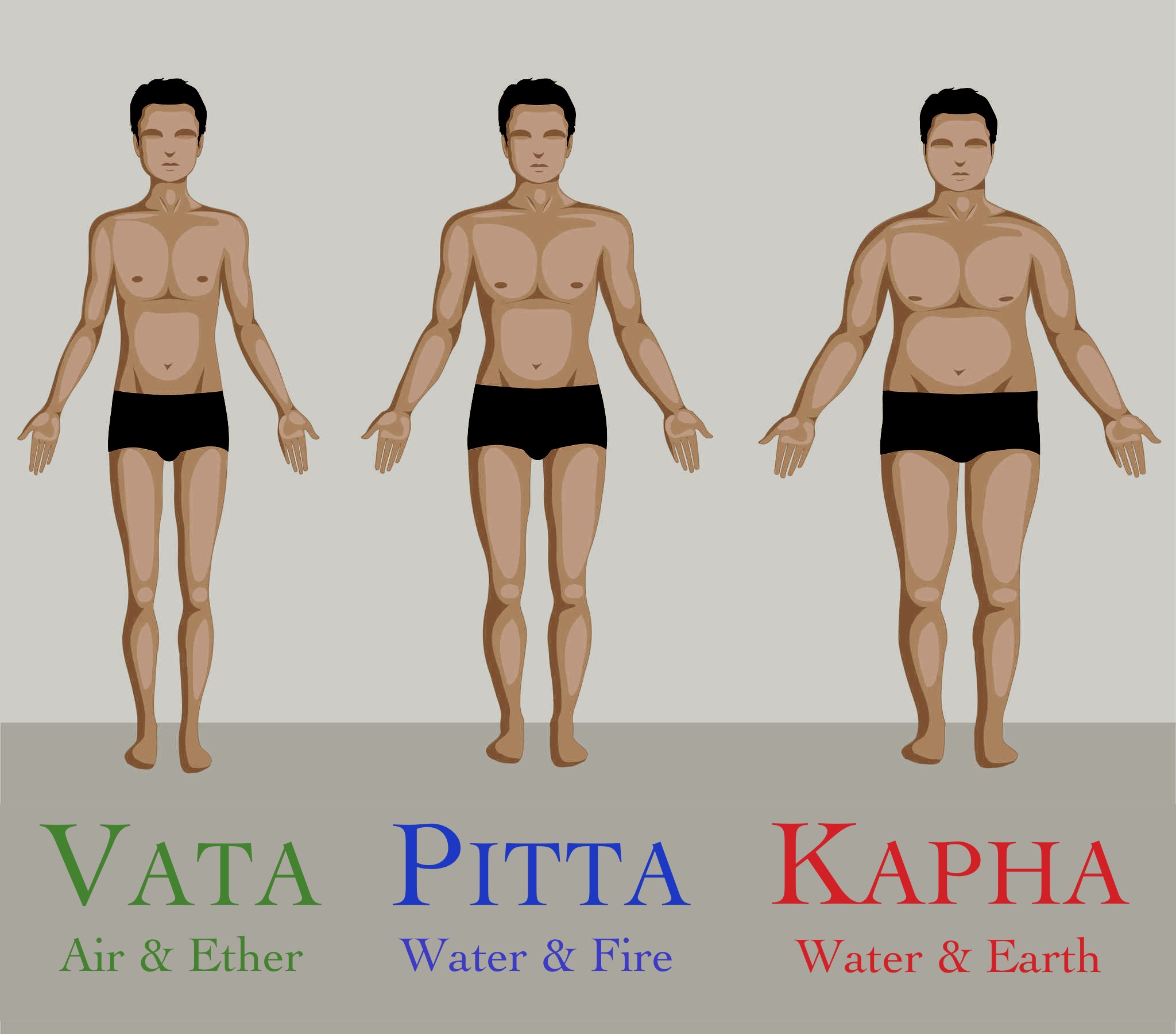
Ayurvedic Body Types and Asana Practices

Ayurvedic Body Types and Asana Practices To understand the Asanas potentials of different people we will want to look at them according to their doşic body types #200 hour Yoga teacher training certificate course in Bangalore VATA BODY TYPE: Vata types have thin and long bones that are often weak or brittle. They have low body weight and poor development of the muscles, but a good deal of speed and flexibility. Their bone structure makes them good at bending and stretching, particularly of the arms and legs, when they are young. As they get older, however, the dry quality of Vata increases and causes them to lose mobility if they don’t exercise regularly. A gentle, slow asanas practise evenly balanced on both sides of the body is the ideal exercise for Vata types. Vatas are most in need of asanas practise because asanas alleviates accumulated Vata from the back and the bones, where it easily gets lodged. Vata diseases begin with an accumulation of the downward moving air (Apana Vayu) in the colon, which gets transferred to the bones, where it causes bone and joint problems. Väta benefits from the massaging action of asanas on the muscles and joints, which releases nervous tension and balances out the system. #Yoga  course  Bangalore PITTA BODY TYPE: Pitta types have an average build with a generally good development of the muscles and a looseness of the joints, which gives them a fair amount of flexibility. They are good at asanas practise but cannot do some of the more exotic poses that Vatas can do because of the shorter bones that they usually have. Pittas benefit from asanas practise to cool down the head, cool the blood, calm the heart and relieve tension. For example, Pittas tend to hypertension because of their fiery temperament that keeps them always wanting to succeed or to win. KAPHA BODY TYPE: Kaphas are typically short and stocky, gaining weight easily. With their short and thick bones they lack flexibility and cannot do poses that require flexibility like the lotus pose. Yet they are sturdy and strong and have the best endurance of the different types. Kaphas need movement and stimulation to counter their tendency to complacency and inertia. They are good at keeping a practise going for longer periods of time, once they get it going in the first place. The Ayurvedic way of performing asanas. #Yoga  course  Bangalore Ayurveda does not look upon asanas as fixed forms that by them either decrease or increase the dosas. It views them as vehicles for energy that can be used to help balance the dosas, if used correctly. The same is true of the ayurvedic view of food. While Ayurveda says that foods of certain tastes are more likely to increase or decrease specific dosas, it also says that we need some degree of all the tastes. So too, we need to do all the major types of asanas to some degree. It is the degree and exertion that varies with the dosas type. Each person requires a full range of exercise that deals with the full range of motion in the body. #Yoga teacher training certification course near me

Read More »

Yoga for Arthritis

Yoga for Arthritis Inflammation of Joints is Called Arthritis Rheumatoid Arthritis It is a chronic inflammatory joint disease.  In its typical form RA is a symmetrical, destructive and deforming polyarthrits affecting small and large synovial joints associated with systemic disturbance. #200 hour Yoga teacher training certificate course in Bangalore Causes Hereditary Infection Physical and emotional stress Injury #Yoga teacher training certification course near me Clinical Features Onset is insidious Joint pain Stiffness and symmetrical swelling of a number of peripheral joints Fever Weightless Profound fatigue Osteo Arthritis Degenerative joint disease which usually occur in the old age.  It results from structural changes in the articular cartilage in the joints. Possible causes include Malnutrition glandular insufficiency, and continuous physical stress. #Best yoga teacher training certification courses in Bangalore Symptoms Pain and stiffness in the joints Watery eyes Dry neck leg Cramps #Yoga teacher training certificate  course fees in Bangalore Yogic Practices Sithilikarna Vyayama (Loosening Exercises) Passive rotation of toes Toe Bending Ankle Bending Ankle Rotation Knee bending Knee Rotation Half butterfly Full Butterfly Waist Rotation Wrist Rotation Shoulder Rotation Neck Bending Neck Rotation #online live 200 hour yoga teacher training certificate course Bangalore Sukshma Vyayama (Strengthening Exercises) Manibandha sakti vikasak (Waist) Kara Tala Saktivikasak (Palms) Anguli Saktivikasak (Finger) Kaphoni Sakti vikasak (Elbows) Bhujabandha sakti vikasak (Arms) Kati saktivikasak (Back) Jangha sakti vikasak (Thighs) Pindali Saktividkasak (Calf) Pranayama Kapalabhati Nadishuddhi Brahmari Shatkarma Neti Kunjal Others Yoga nidra Meditation #Online 200 hour Yoga teacher training Bangalore

Read More »

Asana Physiology and it’s benefits

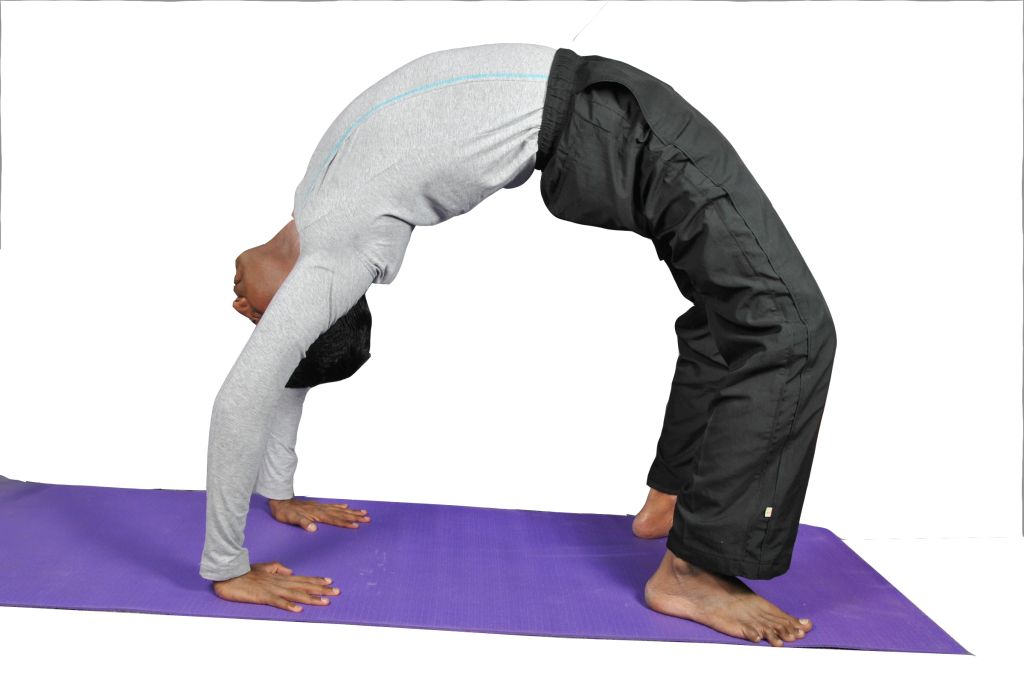
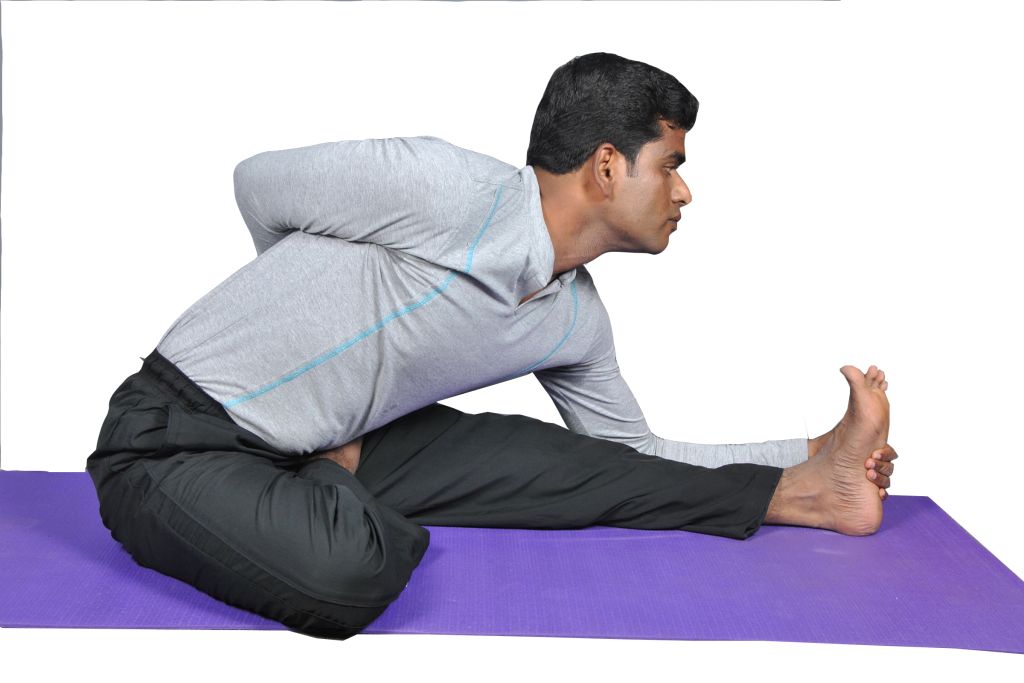
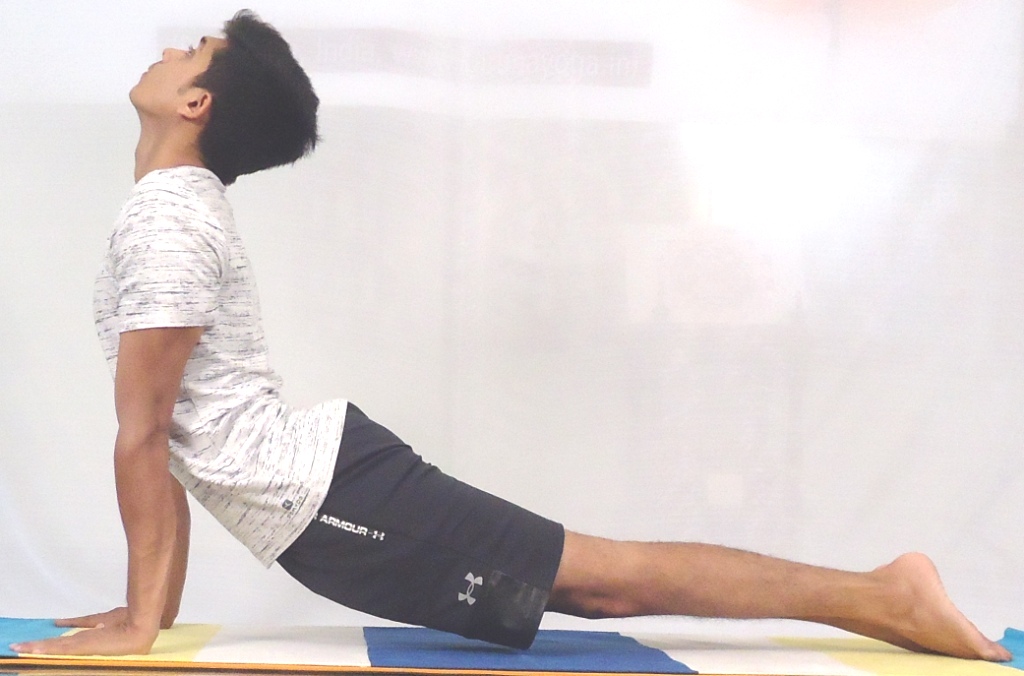
Asana Physiology and it’s benefits Physiology of Sitting Asanas All sitting asanas bring elasticity to the hips, knees, ankles, and muscles of the groin. These poses remove tension and hardness in the diaphragm and throat. Making breathing smoother and easier. They keep the spine steady, pacifying the mind and stretching the muscles of the heart. Blood circulation increases to all parts of the body. #Online 200 hour Yoga teacher training Bangalore Physiology of standing asanas Standing asanas strengthen the leg muscles and joints, and increase the suppleness and strength of the spine. Owing to their rotational and flexing movements, the spinal muscles and inter-vertebral joints are kept mobile and well aligned. The arteries of the legs are stretched, increasing the blood supply to the lower limbs, and preventing thrombosis in the call muscles. These asanas also tone the cardio-vascular system. The lateral wall of the heart is fully stretched, increasing the supply of fresh blood to the heart. Forward bends In forward bends, the abdominal organs are compressed. This has a unique effect on the nervous system as these organs relax, the frontal brain is cooled, and the flow of blood to the entire brain is regulated. Stress is removed from the organs of perception and the senses relax. The adrenal glands are also soothed and function more efficiently. Since the body is in a horizontal position in forward bends. The heart is relieved of the strain of pumping blood against gravity and blood circulates through all parts of the body easily. Forward bends also strengthen the Para spinal muscles, inter-vertebral joints and ligaments. #Online  300 hour Yoga teacher training Bangalore Physiology & benefits of Twisting Asanas  These asanas teach us the importance of a healthy spine and inner body in twists, the pelvic and abdominal organs are squeezed and flushed with blood. They improve the suppleness of the diaphragam, relieve spinal, hip and groin disorders. The spine also becomes more supple and this improves the flow of blood to the spinal nerves and increases energy levels. Physiology & benefits of backward bending Asanas  All back bends stimulate the central nervous system and increase its ability to bear stress. They help to relieve and prevent headaches, hypertension and nervous exhaustion. These asanas stimulate and energize the body and are invaluable to people suffering from depression. In Urdhva Dhanurasana and Vipartia Dandasana the liver and spleen are fully stretched and can therefore function more effectively. Yoga can help solve the problems of any receptive individual, whether these problems be of a physical, mental or spiritual nature and thereby, eventually, also help solve the problems of a group, society and even a nation. #Online 200 hour Yoga teacher training Bangalore

Read More »

Trataka (Gazing)

Trataka (Gazing) Gaze steadily without winking with a concentrated mind at any small object, until tears begin to flow. By this practice all diseases of the eye are removed. Unsteadiness of the mind vanishes. Sambhavi Siddhi is obtained. Will-power is developed. Clairvoyance is induced. #Online 200 hour Yoga teacher training Bangalore

Read More »

Nauli

Nauli This is abdominal churning with the help of rectus muscle of the abdomen. Bend the head down. Isolate the rectus muscle and turn it from right to left and from left to right. This removes constipation, increases the digestive fire and destroys all intestinal disorders. #Online 200 hour Yoga teacher training Bangalore

Read More »

Basti(Yoga course in India)

Basti This can be practised with or without a bamboo tube. But it is better to have a bamboo-tube. Sit in a tub of water covering your navel. Assume the posture Utkatasana by resting your body on the forepart of your feet, the heels pressing against the posteriors. Take a small bamboo-tube 6 fingers long and insert 4 fingers of its length into the anus after lubricating the tube with vaseline or soap or castor oil. Then contract the anus. Draw the water into the bowels slowly. Shake well the water within the bowels and then expel the water outside. It is known as Jala-Basti. It cures Pleeha, urinary disorders, Gulma, myalga, dropsy, disorders of digestion, diseases of the spleen andbowels, diseases arising from the excess of wind, bile and phlegm. This Kriya should be done in the morning when the stomach is empty. Drink a cup of milk or take your meals when the Kriya is over. This Kriya can be practised while standing in a river. There is another way of doing Basti without the help of water. It is called Sthula-Basti. Sit in Paschimottanasana on the ground and churn the abdominal and intestinal portions slowly with a downward motion. Contract the sphincter muscles. This removes constipation and all the abdominal disorders. #Online  300 hour Yoga teacher training Bangalore

Read More »

Vastra Dhouti

Vastra Dhouti Practice Catch one end of the cloth with both hands and start swallowing slowly with deep awareness and ease. Drink sips of water along with the cloth if it does not move on smoothly. Make sure that about 20 – 25cms of the cloth is left outside towards the end. After completing, wait for a few seconds, churn the abdomen by movement or agnisara twisting. Lean forward and start pulling out the cloth slowly with ease and relaxation. If the cloth is not coming out easily, wait, take a deep breath and relax, drink a few sips of water and then continue. #Online  300 hour Yoga teacher training Bangalore

Read More »

Vaman Dhauti

Vaman  Dhauti Practice Drink about one and a half liters of lukewarm saline water (about 1% saline) as quickly as you can until you feel like vomiting it out.  Churn the stomach by twisting exercises. Stand with feet apart at shoulder width and bend the trunk forward forming an angle of about 80 degrees to the body. Now with the help of the middle three fingers of the right hand, tickle the back of the throat to vomit out (vaman) all the water. Repeat the process of tickling the throat until no more water comes out which may mean that all water has been vomited .  With continued practice one can stimulate the vomiting sensation and vomit out the water without using the fingers at the throat.  Relax completely in savasana for about 15 to 20 minutes.  Have a bland breakfast after about half an hour. #Online  300 hour Yoga teacher training Bangalore

Read More »

Kapalabhati (frontal brain cleansing breath)

Kapalabhati (frontal brain cleansing breath) Practice Practice rapid breathing with active and forceful exhalation and passive inhalation. During each exhalation, blast out the air by vigorous flapping movements of the abdomen in quick succession. Inhale passively by relaxing the abdominal muscles at the end of each exhalation. Repeat the exhalation as quickly as possible at the rate of 60 strokes per minute. At the end of one minute, stop the practice. Now observe an automatic suspension of breath. In fact, there will be no urge for breathing for a few seconds. Simultaneously the mind may experience a deep state of silence. Enjoy this state of deep rest and freshness. Wait until the breathing comes back to normal. Benefits Brain cells are invigorated. It brings brightness to the face with regular practice. It balances and strengthens the nervous system. It removes the drowsiness from the body. It provides a nice massage to all the abdominal organs. People with digestive problems are highly benefited. It cleanses the lungs and also the entire respiratory tract. It is good for asthmatics and for other respiratory disorders. #Online  300 hour Yoga teacher training Bangalore

Read More »

Jala Neti (Cleaning the nasal passage

Jala Neti (Cleaning the nasal passage) Practice  Add about half a teaspoon of salt to a neti pot full of sterile lukewarm water.  Stand with the legs apart. Hold the neti pot in your right hand.  Insert the nozzle of the Neti pot into the right nostril.  Keep the mouth open and breathe freely through the mouth. Tilt the head first slightly backwards, then forwards and sidewards to the left so that the water from the pot enters the right nostril and comes out through the left by gravity. Allow the flow till the pot is empty.  Repeat the same on the left side.  To clear the nasal passages of the remaining water, blow out the water by active exhalation through alternate nostrils as in Kapalabhati. #Prenatal, Mudra Therapy, Yoga  Chanting & Meditation certificate Course Benefits It helps to clear nasal passages. Removes cold, hypersensitivity, headache, sinusitis, bronchitis and stimulates olfactory nerves. #200 hour Yoga teacher training certificate course in Bangalore

Read More »

Sutra Neti

Sutra Neti Practice  Insert the blunt end of a thin soft rubber catheter horizontally into the right nostril.  Gently push it along the floor of the nose until the tip is felt in the back of the throat.  Insert the right index and the middle finger through the mouth arid catch the tip of the catheter at the back of the throat.  Pull it out through the mouth and gently massage the nasal passage by catching the two ends of the tube.  Remove the catheter through the nose.  Repeat on the left side. #50/100/200/300/500 hr Yoga teacher training certificate course Bangalore Benefits Clear the nose and pharynx. Tremendous will power increases in process of catheter insertion. Desensitizes to dust pollution etc. in nasal allergy patients. #Prenatal, Mudra Therapy, Yoga  Chanting & Meditation certificate Course

Read More »

Maha Bandha – Great lock

Maha Bandha – Great lock (Bestower of great siddhis) Practice: Sit in siddha or padmasana with the palms pressing on the knees. The spine should be straight. Breathe in slowly and deeply through the nose. Exhale forcefully and completely through the mouth. Hold the breath outside.  Sequentially perform Jalandhara, Uddiyana and Moola Bandha at end. Inhale slowly when the head is upright. This is one round. #Yin, Restorative, Hatha, Vinyasa, Yoga Therapy Teacher Training Certificate Course Benefits: Maha Bandha gives the benefits of all three bandhas. It affects the hormonal secretions of the pineal gland and regulates the entire endocrine system. The decaying, cell of the body is rejuvenated. It soothes anger and introverts the mind prior to meditation. It leads to the merge of prana, apana and samana in agni mandala, which is the culmination of all pranayamas. #50/100/200/300/500 hr Yoga teacher training certificate course Bangalore

Read More »

Mula Bandha – Perennial/ cervix retraction lock

Mula Bandha – Perennial/ cervix retraction lock, when engaged, prevents apana escaping from the lower body and draws it up to unite with prana. Practice Sit in a comfortable meditative pose, preferably siddhasana. Close the eyes, make sure the body is completely relaxed and the spine is erect. For men, the area just inside the perineum has to be contracted, so it is best to concentrate on this area for a few minutes. Women should concentrate on the cervix, as it is the cervix and vaginal muscles which have to be contracted. After a few minutes of concentration, start to gradually contract and release the muscles of the perineum/cervix. Contraction should last for a few seconds. Keep the breath normal. Prepare as above. Contract the muscles of the perineum/cervix and hold. Hold the contraction for till you feel comfortable, then release. Practice five times. Start off with a gentle or partial contraction. Contract just a little and hold without releasing. Then contract a little more. Continue like this, gradually increasing the tension and contraction ten times until full contraction is reached. Hold the full contraction for few seconds and try to breathe normally. #Yoga, Anatomy, Physiology, Kinesiology and Bio-Mechanism Yoga Teacher Training certificate  Course Benefits Mula bandha is the force or energy created by lifting the pelvic floor and controlling the breath. It is the root lock and calls the fire within that causes everything to come alive, to move. Mula bandha increases flexibility and stimulates heat. By contracting the perineum and drawing the energy up from the base of the spine, one can intensify and direct the life energy, cultivating a sense of heightened awareness and increasing vitality. Mula bandha ignites the flame of kundalini (cosmic energy), the serpent power. By bringing awareness to the core of the body, mula bandha helps prevent injury. It guides you to move from your center, grounding you so you can become light and fluid in your yoga practice. #Yin, Restorative, Hatha, Vinyasa, Yoga Therapy Teacher Training Certificate Course

Read More »

Uddiyana Bandha – Abdominal retraction lock

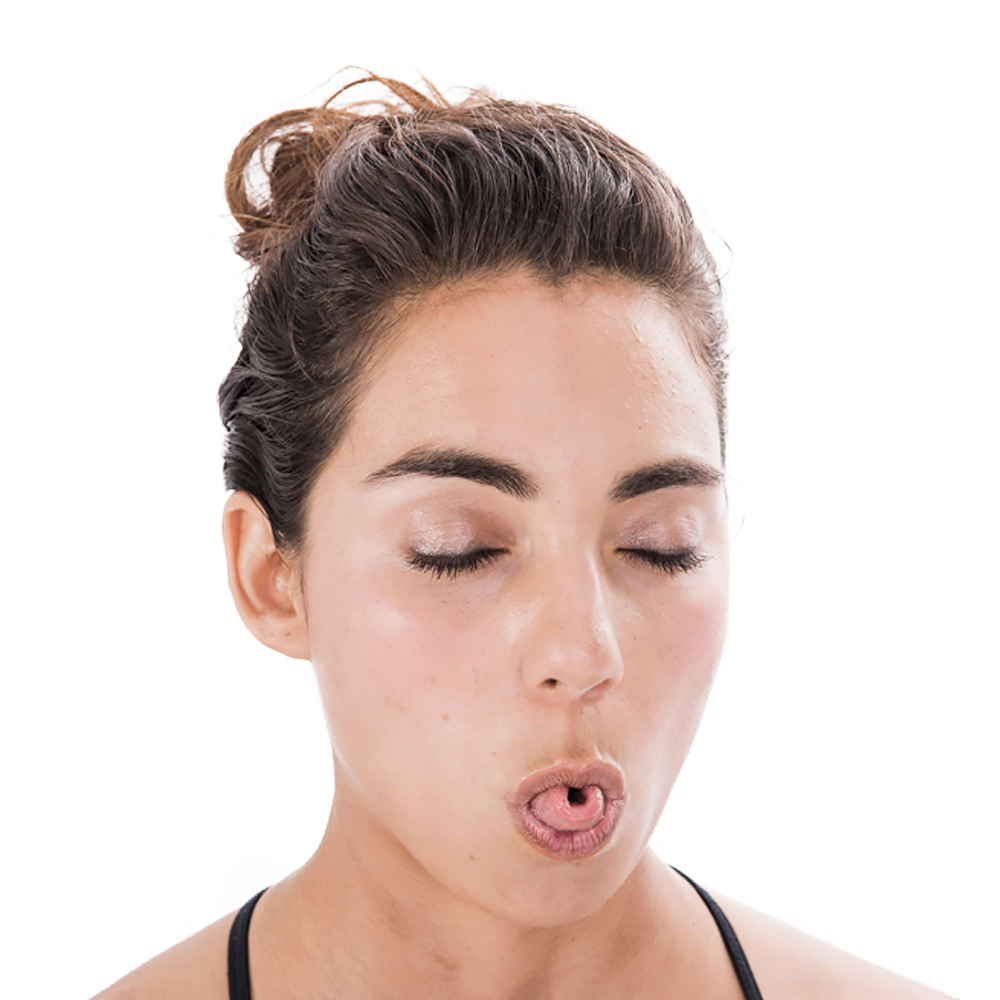
Uddiyana Bandha – Abdominal retraction lock which forces prana up the shushumna nadi. Practice Stand with feet about two feet apart. Bend the knees slightly and rest the hands above the knees, with the thumbs facing inwards and the fingers outwards. The spine must remain straight, not curved; the head should be kept up and eyes open. Inhale deeply through the nose, then exhale quickly through slightly pursed lips, but don’t be forceful. Having fully exhaled, bring the chin to the chest ( jalandhara bandha), raising the shoulders. Pull the abdomen and stomach inward toward the spine and up. Hold for a few seconds. Before inhaling, relax the stomach and abdomen, raise the head and stand straight. Then inhale through the nose slowly and with control. Before repeating another round, breathe normally for a minute or two. Start with three rounds and over a period of a few months increase to more rounds.#Best yoga teacher training certification courses in Bangalore Sit in a comfortable cross-legged position ( padmasana, siddhasana or sukhasana, depending on your flexibility). Sit on a cushion so that the buttocks are raised. Keep the palms of the hands on the knees and the spinal cord upright and straight. Eyes may be open or closed. Begin as above, practicing three to ten rounds, concentrating on the natural breath for a minute or two between rounds.#Yoga teacher training certificate  course fees in Bangalore Stand up and experiment moving from the middle of your body, try walking as if there is a string attached to your navel pulling you forward. Practice the bandhas at different times during the day. Notice the effect on your energy level.       5.Notice any fears that arise when you’re practicing the bandhas. Connect the breath, mula bandha, and uddiyana bandha, and try to relax while maintaining the locks. Benefits #Best100/200/300/500 hour yoga teacher training India Movement of shakti in the body is described as a bird. Shakti is the personification of the feminine form of the Divine. Through the practice of the flying bandha, the great bird (Shakti) flies upward with ease, further directing the flow of prana toward higher states of consciousness. By contracting the lower abdomen and pulling it inward and upward, toward the spine, a powerful toning effect and internal strengthening occurs. This lifting helps push up the diaphragm and expel the breath. Uddiyana bandha, the abdominal lock, also eliminates strain by helping to control the breath. Control of the breath controls consciousness. Bandhas are a means of extending control over the breath and thus are a means to extend our access to consciousness. #Yoga, Anatomy, Physiology, Kinesiology and Bio-Mechanism Yoga Teacher Training certificate  Course
Read More »

Jalandhara Bandha – Throat lock

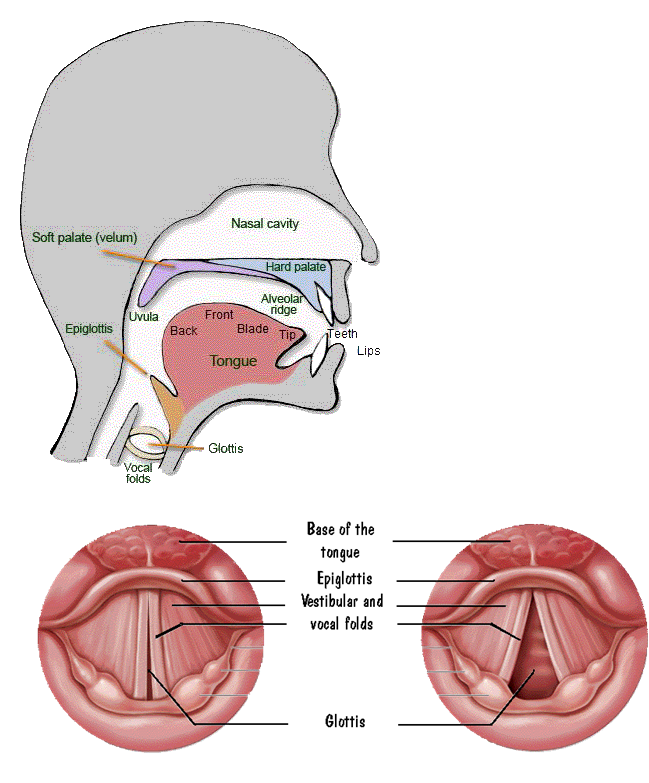
Jalandhara Bandha – Throat lock which prevents prana from escaping the upper body. Practice Jalandhara bandha Sit comfortably in siddhasana or padmasana). Place the palms of the hands on the knees and allow the whole body to relax. Inhale slowly and deeply through the nose and retain the breath. Lower the chin so that it touches the collarbone. At the same time, straighten the elbows and raise the shoulders. Hold the breath and the position for as long as comfortable. Then release jalandhara bandha by slowly raising the head and relaxing the shoulders. Exhale in a very slow, controlled manner. Practice five rounds, breathing normally for a few minutes between each round. Then practice five rounds with external retention (exhale and hold). Visualize the throat as a net that captures the breath as it comes up. Notice when the chin is tucked how easy it is to see your navel. Pay attention to the opening of your throat while simultaneously locking the chin. Link all the bandhas and follow the flow of breath unobstructed while maintaining the locks in the body. Notice any change in energy level or effects on your thoughts. #Yoga teacher training certification course near me Benefits Jalandhara bandha is the water pipe lock. It binds the network of subtle energy channels. Engaging Jalandhara bandha is useful for alleviating diseases of the throat. It also improves the quantum of prana in the thoracic region. By pressing the chin to the chest, prana is captured, preventing it from escaping the upper body. Many major nerve fibers pass through the neck; when jalandhara bandha is performed it exerts pressure on them and the flow of nervous impulses to the brain is restricted. These impulses collect in the cervical plexus, and when the bandha is released they flood into the brain. The force of these impulses helps to activate higher centers in the brain, those that function with creativity and intellect. #Best yoga teacher training certification courses in Bangalore

Read More »

Patanjali Yoga Sutra – Kaivalya Pada: Potentiality of object

Patanjali Yoga Sutra – Kaivalya Pada: Potentiality of object 4.14. Parinamaikatvadvastutattvam| Parinama-transformation Ekatvat-due to oneness Vastu-object Tattvam-the essence The potential of the object is due to the uniqueness of transformation of the gunas. Patanjali Yoga Sutra – Kaivalya Pada #Online yoga classes India What is  perception ? 4.15. Vastusamye chittabhedattayovibhaktah panthah| Vastusamye-by sameness of the object Chittabhedat-by the difference of the mind Tayoh-of these two vibhaktah –separate panthah-path of manifestation Because of the sameness of object and difference of mind their ways are different. #Online  Yoga teacher training certification course near me Patanjali Yoga Sutra – Kaivalya Pada Mind & object 4.16. Na chaika chittatantram vastu tadapramanakam tada kim syat| Na-not Cha-and Eka-one Chitta-mind Tantram-dependent Vastu-object Tat-that Apramanakam-non-cognized Tada-then Kim-what Syat-would happen The object of perception is not dependent on the chitta, what would happen to the object of perception when the medium of cognition is not there?. #Online  Yoga teacher training certification course near me Patanjali Yoga Sutra – Kaivalya Pada Reflection of object 4.17. Taduparagapeksitvachchittasya vastu jnatajnatam| Taduparaga-the reflection of the object in chitta Apeksitvat-because of necessity Chittasya-of the mind Vastu-object Jnata-known Ajnatam-unknown The mind needs the reflection of the objects for its cognition. Patanjali Yoga Sutra – Kaivalya Pada Purusha knows the mind 4.18. Sada jnatascittavrttayastatprabhoh purusasyaparinnamitvat| Sada-always Jnatah-are known Chittavrttayah-modifications of mind Tatprabhoh-on its master Purusasya-of the purusha Aparinamitvat-due to changelessness Purusha, the master of chitta, is chnageless, therefre, he always knows the modifications of the mind. #Online  Yoga teacher training certification course near me Patanjali Yoga Sutra – Kaivalya Pada Mind is not self-illumintive 4.19. Na tatsvabhasam drsyatvat| Na-not Tat-that svabhasam –self-illumined drsyatvat-of perceptibility That chitta is not self-illumined because it is the subject of knowledge and perception. Patanjali Yoga Sutra – Kaivalya Pada Limitation of mind 4.20. Ekasamaye chobhayanavadharanam| Ekasamaye-simultaneously Cha-and Ubhaya-both Anavadharanam-non-comprehension And there cannot be the comprehension of both simultaneously. Patanjali Yoga Sutra – Kaivalya Pada Confusion of memories 4.21. Chittantaradrsye buddhibuddheratiprasangah smrtisankarascha| Chittantaradrsye-in one mind being cognized by the other Buddhibuddheh-cognition of cognitions Atiprasangah-absurd superfluity Smrti-memory Sankarah-confusion Cha-and If cognition by one mind of th eother be accepted, then there will be cognition of cognitions leading to absurdity and confusion of memory. Patanjali Yoga Sutra – Kaivalya Pada Attainment of pure consciousness or kaivalya 4.34. Purusarthasunyanam gunanam pratiprasavah kaivalyam svarupapratistha va chitisakteriti| Purusartha-purpose of the purusha Sunyanam-devoid of Gunanam-of the gunas Pratiprasavah-involution Kaivalyam-liberation Svarupa-ones own nature Pratistha-establishment Va-or Chitisakteh-purusah Iti-that’s all(denotes the end of the Patanjali Yoga Sutra) Kaivalya is the involution of the gunas because of the fulfillment of their objectives or it is the restoration of the purusha to its inherent  form which is called pure consciousness. #Online  Best yoga certification courses in Bangalore
Read More »

Patanjali Yoga Sutra – Kaivalya Pada Dominance of action or karma

Patanjali Yoga Sutra – Kaivalya Pada Dominance of action or karma 4.7. Karmasuklakrsnam yoginastrividhamitaresam| Karma-action Asukla-not white Akrsnam-not black Yoginah-of the yogis Trividham-threefold Itaresam-of others The deed of yogis are neither white nor black, of others they are threefold. Patanjali Yoga Sutra – Kaivalya Pada Exhibition of potential desires 4.8. Tatastadvipakanugunanamevabhivyaktirvasanam| Tatah-therefrom Tadvipaka-the ripening of those Anugunanam-accordingly Eva-only Abhivyaktih-manifestation Vasanam-of potential desires Therefrom the exhibition of potential desires according to their activities, ripening only. Patanjali Yoga Sutra – Kaivalya Pada Memory & impressions 4.9. Jatidesakalavyavahitanamapyantaryam smrtisamskarayorekarupatvat| Jati-class of birth Desa-place Kala-time Vyavahitanam-separated Api-even Anantaryam-sequence Smrtisamskarayoh-of memory and impressions Ekarupatvat-because of sameness in form Because memory and impression are the same in form there is a sequence although they may be classified by class of birth, place and time. Patanjali Yoga Sutra – Kaivalya Pada Source of potential impressions 4.10. Tasamanaditvam chasiso nityatvat| Tasam-there is Anaditvam-begnninglessness Cha-and Asisah-of the will to live Nityatvat-by permanence There is no beginning to them and the desire to live is eternal. Patanjali Yoga Sutra – Kaivalya Pada Vanishing of impressions 4.11. Hetuphalasrayalambanaih sangrahitatvadesamabhave tadabhavah| Hetu-cause Phala-effect Asraya-support Alambanaih-object Sangrhitatvat-because of being bound together Esam-of these Abhave-on the disappearance Tadabhavah-their disappearance Since cause and effect, support and object are act together, by their disappearance that also disappears. #Online  Best yoga certification courses in Bangalore Patanjali Yoga Sutra – Kaivalya Pada Past & future exist 4.12. Atitanagatam svarupo’styadhvabhedadharmanam| Atita-past Anagatam-future Svarupatah-in its essential form Asti-exists Adhvabhedat dharmanam- of inherent properties Past and future exist in their own form by difference of paths. #Online  Best yoga certification courses in Bangalore Patanjali Yoga Sutra – Kaivalya Pada Reason for existence 4.13. Te vyaktasuksma gunatmanah| Te-they Vyakta-manifest Suksma-subtle Gunatmanah-of the nature of gunas Whether manifest or unmanifest they are of the nature of gunas.

Read More »
Tags Terms and Conditions Yoga Teacher Training Yoga TTC Yoga Course Terms Student Policies Course Rules Attendance Policy Certification Requirements Yoga Training Institute Yoga School India Karuna Yoga Vidya Peetham Yoga Course Fees Yoga Certification Copyright Policy Training Manual Workshop Terms Yoga Retreat Policy Student Agreement Yoga Education Bangalore Yoga Institute
Patanjali Yoga Sutra – Kaivalya Pada: Pure Mind

Patanjali Yoga Sutra – Kaivalya Pada: Pure Mind 4.4. Nirmanachittanyasmitamatrat| Nirmana-creation Chittani-minds Asmita-egoism Matrat-alone Created minds are free from egoism alone. #Online  Best yoga certification courses in Bangalore Patanjali Yoga Sutra – Kaivalya Pada Pure  mind controls 4.5. Pravrttibhede prayojakam chittamekamanekesam| Pravrtti-activity Bhede-in connection wit the difference Prayojakam-moving Chittam-mind Ekam-one Anekesam-of many The pure mind directs the many in related with the difference of activities. Patanjali Yoga Sutra – Kaivalya Pada Meditative mind is freee from past impressions 4.6. Tatra dhyanajamanasayam| Tatra-there, of them Dhyanajam-born of meditation Anasayam-without the store of past impressions The mind which is born out of meditation, is  free of past impression or vasanas. #Online  Best yoga certification courses in Bangalore

Read More »

Patanjali Yoga Sutra – Kaivalya Pada: Sources of psychic powers

Patanjali Yoga Sutra – Kaivalya Pada: Sources of psychic powers Arise of psychic powers 4.1. Janmausadhimantratapahsamadhijah siddhayah| Janma-birth Ausadhi-herbs Mantra-mantra Tapah-austerity Samadhi-trance Jah-born of Siddhayah-siddhis The siddhis(psychic powers) arises of birth, herbs, mantras, tapas or austerities, or samadhi. #Online  Best yoga certification courses in Bangalore Patanjali Yoga Sutra – Kaivalya Pada Inherent Transformation 4.2. Jatyantaraparinamah prakrtyapurat| Jatyantara-another birth Parinamah-transformation Prakrti-nature Apurat-by making up, overflowing By the overflow of inherent potentiality creates the transformation from one substance into other substances.   Patanjali Yoga Sutra – Kaivalya Pada Instrumental cause 4.3. Nimittamaprayojakam prakrtinam varanabhedastu tatah ksetrikavat| Nimittam-instrument Aprayojakam-indirect Prakrtinam-of various natural tendencies Varana-obstacles Bhedhah-removal Tu-but Tatah-therefore Ksetrikavat-like the farmer The instrumental cause does not stir up the various natures but simply clears the obstacles in the path of transformation. #Online  Best yoga certification courses in Bangalore

Read More »

HATHA YOGA PRADIPIKA

HATHA YOGA PRADIPIKA The Hatha Yoga Pradipika is compiled by Yogi Swatmarama, an outstanding personality among many authorities of Hatha Yoga i.e. Goraknanath, Gheranda and Srinivasa Bhatta.  Hatha Yoga is a very important science for man all the time. The beauty of the Hatha Yoga Pradipika is that it solves a very great problem of every aspirant.  The term Hatha is a combination of two big mantras, i.e. Ha & tha where Ha represents mind, the mental energy.  That represents prana the vitral force.  So Hatha yoga means the union between the pranic and mental force.  This is the awakening of higher consciousness.  In another description, Ha means moon; that means sun “This is a symbolic of the twin energy forces which exists in everything.  It represents the forces of mind, prana or vitality.  Which constitute body and mind? The term Pradipika actually means self illuminating or that which illumines.  So it is a text which illumines a multitude of physical, mental and spiritual problems for the aspirants. #Online  Best yoga certification courses in Bangalore As in yoga, life and consciousness are known as Purusha and Prakriti and in Tantra they are called Shakti and Shiva, similarly in Hatha yoga they are known as Ida and Pingala. In Hatha yoga it begin by saying the one should first purify the whole body the stomach, intestines, nervous system and other systems. By discipline the body the subtle elements, the energy channels (Nadis) within the body should be purified.  The behaviour of the vital life force (Prana), the entire nervous system and the various secretions in the body should be properly maintained and harmonized.  In this way it will be possible to develop deep meditation.  These practices will induce pratyahara and leading dharana dhyana and Samadhi. The main objective of Hatha Yoga is to create an absolute balance of the interacting activities and processes of the physical body, mind and energy. When this balance is created the impulses created give a call of awakening to the control force (Sushmana nadi) which is responsible for the evolution of human consciousness.  Therefore it considers Hatha Yoga as the preliminary practice of Tantra, Raja Yoga, Kundalini Yoga and Kriya Yoga. #Online  Best yoga certification courses in Bangalore Totally there are four chapters, Chapter I           –          Asana  67 verses Chapter II          –          Pranayama and Kriya 78 verses Chapter III         –         Mudras and Bandhas 130 verses Chapter IV         –          Samadhi, Nadanusandhana 114 verses Four major sources of Hatha yoga from 6th to 13th century AD. Hatha Yoga Pradipika – Svatmarama Goraksa Samitha – Gorakhnanth Gheranda Samitha – Gheranda Hatha Ratnavali –  Srinivasa Bhatta OBJECTIVE Purification and harmonization of Body, Prana and Mind – leading to Raja yoga. Histroical Aspects Vedas  & Upanisads               –           5000 BC Bhagavad Gita                         –           300 BC Bhagavata                               –           1500 BC Patanjali Yoga Sutra               –         1800 BC Buddha                                   –           600 BC Jain                                          –           300 BC Hatha Yoga Texts                –           From 1000 AD to 1600 AD #Online  Best yoga certification courses in Bangalore Hatha Yoga Pradipika Four Chapters                         –           Sadanga Yoga 1. On Asanas Yamas & Niyamas                  –           Do’s & Dont’s Asanas                                     –           Postures 2. On Pranayamas Shatkriyas                                 –           Cleansing techniques Pranayamas                             –           Mastery over prana 3. On Mudras Bandhas                                  –           Locks Mudras                                    –           Symbols 4. On Samadhi Samadhi                                  –           Absorb Yama & Niyama 1.         Ahimsa                        –           Non violence 2.         Satya                           –           Truthfulness 3.         Asteya                         –           Non stealing 4.         Brahmacarya               –           Continence 5.         Ksama                         –           Forgiving 6.         Dhrti                            –           Endurance 7.         Daya                            –           Compassion 8.         Arjavam                      –           Straight forwardness 9.         Mitahara                      –           Sparing diet 10.       Saucam                        –           Cleanliness Niyamas 1.         Tapas                           –           Penance 2.         Santosa                        –           Contentment 3.         Sravana                       –           Hearing the scriptures 4.         Isvara pujanam            –           Worship of god 5.         Astikyam                     –           Belief in god 6.         Danam                         –           Charity 7.         Hrih                             –           Modesty 8.         Matih                           –           Analysis 9.         Hutam                         –           Yajna 10.       Tapah                          –           Offering #Online  Best yoga certification courses in Bangalore CHAPTER – 1 Asanas (67 Verses) Yogi Swatamaram instructs that Hatha Yoga is only for the highest stage of Yoga Astha Sidhis • Anima – The ability to become very small • Laghima – The ability to become very light or weightless • Mahima – The ability to become as large as possible • Garima – The ability to become heavy • Prapti – The ability to reach any place • Prakamya – The ability to stay under the water and to maintain the body Youthful. • Vasitva – The ability to control over all objects, Organic and inorganic • Isitva – The ability to create and destroy at will Preparations Place of Practice, the Hatha Yogi should live alone in a heritage and practice in a place where there is no hazard from rocks, fire, or water and which is in a well administered and virtuous kingdom (nation or town) where good alms can be easily attained. There are six causes of failure in Sadhna • Over eating • Exertion • Talkativeness • Adhering to rules • Company of Common people • Unsteadiness. Asana is the first part of Hatha Yoga Asana or specific body position opens the energy channels and psychic centers.  The Hatha Yogis found that by developing control of the body through asana the mind is controlled. According to Hatha Ratnavali Lord Shiva taught 84 asanas, taking the examples of 84, 00,000 creations.  Ghraksha Satarka says – every one of the 8, 40,000 asanas had been told by Lord Shiva.  Out of them 84 postures have been selected of all the Haöha  Yoga exist, Gheranda Samhita described 32 asanas and Hatha Ratnavali names the 84 asanas. Asanas presented in Hatha Yoga Pradipika. • Swasthikasana

Read More »

GHERANDA SAMHITA

GHERANDA   SAMHITA Gheranda Samhita is a systematically written text on yoga.  It is in the form of a dialogue between Gheranda the preceptor and Chandkapali the (pupil).  The yoga that has been discussed in Gheranda Samhita is called Ghathasta Yoga.  “Gatha” refers to the body.  Ghathasta Yoga means Yoga based approach through the body and the training of the body is the first step to the training of the mind.  Obviously Ghathastha Yoga or Ghathastha Yoga deals with the Hatha Yoga practices. It describes more than 100 Yogic practices of varied nature.  These practices can be classified as follows: Kriyas        –           06 Dhautis      –           13 Bastis         –           12 Neti            –           01 Lauli            –           01 Kapalabhati –          03 Trataka        –           01 Asanas         –          32 Mudras        –          25 Pratyahara –           5 Pranayama    –       10 Dhyana          –        3 Samadhi        –          6 Total                                 102 In these Yogic practices there is gradual evolution of the process from Physical to Spiritual through Psychological process. Gheranda Samhita explains all the above practices in seven lessons. #50/100/200/300/500 hr Yoga teacher training certificate course Bangalore CHAPTER – 1 On the training of the physical body The training of the body is the first step to the training of the mind.  A healthy mind can exist only in a healthy body.  Hence the Hatha Yoga or training of the body is the first step to the training of the mind or Raja yoga. Lesson first start with the question of Chandkapali who wishes to know the physical discipline (Yoga) leads to the knowledge of truth (Tattava Jnana).  Gheranda explains   there is no fetters like those of illusion (maya) no strength like that which comes from discipline (Yoga).  There is no friend higher than knowledge (Jnana) and no greater enemy than egoism (Ahankara).  As by learning the alphabets, through practice one can master all the sciences, so by thoroughly practicing, first the (physical) training, one requires the knowledge of the truth.  By practice of yoga one can overcome maya. There are seven exercises which pertain to the training of the body.  They are particularly strengthening, steadying, calming and those leading of lightness, perception and isolation.  The satkarmas are the six processes which include Dhauti, Basti, Neti, Laukiki, Trataka and kapalabhati.  The technique and importance of these are also given in details. #50/100/200/300/500 hr Yoga teacher training certificate course Bangalore The sapta Sadhanas are, Kriyas –           For cleansing Asanas –           Gives Dridhata or strength Mudras –           Gives Sithirata or Steadiness Pratyahara –             Gives Dhairya or calmness Pranayama –             Gives lightness or Laghima Dhyana –           Gives perception or pratyakshatwa Samadhi –           Gives Isolation, nirtipta which is the freedom #50/100/200/300/500 hr Yoga teacher training certificate course Bangalore CHAPTER -II Asanas and Postures There are 84, 00,000 asanas described by Lord Shiva, The postures are as many in the numbers of species of living creature in the universe.  Among them 84 are the best and among these 32 have been found useful for mankind in this world. Sidhasana                                –           Perfect Padmasana                              –           Lotus Bhadrasana                             –           Gentle Muktasana                               –           Free Vajrasana                               –           Adamant Swastikasana                           –           Prosperous Simhasana                               –           Lion Gomukhasanan                       –           Cow – mouth Veerasana                                –           Heroic Dhanurasana                           –           Bow Maritasana                               –           Crops Guptasana                               –           Hidden Matsyasana                             –           Fish Matsyendasana                       –           Sage Gorakasana                            –           Sage Paschimotanasana                  –           Fish Utkatasana                              –           Hazardous Sankatasana                            –           Dangerous Mayurasana                            –           Peacock Kukkutasana                           –           Cock Kurmasana                             –           Tortoise Uttanamandukasana               –           Frog Uttanakurmasana                   –           Tortoise Vrikshasana                             –           Tree Mandukasana                          –           Frog Garndasana                             –           Eagle Vrishasana                              –           Bull slabhasana                               –           Locust Makarasana – Crocodile Ustrasana – Camel Bhujangasana – Snake #50/100/200/300/500 hr Yoga teacher training certificate course Bangalore The very first asana – namely siddhasana is described as mokkna-kavatabhedanka (which opens the doors of realization, Padmasana, Bhadrasana, Simhasana, Matsyasana, all these destroy all sorts of disease). Muktasana gives siddhis (perfection) Vajrasana gives psychic powers to the yogi.  Mritasana destroy fatigue and quiten the agitations of the mind. Gorakasana gives success to the yogis; Mayurasana destroys the effect of whole some food.  It produces heat in the stomach; it destroys the effect of deadly poisons.  If easily cures diseases like fever etc.  Makarasana increases the body heat, Bhujangasana (serpent) always increases the bodily heat, destroys all diseases and by the practice of this posture the Kundalini   force is awakened. #50/100/200/300/500 hr Yoga teacher training certificate course Bangalore CHAPTER – III Mudras There are 25 Mudras the practice of which gives senses to the yogis, they are. Mahamudra Nabho Uddiyana Jalandhara Mulabandha Maha Bandha Maha Bheda Khecari Viparita Karani Vajroli Sakticalana Tadagi Mandauki Sambhavi 20 Panca Dharma (Five Dharma) Asvini Pasini Kaki Matangini Bhujanginini These Mudras which gives happiness and emancipation.  These Mudras destroys all diseases.  There is nothing in the world like the Mudras for giving quick success. #50/100/200/300/500 hr Yoga teacher training certificate course Bangalore CHAPTER – IV Prathyahara By prathyahara all the passions like lust are destroyed.  Let one bring the chitta (thinking principle) under his control by  withdrawing it wherever it wanders away driven by the various  objects of right, praise or censer good or bad, speech, sweet or bad, smell or taste or what ever the mind may be distracted or attracted. #50/100/200/300/500 hr Yoga teacher training certificate course Bangalore CHAPTER -V Pranayama Four things are necessary for practicing Pranayama in Good place. Suitable time Moderate food. Purification of the Nadis The purification of the Nadis is of two sorts.  Samanu and Nirmanu.  The Samanu is done by a mental process with Bijamantra.  The Nirmanu is performed by physical cleanings.  After purification of the Nadis one has to sit firmly in a posture and be in regular Pranayama. #50/100/200/300/500 hr Yoga teacher

Read More »

Patanjali Yoga Sutra – Vibhuti Pada: Samyama and psychic powers

Patanjali Yoga Sutra – Vibhuti Pada: Samyama and psychic powers By samyama knowledge of past & future 3.16. Parinamatrayasamymadatitanagatajnanam| Parinama-transformation Traya-three Samymat-by samyama Atita-past Anagatah-future Jnanam-knowledge By practicing samyama on the three transformations, knowledge of past and future thing arise. By samyama knowledge of all speech 3.17. Sabdarthapratyayanamitaretaradhyasat saìkarastat pravibhagasamyamat sarvabhutarutajnanam| Sabda-word Artha-object Pratyayanam-mental content Itaretaradhyasat-because of mental superimposition Sankara-confusion Tat-that Pravibhaga-separate Samyamat-by samyama Sarvabhuta-all living beings Ruta-speech Jnanam-knowledge#Yoga  course  Bangalore The word, object and mental content are in a confused condition because of mutual superimposition. By practicing smyama on them separately, knowledge of the speech of all beings arises. By samyama knowledge of previous birth 3.18. Samskarasaksatkaranat purvajatijnanam| Samskara-impression Saksatkaranat-by direct impression Purva-previous Jati-birth Jnanam-knowledge By direct perception of the impressions, knowledge of previous births comes. By samyama knowledge of other’s mind 3.19. Pratyayasya parachittajnanam| Pratyayasya-of the content of the mind Para-another Chitta-mind Jnanam-knowledge By practicing samyama on the pratyayas, knowledge of others mind known. But not mental image 3.20. Na tat salambanam tasyavisayibhutatvat| Na-not Tat-that Salambanam-with support Tasya-its Avisayibhutatvat-because of not being the subject of samyama But the knowledge of other mental factors is not gained with support of the mental image because that is not the object of samyama. #Yoga  course  Bangalore By samyama power of invisibility 3.21. Kayarupasamyamat tatgrahyasaktistambhe chaksuhprakasasamprayoge’ntardhanam| Kaya-body Rupa-form Samyamat-by doing samyama Tat-that Grahya-receptive Sakti-power Stambhe-on suspension ChakSuh-the eye Prakasa-light Samprayoga-absence of contact Antardhanam-being invisible By applying samyama on the form of the body and suspended receptivity of the form, there being no contact between the eye and the light, the yogi can become invisible. By samyama power of disappearance 3.22. Etena sabdadyantardhanamuktam| Etena-by this Sabdadi-sound and others Antardhanam-disaapearance Uktam-said By what has been said the vanish of sound and other tanmatras can be understood. #Yoga  course  Bangalore By samyama knowledge of time of death 3.23.Sopakramamnirupakramam cha karma tatsamyamadaparantajnanamapyaristebhyo va| Sopakramam-the karma which activity Nirupakramam-the karma that is dormant Cha-and Karma-action Tat-that Samyamad-by performing samyama Aparanta-death Jnanam-knowledge Aristebhyah-by omens Va-or Karma is of two types, active and dormant. By applying samyama on them knowledge of death is gained, also by omens. By samyama power of friendliness 3.24. Maitryadisu balani| Maitri-frienliness Adisu-etc Balani-powers By applying samyama on friendliness, etc. there come those particular powers friendliness. By samyama attainment of strength 3.25. Balesu hastibaladini| Balesu-by samyama on the powers Hasti-elephant Bala-stength Adini-etc By applying samyama on the stenght of an elephant, etc. the corresponding strength is gained. By samyama gain hidden knowledge 3.26. Pravrttyalokanyasat suksmavyavahitaviprakrstarsva jnanam| Pravrtti-super physical faculty Aloka-like Nyasat-by projecting Suksma-fine Vyavahita-hidden Viprakrsta-distant Jnanam-knowledge The knowledge of subtle, obscure or distant objects is profited by dilating the light of the superphysical faculty. By samyama knowledge of the solar system 3.27. Bhuvanajnanam suryasamyamat| Bhuvana-solar system Jnanam-knowledge Surye-on the sun Samyamat-by performinf samyama Knowledge of the solar system is gained by applying samyama on the sun. By samyama knowledge of the stars 3.28. Candre taravyuhajnanam| Candre-moon Tara-stars Vyuha-arrangements Jnanam-knowledge By applying samyama on the moon, knowledge about the position of the stars is benefited. #Yoga  course  Bangalore By samyama knowledge of star movements 3.29. Dhruve tadgatijnanam| Dhruve-by performing samyama on the pole star Tat-that Gati-movement Jnanam-knowledge By applying samyama on the pole star, knowledge of the movement of the stars can be acquired. #Yoga  course  Bangalore By samyama knowledge of the body 3.30. Nabhichakre kayavyuhajnanam| Nabhi-navel Chakre-centre Kaya-body Vyuha-arrangement Jnanam-knowledge By applying samyama on the navel centre, knowledge of the arrangements in the body is obtained. By samyama mastery over hunger & thirst 3.31. Kanthakupe ksutpipasa nivrttih| Kanthakupe-by performing samyama on the throat Ksut-hunger Pipasa-thirst Nivrttih-retirement By applying samyama on the throat pit, hunger and thirst would not happen.   3.32. Kurmanadyam sthairyam| Kurmanadyam-by performing samyama on the kurma nadi Sthairyam-staediness Stableness is gained by applying samyama on the kurma nadi. #Yoga  course  Bangalore By samyama gain spiritual vision 3.33. Murdhajyotisi siddhadarsanam| Murdha-crown of the head Jyotisi-on the light Siddha-adept Darsanam-spiritual vision By applying smayama on the light of the crown of the head at sahasrara cakra, a spiritual vision of the masters of yoga is obtained. By samyama acquire intuitive knowledge 3.34. Pratibhadva sarvam| Pratibhat-from pratibha Va-or Sarvam-everything Or everything by virtue os pratibha or intuition. By samyama gain awareness of consciouness 3.35. Hradaye chittasamvit| Hradaye-by performing smayama on the heart Chittasamvit-awareness of the consciousness By applying samyama on the heart, awareness of consciouness dawns. #Yoga  course  Bangalore By samyama knowledge of universal consciousness 3.36. Sattva purusayoratyantasanké rnayoh pratyayaviseso bhogah pararthatvat svarthasamyamat purusa jnanam| Sattva-chitta Purusayoh-of the purusha Atyanta-extremely Asankirnayoh-distinct Pratyaya-awareness Avisesah-not distinct Bhogah-experience Pararthatvat-from objective consciousness Sva-ones own Artha-subjective awareness Samyamat-by samyama Purusajnanam-knowledge of purusha Chitta and purusha are extremly different. On account of non-difference of the awareness of both there is objective or subjective experience. By applying samyama on subjective awareness apart from objectives awareness, the knowledge of purusha is acquired. By samyama  gain power of intuitive perception 3.37. Tatah pratibhasravanavedanadarsasvadavartta jayante, Tatah-therefrom Pratibha-the faculty of superior consciousness Sravana-the faculty of hearing Vedana-touch consciousness Darsa-visulization Asvada-faculty of taste Vartta-the olfactory faculty Jayante-are produced By applying samyama gain power of intuitive perception, therefrom are produced transcendental audition, sensation, perception, taste and olfactory knowledge. #Yoga  course  Bangalore

Read More »

Patanjali Yoga Sutra – Vibhuti Pada – Psychic powers are obstacles in path of Yoga

Patanjali Yoga Sutra – Vibhuti Pada – Psychic powers are obstacles in path of Yoga 3.38. Te samadhvupasarga vyutthane siddhayah| Te-they Samadhau-in samadhi Upasarga-obstacles Vyuttane-in the state of the consciousness of the world Siddhayah-psychics powers These psychic powers or siddhis are hindrances in path of samadhi, but in the state of consciousness of the world they are psychic powers. #200 hour Yoga teacher training certificate course in Bangalore By samyama gain power of entering another’s body 3.39. Bandhakaranasaithilyat pracarasamvedanachcha chittasya parasarirapravesah| Bandha-bondage Karana-cause Saithilyat-by loosening Prachara-passage Samvedanat-by knowledge Cha-and Chittasya-of the subtle body Para-of others Sarira-body Avesah-entry By releasing of the cause of bondage and by knowledge of the passage, the subtle body enters another person’s body. #200 hour Yoga teacher training certificate course in Bangalore By samyama gain power of levitation 3.40. Udanajayajjalapankakantakadisvasanga utkrantischa| Udana-one of the five pranas Jayat-by mastery Jala-water Panka-mud Kantakadisu-with thorns etc. Asanga-no contact Utkrantih-levitation Cha-and By samyama on udana upa prana there is non-contact with water, mud, thorns etc. and the body gets levitated. #200 hour Yoga teacher training certificate course in Bangalore By samyama gain Aura 3.41. Samanajayajjvalanam| Samana-the samana vayu Jayat-by mastery Jvalanam-blaze By applying samyama on the samana vayu, the body blazes. #200 hour Yoga teacher training certificate course in Bangalore By samyama  gain power of divine hearing 3.42. Srotrakasayoh sambandhasaàyamaddivyam srotram| Srotra-ear Akasayoh-space Sambandha-relation Samyamat-by samyama Divyam-divine Srotram-organ of hearing By applying samyama on the relation of the ear and space, gained divine hearing. #200 hour Yoga teacher training certificate course in Bangalore By samyama gain faculty of moving through space 3.43. Kayakasayoh sambandhasamyamallaghutulasamapatteschakasagamanam| Kaya-body Akasayoh-of space Sambandha-relation Samyamat-by samyama Laghu-light Tula-cotton, wool Samapatteh-by fusion of mind Cha-and Akasa-space Gamanam-going through By applying samyama on the relation of body and space and by joining the mind wit the lightness of cotton, there is going through space. #200 hour Yoga teacher training certificate course in Bangalore Gain universal state of mind 3.44. Bahirakalpita vrttirmahavideha tatah prakasavaranaksayah| Bahih-external Akalpita-unimaginable Vrttih-state of mind Mahavideha-existence wihout body Tatah-therefrom Prakasa-light Avarana-covering Ksayah-distraction In the state of, existence without body, the vrittis are inconceivable and outside the scope of the body, whereby the covering of light is destroyed. #200 hour Yoga teacher training certificate course in Bangalore By samyama mastery over twenty five tattvas or bhutas 3.45.Sthulasvarupasuksmanvayarthavattvasamyamadbhutajayah| Sthula-gross Svarupa-real form Suksma-subtle Anvaya-interpenetrating Arthavattva-serving the purpose Samyamad-by samyama Bhutajayah-mastery over elements By performing samayama on the gross, basic, subtle and interpenetrating states and the purpose of the bhutas, mastery over them is gained. #200 hour Yoga teacher training certificate course in Bangalore By samyama  attainment of  eight psychic powers(asta siddhis) 3.46.Tato’nimadipradurbhavah kayasampattaddharmanabhighatascha| Tatah-therefrom Animadi-anima etc. Pradurbhavah-appearance Kayasampat-bodily well Tat-that Dharma-function Anabhighatah-non-obstructions Cha-and From that the appearance of anima, perfection of the body and non-obstruction from the functions of the body gained. #200 hour Yoga teacher training certificate course in Bangalore Perfection of the physical body 3.47. Rupalavanyabalavajrasamhananatvani kayasampat| Rupa-form, beauty Lavanya-grace Bala-stength Vajrasamhananatvani- hardness Kaya-physical Sampat-wealth The perfection of the physical body includes beauty, grace, energy, and hardness. #200 hour Yoga teacher training certificate course in Bangalore By samyama  mastery of sense organs 3.48. Grahanasvarupasmitanvayasamyamadindriyajayah| Grahana-power of cognition Svarupa-real nature Asmita-egoism Anvayarthavatva samyamat-by samyama Indriyajayah-mastery over the sense organs Mastery over the sense organs is obtained by applying samyama on the power of cognition, real nature, egoism, all-pervasiveness and purposefulness. #200 hour Yoga teacher training certificate course in Bangalore Mastery over prakriti 3.49. Tato manojavitvam vikaranabhavah pradhanajayascha| Tatah-therefrom Manojavitvam-speed of mind Vikaranabhavah-freedom from sense organs Pradhanajayah-conquest of prakriti Cha-and Therefrom follows speed like that of mind, independent from any medium of instrumentality and mastery of the limitations of prakriti. #200 hour Yoga teacher training certificate course in Bangalore By samyama power of omnipotence & omniscience 3.50. Sattvapurushanyatakhyatimatrasya sarvabhavadhisthatrtvam sarvajnatrtvam cha| Sattva-chitta Purusha-self Anyata-difference Khyati-awareness Matrasya-only Sarva-all Bhava-states of existence Adhisthatrtvam-supermacy Sarvajnatrtvam-omniscience Cha-and Just by knowledge of the awareness of the difference between chitta and purusha follows supermacy over all states and forms of existence and omniscience. #200 hour Yoga teacher training certificate course in Bangalore By samyama gain detachment and knowledge 3.51. Tadvairagyadapi dosabijaksaye kaivalyam| Tat-that Vairagyat-by vairagya Api-even Dosa-defect Bija-seed Ksaye-due to destruction Kaivalyam-isolation By detachment, even regarding the powers, the seed of defect is eliminated and kaivalya is reached. #200 hour Yoga teacher training certificate course in Bangalore Causes of downfall in spiritual path 3.52. Sthanyupanimantrane sangasmayakaranam punanistaprasangat| Sthani-gods Upanimantrane-on being respectfully Sanga-attachment Smaya-pride Akaranam-by not Punah-once again Anista-undesirable Prasangat-by revival On being invited by the gods there should be no attachment and pride, because of the possibility of revival of the undesirable. #200 hour Yoga teacher training certificate course in Bangalore By samyama gain awareness of ultimate reality 3.53. Ksana tatkramayo samyamdvivekajam jnanam| Ksana-moment Tatkramayoh-its order of succession Samyamat-by samyama Vivekjam-born of realization Jnanam-knowledge By applying samyama on moment and its order of succession is born the knowledge of realization of the ultimate reality. By samyama knowledge of distinctions 3.54. Jatialaksana desairanyatanavachchhedat tulyayostatah pratipattih| Jati-birth Laksana-charaterictic Desayoh-by place Anyata-difference Anavachchhedat-on account of no definiton Tulyayoh-of the two similar objects Tatah-therefrom Pratipattih-knowledge By samyama transcendental knowledge 3.55. Tarakam sarvavisayam sarvatha visayamakramam cheti vivekajam jnanam| Tarakam-transcendental Sarvavisayam-all subjects sarvatha visayam-object of every place akramam-beyond the order of successon cha-and iti-that is all vivekajam jnanam- knowledge born of viveka Transcendental knowledge includes the knowledge of all objects beyond all orders of succession and is born of discrimination. Attainment of kaivalya 3.56. Sattvapurusayoh suddhisamye kaivalyamiti| Sattva-chitta Purusayoh-of the purusha Suddhi-purification Samye-on becoming equal Kaivalyam-isolation Iti-end Kaivalya is attained by equalizing and cleansing the illumination of purusha and chitta.

Read More »

Patanjali Yoga Sutra-Vibhuti Pada – What is Concentration?

Patanjali Yoga Sutra – Vibhuti Pada – What is Concentration? 3.1 Desabandhaschittasya dharana | #Yoga teacher training certificate  course fees in Bangalore Desa-place Bandha-binding Chittasya-of the mind Dharana-concentration Cocentration is bringing the mind to one place with effort. #Yoga teacher training certificate  course fees in Bangalore Patanjali Yoga Sutra – Vibhuti Pada What is Meditation? 3.2. Tatra pratyayaikatanata dhyanam| Tatra-there(in the desha) Pratyaya-basis or content of consciousness Ekatanata-continuity Dhyanam-meditation Uninterrupted stream of the content of consciouness is Meditation. #Yoga teacher training certificate  course fees in Bangalore Patanjali Yoga Sutra – Vibhuti Pada What is Samadhi or superconsciousness? 3.3.Tadevarthamatranirbhasaà svarupasunyamiva samadhih| Tadeva-the same Artha-the object of dhayana Matra-only Nirbhasam-appearing Svarüpa-one own form Sunyam-empty Iva-as if Samadhih-trance Samadhi is called, when there is only the object appearing without the consciousness of ones own self.

Read More »

Patanjali Yoga Sutra – Sadhana Pada – Eight limbs of Yoga

Patanjali Yoga Sutra – Sadhana Pada – Eight limbs of Yoga 2.29.Yamaniyamasanapranayamaprtayaharadharanadhyanasamadhayo’stavangani| Yama-self restraints Niyama-fixed rules Asana-postures Pranayama-breath control Pratayahara-sense withdrawl Dharana-concentration Dhyana-meditation Samadhai-samadhi Asta-eight Angani-parts Personal ethics, social ethics, postures, breath control practice, sense withdrawl from its sense objects, concentration, meditation and samadhi or supersonsciouness, constitute the eight limbs of  yoga discipline. Five Self-Discipline 2.30.  AhimsaSatyaAsteyaBrahmacharyaaparigraha Yamah| Ahimsa- Non-violence Satya- truthfullness Asteya- honesty Brahmacarya-sensual abstinence Aparigraha-non-acquistiveness Yamah-self-restraints Non-violence, truth, honesty, sensual abstinence, and non-possesiveness are the five self-disciplines. Following  Self-Discipline is the great Path 2.31. Jatidesakalasamayanavacchinnah sarvabhauma mahavratam| Jati-class of birth Desa-country, or place Kala-time Samaya-circumstances Anavacchinnah-unconditioned Sarvabhauma-universal Mahavratam-the great discipline It can be practiced universally without exception due to birth, place, time and circumstances then yamas become great disciplines. Social-discipline for yoga practice 2.32.  Sauchasantosatapahsvadhyayesvarapranidhanani niyamah| Saucha-clenaliness Santosa-contentment Tapah-austerity Svadhyaya-self-study Isvara pranidhanani-resignation to god Niyamah-fixed rules Cleanliness, contentment, austerity, self-study and self-surrender to God constitute social discipline. Path to remove mind disturbance 33. Vitarkabadhane pratipaksabhavanam| Vitarka-passions Badhane- on disturbances Pratipaksa-the opposite Bhavanam-pondering over#Yoga teacher training certificate  course fees in Bangalore When the mind is disturbed by passions one should practise contemplating over their opposites nature. Qualities and characteristics of mind disturbances 2.34. Vitarka himsadayah krtakaritanumodita lobhakrodhamohapurvaka mrdumadhyadimatraduhkhajnananantaphala iti pratipaksabhavanam| Vitarka-evil passions Himsadayah-violence and others Krta-done by ones self Karita-done through others Anumodita-approved Lobha-gree#Yoga teacher training certificate  course fees in Bangalore Krodha-anger Moha-confusion Purvaka-preceded by mrdu-mild madhya-moderate adhimatra-intense duhkha-pain ajnana-ignorance ananta-infinite phalah-reults iti-like that pratipaksa-opposite bhavanam-thinking Thinking of evil thoughts such as violence, whether done through oneself, through others, or approved, is caused by greed, anger and confusion. They can be mild, medium, or intense. Pratipaksha bhavana is thinking that these evil thoughts cause infinite pain and ignorance. Benefits of following Non-Violenc #Yoga teacher training certificate  course fees in Bangalore 2.35.  Ahimsapratisthayam tatsamnidhau vairatyagah| Ahiàsa-non-violence Pratisthayam-on being firmly established Tatsamnidhau-in its vicinity Vaira-hostility Tyagah-abandonment Those who following strongly ahimsa path, there is abandonment of hostility and enmity in his vicinity. Benefits of following Truthfulness 2.36.  Satyapratisthayam kriyaphalasrayatvam| Satya-truthfulness Pratisthayam-on being firmly established Kriya-action Phala-result or fruit Asrayatvam-basis Those who following truthfullness, the actions result in fruits, entirely depending on them. Benefits of being  honesty 2.37.  Asteyapratisthayam sarvaratnopasthanam| Asteya-honesty Pratisthayam-on being firmly established Sarva-all Ratna-gems Upasthanam-self-presentation By being firmly established in honesty path, so all gems present with themselves. Benefits of being celibacy 2.38.  Brahmacharyapratisthayam viryalabhah| Brahmacharya-sexual abstinence Pratisthayam-on being firmly established Virya-indomitable courage Labhah-gain By following celibacy, veerya is gained. #Yoga teacher training certificate  course fees in Bangalore Benefits of following Non-possessiveness 2.39. Aparigrahasthairye janmakathantssambodah| Aparigraha-non-possessiveness Sthairye-on becoming steady Janma-birth Kathanta-how and from where Sambodah-knowledge On becoming stable in non-possessiveness, there arises the knowledge of how and from where birth arise. Benefits of being cleanliness #Yoga teacher training certificate  course fees in Bangalore 2.40.  Saucat svanga jugupsa parairasaàsargah| Saucat-from clealiness Svanga-one own body Jugupsa-indifference Paraih-with others Asamsargah-non-attachment By being cleanliness there comes indifference towards one’s own body and non-attachment to others. Control of mind through cleanliness 2.41.  Satvasuddhi saumanasyaikagryendriyajayatmadarsanayogyatvani cha| Satvasuddhi-purity of internal being Sauomanasya-cheer fullness Ekagrya-one-pointedness Indriyajaya-control of senses Atmadarsana-vision of the self Yogyatvani-ftness Cha-and By the practice of mental purity one gains qualification for cheerfulness, one-pointedness, sense control and vision of the self. Benefits of being  contentment #Yoga teacher training certificate  course fees in Bangalore 2.42.  Santosadanuttamasukhalabhah| Santosad-from contentment Anuttamah-unexcelled Sukha-pleasure Labhah-gain Infinite happiness comes from the practice of contentment. Benefits of austerities 2.43. Kayendriya siddhirasuddhiksayattapasah| Kaya-the body Indriya-sense organ Siddhi-perfection Asuddhi-impurity Ksayat-destruction Tapasah-by austerities By following austerities, impurities are eradicated and there appears perfection in the body and sense organs. Benefits of  self-study #Yoga teacher training certificate  course fees in Bangalore 2.44.  Svadhyayadistadevatasamprayogah| Svadhyayat-by self-awareness, self-obsrvation Istadevata-the deity of choice Samprayogah-communion By self-study, union with the desired deity is brought about. Benefits of self-surrendering to God 2.45.  Samadhisiddhirisvarapranidhanat| Samadhi- superconsiousness Siddhi-perfection Isvara-god Pranidhanat-self-surrender Succcess in superconsiousness comes by complete resignation to God. How should be Asana? #Yoga teacher training certificate  course fees in Bangalore 2.46.  Sthirasukhamasanam| Sthira-steady Sukham-comfortable Asanam-posture Steady and comfortable should be the posture. How to mastery Asana 2.47.  Prayatnasaithilyananatasamapattibhyam| Prayatna-effort Saithilya-looseness Ananta-the serpent called ananta Samapattibhyam-by meditation By effortless effort and by meditation on the serpent ananta, asana is mastered. Benefits of by  mastery over Asana 2.48.  Tato dvandvanabhighatah| Tatah-from that Dvandva-pair of opposites Anabhighatah-no impact Thereby the pairs of opposites stop to have any impact. What is pranayama? 2.49.  Tasmin sati svasaprasvasayorgativichchhedah pranayamah| Tasmin-on that Sati-having been Svasaprasvasayah-inhalation, exhalation Gati-movement#Yoga teacher training certificate  course fees in Bangalore Vichchhedah-break, cessation Pranayamah-pranayama After the asana practice done, pranayama is the stopping of the movement of incoming and outcomng breath. Types of Pranayama 2.50. Bahyabhyantarastambhavrttih desakalasankhyabhih paridrsto dirghasuksmah , Bahyah-outer Abhyantara-internal Stambhavrttih-supperessed stage Desa-place Kala-time Sankhyabhih-number Paridrstah-measured Dirgha-prolonged Suksmah-subtle Pranayama is external, internal #Yoga teacher training certificate  course fees in Bangalore or suspended, regulated by place, time and number and becomes prolonged and subtle. Fourth type of pranayama 2.51.  Bahyabhyantaravisayaksepi chaturthah| Bahya-external Abhyantara-internal Viñaya-object Aksepi-transcending Chaturtha-fourth The fourth pranayama is that which transcends the internal and external object, called it breathless state. By practicing pranayama luminosity achieved 2.52. Tatah ksiyate prakasavaranam| Tatah-thereby Ksiyate-disappears#Yoga teacher training certificate  course fees in Bangalore Prakasa-light Avaranam-covering Thereby the covering of light vanish. Pranayama for good concentration 2.53. Dharanasu cha yogyata manasah| Dharanasu-in concentartion Cha-and Yogyata-fitness Manasah-of the mind And mind becomes well qualified for concentration. Withdrawing of the mind 2.54.  Svavisayasamprayoge chittasvarupanukara indriyanam pratyaharah| Sva-ones own Visaya-object Asamprayoge-not coming into contact Chitta-mind Svarupa-own form Anukara-imitating Iva-as if Indriyanam-of the senses Pratyaharah-withdrawal Pratyahara means, the imitation by #Yoga teacher training certificate  course fees in Bangalore the senses of the mind by withdrawing them from their respective sense objects. Mastery over the senses by pratyahara 2.55. Tatah paramavasyatendriyanam| Tatah-thereby Parama-highest Vasyate-mastery Indriyanam-of the senses This is the highest state of mastery over the sense organs by pratyahara practice. #Yoga teacher training certificate  course fees in Bangalore

Read More »

Patanjali Yoga Sutra – Sadhana Pada- Reasons for experiencing pain & how to remove it?

Patanjali Yoga Sutra – Sadhana Pada- Reasons for experiencing pain & how to remove it? 2.3. Avidyasmitaragadvesabhinivesah klesah| Avidya-ignorance Asmita-i-feeling Raga-liking Dvesa-repulsion Abhinivesah-fear of death Klesah-afflictions Ignorance, I-feeling, liking, disliking and fear of death, this all  are the reasons for experiencing  pains in our walk of life . #Best yoga teacher training certification courses in Bangalore Ignorance is the foundation cause for all pain 2.4.  Avidyaksetramuttaresam prasuptatanuvichchhinnodaranam| Avidya-avidya Ksetram-field Uttaresam-of the following Prasupta-dormant Tanu-thin Vichchhinna-scattered Udaranam-fully operated, expanded Avidya or ignorance can be resided in the states of dormant, thin, scattered or expanded. #Best yoga teacher training certification courses in Bangalore Meaning for Ignorance? 2.5.  Anityasuchiduhkhanatmasu nityasuchisukhatmakhyatiravidya| Anitya-not eternal Asuchi-impure Duhkha-pain Anatmasu-non-atman Nitya-eternal Suchi-pure Sukha-happiness Atma-self Khyati-knowledge Avidya-ignorance Meaning of Avidya or Ignorance is mis-understanding of non-eternal, impure, evil things considering as eternal, pure, good and atman. Ego or ‘I’ feeling is one of the ignorance 2.6.  Drgdarsanasaktyorekatmataivasmita| Drg-purusha, power of consciousness, power to see Darsana-that which is seen, cognition Saktyoh-of the two powers Ekatmata-identity Iva-as if Asmita-i-feeling Asmita or ‘I’feeling, is the identity as it were of the purusha or pure consciousness with the Buddhi or discrminated knowledge. #Best yoga teacher training certification courses in Bangalore Attachment is the one of the Ignorance 2.7. Sukhanusayi ragah| Sukha-pleasure Anusayi-accompanying Ragah-liking Raga is the liking to such activities, which gives all sensual pleasures. Hatred is one of the Ignorance 2.8. Duhkhanusayi dvesah| Duhkha-pain Anusayi-accompanying Dvesah-repulsion Disliking means, the action which gives pain to physicall and mental level. #Best yoga teacher training certification courses in Bangalore Clinging to life is one of the ignorance 2.9. Svarasavahi viduso’pi tatharudho’bhinivesah| Svarasavahi-sustained by its one force Vidush-of the learned Api-even Tatha-like that Rudhah-dominating Abhinivesah-fear of death, clining to life Abhinivesha means desire for mundane life to extend, even this quality dominates learned wise people too. #Best yoga teacher training certification courses in Bangalore Future Pain in life can be reducible 2.10.  Te pratiprasavaheyah suksmah| Te-they Pratiprasavah-involution Heyah-reducible Suksmah-subtle  Those future pains can be avoidable or reducible by involution or  by yogic practice, when they are subtle. #Best yoga teacher training certification courses in Bangalore Through Meditation Future Pain can Be Avoidable 11. Dhyanaheyastadvrttayah| Dhyana-meditation Heyah-reducible Tadvrttayah-their modification The modifications of the kleshas are reducible through meditation. #Best yoga teacher training certification courses in Bangalore Our past accumulated action is reason for present & future pain 2.12.  Klesamulah karmasayo drsthadrsthajanmavedaniyah| Klesa-affliction Mulah-root Karma-action Asayo-reservoir Drstha-seen, present Adrstha-not seen, future Janma-birth Vedaniyah-to be experienced This  accumulated karmas which is the root cause of afflictions is to be experienced in the present and future births. Fruits of accumulated action 2.13. Sati mule tadvipako jatyayurbhogah| Sati mule- so long as the root is there Tat-it Vipakah-ripening Jati-birth, class Ayuh-span of life Bhogah-experience So long as the root of accumulated karma is there, it ripens and gives birth and class, span of life and experience. #Best yoga teacher training certification courses in Bangalore Fruits depend on past life action 2.14. Te hladaparitapaphalah punyapunyahetutvat| Te-they Hlada-joy Paritapa-sorrow Phalah-fruits Punya-merit Apunya-demerit Hetutvat-on account of They have happiness or sorrow as their fruits depending upon their merit or demerit of past life action. #Best yoga teacher training certification courses in Bangalore Pleasure and pain both are painful indeed 2.15. Parinamatapasamskaraduhkhairgunavrttivirodhacca duhkhamva sarvam vivekinah , Parinama-result, consequence Tapa-acute suffering Samskara-impression Duhkhaih-by these three pains Guna-three gunas Vrtti-modification of mind Virodhat-on account of, opposing Cha-and Duhkham-pain Eva-only Sarvam-all Vivekinah-those who have discrimination In the case of one who has discrimintaive knowledge (viveka), all is painful because of pains due to change, acute suffering, samskaras, and also due to gunas and vrittis in opposition.   #Best yoga teacher training certification courses in Bangalore

Read More »
[gravityform id="2" title=false]
Call Back Form