Hatha Yoga Pradipika – Asanas according to Vashishtha & Matsyendranath
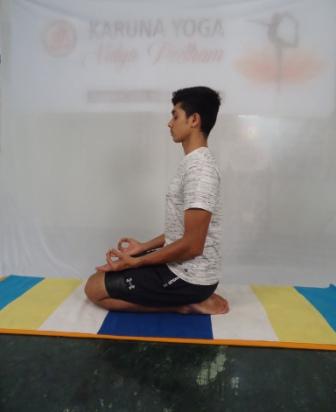
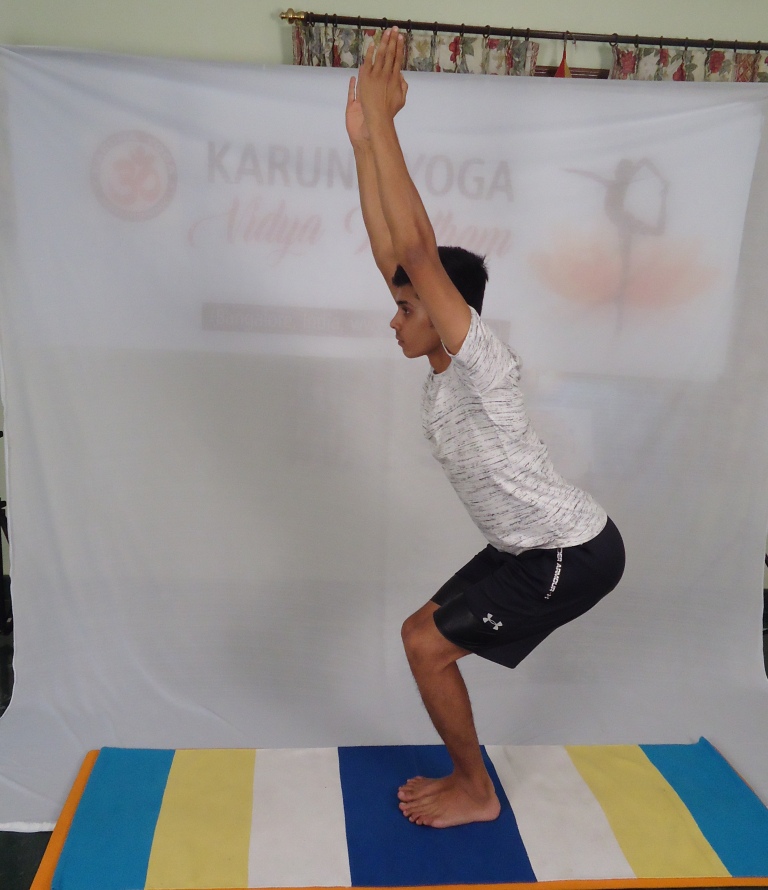
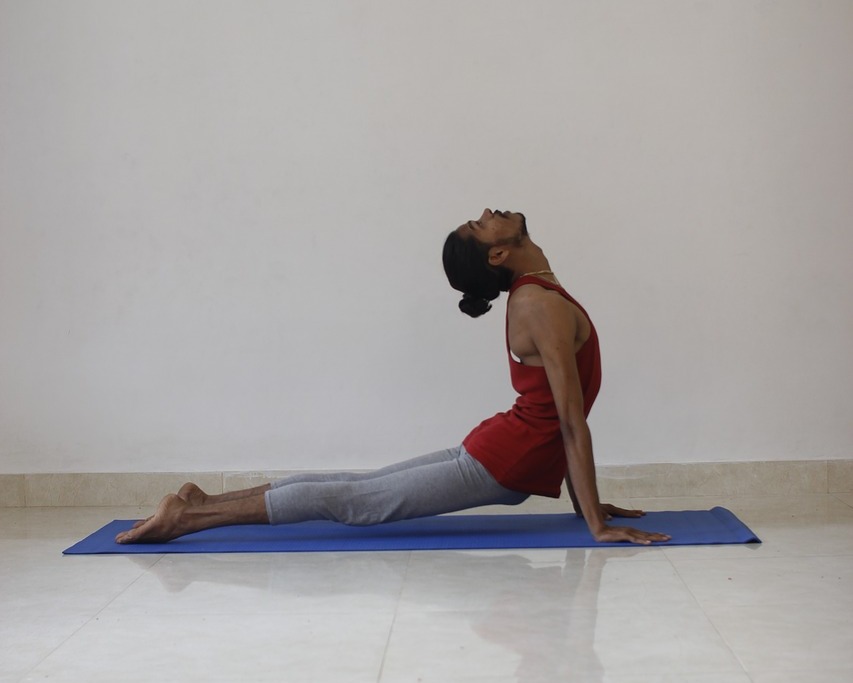
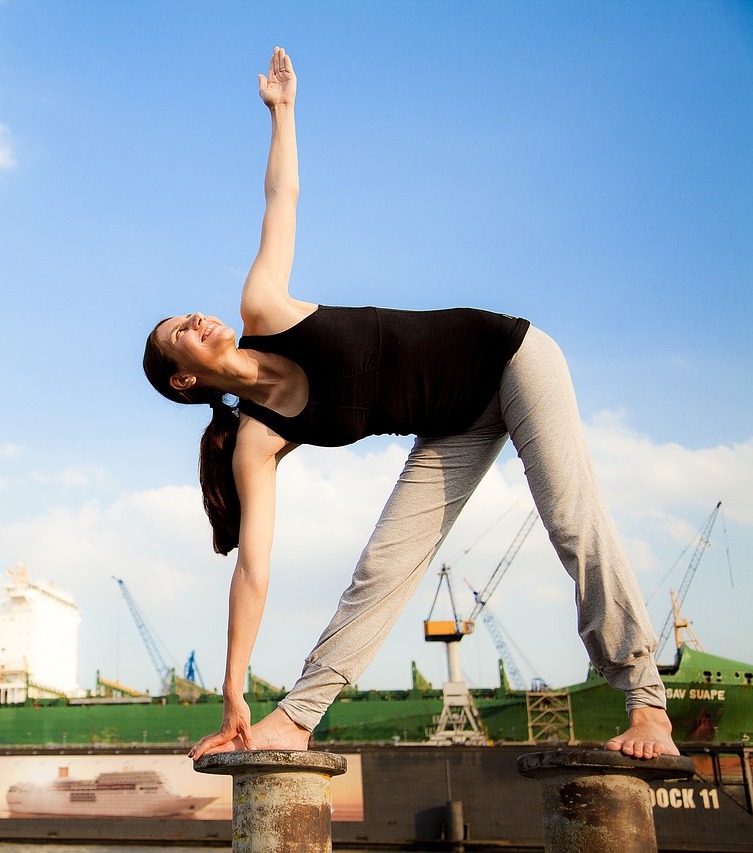
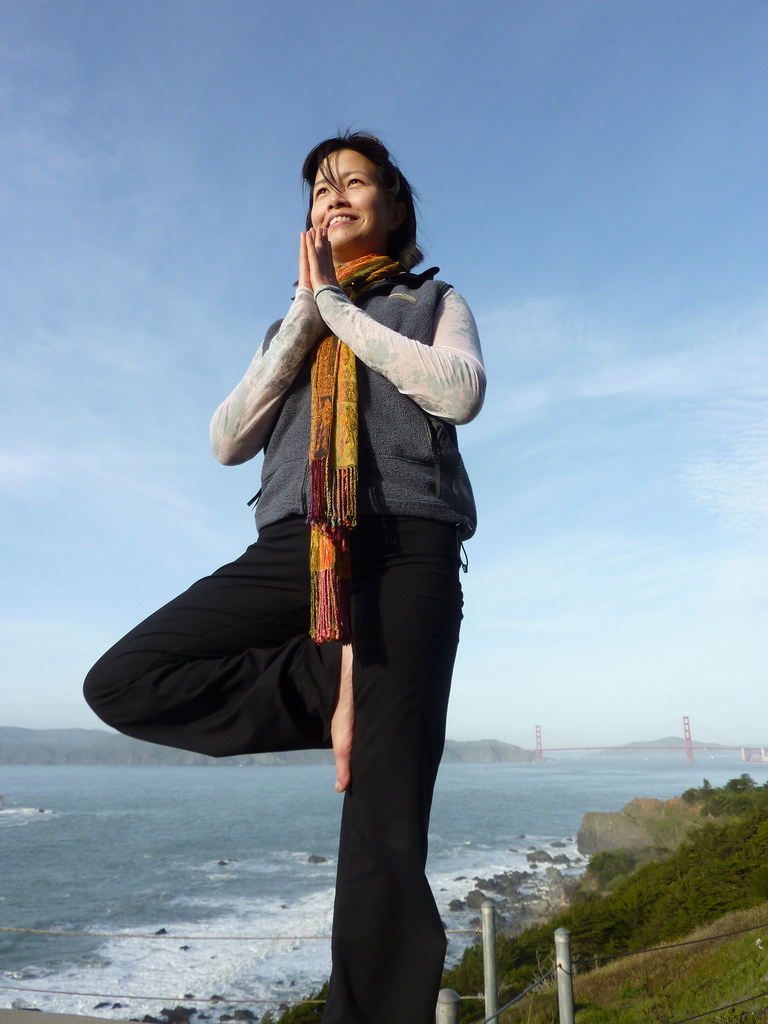
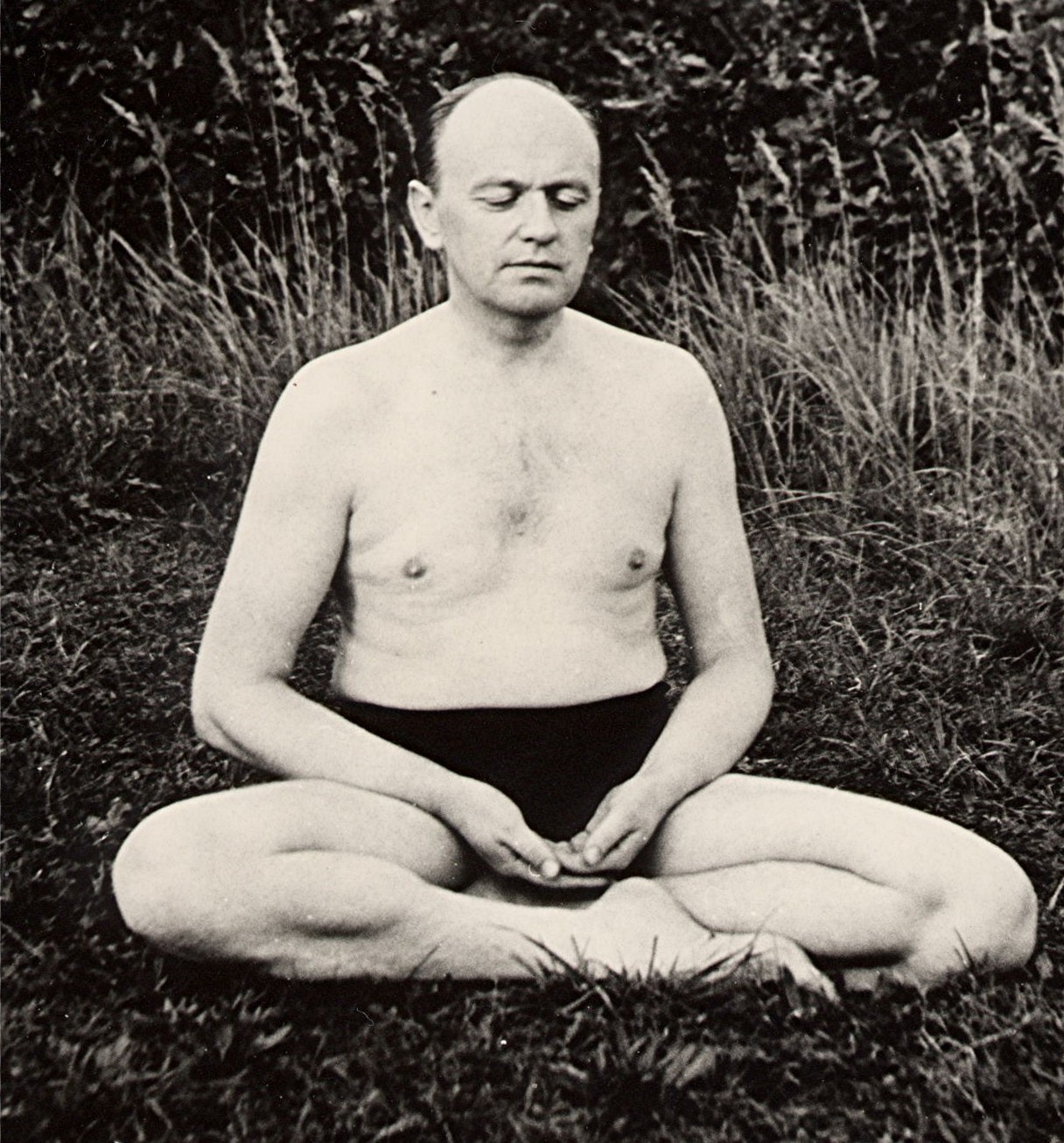
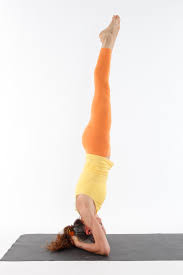
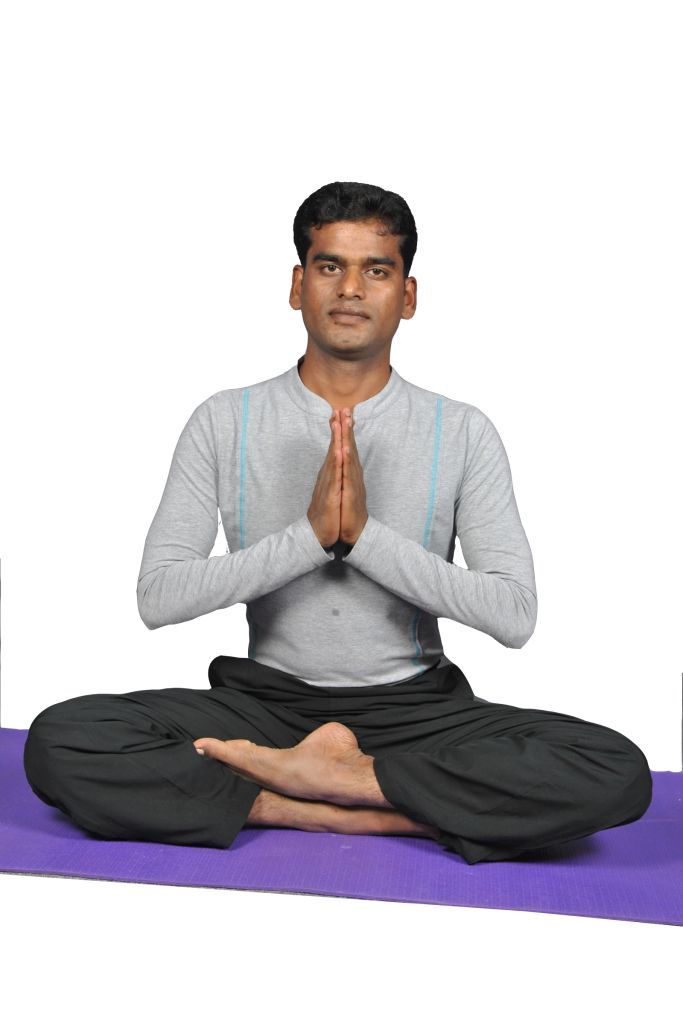
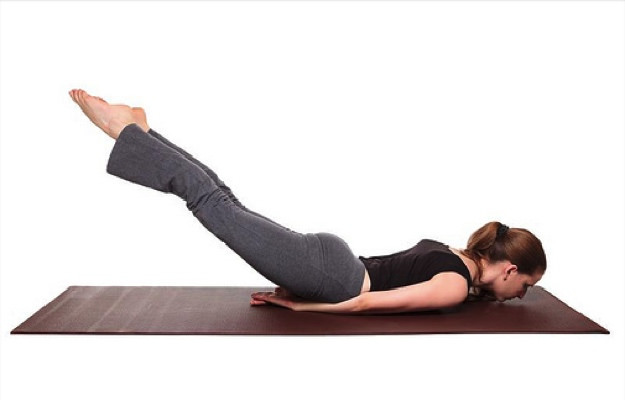
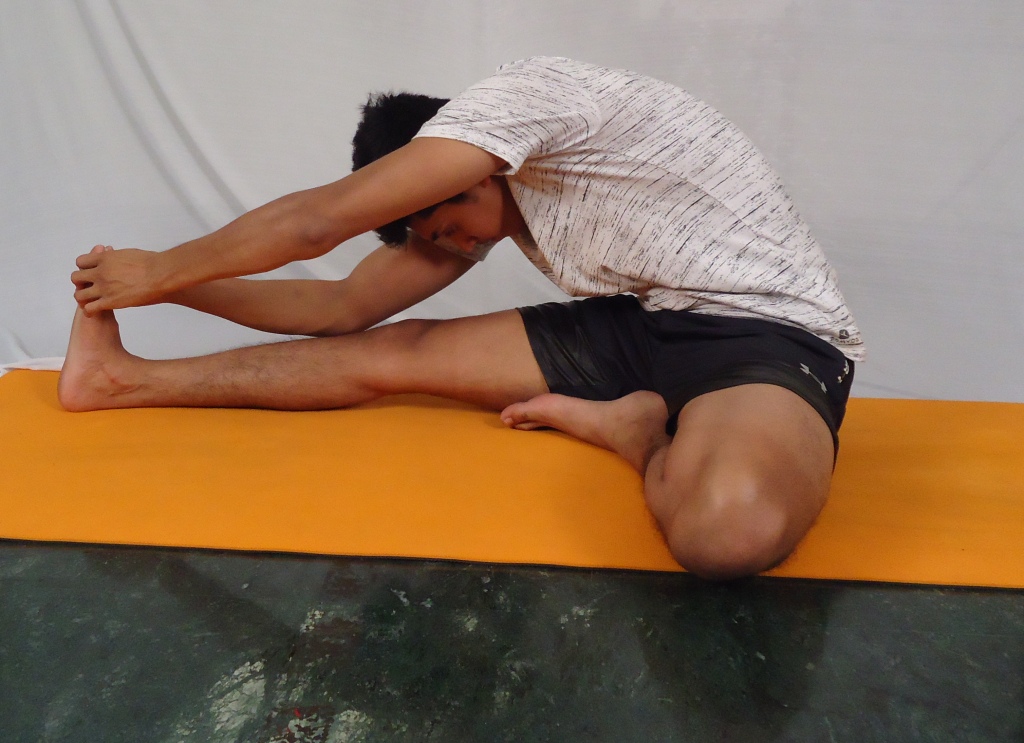
Hatha Yoga Pradipika – Asanas according to Vashishtha & Matsyendranath Vasishthadyais cha munibhir matsyendradyais cha yogibhih/ angikrtanyasanani kathyante kanichin maya//(Chapter -1, Verse 18). I will proceed to explain some of the Asana accepted by adept munis like Vashishtha and Yogis such as Matsyendranath. (Chapter -1, Verse 18). #200 hour Yoga teacher training certificate course in Bangalore (1). Swastikasana (auspicious pose) Janurvor antare samyak krtva padatale ubhe / Rjukayah samasinah svastikam tat prachakshate//(Chapter -1, Verse 19). Placing both soles of the feet on the inner side of the thighs, sitting equipoised with a straight body. This is called swastikasana). (Chapter -1, Verse 19). (2). Gomukhasana (Cow’s Face Pose) Savye dakshinaghulpham tu prshthaparsve niyojayet / Dakshineapi tatha savyam ghomukham ghomukhakrtih//(Chapter -1, Verse 20). Place the right ankle next to the left buttock and the left ankle next to the right buttock. This is gomukhasana and it looklike the face of the cow. (Chapter -1, Verse 20). (3). Veerasana (Hero’s Pose) Ekam padam tathaikasmin vinyased uruni sthiram / Itarasmims tatha chorum virasanam itiritam//(Chapter -1, Verse 21). Placing one foot by the opposite thigh and the other foot under the same thigh, its called as veerasana. (Chapter -1, Verse 21). (4). Koormasana (Tortoise Pose) Ghudam nirudhya ghulphabhyam vyutkramena samahitah/ Kurmasanam bhavedetaditi yogavido viduh//(Chapter -1, Verse 22). Press the anus firmly with the ankles in the opposite direction and sit well-poised. According to the Yogis this is called as Koormasana. (Chapter -1, Verse 22). (5). Kukkutasana (Cockerel Pose) Padmasanam tu samsthapya janurvorantare karau / Nivesya bhumau samsthapya vyomastham kukkutasanam//(Chapter -1, Verse 23). By adopting Padmasana, insert the hands between the thighs and calves, planting them the hands firmly on the ground; raise the body in the air. This is called as Kukkutasana. (Chapter -1, Verse 23). (6). Uttan Koormasana (Stretching Tortoise Pose) Kukkutasanabandhastho dorbhyam sambadya kandharam/ Bhaved kurmavad uttana etad uttanakurmakam//(Chapter -1, Verse 24). By adopting Kukkutasana, unite both the hands at the shoulders and lie flat on the back like a tortoise. This is called as Uttankoormasana. (Chapter -1, Verse 24). (7). Dhanurasana (Bow Pose) Padanghushthau tu panibhyam ghrhitva sravanavadhi / Dhanurakarshanam kuryad dhanurasanam uchyate//(Chapter -1, Verse 25). Holding the toes with the hands, pull them up to the ears as if drawing a bow. This is called Dhanurasana. (Chapter -1, Verse 25). (8). Matsyendrasana (Spinal Twist Pose) Vamoru mularpitadakshapadam Janor bahir veshtitavamapadam/ Praghrhya tishthet parivartitangghah srimatysanathoditam asanam syat//(Chapter -1, Verse 26). Place the right foot at the base of the left thigh, the left foot at the side of the right knee. Take hold of the left foot with the right hand, pass the left arm behind the waist and remain with the body turned. This asana is explained by Sri Matsyendranath. (Chapter -1, Verse 26). Matsyendrapitham jatharapradiptim Prachandarughmandalakhandanastram/ Abhyasatah kundaliniprabodham Chandrasthiratvam cha dadati pumsam//(Chapter -1, Verse 27). Practice of this asana Matsyendrasana increases the digestive fire to such an incredible capacity, this will eradicate all stomach diseases and thus awakening the serpent power and bringing equilibrium in the Bindu. (Chapter -1, Verse 27). (9). Paschimottanasana (Back Stretching Pose) Prasarya padau bhuvi dandarupau Dorbhyam padaghradvitayam ghrhitva/ Januparinyastalalatadeso Vasedidam paschimatanamahuh.// (Chapter -1, Verse 28). Stretching the legs in front on the ground, like a stick; bending forward, holding the toes with both hands and placing the forehead on the knees, is known as Paschimottanasana. (Chapter -1, Verse 28). Paschimottanasana Iti paschimatanamasanaghryam Pavanam paschimavahinam karoti/ Udayam jatharanalasya kuryad Udare karsyamaroghatam cha pumsam//(Chapter -1, Verse 29). Paschimottanasana is the best among asanas. By this asana the pranic currents rise through sushumna, the digestive fire stimulates, the abdomen becomes flat, and the practitioner becomes free from all kind of diseases. (Chapter -1, Verse 29). (10). Mayurasana (Peacock Pose) Dharam avashtabhya karadvayena Tatkurparasthapitanabhiparsvah/ Uchchasano dandavad utthitah san Mayuram etat pravadanti pitham//(Chapter -1, Verse 30). Lie down on the stomach, placing both hands on the ground under the body and place the elbows at the sides of the navel. Raise the body high, keeping it like a stick. This is called peacock pose by the expert Yogis. (Chapter -1, Verse 30). Harati sakalaroghanasu ghulmodaradin Abhibhavati cha doshanasanam srimayuram/ Bahu kadasanabhuktam bhasma kuryadasesham Janayati // jatharaghnim jarayetkalakutam/(Chapter -1, Verse 31). Mayurasana quickly alleviates all diseases like enlargement of the glands, dropsy and other stomach disorders. It rectifies imbalance of the humors (vata, pitta, kapha). It reduces to ashes all food taken indiscriminately, kindles the gastric fire and enables destruction of deadly poison). (Chapter -1, Verse 31). (11). Shavasana (Corpse Pose) Uttanam sabavad bhumau sayanam tat savasanam/ Savasanam srantiharam chittavisrantikarakam//(Chapter -1, Verse 32). Lying flat on the ground with the face upwards, in the manner of a dead body, is savasana. It removes tiredness and enables the mind-body complex to relax deeply. (Chapter -1, Verse 32).

Hatha Yoga Pradipika – Causes of success in sadhana
Hatha Yoga Pradipika – Causes of success in sadhana Utsahat sahasad dhairyat tattvajnanas cha nischayat/ Janasangghaparityaghat shadbhir yogah prasiddhyati// (Chapter -1, Verse -16). Enthusiasm, perseverance, discrimination, strong faith, courage, avoiding the company of common people, are the (six causes) which bring success in Hatha Yoga. (Chapter -1, Verse – 16). #200 hour Yoga teacher training certificate course in Bangalore

Hatha Yoga Pradipika –Causes of failure in Sadhana
Causes of failure in sadhana- Overeating, exertion, talkativeness, adhering to rules, company of common people and wavering mind Atyaharah prayasascha prajalpo niyamaghrahah/ janasangascha laulyam cha shadbhiryogo vinasyati//(Chapter -1, Verse -15). Overeating, exerting physically & mentaly, talking too much, adhering to rules, being in the company of common people and unstable mind are the six (causes) which destroy yoga. (Chapter -1, Verse -15). #200 hour Yoga teacher training certificate course in Bangalore

Hatha Yoga Pradipika – Practice Yoga without mental tension
Practice of sadhana devoid of mental tension, according to guru’s instruction Evam vidhe mathe sthitva sarvachintavivarjitah / ghurupadishtamargena yogameva samabhyaset // (Chapter -1, Verse -14) In this way, dwelling in the hermitage, being devoid of all mental tensio ,Hatha Yoga should be practiced in the way instructed by the Guru. (Chapter -1, Verse -14). #50/100/200/300/500 hr Yoga teacher training certificate course Bangalore

Hatha Yoga Pradipika – Place for Yoga practice
Hatha Yoga Pradipika – Place for Yoga practice Surajye dharmike dese subhikshe nirupadrave / dhanuh pramanaparyantam silagnijalavarjite / Ekante mathikamadhye sthatavyam hathayogina // (Chapter -1, Verse- 12). The Hatha Yoga practitioner should live alone in a hermitage and practice in a place the length of a bow (one and a half meters), where there is no hazard from rocks, fire or water, and which is in a well-administered and virtuous kingdom (nation or town) where good alms can be easily attained, without any dificulties. (Chapter -1, Verse – 12). Alpadvaram arandhragartavivaram atyuchchanichayatam/ Samyaggomayasandraliptam amalam nihsesajantujjhitam / Bahye mandapavedikuparuchiram prakarasamveshtitam / proktam yogamathasya lakshanam idam siddhair hathabhyasibhih // (Chapter -1, Verse – 13). Hatha Yoga hermitage as prescribed by the siddhas for the Hatha Yoga practitioners. The room for spiritual practice should have a small door, without any aperture (window), holes or cracks, being neither too high nor too low. It should be spotlessly clean, wiped with cow dung and free from animals or insects. Outside, there should be an open platform with a thatched roof, a well and a surrounding wall (fence). The appearance of the hermitage should be pleasant auspicious. (Chapter -1, Verse -13). #50/100/200/300/500 hr Yoga teacher training certificate course Bangalore

Hatha Yoga Pradipika – Sadhana should be kept secret for success
Hatha Yoga Pradipika – Sadhana should be kept secret for success Hathavidya param gopya yogina siddhimichchata / bhavedviryavati gupta nirvirya tu praksita // (Chapter -1, Verse – 11). Hatha yoga practice is the greatest secret of the yogis who wish to achieve perfection (siddhi). Indeed, to be fruitful, it must be kept secret; revealed it becomes powerless. (Chapter -1,Verse – 11). #50/100/200/300/500 hr Yoga teacher training certificate course Bangalore

Hatha Yoga Pradipika – Three types of Pain or tapas(Yoga teacher training course in India)
Three types of Pain or tapas (adhyatmik – spiritual, adhidevik – environmental and adhibhautik – physical). Aseshatapataptanam samasrayamatho hathah / aseshayogayuktanamadharakamatho hathah // (Chapter -1, Verse -10). For those continually tempered by the heat of tapas or austerities (the three types of pain – spiritual, environmental and physical) Hatha Yoga is like the hermitage giving protection from the heat. (Chapter -1, Verse -10). #50/100/200/300/500 hr Yoga teacher training certificate course Bangalore
Hatha Yoga Pradipika – Aim of Hatha Yoga
Hatha Yoga Pradipika – Aim of Hatha Yoga Pranamya srighurum natham svatmaramena yogina / kevalam rajayogaya hathavidyopadisyate //(Chapter -1, Verse -2). Prostrating first to the guru lord Shiva, Yogi Swatmarama instructs the knowledge of Hatha Yoga only, for those who aspiring (raja yoga) the highest state of yoga. (Chapter -1, Verse -2). Bhrantya bahumatadhvante rajayogamajanatam / hathapradipikam dhatte svatmaramah krpakarah // (Chapter -1, Verse -3). The highest state of raja yoga is obscure due to misconceptions (darkness) created by varying ideas and concepts. In good will and as a blessing, Swatmarama gives light on hatha yoga. (Chapter -1, Verse -3). #50/100/200/300/500 hr Yoga teacher training certificate course Bangalore

Patanjali Yoga Sutra – Samadhi Pada – Fruits of Meditation(1.40)
Patanjali Yoga Sutra – Samadhi Pada – Fruits of Meditation(1.40) Fruits of Meditation 1.40. Paramanu-paramamahattvanto’sya vasikarah| Paramanu-ultimate atom Paramamahattva- ultimately largeness Antah-ending Asya-of this Vasikarah-mastery So the yogi is given mastery over all objects for meditation ranging from the smallest atom to the infinitely large.
Patanjali Yoga Sutra – Samadhi Pada – By Meditation as Desired(1.39)
Patanjali Yoga Sutra – Samadhi Pada – By Meditation as Desired(1.39) By Meditation as Desired 1.39. Yathabhimatadhyanadva| Yatha-as Abhimata-desired Dhyanad-by meditation Va-or Or else by meditation as desired(mind can be steadied). #Yin, Restorative, Hatha, Vinyasa, Yoga Therapy Teacher Training Certificate Course

Patanjali Yoga Sutra – Samadhi Pada-By Knowledge of Dream and Sleep(1.38)
Patanjali Yoga Sutra – Samadhi Pada – By Knowledge of Dream and Sleep(1.38) By Knowledge of Dream and Sleep 1.38. Svapnanidrajnanalambanam va| Svapna-dream Nidra-sleep Jnana-knowledge Alambana-support Va-or, also Or else (the mind can be made steady) by giving it the knowledge of dream and sleep for support. #Yin, Restorative, Hatha, Vinyasa, Yoga Therapy Teacher Training Certificate Course

Patanjali Yoga Sutra – Samadhi Pada- By Detachment from matter(1.37)
Patanjali Yoga Sutra – Samadhi Pada- By Detachment from matter(1.37) By Detachment from matter 1.37. Vitaragavisayam va chittam| Vitaraga-passionless person who has transcended raga Visayam-object Va-or Chittam-mind Or the else mind can bebrought under control bymaking passionless persons the object for concentrating the mind. #Yin, Restorative, Hatha, Vinyasa, Yoga Therapy Teacher Training Certificate Course

Patanjali Yoga Sutra – Samadhi Pada-By Inner Illumination(1.36)
Patanjali Yoga Sutra – Samadhi Pada-By Inner Illumination(1.36) By Inner Illumination 1.36. Visoka va jyotismati| Visoka-without sorrow Va-or Jyotismati-luminous, full of light Or the luminous state which is beyond sorrow (can control the mind). #Yin, Restorative, Hatha, Vinyasa, Yoga Therapy Teacher Training Certificate Course

Patanjali Yoga Sutra – Samadhi Pada-By Observing Sense Experience(1.35)
Patanjali Yoga Sutra – Samadhi Pada-By Observing Sense Experience(1.35) By Observing Sense Experience 1.35. Visayavati va pravritirutpanna manasah sthitinibandhani| Visayavati- sensuos Va-or Pravritih-functioning Utpanna-arisen Manasah-of the mind Sthiti-steadiness Nibandhani-which binds Or else mind can be made stad by bringing it into activity of sense experience. #Yin, Restorative, Hatha, Vinyasa, Yoga Therapy Teacher Training Certificate Course

Patanjali Yoga Sutra – Samadhi Pada- By Controlling Prana(1.34)
Patanjali Yoga Sutra – Samadhi Pada- By Controlling Prana(1.34) By Controlling Prana 1.34. Pracchardanavidharan abyam va pranasya| Pracchardana-expiration or rechaka Vidharanabyam-holding, kumbhaka Va-or Pranasya-of breath Or by expiration and retention of breath (one can control the mind). #Yin, Restorative, Hatha, Vinyasa, Yoga Therapy Teacher Training Certificate Course

Patanjali Yoga Sutra – Samadhi Pada-Or by Cultivatiing Oppostie Virtues(1.33)
Patanjali Yoga Sutra – Samadhi Pada-Or by Cultivating Opposite Virtues(1.33) Or by Cultivating Opposite Virtues 1.33. Maitrikarunamuditopeksanam sukhaduhkhapunyapunyavisayanam bhavanataschittaprasadanam| Maitri- friendliness Karuna-compassion Mudita-gladness Upeksanam-indifference Sukha-happiness Duhkha-misery Punya-virtue Apunya-vice Visayanam-of the objects Bhavanatah-attitude Chitta-mind Prasadanam-purification, making peaceful In relation to happiness, misery, virtue and vice, by cultivating the attitude of friendliness, compassion, gladness and indifference respectively, the mind becomes purified and peaceful. #Yin, Restorative, Hatha, Vinyasa, Yoga Therapy Teacher Training Certificate Course

Patanjali Yoga Sutra/Samadhi Pada/ Removal of obstacles by Concentration(1.32)
Patanjali Yoga Sutra/Samadhi Pada/ Removal of obstacles by Concentration(1.32) Removal of obstacles by One-pointedness 1.32. Tatpratisedharthamekatvabhyasah, Tat-that Pratisedhartham-for removal Eka-one Tattva-principle Abhyasah-practice For removal of those (obstacles and accompanying symptoms) the practice of concentration on one principal (is to be done). #Yin, Restorative, Hatha, Vinyasa, Yoga Therapy Teacher Training Certificate Course

Patanjali Yoga Sutra-Samadhi Pada-Obstacles can be removed by one-pointedness(1.31)
Patanjali Yoga Sutra-Samadhi Pada-Obstacles can be removed by one-pointedness(1.31) Obstacles can be removed by one – pointedness 1.31. Duhkhadaurmanasyangamejayatvasvasaprasvasaviksepasahabhuvah| Duhkha-pain Daurmanasya- depression Angamejayatva-shaking of the body Svasaprasvasa-inhalations and exhalations Viksepa-distraction Sahabhuvah-accompanying symptom Pain, depression, shaking of the body and unrhythmic breathing are the accompanying symptoms of mental distraction. #50/100/200/300/500 hr Yoga teacher training certificate course Bangalore

Patanjali Yoga Sutra – Samadhi Pada- Obctacles in Path of Yoga Practice(1.30)
Patanjali Yoga Sutra – Samadhi Pada- Obstacles in Path of Yoga Practice(1.30) Obstacles in Path of Yoga Practice 1.30. Vyadhistyanasamsayapramadalasyaviratibhranti-darsanalabdha bhumikatvanavasthitatvani cittaviksepaste’ntarayah| Vyadhi-disease Styana-dullness Samsaya-doubt Pramada-procrastination alasya-laziness avirati-craving for enjoyment bhrantidarsana-errenous perception alabdhabhumikatva- inability to achieve finer state anavasthitatva-instability cittaviksepah-obstacle to the mind te-they antarayah-obstacles Disease, dullness, doubt, procrastination, laziness, craving, erroneous perception, inability to achieve finer stages nad instabiity are the obstacles. #50/100/200/300/500 hr Yoga teacher training certificate course Bangalore

Patanjali Yoga Sutra – Samadhi Pada – Higher form of Detachment(1.16)
Patanjali Yoga Sutra – Samadhi Pada – Higher form of Detachment(1.16) Higher form of Detachment 1.16. Tatparam purusakhyatergunavaitrsnyam| Tat-that Param-highest Purusakhateh-true knowledge of purusa Gunavaitrsnyam-freedom from the desire for gunas That is highest in which there is freedom from the desire for gunas on account of the knowledge of purusha. #50/100/200/300/500 hr Yoga teacher training certificate course Bangalore
Patanjali Yoga Sutra – Samadhi Pada – Lower form of Detachment(1.15)
Patanjali Yoga Sutra – Samadhi Pada – Lower form of Detachment(1.15) Lower form of Detachment 1.15. Drstanusravika-visayavitrsnasya vasikara-sanjna vairagyam| Drsta-seen anusravika- heard visaya-object vitrsnasya-of the one who is free of desire vasikara-control sanjna-awareness vairagyam-absence of craving When an individual becomes free of craving for the sense objects which he has experienced as well as those of which he has heard, that state of consciousness is vairagya. #50/100/200/300/500 hr Yoga teacher training certificate course Bangalore

Patanjali Yoga Sutra – Samadhi Pada – Foundation of Constant Practice(1.14)
Patanjali Yoga Sutra – Samadhi Pada – Foundation of Constant Practice(1.14) Foundation of Constant Practice 1.14. Sa tu dirghakala daranairantaryasatkarasaevito drdhabhumih| Sah-that(abhyasa) Tu-but Dirgha-long Kala-time DaraNairantarya-without interruption Satkara-reverence Asaevitah-practised drdha- firm bhumih-ground It becomes firmly grounded by being continued for a long tie with reverence, without interruption. #50/100/200/300/500 hr Yoga teacher training certificate course Bangalore

Patanjali Yoga Sutra – Samadhi Pada- Abhyasa Means Constant Practice(1.13)
Patanjali Yoga Sutra – Samadhi Pada- Abhyasa Means Constant Practice(1.13) Abhyasa Means Constant Practice 1.13. Tatra sthitau yatno’bhyasah| Tatra-there, out of the two Sthitau-being fixed Yatnah-effort Abhyasah-practice Of the two (mentioned in the previous sutra) to be established in endeavour is abhyasa. #50/100/200/300/500 hr Yoga teacher training certificate course Bangalore

Patanjali Yoga Sutra – Samadhi Pada – Constant Practice and Detachment(1.12)
Patanjali Yoga Sutra – Samadhi Pada – Constant Practice and Detachment(1.12) Constant Practice and Detachment 1.12. Abhyasavairagyabhyam tannirodhah| Abhyasa- repeated practice Vairagyabhyam-by detachment Tat-that Nirodhah-blocking The stopping of the five vrittis by repeated practice and vairagya (detachment). #200 hour Yoga teacher training certificate course in Bangalore #100/200/300/500 hour Yoga teacher training India #Yoga teacher training certification course near me #Best yoga teacher training certification courses in Bangalore #Yoga teacher training certificate course fees in Bangalore #Best100/200/300/500 hour yoga teacher training India

Patanjali Yoga Sutra – Samadhi Pada – What is Memory? (1.11)
Patanjali Yoga Sutra – Samadhi Pada – What is Memory?(1.11) What is Memory? 1.11. Anubhutavisaya sampramosah smrtih| Anubhuta- experienced Visaya- objects of sense perception Asampramosah-not letting escape Smrtih-memory Not letting the experienced objects escape from the mind is memory. #200 hour Yoga teacher training certificate course in Bangalore #100/200/300/500 hour Yoga teacher training India
Patanjali Yoga Sutra – Samadhi Pada – State of Sleep(1.10)
Patanjali Yoga Sutra – Samadhi Pada – State of Sleep(1.10) State of Sleep 1.10. Abhava-pratyayalambana – vrittirnidra, Abhava- absence Pratyaya- contents of mind Alambana-support Vrittih-modification Nidra-sleep Sleep is the vritti of absence of mental contents for its support. #200 hour Yoga teacher training certificate course in Bangalore #100/200/300/500 hour Yoga teacher training India

Patanjali Yoga Sutra – Samadhi Pada – Fancy or Imagination(1.9)
Patanjali Yoga Sutra – Samadhi Pada – Fancy or Imagination(1.9) Fancy or Imagination 1.9. Sabdajnanupati vastu-sunyo vikalpah| Sabda-Jnana-word, sound Anupati-cognition vastu-object sunyo –empty, void vikalpah-imagination, Following upon knowledge through words but empty of an object is fancy. #200 hour Yoga teacher training certificate course in Bangalore #100/200/300/500 hour Yoga teacher training India

Patanjali Yoga Sutra – Samadhi Pada – Source of Wrong Knowledge(1.8)
Patanjali Yoga Sutra – Samadhi Pada – Source of Wrong Knowledge(1.8) Source of Wrong Knowledge 1.8. Viparyayo mithyajnanamatadrupapratistham| viparyayah- Wrong conception mithya- false jnanam- knowlege atad- not its own rupa- form pratistham- based Wrong conception is false knowledge which is not based on its own form. #200 hour Yoga teacher training certificate course in Bangalore #100/200/300/500 hour Yoga teacher training India

Patanjali Yoga Sutra – Samadhi Pada – Source of Right knowledge(1.7)
Patanjali Yoga Sutra – Samadhi Pada – Source of Right knowledge(1.7) Source of Right knowledge 1.7. Pratyaksanumanagamah pramanani| Pratyaksa- Direct cognition Anumana- inference Agama- testimony Pramanani- the source of right knowledge Direct cognition, inference, and testimony are the source of right knowledge. #200 hour Yoga teacher training certificate course in Bangalore #100/200/300/500 hour Yoga teacher training India
Patanjali Yoga Sutra – Samadhi Pada- Fivefold Modifications of Mind(1.6)
Patanjali Yoga Sutra – Samadhi Pada- Fivefold Modifications of Mind(1.6) 1.6. Pramana-viparyaya-vikalpa-nidra-smrtayah, pramana- Right Knowledge viparyaya- Wrong Knowledge vikalpa- Fancy nidra- Sleep smrtayah- Memory The fivefold modifications of mind are, (i). Right Knowledge, (ii).Wrong Knowledge, (iii). Fancy, (iv). Sleep and (v). Memory. #200 hour Yoga teacher training certificate course in Bangalore #100/200/300/500 hour Yoga teacher training India

Patanjali Yoga Sutra – Samadhi Pada -Modifications of mind(1.5)
Patanjali Yoga Sutra – Samadhi Pada -Modifications of mind(1.5) 1.5. Vrttayah pancatayyah klista aklistah, Vrttayah – Modifications of mind pancatayyah – fivefold klista- painful aklistah- not painful Modifications o fmind are fivefold, they are painful or not painful. #200 hour Yoga teacher training certificate course in Bangalore #100/200/300/500 hour Yoga teacher training India
Patanjali Yoga Sutra – Samadhi Pada – Aim of Yoga(1.2)
Patanjali Yoga Sutra – Samadhi Pada – Aim of Yoga(1.2) Aim of Yoga 1.2. Yogas chitta vrtti nirodhah, Yogas-yoga Chitta-mind or consciousness Vrtti-patterns or modifications Nirodhah-blocking or annnihilating To annihilate the modifications of mind is Yoga. #200 hour Yoga teacher training certificate course in Bangalore #100/200/300/500 hour Yoga teacher training India

Transforming self by better Understanding of Yama and Niyama(Best yoga teacher training course in India)
Transforming self by better Understanding of Yama and Niyama Patanjali’s Astanga Yoga(eight limbs of yoga) Despite the fact there is a pronounced tendency towards world negation in Classical Yoga, the yogic path advocated by patanjali is not devoid of all social values. Under the heading of yama or ‘restraint’ are subsumed five ethical rules which can be considered the fundamental property of all major religious. #200 hour Yoga teacher training certificate course in Bangalore (1) YAMA ahimsa – non – hurting satya – truthfulness asteya – non – stealing brahmacarya – brahmanic conduct aparigraha – non-possessiveness These constitute the ‘great vow’ (maha–vrata) and in the Yoga Sutra are enjoined to be practised irrespective of place, time, circumstances and one’s particular social status. They are meant to being under control man’s instinctual life, which is seen as the root – cause of his confusion, distress and suffering. #200 hour Yoga teacher training certificate course in Bangalore Ahimsa or ‘Non-Hurting The most fundamental of all moral injunctions is ahimsa or ‘non –hurting’. The usual translation of this Sanskrti term with ‘non – killing’ does not convey its full meaning. It is in fact non – violence in thought and deeds. It is the root of all other ethical norms. Satya or truthfulness No virtue is more excellent than truthfulness, no sin greater than (telling) the untruth. Therefore the (virtuous) man should seek refuge in truthfulness with all his heart. Without truthfulness the recitation (of sacred mantras) is useless, without truthfulness austerities are as unfruitful as seed (which falls on) barren land. #200 hour Yoga teacher training certificate course in Bangalore Asteya or Non – Stealing Asteya or ‘non – stealing’ is closely related to non – harming, since the unauthorized appropriation of thing of value from another causes that person pan. Brahmacarya or Chastity Brahmacarya or ‘chastity’ is considered of vital importance in Yoga. It is defined as the abstention from sexual activity, either in deed, thought or verbally. Some authorities, like the Darsana – Upanisad, relax this rule for the married yogi. Sexual stimulation interrupts the continuous directedness of the yogi mind towards the Absolute and feeds his hunger for sensory experience. #200 hour Yoga teacher training certificate course in Bangalore Aparigraha or Greedlessness Aparigraha or ‘greedlessness’ is defined as the non – acceptance of gifts because of the various disadvantages arising out of the possession of material things, such as one’s attachment of them or one’s fear of less. Each of these five rules is thought to procure, when mastered, certain powers. Thus, perfect non – harming yields suspension of all enmity in the yogi presence. Perfect truthfulness maker come true whatever he says. Perfect abstinence from theft brings him effortlessly treasures of all kinds. Through perfect abstinence from gifts he acquires insight into the conditions of his former existences and his present birth. And sexual abstinence increases his vigour and vitality. Niyama – Self – Discipline whereas the five rules of yama are designed to harmonize the social relationships of the yogi and purity his mind from the three ‘gates to hell’, viz desire, anger and greed, the five rules of niyama or ‘self –discipline’ are intended to regulate his relationship to the transcendent Reality. The five norms are: sauca – purity samtosa – contentment tapas – austerity svsadhyaya – self – study isvara – pranidhana – devotion to the Lord Sauca or Purity #200 hour Yoga teacher training certificate course in Bangalore Sauca or ‘purity’ covers a wide range of practices. It is cleanliness in the widest possible sense, as bodily and mental purity. It heightens the yogi sensitivity, leads to a certain distance towards one’s body and is accompanied by the desire to avoid close contact with other beings as much as possible. The yogi whole being must become as pure as the eternally undefiled self (purusa). Samtosa or Contentment Samtosa or ‘contentment’ results from the yogi detachment from worldly objects. In as much as he cares not for the accumulation of securing of possessions, nor expects anything from anybody he is sufficient unto himself. He rests content with whatever comes his way, his mind being concentrated solely on the supreme good of emancipation. Samtosa is closely on the supreme or ‘equanimity’ as taught in the Bhagavad–Gita. Its highest manifestation is the all – embracing ‘vision of sameness’ (sama – darśana); everywhere and in everything the yogi beholds but he one. #200 hour Yoga teacher training certificate course in Bangalore Tapas or Austerity Tapas or austerity covers such archaic practices as fasting, exposing oneself to extreme heat or cold, standing erect and still for a long time or keeping absolute silence for a certain period of time. These techniques derive from the oldest sutra of yogic experimentation. Tapas must not, however, deteriorate into senseless self – torture. Patanjali states plainly that properly executed, tapas strengthens and perfects the body. Svadhyaya or Self Study Svadhyaya or ‘self study’ has a double aspect. It stands for the absorption into the sacred literature and for the simultaneous mental concentration and introversion. It means literally ‘one’s own going into’. It is meditative recitation, either silent or aloud, of the holy texts. Later authorities, like king Bhoja, simply interpret it as ‘recitation of mantras’. Like tapas, ‘self study’ is an archaic element of Yoga. Isvara –pranidhana or Devotion to the Lord Isvara –pranidhana or ‘devotion to the Lord’ is defined in the Yoga – Bhāsya, as the ‘offering up of all deeds to the supreme teacher’, which is the idea of Karma yoga as expressed in the Bhagavad – Gita. The supreme teacher is of course the ‘lord’ (isvara-purusa) among the multiplicity of transcendental self monads. Elsewhere in the Yoga – Bhasya (I.23), the word pranidhana is explained as a ‘special love’ through which the yogi gains towards emancipation. The strange concept of the ‘lord’ will be dealt with more dully in the section on theology. #200 hour Yoga teacher training certificate course in Bangalore

Cultivating Awareness by Asana or Posture
Cultivating Awareness by Asana or Posture The first two members of the eightfold path, yama and niyama, strictly regulate the yogi social contacts and his personal life. This is intended to reduce the production of unwholesome volition which would only increase his stock of karma involving him further in conditioned existence. His sole goal is to eradicate completely all karma stored in his depth consciousness in the form of subliminal impressions (samskara). For this transformation of consciousness maximum quiet is called for. The yogi has to establish himself in a place where his inner work will not be interrupted by external stimuli. #200 hour Yoga teacher training certificate course in Bangalore The first step is to immobilize the body in one of the many ‘postures’ prescribed for meditative absorption in the yoga texts. The posture or asana keeps the body steady and relaxed. By withdrawing and folding together his limbs, the yogi achieves an immediate change of mood which greatly aids his single – mindedness. The history of the meditative postures reaches far back into the past. Probably the earliest depiction of as asana is on a seal found during the excavations of Mohenjo Daro in the Indus valley. It is impossible to say when and where they yogic ‘posture’ first originated. It is presumably a natural development of the crouched position so common among eastern people who generally chairs. #200 hour Yoga teacher training certificate course in Bangalore Asana meant at first only meditative seat. During the rise of Tantrism, however at first, when the body moved more into the focus of attention, the physiological side –effects of asana began to be seriously investigated. The heyday of the asana as a meditative and health – giving practice was connected with the emergence of Hatha yoga. The asana was made up into instrument for strengthening and perfecting the physical frame so that it might endure the stress of the vigorous spiritual exercises demanded in Tantrism. The description of a particular ‘posture’ in the yoga texts is often appended with the refrain tat – sarva – vyādhi – vinasakam or ‘this is the destroyer of all diseases’. Patanjali prescribes no special posture but emphasizes that it should be steady and comfortable, to cultivate awareness #200 hour Yoga teacher training certificate course in Bangalore

Beginner’s Guide to Pranayama: The control of the life-force
Beginner’s Guide to Pranayama: The control of the life-force The asana, when practised successfully, affects a marked internalization of consciousness. Therefore it is said to make the yogi insensitive to the impact of the ‘pairs of opposites’ (dvandva) such as heat and cold, light and darkness, quiet or noise, etc. The next step consists in the ‘energizing through the practice of pranayama or the ‘control of the life force’. Prana should not be identified with mere breath. It is the all – penetrating energy which sustains all organic life, breathing being merely its external aspect. That rhythmic inhalation and exhalation as well as aspect. That rhythmic inhalation and exhalation as well as prolonged retention of the breath have a powerful effect on the mind must have been discovered early in the history of Yoga, presumably in connection with ritual chanting. In the Atharvaveda already the various ‘functions’ of Prana are distinguished. In subsequence times pranayama became one of the chief means of checking the ever-fickle mind. As the Yogasiksha – Upanisad declares. #100/200/300/500 hour Yoga teacher training India Consciousness (citta) is connected with the life force indwelling in dwelling in all beings. Like a bird tied to a sting so is this mind. The mind is not brought under control by many considerations. The (only means for its control is nothing else but the life force. #100/200/300/500 hour Yoga teacher training India In addition to its ‘energizing’ function, pranayama is also meant to cure the normal irregularities of breathing which disturb the yogi concentration. Greatest focalization of consciousness is achieved in the state of suspended breathing (kumbhaka). This is the moment between inhalation (puraka) and exhalation (recaka). Patañjali speaks furthermore of a ‘fourth’ rhythm of breathing which probably refers to the involuntary respiratory activity during deep absorption and ecstasy. #100/200/300/500 hour Yoga teacher training India In Hatha yoga pranayama plays a dominant role, where it is employed both a means of internalizing consciousness and as a medical tool to cure illnesses according to the tantric maxim that and bhakti or spiritual life and worldly enjoyment are not opposed to each other. #100/200/300/500 hour Yoga teacher training India

How to control your mind: Pratyahara or Sense – withdrawal
How to control your mind: Pratyahara or Sense – withdrawal Both ‘posture’ and the ‘control of the life –force’ lead to a progressive desensitization to external stimuli. When the mind has become completely sealed off from the objective environment, the condition of perfect sense – withdrawal or pratyahara occurs. The Sanskrit texts compare this process to a tortoise contracting its limbs. In the Mahabharata, sense withdrawal is pertinently described in these words; #Yoga teacher training certification course near me The self (atman) cannot be perceived with the sense which disunited scatter to and fro and are difficult to restrain for those whose self is not prepared. #Yoga teacher training certification course near me Clinging thereto (i.e to the highest reality), the sage should, through absorption, concentrate his mind to one point by ‘clenching’ the host of the sense and sitting like a log. He should not perceive sound with his ear, not feel touch with his skin. He should not perceive form with his eyes and not taste tastes with his tongue. #Yoga teacher training certification course near me Also, the knower of Yoga should, through absorption, abstain from all smells. He should courageously reject these agitators of the group of five (sense). #Yoga teacher training certification course near me

How to Focus on single object: Dharana or Concentration
How to Focus on single object: Dharana or Concentration As a direct continuation of the process of withdrawal from external reality, concentration is the ‘holding of the mind in a motionless state’, as the Trisikhi – Brahmana – Upanisad (3I) defines this advanced practice. Concentration means the focusing of one’s total attention to a given point (desa), which may either be a particular part of the body (viz cakra) or, more rarely, an external object (viz image of a deity). Concentration or dharana, from the root dhr (‘to hold’), is ‘one pointedness’ (ekagrata) of the mind directed towards a definite object which is intended to be grasped in its essential nature through the process of meditative absorption and ecstatic identification (samādhi). #Yoga teacher training certification course near me The Endeavour to internalize and four consciousness deer not come naturally but requested effort. The yoga – sutra (I.30) mentions a number of ‘obstacles’ which are apt to occur in the course of one’s attempt to bridle the mind. These are illness, languor, doubt heedlessness, slothfulness, dissipation, meditative absorption and the inability to abide in these states. Pain, dejection, trembling of the body and erratic breathing are the natural concomitants of faulty practice, #Yoga teacher training certification course near me

A Beginner’s Guide to Practice, Meditation, and the Patanjali Yoga Sutras
A Beginner’s Guide to Practice, Meditation, and the Patanjali Yoga Sutras Prolonged and deep concentration leads to the state of meditative absorption of dhyana, in which the object held in the mind fills the entire consciousness ‘space.’ All arising ideas (pratyaya) gyrate round the object of concentration and are accompanied by an emotive disposition, which can be described as ‘peaceful’ or calm. There is no loss of lucidity; rather, the sense of wakefulness appears to be intensified. # Best yoga teacher training certification courses in Bangalore The purpose of meditative absorption is to intercept the flux of ordinary mental activity (vrtti), which comprises the following five categories: pramāṇa – right knowledge derived from perception, inference or testimony viparayaya—wrong knowledge vikalpa – conceptual knowledge nidra – sleep smirti – memory The first two kinds of mental activity are disposed of by the practice of sense withdrawal. The tendency for conceptualization gradually diminishes as the absorption deepens. Memory, which feeds the mechanically arising thought fragments, is the last to be blocked out. However, its full elimination takes place only in the highest type of ecstatic realization when the ‘unconscious’ material (i.e., the subliminal impressions or samskaras) is completely transformed into Being Awareness. This ‘memory’ can be said to have two aspects, a ‘gross’ one, which is rooted out at the culmination of the ecstasy devoid of object mental activity, called asamprajnata-samadhi. # Best yoga teacher training certification courses in Bangalore This means that the ‘restriction (nirodha) of the mental whirls takes place on three distinct levels: Vriti-nirodha-restriction of the five categories of gross mental activity in meditative absorption; Pratyaya-nirodha-restriction of the presented ideas in the object-oriented ecstasy (samprajnata-samadhi); Samskara-nirodha—restriction of the subliminal impressions in the subject-oriented ecstasy (asamprajnata-samadhi). # Best yoga teacher training certification courses in Bangalore

Growing Into All Eight Limbs of Yoga: Patanjali’s Astanga Yoga
Despite the fact there is a pronounced tendency towards world negation in Classical Yoga, the yogic path advocated by patanjali is not devoid of all social values. Under the heading of yama or ‘restraint’ are subsumed five ethical rules which can be considered the fundamental property of all major religious. #Best yoga teacher training certification courses in Bangalore (1) YAMA ahimsa – non – hurting satya – truthfulness asteya – non – stealing brahmacarya – brahmanic conduct aparigraha – non-possessiveness These constitute the ‘great vow’ (maha–vrata) and in the Yoga Sutra are enjoined to be practised irrespective of place, time, circumstances and one’s particular social status. They are meant to being under control man’s instinctual life, which is seen as the root – cause of his confusion, distress and suffering. #Best yoga teacher training certification courses in Bangalore Ahimsa or ‘Non-Hurting The most fundamental of all moral injunctions is ahimsa or ‘non –hurting’. The usual translation of this Sanskrti term with ‘non – killing’ does not convey its full meaning. It is in fact non – violence in thought and deeds. It is the root of all other ethical norms. #Best yoga teacher training certification courses in Bangalore Satya or truthfulness No virtue is more excellent than truthfulness, no sin greater than (telling) the untruth. Therefore the (virtuous) man should seek refuge in truthfulness with all his heart. Without truthfulness the recitation (of sacred mantras) is useless, without truthfulness austerities are as unfruitful as seed (which falls on) barren land. #Best yoga teacher training certification courses in Bangalore Asteya or Non – Stealing Asteya or ‘non – stealing’ is closely related to non – harming, since the unauthorized appropriation of thing of value from another causes that person pan. #Best yoga teacher training certification courses in Bangalore Brahmacarya or Chastity Brahmacarya or ‘chastity’ is considered of vital importance in Yoga. It is defined as the abstention from sexual activity, either in deed, thought or verbally. Some authorities, like the Darsana – Upanisad, relax this rule for the married yogi. Sexual stimulation interrupts the continuous directedness of the yogi mind towards the Absolute and feeds his hunger for sensory experience. Aparigraha or Greedlessness Aparigraha or ‘greedlessness’ is defined as the non – acceptance of gifts because of the various disadvantages arising out of the possession of material things, such as one’s attachment of them or one’s fear of less. #Best yoga teacher training certification courses in Bangalore Each of these five rules is thought to procure, when mastered, certain powers. Thus, perfect non – harming yields suspension of all enmity in the yogi presence. Perfect truthfulness maker come true whatever he says. Perfect abstinence from theft brings him effortlessly treasures of all kinds. Through perfect abstinence from gifts he acquires insight into the conditions of his former existences and his present birth. And sexual abstinence increases his vigour and vitality. Niyama – Self – Discipline whereas the five rules of yama are designed to harmonize the social relationships of the yogi and purity his mind from the three ‘gates to hell’, viz desire, anger and greed, the five rules of niyama or ‘self –discipline’ are intended to regulate his relationship to the transcendent Reality. The five norms are: sauca – purity samtosa – contentment tapas – austerity svsadhyaya – self – study isvara – pranidhana – devotion to the Lord Sauca or Purity Sauca or ‘purity’ covers a wide range of practices. It is cleanliness in the widest possible sense, as bodily and mental purity. It heightens the yogi sensitivity, leads to a certain distance towards one’s body and is accompanied by the desire to avoid close contact with other beings as much as possible. The yogi whole being must become as pure as the eternally undefiled self (purusa). #Best yoga teacher training certification courses in Bangalore Samtosa or Contentment Samtosa or ‘contentment’ results from the yogi detachment from worldly objects. In as much as he cares not for the accumulation of securing of possessions, nor expects anything from anybody he is sufficient unto himself. He rests content with whatever comes his way, his mind being concentrated solely on the supreme good of emancipation. Samtosa is closely on the supreme or ‘equanimity’ as taught in the Bhagavad–Gita. Its highest manifestation is the all – embracing ‘vision of sameness’ (sama – darśana); everywhere and in everything the yogi beholds but he one. #Best yoga teacher training certification courses in Bangalore Tapas or Austerity Tapas or austerity covers such archaic practices as fasting, exposing oneself to extreme heat or cold, standing erect and still for a long time or keeping absolute silence for a certain period of time. These techniques derive from the oldest sutra of yogic experimentation. Tapas must not, however, deteriorate into senseless self – torture. Patanjali states plainly that properly executed, tapas strengthens and perfects the body. #Best yoga teacher training certification courses in Bangalore Svadhyaya or Self Study Svadhyaya or ‘self study’ has a double aspect. It stands for the absorption into the sacred literature and for the simultaneous mental concentration and introversion. It means literally ‘one’s own going into’. It is meditative recitation, either silent or aloud, of the holy texts. Later authorities, like king Bhoja, simply interpret it as ‘recitation of mantras’. Like tapas, ‘self study’ is an archaic element of Yoga. Isvara –pranidhana or Devotion to the Lord #Best yoga teacher training certification courses in Bangalore Isvara –pranidhana or ‘devotion to the Lord’ is defined in the Yoga – Bhāsya, as the ‘offering up of all deeds to the supreme teacher’, which is the idea of Karma yoga as expressed in the Bhagavad – Gita. The supreme teacher is of course the ‘lord’ (isvara-purusa) among the multiplicity of transcendental self monads. Elsewhere in the Yoga – Bhasya (I.23), the word pranidhana is explained as a ‘special love’ through which the yogi gains towards emancipation. The strange concept of the ‘lord’ will be dealt with more dully in the section on theology. Asana

Yoga, Health, and the Self
Yoga, Health, and the Self Yoga and Health Real health The concept of health in yoga is not merely physical health. Health is mental as well as well as physical. The word used for health is arogya meaning, absence of factors, which irritate the mind. One essential difference between yoga and other forms of exercise is that most physical activities like sports use the arms and legs and less emphasis is on the vital organs; where are yoga concentrates more on the flexibility of the organs in the thoracic abdominal cavity. #Yoga teacher training certificate course fees in Bangalore Difference between Yogic practice and exercise The reason for cultivation of the spine is obvious. It is said that Man is as old as his spine. Rigidity causer ill health more flexible the spine, the more likely you are to stay young and vibrant. Yoga postures are unparallel in keeping the spine flexible so this is the first principle of health in yoga. The second principle is the efficient functioning of the vital organs. Not only do the postures practiced for the spine affect these organs by promoting blood circulation and improving nutrition, but there are special exercises, which directly affect the liver, spleen, and pancreas. Uddiyana Bandha is only one example. It toner up all these organs in the abdominal cavity. #Yoga teacher training certificate course fees in Bangalore Practicing yoga is a god investment in your health, for the simple reason that, unlike other forms, of exercise, it deer not burn up energy, it conserve it. Furthermore, vigorous exercise produce toxin in the form of lactic acid, the waste product of muscle movement, and so you experience aches and pains. Yoga does not cause this kind of effect, so with the minimum of effort you get the maximum benefit. #Yoga teacher training certificate course fees in Bangalore According to the World Health Organization (WHO) the state of health is defined as a state of complete Physical, Mental, Social and Spiritual well being and not merely an absence of diseases or infirmity Physical Dimension of Health You have a number of physiological and structural characteristics that you can call on to aid you in accomplishing you development tasks. Among these physical characteristics are your level of susceptibility to disease, body weight, visual acuity, strength, coordination, level of endurance, and powers of recuperation. In certain situations the physical dimension of your health may be the most important dimension. Perhaps this is why many authorities have for so long equated health with the design and operation of the body. #Yoga teacher training certificate course fees in Bangalore Emotional Dimensions of Health You also possess certain emotional characteristics that can did you as you grow and develop. The emotional dimension of health includes the degree to which your are able to cope with stress, remain flexible, and compromise to resolve conflict. Your growth and development can have associated with them some vulnerability, which may lead to feelings of rejection and failure that could reduce your overall productivity and satisfaction. People who consistently try to improve their emotional health appear to lead lives of greater enjoyment than those who left feelings of vulnerability overwhelm them or block their creativity. #Yoga teacher training certificate course fees in Bangalore Social Dimension of Health A third dimension of total health is that of social abilities. Whether you label these as social grace, skills, or insights, you probably have much strength in this area. Because most of your growing and developing has been undertaken in the presence of others, you can appreciate how this dimensions of your health maybe a critically important factor in your life. The social abilities of many nontraditional students may already be firmly established. Entering college may encourage them to develop new social skills that help them socialize with their traditional – age student colleagues. After being on campus for a while, nontraditional students often interact comfortable with traditional students in such diverse places as the library, the student center, and the bookstore. This interaction enhances the social dimensions of health for both types of students. #Yoga teacher training certificate course fees in Bangalore Intellectual Dimension of Health Your ability to process and act on information, clarify values and beliefs, and exercise your decision making capacity ranks among the most important aspects of total health. Coping skills, flexibility, or the knack of saying the right thing at the right time may not serve you as well as does your ability to use information or understand a new idea. Certainly a refusal to grasp new information or to undertake an analysis of your beliefs could hinder the degree of growth and development your college experience can provide. #Yoga teacher training certificate course fees in Bangalore Spiritual Dimension of Health The fifth dimension of health is the spiritual dimension.16 although you certainly could include your religious beliefs and practices in this category, we would extend it to include your relationship to other living things, the role of a spiritual, direction in your life, the nature of human behavior, and your willingness to serve others. All are important components of spiritual health. #Yoga teacher training certificate course fees in Bangalore