Best Yoga Teacher Training in Bangalore, India | Yoga Alliance USA | Accredited

karuna yoga vidya peetham logo

Blog

-
Blog

Patanjali Yoga Sutra – Sadhana Pada- Why should follow Discipline?

Patanjali Yoga Sutra – Sadhana Pada- Why should follow Discipline? Major Discipline for Yoga Practice 2.1. Tapahsvadhyayayesvarapranidhanani kriyaayogah| Tapah- austerity Svadhyaya-self-study of scriptures Ishvarapranidhana-surrender to god Kriya yoga-practical yoga Tapas, Swadhyaya and ishwara pranidhana is caled kriya yoga. Why should one pursue discipline for Yoga Practice 2.2. Samadhibhavanarthah klesatanukaranarthasca| Samadhi-superconsciousness Bhavanarthah-for developing the state of Klesa-cause of afflictions Tanu-thin Karanartha- for making Cha-and For growing the consciousness of samadhi and for the aim of thinning out the cause of afflictions, so that kriya yoga practised. #100/200/300/500 hour Yoga teacher training India
Read More »

Hatha Yoga Pradipika – Chapter Four: Samadhi

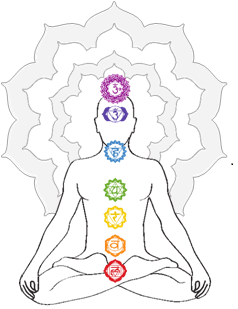
Hatha Yoga Pradipika – Chapter Four: Samadhi Synonymous words for  Raja Yoga Rajayogah samadhis cha unmani cha manonmani / Amaratvam layas tattvam sunyasunyam param padam// Raja Yoga, Samadhi, Unmani, Manonmani, Amaratva, Laya, Sahaja Tattva, Shoonyashoonya, Parampadam. (Chapter -4, Verse 3). #100/200/300/500 hour Yoga teacher training India Amanaskam tathadvaitam niralambam niranjanam/ Jivanmuktischa sahaja turya chetyekavachakah// Amanaskam, advaitam, niralambha, niranjana,  jivanmukti,  sahaja  and turiya are all synonymous words. (Chapter -4, Verse 4). #100/200/300/500 hour Yoga teacher training India Mind and Soul mixed like salt in the sea Salile saindhavam yadvatsamyam bhajati yogatah/ Tathatmamanasoraikyam samadhirabhidhiyate// As salt mixed in the sea, like that the mind and soul or atma are considered united in samadhi state. (Chapter -4, Verse 5). Ending of Prana and Mind in Samadhi state Ending of Prana and Mind in Samadhi state – Activities of prana is annihilated, then mind is reabsorbed in samadhi. Yada samkshiyate prano manasam cha praliyate/ Tada samarasatvam cha samadhir abhidhiyate// When the activities of Prana are totally annihilated, then mind is reabsorbed in samadhi state achieved. (Chapter -4, Verse 6). Individual soul merge with universal soul, all desires eliminated When Jivatma unites with Paramatma, desires are eliminated Tatsamam cha dvayoraikyam jivatmaparamatmanoh / Pranashtasarvasangkalpah samadhih so abhidhiyate// When the twofold characteristics of the individual soul and cosmic soul become one, all desires are eliminated and that state is called samadhi. (Chapter -4, Verse 7) #100/200/300/500 hour Yoga teacher training India Karmas get annihilated when prana flows in Sushumna Nadi All Karmas(actions) get annihilated when prana flows in sushumna nadi, mind remain in complete shoonya(void). Sushumnavahini prane sunye visati manase/ Tada sarvani karmani nirmulayati yogavit// When prana is moving through sushumna nadi, mind is in pure shoonya(void). Then all the karmas of the one knowing yoga are annihilated. (Chapter -4, Verse 12) #100/200/300/500 hour Yoga teacher training India Kundalini is to be blocked at Brahmarandhra Nadi The ultimate union and samadhi happens at sahasrara chakra. This location is at the crown of the head. The very upper portion of head is called brahmarandhra. The energy and consciousness must remain there, if they gone beyond, there is no return back to the physical body. Jnatva sushumnasadbhedam krtva vayum cha madhyagham / Sthitva  sadaiva  susthane brahmarandhre nirodhayet// Staying in the most conducive place, having found out how to penetrate sushumna and move the prana through the middle passage, it should be blocked in the brahmarandhra, the center of higher consciousness state.(Chapter -4, Verse 16). Manonmani (consciousness without mind) State Manonmani (consciousness without mind) – Manonmani is obtained when prana flows in sushumna nadi Sushumnavahini prane siddhyatyeva manonmani/ Anyatha tvitarabhyasah prayasayaiva yoghinam// When the prana travels in the sushumna nadi this state of manonmani (consciousness without mind) is obtained. Therefore, other forced practices are just laborious to the Hatha Yogi. (Chapter -4, Verse 20). #100/200/300/500 hour Yoga teacher training India Prana and mind are controlled through each other Pavano badhyate yena manastenaiva badhyate / Manascha badhyate yena pavanastena badhyate// Through controlling the prana, thought is contolled and through control of thought, prana or air is controlled. (Chapter -4, Verse 21). #100/200/300/500 hour Yoga teacher training India Chitta has two qualities: vasana and prana Hetudvayam tu chittasya vasana cha samiranah / Tayorvinashta ekasmintau dvavapi vinasyatah// Chitta has two qualities, vasana and prana. When one of the two is eliminated or deactivated the other also will become inertia. (Chapter -4, Verse 22). Stillness and interconnection between mind and prana Mano yatra viliyeta pavanastatra liyate/ Pavano liyate yatra manastatra viliyate// Where mind is stilled, then the prana is suspended there, and where prana is suspended, there the mind also gets stilled. (Chapter -4, Verse 23). Prana and Mind are united like milk and water #100/200/300/500 hour Yoga teacher training India Dughdhambuvatsammilitavubhau/ tau Tulyakriyau manasamarutau hi/ Yato maruttatra manahpravrttir // Yato manas tatra marutpravrttih// Mind and prana are united like milk and water. Two of them are equal in their activities. Where there is pranic movement or there mind also active. Where there is mind,  there is prana too exist. (Chapter -4, Verse 24). Tatraikanasad aparasya nasa Ekapravrtter aparapravrttih / Adhvas tayos chendriyavarghavrttih Pradhvastayor mokshapadasya siddhih// Therefore, if one is destroyed, the other is annihilated; if one is active, the other becomes active, and while they exist, all the senses are active. If they are controlled, the state of liberation is obtained. (Chapter -4, Verse 25). Mind controlles the senses, prana controlles the mind, nada controlles the prana Indriyanam mano natho manonathastu marutah/ Marutasya layo nathah sa layo nadamasritah// Mind is the controller of the senses, prana is the controller of the mind. Dissolution is the lord of the prana and that dissolution, laya is the foundation of nada. (Chapter -4, Verse 29). Shambhavi Mudra (eyebrow center gazing) Shambhavi mudra (eyebrow center gazing) internalizes pranic flow and mind – If the Hatha Yogi remains with the chitta and prana absorbed in the internal object and gaze motionless, though seeing, he is not seeing, this is called shambhavi mudra, realm of Shiva consciousness). Antarlakshyam bahirdrshtir nimeshonmeshavarjita / Esha sa sambhavi mudra vedasastreshu ghopita// With internalised one-pointed awareness and external gaze unblinking, that truly is shambhavi mudra, preserved in the Vedas. (Chapter -4, Verse 36). Antarlakshyavilinachittapavano Yogi Yada vartate / Drshtya nischalataraya bahir adhah pasyannapasyannapi / Mudreyam khalu sambhavi bhavati sa labdha prasadad ghuroh/ Śunyasunyavilakshanam sphurati tattattvam Padam sambhavam// If the Hatha Yogi remains with the chitta and prana absorbed in the internal object and gaze motionless, though seeing, he is not seeing, this is called shambhavi mudra. When it is bestowed by the guru’s blessing, the state of shoonyashoonya obtained. That is the real state of Shiva consciousness.  (Chapter -4, Verse 37) The Unmani Tare jyotishi samyojya kimchidunnamayed bhruvau/ Purvayogam mano yunjannunmanikarakah kshanat// Fix the gaze on the tip of the nose and raise the eyebrows a little, within the mind contemplating, inwardly thinking of Brahma, but apparently looking outside. This will create the Unmani avastha state. Bhrumadhya is the place of Shiva and place of turiya Bhrumadhya is the place of Shiva and place of turiya – Middle of the
Read More »

Hatha Yoga Pradipika – Chapter Three: Mudra and Bandha

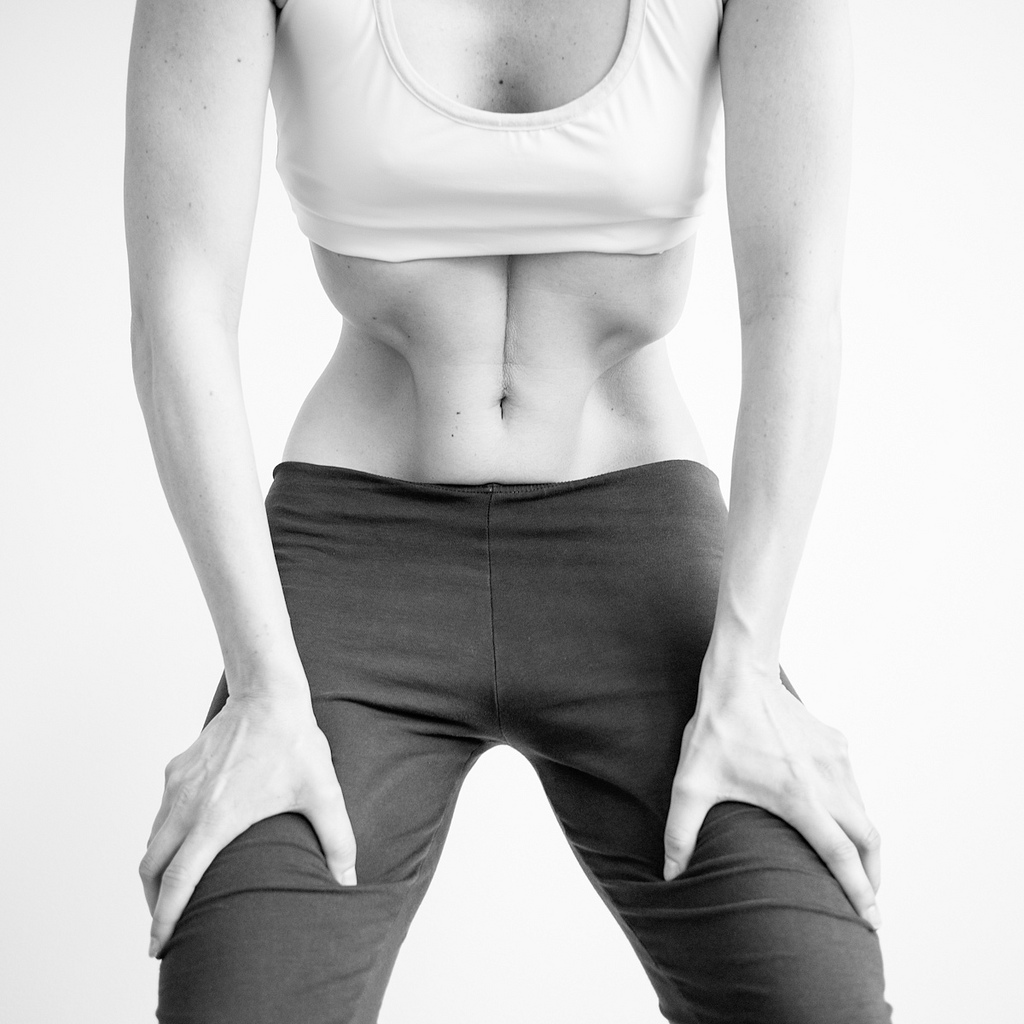
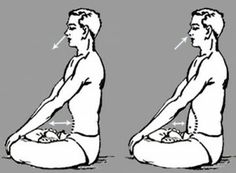
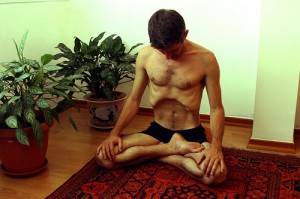
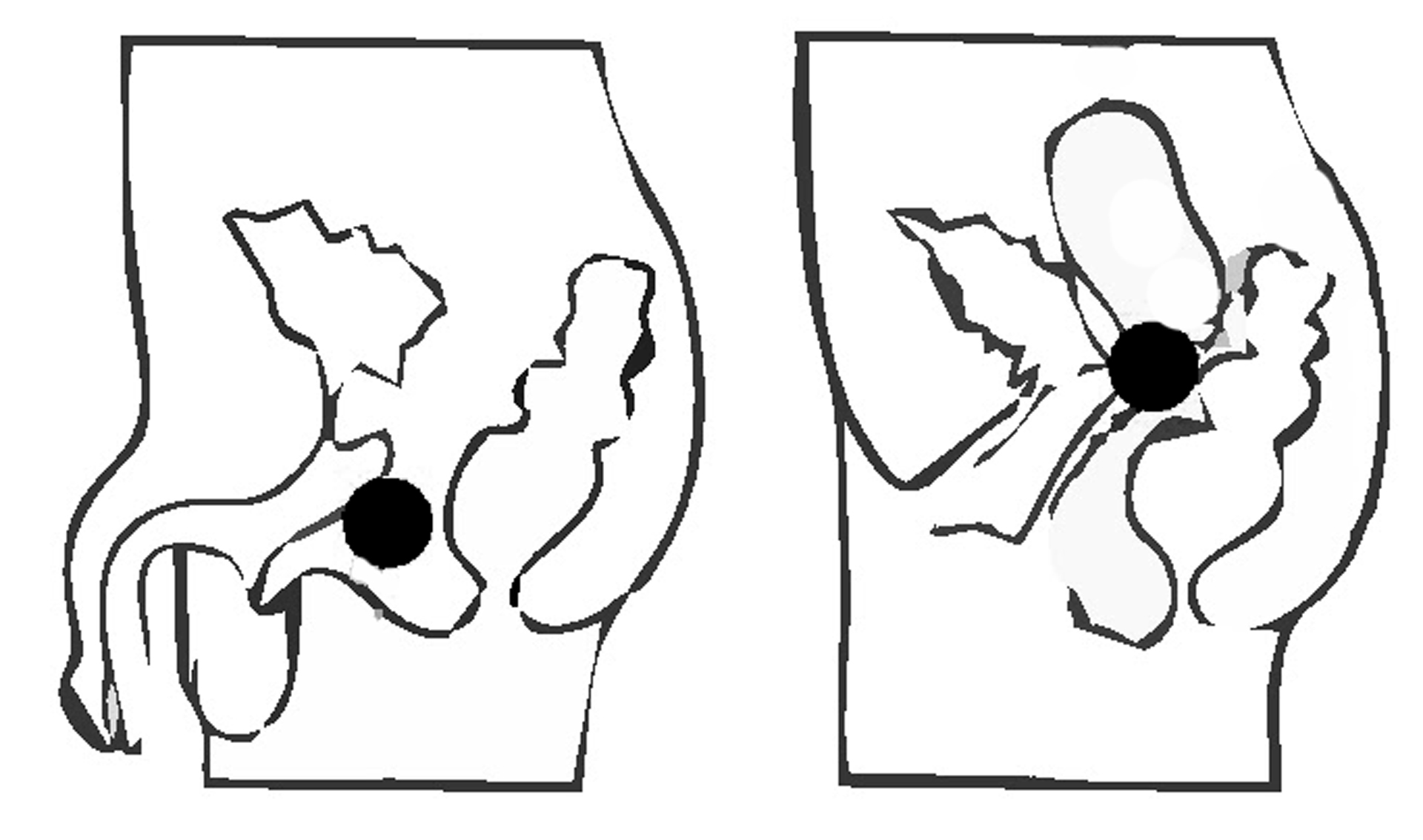
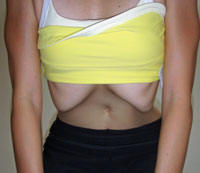
Hatha Yoga Pradipika – Mudra and Bandha -Ten Mudras destroy old age Mahamudra mahabandho mahavedhascha khechari/ Uddiyanam mulabandhas cha bandho jalandharabhidhah//(Chapter -3, Verse 6). Maha Mudra, Maha Bandha, Maha Vedha, Khechari, Uddiyana, Moola Bandha and Jalandhara Bandha. (Chapter -3, Verse 6). #100/200/300/500 hour Yoga teacher training India Karani viparitakhya vajroli saktichalanam/ Idam hi mudradasakam jaramarananasanam//(Chapter -3, Verse 7). Viparita Karani Mudra, Vajroli and Shakti Chalana, truly, these are the ten mudras which destroy old age and death. (Chapter -3, Verse 7). #100/200/300/500 hour Yoga teacher training India (1). Maha Mudra (The Great Attitude) Padamulena vamena yonim sampidya dakshinam/ Prasaritam padam krtva karabhyam dharayeddrdham//(Chapter -3, Verse 10). Press the left heel into the perineum or vagina, straighten the right leg, and with the hands, strongly take hold of the outstretched foot. (Chapter -3, Verse 10). #100/200/300/500 hour Yoga teacher training India Kanthe bandham samaropya dharayed vayum urdhvatah / Yatha dandahatah sarpo dandakarah prajayate//(Chapter -3, Verse 11). By locking the throat and holding the breath, the prana rises straight, just like a snake beaten with a stick becomes straight. (Chapter -3, Verse 11). Rjvibhuta tatha saktih kundali sahasa bhavet/ Tada sa maranavastha jayate dviputasraya//(Chapter -3, Verse 12). So the kundalini sakti becomes very straight at once. Then the ida and pingala nadi become lifeless as the sakti enters into the sushumna nadi. (Chapter -3, Verse 12). Tatah sanaih sanaireva rechayennaiva veghatah/ Mahamudram cha tenaiva vadanti vibudhottamāh//(Chapter -3, Verse 13). Then breathe out slowly and gradually, not quickly. Indeed this is explained as maha mudra by the great siddhas. (Chapter -3, Verse 13). (2).Maha Bandha (Great Lock) Parshnim vamasya padasya yonisthane niyojayet/ Vamorupari samsthapya dakshinam charanam tatha// Press the heel of the left foot in the perineum or vagina and place the right foot on the left thigh. (Chapter -3, Verse 19). #100/200/300/500 hour Yoga teacher training India Purayitva tato vayum hrdaye chubukam drdham/ Nishpidya yonimakunchya manomadhye niyojayet// Thus breathing in, bring the chin to the chest strenum bone, Jalandhara Bandha, constrict the perineal or cervical region as moola bandha and focus on the eyebrow center known as shambhavi mudra). (Chapter -3, Verse 20). Dharayitva yathasakti rechayedanilam sanaih / Savyangghe tu samabhyasya dakshangghe punarabhyaset// Having holding the breath as long as feeling comfortable, then breathe out slowly. Once completing the practice on the left side, practice again on the right side too.(Chapter -3, Verse 21). Matamatra tu keshamchitkanthabandham vivarjayet/ Rajadantasthajihvaya bandhah sasto bhavediti// Some of them think that the throat lock Jalandhara Bandha is unnecessary and it is sufficient to keep the tongue against the front teeth. (Chapter -3, Verse 22). #100/200/300/500 hour Yoga teacher training India Kalapasamahabandhavimochanavichakshanah/ Trivenisangghamam dhatte kedaram prapayenmanah// Maha bandha release one from the bonds of death, makes the three nadis join together in Ajna chakra and enables the mind to attain the sacred state of Shiva, Kedara. (Chapter -3, Verse 24). (3). Maha Vedha Mudra (Great Piercing Attitude) Atha mahavedhah Mahabandhasthito yogi krtva purakam ekadhih/ Vayunam ghatimavrtya nibhrtam kanthamudraya// The Hatha Yogi, in the position of Maha Bandha, should breath in, make the mind steady and hold the movement of prana by doing the throat lock. (Chapter -3, Verse 26). #100/200/300/500 hour Yoga teacher training India Samahastayugho bhumau sphichau sanadayechchanaih/ Putadvayam atikramya vayuh sphurati madhyaghah// Placing the palms of the hands on the ground, he should slowly beat the bumps gently on the ground. The prana then leaves the two nadis ida and pingala and enters into the middle channel sushumna nadi. (Chapter -3, Verse 27). Mahavedhoa yam abhyasan mahasiddhipradayakah/ Valipalitavepaghnah sevyate sadhakottamaih// This is maha vedha, and by practicing its benefited great perfections. Wrinkles, grey hair and the trembling of old age are avoidable, thus the best of practitioners devote themselves to it. (Chapter -3, Verse 29). Khecharya mudritam yena vivaram lambikordhvatah/ Na tasya ksharate binduh kaminyasleshitasya cha// Even when there is movement of the bindu and it enters the genitals, it is catched by closing the perineum and is taken upward direction. (Chapter -3, Verse 43). Sushiram jnanajanakam panchasrotah samanvitam/ Tishthate khechari mudra tasminsunye niranjane// Five nadis unite in this cavity and it is the root source of knowledge. Khechari should be established in that void, untainted by ignorance. (Chapter -3, Verse 53). (4). Uddiyana Bandha (Abdominal Retraction Lock) #100/200/300/500 hour Yoga teacher training India Atha uddiyanabandhah Baddho yena sushumnayam pranastuddiyate yatah/ Tasmad uddiyanakhyoa yam yoghibhih samudahrtah// Uddiyana bandha is so-called by the yogis because through its practice the prana (is concentrated at one point and) rises through sushumna. (Chapter -3, Verse 55). Uddinam kurute yasmadavisrantam mahakhaghah/ Uddiyanam tadeva syattatra bandho abhidhiyate// The bandha explained is called the rising or flying bandha, because through its practice, the great bird Shakti flies upward with ease and comfortably. (Chapter -3, Verse 56). #100/200/300/500 hour Yoga teacher training India Udare paschimam tanam nabherurdhvam cha karayet / Uddiyano hyasau bandho mrtyumatangghakesari// Sucking the abdomen back in and making the navel rise is called Uddiyana Bandha. It is the lion which conquers the elephant death. (Chapter -3, Verse 57). (5). Moola Bandha(perineum/cervix retraction lock) Atha mulabandhah Parshnibhaghena sampidya yonim akunchayed ghudam/ Apanam urdhvam akrshya mulabandho abhidhiyate// Pressing the perineum/vagina with the heel and contracting the rectum so that the apana vayu moves upward it’s called moola bandha. (Chapter -3, Verse 61). #100/200/300/500 hour Yoga teacher training India Adhogatim apanam va urdhvagam kurute balat/ Akunchanena tam prahur mulabandham hi yoginah// By contracting the perineum the downward moving apana vayu is forced to go upward. Hatha Yogis called it as Moola Bandha. (Chapter -3, Verse 62). Gudam parshnya tu sampidya vayumakunchayed balat/ Varam varam yatha chordhvam samayati samiranah// Press the heel strongly against the rectum and contract forcefully and repeatedly, so that the prana energy rises. (Chapter -3, Verse 63). Pranapanau nadabindu mulabandhena chaikatam/ Gatva yogasya samsiddhim yachchato natra samsayah// There is no doubt that by practicing moola bandha, prana/apana and nada/bindu are joined, and total perfection gained.64 (6). Jalandhara Bandha (throat lock) Atha jalandharabandhah Kanthamakunchya hrdaye sthapayechchibukam drdham/ Bandho jalandharakhyoayam jaramrtyuvinasakah// Contracting the throat by bringing the chin to the chest sternum bone is the bandha called Jalandhara Bandha. It
Read More »

Hatha Yoga Pradipika – Chapter Two: Shatkarma and Pranayama

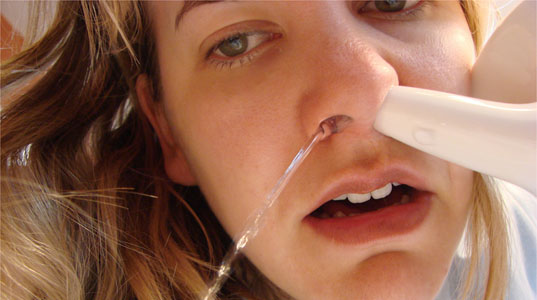
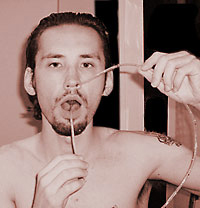
Hatha Yoga Pradipika –  Chapter Two: Shatkarma and Pranayama Inter-connection of Mind and Prana and their controlling through Pranayama Chale vate chalam chittam nischale nischalam bhavet / Yogi sthanutvamapnoti tato vayum nirodhayet//(Chapter -2, Verse 2). When Prana moves, chitta the mental force too moves. When prana is still, Chitta also still without any movement. By this steadiness of prana the Hatha Yogi reaches stableness and should thus control the Vayu air. (Chapter -2, Verse 2). #100/200/300/500 hour Yoga teacher training India What is life and death; the functions of five Vayus Yavad vayuh sthito dehe tavaj jivanam uchyate / Maranam tasya nishkrantistato vayum nirodhayet//(Chapter -2, Verse 3). As long as the vayu (air and prana) remains in the body, that is called life. Death is when it leaves the body. Therefore, retain vayu. (Chapter -2, Verse 3). #100/200/300/500 hour Yoga teacher training India Cleansing of the Nadis and Chakras for retention of Prana Suddhameti yada sarvam nadichakram malakulam / Tadaiva jayate yogi pranasamghrahane kshamah//(Chapter -2, Verse 5). When all the nadis and chakras which are full of impurities are cleansed, then the hatha yogi is able to retain prana. (Chapter -2, Verse 5). #100/200/300/500 hour Yoga teacher training India Sattvic quality of mind and  the three Gunas for pranayama Pranayamam tatah kuryannityam sattvikaya dhiya / Yatha sushumnanadistha malah suddhim prayanti cha//(Chapter -2, Verse 6). Therefore pranayama should, be practice daily with a sattvic quality of mind so that the impurities are removed out of sushumna nadi and cleanliness occurs. (Chapter -2, Verse 6). Times and duration of practice – Early morning, midday, evening and midnight, holding is step by step  held up to eighty counts in one sitting. Pratarmadhyandine sayamardharatre cha kumbhakan/  Sanairasitiparyantam chaturvaram samabhyaset//(Chapter -2, Verse 11). Holding should be practiced perfectly four times a day: early morning, midday, evening and midnight, so that holding is step by step held up to eighty counts in one sitting. (Chapter -2, Verse 11). Signs and symptoms of right Pranayama practice Kaniyasi bhavedsveda kampo bhavati madhyame / Uttame sthanamapnoti tato vayum nibandhayet//(Chapter -2, Verse 12). At first stage there is sweating, in the middle stage trembling, in the last stage complete steadiness, and therefore the breath should be withheld. (Chapter -2, Verse 12). Diet and Pranayama – Milk and Ghee is recommended. At the beginning period of pranayama practice, food, consisting of milk and ghee is recommended very much. Upon being established in the practice such conditions are not necessary at all. (Chapter -2, Verse 14). #100/200/300/500 hour Yoga teacher training India Shatkarma should done before  Pranayama if fat and mucus are Excessive Medasleshmadhikah purvam shatkarmani samacharet/  Anyastu nacharettani doshanam samabhavatah//. (Chapter -2, Verse 21). When fat or mucus is too much, shatkarma: the six cleansing practices should be done before pranayama practice. Others, in whom the doshas, i.e. phlegm, wind and bile (vata, pitta, kapha), are balanced should not perform them. (Chapter -2, Verse 21). Shatkarma – Six cleansing practices #100/200/300/500 hour Yoga teacher training India Dhautir bastis tathā netis trātakam naulikam tathā / Kapālabhātiś chaitāni shatkarmāni prachakshate//(Chapter -2, Verse 22). Dhauti, basti, neti, trataka, nauli and kapalbhati; these are called as shatkarma or the six cleansing processes. (Chapter -2, Verse 22).     Freedom from the excesses of Doshas through Shatkarma (Chapter -2, Verse 36). By the six karmas (shatkarma) one is freed from excesses of the doshas. Then pranayama is practiced and success is achieved without strain. (Chapter -2, Verse 36). Eight Kumbhaka practices – Suryabheda, Ujjayi, Seetkari, Sheetali, Bhastrika,Bhramari, Moorchha and Plavini. (Chapter -2, Verse 44). #100/200/300/500 hour Yoga teacher training India i sitkari sitali tatha/ Bhastrika bhramari murchcha plavinityashtakumbhakah//(Chapter -2, Verse 44). The eight kumbhakas are suryabheda, ujjayi, seetkari, sheetali, bhastrika, bhramari, moorchha and plavini. (Chapter -2, Verse 44).   By Maha Bandha, the Prana moves into the Brahma nadi #100/200/300/500 hour Yoga teacher training India Purakante tu kartavyo bandho jalandharabhidhah/  Kumbhakante rechakadau kartavyastuddiyanakah//(Chapter -2, Verse 45). At the end of inhalation, jalandhara bandha should be performed. At the end of kumbhaka and beginning of exhalation, uddiyana bandha should be performed. (Chapter -2, Verse 45). Adhastatkunchanenasu kanthasangkochane krte/  Madhye paschimatanena syatprano brahmanadighah//(Chapter -2, Verse 46). By contracting the perineum, contracting the throat and sucking the abdomen up, the prana moves into the brahma nadi. (Chapter -2, Verse 46). Pranayama three types, rechaka, pooraka, and kumbhaka. Pranayamas tridha prokto rechapurakakumbhakaih / Sahitah kevalascheti kumbhako dvividho matah//  (Chapter -2, Verse 71). Pranayama is said to be of three types: exhalation (rechaka), inhalation (pooraka), and retention (kumbhaka). Kumbhaka is again of two types: connected sahita and unconnected kevala. (Chapter -2, Verse 71). #100/200/300/500 hour Yoga teacher training India Yavat kevalasiddhih syat sahitam tavad abhyaset/  Rechakam purakam muktva sukham yadvayudharanam//(Chapter -2, Verse 72). Till attain perfection in kevala kumbhaka, sahita kumbhaka has to be practiced. When you are freed of inhalation/exhalation then the breath/prana is ceased spontaneously. (Chapter -2, Verse 72). Pranayamoa yam ityuktah sa vai kevalakumbhakah/  Kumbhake kevale siddhe rechapurakavarjite//(Chapter -2, Verse 73). Perfection of isolated holding is freedom from inhalation and exhalation process. This pranayama spoken of is verily kevala kumbhaka. (Chapter -2, Verse 73). Na tasya durlabham kimchittrishu lokeshu vidyate/  Saktah kevalakumbhena yatheshtam vayudharanat//(Chapter -2, Verse 74). Nothing in the three worlds of existence is unobtainable by him who has mastery over kevala kumbhaka and can hold the breath as desired time. (Chapter -2, Verse 74). #100/200/300/500 hour Yoga teacher training India

Read More »

Introduction to Human Anatomy and Physiology

Introduction to Human Anatomy and Physiology Anatomy #100/200/300/500 hour Yoga teacher training India It is the science that deals with the structures of the human body and its relationship of various parts to each other. The subject matter of anatomy includes Histology – Study of tissues Osteology – Study of bones Mycology – Study of muscles Arthrology – Study of Joints Splanchnology – Study of organs Neurology – Study of Nervous System Physiology #100/200/300/500 hour Yoga teacher training India It is the science which deals with the functions of the body. It explains how various systems in the body function together normally as a single unit. The subject matter of physiology includes the study of various systems like. Central nervous system Cardio vascular system Digestive system Excretory system Respiratory system Reproductive system etc., Cell #100/200/300/500 hour Yoga teacher training India Each and every part of our body is composed of tiny microscopic units, the Cell. Cell is the structural and functional unit of the body. Cells have different shapes and sizes according to their nature of work Tissues #100/200/300/500 hour Yoga teacher training India Cells are highly organised units but they do not function in isolation.  They work together in a group of similar cells called tissue. Every tissue has got its specialized function to perform. TYPES Epithelial tissue Connective tissue Muscular tissue Nervous tissue Epithelial Tissue It covers the body surfaces and forms gland. It forms external layer of the skin, internal living the mucus membrane of the body cavities and the hollow organs. Functions Secretion Protection Absorption Excretion Connective Tissue #100/200/300/500 hour Yoga teacher training India It includes the blood cells, loose and dense (fiber) connective tissue, adipose tissue, lymph cartilages and bones. Major function of connective tissue is to connect, anchor and support the other tissues of the body and to form structural frame work of the body. Muscular Tissue #100/200/300/500 hour Yoga teacher training India It is responsible for movements of the body and organs. This is because of its characteristic function of contraction. It forms mainly three types of muscle fibres. Cardiac muscle Smooth muscle Striated or Skeletal muscle Functions #100/200/300/500 hour Yoga teacher training India Motion is an essential body function which results from the contraction and relaxation of muscles. Maintenance of posture and Heat production. Nervous Tissue It forms the whole nervous system.  It initiates and transmits nerve impulses that coordinate the body and its surrounding environment.  The main properties of this tissue are excitability and conductivity nervous tissue responds to various stimuli.  Nervous tissue is composed of nerve cells and their processes. These processes born the nerve fibers.  Such unit of nervous tissue is known as neuron. They construct the nerves in the body. Organs #100/200/300/500 hour Yoga teacher training India Different kinds of tissues are joined together to form higher level of organisation. i.e. organ Organs have recognizable shape.  Each organ has a complex structure and it performs a specific function of the body. Examples Liver, Heart, Brain, Lungs, Stomach ete System #100/200/300/500 hour Yoga teacher training India A system is an association of organs that have a common function. Types and various systems in the human body There are 11 major systems such as Skeletal system Muscular System Digestive system Respiratory system Nervous system Circulatory System Urinary System Endocrine system Reproductive system Integument system Immune system #100/200/300/500 hour Yoga teacher training India
Read More »

Need of Anatomy and Physiology in Yoga

Need of Anatomy and Physiology in Yoga #100/200/300/500 hour Yoga teacher training India Knowledge of anatomy and physiology forms the basis for the study of biological sciences. Even for a common man, to understand the heath problems and their solution. Preliminary knowledge of this subject is helpful. Today yogic practices have become popular throughout the world. The yogic practices have been included in school and college curriculum where yoga teacher imparts the yoga training consisting of mainly asanas, pranayamas and kriyas etc. These practices involve our bodily structure and function. In order to understand how the yogic practices influence our body and mind, a student and teacher should know the basic anatomy and physiology as well as the physiological changes brought about by the yogic practices. Having this knowledge, one will be able to employ the technique systematically for the students or the patients. The importance of this subject was realized by the concerned authorities and now this subject has been introduced in the field of education and other faculties. #100/200/300/500 hour Yoga teacher training India The whole approach in studying the basic principles of anatomy and physiology is to understand the probable mechanisms involved in various yogic practices on the scientific background. It is obvious that our body responds according to the nature of stimulation from the external or the internal environments. Yogic practices work deep inside the body and mind and are expected to bring about some changes in the behavioral pattern of even a normal individual so as to prepare him for the higher yogic practices. There fore our yogic techniques should bear a scientific background along with the traditional support. This scientific background would also help the individual to remove confusion or misconception. If any, regarding the technique and the results of the yogic practices. He would then be the best yoga teacher to guide his students on the path of yoga. #100/200/300/500 hour Yoga teacher training India

Read More »

Hatha Yoga Pradipika – Who can practice Yoga?

Hatha Yoga Pradipika – Who can practice Yoga? Yuvo vrddhoativrddho va vyadhito durbaloapi va / Abhyasat siddhim apnoti sarvayogheshvatandritah//(Chapter -1, Verse -64). Either, Young or old, very old, sick or feeble, one can attain perfection in all the Yogas by regular constant practicing. (Chapter -1, Verse – 64). #100/200/300/500 hour Yoga teacher training India

Read More »

Hatha Yoga Pradipika – Food conducive for Hatha Yogic Practices

Hatha Yoga Pradipika – Food conducive for Hatha Yogic Practices Ghodhuma-sali-yava-shashtika-sobhanannam / Kshirajyakhanda-navanitasi hamadhuni// Sunthipatolakaphaladikapanchasakam / Mudghadidivyam udakam cha yamindrapathyam//(Chapter -1, Verse -62). #Yoga  course  Bangalore The most supporting foods for the Hatha Yogic practices are: good grains, wheat, rice, barley, milk, ghee, brown sugar, sugar candy (crystallized sugar), honey, dry ginger, patola fruit (species of cucumber), five vegetables, mung, pulses, and pure water. (Chapter -1, Verse -62). #Yoga  course  Bangalore Pushtam sumadhuram snighdham Gavyam dhatupraposhanam / Manobhilashitam yoghyam yogi bhojanamacharet//(Chapter -1, Verse-63). The Hatha Yogi should take nourishing and sweet food mixed with, ghee and milk; it should nourish the dhatus (basic body constituents) and be pleasing and suitable for body-mind-soul. (Chapter -1,Verse-63). #Yoga  course  Bangalore

Read More »

Hatha Yoga Pradipika – Food Prohibited for Hatha Yogic Practices

Hatha Yoga Pradipika – Food Prohibited for Hatha Yogic Practices Katvamla-tikshna-lavanoshna-haritasaka / Sauvira-taila-tila-sarshapa-madya-matsyan // Ajadi-mamsa-dadhi-takra-kulattha-kola / Pinyaka-hingghu-lasunady-amapathyam-ahuh//(Chapter -1, Verse- 59). #Yoga  course  Bangalore The foods which prohibited for the Hatha Yogic practitioners are: those which are bitter, sour, pungent, salty, heating, green vegetables, sour gruel, oil, sesame and mustard, alcohol, fish, flesh foods, curds, buttermilk, horse gram, fruit of jujube, oil cakes, asafetida and garlic. (Chapter -1, Verse- 59). Bhojanam ahitam vidyāt punarasyoshnīkrtam rūksham/ Atilavanamam layuktam kadaśanaśākotkam varjyam// (Chapter -1, Verse -60). #Yoga  course  Bangalore Unnourishing food should not be consumed, that which is reheated after becoming cold, which is dry (devoid of natural oil), which is excessively salty or acidic, stale or has too many mixed vegetables. (Chapter -1, Verse -60). #Yoga  course  Bangalore

Read More »

Hatha Yoga Pradipika -Moderate diet for Hatha Yogic Practices

Hatha Yoga Pradipika -Moderate diet for Hatha Yogic Practices Susnighdhamadhuraharaschaturthamsavivarjitah / Bhujyate sivasamprityai mitaharah sa uchyate//(Chapter -1, Verse -58). Mitahara is defined as agreeable and sweet food, leaving one fourth of the stomach free, and eaten. (Chapter -1, Verse-58). #Yoga  course  Bangalore

Read More »

Hatha Yoga Pradipika – Four best asanas according to Shiva

Hatha Yoga Pradipika – Four best asanas according to Shiva Four best asanas among eighty four taught by Shiva Chaturasityasanani sivena kathitani vai / Tebhyas chatushkam adaya sarabhutam bravimyaham//(Chapter -1, Verse -33) Among all the eighty-four Asanas were taught by Shiva. Out of those ‘I’ shall now describe the four important Asanas. (Chapter -1, Verse-33) #200 hour Yoga teacher training certificate course in Bangalore Siddham padmam tatha simham bhadram veti chatushtayam/ Sreshtham tatrapi cha sukhe tishthetsiddhasane sada//(Chapter -1, Verse-34) Siddhasana, padmasana, simhasana and bhadrasana, these are the four essential Asanas. Always sit comfortably in Siddhasana because it is the bestamong all the asanas. (Chapter -1, Verse-34) #200 hour Yoga teacher training certificate course in Bangalore (1). Siddhasana (Adept’s Pose) Yonisthanakam angghrimulaghatitam   Krtva drdham vinyaset / Mendhre padam  athaikameva hrdaye Krtva hanum susthiram // Sthanuh samyamitendriyoa chaladrsa pasyed bhruvor antaram/ Hyetan mokshakapatabhedajanakam Siddhasanam prochyate//(Chapter -1, Verse -35) #200 hour Yoga teacher training certificate course in Bangalore Press the perineum with the heel of one foot, place the other foot on top of the genitals. Having done this, rest the chin on to the chest. Remaining still and steady, with the senses controlled, gaze steadily into the eyebrow center; it breaks open the door to liberation. This is called siddhasana. (Chapter -1, Verse -35). #200 hour Yoga teacher training certificate course in Bangalore (2). Padmasana (lotus pose) Vamorupari dakshinam cha charanam Samsthapya vamam tatha / Dakshorupari paschimena vidhina Dhrtva karabhyam drdham // Angghushthau hrdaye nidhaya Chibukam nasaghramalokayet / Etadvyadhivinasakari yaminam Padmasanam prochyate//(Chapter -1, Verse 44) Place the right foot on the left thigh and the left foot on the right thigh, cross the hands behind the back and firmly hold the toes. Press the chin against the chest and look at the tip of the nose. This is called padmasana, the destroyer of a yogi’s diseases. (Chapter -1, Verse- 44). Uttanau charanau krtva urusamsthau prayatnatah / Urumadhye tathottanau pani krtva tato drsau//(Chapter -1, Verse-45) Place the feet on the thighs, soles upward, palms in the middle of the groin, facing upward. (Chapter -1, Verse-45). Nasaghre vinyasedrajadantamule tu jihvaya/ Uttambhya chibukam vakshasyutthapy pavanam sanaih//(Chapter -1, Verse-46) Gaze at the nose tip, keeping the tongue pressed against the root of the upper teeth and the chin against the chest, and slowly raise the prana upward. (Chapter -1, Verse-46) Idam padmasanam proktam sarvavyadhivinasanam/ Durlabham yena kenapi dhimata labhyate bhuvi//(Chapter -1, Verse-47) This is called padmasana, destroyer of all diseases. Ordinary people cannot achieve this posture, only the few wise ones on this earth can do.    (Chapter -1, Verse -47) (3). Simhasana (lion’s pose) Ghulphau cha vrshanasyadhah Sivantyah parsvayoh kshipet/ Dakshine savyaghulpham tu Dakshaghulpham tu savyake//(Chapter -1, Verse-50). Place the ankles below the scrotum, right ankle on the left side, left ankle on the right side of the perineum. (Chapter -1,Verse-50). Hastau tu janvoh samsthapya Svangghulih samprasarya cha / Vyattavaktro niriksheta nasaghram susamahitah// (Chapter -1, Verse-51). Place the palms on the knees, fingers spread apart, keep the mouth open and gaze at the nose tip with a concentrated mind.(Chapter -1, Verse-51). #200 hour Yoga teacher training certificate course in Bangalore Simhasanam bhavedetatpujitam yoghipungghavaih / Bandhatritayasandhanam kurute chasanottamam//(Chapter -1, Verse-52). This is simhasana, held in great esteem by the highest yogis. This most excellent asana facilitates the three bandhas. (Chapter -1, Verse-52). (4). Bhadrasana (gracious pose) Ghulphau cha vrshanasyadhah Sivantyah parsvayoh kshipet / Savyaghulpham tatha savye Dakshaghulpham tu dakshine // Parsvapadau cha panibhyam Drdham baddhva sunischalam / Bhadrasanam bhavedetatsarvavyadhivinasanam //(Chapter -1, Verse- 53). #200 hour Yoga teacher training certificate course in Bangalore Place the ankles below the genitals on the sides by the perineum, left ankle on the left (side) right ankle on the right (side).(Chapter -1, Verse- 53). Ghorakshasanamityahuridam vai siddhayoghinah/ Evamasanabandheshu yogindro vighatasramah // Abhyasennadikasuddhim mudradipavanakriyam/(Chapter -1, Verse-54). Then hold the feet, which are on their sides, firmly with the hands and remain motionless. This is bhadrasana which destroys all diseases. The yogis who are perfected (siddhas) call it gorakshasana. (Chapter -1, Verse-54). #Yoga  course  Bangalore

Read More »

Hatha Yoga Pradipika – Asanas according to Vashishtha & Matsyendranath

Hatha Yoga Pradipika – Asanas according to Vashishtha & Matsyendranath Vasishthadyais cha munibhir matsyendradyais cha yogibhih/ angikrtanyasanani kathyante kanichin maya//(Chapter -1, Verse 18). I will proceed to explain some of the Asana accepted by adept munis like Vashishtha and Yogis such as Matsyendranath. (Chapter -1, Verse 18). #200 hour Yoga teacher training certificate course in Bangalore (1). Swastikasana (auspicious pose) Janurvor antare samyak krtva padatale ubhe / Rjukayah samasinah svastikam tat prachakshate//(Chapter -1, Verse 19). Placing both soles of the feet on the inner side of the thighs, sitting equipoised with a straight body. This is called swastikasana). (Chapter -1, Verse 19). (2). Gomukhasana (Cow’s Face Pose) Savye dakshinaghulpham tu prshthaparsve niyojayet / Dakshineapi tatha savyam ghomukham ghomukhakrtih//(Chapter -1, Verse 20). Place the right ankle next to the left buttock and the left ankle next to the right buttock. This is gomukhasana and it looklike the face of the cow. (Chapter -1, Verse 20). (3). Veerasana (Hero’s Pose) Ekam padam tathaikasmin vinyased uruni sthiram / Itarasmims tatha chorum virasanam itiritam//(Chapter -1, Verse 21). Placing one foot by the opposite thigh and the other foot under the same thigh, its called as veerasana. (Chapter -1, Verse 21). (4). Koormasana (Tortoise Pose) Ghudam nirudhya ghulphabhyam vyutkramena samahitah/ Kurmasanam bhavedetaditi yogavido viduh//(Chapter -1, Verse 22). Press the anus firmly with the ankles in the opposite direction and sit well-poised. According to the Yogis this is called as Koormasana. (Chapter -1, Verse 22). (5). Kukkutasana (Cockerel Pose) Padmasanam tu samsthapya janurvorantare karau / Nivesya bhumau samsthapya vyomastham kukkutasanam//(Chapter -1, Verse 23). By adopting Padmasana, insert the hands between the thighs and calves, planting them the hands firmly on the ground; raise the body in the air. This is called as Kukkutasana. (Chapter -1, Verse 23). (6). Uttan Koormasana (Stretching Tortoise Pose) Kukkutasanabandhastho dorbhyam sambadya kandharam/ Bhaved kurmavad uttana etad uttanakurmakam//(Chapter -1, Verse 24). By adopting Kukkutasana, unite both the hands at the shoulders and lie flat on the back like a tortoise. This is called as Uttankoormasana. (Chapter -1, Verse 24). (7). Dhanurasana (Bow Pose) Padanghushthau tu panibhyam ghrhitva sravanavadhi / Dhanurakarshanam kuryad dhanurasanam uchyate//(Chapter -1, Verse 25). Holding the toes with the hands, pull them up to the ears as if drawing a bow. This is called Dhanurasana. (Chapter -1, Verse 25). (8). Matsyendrasana (Spinal Twist Pose) Vamoru mularpitadakshapadam Janor bahir veshtitavamapadam/ Praghrhya  tishthet parivartitangghah srimatysanathoditam asanam syat//(Chapter -1, Verse 26). Place the right foot at the base of the left thigh, the left foot at the side of the right knee. Take hold of the left foot with the right hand, pass the left arm behind the waist and remain with the body turned. This asana is explained by Sri Matsyendranath. (Chapter -1, Verse 26). Matsyendrapitham jatharapradiptim Prachandarughmandalakhandanastram/ Abhyasatah kundaliniprabodham Chandrasthiratvam cha dadati pumsam//(Chapter -1, Verse 27). Practice of this asana Matsyendrasana increases the digestive fire to such an incredible capacity, this will eradicate all stomach diseases and thus awakening the serpent power and bringing equilibrium in the Bindu. (Chapter -1, Verse 27). (9). Paschimottanasana (Back Stretching Pose) Prasarya padau bhuvi dandarupau Dorbhyam padaghradvitayam ghrhitva/ Januparinyastalalatadeso Vasedidam paschimatanamahuh.// (Chapter -1, Verse 28). Stretching the legs in front on the ground, like a stick; bending forward, holding the toes with both hands and placing the forehead on the knees, is known as Paschimottanasana. (Chapter -1, Verse 28). Paschimottanasana Iti paschimatanamasanaghryam Pavanam paschimavahinam karoti/ Udayam jatharanalasya kuryad Udare karsyamaroghatam cha pumsam//(Chapter -1, Verse 29). Paschimottanasana is the best among asanas. By this asana the pranic currents rise through sushumna, the digestive fire stimulates, the abdomen becomes flat, and the practitioner becomes free from all kind of diseases. (Chapter -1, Verse 29). (10). Mayurasana (Peacock Pose) Dharam avashtabhya karadvayena Tatkurparasthapitanabhiparsvah/ Uchchasano dandavad utthitah san Mayuram etat pravadanti pitham//(Chapter -1, Verse 30). Lie down on the stomach, placing both hands on the ground under the body and place the elbows at the sides of the navel. Raise the body high, keeping it like a stick. This is called  peacock pose by the expert Yogis. (Chapter -1, Verse 30). Harati sakalaroghanasu ghulmodaradin Abhibhavati cha doshanasanam srimayuram/ Bahu kadasanabhuktam bhasma kuryadasesham Janayati // jatharaghnim jarayetkalakutam/(Chapter -1, Verse 31). Mayurasana quickly alleviates all diseases like enlargement of the glands, dropsy and other stomach disorders. It rectifies imbalance of the humors (vata, pitta, kapha). It reduces to ashes all food taken indiscriminately, kindles the gastric fire and enables destruction of deadly poison). (Chapter -1, Verse 31). (11). Shavasana (Corpse Pose) Uttanam sabavad bhumau  sayanam tat savasanam/ Savasanam srantiharam chittavisrantikarakam//(Chapter -1, Verse 32).   Lying flat on the ground with the face upwards, in the manner of a dead body, is savasana. It removes tiredness and enables the mind-body complex to relax deeply. (Chapter -1, Verse 32).

Read More »

Hatha Yoga Pradipika – Causes of success in sadhana

Hatha Yoga Pradipika – Causes of success in sadhana   Utsahat sahasad dhairyat tattvajnanas cha nischayat/ Janasangghaparityaghat shadbhir yogah prasiddhyati// (Chapter -1, Verse -16). Enthusiasm, perseverance, discrimination, strong faith, courage, avoiding the company of common people, are the (six causes) which bring success in Hatha Yoga. (Chapter -1, Verse – 16). #200 hour Yoga teacher training certificate course in Bangalore

Read More »

Hatha Yoga Pradipika –Causes of failure in Sadhana

Causes of failure in sadhana- Overeating, exertion, talkativeness, adhering to rules, company of common people and wavering mind Atyaharah prayasascha prajalpo niyamaghrahah/ janasangascha laulyam cha shadbhiryogo vinasyati//(Chapter -1, Verse -15). Overeating, exerting physically & mentaly, talking too much, adhering to rules, being in the company of common people and unstable mind are the six (causes) which destroy yoga. (Chapter -1, Verse -15). #200 hour Yoga teacher training certificate course in Bangalore

Read More »

Hatha Yoga Pradipika – Practice Yoga without mental tension

Practice of sadhana devoid of mental tension, according to guru’s instruction Evam vidhe mathe sthitva sarvachintavivarjitah / ghurupadishtamargena yogameva samabhyaset // (Chapter -1, Verse -14) In this way, dwelling in the hermitage, being devoid of all mental tensio ,Hatha Yoga should be practiced in the way instructed by the Guru. (Chapter -1, Verse -14). #50/100/200/300/500 hr Yoga teacher training certificate course Bangalore

Read More »

Hatha Yoga Pradipika – Place for Yoga practice

Hatha Yoga Pradipika – Place for Yoga practice Surajye dharmike dese subhikshe nirupadrave / dhanuh pramanaparyantam silagnijalavarjite / Ekante mathikamadhye sthatavyam hathayogina // (Chapter -1, Verse- 12). The Hatha Yoga practitioner should live alone in a hermitage and practice in a place the length of a bow (one and a half meters), where there is no hazard from rocks, fire or water, and which is in a well-administered and virtuous kingdom (nation or town) where good alms can be easily attained, without any dificulties. (Chapter -1, Verse – 12). Alpadvaram arandhragartavivaram atyuchchanichayatam/ Samyaggomayasandraliptam amalam nihsesajantujjhitam / Bahye mandapavedikuparuchiram prakarasamveshtitam / proktam yogamathasya lakshanam idam siddhair hathabhyasibhih // (Chapter -1, Verse – 13). Hatha Yoga hermitage as prescribed by the siddhas for the Hatha Yoga practitioners. The room for spiritual practice should have a small door, without any aperture (window), holes or cracks, being neither too high nor too low. It should be spotlessly clean, wiped with cow dung and free from animals or insects. Outside, there should be an open platform with a thatched roof, a well and a surrounding wall (fence). The appearance of the hermitage should be pleasant auspicious. (Chapter -1, Verse -13). #50/100/200/300/500 hr Yoga teacher training certificate course Bangalore

Read More »

Hatha Yoga Pradipika – Sadhana should be kept secret for success

Hatha Yoga Pradipika – Sadhana should be kept secret for success Hathavidya param gopya yogina siddhimichchata / bhavedviryavati gupta nirvirya tu praksita // (Chapter -1, Verse – 11). Hatha yoga practice is the greatest secret of the yogis who wish to achieve perfection (siddhi). Indeed, to be fruitful, it must be kept secret; revealed it becomes powerless. (Chapter -1,Verse – 11). #50/100/200/300/500 hr Yoga teacher training certificate course Bangalore

Read More »

Hatha Yoga Pradipika – Three types of Pain or tapas(Yoga teacher training course in India)

Three types of Pain or tapas (adhyatmik – spiritual, adhidevik – environmental and adhibhautik – physical). Aseshatapataptanam samasrayamatho hathah / aseshayogayuktanamadharakamatho hathah // (Chapter -1, Verse -10). For those continually tempered by the heat of tapas or austerities (the three types of pain – spiritual, environmental and physical) Hatha Yoga is like the hermitage giving protection from the heat. (Chapter -1, Verse -10). #50/100/200/300/500 hr Yoga teacher training certificate course Bangalore

Read More »

Hatha Yoga Pradipika – Aim of Hatha Yoga

Hatha Yoga Pradipika – Aim of Hatha Yoga Pranamya srighurum natham svatmaramena yogina / kevalam rajayogaya hathavidyopadisyate //(Chapter -1, Verse -2). Prostrating first to the guru lord Shiva, Yogi Swatmarama instructs the knowledge of Hatha Yoga only, for those who aspiring (raja yoga) the highest state of yoga. (Chapter -1, Verse -2). Bhrantya bahumatadhvante rajayogamajanatam / hathapradipikam dhatte svatmaramah krpakarah // (Chapter -1, Verse -3). The highest state of raja yoga is obscure due to misconceptions (darkness) created by varying ideas and concepts. In good will and as a blessing, Swatmarama gives light on hatha yoga. (Chapter -1, Verse -3). #50/100/200/300/500 hr Yoga teacher training certificate course Bangalore

Read More »

Patanjali Yoga Sutra – Samadhi Pada – Fruits of Meditation(1.40)

Patanjali Yoga Sutra – Samadhi Pada – Fruits of Meditation(1.40) Fruits of Meditation 1.40. Paramanu-paramamahattvanto’sya vasikarah| Paramanu-ultimate atom Paramamahattva- ultimately largeness Antah-ending Asya-of this Vasikarah-mastery So the yogi is given mastery over all objects for meditation ranging from the smallest atom to the infinitely large.

Read More »

Patanjali Yoga Sutra – Samadhi Pada-By Knowledge of Dream and Sleep(1.38)

Patanjali Yoga Sutra – Samadhi Pada – By Knowledge of Dream and Sleep(1.38) By Knowledge of Dream and Sleep 1.38. Svapnanidrajnanalambanam va| Svapna-dream Nidra-sleep Jnana-knowledge Alambana-support Va-or, also Or else (the mind can be made steady) by giving it the knowledge of dream and sleep for support. #Yin, Restorative, Hatha, Vinyasa, Yoga Therapy Teacher Training Certificate Course

Read More »

Patanjali Yoga Sutra – Samadhi Pada- By Detachment from matter(1.37)

Patanjali Yoga Sutra – Samadhi Pada- By Detachment from matter(1.37) By Detachment from matter 1.37. Vitaragavisayam va chittam| Vitaraga-passionless person who has transcended raga Visayam-object Va-or Chittam-mind Or the else mind can bebrought under control bymaking passionless persons the object for concentrating the mind. #Yin, Restorative, Hatha, Vinyasa, Yoga Therapy Teacher Training Certificate Course

Read More »

Patanjali Yoga Sutra – Samadhi Pada-By Inner Illumination(1.36)

Patanjali Yoga Sutra – Samadhi Pada-By Inner Illumination(1.36) By Inner Illumination 1.36. Visoka va jyotismati| Visoka-without sorrow Va-or Jyotismati-luminous, full of light Or the luminous state which is beyond sorrow (can control the mind). #Yin, Restorative, Hatha, Vinyasa, Yoga Therapy Teacher Training Certificate Course

Read More »

Patanjali Yoga Sutra – Samadhi Pada-By Observing Sense Experience(1.35)

Patanjali Yoga Sutra – Samadhi Pada-By Observing Sense Experience(1.35) By Observing Sense Experience 1.35. Visayavati va pravritirutpanna manasah sthitinibandhani| Visayavati- sensuos Va-or Pravritih-functioning Utpanna-arisen Manasah-of the mind Sthiti-steadiness Nibandhani-which binds Or else mind can be made stad by bringing it into activity of sense experience. #Yin, Restorative, Hatha, Vinyasa, Yoga Therapy Teacher Training Certificate Course

Read More »

Patanjali Yoga Sutra – Samadhi Pada- By Controlling Prana(1.34)

Patanjali Yoga Sutra – Samadhi Pada- By Controlling Prana(1.34) By Controlling Prana 1.34. Pracchardanavidharan abyam va pranasya| Pracchardana-expiration or rechaka Vidharanabyam-holding, kumbhaka Va-or Pranasya-of breath Or by expiration and retention of breath (one can control the mind). #Yin, Restorative, Hatha, Vinyasa, Yoga Therapy Teacher Training Certificate Course

Read More »

Patanjali Yoga Sutra – Samadhi Pada-Or by Cultivatiing Oppostie Virtues(1.33)

Patanjali Yoga Sutra – Samadhi Pada-Or by Cultivating Opposite Virtues(1.33) Or by Cultivating Opposite Virtues 1.33. Maitrikarunamuditopeksanam sukhaduhkhapunyapunyavisayanam bhavanataschittaprasadanam| Maitri- friendliness Karuna-compassion Mudita-gladness Upeksanam-indifference Sukha-happiness Duhkha-misery Punya-virtue Apunya-vice Visayanam-of the objects Bhavanatah-attitude Chitta-mind Prasadanam-purification, making peaceful In relation to happiness, misery, virtue and vice, by cultivating the attitude of friendliness, compassion, gladness and indifference respectively, the mind becomes purified and peaceful. #Yin, Restorative, Hatha, Vinyasa, Yoga Therapy Teacher Training Certificate Course

Read More »

Patanjali Yoga Sutra/Samadhi Pada/ Removal of obstacles by Concentration(1.32)

Patanjali Yoga Sutra/Samadhi Pada/ Removal of obstacles by Concentration(1.32) Removal of obstacles by One-pointedness 1.32. Tatpratisedharthamekatvabhyasah, Tat-that Pratisedhartham-for removal Eka-one Tattva-principle Abhyasah-practice For removal of those (obstacles and accompanying symptoms) the practice of concentration on one principal (is to be done). #Yin, Restorative, Hatha, Vinyasa, Yoga Therapy Teacher Training Certificate Course

Read More »

Patanjali Yoga Sutra-Samadhi Pada-Obstacles can be removed by one-pointedness(1.31)

Patanjali Yoga Sutra-Samadhi Pada-Obstacles can be removed by one-pointedness(1.31) Obstacles can be removed by one – pointedness 1.31. Duhkhadaurmanasyangamejayatvasvasaprasvasaviksepasahabhuvah| Duhkha-pain Daurmanasya- depression Angamejayatva-shaking of the body Svasaprasvasa-inhalations and exhalations Viksepa-distraction Sahabhuvah-accompanying symptom Pain, depression, shaking of the body and unrhythmic breathing are the accompanying symptoms of mental distraction. #50/100/200/300/500 hr Yoga teacher training certificate course Bangalore

Read More »

Patanjali Yoga Sutra – Samadhi Pada- Obctacles in Path of Yoga Practice(1.30)

Patanjali Yoga Sutra – Samadhi Pada- Obstacles in Path of Yoga Practice(1.30) Obstacles in Path of Yoga Practice 1.30. Vyadhistyanasamsayapramadalasyaviratibhranti-darsanalabdha bhumikatvanavasthitatvani cittaviksepaste’ntarayah| Vyadhi-disease Styana-dullness Samsaya-doubt Pramada-procrastination alasya-laziness avirati-craving for enjoyment bhrantidarsana-errenous perception alabdhabhumikatva- inability to achieve finer state anavasthitatva-instability cittaviksepah-obstacle to the mind te-they antarayah-obstacles Disease, dullness, doubt, procrastination, laziness, craving, erroneous perception, inability to achieve finer stages nad instabiity are the obstacles. #50/100/200/300/500 hr Yoga teacher training certificate course Bangalore

Read More »

Patanjali Yoga Sutra – Samadhi Pada – Higher form of Detachment(1.16)

Patanjali Yoga Sutra – Samadhi Pada – Higher form of Detachment(1.16) Higher form of Detachment 1.16.  Tatparam purusakhyatergunavaitrsnyam| Tat-that Param-highest Purusakhateh-true knowledge of purusa Gunavaitrsnyam-freedom from the desire for gunas That is highest in which there is freedom from the desire for gunas on account of  the knowledge of purusha. #50/100/200/300/500 hr Yoga teacher training certificate course Bangalore

Read More »

Patanjali Yoga Sutra – Samadhi Pada – Lower form of Detachment(1.15)

Patanjali Yoga Sutra – Samadhi Pada –  Lower form of Detachment(1.15) Lower form of Detachment 1.15. Drstanusravika-visayavitrsnasya vasikara-sanjna vairagyam| Drsta-seen anusravika- heard visaya-object vitrsnasya-of the one who is free of desire vasikara-control sanjna-awareness vairagyam-absence of craving When an individual becomes free of craving for the sense objects which he has experienced as well as those of which he has heard, that state of consciousness is vairagya. #50/100/200/300/500 hr Yoga teacher training certificate course Bangalore

Read More »

Patanjali Yoga Sutra – Samadhi Pada – Foundation of Constant Practice(1.14)

Patanjali Yoga Sutra – Samadhi Pada –  Foundation of Constant Practice(1.14) Foundation of Constant Practice 1.14. Sa tu dirghakala daranairantaryasatkarasaevito drdhabhumih| Sah-that(abhyasa) Tu-but Dirgha-long Kala-time DaraNairantarya-without interruption Satkara-reverence Asaevitah-practised drdha- firm bhumih-ground It becomes firmly grounded by being continued for a long tie with reverence, without interruption. #50/100/200/300/500 hr Yoga teacher training certificate course Bangalore

Read More »

Patanjali Yoga Sutra – Samadhi Pada- Abhyasa Means Constant Practice(1.13)

Patanjali Yoga Sutra – Samadhi Pada- Abhyasa Means Constant Practice(1.13) Abhyasa Means Constant Practice 1.13. Tatra sthitau yatno’bhyasah| Tatra-there, out of the two Sthitau-being fixed Yatnah-effort Abhyasah-practice Of the two (mentioned in the previous sutra) to be established in endeavour is abhyasa. #50/100/200/300/500 hr Yoga teacher training certificate course Bangalore

Read More »

Patanjali Yoga Sutra – Samadhi Pada – Constant Practice and Detachment(1.12)

Patanjali Yoga Sutra – Samadhi Pada – Constant Practice and Detachment(1.12) Constant Practice and Detachment 1.12. Abhyasavairagyabhyam tannirodhah| Abhyasa- repeated practice Vairagyabhyam-by detachment Tat-that Nirodhah-blocking The stopping of the five vrittis by repeated practice and vairagya (detachment). #200 hour Yoga teacher training certificate course in Bangalore #100/200/300/500 hour Yoga teacher training India #Yoga teacher training certification course near me #Best yoga teacher training certification courses in Bangalore #Yoga teacher training certificate  course fees in Bangalore #Best100/200/300/500 hour yoga teacher training India

Read More »

Patanjali Yoga Sutra – Samadhi Pada – What is Memory? (1.11)

Patanjali Yoga Sutra – Samadhi Pada – What is  Memory?(1.11) What is Memory? 1.11. Anubhutavisaya sampramosah smrtih| Anubhuta- experienced Visaya- objects of sense perception Asampramosah-not letting escape Smrtih-memory Not letting the experienced objects escape from the mind is memory. #200 hour Yoga teacher training certificate course in Bangalore #100/200/300/500 hour Yoga teacher training India

Read More »

Patanjali Yoga Sutra – Samadhi Pada – State of Sleep(1.10)

Patanjali Yoga Sutra – Samadhi Pada – State of Sleep(1.10) State of Sleep 1.10. Abhava-pratyayalambana – vrittirnidra, Abhava- absence Pratyaya- contents of mind Alambana-support Vrittih-modification Nidra-sleep Sleep is the vritti of absence of mental contents for its support. #200 hour Yoga teacher training certificate course in Bangalore #100/200/300/500 hour Yoga teacher training India

Read More »

Patanjali Yoga Sutra – Samadhi Pada – Fancy or Imagination(1.9)

Patanjali Yoga Sutra – Samadhi Pada – Fancy or Imagination(1.9) Fancy or Imagination 1.9. Sabdajnanupati vastu-sunyo vikalpah| Sabda-Jnana-word, sound Anupati-cognition vastu-object sunyo –empty, void vikalpah-imagination, Following upon knowledge through words but empty of an object is fancy. #200 hour Yoga teacher training certificate course in Bangalore #100/200/300/500 hour Yoga teacher training India

Read More »

Patanjali Yoga Sutra – Samadhi Pada – Source of Wrong Knowledge(1.8)

Patanjali Yoga Sutra – Samadhi Pada – Source of  Wrong Knowledge(1.8) Source of  Wrong Knowledge 1.8.  Viparyayo mithyajnanamatadrupapratistham| viparyayah- Wrong conception mithya- false jnanam- knowlege atad- not its own rupa- form pratistham- based Wrong conception is false knowledge which is not based on its own form. #200 hour Yoga teacher training certificate course in Bangalore #100/200/300/500 hour Yoga teacher training India

Read More »

Patanjali Yoga Sutra – Samadhi Pada – Source of Right knowledge(1.7)

Patanjali Yoga Sutra – Samadhi Pada –  Source of Right knowledge(1.7) Source of Right knowledge 1.7.  Pratyaksanumanagamah pramanani| Pratyaksa- Direct cognition Anumana- inference Agama- testimony Pramanani- the source of right knowledge Direct cognition, inference, and testimony are the source of right knowledge. #200 hour Yoga teacher training certificate course in Bangalore #100/200/300/500 hour Yoga teacher training India

Read More »
[gravityform id="2" title=false]
Call Back Form