
Best Yoga Teacher Training in Bangalore, India | Yoga Alliance USA | Accredited

karuna yoga vidya peetham logo

Blog

-
Blog

Patanjali Yoga Sutra – Samadhi Pada – Higher form of Detachment(1.16)

Patanjali Yoga Sutra – Samadhi Pada – Higher form of Detachment(1.16) Higher form of Detachment 1.16.  Tatparam purusakhyatergunavaitrsnyam| Tat-that Param-highest Purusakhateh-true knowledge of purusa Gunavaitrsnyam-freedom from the desire for gunas That is highest in which there is freedom from the desire for gunas on account of  the knowledge of purusha. #50/100/200/300/500 hr Yoga teacher training certificate course Bangalore

Read More »

Patanjali Yoga Sutra – Samadhi Pada – Lower form of Detachment(1.15)

Patanjali Yoga Sutra – Samadhi Pada –  Lower form of Detachment(1.15) Lower form of Detachment 1.15. Drstanusravika-visayavitrsnasya vasikara-sanjna vairagyam| Drsta-seen anusravika- heard visaya-object vitrsnasya-of the one who is free of desire vasikara-control sanjna-awareness vairagyam-absence of craving When an individual becomes free of craving for the sense objects which he has experienced as well as those of which he has heard, that state of consciousness is vairagya. #50/100/200/300/500 hr Yoga teacher training certificate course Bangalore

Read More »

Patanjali Yoga Sutra – Samadhi Pada – Foundation of Constant Practice(1.14)

Patanjali Yoga Sutra – Samadhi Pada –  Foundation of Constant Practice(1.14) Foundation of Constant Practice 1.14. Sa tu dirghakala daranairantaryasatkarasaevito drdhabhumih| Sah-that(abhyasa) Tu-but Dirgha-long Kala-time DaraNairantarya-without interruption Satkara-reverence Asaevitah-practised drdha- firm bhumih-ground It becomes firmly grounded by being continued for a long tie with reverence, without interruption. #50/100/200/300/500 hr Yoga teacher training certificate course Bangalore

Read More »

Patanjali Yoga Sutra – Samadhi Pada- Abhyasa Means Constant Practice(1.13)

Patanjali Yoga Sutra – Samadhi Pada- Abhyasa Means Constant Practice(1.13) Abhyasa Means Constant Practice 1.13. Tatra sthitau yatno’bhyasah| Tatra-there, out of the two Sthitau-being fixed Yatnah-effort Abhyasah-practice Of the two (mentioned in the previous sutra) to be established in endeavour is abhyasa. #50/100/200/300/500 hr Yoga teacher training certificate course Bangalore

Read More »

Patanjali Yoga Sutra – Samadhi Pada – Constant Practice and Detachment(1.12)

Patanjali Yoga Sutra – Samadhi Pada – Constant Practice and Detachment(1.12) Constant Practice and Detachment 1.12. Abhyasavairagyabhyam tannirodhah| Abhyasa- repeated practice Vairagyabhyam-by detachment Tat-that Nirodhah-blocking The stopping of the five vrittis by repeated practice and vairagya (detachment). #200 hour Yoga teacher training certificate course in Bangalore #100/200/300/500 hour Yoga teacher training India #Yoga teacher training certification course near me #Best yoga teacher training certification courses in Bangalore #Yoga teacher training certificate  course fees in Bangalore #Best100/200/300/500 hour yoga teacher training India

Read More »

Patanjali Yoga Sutra – Samadhi Pada – What is Memory? (1.11)

Patanjali Yoga Sutra – Samadhi Pada – What is  Memory?(1.11) What is Memory? 1.11. Anubhutavisaya sampramosah smrtih| Anubhuta- experienced Visaya- objects of sense perception Asampramosah-not letting escape Smrtih-memory Not letting the experienced objects escape from the mind is memory. #200 hour Yoga teacher training certificate course in Bangalore #100/200/300/500 hour Yoga teacher training India
Read More »

Patanjali Yoga Sutra – Samadhi Pada – State of Sleep(1.10)

Patanjali Yoga Sutra – Samadhi Pada – State of Sleep(1.10) State of Sleep 1.10. Abhava-pratyayalambana – vrittirnidra, Abhava- absence Pratyaya- contents of mind Alambana-support Vrittih-modification Nidra-sleep Sleep is the vritti of absence of mental contents for its support. #200 hour Yoga teacher training certificate course in Bangalore #100/200/300/500 hour Yoga teacher training India
Read More »

Patanjali Yoga Sutra – Samadhi Pada – Fancy or Imagination(1.9)

Patanjali Yoga Sutra – Samadhi Pada – Fancy or Imagination(1.9) Fancy or Imagination 1.9. Sabdajnanupati vastu-sunyo vikalpah| Sabda-Jnana-word, sound Anupati-cognition vastu-object sunyo –empty, void vikalpah-imagination, Following upon knowledge through words but empty of an object is fancy. #200 hour Yoga teacher training certificate course in Bangalore #100/200/300/500 hour Yoga teacher training India
Read More »

Patanjali Yoga Sutra – Samadhi Pada – Source of Wrong Knowledge(1.8)

Patanjali Yoga Sutra – Samadhi Pada – Source of  Wrong Knowledge(1.8) Source of  Wrong Knowledge 1.8.  Viparyayo mithyajnanamatadrupapratistham| viparyayah- Wrong conception mithya- false jnanam- knowlege atad- not its own rupa- form pratistham- based Wrong conception is false knowledge which is not based on its own form. #200 hour Yoga teacher training certificate course in Bangalore #100/200/300/500 hour Yoga teacher training India
Read More »

Patanjali Yoga Sutra – Samadhi Pada – Source of Right knowledge(1.7)

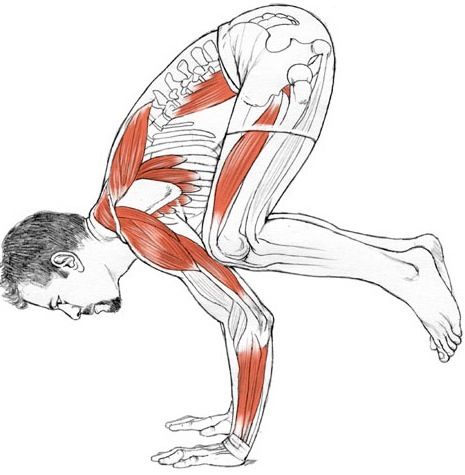
Patanjali Yoga Sutra – Samadhi Pada –  Source of Right knowledge(1.7) Source of Right knowledge 1.7.  Pratyaksanumanagamah pramanani| Pratyaksa- Direct cognition Anumana- inference Agama- testimony Pramanani- the source of right knowledge Direct cognition, inference, and testimony are the source of right knowledge. #200 hour Yoga teacher training certificate course in Bangalore #100/200/300/500 hour Yoga teacher training India
Read More »

Patanjali Yoga Sutra – Samadhi Pada- Fivefold Modifications of Mind(1.6)

Patanjali Yoga Sutra – Samadhi Pada- Fivefold Modifications of Mind(1.6) 1.6. Pramana-viparyaya-vikalpa-nidra-smrtayah, pramana- Right Knowledge viparyaya- Wrong Knowledge vikalpa- Fancy nidra- Sleep smrtayah- Memory The fivefold modifications of mind are, (i). Right Knowledge, (ii).Wrong Knowledge, (iii). Fancy, (iv). Sleep and (v). Memory. #200 hour Yoga teacher training certificate course in Bangalore #100/200/300/500 hour Yoga teacher training India

Read More »

Patanjali Yoga Sutra – Samadhi Pada -Modifications of mind(1.5)

Patanjali Yoga Sutra – Samadhi Pada -Modifications of mind(1.5) 1.5. Vrttayah pancatayyah klista aklistah, Vrttayah – Modifications of mind pancatayyah – fivefold klista- painful aklistah- not painful Modifications o fmind are fivefold, they are painful or not painful. #200 hour Yoga teacher training certificate course in Bangalore #100/200/300/500 hour Yoga teacher training India

Read More »

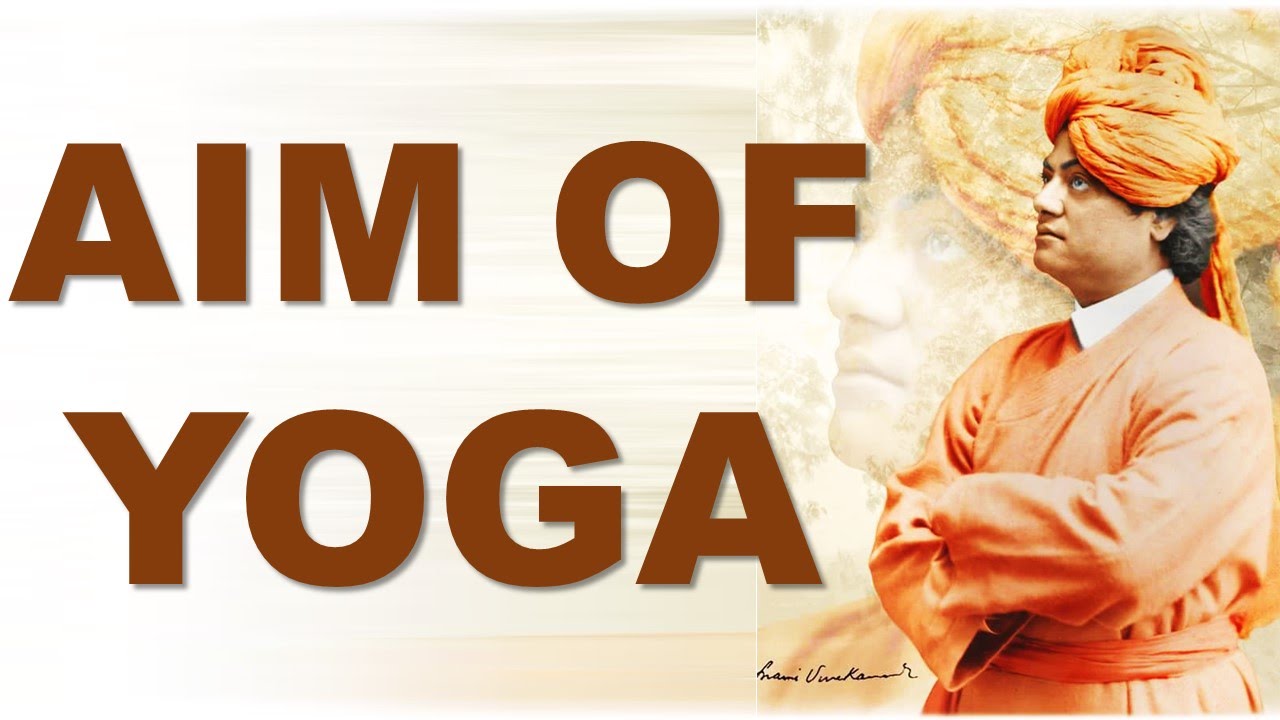
Patanjali Yoga Sutra – Samadhi Pada – Aim of Yoga(1.2)

Patanjali Yoga Sutra – Samadhi Pada – Aim of  Yoga(1.2) Aim of  Yoga 1.2. Yogas chitta vrtti nirodhah, Yogas-yoga Chitta-mind or consciousness Vrtti-patterns or modifications Nirodhah-blocking or annnihilating To annihilate the modifications of mind is Yoga. #200 hour Yoga teacher training certificate course in Bangalore #100/200/300/500 hour Yoga teacher training India

Read More »

Transforming self by better Understanding of Yama and Niyama(Best yoga teacher training course in India)

Transforming self by better Understanding of Yama and Niyama Patanjali’s Astanga Yoga(eight limbs of yoga) Despite the fact there is a pronounced tendency towards world negation in Classical Yoga, the yogic path advocated by patanjali is not devoid of all social values. Under the heading of yama or ‘restraint’ are subsumed five ethical rules which can be considered the fundamental property of all major religious. #200 hour Yoga teacher training certificate course in Bangalore (1) YAMA ahimsa – non – hurting satya – truthfulness asteya – non – stealing brahmacarya – brahmanic conduct aparigraha – non-possessiveness These constitute the ‘great vow’ (maha–vrata) and in the Yoga Sutra are enjoined to be practised irrespective of place, time, circumstances and one’s particular social status. They are meant to being under control man’s instinctual life, which is seen as the root – cause of his confusion, distress and suffering. #200 hour Yoga teacher training certificate course in Bangalore Ahimsa or ‘Non-Hurting The most fundamental of all moral injunctions is ahimsa or ‘non –hurting’. The usual translation of this Sanskrti term with ‘non – killing’ does not convey its full meaning. It is in fact non – violence in thought and deeds. It is the root of all other ethical norms. Satya or truthfulness No virtue is more excellent than truthfulness, no sin greater than (telling) the untruth. Therefore the (virtuous) man should seek refuge in truthfulness with all his heart. Without truthfulness the recitation (of sacred mantras) is useless, without truthfulness austerities are as unfruitful as seed (which falls on) barren land. #200 hour Yoga teacher training certificate course in Bangalore Asteya or Non – Stealing Asteya or ‘non – stealing’ is closely related to non – harming, since the unauthorized appropriation of thing of value from another causes that person pan. Brahmacarya or Chastity       Brahmacarya or ‘chastity’ is considered of vital importance in Yoga. It is defined as the abstention from sexual activity, either in deed, thought or verbally. Some authorities, like the Darsana – Upanisad, relax this rule for the married yogi. Sexual stimulation interrupts the continuous directedness of the yogi mind towards the Absolute and feeds his hunger for sensory experience. #200 hour Yoga teacher training certificate course in Bangalore Aparigraha or Greedlessness Aparigraha or ‘greedlessness’ is defined as the non – acceptance of gifts because of the various disadvantages arising out of the possession of material things, such as one’s attachment of them or one’s fear of less.             Each of these five rules is thought to procure, when mastered, certain powers. Thus, perfect non – harming yields suspension of all enmity in the yogi presence. Perfect truthfulness maker come true whatever he says. Perfect abstinence from theft brings him effortlessly treasures of all kinds. Through perfect abstinence from gifts he acquires insight into the conditions of his former existences and his present birth. And sexual abstinence increases his vigour and vitality. Niyama – Self – Discipline            whereas the five rules of yama are designed to harmonize the social relationships of the yogi and purity his mind from the three ‘gates to hell’, viz desire, anger and greed, the five rules of niyama or ‘self –discipline’ are intended to regulate his relationship to the transcendent Reality. The five norms are: sauca – purity samtosa – contentment tapas – austerity svsadhyaya – self – study isvara – pranidhana – devotion to the Lord Sauca or Purity #200 hour Yoga teacher training certificate course in Bangalore Sauca or ‘purity’ covers a wide range of practices. It is cleanliness in the widest possible sense, as bodily and mental purity. It heightens the yogi sensitivity, leads to a certain distance towards one’s body and is accompanied by the desire to avoid close contact with other beings as much as possible. The yogi whole being must become as pure as the eternally undefiled self (purusa). Samtosa or Contentment Samtosa or ‘contentment’ results from the yogi detachment from worldly objects. In as much as he cares not for the accumulation of securing of possessions, nor expects anything from anybody he is sufficient unto himself. He rests content with whatever comes his way, his mind being concentrated solely on the supreme good of emancipation. Samtosa is closely on the supreme or ‘equanimity’ as taught in the Bhagavad–Gita. Its highest manifestation is the all – embracing ‘vision of sameness’ (sama – darśana); everywhere and in everything the yogi beholds but he one. #200 hour Yoga teacher training certificate course in Bangalore Tapas or Austerity Tapas or austerity covers such archaic practices as fasting, exposing oneself to extreme heat or cold, standing erect and still for a long time or keeping absolute silence for a certain period of time. These techniques derive from the oldest sutra of yogic experimentation. Tapas must not, however, deteriorate into senseless self – torture. Patanjali states plainly that properly executed, tapas strengthens and perfects the body. Svadhyaya or Self Study Svadhyaya or ‘self study’ has a double aspect. It stands for the absorption into the sacred literature and for the simultaneous mental concentration and introversion. It means literally ‘one’s own going into’. It is meditative recitation, either silent or aloud, of the holy texts. Later authorities, like king Bhoja, simply interpret it as ‘recitation of mantras’. Like tapas, ‘self study’ is an archaic element of Yoga. Isvara –pranidhana or Devotion to the Lord Isvara –pranidhana or ‘devotion to the Lord’ is defined in the Yoga – Bhāsya, as the ‘offering up of all deeds to the supreme teacher’, which is the idea of Karma yoga as expressed in the Bhagavad – Gita. The supreme teacher is of course the ‘lord’ (isvara-purusa) among the multiplicity of transcendental self monads. Elsewhere in the Yoga – Bhasya (I.23), the word pranidhana is explained as a ‘special love’ through which the yogi gains towards emancipation. The strange concept of the ‘lord’ will be dealt with more dully in the section on theology. #200 hour Yoga teacher training certificate course in Bangalore

Read More »

Cultivating Awareness by Asana or Posture

Cultivating Awareness by Asana or Posture The first two members of the eightfold path, yama and niyama, strictly regulate the yogi social contacts and his personal life. This is intended to reduce the production of unwholesome volition which would only increase his stock of karma involving him further in conditioned existence. His sole goal is to eradicate completely all karma stored in his depth consciousness in the form of subliminal impressions (samskara). For this transformation of consciousness maximum quiet is called for. The yogi has to establish himself in a place where his inner work will not be interrupted by external stimuli. #200 hour Yoga teacher training certificate course in Bangalore The first step is to immobilize the body in one of the many ‘postures’ prescribed for meditative absorption in the yoga texts. The posture or asana keeps the body steady and relaxed. By withdrawing and folding together his limbs, the yogi achieves an immediate change of mood which greatly aids his single – mindedness. The history of the meditative postures reaches far back into the past. Probably the earliest depiction of as asana is on a seal found during the excavations of Mohenjo Daro in the Indus valley. It is impossible to say when and where they yogic ‘posture’ first originated. It is presumably a natural development of the crouched position so common among eastern people who generally chairs. #200 hour Yoga teacher training certificate course in Bangalore Asana meant at first only meditative seat. During the rise of Tantrism, however at first, when the body moved more into the focus of attention, the physiological side –effects of asana began to be seriously investigated. The heyday of the asana as a meditative and health – giving practice was connected with the emergence of Hatha yoga. The asana was made up into instrument for strengthening and perfecting the physical frame so that it might endure the stress of the vigorous spiritual exercises demanded in Tantrism. The description of a particular ‘posture’ in the yoga texts is often appended with the refrain tat – sarva – vyādhi – vinasakam or ‘this is the destroyer of all diseases’. Patanjali prescribes no special posture but emphasizes that it should be steady and comfortable, to cultivate awareness #200 hour Yoga teacher training certificate course in Bangalore

Read More »

Beginner’s Guide to Pranayama: The control of the life-force

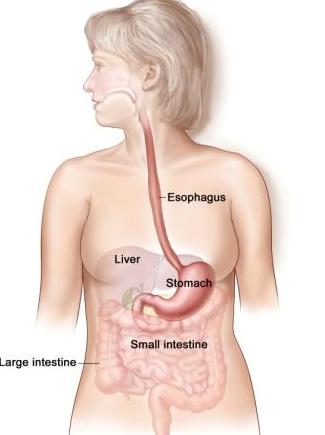
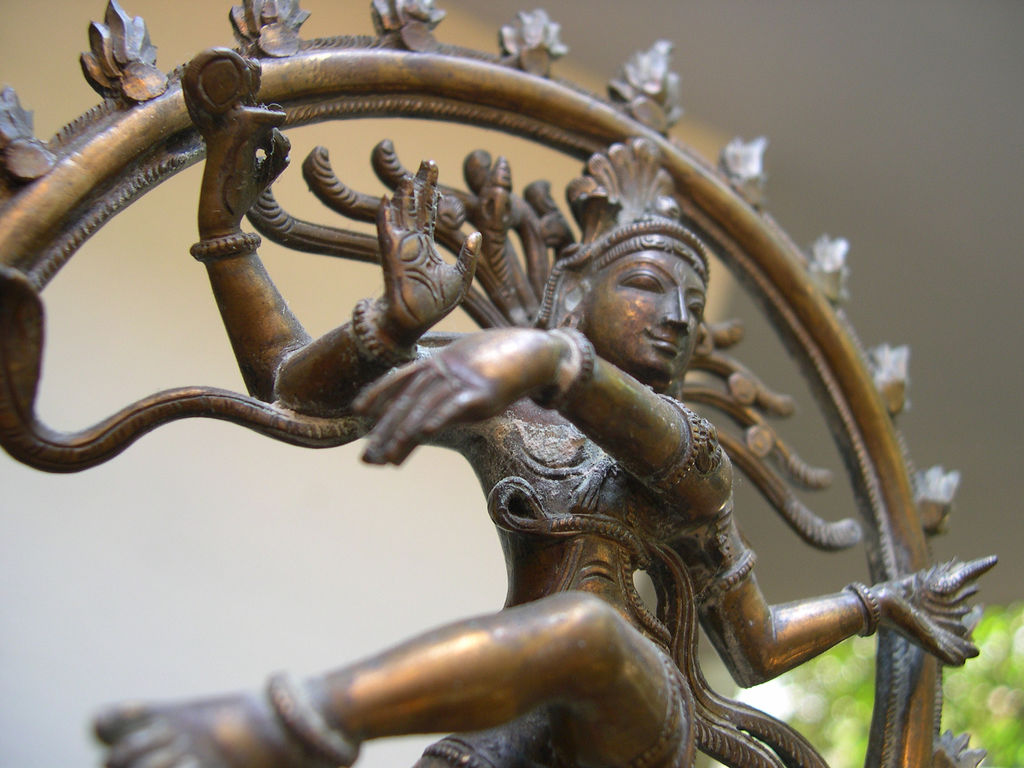
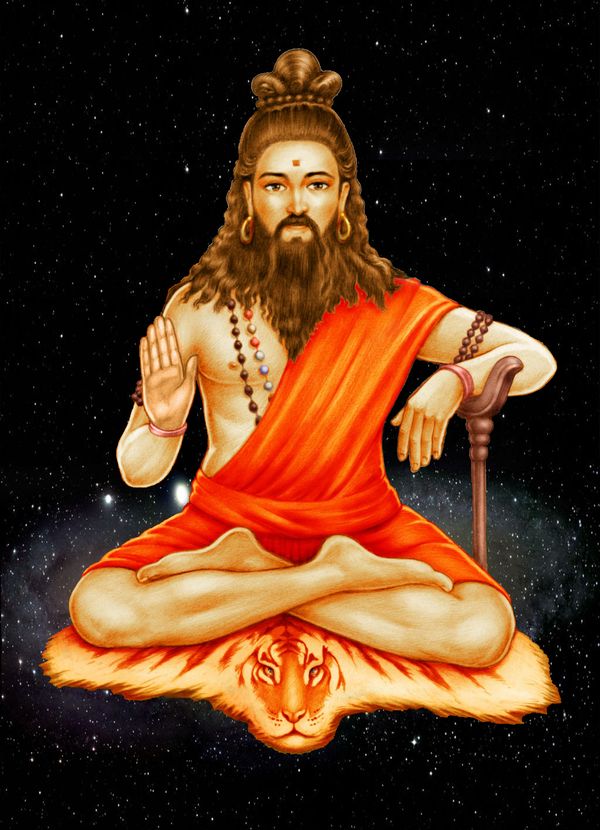
Beginner’s Guide to Pranayama:  The control of the life-force             The asana, when practised successfully, affects a marked internalization of consciousness. Therefore it is said to make the yogi insensitive to the impact of the ‘pairs of opposites’ (dvandva) such as heat and cold, light and darkness, quiet or noise, etc. The next step consists in the ‘energizing through the practice of pranayama or the ‘control of the life force’. Prana should not be identified with mere breath. It is the all – penetrating energy which sustains all organic life, breathing being merely its external aspect. That rhythmic inhalation and exhalation as well as aspect. That rhythmic inhalation and exhalation as well as prolonged retention of the breath have a powerful effect on the mind must have been discovered early in the history of Yoga, presumably in connection with ritual chanting. In the Atharvaveda already the various ‘functions’ of Prana are distinguished. In subsequence times pranayama became one of the chief means of checking the ever-fickle mind. As the Yogasiksha – Upanisad declares. #100/200/300/500 hour Yoga teacher training India Consciousness (citta) is connected with the life force indwelling in dwelling in all beings. Like a bird tied to a sting so is this mind. The mind is not brought under control by many considerations. The (only means for its control is nothing else but the life force. #100/200/300/500 hour Yoga teacher training India             In addition to its ‘energizing’ function, pranayama is also meant to cure the normal irregularities of breathing which disturb the yogi concentration. Greatest focalization of consciousness is achieved in the state of suspended breathing (kumbhaka). This is the moment between inhalation (puraka) and exhalation (recaka). Patañjali speaks furthermore of a ‘fourth’ rhythm of breathing which probably refers to the involuntary respiratory activity during deep absorption and ecstasy. #100/200/300/500 hour Yoga teacher training India             In Hatha yoga pranayama plays a dominant role, where it is employed both a means of internalizing consciousness and as a medical tool to cure illnesses according to the tantric maxim that and bhakti or spiritual life and worldly enjoyment are not opposed to each other. #100/200/300/500 hour Yoga teacher training India

Read More »

How to control your mind: Pratyahara or Sense – withdrawal

How to control your mind: Pratyahara or Sense – withdrawal Both ‘posture’ and the ‘control of the life –force’ lead to a progressive desensitization to external stimuli. When the mind has become completely sealed off from the objective environment, the condition of perfect sense – withdrawal or pratyahara occurs. The Sanskrit texts compare this process to a tortoise contracting its limbs. In the Mahabharata, sense withdrawal is pertinently described in these words; #Yoga teacher training certification course near me The self (atman) cannot be perceived with the sense which disunited scatter to and fro and are difficult to restrain for those whose self is not prepared. #Yoga teacher training certification course near me Clinging thereto (i.e to the highest reality), the sage should, through absorption, concentrate his mind to one point by ‘clenching’ the host of the sense and sitting like a log. He should not perceive sound with his ear, not feel touch with his skin. He should not perceive form with his eyes and not taste tastes with his tongue. #Yoga teacher training certification course near me Also, the knower of Yoga should, through absorption, abstain from all smells. He should courageously reject these agitators of the group of five (sense). #Yoga teacher training certification course near me

Read More »

How to Focus on single object: Dharana or Concentration

How to Focus on single object: Dharana or Concentration As a direct continuation of the process of withdrawal from external reality, concentration is the ‘holding of the mind in a motionless state’, as the Trisikhi – Brahmana – Upanisad (3I) defines this advanced practice. Concentration means the focusing of one’s total attention to a given point (desa), which may either be a particular part of the body (viz cakra) or, more rarely, an external object (viz image of a deity). Concentration or dharana, from the root dhr (‘to hold’), is ‘one pointedness’ (ekagrata) of the mind directed towards a definite object which is intended to be grasped in its essential nature through the process of meditative absorption and ecstatic identification (samādhi). #Yoga teacher training certification course near me The Endeavour to internalize and four consciousness deer not come naturally but requested effort. The yoga – sutra (I.30) mentions a number of ‘obstacles’ which are apt to occur in the course of one’s attempt to bridle the mind. These are illness, languor, doubt heedlessness, slothfulness, dissipation, meditative absorption and the inability to abide in these states. Pain, dejection, trembling of the body and erratic breathing are the natural concomitants of faulty practice, #Yoga teacher training certification course near me

Read More »

A Beginner’s Guide to Practice, Meditation, and the Patanjali Yoga Sutras

A Beginner’s Guide to Practice, Meditation, and the Patanjali Yoga Sutras Prolonged and deep concentration leads to the state of meditative absorption of dhyana, in which the object held in the mind fills the entire consciousness ‘space.’ All arising ideas (pratyaya) gyrate round the object of concentration and are accompanied by an emotive disposition, which can be described as ‘peaceful’ or calm. There is no loss of lucidity; rather, the sense of wakefulness appears to be intensified. # Best yoga teacher training certification courses in Bangalore The purpose of meditative absorption is to intercept the flux of ordinary mental activity (vrtti), which comprises the following five categories: pramāṇa – right knowledge derived from perception, inference or testimony viparayaya—wrong knowledge vikalpa – conceptual knowledge nidra – sleep smirti – memory The first two kinds of mental activity are disposed of by the practice of sense withdrawal. The tendency for conceptualization gradually diminishes as the absorption deepens. Memory, which feeds the mechanically arising thought fragments, is the last to be blocked out. However, its full elimination takes place only in the highest type of ecstatic realization when the ‘unconscious’ material (i.e., the subliminal impressions or samskaras) is completely transformed into Being Awareness. This ‘memory’ can be said to have two aspects, a ‘gross’ one, which is rooted out at the culmination of the ecstasy devoid of object mental activity, called asamprajnata-samadhi. # Best yoga teacher training certification courses in Bangalore This means that the ‘restriction (nirodha) of the mental whirls takes place on three distinct levels: Vriti-nirodha-restriction of the five categories of gross mental activity in meditative absorption; Pratyaya-nirodha-restriction of the presented ideas in the object-oriented ecstasy (samprajnata-samadhi); Samskara-nirodha—restriction of the subliminal impressions in the subject-oriented ecstasy (asamprajnata-samadhi). # Best yoga teacher training certification courses in Bangalore

Read More »

Growing Into All Eight Limbs of Yoga: Patanjali’s Astanga Yoga

Despite the fact there is a pronounced tendency towards world negation in Classical Yoga, the yogic path advocated by patanjali is not devoid of all social values. Under the heading of yama or ‘restraint’ are subsumed five ethical rules which can be considered the fundamental property of all major religious. #Best yoga teacher training certification courses in Bangalore (1) YAMA ahimsa – non – hurting satya – truthfulness asteya – non – stealing brahmacarya – brahmanic conduct aparigraha – non-possessiveness These constitute the ‘great vow’ (maha–vrata) and in the Yoga Sutra are enjoined to be practised irrespective of place, time, circumstances and one’s particular social status. They are meant to being under control man’s instinctual life, which is seen as the root – cause of his confusion, distress and suffering. #Best yoga teacher training certification courses in Bangalore Ahimsa or ‘Non-Hurting The most fundamental of all moral injunctions is ahimsa or ‘non –hurting’. The usual translation of this Sanskrti term with ‘non – killing’ does not convey its full meaning. It is in fact non – violence in thought and deeds. It is the root of all other ethical norms. #Best yoga teacher training certification courses in Bangalore Satya or truthfulness No virtue is more excellent than truthfulness, no sin greater than (telling) the untruth. Therefore the (virtuous) man should seek refuge in truthfulness with all his heart. Without truthfulness the recitation (of sacred mantras) is useless, without truthfulness austerities are as unfruitful as seed (which falls on) barren land. #Best yoga teacher training certification courses in Bangalore Asteya or Non – Stealing Asteya or ‘non – stealing’ is closely related to non – harming, since the unauthorized appropriation of thing of value from another causes that person pan. #Best yoga teacher training certification courses in Bangalore Brahmacarya or Chastity       Brahmacarya or ‘chastity’ is considered of vital importance in Yoga. It is defined as the abstention from sexual activity, either in deed, thought or verbally. Some authorities, like the Darsana – Upanisad, relax this rule for the married yogi. Sexual stimulation interrupts the continuous directedness of the yogi mind towards the Absolute and feeds his hunger for sensory experience. Aparigraha or Greedlessness Aparigraha or ‘greedlessness’ is defined as the non – acceptance of gifts because of the various disadvantages arising out of the possession of material things, such as one’s attachment of them or one’s fear of less. #Best yoga teacher training certification courses in Bangalore             Each of these five rules is thought to procure, when mastered, certain powers. Thus, perfect non – harming yields suspension of all enmity in the yogi presence. Perfect truthfulness maker come true whatever he says. Perfect abstinence from theft brings him effortlessly treasures of all kinds. Through perfect abstinence from gifts he acquires insight into the conditions of his former existences and his present birth. And sexual abstinence increases his vigour and vitality. Niyama – Self – Discipline             whereas the five rules of yama are designed to harmonize the social relationships of the yogi and purity his mind from the three ‘gates to hell’, viz desire, anger and greed, the five rules of niyama or ‘self –discipline’ are intended to regulate his relationship to the transcendent Reality. The five norms are: sauca – purity samtosa – contentment tapas – austerity svsadhyaya – self – study isvara – pranidhana – devotion to the Lord Sauca or Purity Sauca or ‘purity’ covers a wide range of practices. It is cleanliness in the widest possible sense, as bodily and mental purity. It heightens the yogi sensitivity, leads to a certain distance towards one’s body and is accompanied by the desire to avoid close contact with other beings as much as possible. The yogi whole being must become as pure as the eternally undefiled self (purusa). #Best yoga teacher training certification courses in Bangalore Samtosa or Contentment Samtosa or ‘contentment’ results from the yogi detachment from worldly objects. In as much as he cares not for the accumulation of securing of possessions, nor expects anything from anybody he is sufficient unto himself. He rests content with whatever comes his way, his mind being concentrated solely on the supreme good of emancipation. Samtosa is closely on the supreme or ‘equanimity’ as taught in the Bhagavad–Gita. Its highest manifestation is the all – embracing ‘vision of sameness’ (sama – darśana); everywhere and in everything the yogi beholds but he one. #Best yoga teacher training certification courses in Bangalore Tapas or Austerity Tapas or austerity covers such archaic practices as fasting, exposing oneself to extreme heat or cold, standing erect and still for a long time or keeping absolute silence for a certain period of time. These techniques derive from the oldest sutra of yogic experimentation. Tapas must not, however, deteriorate into senseless self – torture. Patanjali states plainly that properly executed, tapas strengthens and perfects the body. #Best yoga teacher training certification courses in Bangalore Svadhyaya or Self Study Svadhyaya or ‘self study’ has a double aspect. It stands for the absorption into the sacred literature and for the simultaneous mental concentration and introversion. It means literally ‘one’s own going into’. It is meditative recitation, either silent or aloud, of the holy texts. Later authorities, like king Bhoja, simply interpret it as ‘recitation of mantras’. Like tapas, ‘self study’ is an archaic element of Yoga. Isvara –pranidhana or Devotion to the Lord #Best yoga teacher training certification courses in Bangalore Isvara –pranidhana or ‘devotion to the Lord’ is defined in the Yoga – Bhāsya, as the ‘offering up of all deeds to the supreme teacher’, which is the idea of Karma yoga as expressed in the Bhagavad – Gita. The supreme teacher is of course the ‘lord’ (isvara-purusa) among the multiplicity of transcendental self monads. Elsewhere in the Yoga – Bhasya (I.23), the word pranidhana is explained as a ‘special love’ through which the yogi gains towards emancipation. The strange concept of the ‘lord’ will be dealt with more dully in the section on theology. Asana

Read More »

Yoga, Health, and the Self

Yoga, Health, and the Self Yoga and Health   Real health The concept of health in yoga is not merely physical health. Health is mental as well as well as physical. The word used for health is arogya meaning, absence of factors, which irritate the mind. One essential difference between yoga and other forms of exercise is that most physical activities like sports use the arms and legs and less emphasis is on the vital organs; where are yoga concentrates more on the flexibility of the organs in the thoracic abdominal cavity. #Yoga teacher training certificate  course fees in Bangalore Difference between Yogic practice and exercise The reason for cultivation of the spine is obvious. It is said that Man is as old as his spine. Rigidity causer ill health more flexible the spine, the more likely you are to stay young and vibrant. Yoga postures are unparallel in keeping the spine flexible so this is the first principle of health in yoga. The second principle is the efficient functioning of the vital organs. Not only do the postures practiced for the spine affect these organs by promoting blood circulation and improving nutrition, but there are special exercises, which directly affect the liver, spleen, and pancreas. Uddiyana Bandha is only one example. It toner up all these organs in the abdominal cavity. #Yoga teacher training certificate  course fees in Bangalore Practicing yoga is a god investment in your health, for the simple reason that, unlike other forms, of exercise, it deer not burn up energy, it conserve it. Furthermore, vigorous exercise produce toxin in the form of lactic acid, the waste product of muscle movement, and so you experience aches and pains. Yoga does not cause this kind of effect, so with the minimum of effort you get the maximum benefit. #Yoga teacher training certificate  course fees in Bangalore According to the World Health Organization (WHO) the state of health is defined as a state of complete Physical, Mental, Social and Spiritual well being and not merely an absence of diseases or infirmity Physical Dimension of Health You have a number of physiological and structural characteristics that you can call on to aid you in accomplishing you development tasks. Among these physical characteristics are your level of susceptibility to disease, body weight, visual acuity, strength, coordination, level of endurance, and powers of recuperation. In certain situations the physical dimension of your health may be the most important dimension. Perhaps this is why many authorities have for so long equated health with the design and operation of the body. #Yoga teacher training certificate  course fees in Bangalore Emotional Dimensions of Health You also possess certain emotional characteristics that can did you as you grow and develop. The emotional dimension of health includes the degree to which your are able to cope with stress, remain flexible, and compromise to resolve conflict. Your growth and development can have associated with them some vulnerability, which may lead to feelings of rejection and failure that could reduce your overall productivity and satisfaction. People who consistently try to improve their emotional health appear to lead lives of greater enjoyment than those who left feelings of vulnerability overwhelm them or block their creativity. #Yoga teacher training certificate  course fees in Bangalore Social Dimension of Health A third dimension of total health is that of social abilities. Whether you label these as social grace, skills, or insights, you probably have much strength in this area. Because most of your growing and developing has been undertaken in the presence of others, you can appreciate how this dimensions of your health maybe a critically important factor in your life. The social abilities of many nontraditional students may already be firmly established. Entering college may encourage them to develop new social skills that help them socialize with their traditional – age student colleagues. After being on campus for a while, nontraditional students often interact comfortable with traditional students in such diverse places as the library, the student center, and the bookstore. This interaction enhances the social dimensions of health for both types of students. #Yoga teacher training certificate  course fees in Bangalore Intellectual Dimension of Health Your ability to process and act on information, clarify values and beliefs, and exercise your decision making capacity ranks among the most important aspects of total health. Coping skills, flexibility, or the knack of saying the right thing at the right time may not serve you as well as does your ability to use information or understand a new idea. Certainly a refusal to grasp new information or to undertake an analysis of your beliefs could hinder the degree of growth and development your college experience can provide. #Yoga teacher training certificate  course fees in Bangalore Spiritual Dimension of Health The fifth dimension of health is the spiritual dimension.16 although you certainly could include your religious beliefs and practices in this category, we would extend it to include your relationship to other living things, the role of a spiritual, direction in your life, the nature of human behavior, and your willingness to serve others. All are important components of spiritual health. #Yoga teacher training certificate  course fees in Bangalore

Read More »

Yoga philosophy of Buddhism

Yoga philosophy of Budhism The Buddha was dedicated Yogi with a passion for meditative absorption, and his doctrine was primarily designed to who a concrete way out of the maze of sorrowful existence. The yoga of the Buddha comprises eight distinct members. #Yoga teacher training certificate  course fees in Bangalore Samma – ditthi – right, the realization of the transiency of conditioned existence Samma sankalppa – ‘right resolve’ the threefold decision to renounce what is ephemeral, to practice benevolence and not to hurt any being. Samma vaca ‘right speech’, the abstention from idle and false talk Samma – kammanta ‘right behviour’ the proper moral conduct Samma –ajiva ‘right livelihood’ the lay followers duty to pursue an occupation which does not demand the harming of beings Samma vayama ‘right exertion, the warding off of unwholesome mental activity, chiefly by means of controlling the emotive reactions to external stimuli Samma sati – ‘right mindfulness’, the cultivation of awareness of the psychosomatic processes; Samma Samadhi – ‘right unification, the practice of certain techniques for the internalization of consciousness.#Yoga teacher training certificate  course fees in Bangalore             The Yogic nature of the Buddha’s path is further demonstrated by the use of such techniques as ‘Posture’ (asana) and ‘control of the life force’ (pranayama). The most commonly adopted meditational posture is the Pallanka-seat, seat, as depicted on innumerable seated. Buddha status. The texts emphasize ‘erect bodily posture’ (uju – kaya), the Buddhist technical term for ‘vital – force’ (prana) is ‘creative constituent of the body’ or Kaya –sankhara. As opposed to the Hindu schools of yoga, Buddhism does not advocate the stopping of the vital force in the form of violent breath retention. The practitioner is instead advised to follow the movement of the breath with the mind. This is a particular the application of the techniques of ‘mindfulness’ (sati). This practice, known as sati – patthana, is widely employed in modern Theravada (the oldest surviving school of Hinayana). #Yoga teacher training certificate  course fees in Bangalore The yogi who has penetrated though all delusive phenomena by virtue of his single mindedness in the highest stage of jhana enters nibbana. Because the Buddha denied the notion of a continuous entity abiding with the flux of phenomenal existence, he has been accused of nihilism, but against this charge he defended himself on several occasions. Thus when emancipation is attained, it is no longer possible to say anything meaningful about the nature of the liberated ‘being – whether he is or is not. For the extinguished one there is no measure and there is nothing to define him by. When all phenomena (dharma) disappear all ways of language also cease. #Yoga teacher training certificate  course fees in Bangalore

Read More »

Yoga in the Mythology: Puranas

Yoga in the Puranas   The Puranas are a group of sacred writings which contain a wealth of mythological, historical, philosophical, ritualistic, scientific and not least yogic traditions. Ideally a Purana – the word means ‘ancient’ –should deal with five topics: #Best100/200/300/500 hour yoga teacher training India sarga – creation pratisarga – dissolution vamsa – genealogy (of gods and saints) manvantara –description of the word – ages vamsa –anucarita – genealogy of kings Most of the important puranas deal with Yoga in a more or less detailed manner, e.g. the Visnu, Bhagavata, Markandeya, Agni, Matsya, Garuda, Siva, Bhagavata, Markandeya and the Garuda Purana. Siva Purana #Best100/200/300/500 hour yoga teacher training India The Siva purana speaks of three types of yogis who worship Siva: kriya yogi – who is engaged in sacred rites tapo yogi – who desists from hurting others and practices sense withdrawal and also performs various kinds of worship; Japa yogi – who always performs japa (recitation) and is free from all desires and maintains all the observances of the other two types as well. Japa is practised with the five syllable mantra of Siva: namah Sivaya, homage to Siva. Elsewhere in this text five divisions of yoga are mentioned: #Best100/200/300/500 hour yoga teacher training India mantra yoga – concentration on the meaning of the mantra sparsa yoga – as above plus the practice of the control of the life force (pranayama) bhava yoga – the recitation of the mantra is dropped abhava yoga – the universe is contemplated maha yoga – the nature of Siva is contemplated. Bhagavata Purana #Best100/200/300/500 hour yoga teacher training India The yoga enunciated in the Bhagavata Purana follows closely the theistic line of the Bhagavad  Gita. Yoga is primarily the wholehearted contemplation of the supreme  Narayana or Krsna, who is considered the supreme refuge of yoga. Krsna is depicted as outlining the method of this yoga. From this description it is evidence that this particular teaching incorporates a good deal of breathing techniques, characteristic of most tantric forms of yoga. A triple yoga is taught: jnana is valuated higher than karma which is meant for all those who have not yet acquired perfect distaste for worldly objects. #Best100/200/300/500 hour yoga teacher training India Markandeya  Purana Yoga is also dealt with in the Markandeya  purana which speaks in detail about the qualities of a person suitable for yoga and the environmental conditions necessary of success in its practice. The body is recognized as an important instrument for making spiritual progress. According to the text the mark of perfection in yogi is that sat in which no being fears him, nor does he fear others. The yogis are subdivided according to the predomi  nance of either of the three gunas. They are also distinguished by their achievement on the path. #Best100/200/300/500 hour yoga teacher training India pratibha – stage – the yoga comprehends all the sacred scriptures and others branches of knowledge sravanda – stage – he known all the whorls and their meaning daiva – stage – he perceives everything including the deities bhrama – stage – his mind is fickle and without proper support which impedes his progress. #Best100/200/300/500 hour yoga teacher training India





Read More »
Worldwide Yoga Training Courses

Anatomy & Physiology benefits of Surya Namaskara on Different Systems of Human Body

  Surya Namaskara practice interacts with the physical organs of the body directly, by applying pressure, massaging, stretching and generally toning up and supporting internal tissue structures. This aids the eliminative functions as well as stimulating nervous energy. It enhances our wellbeing. #Yoga, Anatomy, Physiology, Kinesiology and Bio-Mechanism Yoga Teacher Training certificate  Course Respiratory System In suryanamaskara a deep rhythmic breathing process is synchronized with each movement, which completely empties the lungs of all, traces of stale gas and refills them with fresh, clean, oxygenated air. All the pockets of the lungs are expanded stimulated and then cleaned. The oxygen content of the blood is increased, which improves the overall vitality and oxygenation of the cells and tissue of the body and brain. Sluggishness and lethargy are rapidly overcome. This practice is also good for the prevention of diseases such as tuberculosis, which develop in the little used, stagnant regions of the lungs. #Yoga, Anatomy, Physiology, Kinesiology and Bio-Mechanism Yoga Teacher Training certificate  Course Circulatory System The regular practice of suryanamaskara improves flow of blood, to speeds up the elimination of morbid matter and introduces fresh oxygen and nutrient of all the cells, and general circulation is improved. The cardiac muscles are strengthened. Microcirculation to the heart is increased and reducing the chances of heart attack. Sluggish circulation, cold hands and feet, blood vessel diseases and general fatigue can also be eliminated. The circulation of lymph, which is prime importance in fluid balance and in combating infections, is toned, the body gains an increased resistance to infections, and a better ability to heal. #Yoga, Anatomy, Physiology, Kinesiology and Bio-Mechanism Yoga Teacher Training certificate  Course Digestive System The alternate stretching and compressing movements of suryanamaskara tone the whole digestive system by thoroughly massaging all the abdominal viscera. This not only enhances elimination but also increases the digestive fire, promoting a healthy appetite, and complete and rapid assimilation of food. Skin #Yoga, Anatomy, Physiology, Kinesiology and Bio-Mechanism Yoga Teacher Training certificate  Course The skin is the important and largest body organ and apart from holding the body together serves to regulate body temperature, as well as excreting waste matter through perspiration. When there is an excess of poisonous matter in the blood, it comes out through the skin in the form of boils, rashes and pimples. As Surya Namaskara produces perspiration, speeds up circulation and enhances the elimination of wastes through the digestive and urinary systems, it cleanses and endows the Practitioner with a clean, glowing complexion, which is an important sign of health. Many skin disease caused by subcutaneous toxin deposits, such as pimples and eczema, can be removed. Bad odors from the body are eliminated, and the overall circulation of blood to the skin is improved. When Surya Namaskara is practiced in the early morning hours while facing the rising sun, ultraviolet light rays are absorbed through the skin. At sunrise, these rays are at their greatest intensity and are thought to be very beneficial for healthy as well as being responsible for vitamin D production. Nervous System #Yoga, Anatomy, Physiology, Kinesiology and Bio-Mechanism Yoga Teacher Training certificate  Course In the twelve movements of Surya Namaskara, the spinal column is systematically stretched and compressed to the maximum extent, stimulating circulation in the whole spinal cord, and all nerve plexuses. Surya Namaskara tones nerve flows by stimulating internal organs. It stretches organs. It stretches nerves, works on the spine and activates brainCenters. The whole nervous system is activated and seems to wake up. The Endocrine System #Yoga, Anatomy, Physiology, Kinesiology and Bio-Mechanism Yoga Teacher Training certificate  Course The endocrine glands are the most vital and mysterious of all systems of the body. They play an overall role in the coordination and integration of all physiological process and yet very little are actually known about them. The main function of the endocrine glands is the production and secretion of hormones, chemical substances are released into the bloodstream and carried throughout the body to act upon particular organs. Pituitary Gland The pituitary gland is master gland of human body. It has many hormonal secretions, which control the body’s growth and development. By increasing the flow of blood to the head andthrough its effects on the nervous system. Surya Namaskara stimulates the hypothalamus, which regulates the pituitary action. The practice of surya Namaskara thereby has a direct and beneficialeffect on this vital centre and the whole body. Pineal Glan #Yoga, Anatomy, Physiology, Kinesiology and Bio-Mechanism Yoga Teacher Training certificate  Course The pineal gland is a situated in the brain. Yogic Science states that it has a vital function and acts as connecting link between the different levels of awareness above and beyond the Physical plane. Surya Namaskara plays an ideal role in the maintenance of this important gland. Pancreas #Yoga, Anatomy, Physiology, Kinesiology and Bio-Mechanism Yoga Teacher Training certificate  Course The Pancreas is located behind the stomach at the level of the solar plexus. Parts of this important gland produce the hormone insulin, which controls the body’s ability to store and utilize sugar. Surya Namaskara compresses the abdominal organs, which press onto the pancreas especially during backward bending in bhujangasana. #Yoga, Anatomy, Physiology, Kinesiology and Bio-Mechanism Yoga Teacher Training certificate  Course

Read More »

A classical Sun Salutation to Restore Your Body and Soul

A classical Sun Salutation to Restore Your Body and Soul Surya Namaskara Surya Namaskara is a well-known technique within the yogic practices. Its versatility and application make it one of the most useful methods to induce a healthy, vigorous and active life and at the same time prepare for spiritual awakening and the resultant expansion of awareness. Surya Namaskara, meaning “salutation to the sun #Yoga teacher training certification course near me ”, can be seen as a form of worship of the sun, amend all that it represents on the micro and macrocosmic levels. In yogic terms this indicates that the practice of Surya Namaskara awakens the solar aspects of man’s nature and releases this virtual energy for the development of higher awareness. This can be realized by the practice of Surya Namaskara each morning as well as being fine way to pay tribute to the source of creation and life #Yoga teacher training certification course near me Surya is sun. Namaskara is to name, to greet. Surya Namaskara is Sun Salute. This vinyasa is traditionally practiced in the morning before sunrise. It is invigorating and good for digestion. If the postures are donebetween jumping’s, the fast movements and quick change in position ensure freedom of movement, creating agility and flexibility and improving blood circulation. The dull brain becomes active and the brooding mind gets refreshed. #Yoga teacher training certification course near me Surya Namaskara There are twelve positions in classical Surya Namaskara. Twenty-five such Namaskaras form one avrtti(frequency). Surya Namaskara must be performed preferably in an open and airy place. Perform Surya Namaskara slowly without exerting too much or panting and puffing. There is one Mantra for each of the twelve Namaskäras- there by you also recites the 12 names of Sun. #Yoga teacher training certification course near me Procedure: In the first position of Surya Namaskara contemplate the virtues of Lord Surya with concentrated mind and feel that you are the friend of everybody and have friendship with every creature on the earth. Immersing yourself with these feelings stand erect stretching your hands, neck and all other parts of your body. Stretching both of your arms, touch your thighs with palms and inflate the chest and point your vision on the tip of the nose. This is a position of attention. #Yoga teacher training certification course near me Benefits: Disorders of the skin and waists are corrected; the back and the legs become strong. Focusing of the vision on nose helps to control the mind. It is an easy and effective way of attaining good health and development of personality for the students. Meditating with concentrated mind enhances confidence. 1st Step: Pranamasana (Prayer pose) Mantra: aum hram mitraya namah| Concentration: Heart centre (Anahata). Procedure: Stand erect with your chest out, feet together, knees pulled up and thighs tight like in Täòäsana. Bring your hands forward, in front of your chest as if in prayer, elbows straight and not drooping. Benefits: Good for the diseases of the throat and voice is enhanced. Both mind and body become healthy. 2ndStep: Hasta utthanasan (Raised arms pose) Mantra: aum hrim ravaye namah| Concentration: Neck centre (Visuddhi) Procedure: On inhale, stretch your arms up over your head, palms still together. Then arching back as far as you can go, stretch with your arms apart for next pose. Benefits: Both the shoulders and the food pipe (Esophagus) get exercise and diseases related to them are corrected. Eyesight is also improved. 3rdStep: Padahastasana (Hand to foot pose) Mantra: aum hrum suryaya namah| Concentration: Root of spinal column (Svadhisthana). Procedure: While exhaling, swing down from the hips keeping your upper body and torso straight. Without bending the knees place your hands on either sides of your feet flat on the mat, head as close to your knees as possible. #Yoga teacher training certification course near me Benefits: Disorders of the belly and digestive system are corrected. The chest and hands become stronger and you become well balanced, beautiful and good looking. Diseases of the feet and fingers are also corrected. 4th Step: Asva Sancalanasan (Equestrian pose) Mantra: aum hraim bhanave namah| Concentration: Eyebrow Centre (Ajna). Procedure: Inhale, bring the right foot to the back of the mat on the toes like a lunge. Using your finger tips for support and the left leg at a right angle start bending the extended leg at the knee towards the floor and look up. #Yoga teacher training certification course near me Benefits: The posture stretches the small intestine and the seminal vesicles. Hence this posture helps in correcting the constipation and diseases of the liver. Thinness of the semen is also corrected. Diseases of the throat are also corrected. 5thStep: Dandasan (Plank pose) Mantra: aum hroum khagyaa namah| Concentration: Neck Centre (Vishuddhi). Procedure: Retain your breath and extend your left leg back on your toes side by side, your right without moving the position of your hands and leg at all. Palms flat on the mat, keep your spine straight and elbows locked. Do not let your head or hips drop. It should look like you are about to do a push up. Benefits: One gets relief from the pains – especially of arms, legs and the knees. Bulging waist is trimmed and it is good for the abdominal disorders. #Yoga teacher training certification course near me 6thStep: Astanaga Namaskar (Salute with eight parts or points) Mantra: aum hrah pusne namah| Concentration: Behind Navel (Manipura). Procedure: Exhale, bending your elbows towards your body and going down as low as you can at the shoulders while keeping the rest of your body perfectly stiff exactly like a push up. Once down near the floor, bend and drop your knees, chest and forehead to the ground lightly touching in that order. Your hips and pelvic should still be raised. Eight points should be touching the floor in this step- forehead, chest, and two palms, both knees and both feet. #Yoga teacher training certification course near me Benefits: This posture makes

Read More »

The path of Royal Yoga: Raja Yoga

The path of Royal Yoga: Raja Yoga Let us understand royal path of Yoga The term raja-yoga means ‘royal Yoga’ and is most commonly used in distinction to hatha-yoga, the ‘yoga of force’. The latter has become very popular in the West though unfortunately, very often in regrettably distorted and bizarre from. #Yoga, Anatomy, Physiology, Kinesiology and Bio-Mechanism Yoga Teacher Training certificate  Course Aim of Raja Yoga For the adherent of raja-yoga, Yoga consists in ‘the restriction of the whirls of the mind’ (citta-vrtti-nirodha).  He conceives the diverse psycho-mental states as a source of never ending suffering and bondage.  The arrest (nirodha)  of the psychic flux is a preliminary condition for the final emancipation, that is there realization of the self. Practice (abhyasa) and dispassion(vairagya) The elimination of the mental fluctuations is procured by the two means, viz ‘Practice’ (abhyasa) and ‘dispassion’ (vairagya). ‘Practice’ is defined in the yoga – Sutra. As the effort of acquiring stability in the state of restriction, which gains solid ground only by constant, unceasing, devoted application in the correct way.  ‘Dispassion’, on the other hand, is the consciousness of mastery of some one who is free from the thirst after earthly or as is always stressed, ‘heavenly objects and pleasures #Yin, Restorative, Hatha, Vinyasa, Yoga Therapy Teacher Training Certificate Course After every thought, every emotion or any other internal act as been pacified and fully subdued the transcendent self (purusa, ‘man’) abides in its unrestricted splendor.  Normally the self identifies itself with the finite and limiting mind creating as it were a specific human personality this self-delusion is called  ‘nescience’ (avidya) which is the nourishing ground on which thrive egoism, attachment, aversion and thirst-of-life.  The revelation of the Self to itself happens only   in the deepest absorption, when the phenomenal consciousness is completely withdrawn from the body-mind complex and is ‘transformed’ into the  ‘witness’-consciousness as the supreme essence of man.  This illumination or realization is principally indescribable, though it is possible to communicate some of its distinct features mainly with the aid of paradoxes. #50/100/200/300/500 hr Yoga teacher training certificate course Bangalore Astanga Yoga Raja-yoga consists of eight spheres of application which are called the ‘eight’ members (asta-anga). These are: yama-‘restraint’ niyama-‘self-discipline’ asana-‘posture’ pranayama-‘control of life-force’ pratyahara-‘sense withdrawal’ dharana-‘concentration’ dhyana-‘absorption’ Samadhi-‘ecstasy’. Samadhi (super consciousness) The ecstasy experience (Samadhi) is either objective or subjective, samprajnata or asamprajnata.  The former is considered as a preparation for the latter in which the transcendent self becomes manifest.  This supreme realization coincides with the coveted attainment of emancipation or ‘aloneness’ (kaivalya), when man in his eternal essence has retracted all his projections into the finite universe.  The path of Raja yoga is delineated in full in the third section of this book. #Prenatal, Mudra Therapy, Yoga  Chanting & Meditation certificate Course

Read More »

Self-Awakening and Empowering through Mantra Yoga

Self-Awakening and Empowering through Mantra Yoga Mantra Yoga  The chanting of God’s name brings comfort to the body, mind and souls of human beings. Almost all religions believe in this Mantra chanting technique.  Hindus take the name of Rama or Krishna or any of the other deities.  Christians chant the name of Jesus and Moslems pray to Allah.  In the effort towards liberation, man clings to the divine name.  Mantra yoga is based on this principle.  It is practiced by repeating the holy name, which is called japa, practiced certain sacred formulas #Prenatal, Mudra Therapy, Yoga  Chanting & Meditation certificate Course It is common experience by everyone, that different sounds produce different effects.  Sound is caused by the movement of air, which creates pressure.  When this reaches our eardrums we are conscious of the sound.  Music has a soothing effect, while a shrill or jarring sound causes discomfort.  Thus sounds are associated with vibrations, and different kinds of sounds cause differing vibrations.  A singer with a deep enough voice can even break a plate of glass by merely singing near it.  The principle of Mantra yoga is similar.  A word or a mantra uttered in the proper manner can produce powerful molecular waves.  According to Swami Sivananda, The vibrations produced by the uttering of the word OM or AUM are so powerful. #200 hour Yoga teacher training certificate course in Bangalore Bija or seed Mantra  In Mantra yoga certain sounds are known as bija or seed mantra.  These have the capacity of permanently affecting the structure of the nerve centers.  When the bija mantra is uttered, its vibrations affect the particular chakra to which it is directed, and the lotus of there charka, flowers.  The most potent bija mantra is the syllable ‘OM’.  In it the organs of speech have gathered and reproduced all the sounds occurring in the Trimurti(brahma, Vishnu & maheswara).  The letter A stands for creation and the Lord of creation, Brahma.  U is for the Preserver, Vishnu, M for Shiva the Destroyer.  Thus, creation, preservation and destruction are all contained in Aum.  Next in importance to Aum comes the Gayatri mantra which conveys the eternal wisdom of the Vedas. #200 hour Yoga teacher training certificate course in Bangalore Mantra with bhava (feeling)             A mantra has two subbed visions, kriya (action) and bhava (feeling).  The former, kriya, is the mere repetition of the mantra.  The mere mechanical repetition of a mantra does not have any effect.  There must be a strong intent and feeling (bhava) put into it.  The mantra is effective according to the magnitude of the effort which the chanter puts into it. #200 hour Yoga teacher training certificate course in Bangalore Types of Mantra             There are many kinds of mantras, according to the object with which they are uttered.  The four chief classifications are siddha (achieved), saadhya (instrumental),sasiddhaI (with achievement) and ari or ripu (enemy). The first kind, the siddha, are comparable to friends, and bring results within a specified time.  The saadhya are like faithful servants and bring results after a long time.  The sasiddha are only of temporary assistance. #200 hour Yoga teacher training certificate course in Bangalore  Swami Sivananda on Mantra Yoga And bear fruit according to the merits to those who chant them.  The are kind act as enemies and destroy the merits of those who use them.  It is believed that in the present Kaliyuga age mantra yoga is the easy and direct way to God realization.  If one repeats the mantra relating to a particular deity, the deity appears.    Rhythmic chanting of a mantra is called japa. The effect of japa is ten times as great as other rituals.  If one repeats the mantra silently the effect is a hundred times as much, and if the japa is chanted in one’s mind merely, the merit is a thousand times as great. There are many varieties of japa.  Some are done with the help of a rosary, while others require only the mind’s uninterrupted concentration. #200 hour Yoga teacher training certificate course in Bangalore

Read More »

Yoga Philosophy: Merging with divine by Laya Yoga

  Yoga Philosophy: Merging with divine by Laya Yoga    Laya yoga aims at awakening the Nature energy, the kundalini, and making it rise through the six centers along the central artery of the subtle body from the root at the base of the spinal cord to the thousand petalled lotus at the top of the head. When this is done the aspirant is freed from all desires and attains peace.  Another practice of Laya yoga is to listen to the inner sound, naadi, and see the light of the Self.  These three, namely awakening the kundalini, hearing the naadi sound, and beholding the light of the Self are the main practices of Laya yoga.  When with proper concentration the yogi sits in the desired posture he can hear the naadi sound.  At first many loud sounds are heard, but with practice he #Prenatal, Mudra Therapy, Yoga  Chanting & Meditation certificate Course can hear more subtle ones.  The initial sounds heard are like the roar of the ocean, the thundering of clouds, the sounding of a drum, and so forth.  Then the sound’s intensity grows less and less.  It is like the tinkling of a bell, a flute, a lute, and finally like the hum of a bee.  The mind of the yogi gets lost in the sound.  He forgets everything else.  His mind merges with the naadi sound as mild with water.  When this happens, another sound which was never heard before, arises in the heart of the yogi.  The naadi sound has merged into the Principle of Word (shabda). The third constituent of Laya yoga is seeing the vision of the light of the Self.  The yogi closes his eyes and contemplates on the light which dwells in the heart’s centre, where the ‘unstruck’ sound (anaahata) dwells.  This light is motionless as the shielded flame of a lamp.  When the yogi perceives this vision of light, the sound dies away, and the mind becomes one with the Self.  The yogi is freed of all pain and attains bliss. #200 hour Yoga teacher training certificate course in Bangalore

Read More »

Karma Yoga: Do Yoga, Be Detached

   Meaning of Karma Yoga  The world karma (or karma), derived from the root Kr (‘to do’), has many meanings; it signifies ‘action. Work, deed, product, effect’, and so on. The term karma–yoga is best translated with ‘yoga of unselfish and correct) action’. The starting point of this yoga is the ascertainment of the fact that life is action. Inactivity can only be a denial of life itself. Hence it cannot be a remedy to the human situation. What is required s a properly channeled activity. It is an axiom of Karma yoga that the wholesome transcendental realization is not only to be gained by a meditative withdrawal from the world, but also by an active participation in life. Both approaches are recommended in the Bhagavad-Gītā, karma yoga is extolled as superior to mere renunciation (samnyāsa). The fundamental principles of Karma yoga are aptly expressed in these verses from the Bhagavad-Gītā: #50/100/200/300/500 hr Yoga teacher training certificate course Bangalore Action and mental attitude Not by abstention from actions does a man enjoy actionlessnes (naiskarmya), nor by renunciation alone does he approach perfection. For, not even for a moment can anyone ever remain without performing action. Every (being) is unwittingly made to act by the primary – constituents (guna) born of the world ground #50/100/200/300/500 hr Yoga teacher training certificate course Bangalore This word is action – bound, save when this (is intended) as sacrifice. With that purpose (in mind), o son – of – kunti, engage in action devoid of attachment.  Therefore always perform unattached the right deed, for the man who performs action without attachment obtains the supreme. Through karma yoga every action is turned into a sacrifice and  hence does not defile the individual. Only selfish actions, born of ignorance, have the power to bind man to the cycle of repeated births and deaths. The ideal of Karma yoga is actionlessness in action or naiskarmya – karma. Vāsistha of Vālmīki             Another important scripture expounding this yoga is the yoga – Vāsistha of Vālmīki. It favours an even more positive affirmation of mundane existence than the Bhagavad-Gītā. The yogin is invited to fully participate in the activities of his family and society. Jnana and karma are compared to the two wings of a bird. Emancipation is achieved by a harmonious development of means, knowledge and action. #50/100/200/300/500 hr Yoga teacher training certificate course Bangalore

Read More »

Yoga Philosophy: Jnana Yoga Wisdom for Everyday Lifey

Yoga Philosophy: Jnana Yoga Wisdom for Everyday Life Jnana Yoga Meaning of Jnana Yoga The word jnana signifies ‘knowledge’ ‘insight’, and jnana yoga is accordingly the yoga of gnostic knowledge’. Sometimes jnana is also employed to express the highest truth bearing illumination, but in the compound Jnana – yoga it is used in the sense of intuitive – philosophical searching, or discernment (viveka). The Jnana Yogi, he who follows the path of Jnana yoga, sees in will-power (iccha) and inspired reason (buddhi) the two guiding principles by which he can attain to the emancipating illumination. #50/100/200/300/500 hr Yoga teacher training certificate course Bangalore Jnana yoga consists of seven parts: viveka – metaphysical ‘discernment’ between the real and the unreal, the eternal and the finite, the human personality and the supra personal Self. vairagya – ‘renunciation’ of all worldly and heavenly objects. tapas – ‘austerity’ which is composed of the ‘six treasures’ (sat – sampatti) which are:sama – ‘tranquility’ dama-‘self-restraint’ uparati- ‘mind-control’ titiksa- ‘endurance’ samadhana-contemplation’ sraddha-‘faith’ mumuksutva-‘longing-for –emancipation’ sravana-‘listening’ to the sacred lore and the teachings of the guru; manana-‘reflection’ on what has been heard; nididhyasana-‘meditation’ on the doctrines revealed by the teacher or the scriptures, ending in ecstasy (samadhi)#Yin, Restorative, Hatha, Vinyasa, Yoga Therapy Teacher Training Certificate Course This seven fold Yoga is identical with the path outlined by Sankara in his famous commentary on the Brahma-sutra and in his popular work like the Viveka-cudamani. In later Vedanta works quite often the eight-fold Yoga of patanjali or an adaptation of it is given out as the authentic Yoga of this school of thought. #Yoga, Anatomy, Physiology, Kinesiology and Bio-Mechanism Yoga Teacher Training certificate  Course

Read More »

The Power of Devotion can change Your Yoga Practice and Life: Bhakti Yoga

 The Power of Devotion can change Your Yoga Practice and Life: Bhakti Yoga Meaning of Bhakti The term bhakti, derived from the root bhaj (to share), means ‘devotion, love’ and bhakti –yoga is the ‘yoga of total dedication to the Divine’. Sandilya, the author of the Bhakti –Sutra, defines bhakti as ‘supreme attachment to the Lord’. He considers the attainment of ecstasy as secondary phenomenon. According to the Bhagavata – Purana, Bhakti yoga is compounded of the following stages: #Yoga, Anatomy, Physiology, Kinesiology and Bio-Mechanism Yoga Teacher Training certificate  Course Types of Bhakti (1) sravana – listening to the names of the Divine (2) kirtana – chanting, praise songs in honour of God (3) smarana – meditation on God (4) pada –sevana – ‘service at the feet’ of the Lord (5) arcana – ‘ritual devotion’ (6) vandana –‘prostration’ before the image of the Lord (7) dasya – ‘slavish devotion’ to God (8) sakhya – ‘friendship’- the divine raises the humble devotee to the status of a friend (9) atma – nivedana – ‘self –offering’ through which the worshipper enters into the immortal body of God. The devotes feels a growing passion for God, and this helps him to break down one barrier after another between the Divine and himself. This increasing love culminates in the vision of the cosmos penetrated and saturated by the transcendent Reality. When the Divine and the devotee coalesce into the One, this is the supreme love or para-bhakti. Narada, in his Sutra, distinguishes between a primary and a secondary type of devotion. The latter is tinged by persona motives and ulterior objectives. This can be of three different kinds again, according to the predominance of one of three gunas (sattva, rajas or tamas). Primary devotion is unselfish total surrender to God. #Best100/200/300/500 hour yoga teacher training India Bhakti is traditionally regarded as the easiest way to emancipation. Loving devotion to the Lord bears fruit easily when it is constant and purposeless. Even Sankara, the intransigent to liberation. The true bhakta or devotee ‘sees nothing but love, hears only about love, and speaks only of love and thinks of love alone’ (Naarda’s Bhakti-Sutra). Bhakti yoga has been called a dualistic doctrine par excellence, but this is not true for all schools of this yoga. Though at the outset all devotes are searching for ‘the other’, yet the final goal of some traditions is to merge so completely with the Divine that there is complete forgetfulness of one’s own being: the Lord becomes the only reality. #Yoga teacher training certificate  course fees in Bangalore
Read More »

Yoga Mantras

Om Sahana Vavatu… mantra from UpanishadOm Sahana Vavatu Sahanau BhunaktuMay he protect both of us (teacher & student), May he nurture both of usSahaveeryam Karavavahaie May we both acquire the caliber to self-realizationTejasvinaa vadheetamastu May our study be fruitfulMaa vidhvishavahaie May we not argue with each other (teacher & student)Om Shanti,Shanti,Shantihi Om  Peace, Peace, Peace – Taittreya Upanisad

Read More »

Yoga Poses to Lose Weight Quickly and Easily

Yoga is an ancient form of practice and method for living that spotlights at the forefront of your thoughts, body and soul. It’s an all-encompassing practice for all ages. #200 hour Yoga teacher training certificate course in Bangalore “Yoga is not a religion. It is a science, art of prosperity, art of energy, investigation of coordinating body, psyche and soul”, and Vipassana: An Integrated Life Style. Yoga is not a current marvel. It is an old Indian practice which is related not simply with the physical prosperity of the body however with the general well being of an individual. I consider yoga to be a comprehensive bundle, which not at all like other physical exercises goes for purifying and restoring the human body from outside and inside. In the event that one embraces the practice as a piece of regular standard, one can really feel the distinction – rationally, physically too profoundly. What’s more, to sweeten the deal even further, it can achieve weight reduction as well. #100/200/300/500 hour Yoga teacher training India With the developing pattern of individuals getting more wary of their growing waistlines and expanded cases of metabolic issue – malignancy, diabetes and others – there has been a sudden upsurge in individuals organizing their well-being and depending on tailor-made eating regimen arrangements and wellness regimes.  Yoga includes an arrangement of activities where holding certain stances for a few moments was the principle objective. I used to consider it an administration implied for the individuals who were at that point fit yet were excited about building their adaptability. I could some way or another never relate it to being a compelling apparatus for weight reduction when contrasted with the high concentrated workout sessions in the exercise centers. It required me very some investment to comprehend the component of various asanas and their adequacy however I should let you know, the comprehension of it was enlightening, effective and gracious, so satisfying! #Yoga teacher training certification course near me Here are 5 basic yoga postures which, when done correctly and regularly, promise healthy weight loss, a tough spine and smoother digestion. Take a look Surya Namaskar (Sun Salutation) The suryanamaskar or sun greeting detoxifies your body. It is extremely compelling in the morning after numerous hours of absence of development amid rest. Sun greetings tone up the inside stomach organs by exchange extending and pressure cycles that guide in better processing and solid discharge. It additionally stays away from fat develop and helps weight reduction. Attempt to do no less than two rounds to notice and feel the distinction. #Best yoga teacher training certification courses in Bangalore Cat stretch (Marjariasana) Feeling extend offers adaptability to the spine. It fortifies wrist joints and shoulders. It rubs the stomach related organs and tones the mid-region. Feline extend additionally enhances processing, an issue the vast majority of us are tormented with. Cobra Pose (Bhujangasana) This is yet another yoga pose that smolders paunch fat. Here, the heaviness of your body on the navel zone rubs the stomach related organ. This aides in assimilation and end of poisons from the body. Cobra posture reinforces the muscles of the back, stomach area and the whole abdominal area. It additionally makes the spine adaptable. Hold the cobra posture for 30 seconds and rehash it each morning to get thinner. Bow Pose (Dhanurasana) This yoga posture helps in getting more fit as well as aides in reinforcing the stomach center. To achieve its maximum capacity you can shake forward and backward. It is a fantastic stomach rub, and furthermore battles obstruction and quickens processing. Awesome for a full body extend. #Yoga teacher training certificate  course fees in Bangalore Warrior Pose (Virabhadrasana) The warrior posture fortifies the hamstrings, thighs, legs and lower legs as the body weight is exchanged on the thighs with the forward twist. It empowers stomach organs which can help build the stamina. Stamina developed can prop you up over a more extended time frame.

Read More »

How Yoga Can Help Boost Your Immune System?

More than 200 distinctive infections can enter our body at any given minute. In our rushed, regular day to day existences, we’re inclined to runny noses, hacks, head colds, stomach hurts and numerous different ailments. #Yoga teacher training certificate  course fees in Bangalore   Legitimate hygiene and adhering to good diet propensities can decrease the danger of normal disorders. However, we don’t need to stop there. Yoga can likewise help us battle contaminations by boosting our insusceptible framework, decreasing anxiety and fortifying our body’s capacities and frameworks. Stress Chilly bringing on infections attacks mental anxiety pairs the shot of a man getting a frosty when nasal entry. Yoga brings down our anxiety hormones and quiets the sensory system, which bargains our invulnerable framework. Through unwinding, the sensory system can advise the safe framework to settle down and quit assaulting the outside bodies, which are caused by wheezing on more than one occasion a day. At the point when the safe framework backs off, aggravation and bodily fluid lessening and side effects decrease. #Best100/200/300/500 hour yoga teacher training India Respiratory System Microorganisms that influence the upper respiratory framework, bringing on stuffiness, hacking, and sore throat, bring about colds. In the event that the insusceptible framework is powerless, the microscopic organisms can go into the lungs and cause bronchitis or pneumonia. Yoga is one of the primary apparatuses for keeping up the wellbeing of our respiratory framework. Breathing strategy and asana (pose) help enhance the mechanical productivity of our lungs by molding the repertory tract that expansion the flexibility and quality of the entire lung. This thus counteracts contamination. Essential Organs A large portion of us sits at a work area throughout the day without getting appropriate course to our organs. This can bring about blockages and developments of poisons and bodily fluid that empower breakdowns in the body and its frameworks. In our asanas diverse organs and organs are put in carious anatomical positions that are provided with crisp blood, tenderly rubbed, casual, conditioned and empowered. The expansion of oxygen levels in the blood to different organs for ideal capacity. #Yoga, Anatomy, Physiology, Kinesiology and Bio-Mechanism Yoga Teacher Training certificate  Course The same number of long-lasting yogis can bear witness to, asana rehearse gives a tender, characteristic method for supporting the safe framework on an everyday basis—, regardless of how riotous your timetable may be. Yoga brings down anxiety hormones that trade off the resistant framework, while additionally molding the lungs and respiratory tract, empowering the lymphatic framework to remove poisons from the body, and conveying oxygenated blood to the different organs to guarantee their ideal capacity. Yoga is not at all like different types of practice that concentration just on specific parts of the body. #Yin, Restorative, Hatha, Vinyasa, Yoga Therapy Teacher Training Certificate Course It appears to be sensible to center preventive measures around the zones of the body that fall specifically under attack: to be specific, the nasal and bronchial entries. In any case, the yoga custom likewise recommends that colds and influenza result from poor absorption or a vitality unevenness beginning in the stomach related tract, which brings about a development of bodily fluid and mucus that moves into the lungs. Represents that delicately pack, turn, or amplify the paunch can help a large group of digestive ailments. While the asanas make up the foundation of disease avoidance, yoga’s advantages don’t stop there. Since both colds and influenza assault the bronchial sections, it bodes well that molding the lungs and amplifying one’s breathing limit through pranayama would construct imperviousness to preying life forms. We can clarify that cool and influenza contamination, sensitivities, asthma, and other ceaseless respiratory conditions are “specifically connected to a debilitated invulnerable reaction” because of disturbed irregular habits of breathing. #50/100/200/300/500 hr Yoga teacher training certificate course Bangalore

Read More »

Find Lasting Peace with Meditation

The Karuna Yoga teacher training in, Bangalore, India imparts various meditation practices for gaining a peaceful mind throughout your life. #50/100/200/300/500 hr Yoga teacher training certificate course Bangalore According to Yoga, we are all     naturally bonded with and not separate from an all inclusive life constrain that can help us get to sentiments of enduring peace. On the other hand, it’s actual that all through the whole universe, including you, is one of a kind. It’s common, then, to consider yourself isolated from the others. In any case, to quantum physicists and yogis alike, you are not at all isolated. You, and everything in the universe, are both remarkable and can’t be separated. Everything is a piece of an interconnected, unified wholeness that underlies the whole universe. This acknowledgment is maybe the most capable understanding on the way of yogic contemplation. Our 200-hour Hatha Yoga, Karuna teacher training center employs many yoga teachings from the great ancient traditional teachings adapted for today’s lifestyle. Meditation assists with clearness of mind, center, and memory. Mind outputs of mediators show expanded thickness in areas of the cortex related with higher activity like memory and decision making.3 And did you realize that the capacity to center your attention and focus is more imperative to scholastic accomplishment than IQ. #Prenatal, Mudra Therapy, Yoga  Chanting & Meditation certificate Course In your everyday life, you go over a wide range of circumstances that can challenge and requesting a level of sharpness to have the capacity to use sound judgment. These circumstances offer ascent to various perspectives, and neither life nor the perspectives happen with our authorization. Truth be told, they regularly happen in direct disobedience to our desires. Meditation can achieve a harmony between the diverse conditions of the brain. You can figure out how to change from the intense perspective to the sensitive viewpoint inside you. You can stand up when required and let go when required. This capacity is available inside everybody, and meditation empowers you to switch between these states easily. The entire practice is to build up a capacity – to switch forward and backward between the extreme and fragile parts of the mind. #200 hour Yoga teacher training certificate course in Bangalore We are altogether conceived Yogis! Have you watched little kids? They are super flexible and do all the yoga acts effortlessly. They are always cheerful, surrounded with eagerness, bliss and joy. They are dependably right now; before their tears dry, they begin laughing! Their brain is non-jumbled and they experience each minute to the fullest.You and I were the point at which we were a yogi kid by this means. We as a whole are borne with yogi’s body, brain and soul! During the time spent growing up, as stresses and turmoil begin influencing us, our actual nature is secured. Reason for our practice is to backpedal to our characteristic attitude. #200 hour Yoga teacher training certificate course in Bangalore Shifting from ‘I need’ to ‘I have’! We think since we need significant serenity. However, imagine a scenario in which we as of now have it. Similarly, as our body is comprised of various bones, muscles, organs, veins, nerves, and so on our soul is comprised of affection, delight, peace, euphoria, satisfaction. Satchiddananda – Sat (genuine), Chit (cognizance), Ananda (unadulterated delight) which means rapture is the genuine way of our awareness. When we contemplate, it is not that from some place outside, we will bring peace and euphoria and put them inside us. When we understand that we are that, we as of now have them inside us, we quit looking for it, needing it, seeking it. The beginning stage of our practice changes from needing to as of now having or being. Looking for stops and encountering starts! #200 hour Yoga teacher training certificate course in Bangalore Karuna Yoga: Yoga Teacher Training Certificate Course Bangalore India

Read More »

Calories Burned Doing Yoga

Ask any passionate yogi why they care about the practice of yoga so much. Their response will be the benefits of weight deprivation and calorie burn gained while performing yoga.  While people practicing do not want to move away from the union of mind and body they are a little curious what number of energy your favorite yoga magnificence is sizzling. Moreover, in case you are on a weight-loss strategy, being aware of exactly what number of calories you are spending can be the vital thing for your success. The Karuna Yoga teacher training in, Bangalore, India imparts various weight loss techniques through asanas. #200 hour Yoga teacher training certificate course in Bangalore It can’t be put any other way. Yoga is a remarkably excellent full body workout. In fact, the intensity of the practice can be different in light of on which class you take. You can choose from the delicate and pleasant Hatha yoga to the intense sweat dripping Bikram. Therefore, which training procedure consume the greatest (and the least) amount of energy? The answers may amaze you. Yoga Poses That Burn the Most Calories The 200-hour Hatha Yoga TTC, Karuna teacher training center teaches various yoga acts that has proved to be effective in the burning of calories. PlankThis act burns plenty of calories since it requires every one of your muscles to be involved while pushing your body to dare gravity. “You can expand the calorie blaze promote with varieties like raising one foot an inch or two off of the mat. The more you remain in the stance—somewhere in the range of 30 seconds to 5 minutes—the more calories you emit. #200 hour Yoga teacher training certificate course in Bangalore Chaturanga It is fundamentally similar to holding the low some portion of a push-up, and, when done legitimately, it obliges you to draw in the vast majority of your real muscle bunches. “Your center must be gotten, your legs drew in, and your arms attempting to keep up a 90-degree edge in the elbows,” says Lewis. “It’s extraordinarily testing and strengths even the most developed professionals to be careful and move with control.” Wheel The wheel is an optimistic posture and one that you have to warm up for. It obliges regard for frame and arrangement, “opens” the heart, and extends the whole front of the body. “The wheel posture connects with the legs, rear end, shoulders, and arms, and additionally the heart and lungs,” “You may get your heart rate up higher on the off chance that you perform wheel in a warmed room after a long warm up.” #200 hour Yoga teacher training certificate course in Bangalore

Read More »

Tips To Improve Your Flexibility

We frequently consider muscles like an elastic band; pull them harder and they will extend longer. The issue is that a large portion of our muscles is old, unbending elastic groups that will snap the moment you pull them too far. Another issue is that our muscles don’t work precisely like elastic groups. So how do our muscles capacity and how would they extend longer? Enter flexibility: scope of body movement that releases us up. #200 hour Yoga teacher training certificate course in Bangalore Play with your points of confinement While you would prefer not to compel yourself past your farthest point, you likewise would prefer not to remain too far on the opposite side. The best way to learn (and grow) your body’s limits is to play along the edge. Utilize your breath With each breathe in, concentrate on arrangement and beware of the uprightness of your stance. With each breathe out; consider giving up and sinking somewhat more profound into the stance. Resist the urge to panic A ton of our muscle strain originates from a frightful cerebrum. This turns on the thoughtful sensory system, which triggers muscle withdrawal. Keep your breath long and smooth and advise yourself that you are protected so your cerebrum and sensory system can unwind. This will unavoidably prompt to your muscles unwinding. Stay for a moderate time May be not every Yoga Asanas are your thing, but rather there is a considerable amount of science that backings the contention that your muscles require time to unwind. Remaining in a stance for five breaths is useful for your muscles, however remain for five minutes and you may be stunned by how much more profound your muscles loose toward the end contrasted with when you began. #200 hour Yoga teacher training certificate course in Bangalore Concerning flexibility, changes are made by inches, not miles, so it’s harder to track and simpler to surrender. Take a previously, then after the fact picture so you have a physical measure of your upgrades. For aggregate body flexibility. If you begin to concentrate on your spine, then normally you begin to see your neck, hips, hamstrings, and every one of the appendages associated with it.It is suggested to stretching into feline dairy animals, or for a more quantifiable posture, camel. For a more fundamental begin, a rudimentary toe-touch is an effortlessly quantifiable extend to build flexibility in the spine and hamstrings. #200 hour Yoga teacher training certificate course in Bangalore

Read More »

How to Slow Down Aging with Yoga?

  How to Slow Down Aging with Yoga?  Rationally, getting old isn’t so awful. Physically, it appears as though it’s all declining after 18. We lose adaptability, adjust and quality – particularly once we hit our 30s – and then the throbbing painfulness fly up out of the blue. #200 hour Yoga teacher training certificate course in Bangalore Need a simple approach to keep your body fit as a fiddle as the decades move by? Yoga may be your answer. It is a low-affect approach to fortify and extend and should be possible at whatever time and pretty much anywhere. #200 hour Yoga teacher training certificate course in Bangalore If you are one of the a large number of developing grown-ups hoping to back off the hands of time the appropriate response might be as basic as swinging to your yoga tangle. As indicated by another review, serious every day yoga practice is connected to an expansion in two key substances connected to youth and life span: Growth hormone (GH) and dehydroepiandrosterone sulfate (DHEAS). #200 hour Yoga teacher training certificate course in Bangalore The review is one of the first to investigate whether yoga impacts biochemical markers of sound maturing. As we age, the measure of GH and DHEAS in our bodies diminishes extraordinarily. GH, or somatotropin, is a peptide hormone known to animate cell development and multiplication. At the end of the day, it is identified with the era of new tissues like skin and muscle. DHEAS is an androgen (hormone) created in the adrenal organ. It is connected to safe capacity and heart well being among different elements #200 hour Yoga teacher training certificate course in Bangalore Past reviews have demonstrated that standard practice is related with expanded levels of GH and DHEAS all through the life expectancy. In a perfect world, do the entire grouping a couple times each week up to day by day at whatever season of day fits your calendar. Begin by doing each posture for around five full breaths and increment from that point when you feel prepared. On the off chance that the entire succession is excessively, work the postures into your routine wherever they may fit. What’s more, in case you’re feeling focused on – something that is ensured to make you get more seasoned quicker – or need a break amid the succession of postures, attempt youngster’s stance, envisioned at left. Knees can be as one or more extensive separated, and arms close by the body as imagined or out in front. Concentrate on the breath moving all through the body, and let yourself unwind #200 hour Yoga teacher training certificate course in Bangalore As usual, on the off chance that you have any worries about beginning another schedule, address your specialist. In addition, a qualified yoga instructor will have the capacity to answer any inquiries regarding the points of interest of the stances. Furthermore, keep in mind to relax! #200 hour Yoga teacher training certificate course in Bangalore

Read More »

 Is Yoga Best At Night Or In Early Morning?

(Do not worry. Our 200-hour Hatha Yoga procedure of Karuna teacher training center in, India provides you the opportunity of practicing yoga at your convenience.) #200 hour Yoga teacher training certificate course in Bangalore Benefit of Morning Practice Doing yoga in the morning offers you an approach to clear your brain and prepare your body for the day. Stimulating postures, for example, backbends and sun greetings include noticeably in a morning session. #200 hour Yoga teacher training certificate course in Bangalore The morning is frequently the coolest piece of the day, particularly if you live in a warm atmosphere, making it a decent time to strive. Many individuals wake up feeling hardened, and an early morning yoga practice can help get the crimps out. Yoga in the morning sets the tone for the day. It gives you an opportunity to set objectives and consider the ways you’ll manage challenges postured by your family, companions and collaborators. If  you can figure out how to crush in a practice in the morning, you’re likewise more inclined to complete it that day. The later you push it, the more clashes that surface, crashing your best goals. #200 hour Yoga teacher training certificate course in Bangalore Benefit of NightPractice A night yoga practice is best for the individuals who simply don’t do mornings. It can likewise help you slow down from a bustling day, particularly on the off chance that you make it an all the more quieting practice that incorporates bends and forward folds. You may discover you have additional time at night and don’t feel as raced to complete your asanas. On the off chance that it turns into a sleep time schedule, yoga can prepare your brain and body so you nod off quicker. Finishing up your yoga rehearses with reflection assist prepares your psyche and body for bed. #200 hour Yoga teacher training certificate course in Bangalore A night practice can likewise help with bad habits you’re attempting to break. Like watching a late night movie, going for parties at late hours and so on. You Decide! Any time is ideal for you to practice yoga. You need to discover a period of day that matches your timetable. If you’re morning is loaded with preparing kids for school, making breakfast, strolling puppies and scarcely making it out the entryway on time, focusing on a morning practice might be implausible. The same is valid at night — in case you’re frequently dedicated to night capacities and find you’re drained by the day’s end, you might be in an ideal situation practicing in the morning. The same goes for night yoga. We value your precious time. Hence, The Karuna Yoga TTC program has come up with the 200-hour Hatha Yoga keeping in mind the busy schedule of due to your lifestyle. #200 hour Yoga teacher training certificate course in Bangalore

Read More »

Astanga Yoga Mantra

Astanga Yoga Mantra OM Vande  Gurunam Caranaravinde Sandarsita svatma sukhava bodhe Nih sreyase jangalikayamane Samsara halahala mohasantyai Abahu purusakaram Sankhacakrasi dharinam Sahasra sirasam svetam Pranamami Patanjalim OM I pray to the lotus feet  of the supreme Guru who teaches the good knowledge, showing the way to knowing the self awakening great happiness; who is the doctor of the jungle, able to remove the poison #Online  Yoga teacher training certification course near me of the ignorance of conditioned existence. To Patanjali, an incarnation of Adisesa, white in color with 1000 radiant heads(human in form below the shoulders holding a sword(discrimination), a wheel of fire (discus of light, representing infinite time),and a conch (divine sound) –   To him, I prostrate.#Online  Best yoga certification courses in Bangalore Mangala Mantra Om Svasti praja bhyaha pari pala yantam Nya yena margena mahi mahishaha Go brahmanebhyaha shubamastu nityam Lokah samastah sukhino bhavantu Om shanti shanti shanti Let prosperity be glorified -let rulers, (administrators) rule the world with law and justice let divinity and erudition be protectedlet all beings be happy and prosperous. #200 hour Yoga teacher training certificate course in Bangalore #Yoga teacher training certification course near me #Best yoga teacher training certification courses in Bangalore #Yoga teacher training certificate  course fees in Bangalore

Read More »
[gravityform id="2" title=false]
Call Back Form