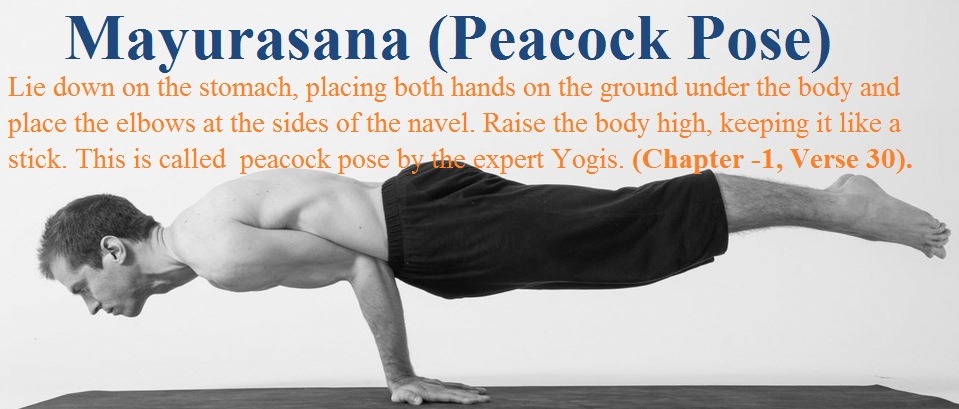
Mayurasana (Peacock Pose)
Mayurasana (Peacock Pose) Dharam avashtabhya karadvayena Tatkurparasthapitanabhiparsvah/ Uchchasano dandavad utthitah san Mayuram etat pravadanti pitham//(Chapter -1, Verse 30). Lie down on the stomach, placing
Karuna Yoga Vidya Peetham Bangalore

Mayurasana (Peacock Pose) Dharam avashtabhya karadvayena Tatkurparasthapitanabhiparsvah/ Uchchasano dandavad utthitah san Mayuram etat pravadanti pitham//(Chapter -1, Verse 30). Lie down on the stomach, placing
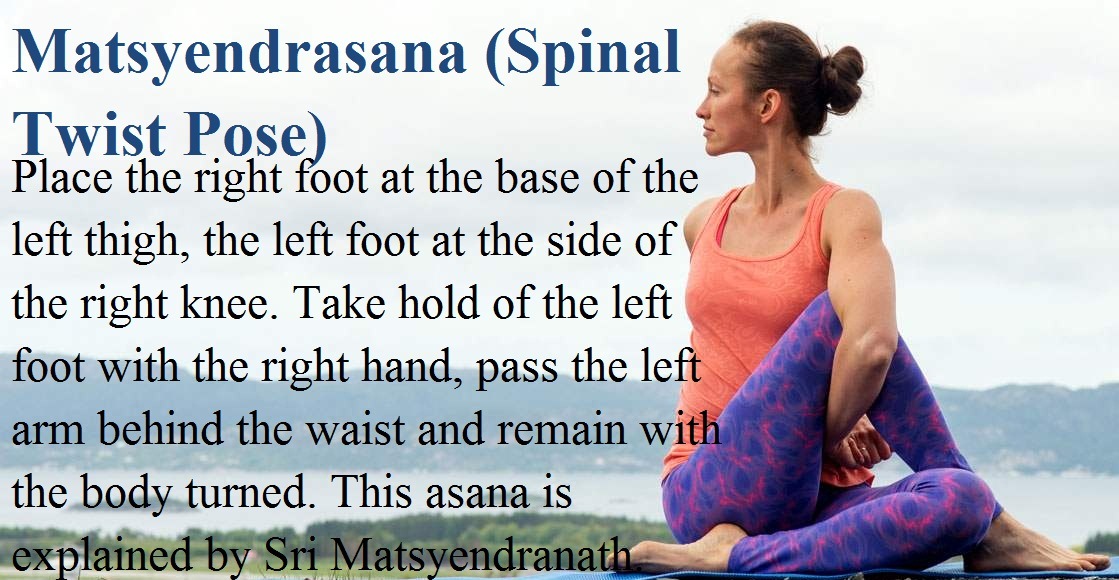
Matsyendrasana (Spinal Twist Pose) Vamoru mularpitadakshapadam Janor bahir veshtitavamapadam/ Praghrhya tishthet parivartitangghah srimatysanathoditam asanam syat//(Chapter -1, Verse 26). Place the right foot at the
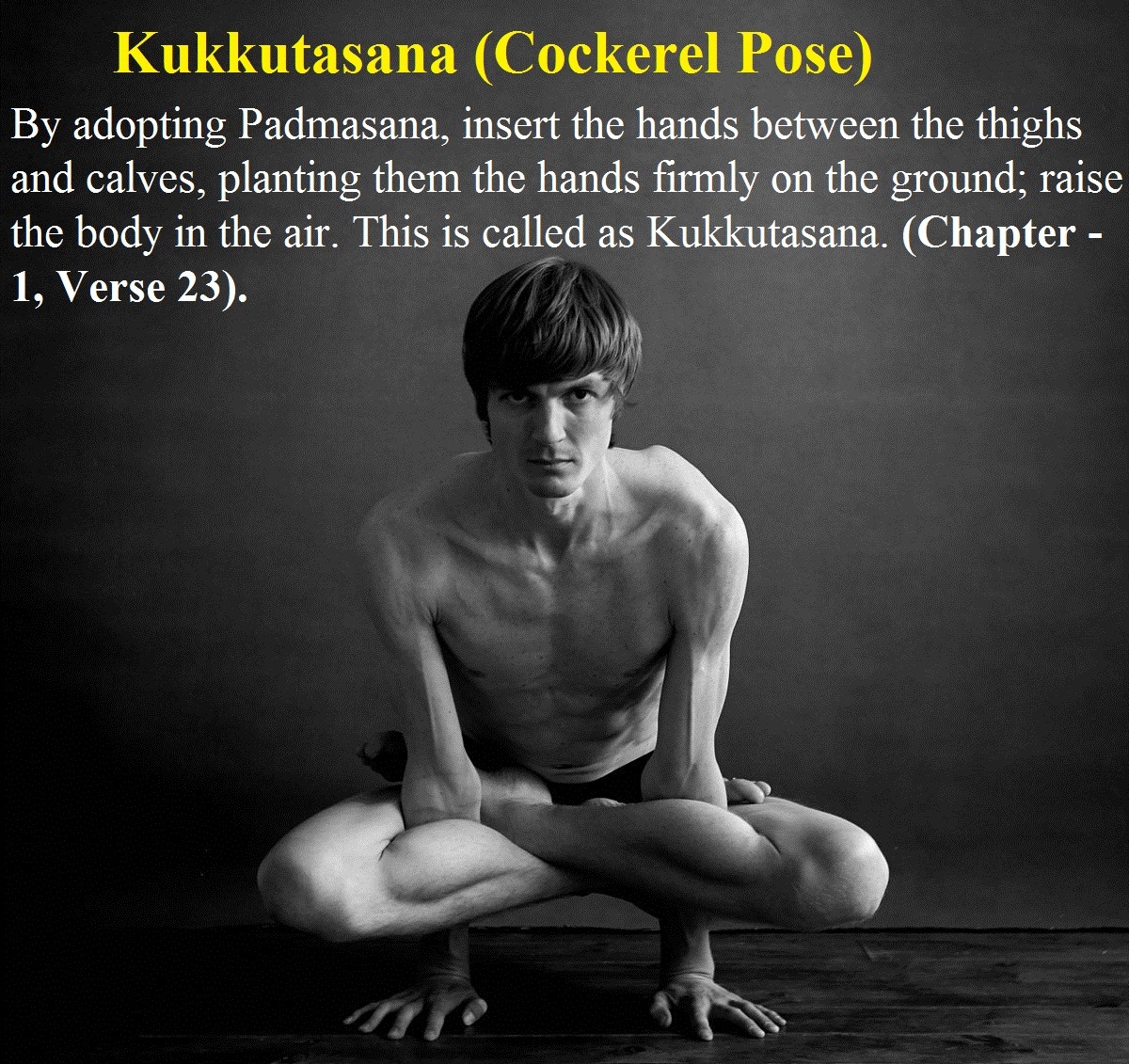
Kukkutasana (Cockerel Pose) Padmasanam tu samsthapya janurvorantare karau / Nivesya bhumau samsthapya vyomastham kukkutasanam//(Chapter -1, Verse 23). By adopting Padmasana, insert the hands between
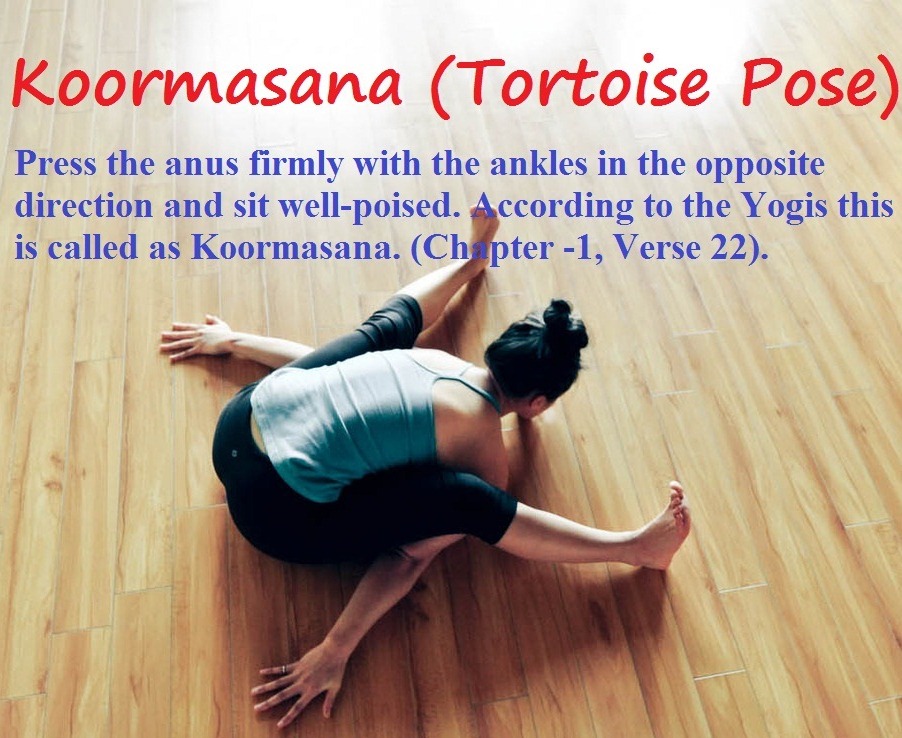
Koormasana (Tortoise Pose) Ghudam nirudhya ghulphabhyam vyutkramena samahitah/ Kurmasanam bhavedetaditi yogavido viduh//(Chapter -1, Verse 22). Press the anus firmly with the ankles in the
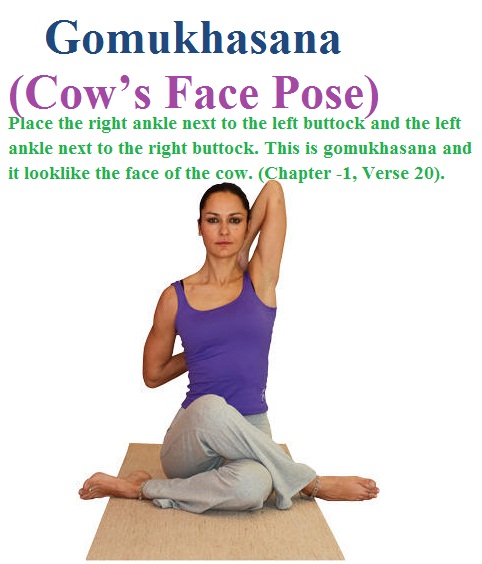
Gomukhasana (Cow’s Face Pose) Savye dakshinaghulpham tu prshthaparsve niyojayet / Dakshineapi tatha savyam ghomukham ghomukhakrtih//(Chapter -1, Verse 20). Place the right ankle next to
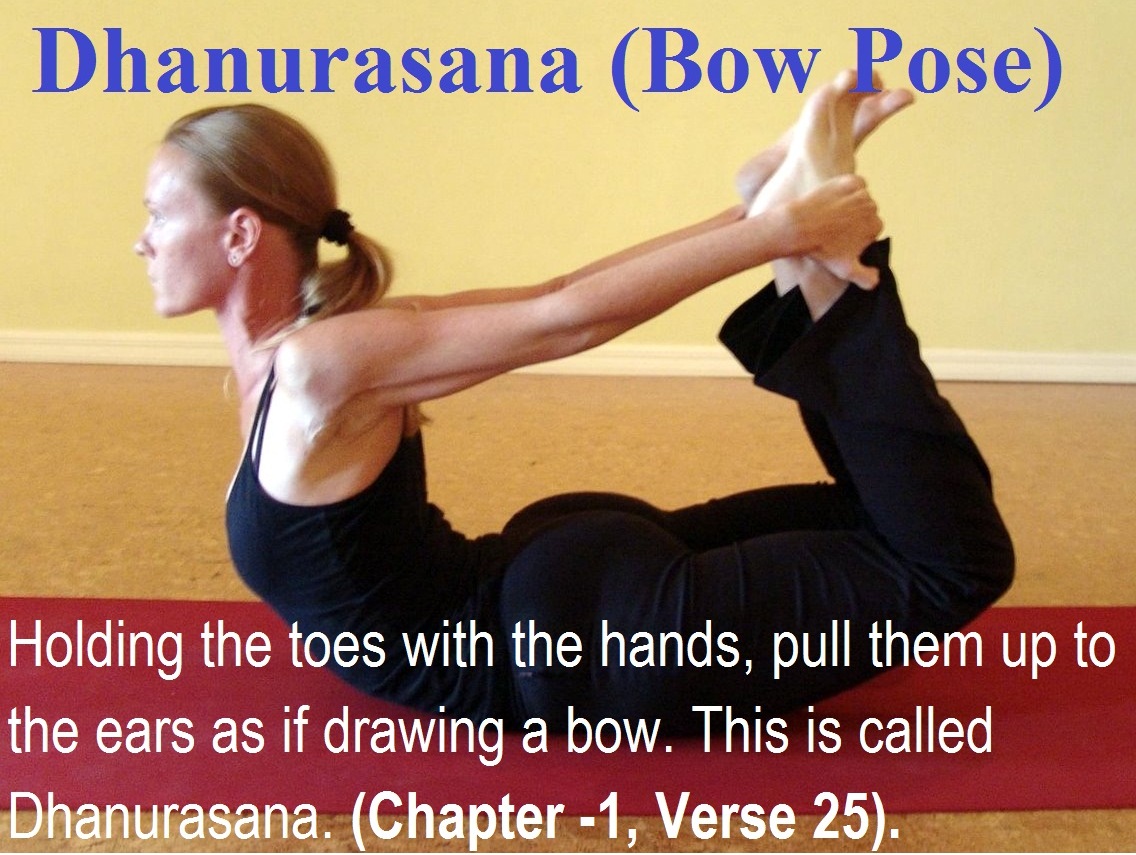
Dhanurasana (Bow Pose) Padanghushthau tu panibhyam ghrhitva sravanavadhi / Dhanurakarshanam kuryad dhanurasanam uchyate//(Chapter -1, Verse 25). Holding the toes with the hands, pull them
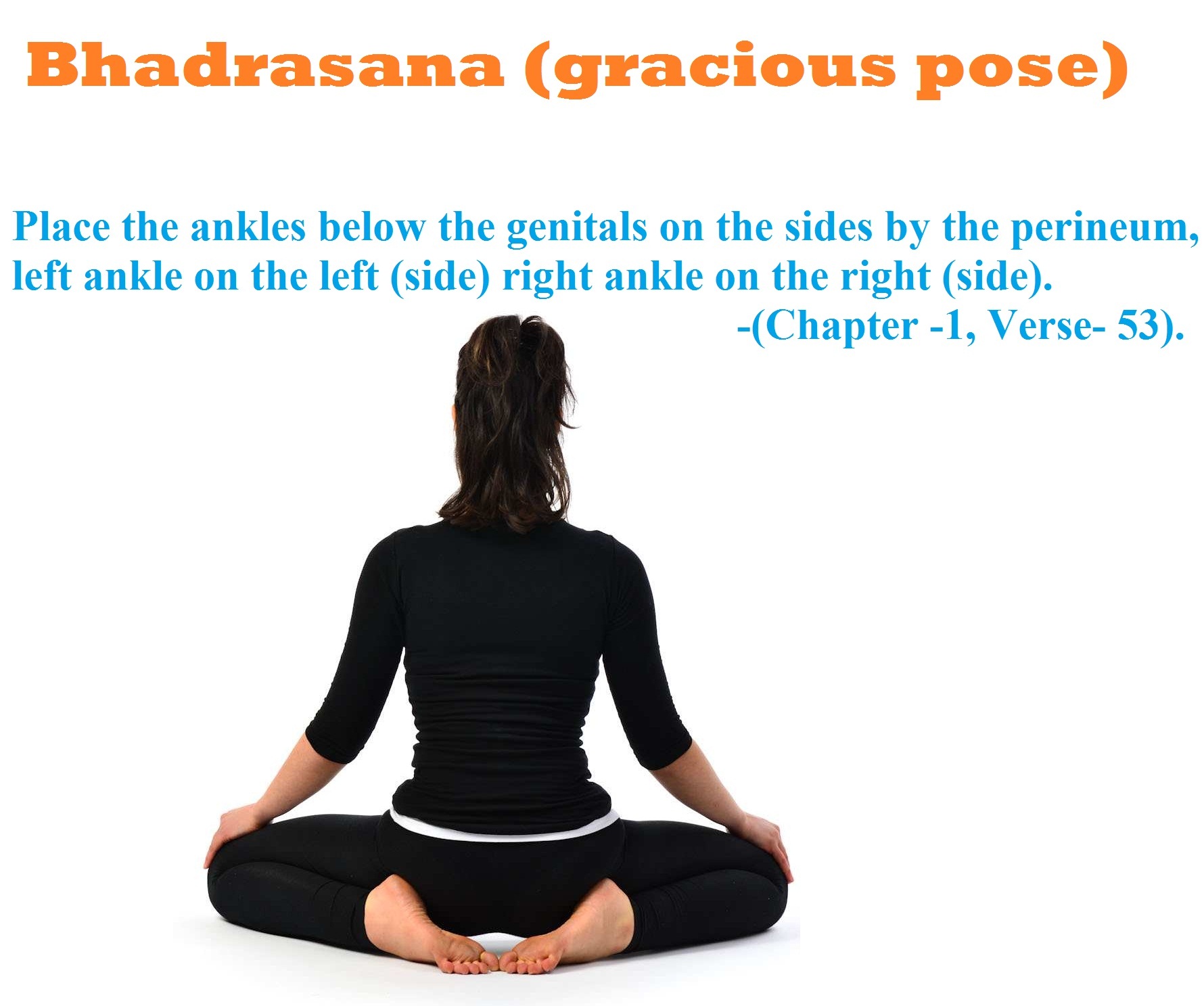
Bhadrasana (gracious pose) Ghulphau cha vrshanasyadhah Sivantyah parsvayoh kshipet / Savyaghulpham tatha savye Dakshaghulpham tu dakshine // Parsvapadau cha panibhyam Drdham baddhva sunischalam / Bhadrasanam
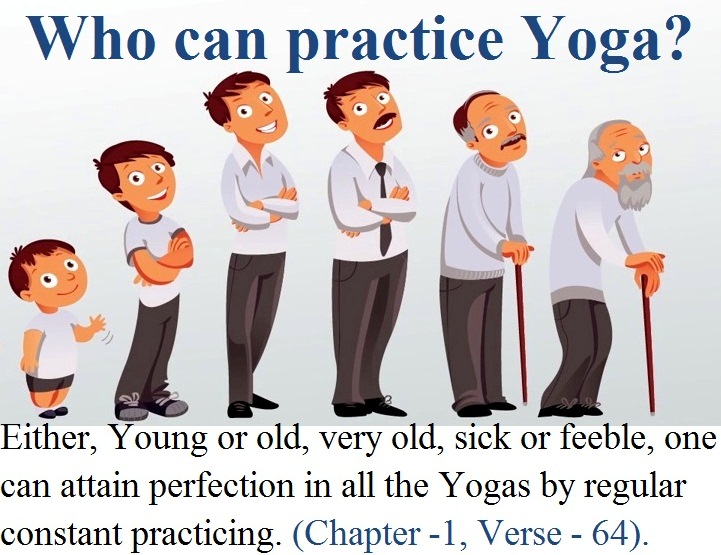
Hatha Yoga Pradipika – Who can practice Yoga? Yuvo vrddhoativrddho va vyadhito durbaloapi va / Abhyasat siddhim apnoti sarvayogheshvatandritah//(Chapter -1, Verse -64). Either, Young or
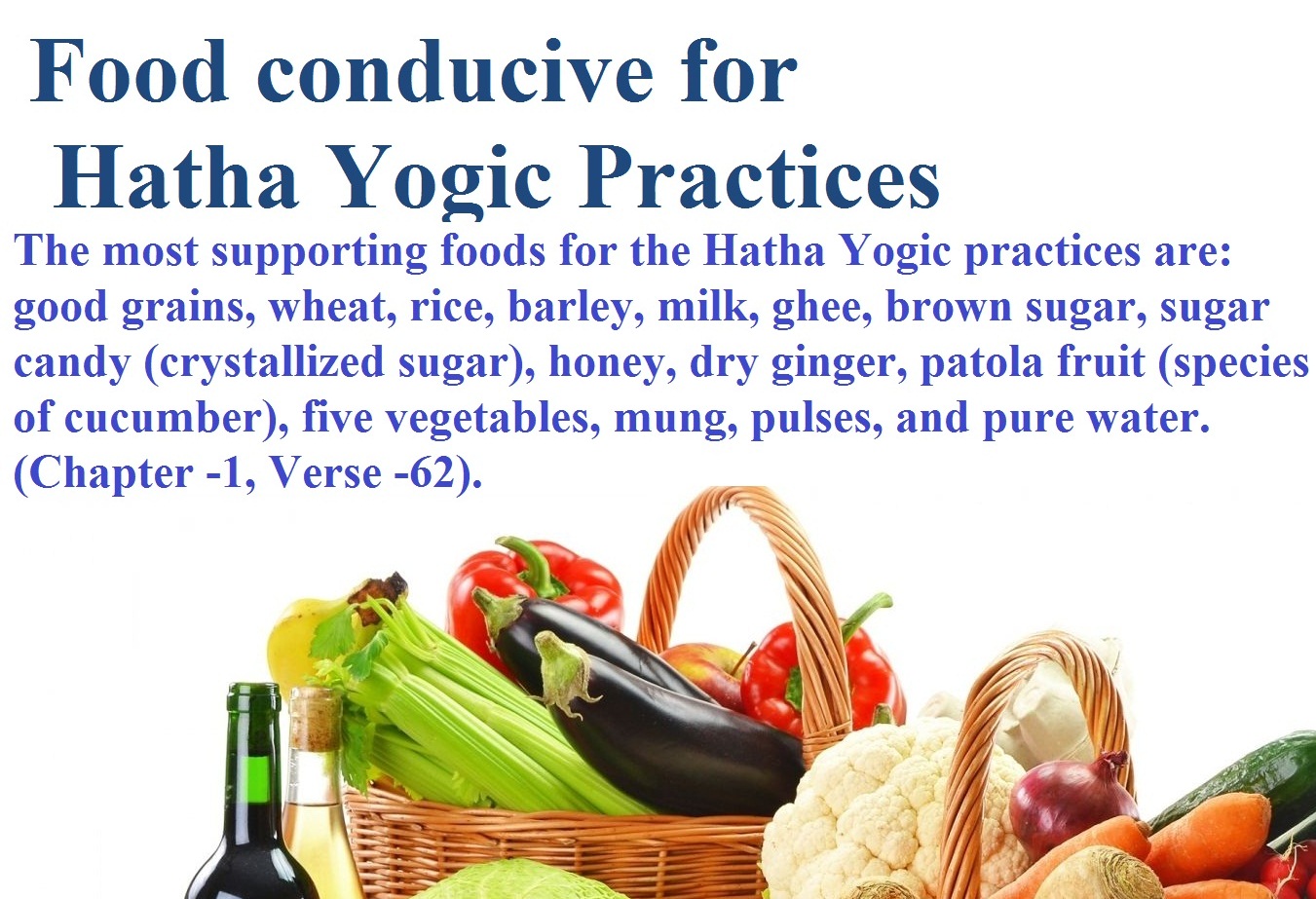
Hatha Yoga Pradipika – Food conducive for Hatha Yogic Practices Ghodhuma-sali-yava-shashtika-sobhanannam / Kshirajyakhanda-navanitasi hamadhuni// Sunthipatolakaphaladikapanchasakam / Mudghadidivyam udakam cha yamindrapathyam//(Chapter -1, Verse -62). The most
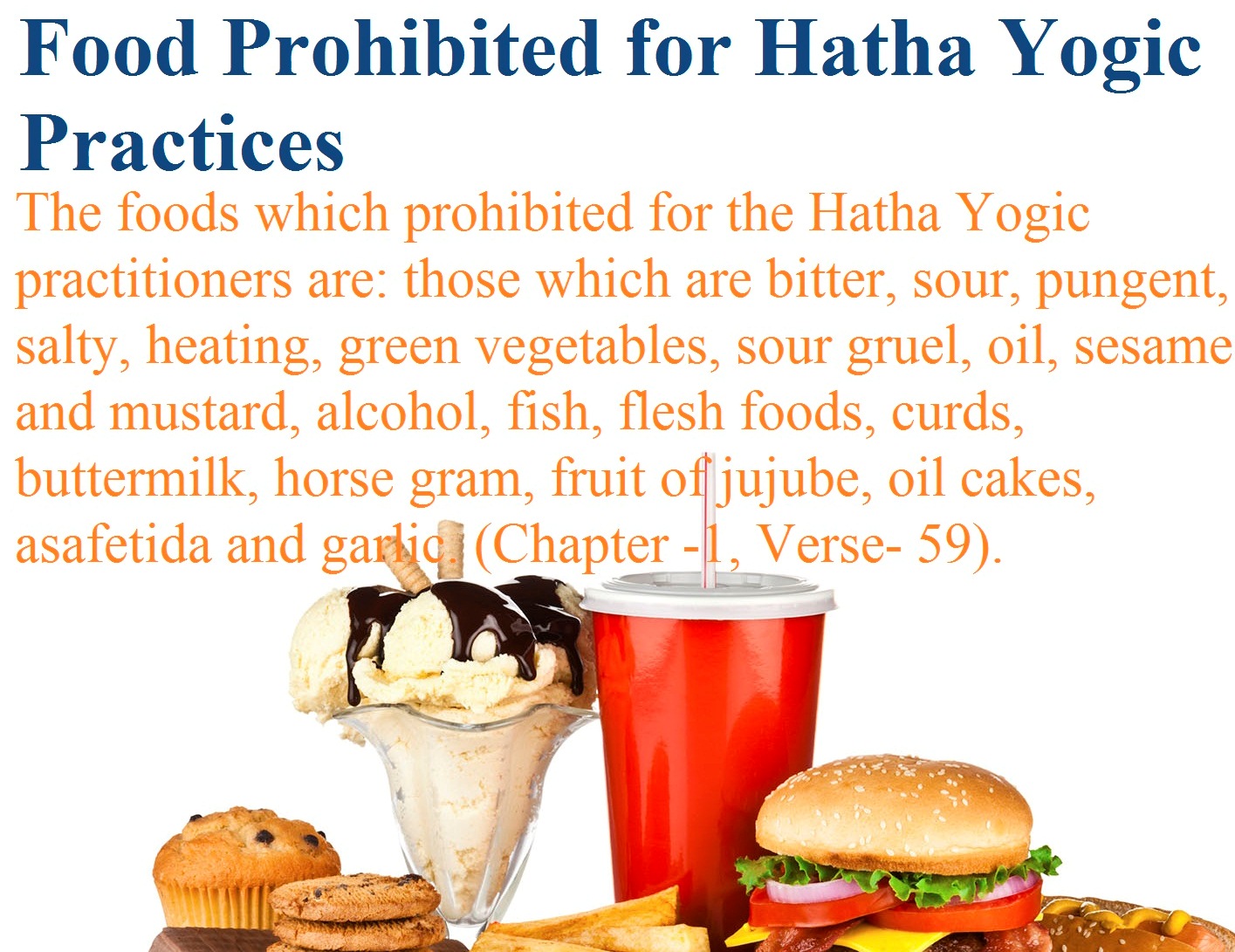
Hatha Yoga Pradipika – Food Prohibited for Hatha Yogic Practices Katvamla-tikshna-lavanoshna-haritasaka / Sauvira-taila-tila-sarshapa-madya-matsyan // Ajadi-mamsa-dadhi-takra-kulattha-kola / Pinyaka-hingghu-lasunady-amapathyam-ahuh//(Chapter -1, Verse- 59). The foods which prohibited for
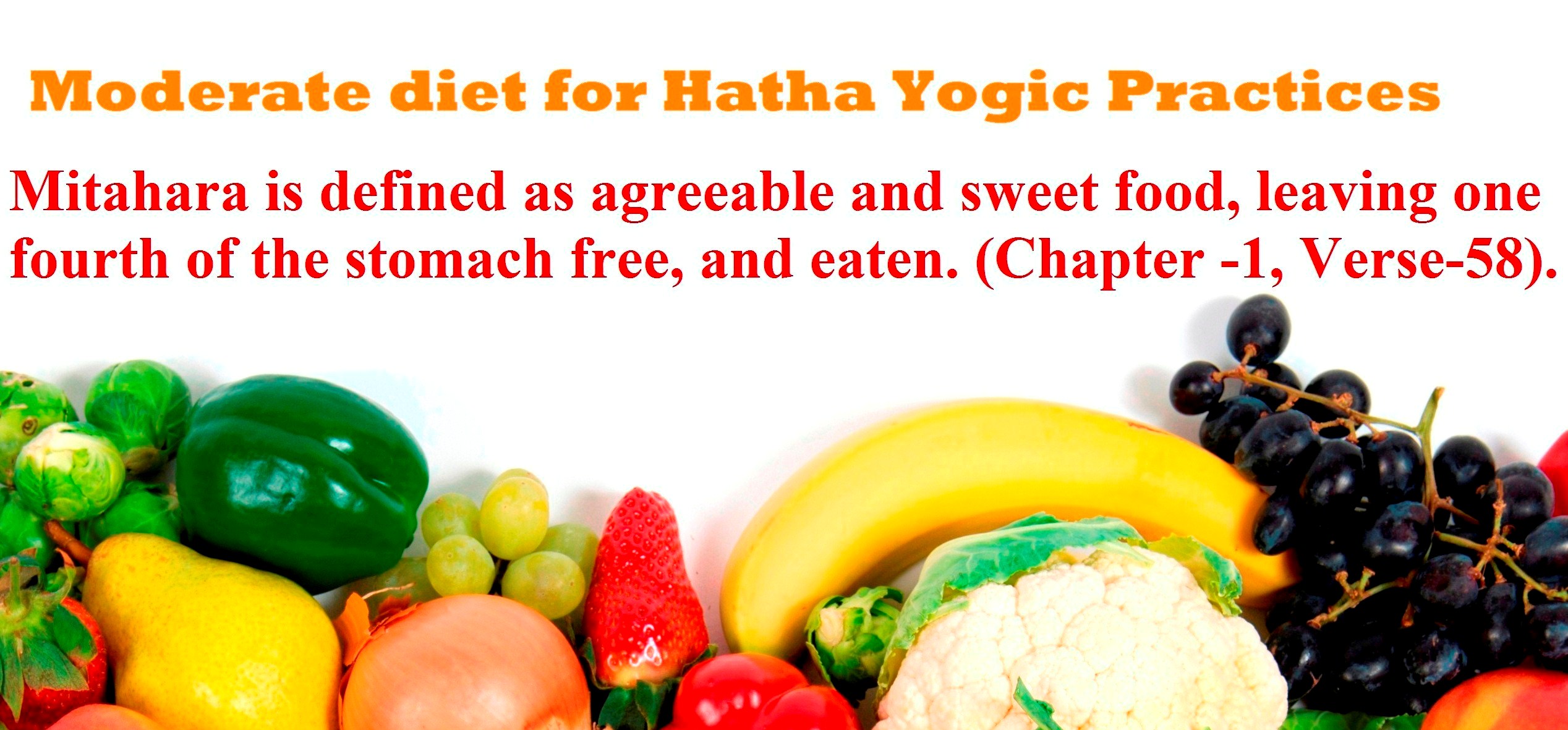
Hatha Yoga Pradipika -Moderate diet for Hatha Yogic Practices Susnighdhamadhuraharaschaturthamsavivarjitah / Bhujyate sivasamprityai mitaharah sa uchyate//(Chapter -1, Verse -58). Mitahara is defined as agreeable and
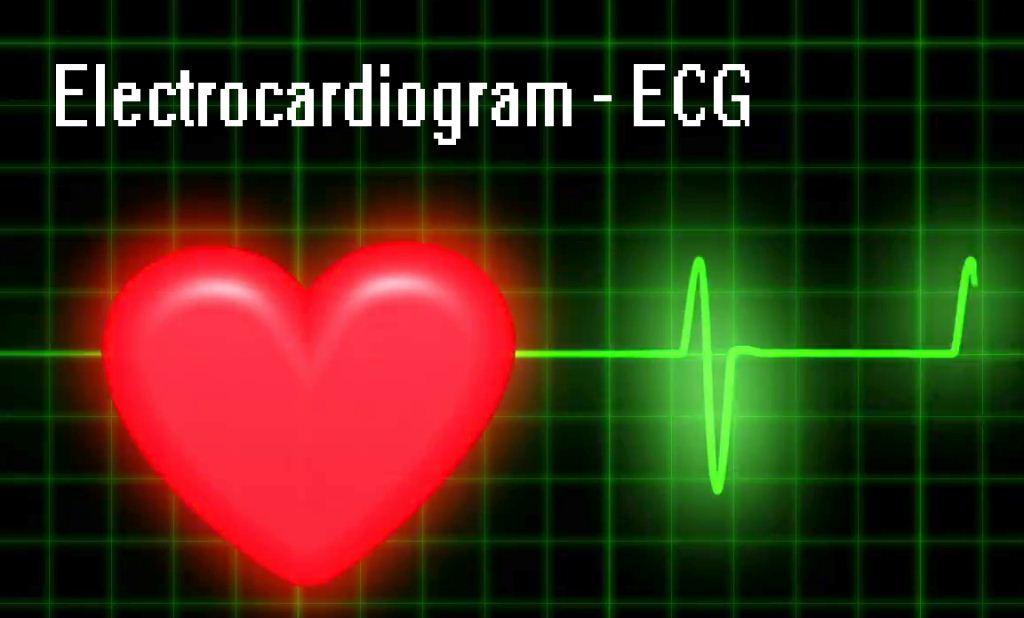
Electrocardiogram ECG: The ECG shows the heart’s electrical activity as line tracings on paper. It’s the recording of electrical activity of the heart. ECG is
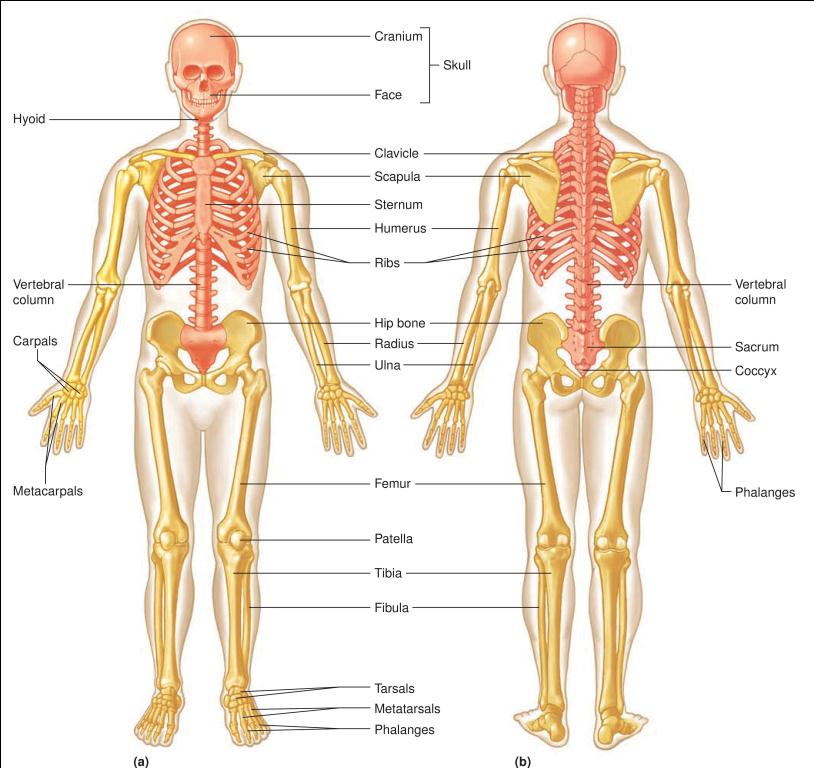
Functions of the Skeletal System? Support of the body Locomotion Provide protection for internal organs Act as a site for the production of blood cells,
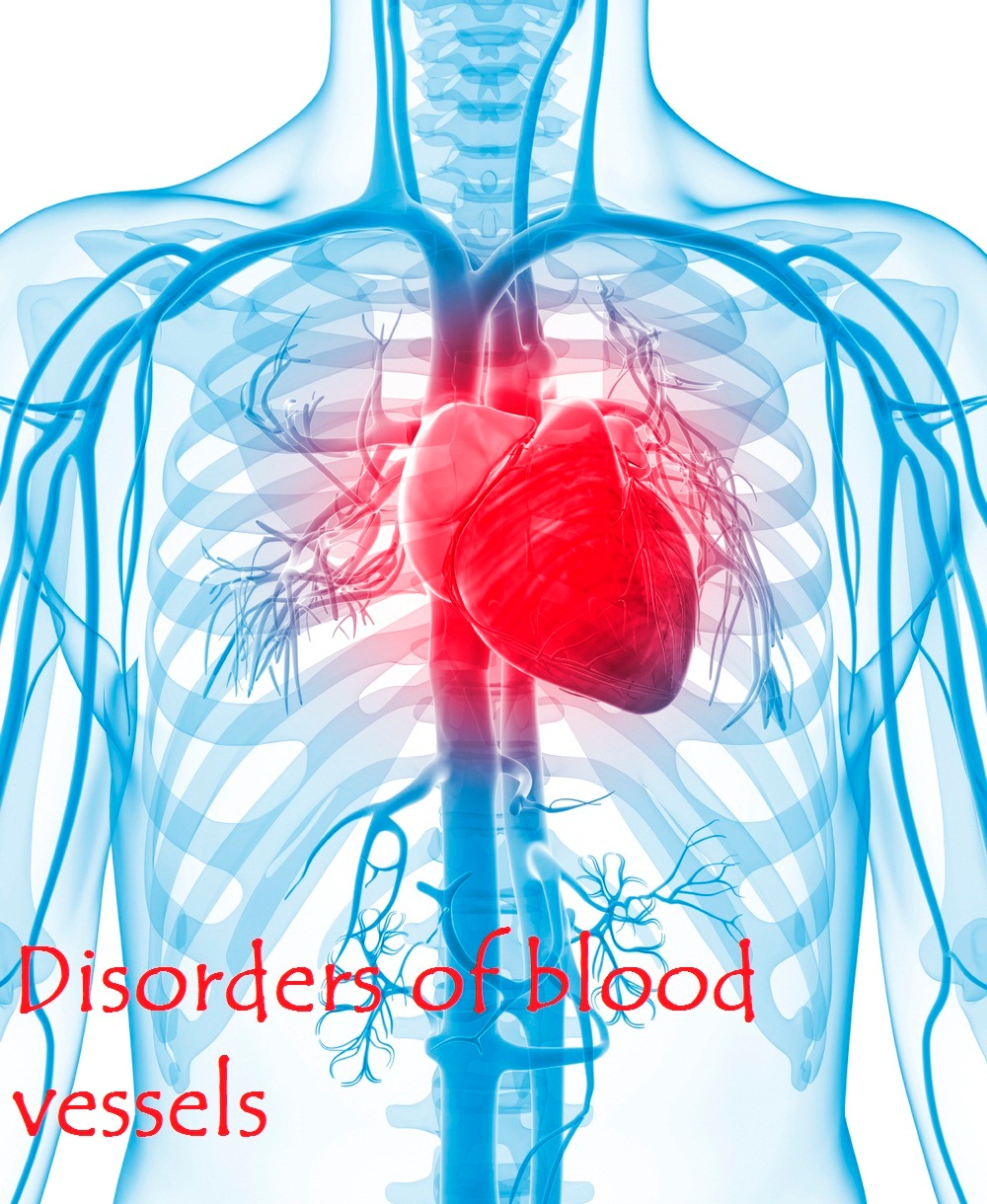
Disorders of blood vessels: Arteriosclerosis: Arteriosclerosis is the thickening, hardening, and loss of elasticity of the walls of arteries. This process gradually restricts the blood
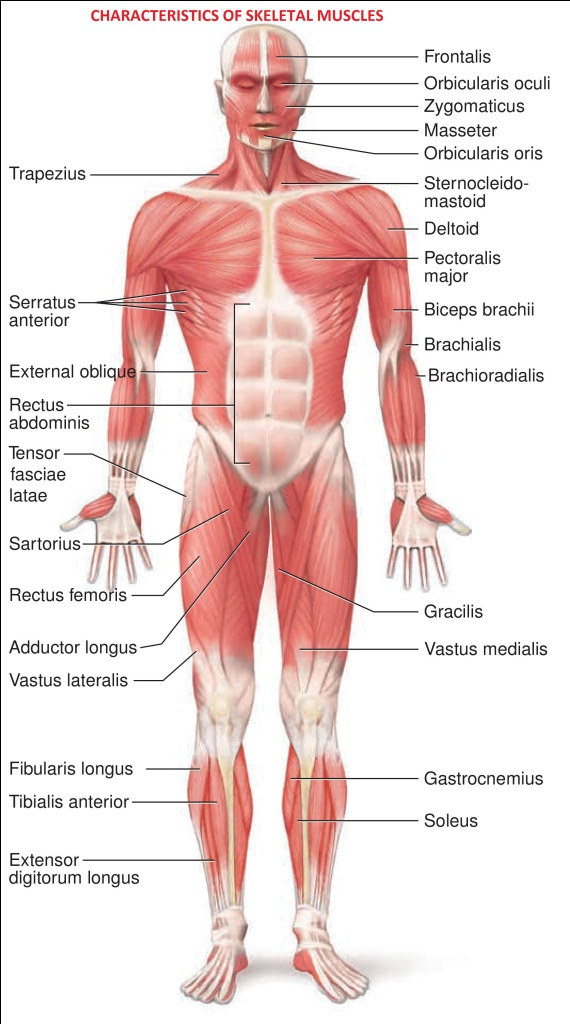
Properties of skeletal muscle: Excitability and irritability: It’s the property of a muscle to respond to a stimulus. If the response occurs in the front
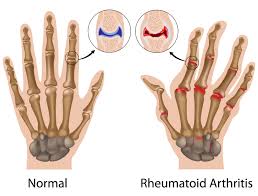
Joint Disorders Arthritis – inflammation of a joint. Characterized by pain, stiffness, and swelling. Over time, the joint can become severely damaged. Osteoarthritis is the
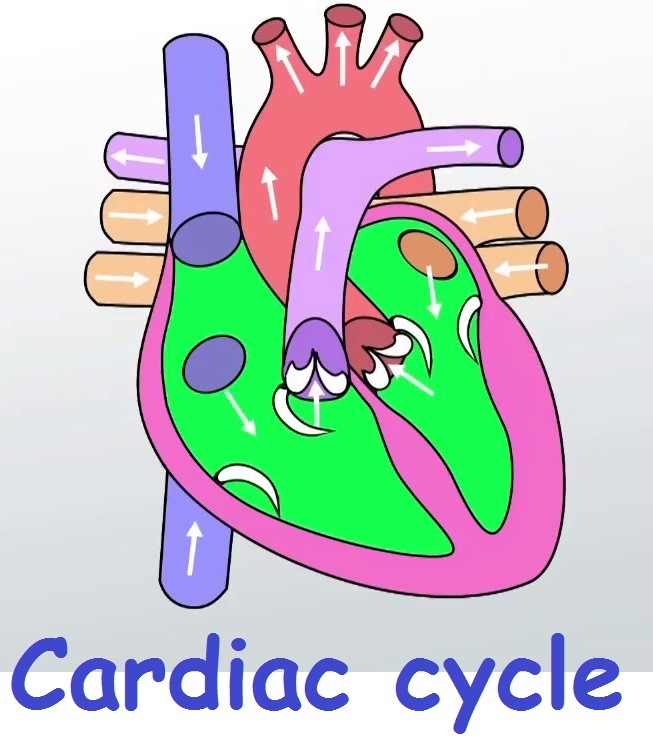
The Cardiac cycle: the function of the heart is to maintain a constant circulation of blood throughout the body. It acts as a pump
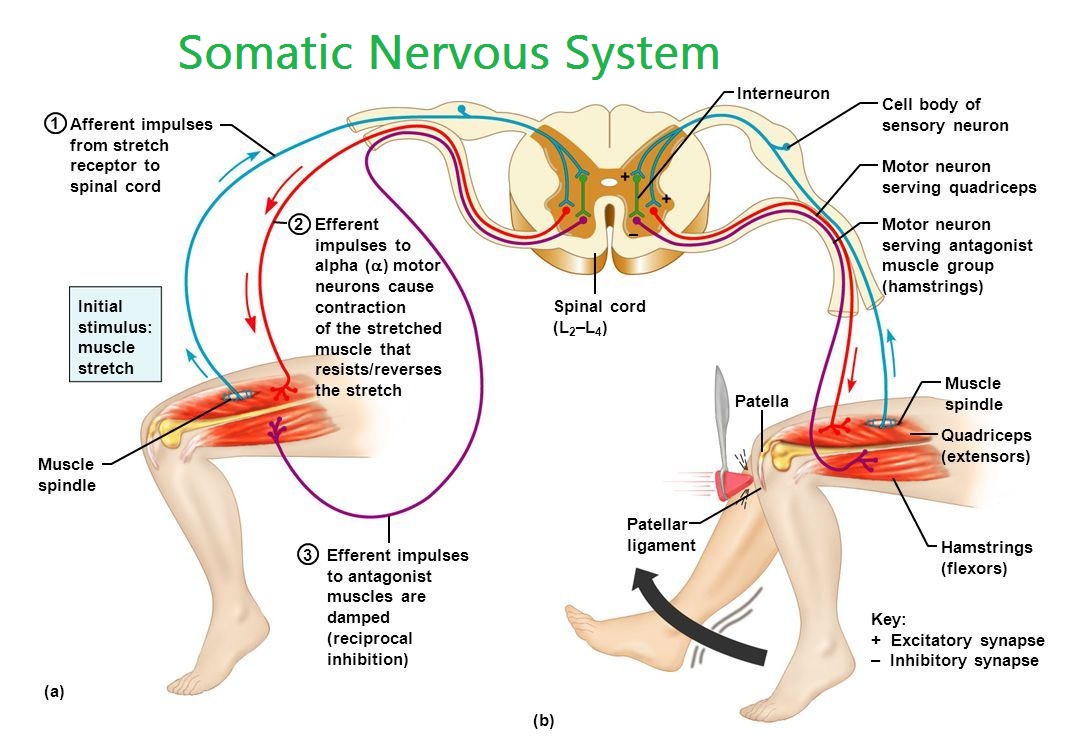
Somatic Nervous System The somatic system is the part of the peripheral nervous system that is responsible for carrying motor and sensory information both to
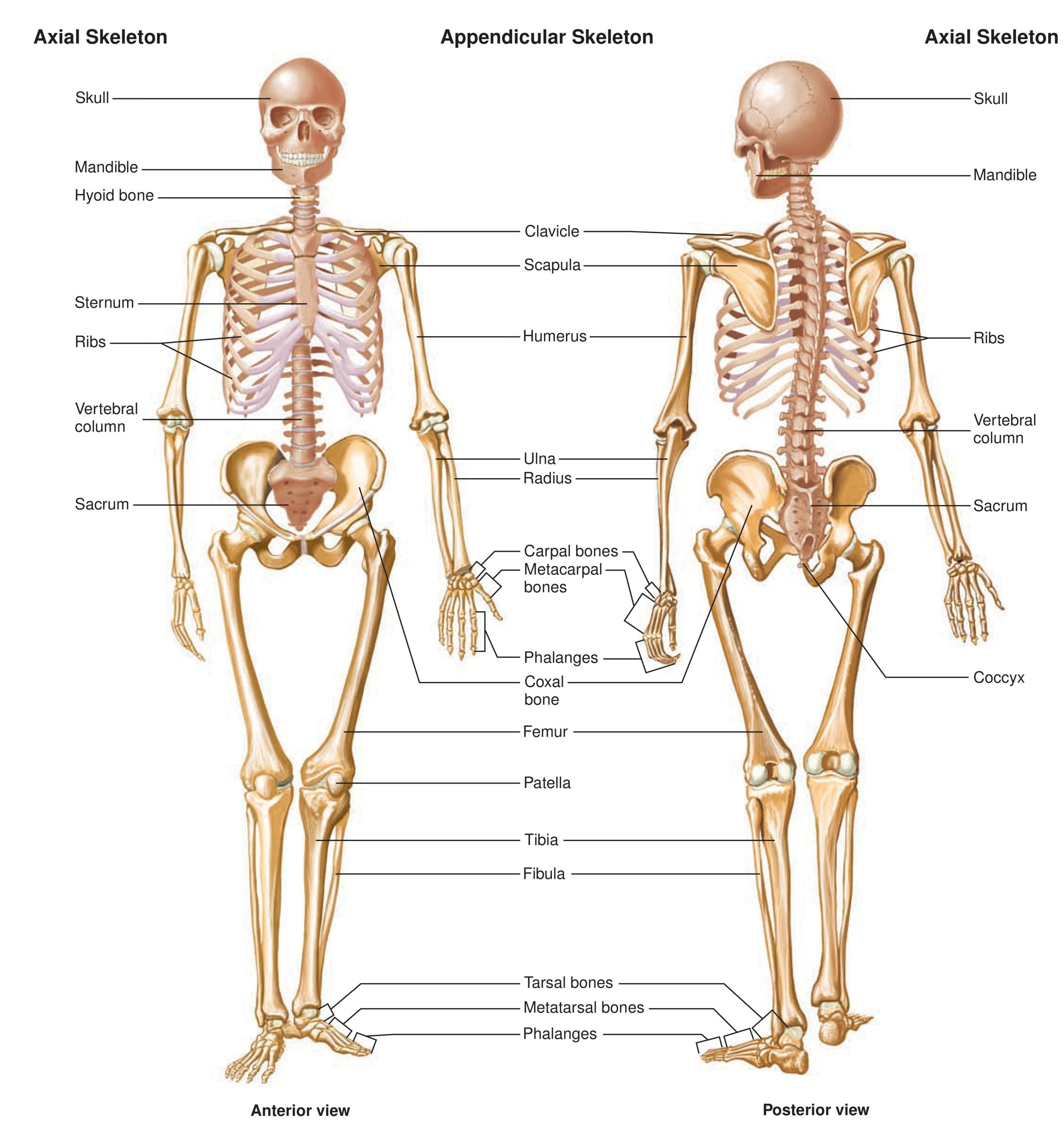
Skeletal system The human skeleton is made up of 206 bones making the human body a multifunctional structure. The skeletal system is composed of Bones,
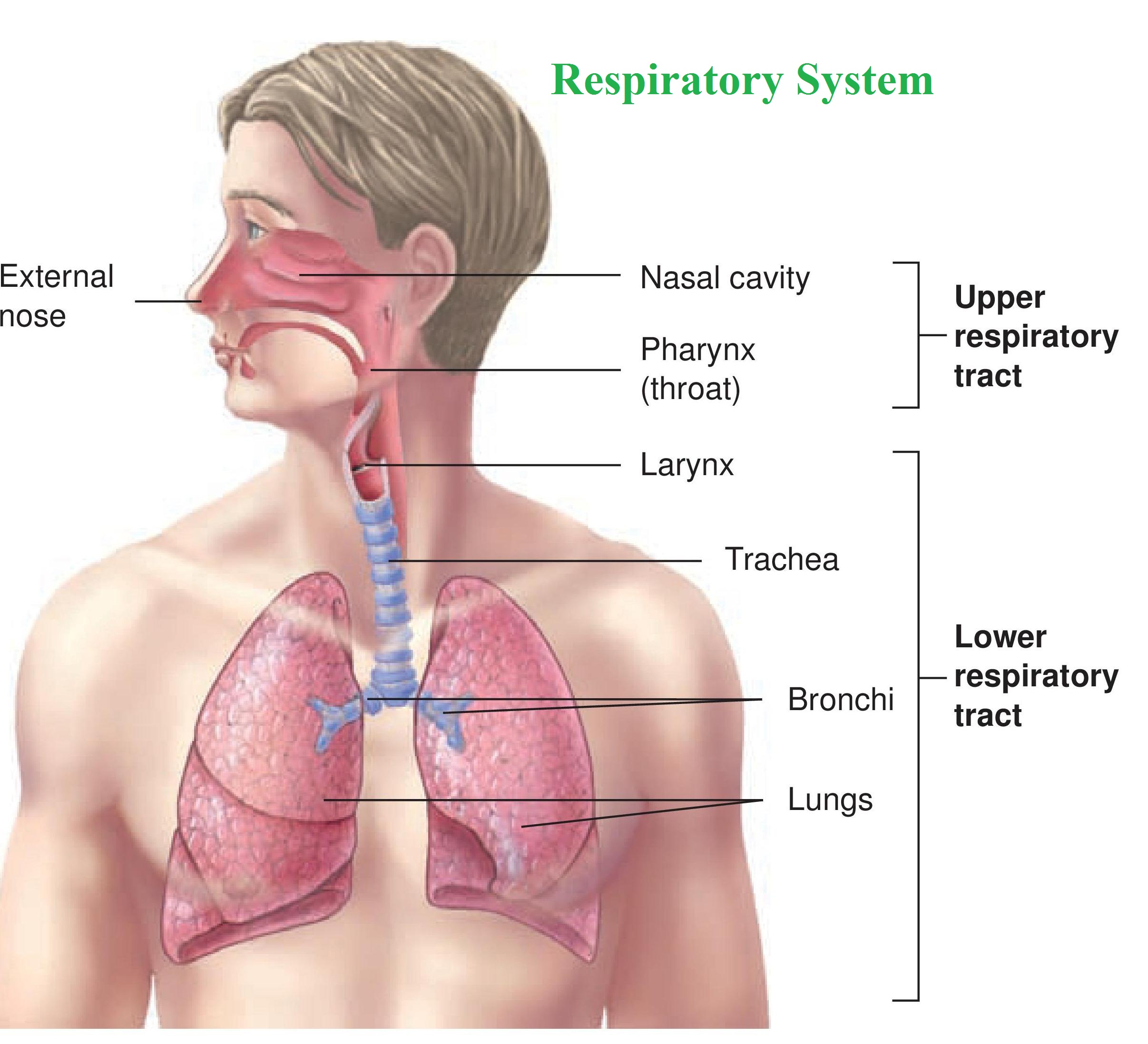
Respiratory system The Human Respiratory System is a series of organs which facilitates the diffusion of oxygen into the bloodstream and distributes throughout the body
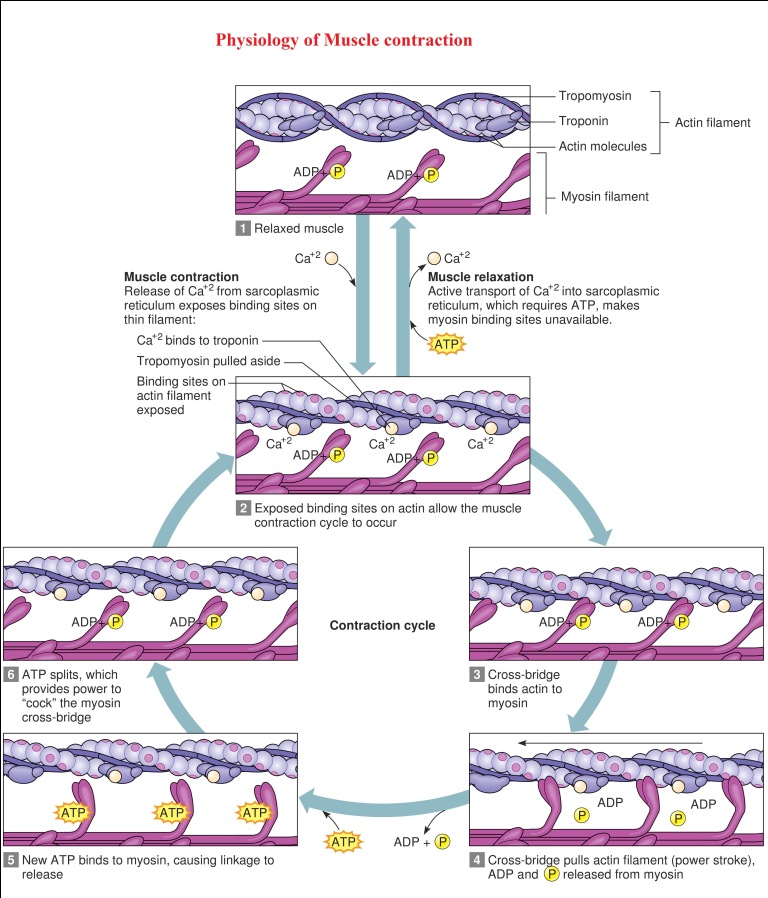
Physiology of Muscle contraction: Muscles contract to produce force, the actin and myosin filaments within the sarcomeres of muscle fibers bind to create cross-bridges and
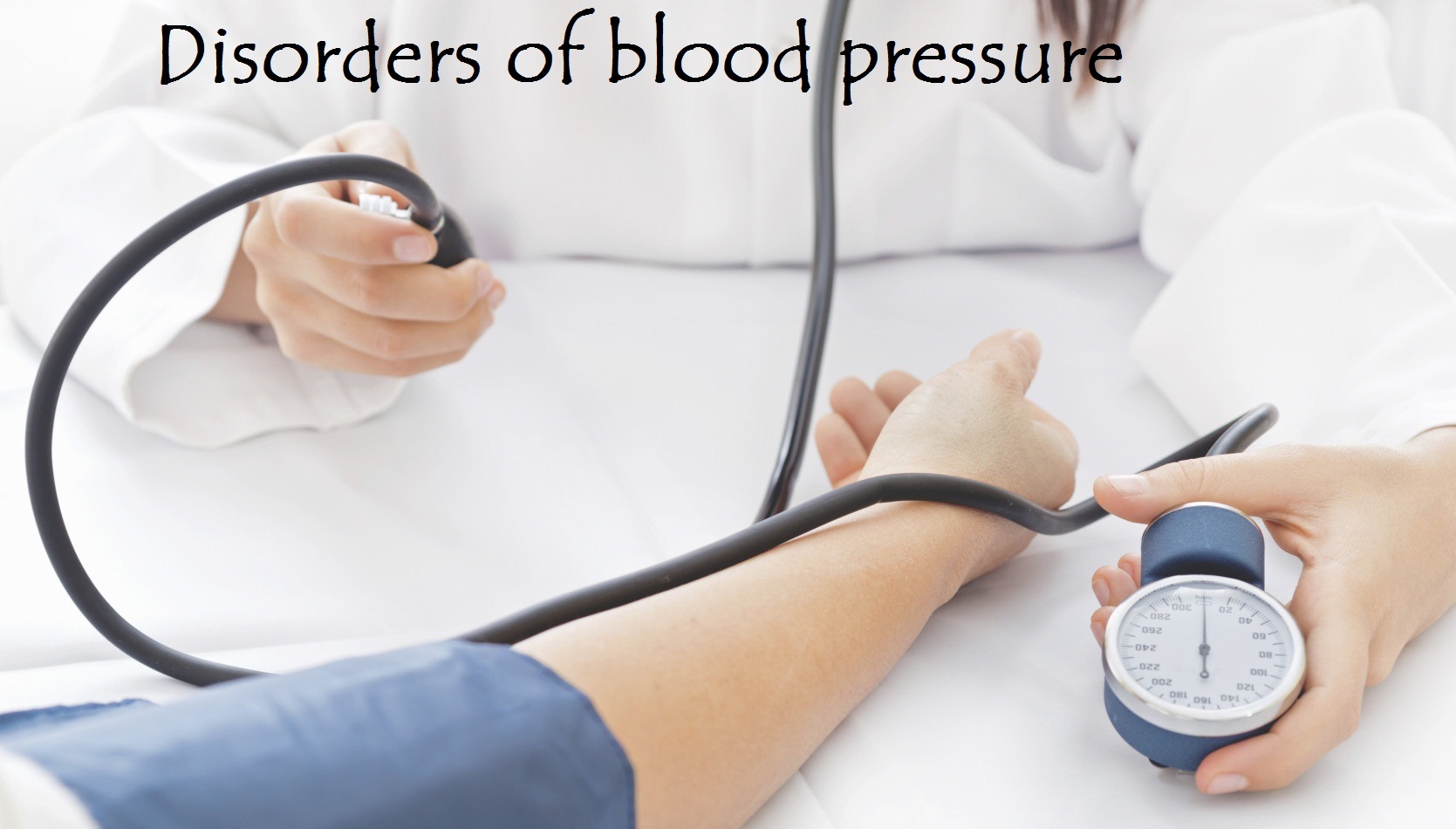
Disorders of blood pressure Hypertension’s Hypertension is a rise in blood pressure above normal. It’s difficult to define the average normal blood pressure. It varies
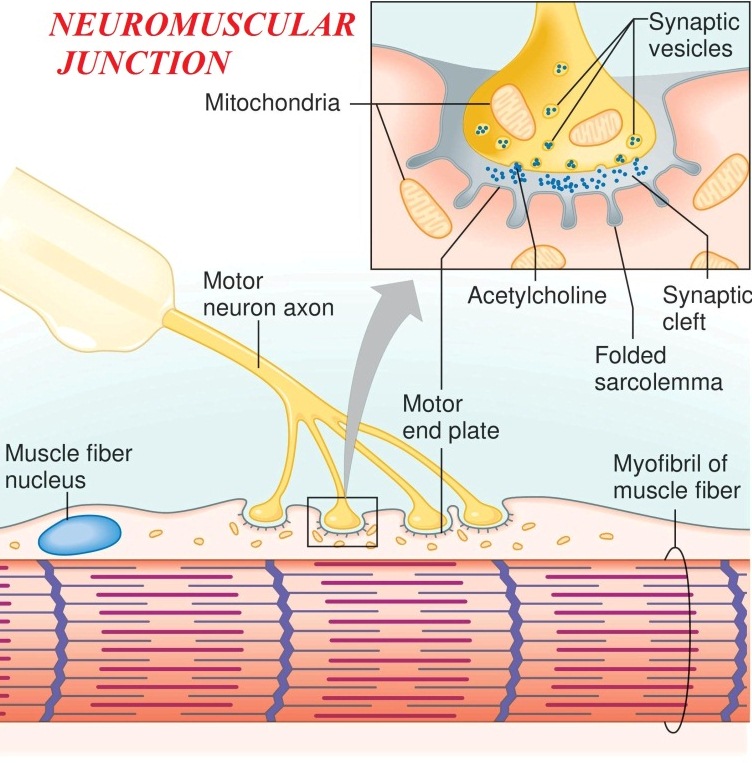
Neuromuscular junction (Myoneural junction) A neuromuscular junction is a synapse between a motor neuron and skeletal muscle. The space between the motor neuron and the
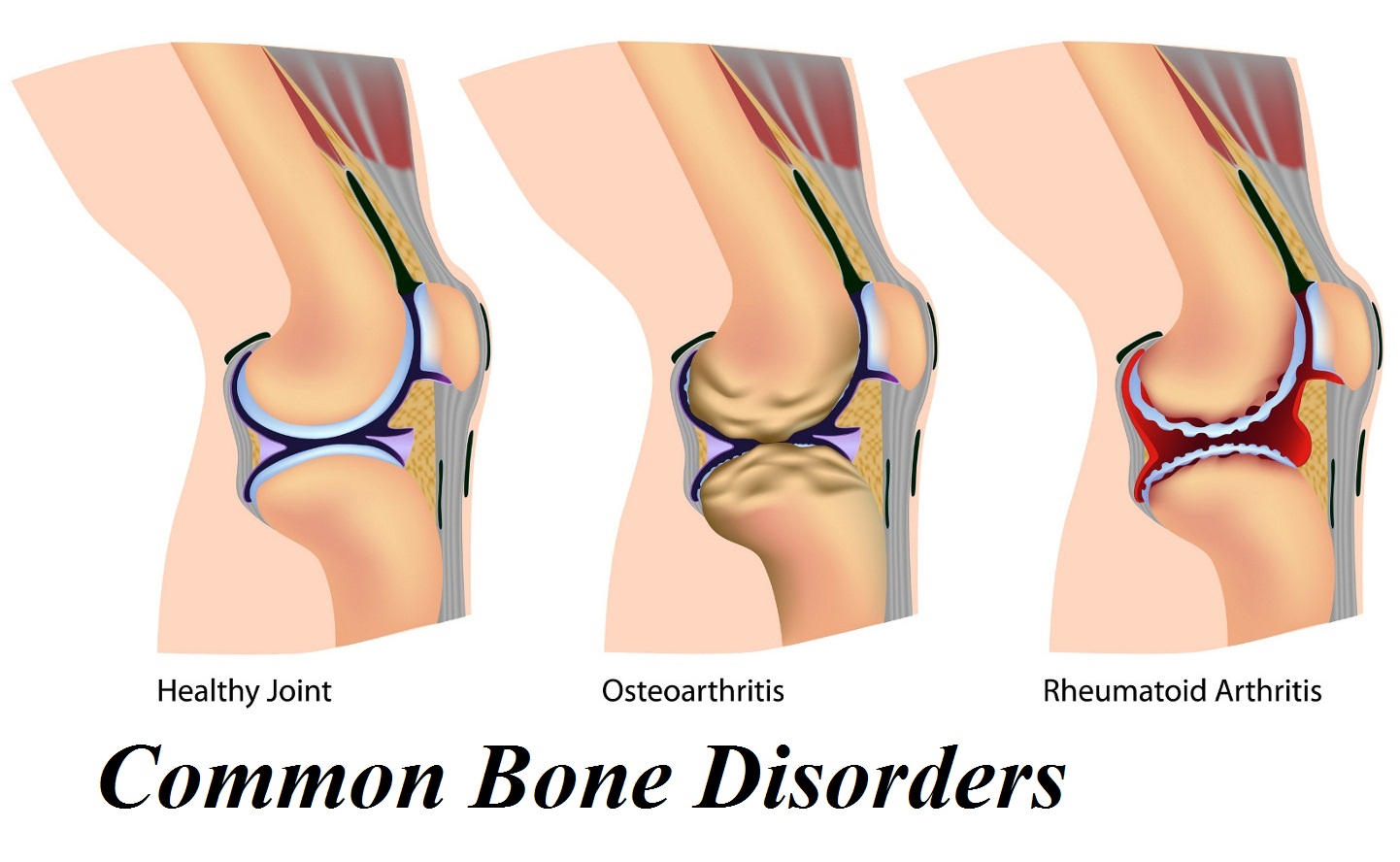
Common Bone Disorders Osteoporosis- Osteoporosis is a common disease that weakens bones, characterized with the prominent porous formation in the shaft or articulating part of
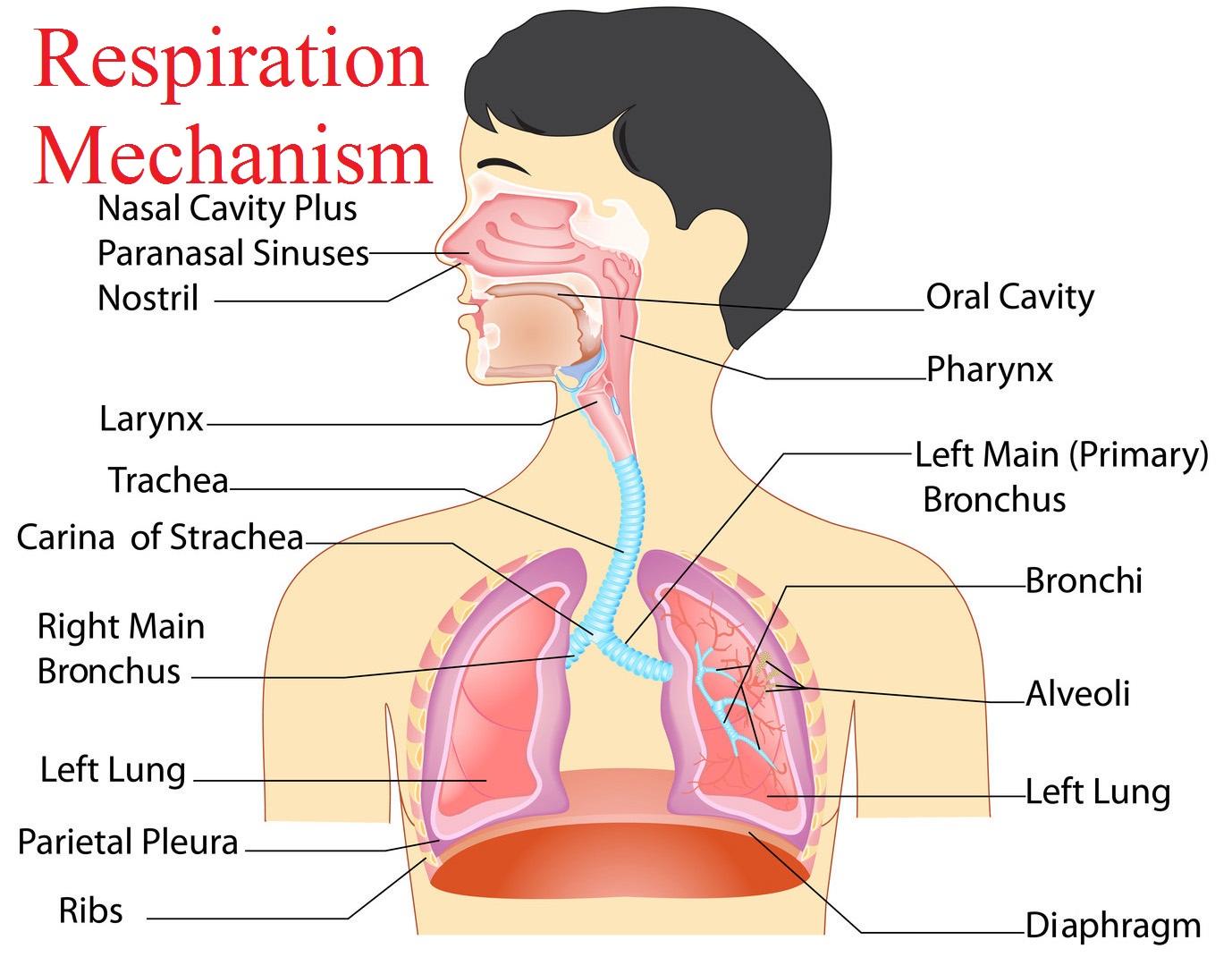
Respiration mechanism Normal breathing involves several different mechanisms. Shallow breathing is accomplished by the contraction of the diaphragm and the external intercostal muscles for inhalation.
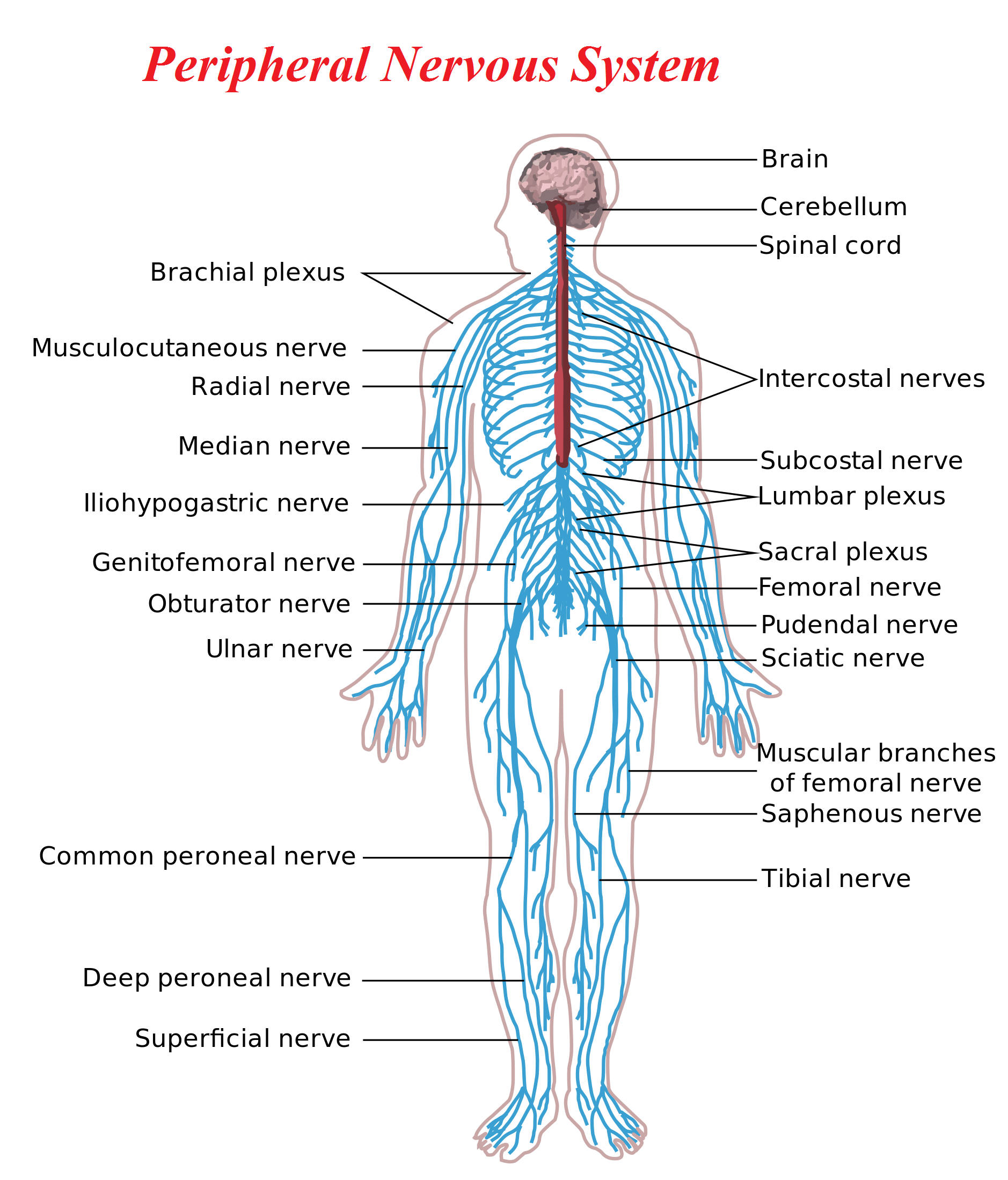
Peripheral Nervous System: The Peripheral nervous system (PNS) is the division of the nervous system containing all the nerves that lie outside of the central
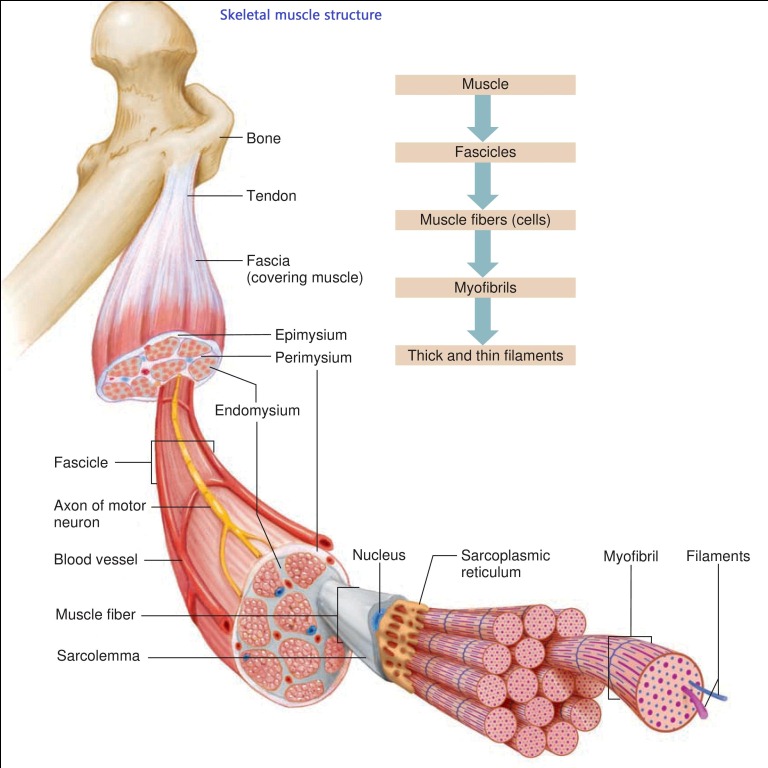
Skeletal Muscle Structure Skeletal muscles are composed of a large number of muscle fibers. Each muscle fiber has no one or more nuclei which lie
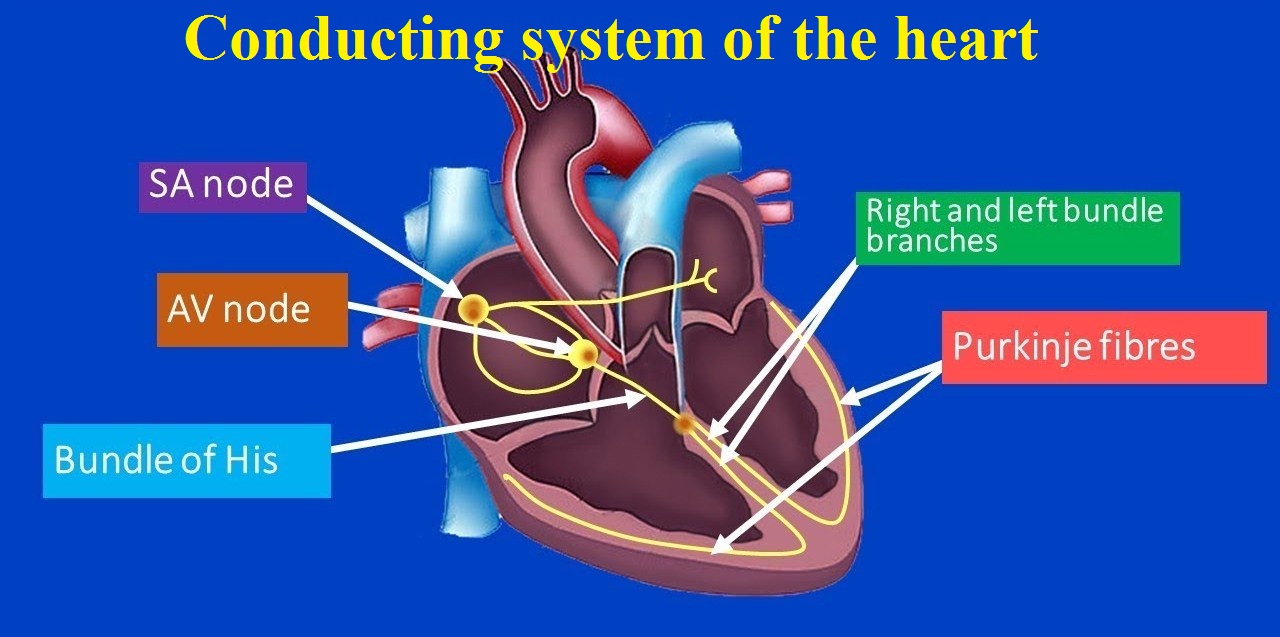
Conducting system of the heart Conducting system of the heart: the impulse for cardiac contraction is transmitted through the conduction system of the heart. This
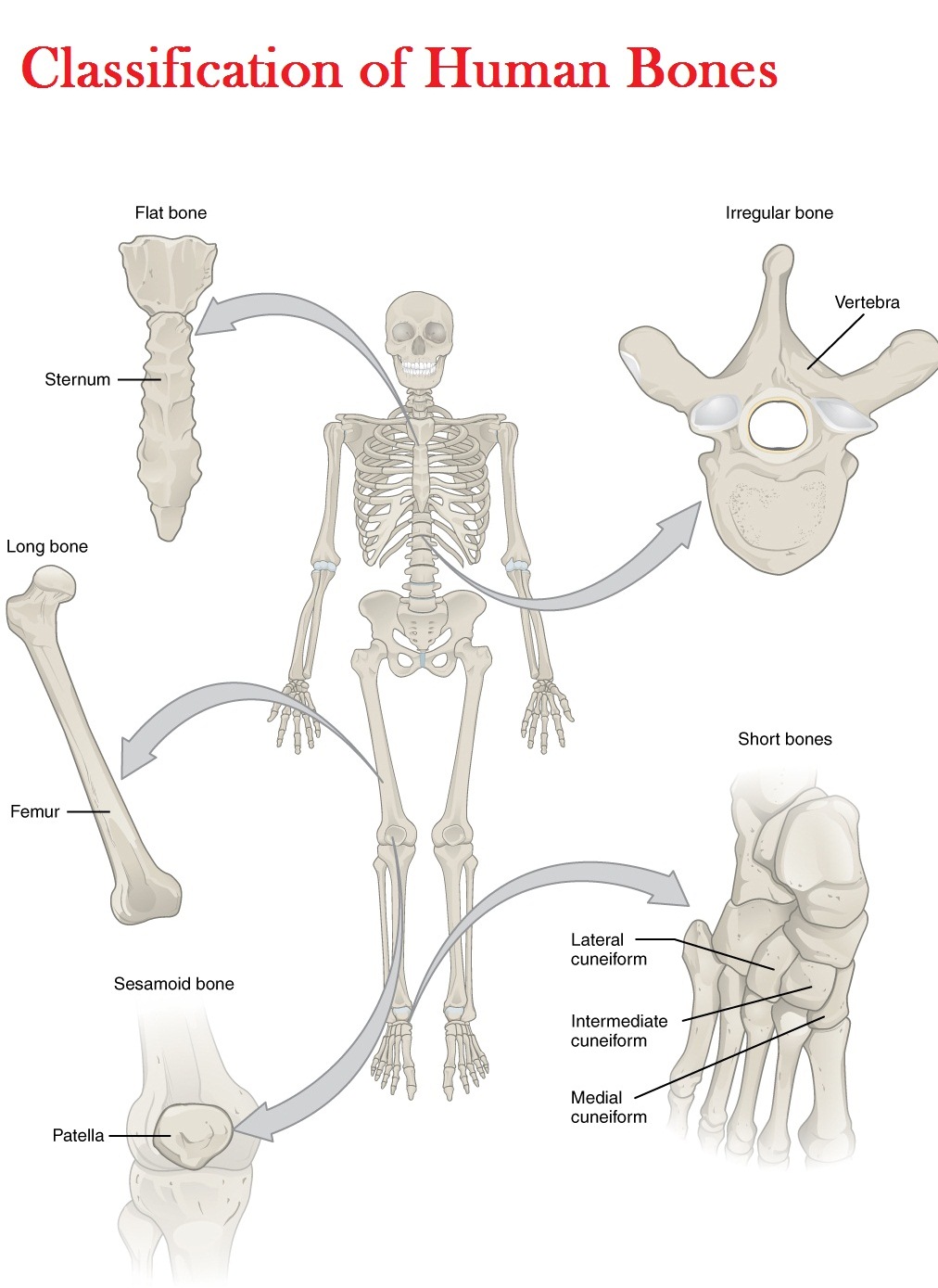
Classification of Bones according to shape Long bones: Long bones are characterized by a long tubular shaft and an articular surface at each end of
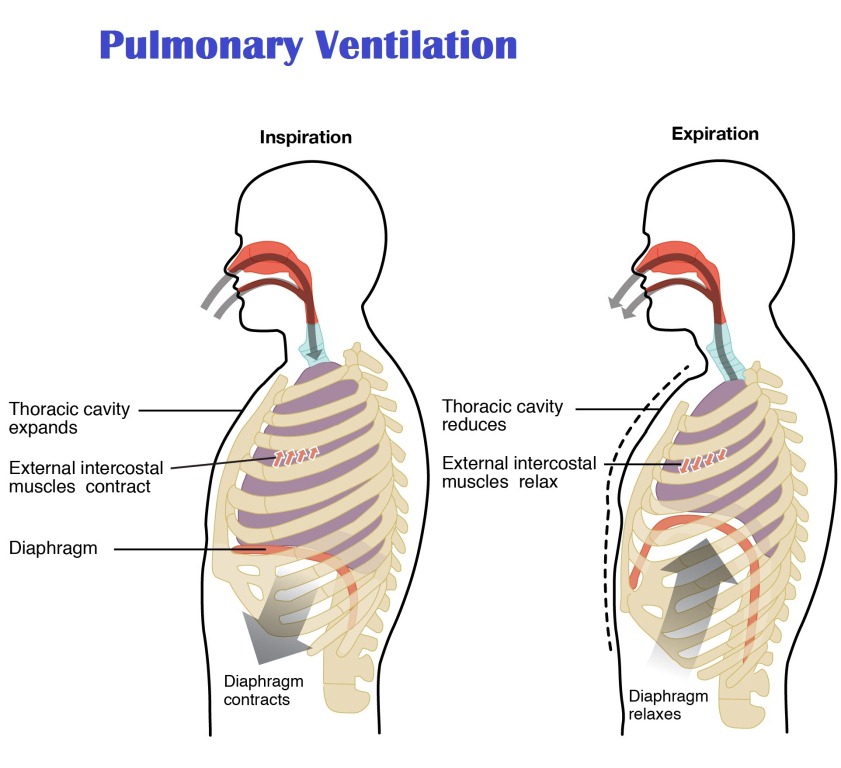
Pulmonary Ventilation Smooth muscle cells in the walls of the bronchioles adjust their diameter and help to control the flow of air into the alveoli
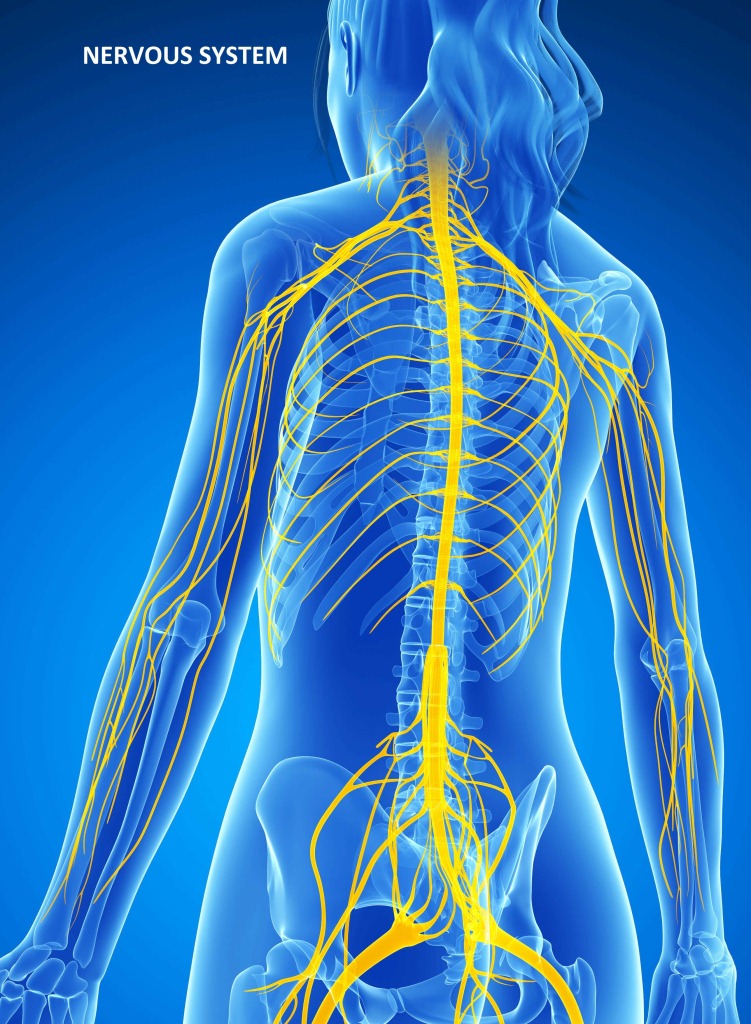
Nervous System The nervous system has been divided into two components: The central nervous system which is composed of the brain and the spinal cord,
CHARACTERISTICS OF SKELETAL MUSCLES The four major functional characteristics of skeletal muscle are: Contractility – The ability to shorten which causes movement of the structures
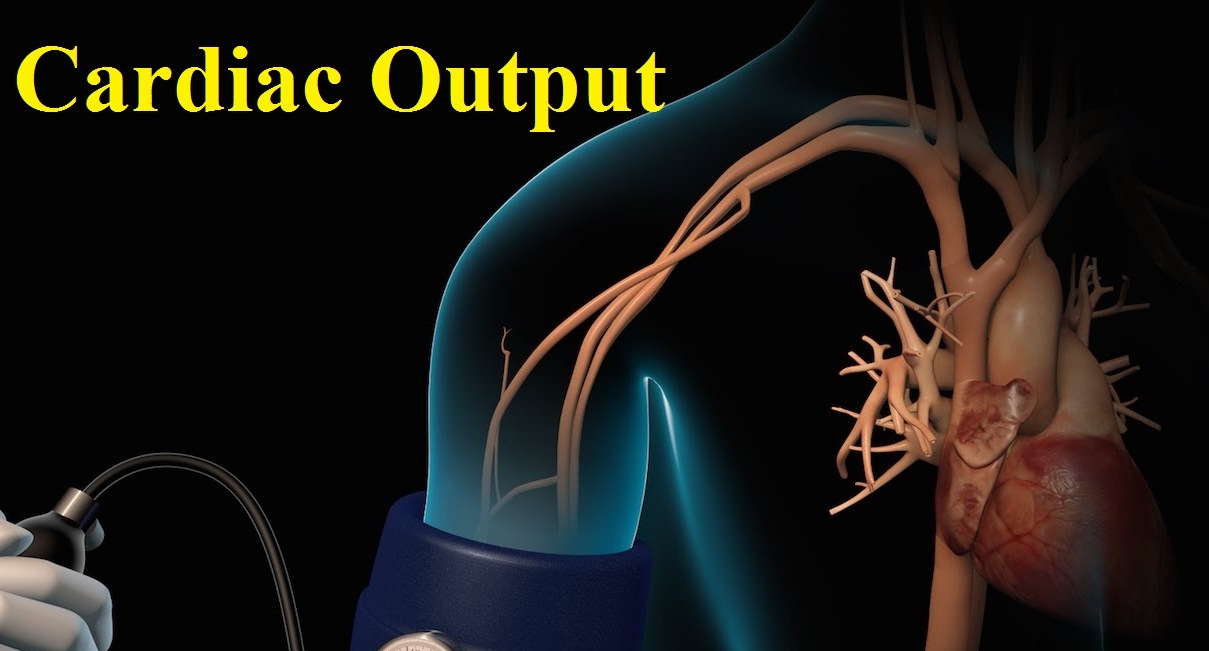
Cardiac Output The cardiac output is simply the amount of blood pumped by the heart per minute. Necessarily, the cardiac output is the product of
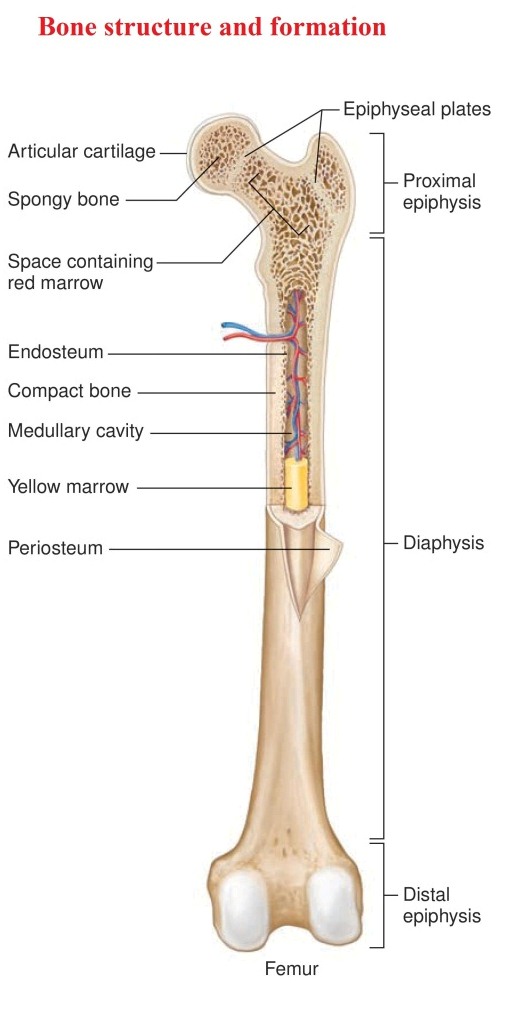
Bone structure and formation: Bone is the hardest of the connective tissues. Compact bone (Cortical Bone) and Spongy bone (Spongy Bone) are the two types
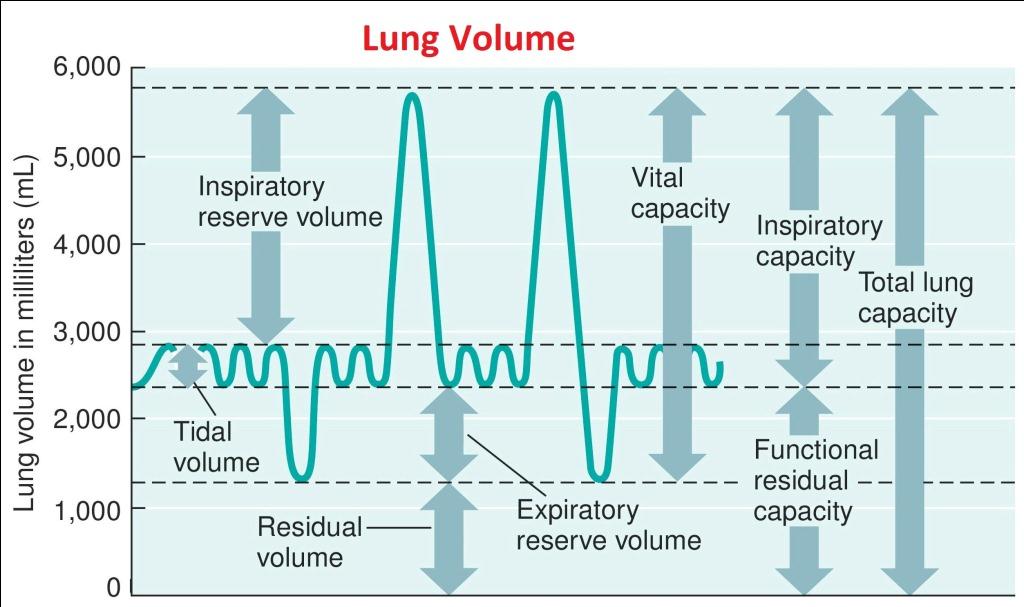
Lungs Volume The total air volume of the lungs is about 4 to 6 liters and varies with a person’s size, age, gender, and respiratory
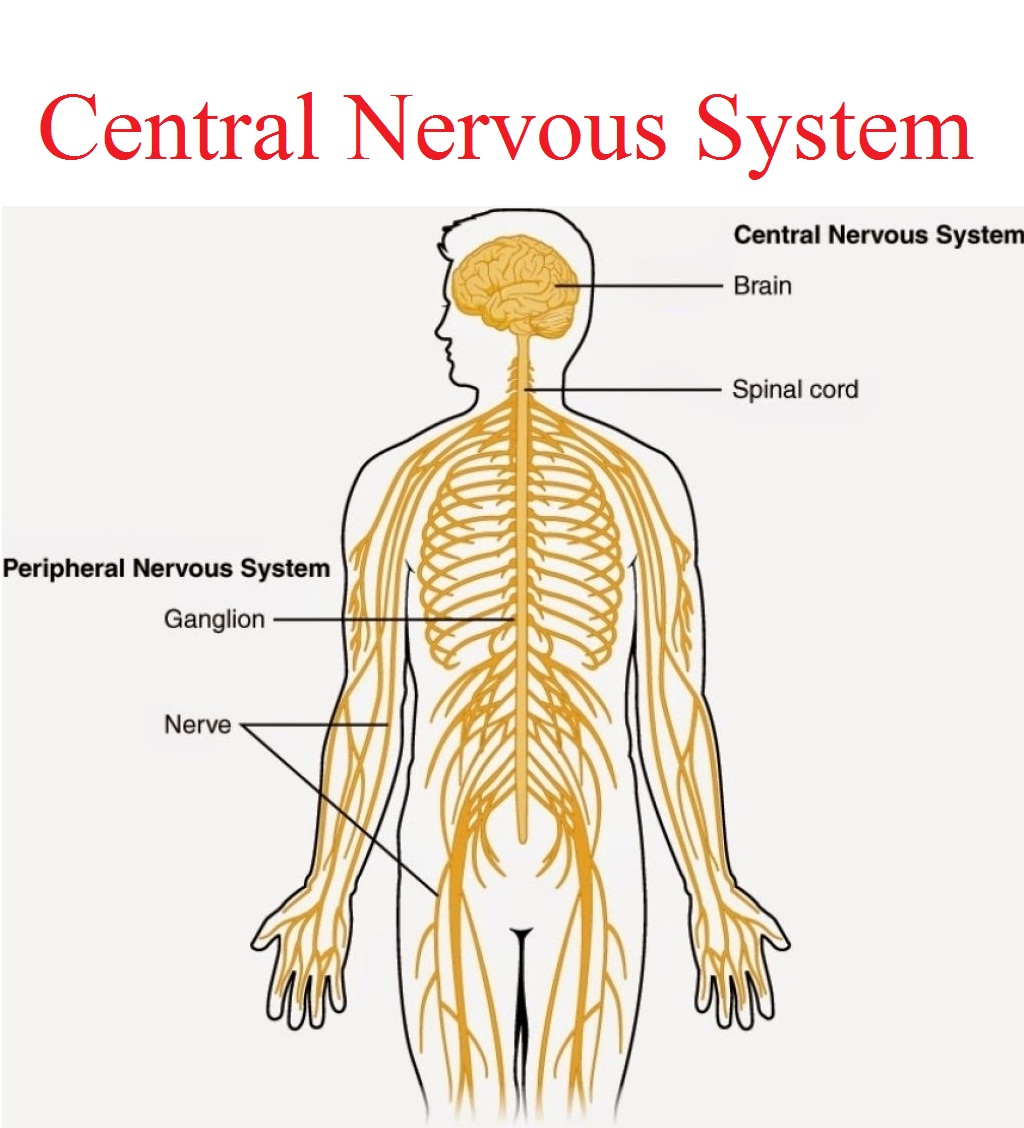
The Central Nervous System: The Central Nervous System comprises of the Brain and the Spinal cord: The Brain plays a central role in the control
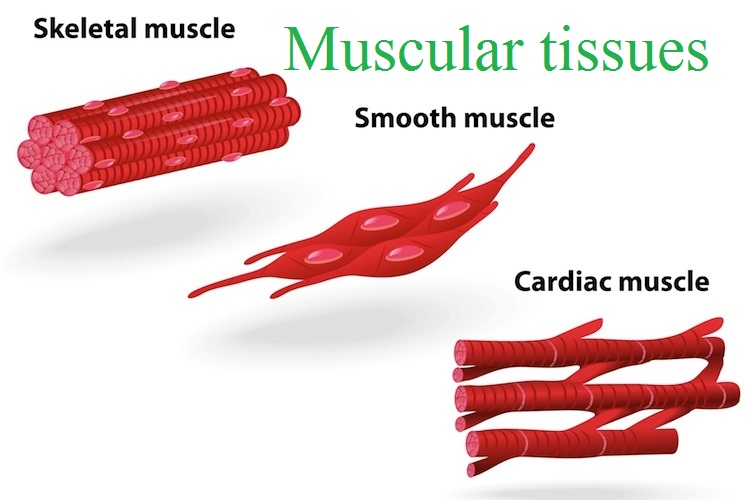
Muscular tissues can be classified into: Smooth, non-striated or involuntary muscles. Cardiac muscle or myocardium. Skeletal, striated or voluntary muscles. Skeletal muscles: Skeletal muscle comes
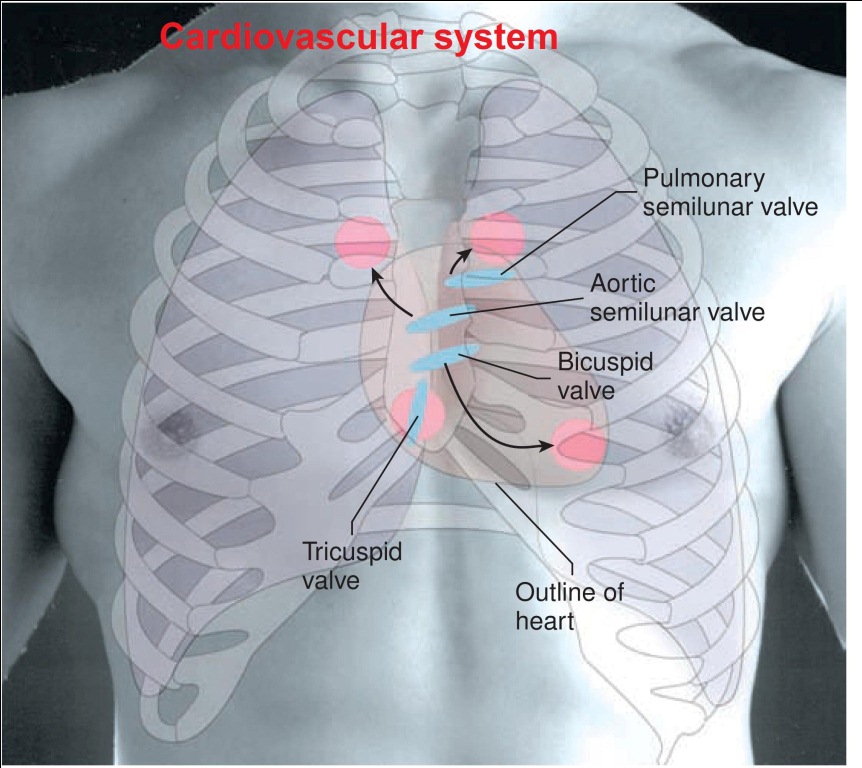
Cardiovascular system Humans have a closed circulatory system. You may remember that in a closed system blood is contained within vessels and that the main
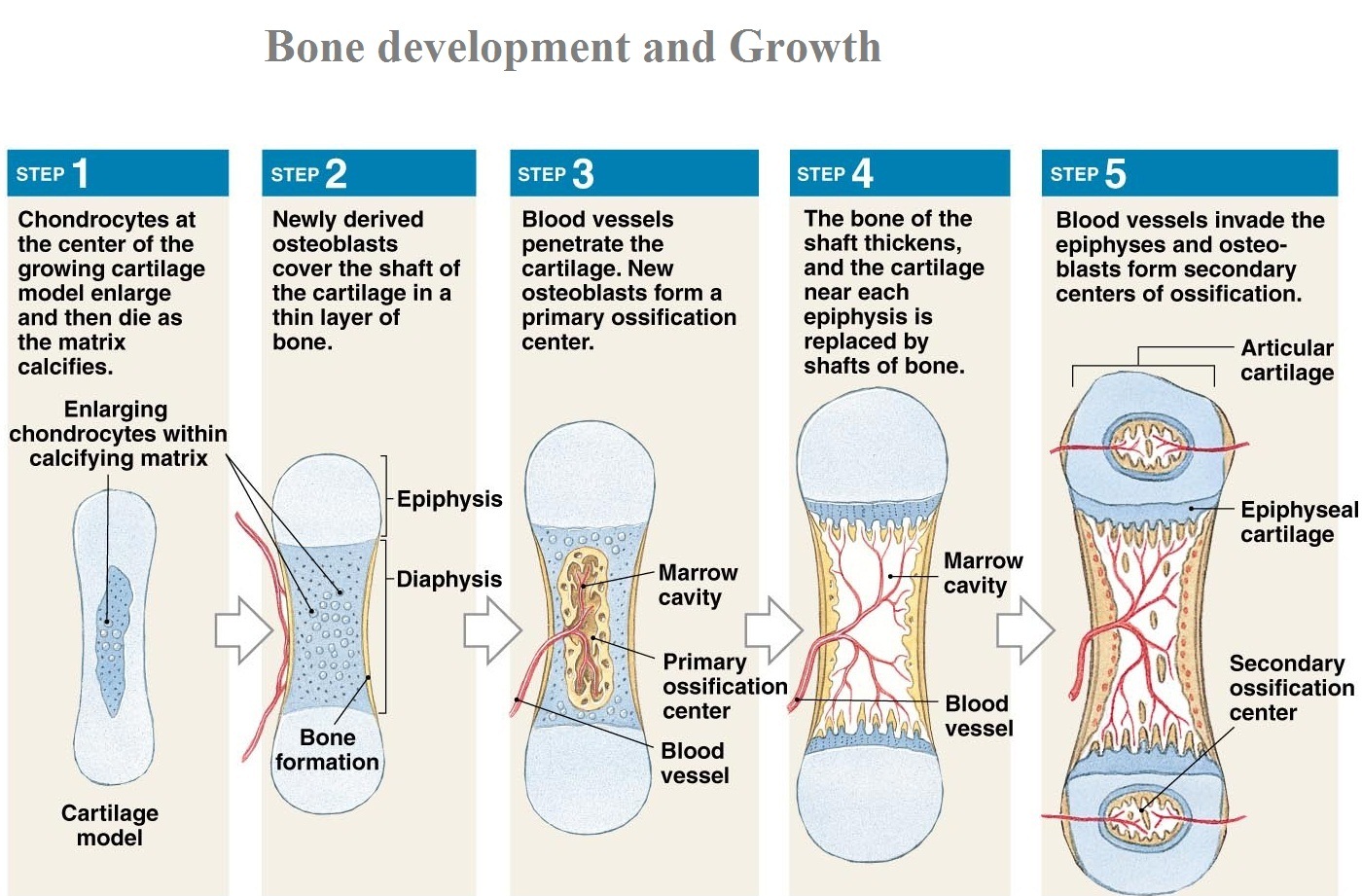
BONE DEVELOPMENT: There are two processes that form our bones before we are born: intramembranous ossification and endochondral ossification. Bones of the skeleton are developed
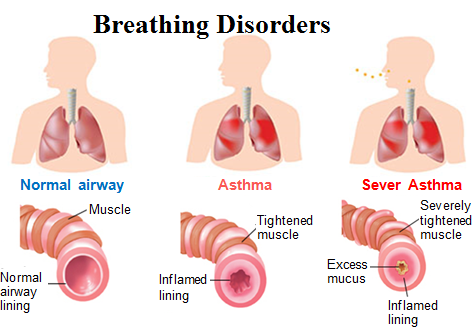
Abnormal Breathing and Breathing Disorders Apnea:Absence of breathing. Orthopnea:Only able to breathe comfortably in upright, unable to breath laying down Dyspnea: Subjective sensation related by
Social Chat is free, download and try it now here!