Why we have to do deep breathing, during hatha yoga practices
A slow breathing rate keeps the heart stronger and better nourished, as it exerts a positive effect on the cardiac functions and coronary supply –
Karuna Yoga Vidya Peetham Bangalore

A slow breathing rate keeps the heart stronger and better nourished, as it exerts a positive effect on the cardiac functions and coronary supply –
A few yogic practices to overcome shallow breathing are as follows: Kapalbhati Pranayama Bhastrika Pranayama Nadi Shodana Pranayama Ujjayi Pranayama
Define Anatomy Anatomy is the study of the structure of the body. It is the science that deals with the structures of the human body
As people of the 21st century, we hear a lot about the modern lifestyle we live and its undesirable effects on our health and society.

1. Flexion and Extension are movements that take place along the sagittal plane and involve anterior or posterior movements of the body. Flexion is an
Mooladhara chakra (Root chakra) Lock in Brahma granthi Swadhisthana chakra (Sacral chakra) Karmic block, Desire for food and sex Manipura (Solar plexus chakra) Habits,
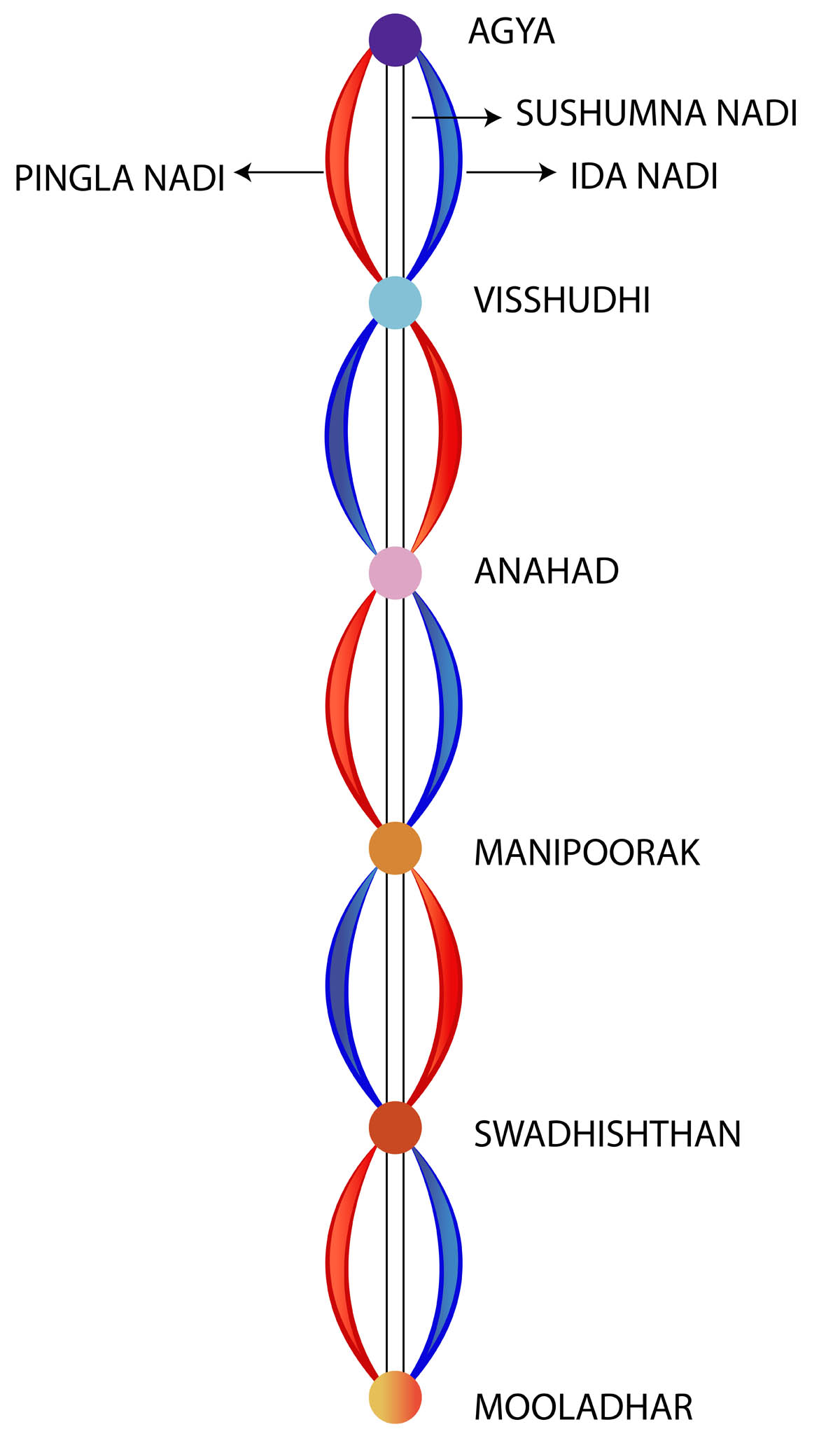
Visuddhi Chakra is violet in color, round, and has 16 petals. Vishudhi is the purification center and is known as the fountain of youth. Nectar
Guna is a Sanskrit term and means quality, peculiarity, or tendency. A Guna is a tattva or element of reality that can affect our psychological,
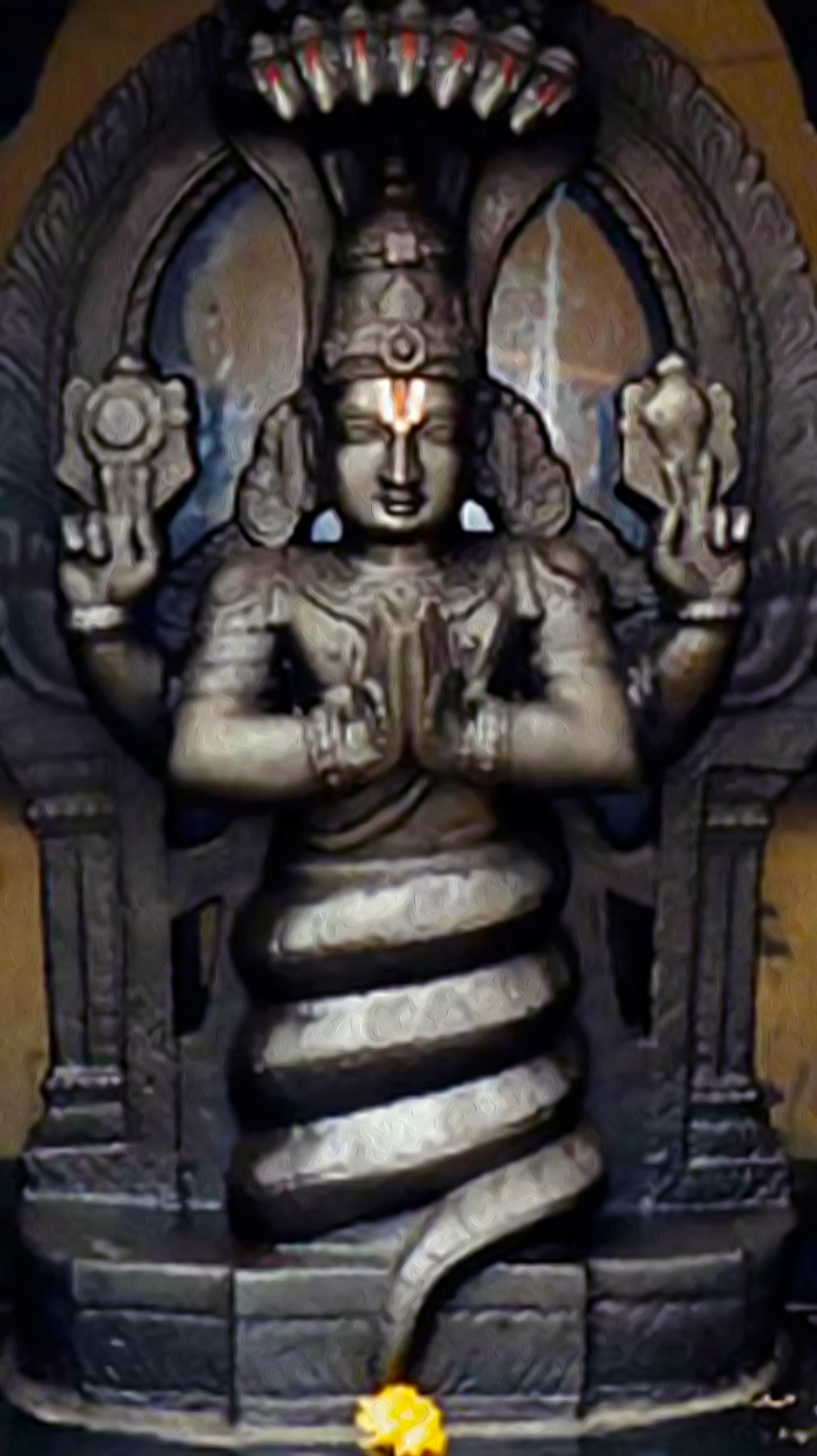
The Yoga text – Yoga Vasista, explains the diseases originating from stress and diseases which are not due to stress. Human emotions such as likes,
Purusartha is defined as the goal of human existence, the soul’s purpose, and the ultimate quest of life– the four aims of life. The four
Sattvic guna is a force favorable for the attainment of moksha. A sattvic mind is always steady and finds delight internally. Sattva guna is developed
Chaturvargas(four stages of life) i) Brahmacharya Ashram (1-25 years) student life, observing celibacy • Period of study and discipline • Period of probation • Students
1. Define Gaseous Exchange. [VP] – The transfer of gases between an organism and the external environment in either direction. It occurs by diffusion across
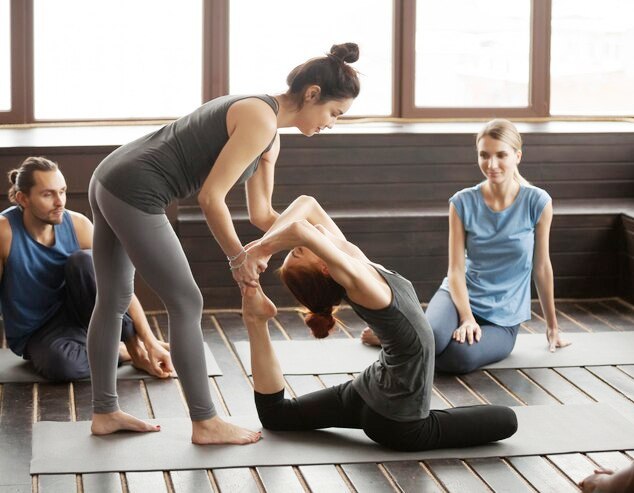
1. Why yoga student should know about “anatomy” Understanding yoga anatomy is crucial for all yoga students because it will increase the effectiveness of the asanas
Biomechanics of stretching 1. Isotonic contraction asana mechanism This is a type of contraction in which movement takes place, eg. When pushing or pulling an
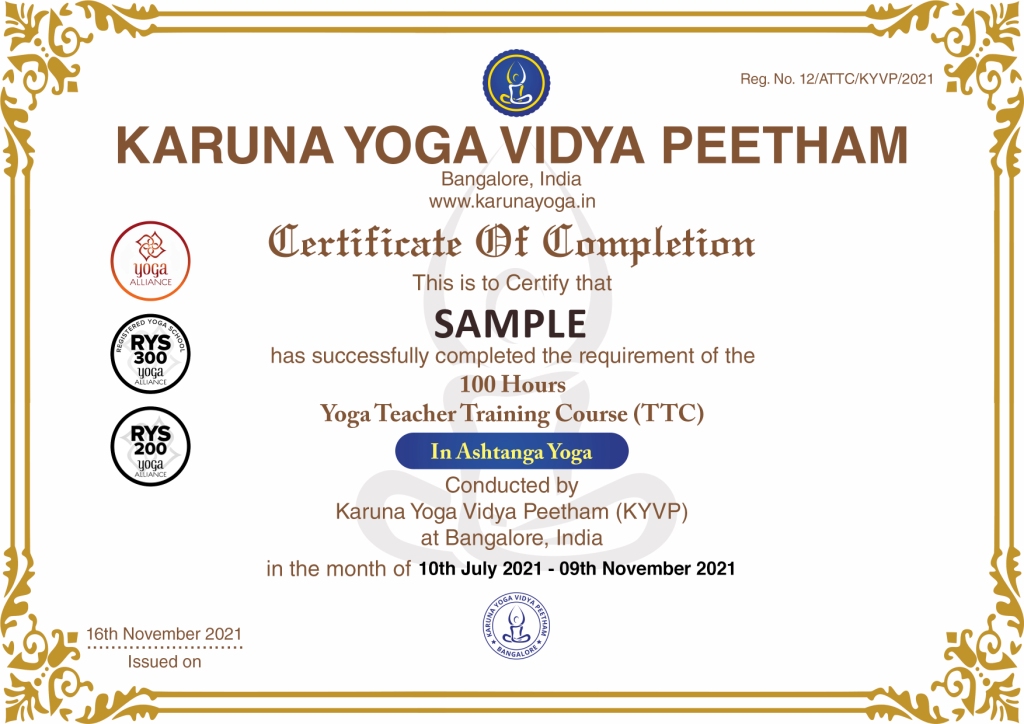
Anatomical directional terminology Define the directional term “superior” Towards the head or top, eg. Head Define the directional term “cranial” Cranial refers to the skull

Chakras with a number of petals Mooladhara chakra (Root chakra) Four Swadhisthana chakra (Sacral chakra) Six Manipura (Solar plexus chakra) Ten Anahata (Heart chakra) Twelve
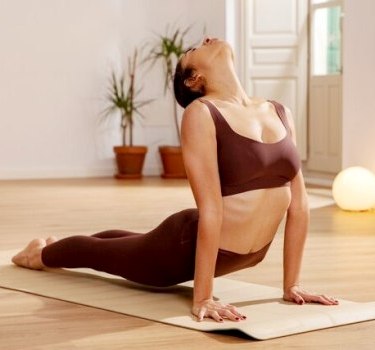
Yoga Injuries and How To Prevent Them Some of the common contraindications of asana practice are as follows: High BP and cardiac conditions: People with
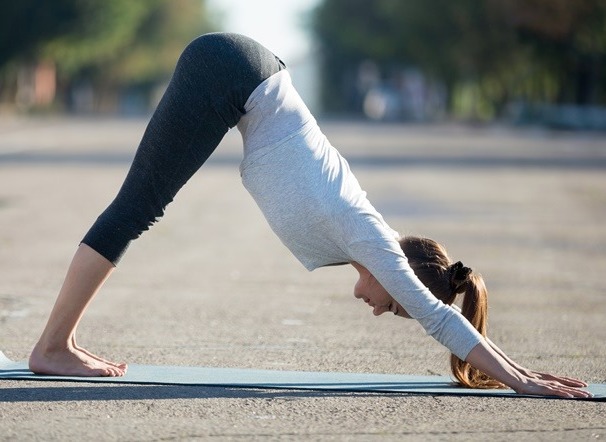
Qualification: Ashtanga Surya Namaskar can be practiced by anyone whose physical and mental health or rather overall well-being is sound. Contraindications: Ashtanga Surya Namaskar should
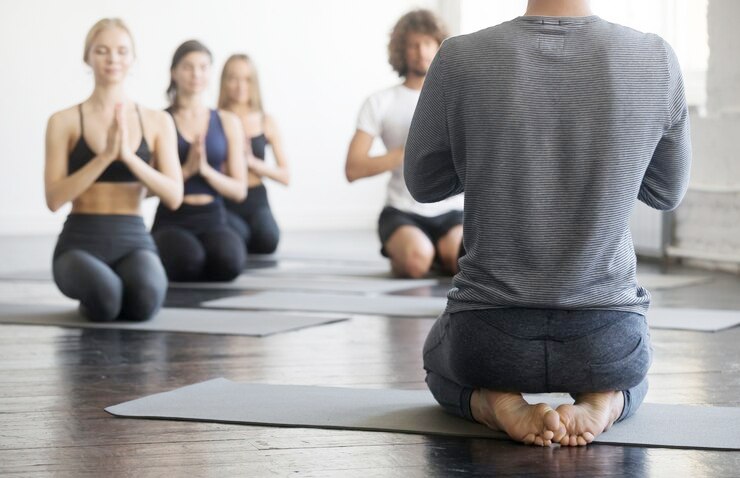
The steps involved in, the basics arc structure of class. Most yoga classes follow a basic arc structure that includes the following five elements: a)
60 min hatha yoga sequence for both gender for the age group of 25 to 40, who does not have any physical or mental illness.
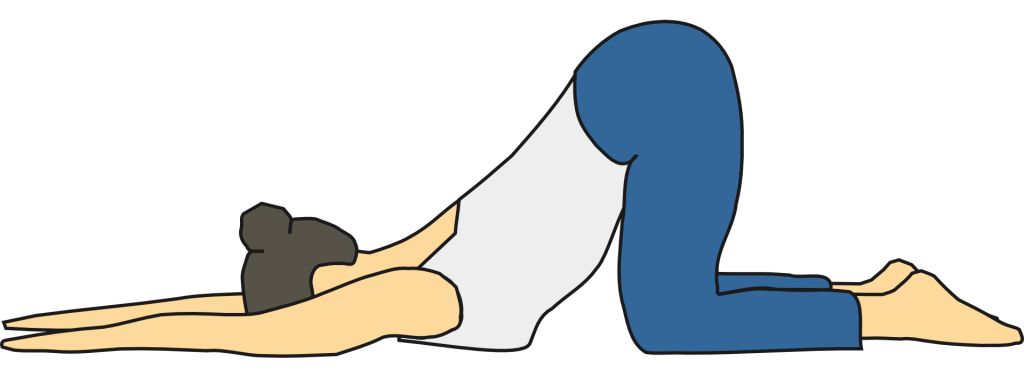
60 min vinyasa yoga practice list and sequence it. Both gender for the age group 25 to 40. Warm-Up (10 mins) Supta virasana with cushion
60 min practice list and sequence – back pain issue, slip disc, and sciatica. Centering (2 mins) Om chanting (2 mins) (3 times) Pranayama (3
60 min practice list and sequence – cardiac problem Centering (2 mins) Om chanting (2 mins) (3 times) Pranayama (5 mins) Nadi Shodhana (long inhale
Eccentric Downward movement of joint. Tension is produced when the muscle lengthens. Concentric Upward movement. Tension is produced when the muscle shortens. Causes joint movement.
This is a contraction in which movement does not take place, because the tension generated by the contracting muscle exceeds the load on the muscle.
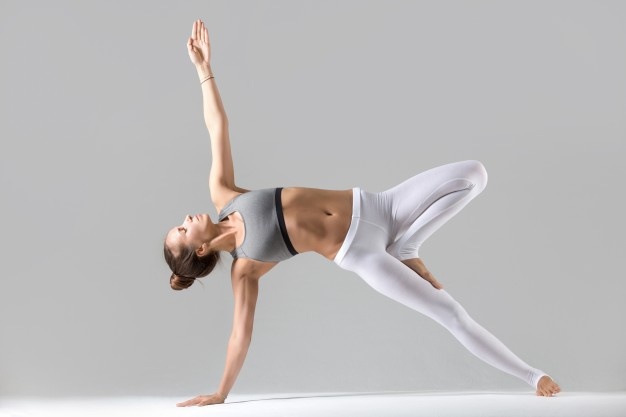
This happens without oxygen, fuel comes from muscle storage and is short, highly intense and burns fat directly. Example is weightlifting. More fast twitch muscle

This takes place with oxygen where carbohydrate and oxygen are used as fuel for the first two minutes after which fat is burned. These are
The greater your aerobic capacity, the longer your muscles can function without fatiguing or burning out. Type IIa fibers have more potential for increased aerobic capacity,
Slow-twitch, or Type I muscle fibers, are skeletal muscle fibers that slowly contract. Slow-twitch muscle fibers support everyday actions, like standing from a seated position and

Hamstring muscles are in the back of the thigh, starting at the hip and inserting to the knee. The three hamstring muscles are: Biceps femoris, closest to
The quadriceps are a group of muscles present on the front of the thigh. They consist of four distinct muscles: the rectus femoris, the vastus lateralis,

Vital capacity (VC) is the maximum amount of air a person can inhale after a maximum exhalation. It is equal to the sum of inspiratory reserve
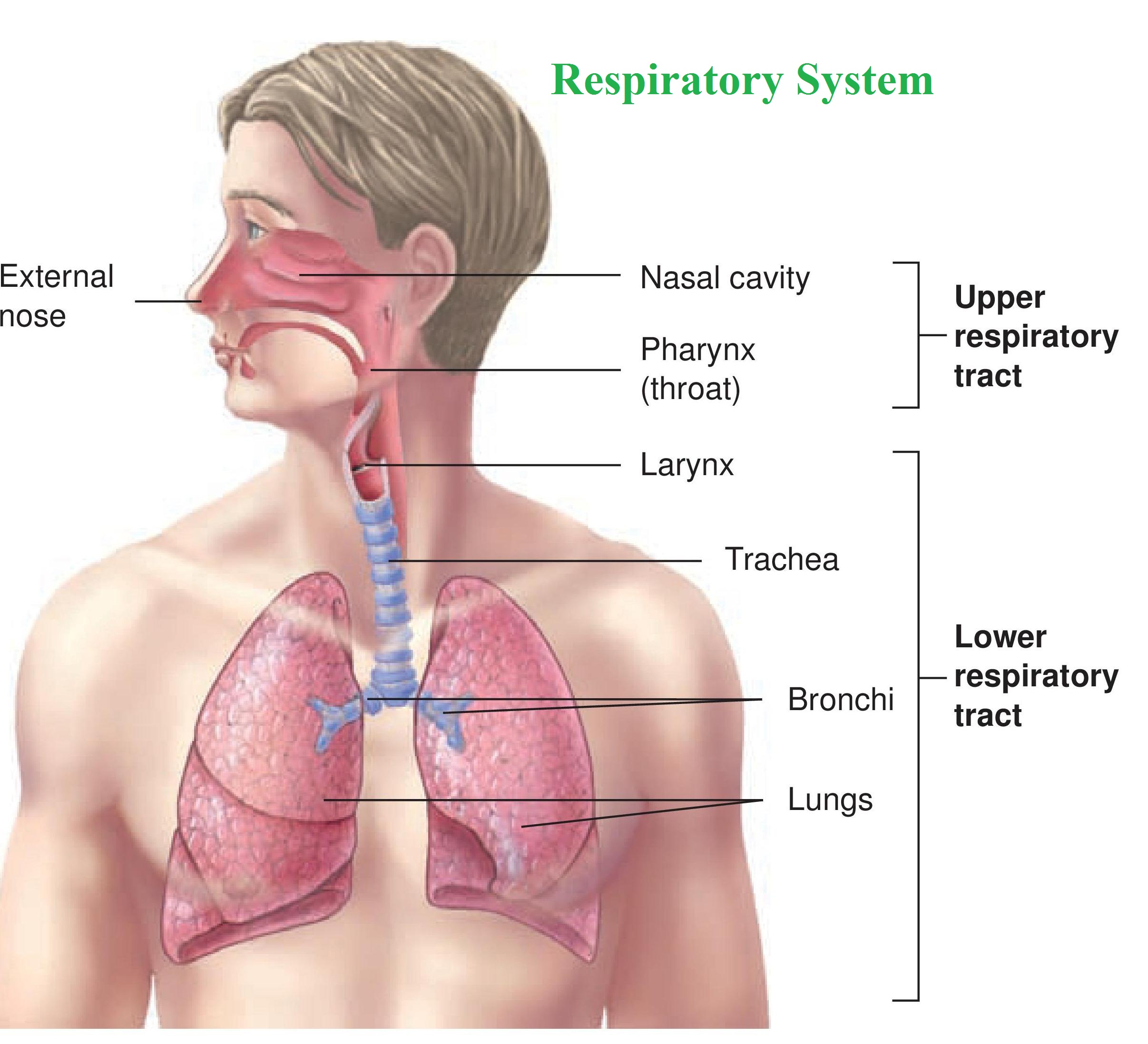
The pleura fluid itself has a slightly adhesive quality that helps draw the lungs outward during inhalation rather than slipping round in the chest cavity. In
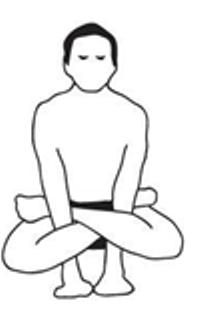
The transfer of gases between an organism and the external environment in either direction. It occurs by diffusion across a concentration gradient and includes the
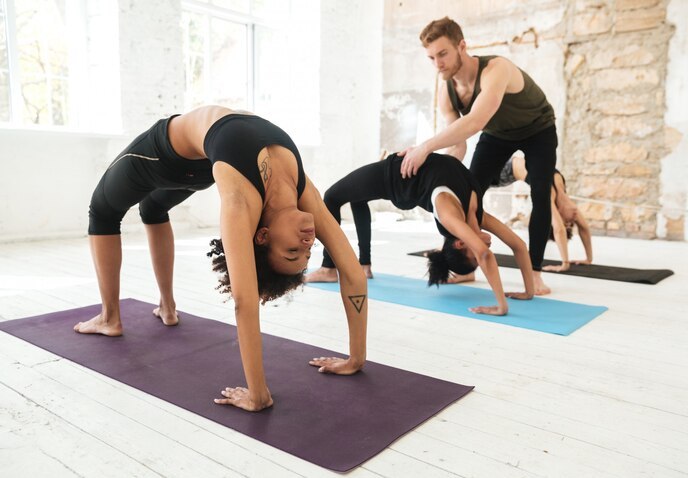
Moving the scapula toward the spine, also called scapular adduction or pulling the mandible backward. When you draw your shoulder blades together, it’s a retraction,
Explain term Protraction, in compare with asana movement. Moving the scapula away from the spine, also called scapular abduction or jutting the mandible forward. When
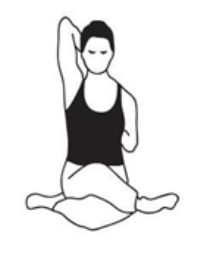
Explain term Lateral rotation (external rotation), in compare with asana movement. Lateral rotation is rotating away from the midline. An external rotation is when the
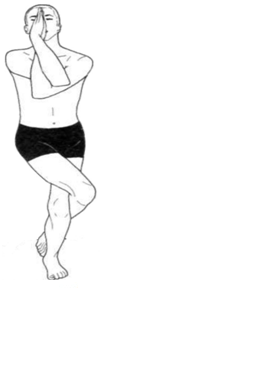
Explain term Medial rotation (internal rotation), in compare with asana movement. Medial rotation is rotating toward the midline. Medial rotation is a term describing a
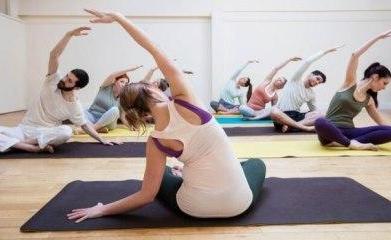
Lateral flexion is a movement that bends the body to the right or left side. It helps to open up the side-body, strengthens the obliques,
Social Chat is free, download and try it now here!