How to Teach Restorative Yoga
How to Teach Restorative Yoga Restorative yoga is a deeply relaxing practice that focuses on passive stretching, breath awareness, and nervous system regulation. It uses props like bolsters, blankets, and blocks to support the body in poses for extended periods, allowing for deep relaxation and healing. Teaching restorative yoga requires patience, mindfulness, and an understanding of how to create a safe and nurturing space for your students. 1. Understanding Restorative Yoga What is Restorative Yoga? Restorative yoga is a gentle, slow-paced practice that emphasizes: Relaxation and stress relief. Activation of the parasympathetic nervous system(rest-and-digest response). Healing and recovery from physical or emotional tension. Unlike Yin Yoga (which focuses on deep connective tissue release), Restorative Yoga is about complete relaxation and support—there is no effort or strain. Who Benefits from Restorative Yoga? People with high stress or anxiety. Beginners or those recovering from injury or illness. Athletes needing muscle recovery. Anyone seeking deep relaxation and better sleep. 2. Setting the Right Atmosphere Creating a calm, safe, and nurturing environment is essential for a successful restorative yoga class. Lighting & Ambience Use dim lightingor candles to create a soothing atmosphere. Soft, warm colors encourage relaxation. Music & Sound Play gentle instrumental music, nature sounds, or soft chanting. Avoid upbeat or distracting rhythms. Temperature & Comfort Ensure the room is warm enough(cool temperatures can cause tension). Provide blanketsso students stay cozy and comfortable. Scent & Aromatherapy Light essential oilslike lavender, chamomile, or sandalwood (optional). Use caution with scents—some students may be sensitive. 3. Essential Props & Setup Restorative yoga heavily relies on props to support the body and encourage deep relaxation. Common Props Used: Bolsters– For spinal support, gentle chest opening, or leg elevation. Blocks– To modify poses and offer gentle elevation. Blankets– For warmth and additional cushioning. Eye pillows– To encourage deep relaxation and block out light. Straps– To support passive stretches without effort. Encourage students to adjust props for maximum comfort—there should be no strain or tension in any posture. 4. Structuring a Restorative Yoga Class A. Opening the Class Guided Breathwork:Start with 5 minutes of diaphragmatic breathing (e.g., deep belly breathing or 4-7-8 breath). Set an Intention:Invite students to focus on rest, healing, or self-care. Gentle Warm-up:Slow movements like seated forward bends, side stretches, or cat-cow to prepare the body. B. Key Restorative Poses & Their Benefits Each pose should be held for 5-15 minutes to allow full relaxation. 1. Supported Child’s Pose (Balasana) Props:Bolster under chest, blanket under knees. Benefits:Calms the nervous system, releases tension in the back. 2. Reclined Butterfly (Supta Baddha Konasana) Props:Bolster under the spine, blocks under knees for support. Benefits:Opens the hips and chest, promotes deep breathing. 3. Supported Forward Fold (Paschimottanasana) Props:Bolster on legs, forehead resting on bolster or block. Benefits:Encourages surrender and introspection, relieves anxiety. 4. Legs-Up-The-Wall (Viparita Karani) Props:Folded blanket under the hips (optional). Benefits:Improves circulation, relieves leg fatigue, supports lymphatic drainage. 5. Supported Bridge Pose (Setu Bandhasana) Props:Block or bolster under sacrum. Benefits:Opens the heart, releases lower back tension. 6. Savasana (Corpse Pose) Props:Bolster under knees, eye pillow, blanket over body. Benefits:Deepest relaxation, integration of practice. C. Ending the Class Guided Meditation or Yoga Nidra:Use body scan techniques or visualization. Closing Affirmation or Mantra:End with gratitude and a sense of peace. Gentle Transition:Allow students to move slowly before sitting up. 5. Teaching Techniques & Cues A. Voice & Cueing Speak softly and slowlyto guide students into a relaxed state. Use minimal but clear instructions—less is more. Encourage long, deep breathsthroughout the practice. B. Adjustments & Hands-On Support Use light touchor grounding hands (if students are comfortable). Offer verbal adjustmentsbefore physical touch. Provide extra propsinstead of manually adjusting bodies into poses. C. Encouraging Stillness Remind students to let go of effort—they should feel completely supported. If the mind is restless, suggest focusing on the breath or repeating a silent mantra like “I am at peace.” 6. Tips for Success as a Restorative Yoga Teacher 1. Teach Slower Than You Think Students need time to settle into each pose. Don’t rush transitions—allow at least 1-2 minutesbetween poses. 2. Be Mindful of Trauma Sensitivity Some students may feel vulnerable in deep relaxation. Use inviting language(“You are welcome to close your eyes if it feels comfortable”). Always provide the option to adjust or skip poses. 3. Encourage Home Practice Teach students simple poses they can do at home (e.g., Legs-Up-The-Wall before bed). Share breathing techniques or relaxation exercises they can incorporate daily. 4. Continue Learning Attend restorative yoga workshopsto refine your teaching skills. Study nervous system regulation, breathwork, and mindfulness techniques. Teaching restorative yoga is a beautiful way to help others heal, relax, and find balance. By creating a safe and nurturing space, guiding students with care, and honoring the art of stillness, you can offer truly transformative classes.
Essential Guide to Continuing Education for Yoga Teachers
Essential Guide to Continuing Education for Yoga Teachers Introduction Yoga is a lifelong journey, and for yoga teachers, continuous learning is essential for both personal and professional growth. Continuing education allows teachers to deepen their knowledge, refine their teaching skills, and stay updated with evolving practices, philosophies, and scientific research. Whether you’re a newly certified instructor or a seasoned yoga teacher, ongoing education enriches your practice and enhances the experience you offer to students. This guide explores the importance of continuing education, available learning paths, certification requirements, and practical steps to further your yoga teaching journey. 1. Why Continuing Education Matters A. Deepening Personal Practice Before guiding students, a yoga teacher must cultivate their own personal practice. Continuing education allows for: Refining alignment and sequencing skills Exploring new styles of yoga (Yin, Kundalini, Ashtanga, etc.) Advancing personal meditation and pranayama techniques B. Expanding Teaching Skills To keep classes fresh and engaging, teachers must continually evolve. Continuing education helps: Improve cueing and hands-on adjustments Learn therapeutic yoga techniques for specific populations (prenatal, elderly, injured students, etc.) Develop specialized expertise such as trauma-informed yoga or Ayurveda integration C. Staying Current with Industry Standards Yoga is an evolving field with ongoing research in anatomy, biomechanics, and neuroscience. Staying updated ensures safe and effective teaching. D. Meeting Certification Requirements Many certifying bodies (e.g., Yoga Alliance) require teachers to complete continuing education hours to maintain their credentials. 2. Continuing Education Requirements A. Yoga Alliance and Other Accreditation Bodies Yoga teachers registered with Yoga Alliance (RYT 200, RYT 500, etc.) must complete 30 hours of continuing education every three years: 10 hours of contact training (in-person or live online workshops) 20 hours of non-contact training (reading, online courses, self-study) Other organizations, such as the International Association of Yoga Therapists (IAYT) or British Wheel of Yoga (BWY), have their own continuing education standards. B. Studio & Employer Requirements If you work at a yoga studio, gym, or wellness center, they may require specialized training in certain styles or themes. 3. Paths for Continuing Education A. Advanced Yoga Teacher Training (300/500-hour RYT) Once you have completed a 200-hour Yoga Teacher Training (YTT), the next step is an advanced 300-hour training to become RYT-500 certified. These programs deepen knowledge in: Advanced anatomy & biomechanics Teaching methodology & sequencing Yogic philosophy & Sanskrit studies Specializations such as Ayurveda, yoga therapy, or prenatal yoga B. Specialty Certifications & Workshops Teachers looking to expand their skills can enroll in specialized certification programs, such as: Yoga Therapy Certification (IAYT-recognized programs) Prenatal & Postnatal Yoga Training Trauma-Informed Yoga Teacher Training Yoga for Seniors or Adaptive Yoga Ayurvedic Yoga & Lifestyle Coaching Kids’ Yoga Certification C. Anatomy & Biomechanics Training Deepening knowledge in functional anatomy, fascia research, and injury prevention ensures safe, intelligent teaching. Renowned teachers like Leslie Kaminoff, Jill Miller, and Tom Myers offer courses in this field. D. Philosophy & Meditation Intensives Yoga is more than just physical practice. Studying Yoga Sutras, Bhagavad Gita, Tantra, and Advaita Vedanta deepens your teaching philosophy. Programs by Shiva Rea, Richard Freeman, and Eckhart Tolle offer deeper wisdom on yogic philosophy and mindfulness. E. Online Learning & Self-Paced Courses Online courses make continuing education accessible. Platforms such as: Yoga International Udemy & Coursera The Embodied Philosophy School offer workshops in yoga anatomy, philosophy, and advanced teaching techniques. F. Attending Yoga Conferences & Retreats Yoga conferences like The Yoga Expo, Wanderlust, and SYTAR (Symposium on Yoga Therapy & Research) allow teachers to learn from experts, explore emerging trends, and connect with a broader yoga community. G. Mentorship & Apprenticeship Programs Studying under an experienced mentor is invaluable. Shadowing a senior teacher provides hands-on learning in sequencing, adjustments, and class dynamics. 4. Practical Steps to Continue Your Education Step 1: Identify Your Interests & Goals Reflect on your areas of interest: Do you want to specialize (e.g., yoga therapy, prenatal yoga, philosophy)? Do you want to refine your teaching methodology? Are you interested in the business side of yoga (marketing, studio management)? Step 2: Set a Budget & Time Commitment Full teacher trainings (300/500-hour YTTs) can cost between $2,000–$5,000 and take months to complete. Short workshops & online courses can be more affordable ($100–$500) and fit into a busy schedule. Step 3: Research & Choose a Course Find credible and certified programs by checking: Yoga Alliance listings Testimonials from past students Accreditation by respected institutions Step 4: Integrate New Knowledge into Teaching Apply new concepts in your classes gradually. Use workshops to refine sequences and adjustments. Share your learning with students through themed classes and workshops. Step 5: Track Your Continuing Education Hours Keep records of completed courses, hours logged, and certifications earned. 5. Overcoming Common Challenges in Continuing Education A. Financial Constraints Look for scholarships or early-bird discounts. Take advantage of free webinars and YouTube tutorials. B. Time Management Set aside specific days for study. Opt for self-paced or weekend courses. C. Choosing the Right Course Read course reviews and verify credentials before enrolling. Conclusion Continuing education is essential for growth, confidence, and success as a yoga teacher. Whether you pursue an advanced certification, online workshops, mentorship, or retreats, ongoing learning enhances both personal practice and teaching ability. By investing in education, you remain a lifelong student of yoga, inspiring others to do the same.

Ayurveda: Understanding & Identifying the 3 Doshas
Essential Guide to Continuing Education for Yoga Teachers Introduction Yoga is a lifelong journey, and for yoga teachers, continuous learning is essential for both personal and professional growth. Continuing education allows teachers to deepen their knowledge, refine their teaching skills, and stay updated with evolving practices, philosophies, and scientific research. Whether you’re a newly certified instructor or a seasoned yoga teacher, ongoing education enriches your practice and enhances the experience you offer to students. This guide explores the importance of continuing education, available learning paths, certification requirements, and practical steps to further your yoga teaching journey. 1. Why Continuing Education Matters A. Deepening Personal Practice Before guiding students, a yoga teacher must cultivate their own personal practice. Continuing education allows for: Refining alignment and sequencing skills Exploring new styles of yoga (Yin, Kundalini, Ashtanga, etc.) Advancing personal meditation and pranayama techniques B. Expanding Teaching Skills To keep classes fresh and engaging, teachers must continually evolve. Continuing education helps: Improve cueing and hands-on adjustments Learn therapeutic yoga techniques for specific populations (prenatal, elderly, injured students, etc.) Develop specialized expertise such as trauma-informed yoga or Ayurveda integration C. Staying Current with Industry Standards Yoga is an evolving field with ongoing research in anatomy, biomechanics, and neuroscience. Staying updated ensures safe and effective teaching. D. Meeting Certification Requirements Many certifying bodies (e.g., Yoga Alliance) require teachers to complete continuing education hours to maintain their credentials. 2. Continuing Education Requirements A. Yoga Alliance and Other Accreditation Bodies Yoga teachers registered with Yoga Alliance (RYT 200, RYT 500, etc.) must complete 30 hours of continuing education every three years: 10 hours of contact training (in-person or live online workshops) 20 hours of non-contact training (reading, online courses, self-study) Other organizations, such as the International Association of Yoga Therapists (IAYT) or British Wheel of Yoga (BWY), have their own continuing education standards. B. Studio & Employer Requirements If you work at a yoga studio, gym, or wellness center, they may require specialized training in certain styles or themes. 3. Paths for Continuing Education A. Advanced Yoga Teacher Training (300/500-hour RYT) Once you have completed a 200-hour Yoga Teacher Training (YTT), the next step is an advanced 300-hour training to become RYT-500 certified. These programs deepen knowledge in: Advanced anatomy & biomechanics Teaching methodology & sequencing Yogic philosophy & Sanskrit studies Specializations such as Ayurveda, yoga therapy, or prenatal yoga B. Specialty Certifications & Workshops Teachers looking to expand their skills can enroll in specialized certification programs, such as: Yoga Therapy Certification (IAYT-recognized programs) Prenatal & Postnatal Yoga Training Trauma-Informed Yoga Teacher Training Yoga for Seniors or Adaptive Yoga Ayurvedic Yoga & Lifestyle Coaching Kids’ Yoga Certification C. Anatomy & Biomechanics Training Deepening knowledge in functional anatomy, fascia research, and injury prevention ensures safe, intelligent teaching. Renowned teachers like Leslie Kaminoff, Jill Miller, and Tom Myers offer courses in this field. D. Philosophy & Meditation Intensives Yoga is more than just physical practice. Studying Yoga Sutras, Bhagavad Gita, Tantra, and Advaita Vedanta deepens your teaching philosophy. Programs by Shiva Rea, Richard Freeman, and Eckhart Tolle offer deeper wisdom on yogic philosophy and mindfulness. E. Online Learning & Self-Paced Courses Online courses make continuing education accessible. Platforms such as: Yoga International Udemy & Coursera The Embodied Philosophy School offer workshops in yoga anatomy, philosophy, and advanced teaching techniques. F. Attending Yoga Conferences & Retreats Yoga conferences like The Yoga Expo, Wanderlust, and SYTAR (Symposium on Yoga Therapy & Research) allow teachers to learn from experts, explore emerging trends, and connect with a broader yoga community. G. Mentorship & Apprenticeship Programs Studying under an experienced mentor is invaluable. Shadowing a senior teacher provides hands-on learning in sequencing, adjustments, and class dynamics. 4. Practical Steps to Continue Your Education Step 1: Identify Your Interests & Goals Reflect on your areas of interest: Do you want to specialize (e.g., yoga therapy, prenatal yoga, philosophy)? Do you want to refine your teaching methodology? Are you interested in the business side of yoga (marketing, studio management)? Step 2: Set a Budget & Time Commitment Full teacher trainings (300/500-hour YTTs) can cost between $2,000–$5,000 and take months to complete. Short workshops & online courses can be more affordable ($100–$500) and fit into a busy schedule. Step 3: Research & Choose a Course Find credible and certified programs by checking: Yoga Alliance listings Testimonials from past students Accreditation by respected institutions Step 4: Integrate New Knowledge into Teaching Apply new concepts in your classes gradually. Use workshops to refine sequences and adjustments. Share your learning with students through themed classes and workshops. Step 5: Track Your Continuing Education Hours Keep records of completed courses, hours logged, and certifications earned. 5. Overcoming Common Challenges in Continuing Education A. Financial Constraints Look for scholarships or early-bird discounts. Take advantage of free webinars and YouTube tutorials. B. Time Management Set aside specific days for study. Opt for self-paced or weekend courses. C. Choosing the Right Course Read course reviews and verify credentials before enrolling. Conclusion Continuing education is essential for growth, confidence, and success as a yoga teacher. Whether you pursue an advanced certification, online workshops, mentorship, or retreats, ongoing learning enhances both personal practice and teaching ability. By investing in education, you remain a lifelong student of yoga, inspiring others to do the same.

Ardha Navasana (Half Boat Pose): How to Do, Benefits & Variations
Ardha Navasana (Half Boat Pose): How to Do, Benefits & Variations Introduction Ardha Navasana, also known as Half Boat Pose, is a strengthening yoga posture that primarily targets the core while also engaging the legs, hip flexors, and back. It is a beginner-friendly variation of Navasana (Full Boat Pose) and is an excellent way to build core stability and improve balance. This pose helps to develop concentration and mental endurance by requiring the practitioner to hold the position while engaging muscles. The name comes from the Sanskrit words Ardha (half), Nava (boat), and Asana (pose), which combined means “Half Boat Pose.” How to Do Ardha Navasana (Half Boat Pose) Step-by-Step Instructions: 1️⃣ Start in a seated position on the mat with your knees bent and feet flat on the floor, hip-width apart. Keep your back straight and shoulders relaxed. 2️⃣ Place your hands on the floor behind you for support, with fingers facing forward. Alternatively, you can keep your hands resting on your thighs. 3️⃣ Lean back slightly to engage your core, then lift your feet off the floor. Bring your knees toward your chest, keeping your legs bent. 4️⃣ Extend your legs in front of you, so your shins are parallel to the floor. Keep your feet flexed, and your knees slightly bent if needed. 5️⃣ Lift your chest while keeping your spine straight and your shoulders relaxed. Engage your core, and avoid rounding your lower back. 6️⃣ Hold the position for 15–30 seconds, breathing deeply and maintaining balance. If possible, you can try extending your arms parallel to the floor for an added challenge. 7️⃣ Release the pose slowly by lowering your feet to the floor, followed by your back. Relax in a seated position before repeating. Benefits of Ardha Navasana (Half Boat Pose) ✔️ Strengthens Core Muscles – Engages and tones the abdominal muscles, improving core stability and strength. ✔️ Improves Balance and Posture – Helps develop better balance and alignment by challenging the body’s equilibrium. ✔️ Stimulates Digestion – Massages the internal organs and promotes healthy digestion. ✔️ Strengthens the Hip Flexors and Legs – Engages the hip flexors, quads, and lower back muscles, increasing strength and flexibility. ✔️ Enhances Focus and Mental Clarity – The balancing nature of the pose sharpens concentration and builds mental endurance. ✔️ Relieves Lower Back Tension – Improves flexibility in the spine and reduces tension in the lower back area. Variations of Ardha Navasana (Half Boat Pose) 1. Ardha Navasana with Hands Off the Floor In this variation, instead of supporting yourself with your hands behind you, you can extend your arms forward or keep them by your sides. This will increase the challenge and engage the core muscles more deeply. 2. Ardha Navasana with Extended Legs Once you’re comfortable holding the pose with bent knees, you can try extending your legs fully so they are straight and parallel to the floor. This variation requires greater core strength and balance. 3. Ardha Navasana with Knee-to-Chest Option If you find it difficult to extend your legs fully, you can keep your knees bent and bring them toward your chest for a slightly less intense variation. Hold this pose for as long as possible while focusing on engaging the core. 4. Ardha Navasana with Alternate Leg Extensions In this variation, one leg is extended straight while the other remains bent. Alternate legs after holding the pose for a few seconds, providing a dynamic challenge for the core. 5. Ardha Navasana with a Block or Cushion Place a yoga block or cushion between your thighs to add extra resistance, which helps further engage the legs and core muscles. Precautions and Contraindications ⚠️ Avoid if you have lower back issues – People with lower back pain should practice this pose with caution or avoid it entirely. ⚠️ Avoid if you have neck or shoulder injuries – Be mindful of your neck and shoulder positioning, especially if you’re extending your arms. ⚠️ Not recommended for pregnant women – Avoid this pose during pregnancy, as it involves core activation and pressure on the abdomen. Conclusion Ardha Navasana is a great starting point for those looking to build core strength, improve balance, and increase focus. This accessible variation of Navasana offers a solid foundation for more advanced postures while providing numerous physical and mental benefits.

Ujjayi Breath & Ujjayi Pranayama – All You Need to Know
Ujjayi Breath & Ujjayi Pranayama – All You Need to Know Ujjayi Pranayama, also known as Victorious Breath or Ocean Breath, is one of the most commonly practiced yogic breathing techniques. It creates a deep, rhythmic sound that calms the mind, enhances focus, and improves energy flow. This guide covers:✅ Meaning & Benefits of Ujjayi Pranayama✅ Step-by-Step Instructions to practice it✅ Common Mistakes & Tips for mastering it 1. What Is Ujjayi Breath? 🔹 Ujjayi (pronounced “oo-jai”) means “victorious” in Sanskrit🔹 It involves slightly constricting the throat while breathing in and out through the nose🔹 The breath creates a gentle ocean-like sound (similar to waves or Darth Vader breathing) Ujjayi is used in:✔ Traditional pranayama (breath control) practices✔ Vinyasa & Ashtanga yoga to link breath with movement✔ Meditation & stress relief for mental clarity 2. Benefits of Ujjayi Pranayama 🔬 Scientific & Yogic Benefits:✔ Calms the nervous system → Activates the parasympathetic “rest & digest” response✔ Improves focus & mindfulness → Increases present-moment awareness✔ Enhances oxygen flow → Improves lung capacity & breath control✔ Supports detoxification → Clears toxins from the respiratory system✔ Boosts stamina & endurance → Helps maintain steady energy during yoga Great for:✅ Anxiety & stress relief✅ Enhancing yoga & meditation✅ Deepening breath control for athletes & singers 3. How to Practice Ujjayi Breath (Step-by-Step Guide) 🧘♂️ Step 1: Find a Comfortable Seated Position ✔ Sit in Easy Pose (Sukhasana) or any comfortable posture✔ Keep your spine straight and shoulders relaxed 🌊 Step 2: Start Deep Breathing ✔ Inhale slowly through your nose, filling your belly and chest✔ Exhale fully through your nose, releasing all air 🎤 Step 3: Slightly Constrict the Throat ✔ Pretend you’re fogging up a mirror with your breath, but with your mouth closed✔ You should hear a soft “ocean wave” sound from the back of your throat 🌬 Step 4: Maintain a Slow & Even Breath ✔ Keep your breath deep, slow, and rhythmic✔ Aim for equal-length inhales & exhales 🕰 Step 5: Practice for 5-10 Minutes ✔ Begin with 3-5 minutes and gradually increase✔ Use during yoga flow (e.g., Sun Salutations) or in meditation 4. Common Mistakes & Tips 🚫 Mistake #1: Forcing the Throat Too Much✔ Fix: Keep the throat gently constricted—no tension or strain 🚫 Mistake #2: Breathing Too Fast or Shallow✔ Fix: Slow down, lengthen inhales & exhales evenly 🚫 Mistake #3: Breathing Through the Mouth✔ Fix: Always breathe in & out through the nose 🚫 Mistake #4: Not Engaging the Diaphragm✔ Fix: Breathe deeply into the belly, ribs, and chest 5. When & How to Use Ujjayi Breath ✅ During Yoga Practice: Enhances flow in Vinyasa, Ashtanga, and Power Yoga✅ In Meditation: Helps focus the mind and enter a deep state of relaxation✅ For Stress & Anxiety Relief: Activates the parasympathetic nervous system✅ Before Sleep: Slows the heart rate and prepares the body for rest✅ For Endurance & Stamina: Supports athletes, runners, and breathwork practitioners Ujjayi Breath is a powerful tool for mind-body balance. With regular practice, it improves breath control, focus, and relaxation.

Ushas Mudra: Meaning, How to Do, Benefits
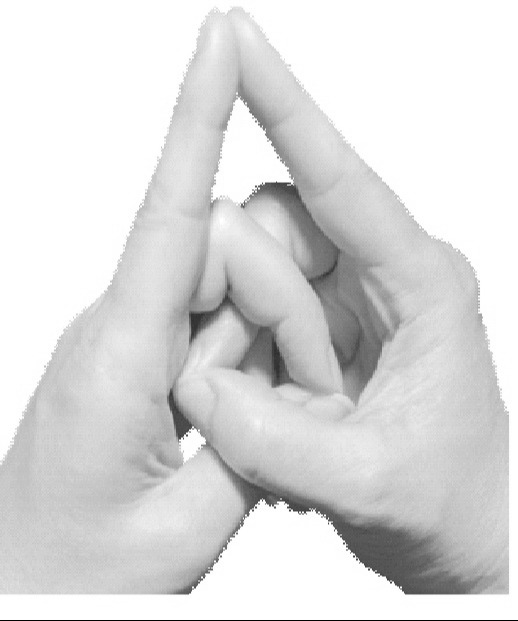
Ushas Mudra: Meaning, How to Do, Benefits What is Ushas Mudra? Ushas Mudra, also known as the Gesture of Dawn, is a powerful yogic hand gesture that awakens new energy, creativity, and enthusiasm. The word “Ushas” means dawn or new beginnings in Sanskrit, symbolizing the renewal of life force and mental clarity. This mudra is particularly effective for:✔️ Boosting motivation and mental alertness✔️ Awakening sexual energy and creativity✔️ Enhancing hormonal balance and emotional stability It is best practiced in the morning to set a positive tone for the day. How to Perform Ushas Mudra (Step-by-Step Guide) Sitting Position: 🧘♂️ Sit comfortably in Padmasana (Lotus Pose), Sukhasana (Easy Pose), or Vajrasana (Thunderbolt Pose).🌿 Keep your spine straight and hands relaxed on your lap. Hand Position: ✅ Step 1: Bring both hands together and interlace the fingers.✅ Step 2: For men, place the right thumb over the left thumb.✅ Step 3: For women, place the left thumb over the right thumb.✅ Step 4: Hold this gesture gently near the navel or heart center.✅ Step 5: Close your eyes, take deep breaths, and focus on positive energy. 📌 Duration: 5–15 minutes daily (best in the morning)📌 Optional: Chant the mantra “OM” or set an intention for renewal and positivity Benefits of Ushas Mudra 1️⃣ Awakens Fresh Energy & Motivation ✔️ Stimulates new thoughts and ideas✔️ Overcomes mental fatigue and laziness 2️⃣ Enhances Creativity & Intuition ✔️ Boosts problem-solving abilities and innovative thinking✔️ Helps in artistic and creative expression 3️⃣ Balances Hormones & Sexual Energy ✔️ Supports hormonal health and reproductive balance✔️ Awakens kundalini energy for heightened awareness 4️⃣ Reduces Stress & Improves Emotional Stability ✔️ Promotes inner peace and emotional well-being✔️ Helps in releasing negative emotions and anxiety 5️⃣ Improves Focus & Mental Clarity ✔️ Increases concentration and decision-making ability✔️ Creates a calm and centered mind Who Should Practice Ushas Mudra? ✅ Those experiencing mental blockages or lack of inspiration✅ Anyone struggling with low energy, stress, or mood swings✅ People wanting to enhance focus, creativity, and enthusiasm Precautions & Contraindications ⚠️ Avoid this mudra if you have:❌ Overactive energy levels or hyperactivity issues❌ High blood pressure (consult a yoga expert before practicing) 🔹 Safety Tips:✔️ Best practiced in the morning for maximum benefits✔️ Maintain steady breathing and a relaxed posture✔️ Combine with affirmations or meditation for deeper effects Ushas Mudra is a powerful tool for renewal, motivation, and inner transformation. Whether you’re looking to boost creativity, regulate emotions, or awaken new energy, this simple yet effective mudra can help you start your day with clarity and enthusiasm

The Essential Guide to Continuing Education for Yoga Teachers
The Essential Guide to Continuing Education for Yoga Teachers Becoming a certified yoga teacher is just the beginning of your journey. To stay inspired, expand your knowledge, and refine your teaching, continuing education is essential. This guide explores the best ways to grow as a yoga teacher, deepen your practice, and keep your teaching fresh and impactful. 1. Why Continuing Education Matters Enhances Teaching Skills– Learn new sequencing, alignment techniques, and class themes. Expands Knowledge– Dive deeper into philosophy, anatomy, and specialized yoga styles. Boosts Confidence– Gain expertise in areas that resonate with you. Meets Certification Requirements– Many organizations (like Yoga Alliance) require ongoing training hours. Inspires Personal Growth– Keeps your practice evolving and prevents burnout. 2. Paths to Continuing Education A. Advanced Yoga Teacher Trainings (300-hour & 500-hour YTT) Deepen your understanding of yoga philosophy, anatomy, and teaching methodology. Expand your teaching beyond basic 200-hour knowledge. Look for accredited schools offering advanced certifications. B. Specialized Yoga Certifications Yoga Therapy– Learn to work with injuries, chronic pain, and mental health conditions. Prenatal & Postnatal Yoga– Guide expectant and new mothers safely through yoga. Kids & Teen Yoga– Teach young students with age-appropriate techniques. Chair Yoga & Adaptive Yoga– Make yoga accessible for seniors and those with limited mobility. Trauma-Informed Yoga– Help students heal through mindful movement and breathwork. C. Workshops & Intensives Short-term, immersive learning experiences on topics like alignment, sequencing, pranayama, and hands-on adjustments. Great for refining specific skills without committing to a full training program. D. Online Courses & Webinars Flexible and affordable learning from top teachers worldwide. Explore platforms like Yoga International, Yoga Alliance, and Udemy. Topics range from yoga philosophy, business skills, sequencing, and anatomy. E. Mentorship & Apprenticeships Work closely with an experienced teacher for personalized guidance. Gain real-world experience assisting in classes and workshops. Ideal for refining your teaching style and getting feedback. 3. Expanding Your Knowledge Beyond Asana A. Yoga Philosophy & Spiritual Growth Study texts like The Yoga Sutras, The Bhagavad Gita, and The Upanishads. Explore mantras, meditation, and the Eight Limbs of Yoga. Consider studying Sanskrit, Ayurveda, or Vedic traditions. B. Anatomy & Biomechanics Understanding the body improves cueing, injury prevention, and hands-on adjustments. Study books like “The Key Muscles of Yoga” by Ray Longor take anatomy courses. C. Breathwork & Meditation Training Learn advanced pranayama techniquesand how to integrate them into classes. Train in meditation methods like Yoga Nidra, Mindfulness, or Vipassana. 4. Business & Career Growth for Yoga Teachers A. Developing Your Teaching Niche Identify your strengths and interests (e.g., yoga for athletes, corporate yoga, private clients). Specializing can help you attract students and build a sustainable career. B. Marketing & Social Media for Yoga Teachers Build an online presence through Instagram, YouTube, and blogging. Learn how to market your classes, workshops, and retreats. C. Running Workshops, Retreats & Online Programs Hosting workshops allows you to share deeper knowledge with students. Consider running yoga retreats or creating online courses for passive income. 5. Staying Inspired & Avoiding Burnout A. Maintain Your Personal Practice Teaching can take away from your own practice—set aside time for self-practice. Attend classes with different teachers for inspiration. B. Network with Other Yoga Teachers Join teacher communities, attend meetups, and collaborate with peers. Stay motivated by exchanging ideas and experiences. C. Keep Learning & Exploring Try new yoga styles (Yin, Kundalini, AcroYoga, etc.). Read books, listen to podcasts, and take time for self-study. Continuing education is a lifelong journey that enhances both your teaching and personal growth. Whether through formal training, mentorship, or self-study, staying curious and committed to learning will keep your yoga teaching fresh, impactful, and fulfilling.

Sanskrit Mantras to Uplift Your Practice & Life
Sanskrit Mantras to Uplift Your Practice & Life Sanskrit mantras are ancient sound vibrations that carry spiritual energy and can transform your consciousness. Chanting or meditating on these mantras can bring peace, clarity, strength, and higher awareness. Here are some of the most powerful Sanskrit mantras, their meanings, and how they can uplift your life. 1. Om (ॐ) – The Universal Sound Meaning:The primordial sound of the universe, representing creation, preservation, and dissolution. Benefits:Calms the mind, enhances concentration, and connects you with cosmic energy. How to Use:Chant “Om” slowly and deeply before meditation or yoga practice. 2. Om Shanti Shanti Shanti (ॐ शान्ति शान्ति शान्ति) Meaning:“Om, peace, peace, peace” – invokes inner and universal peace. Benefits:Reduces stress, removes negativity, and promotes harmony. How to Use:Repeat after meditation or prayer for deep relaxation. 3. Gayatri Mantra (गायत्री मंत्र) ॐ भूर्भुवः स्वःतत्सवितुर्वरेण्यंभर्गो देवस्य धीमहिधियो यो नः प्रचोदयात् Meaning:“We meditate on the divine light of the sun, may it enlighten our intellect.” Benefits:Boosts wisdom, purifies the mind, and increases spiritual awareness. How to Use:Chant in the morning, facing the sun, for clarity and energy. 4. Mahamrityunjaya Mantra (महामृत्युञ्जय मंत्र) ॐ त्र्यम्बकं यजामहेसुगन्धिं पुष्टिवर्धनम्उर्वारुकमिव बन्धनान्मृत्योर्मुक्षीय माऽमृतात् Meaning:A powerful healing mantra invoking Lord Shiva for protection and liberation from fear and suffering. Benefits:Strengthens health, removes obstacles, and provides spiritual protection. How to Use:Recite during difficult times, illness, or for deep healing. 5. Om Mani Padme Hum (ॐ मणि पद्मे हूं) Meaning:“The jewel is in the lotus” – represents wisdom and compassion. Benefits:Purifies negative karma, develops compassion, and brings inner peace. How to Use:Chant during meditation to open the heart chakra. 6. So Hum (सोऽहम्) – The Mantra of Breath Meaning:“I am That” – a mantra of self-realization and unity with the universe. Benefits:Increases mindfulness, deepens meditation, and helps dissolve ego. How to Use:Mentally repeat “So” on inhale and “Hum” on exhale. 7. Om Namah Shivaya (ॐ नमः शिवाय) Meaning:“I bow to Lord Shiva, the divine consciousness within.” Benefits:Brings peace, courage, and spiritual awakening. How to Use:Chant during meditation to remove negativity and connect with higher energy. 8. Lokah Samastah Sukhino Bhavantu (लोकाः समस्ताः सुखिनो भवन्तु) Meaning:“May all beings everywhere be happy and free.” Benefits:Cultivates love, compassion, and universal well-being. How to Use:Chant to spread positive energy and for world peace. 9. Om Gam Ganapataye Namaha (ॐ गं गणपतये नमः) Meaning:“Salutations to Lord Ganesha, remover of obstacles.” Benefits:Clears obstacles, enhances wisdom, and brings success. How to Use:Chant before starting new projects or facing challenges. 10. Om Tat Sat (ॐ तत् सत्) Meaning:“Om, That is Truth.” Benefits:Connects you with the eternal truth and divine essence. How to Use:Meditate on this mantra for inner guidance and clarity. How to Integrate Mantras into Your Practice Chant Daily– Repeating a mantra 108 times (a full mala cycle) amplifies its power. Use During Meditation– Focus on the mantra’s vibration to deepen awareness. Combine with Breathwork– Syncing mantras with breathing enhances mindfulness. Play Mantra Music– Listening to mantra chants creates a peaceful atmosphere. Set an Intention– Before chanting, focus on what you wish to cultivate (peace, healing, strength, etc.). By practicing these Sanskrit mantras, you can elevate your energy, enhance mindfulness, and bring more positivity into your life.

A Simple Guide to Yoga Certification Titles & How to Earn Them
A Simple Guide to Yoga Certification Titles & How to Earn Them Introduction Yoga certification titles can be confusing, especially for new practitioners and aspiring teachers. Understanding these titles helps you choose the right training program and progress in your yoga teaching journey. This guide breaks down common yoga certifications, their requirements, and how to earn them. 1. Common Yoga Certification Titles A. Registered Yoga Teacher (RYT) The RYT (Registered Yoga Teacher) credential is awarded by Yoga Alliance, the most widely recognized yoga certification body. RYT-200 – Requires completion of a 200-hour Yoga Teacher Training (YTT). RYT-500 – Requires completion of a 500-hour YTT (or a 200-hour YTT plus an additional 300-hour training). E-RYT 200 (Experienced Registered Yoga Teacher) – Requires 200 hours of training + 1,000 teaching hours. E-RYT 500 – Requires 500 hours of training + 2,000 teaching hours B. Certified Yoga Therapist (C-IAYT) For teachers interested in yoga therapy, the International Association of Yoga Therapists (IAYT) offers the C-IAYT (Certified Yoga Therapist) credential. It requires: Completion of an IAYT-accredited 800-hour yoga therapy training. 2+ years of practice applying therapeutic yoga. C. Specialty Yoga Certifications Many teachers pursue specialty training beyond standard RYT certifications, such as: Prenatal Yoga Teacher (RPYT) – Focuses on yoga for pregnancy and childbirth. Children’s Yoga Teacher (RCYT) – Specializes in yoga for kids. Trauma-Informed Yoga Certification – For working with trauma survivors. Adaptive & Accessible Yoga Certification – For teaching individuals with disabilities or limited mobility. 2. How to Earn a Yoga Certification Step 1: Choose the Right Yoga Teacher Training (YTT) Decide which level of certification aligns with your goals: 200-Hour YTT – Best for beginners who want to start teaching. 300/500-Hour YTT – For deepening expertise and expanding teaching skills. Specialty Certifications – For niche areas like prenatal yoga, kids’ yoga, or yoga therapy. Step 2: Select a Yoga Alliance-Registered School Ensure the training program is accredited by Yoga Alliance, IAYT, or another recognized body. Look for: Experienced lead teachers (E-RYT 500 or C-IAYT preferred). A curriculum covering asana, anatomy, philosophy, and teaching methodology. Student reviews and testimonials. Step 3: Complete Your Training & Practicum A YTT program typically includes: In-person or online coursework (200, 300, or 500 hours). Teaching practicums to gain hands-on experience. Written exams and final teaching demonstrations. Step 4: Register with Yoga Alliance (If Applicable) After completing a Yoga Alliance-accredited YTT, you can register as an RYT-200 or RYT-500. Yoga Alliance registration is optional but enhances credibility. Step 5: Continue Your Education To maintain your RYT status, complete 30 hours of continuing education every 3 years, including: 10 hours of in-person training. 20 hours of self-study (reading, online courses, workshops). 3. Choosing the Right Certification for You Consider the following factors when choosing a yoga certification: Do you want to teach general yoga classes? → Start with an RYT-200. Do you want to specialize in a niche area? → Pursue a specialty certification. Are you interested in therapeutic applications of yoga? → Consider an IAYT-certified yoga therapy program. Do you want to deepen your knowledge and credibility? → Advance to RYT-500. Conclusion Earning a yoga certification is an empowering step that allows you to share the practice of yoga with others. Whether you choose to start with a 200-hour YTT, advance to RYT-500, or specialize in yoga therapy or prenatal yoga, each certification enhances your skills and credibility as a teacher.

vinyasa asana variation
Set -1 Standing Asana List Vinyasa Kneeling vinyasa list Sitting asana list vinyasa Prone asana list vinyasa Supine asana list vinyasa Arm balancing vinyasa Set 2 vinyasa asana Standing Asana List Vinyasa Kneeling vinyasa list Sitting asana list vinyasa Prone asana list vinyasa Supine asana list vinyasa Arm balancing vinyasa Set 3 vinayasa asana Standing Asana List Vinyasa Kneeling vinyasa list Sitting asana list vinyasa Arm balancing vinyasa

10 Best Yoga Poses to Increase the Stamina
Here are 10 yoga poses that can help increase stamina:

5 Best Yoga Poses for Liver Disorder
Here are 5 yoga poses that may help with liver disorders: It is important to consult with a healthcare professional before starting a yoga practice, especially if you have a liver disorder or any other health concerns.

5 Best Yoga Poses to Cure Abdominal Disorders
Here are 5 best yoga poses to help with abdominal disorders: Trikonasana (Triangle Pose): This pose helps to stretch and strengthen the abdominal muscles, improve digestion, and relieve constipation

Top 5 Yoga Poses for Thyroid Treatment
Here are the top 5 yoga poses for thyroid treatment:

10 Best Yoga Poses to Cure Constipation
Here are 10 yoga poses that may help relieve constipation:

Best 10 Yoga Poses for a Flat Stomach
Here are 10 yoga poses that can help tone and strengthen the abdominal muscles, leading to a flatter stomach:

Things to Consider Before Joining Yoga Class
Before joining a yoga class, here are some things to consider:

Mantras for Surya Namaskar
There are several mantras that can be used during Surya Namaskar (Sun Salutation) practice. Here are a few examples: It is important to note that the use of mantras during Surya Namaskar is a personal choice and not a requirement. Some practitioners may choose to use different mantras or no mantras at all.

What Are The Most Important Yoga Accessories?
These are some of the most important yoga accessories, but there are many others that can be useful depending on your individual needs and preferences

Best Foods for Digestion Problems
Some of the best foods for digestion problems include: It’s important to remember that everyone’s digestive system is unique, so it’s important to experiment with different foods to find what works best for you. If you have persistent digestive problems, it’s always a good idea to consult with a healthcare professional.

8 Yoga Poses to Stimulate Metabolism
There are many yoga poses that can help stimulate metabolism, which is the process by which the body converts food into energy. Here are 8 yoga poses that can help:

11 Reasons for Women to Join Yoga Class
Here are 11 reasons for women to join yoga class:

The Importance of a Good Breakfast
Overall, a good breakfast is an important part of a healthy lifestyle and can have a positive impact on our physical and mental health

What is Yoga Nidra?
Yoga Nidra is a powerful and accessible practice that can be done by people of all ages and abilities. It is often used as a complement to other yoga practices, such as asana and pranayama, to enhance their effects and deepen the overall experience of yoga