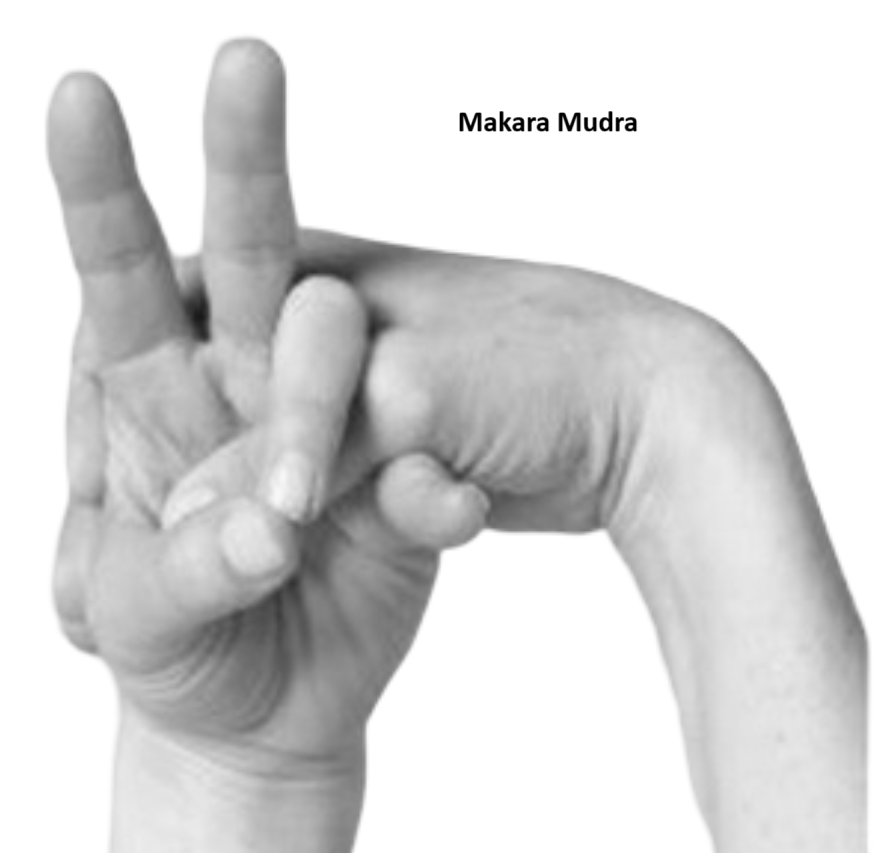
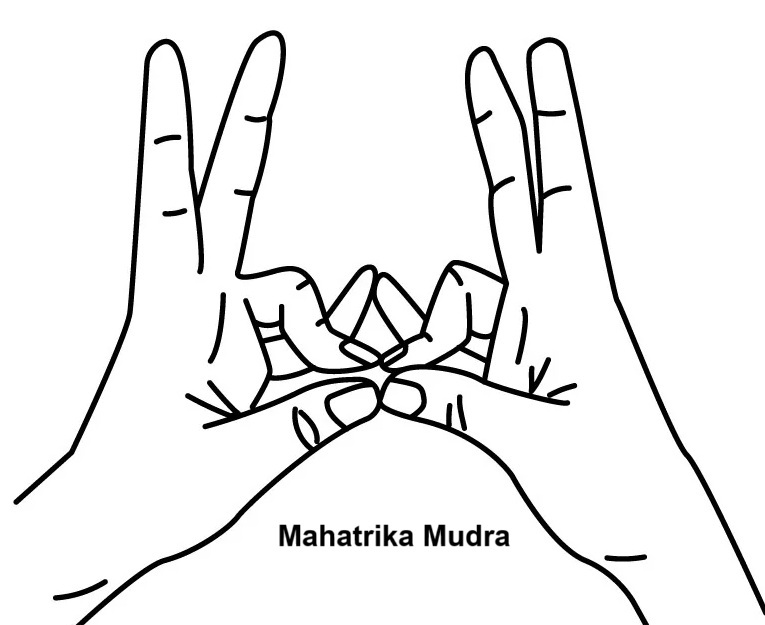
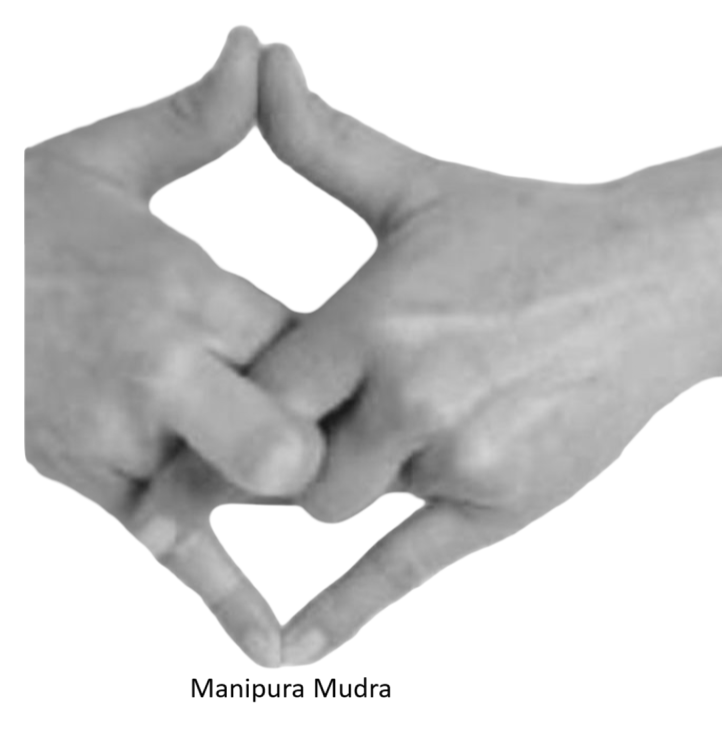
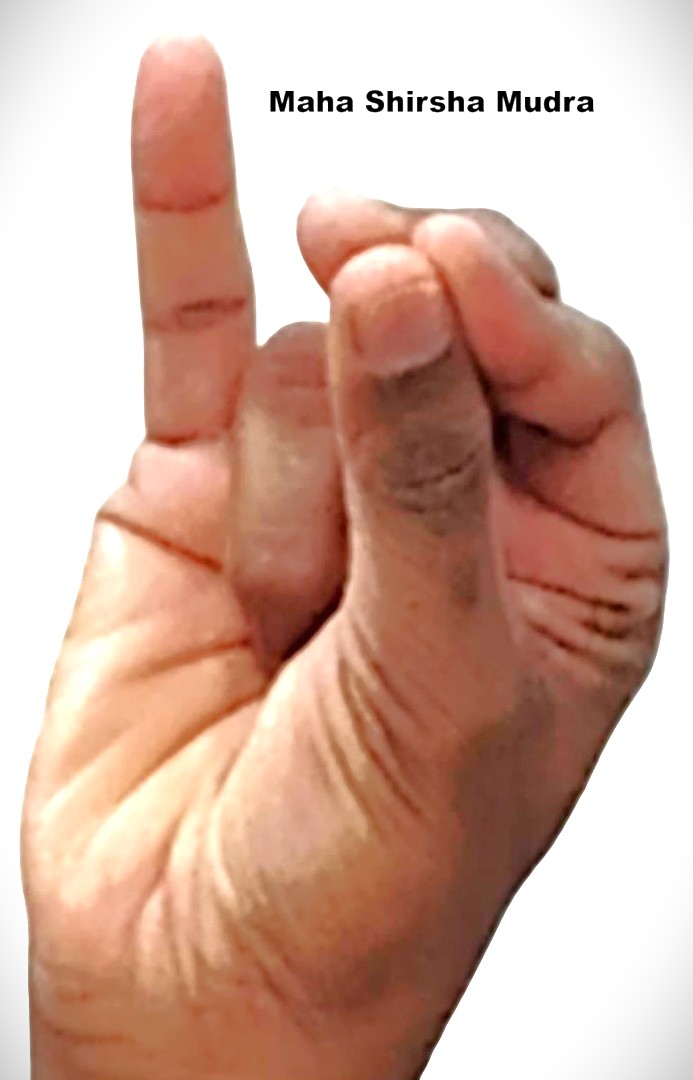
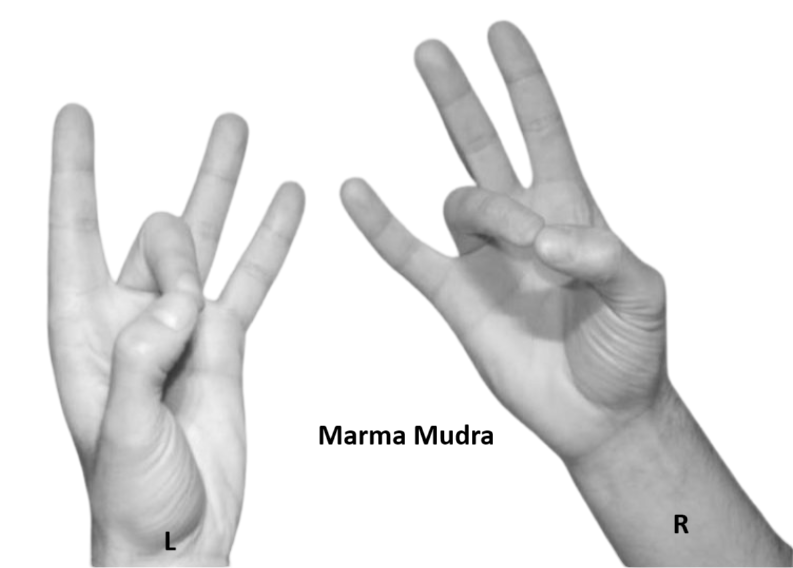
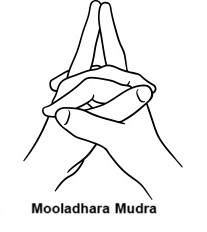
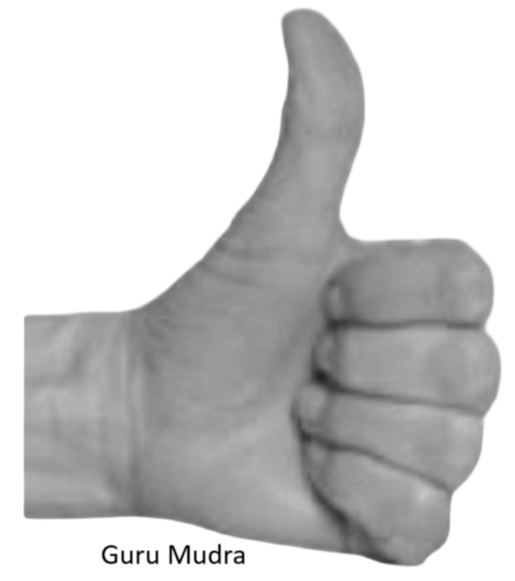
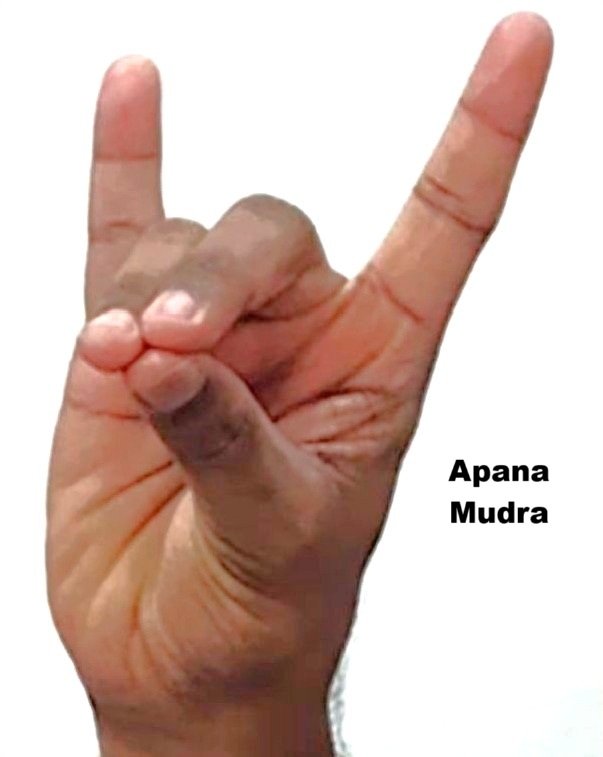
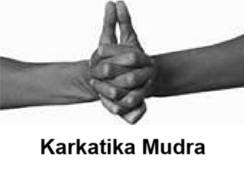
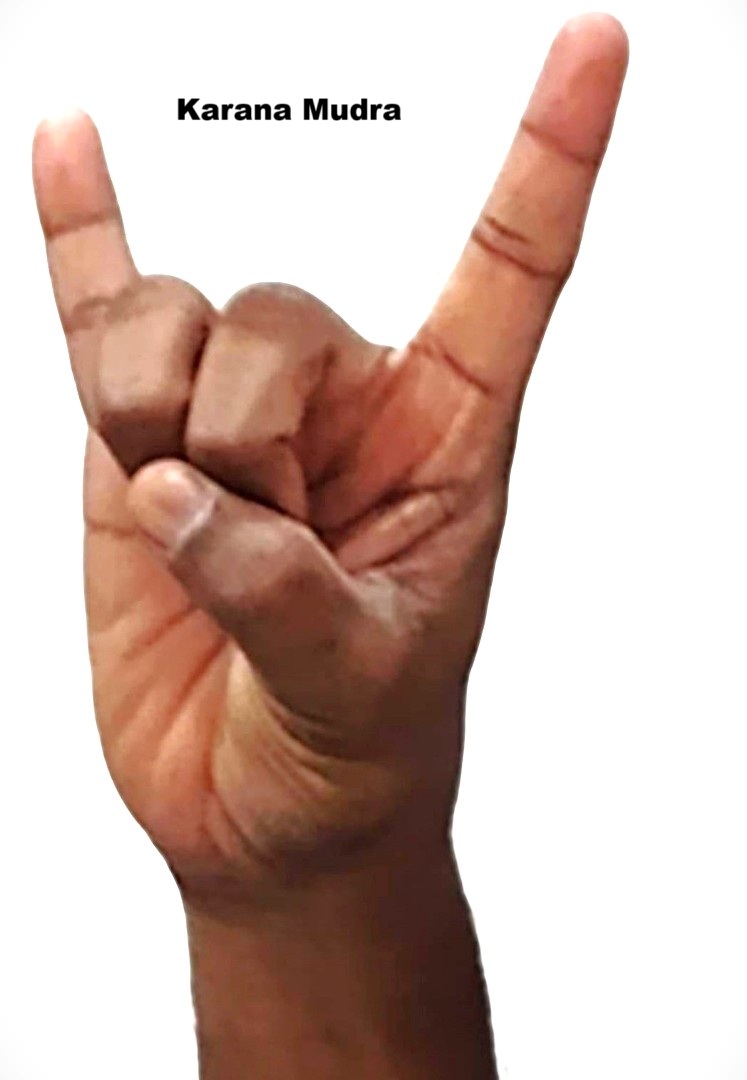
Dhyana Mantra – Śanaih Sanaiḥ uparmet buddhyā dhṛtigṛhītayā,
ŚANAIH ŚANAIḤ UPARMET BUDDHYĀ DHṚTIGṚHĪTAYĀ Dhyana Mantra Śanaih Sanaiḥ uparmet buddhyā dhṛtigṛhītayā, Ātmasam̐stham manaḥ kṛtvā na kiñcidapi cintayet (Gita: 6.15) Oṃ śāntiḥ śāntiḥ śāntiḥ With the intellect set in steadiness, with the mind fastened on the Self, let us calm down the mind again and again and attain (quietude by degrees), let us not think of anything. History This verse is from the Bhagavad Gītā (Chapter 2, Verse 50–51 context) and classical Sanskrit texts discussing karma yoga and the gradual refinement of intellect and action. Traditionally, it has been used in Vedantic and yogic commentaries to describe the gradual ascent of the mind and intellect (buddhi) through practice and disciplined effort (abhyāsa). Recitation or meditation on this verse is intended to train the mind to steady itself in wisdom, patience, and detachment, forming part of the ethical and psychological framework in Yoga and Vedānta. Historically, it has been cited by Śaṅkarācārya and other Vedantic scholars to emphasize gradual progress in meditation, discrimination, and ethical conduct. Etymology & Meaning Word-by-word Breakdown: Śanaih Śanaiḥ – Slowly, gradually, step by step. Uparmet – Ascends, rises, develops. Buddhyā – By intellect, discernment, or conscious understanding. Dhṛtigṛhītayā – With steadiness, firmness, or controlled patience. Literal Meaning:“Gradually, step by step, the intellect rises and progresses when it is controlled and held firmly with patience and steadiness.” Symbolic Meaning: Emphasizes incremental progress in wisdom and self-discipline. Suggests that self-mastery, spiritual growth, and mental clarity cannot be rushed but develop through steady effort and conscious practice. Benefits a) Spiritual Encourages patience and steady effort in spiritual practices. Supports karma yoga (action with wisdom) and meditation. Cultivates self-discipline and inner steadiness, essential for higher states of consciousness. b) Psychological Promotes gradual cognitive development and emotional stability. Reduces impulsivity and frustration by emphasizing incremental progress. Improves focus, patience, and executive control in decision-making. c) Practical / Yogic Serves as a guiding principle in meditation, mantra practice, and learning. Helps structure long-term yogic or spiritual practice plans. Encourages a stepwise approach to mental refinement and ethical living. Contraindications / Precautions No physical contraindications. Precaution is primarily interpretational: One must not become overly passive or lethargic, thinking progress will happen “by itself.” The teaching emphasizes gradual effort with consistent vigilance — neither rushed nor lazy. Science of the Verse a) Neuroscience Gradual, stepwise practice aligns with neuroplasticity principles: small, repeated efforts strengthen neural pathways. Self-regulation (dhṛtigṛhītayā) strengthens prefrontal cortex function, improving attention, planning, and emotional regulation. b) Psychology Stepwise progress reduces cognitive overload and frustration, fostering resilience and sustained motivation. Reinforces growth mindset: understanding that mastery is a gradual process. c) Educational Science Mirrors scaffolded learning, where incremental skill acquisition leads to deeper competence. Supports experiential learning, combining theory (buddhi) with disciplined action (dhṛti). d) Yogic/Energy Science Gradual intellectual and mental refinement allows the prāṇa to settle in the mind, facilitating concentration (dharana) and meditation (dhyāna). Steadiness in buddhi reduces mental turbulence, enhancing subtle energy flow through sushumnā nadi and stabilizing chakras. Summary:“Śanaih Śanaiḥ uparmet buddhyā dhṛtigṛhītayā” is a Vedantic/Yogic teaching emphasizing gradual, steady progress of the intellect under controlled patience. Its etymology underlines slow, deliberate ascent of consciousness. Benefits include spiritual growth, emotional stability, and disciplined learning. There are no contraindications, and modern neuroscience and psychology affirm its principles in neuroplasticity, executive control, and gradual skill acquisition.
Dhyana Mantra – Om Karam bindu sam yuktam
OṂ KARAM BINDU SAMYUKTAM Dhyana Mantra Om Karam bindu sam yuktam Nityam dhyayanti yoginaha Kaa madam moksha dam chaiva Om karaya namo namaha Oṃ śāntiḥ śāntiḥ śāntiḥ The yogis meditate constantly on the syllable Om composed of the sounds O and M. This Om fulfils all our desires and leads to liberation. Salutations again and again to this syllable Om! History of “Oṃ Karam Bindu Samyuktam” Traditional Origins The mantra is found in Tantric and Hatha Yoga traditions, particularly in texts that deal with Kundalini awakening and meditation on subtle energy points. It is considered a bīja (seed) mantra, used in initiation rituals (dīkṣā) and advanced meditation practices rather than public Vedic recitation. Classical references appear in texts such as the Hatha Yoga Pradīpikā and Tantrāloka, which emphasize the combination of Oṃ, bindu, and bija sounds for energy concentration. Purpose in Practice Historically, it was used by yogis and sadhakas to awaken the subtle energies in the body, particularly the bindu (energy seed) in the crown chakra (sahasrara) or the bindu visarga in the subtle body). Often recited during meditation, dhyāna, or pranayama, this mantra serves to align prāṇa (vital energy) with citta (mind/consciousness). It is considered a gateway mantra, preparing the practitioner for Kundalini rising, chakra activation, and higher states of samādhi. Lineage and Transmission Traditionally taught orally by a guru to ensure correct pronunciation, intonation, and visualization of the bindu point. Preserved in Tantric, Siddha, and Yogic lineages across India, often as a secret or esoteric practice. Integrated into modern Kriya Yoga and Kundalini Yoga practices by teachers like Paramahamsa Yogananda, Lahiri Mahasaya, and various Hatha Yoga lineages. Philosophical Context Represents the union of Śiva (consciousness) and Śakti (energy) — a central principle in Tantra. The bindu is seen as the seed of creation and concentrated spiritual energy, making the mantra a tool for spiritual awakening and liberation. Etymology & Meaning Sanskrit Components: Oṃ – Primordial sound, universal consciousness, the source of all creation. Karaṁ (or Karam) – Action, deed, or hand; in mantra, also “generator of energy” or “doer.” Bindu – Dot, point, seed; represents concentrated spiritual energy, bindu is the focal point of Kundalini and Sahasrara energy. Saṁyukta / Samyuktam – United, combined, joined together. Literal Meaning:“Oṃ, united with the point (bindu) and the generator (kara), together as a combined energy.” Symbolic Meaning: Oṃ = consciousness Karaṁ = manifestation/creative energy Bindu = seed of concentrated spiritual power Samyuktam = union of consciousness and energy In practice, this mantra represents the union of Shakti (energy) and Śiva (consciousness) at the subtle level — the fundamental principle in Kundalini awakening. Benefits a) Spiritual Awakens subtle energy in the bindu (top of the head or subtle chakras). Harmonizes prāṇa (life force) with citta (mind/awareness). Prepares the practitioner for meditation, mantra, or higher Kundalini practices. b) Psychological Increases focus, concentration, and mental clarity. Helps stabilize the mind during meditation. Reduces stress by promoting internal energy alignment. c) Practical / Yogic Used in meditation, japa (repetition), or dhyāna practices. Can be visualized with bindu at the sahasrara or third eye, aiding chakra activation and inner awareness. Enhances vibrational awareness in the subtle body. Contraindications / Precautions High potency mantra; should ideally be chanted with guidance from an experienced teacher. Not recommended for untrained beginners in Kundalini meditation, as intense energy activation can lead to emotional or physical imbalance if mismanaged. Avoid mechanical repetition without mindful visualization or understanding of the bindu and energy points. Science of the Mantra a) Neuroscience Chanting Oṃ with focus on bindu synchronizes brain hemispheres, enhances theta and alpha brainwaves, and improves prefrontal cortex activity (attention, self-regulation). Concentration on a single point (bindu) has similar effects to trataka meditation, improving visual cortex activation and focus. b) Psychology Combines sound, intention, and visualization, promoting neuroplasticity in attention networks. Mantra repetition with subtle visualization reduces stress, increases emotional resilience, and enhances mindfulness. c) Energy Science (Yoga/Tantra) Bindu represents point of concentrated pranic energy; uniting it with Oṃ facilitates Shakti-Śiva union at a subtle level. Helps activate sushumnā nadi and crown chakra (sahasrara), aiding spiritual awakening. Acts as a prāṇic amplifier, aligning breath, mind, and subtle energy. Summary:“Oṃ Karam Bindu Samyuktam” is a Tantric/Kundalini bija mantra representing the union of cosmic consciousness (Oṃ) and subtle energy (Bindu). Its etymology emphasizes union, concentrated energy, and creative power. Benefits include spiritual awakening, mental clarity, and subtle energy activation. Precautions: it is potent, requiring mindful practice or guidance. Modern science supports its effect on brainwave regulation, attention, and energy alignment.
Oṃ śaṃ no mitraḥ śaṃ varuṇaḥ
OṂ ŚAṂ NO MITRAḤ ŚAṂ VARUṆAḤ Oṃ śaṃ no mitraḥ śaṃ varuṇaḥ śaṃ no bhavatv aryamā śaṃ na indro bṛhaspatiḥ śaṃ no viṣṇur urukramaḥ namo brahmaṇe namaste vāyo tvam eva pratyakṣaṃ bhrahmāsi tvām eva pratyakṣam brahma vadiṣyāmi ṝtaṃ vadiṣyāmi satyaṃ vadiṣyāmi tan mām avatu tad vaktāram avatu avatu mām avatu vaktāram Oṃ śāntiḥ śāntiḥ śāntiḥ May the Sun (Mitra) be good to us! May Varuna be good to us! May the Sun (Aryama) be good to us! May Indra and Brahaspati be good to us! May Visnu of great strides be good to us! Prostrations to the Brahman! I shall proclaim thee the visible Brahman I shall call thee Just! I shall call thee true! May It protect me! May It protect the teacher! Om Peace Peace Peace! History This mantra comes from the Ṛgveda (1.89.1–2), part of the Śānti Mantras used in Vedic rituals. It is one of the “Bhadra Mantras”, recited to invoke auspiciousness and protection at the beginning of yajñas, prayers, and meditative practices. Historically, it was chanted to seek harmony, divine blessings, and safe passage through challenges, invoking Mitra and Varuṇa, two key deities of the Vedic pantheon: Mitra – associated with friendship, harmony, cosmic order, and social contracts. Varuṇa – associated with cosmic law, moral order, water, and truth. Used across millennia in Vedic schools, temples, and ritualistic contexts, especially at dawn and for auspicious beginnings. Text & Etymology Word Breakdown: Oṃ – Primordial sound; represents universal consciousness. Śaṃ – Auspiciousness, peace, prosperity, and harmony. No – For us, or may it be for us. Mitraḥ – The god Mitra, symbolizing friendship, alliances, and harmonious relationships. Varuṇaḥ – The god Varuṇa, symbolizing cosmic law, moral order, and truth. Simplified Meaning:“Oṃ, may Mitra and Varuṇa bless us with peace, auspiciousness, and harmony.” Often, this line is followed by “śaṃ no bhavatvā” or other Bhadra Mantra lines, extending the blessing to all beings and the universe. Benefits a) Spiritual Aligns practitioner with cosmic order (ṛta) and divine principles. Invokes protection from adverse influences. Encourages harmony with the environment, society, and oneself. b) Psychological Promotes calmness, reducing anxiety and mental unrest. Fosters a sense of friendship, trust, and moral clarity. Encourages positive social relationships by invoking Mitra (friendship) and Varuṇa (truth). c) Practical / Ritual Creates an auspicious start for rituals, meditation, or learning. Encourages mindfulness and ethical awareness before actions. Contraindications / Precautions No physical contraindications. Should be recited with attention and intent; chanting mechanically diminishes effect. Interpreted symbolically for non-Vedic practitioners: Mitra = harmonious relationships Varuṇa = ethical conduct and integrity Śaṃ = peace and auspiciousness Science of the Mantra a) Neuroscience Chanting repetitive syllables (Oṃ, śaṃ) regulates breathing and heart rate, enhancing parasympathetic activation. Creates alpha-theta brainwaves, which improve focus, calmness, and receptivity. b) Psychology Affirming peace and auspiciousness primes the mind for positive expectation. Evoking gods as symbolic archetypes enhances moral and social cognition, aiding ethical decision-making. c) Social & Educational Science Recitation in groups creates synchrony in speech and breath, enhancing group cohesion and collective calm. Encourages mindfulness in social interactions by invoking friendship and truthfulness. d) Energy Science (Yoga) Śaṃ vibrations resonate with the heart and solar plexus centers, creating internal harmony. Connecting with Mitra and Varuṇa symbolizes alignment with cosmic order, promoting energetic stability and clarity. Summary:“Oṃ śaṃ no mitraḥ śaṃ varuṇaḥ” is a Vedic peace invocation, asking for blessings of harmony, friendship, and adherence to cosmic and moral order. Its etymology highlights auspiciousness (śaṃ), social and cosmic alignment (Mitra & Varuṇa). Its benefits include spiritual alignment, mental calm, ethical reinforcement, and ritual auspiciousness. It has no contraindications, and modern science supports its impact on stress reduction, brainwave regulation, and social-emotional coherence.
Vedic Mantras – oṃ bhadraṃ karṇebhiḥ śṛṇuyāma devāḥ
OṂ BHADRAṂ KARṆEBHIḤ ŚṚṆUYĀMA DEVĀḤ Vedic Mantras oṃ bhadraṃ karṇebhiḥ śṛṇuyāma devāḥ bhadraṃ paśyemākṣabhir yajatrāḥ sthirair aṅgais tuṣṭuvāṃsas tanūbhiḥ vyaśema devahitam yadāyuḥ svasti na indro vṛddhaśravāḥ svasti naḥ pūṣā viśvavedāḥ svasti nas tārkṣyo ariṣṭanemiḥ svasti no bṛhaspatir dadhātu oṃ śāntiḥ śāntiḥ śāntiḥ Om! O gods, may we hear auspicious words with the ears; While engaged in yagnas, May we see auspicious things with the eyes; While praising the gods with steady limbs, May we enjoy a life that is beneficial to the gods. May Indra of ancient fame be auspicious to us; May the supremely rich (or all-knowing) Pusa (god of the earth) Be propitious to us; May Garuda, the destroyer of evil, Be well disposed towards us; May Brihaspati ensure our welfare. Om! Peace! Peace! Peace! History This mantra is the opening verse of the Śānti Mantra from the Ṛgveda (1.89.1). It is traditionally recited at the beginning of Vedic rituals, yajñas, and spiritual gatherings to invoke auspiciousness and divine guidance. The purpose is to create a harmonious atmosphere, removing obstacles, and inviting the gods (Devas) to bless the practice. This mantra has been preserved in Vedic tradition for millennia, often used in chanting sessions, meditation, and learning contexts. Text & Etymology Word Breakdown: Oṃ – Primordial sound; represents the universe, consciousness, and cosmic vibration. Bhadraṃ – Auspicious, beneficial, protective, harmonious. Karṇebhiḥ – With ears; meaning “with attention or attentively.” Śṛṇuyāma – Let us listen, hear, or perceive. Devāḥ – O gods, divine beings, or celestial intelligences. Simplified Meaning:“Oṃ, may we listen attentively, O Devas, to that which is auspicious and beneficial.” The full Śānti Mantra continues with prayers for peace, wisdom, and well-being, but this line is the invocation. Benefits a) Spiritual Aligns the practitioner with divine guidance and auspiciousness. Cultivates receptivity to knowledge, wisdom, and higher consciousness. Creates an energetic space conducive to meditation, learning, and ritual practice. b) Psychological Encourages focused attention and attentive listening. Reduces distraction, enhancing learning and concentration. Promotes a sense of protection and well-being, reducing stress. c) Practical / Ritual Opens Vedic chants, yajñas, and pujas with harmonious intention. Invites collective alignment and cooperation in group spiritual practice. Contraindications / Precautions No physical contraindications. Must be recited with respect and attention. Should not be chanted mechanically without understanding, as its power lies in intention and mindful listening. Science of the Mantra a) Neuroscience Chanting or listening to mantras synchronizes brain hemispheres, improves focus and attention, and lowers cortisol levels. Sound vibrations of Oṃ stimulate vagus nerve, inducing parasympathetic activation and calmness. b) Psychology Repeating auspicious phrases primes the mind for positive expectation and receptivity. Attentive listening, as invoked by the mantra, engages active mindfulness networks, improving cognitive control and learning. c) Social Science Group recitation creates synchrony in breathing and heart rate, fostering unity and social cohesion. Sets a ritual tone that enhances cooperation, attentiveness, and collective intention. d) Energy Science (Yoga) “Bhadraṃ” vibration promotes subtle energy alignment, fostering protective and harmonious prāṇic flow. Listening attentively (karṇebhiḥ śṛṇuyāma) engages inner awareness, enhancing receptivity to inner and outer guidance. Summary:“Oṃ bhadraṃ karṇebhiḥ śṛṇuyāma devāḥ” is a Vedic invocation for auspiciousness and attentive listening. Its etymology emphasizes receptivity, divine guidance, and protection. Its benefits include spiritual alignment, focused attention, psychological calm, and group harmony. It has no contraindications, and modern science confirms its effects on cognitive focus, nervous system regulation, and social/energetic alignment.
Dhyana Mulam Gurur Murthih
DHYANA MULAM GURUR MURTHIH Dhyana Mulam Gurur Murthih Pooja Mulam Gurur Padam Mantra Mulam Gurur Vakyam Moksha Mulam Gurur Kripa Om Śāntiḥ Śāntiḥ Śāntiḥ The root of meditation is the guru’s form. The root of worship, the guru’s feet. The root of mantra, the guru’s word. The root of freedom, the guru’s grace. Om peace, peace, peace. Very profound śloka that comes from the Guru Gītā (a section of the Skanda Purāṇa, in the form of a dialogue between Lord Śiva and Pārvatī). It is a quintessential teaching about the role of the Guru in spiritual life. Let’s break it down step by step: History of “Dhyāna Mūlaṁ Gurur Mūrtiḥ” Found in the Guru Gītā (verses 134–135), traditionally chanted in many Indian spiritual traditions (Advaita Vedānta, Śaiva, Śākta, and yogic lineages). Systematized and taught widely by Śrī Ādi Śaṅkarācārya (8th century CE) and later Vedāntic teachers. Recited during Guru Pūrṇimā, Guru Vandana, or daily prayers in monasteries and yoga traditions. Its essence: The Guru is the root, center, and culmination of all spiritual practice — meditation, worship, mantra, and liberation. Text, Etymology & Meaning Word-by-word etymology Dhyāna-mūlam – The root of meditation. Guroḥ mūrtiḥ – The Guru’s form (visualized in meditation). Pūjā-mūlam – The root of worship. Guroḥ padam – The Guru’s feet (symbol of humility and surrender). Mantra-mūlam – The root of mantra (sacred syllables). Guroḥ vākyaṁ – The Guru’s words (teachings, instructions). Mokṣa-mūlam – The root of liberation. Guroḥ kṛpā – The Guru’s grace. Meaning (simplified):“The Guru’s form is the basis of meditation, the Guru’s feet are the basis of worship, the Guru’s words are the basis of mantra, and the Guru’s grace is the basis of liberation.” Benefits a) Spiritual Reminds seekers that the Guru embodies the path — meditation, worship, mantra, and liberation. Deepens surrender (śaraṇāgati), which opens the door to grace. Awakens devotion (bhakti) and faith (śraddhā), which are essential for transformation. b) Psychological Creates a focal point for meditation (Guru’s form). Reduces ego-centeredness by bowing to the Guru’s feet. Brings clarity by treating the Guru’s words as sacred mantra. Strengthens confidence, hope, and resilience through reliance on Guru’s grace. c) Practical / Yogic Aids in visualization practice (dhyāna). Provides a devotional framework for students to approach their daily sādhanā. Serves as a constant reminder that progress in yoga is not only effort-driven but also grace-driven. Contraindications / Precautions No physical contraindications. Interpretational precaution: Not meant to encourage blind guru-worship or cultic dependence. The Guru here refers to the principle of wisdom and inner awakening (guru-tattva), not necessarily a single personality. For practitioners without a personal guru, this can be directed toward the inner Guru (ātma-jñāna, divine consciousness). Science of the Mantra a) Neuroscience Visualization of the Guru’s form in meditation strengthens mental focus, similar to visual anchors in mindfulness. Chanting the Guru’s words as mantra uses rhythmic sound repetition, shown to calm the nervous system and regulate brainwave activity. Surrender and devotion activate brain circuits linked with trust, reducing stress and inner conflict. b) Psychology Guru devotion functions like a secure attachment model — creating safety, trust, and confidence in the path. Treating Guru’s words as mantra strengthens neuroplasticity — the more the teachings are internalized, the more they shape perception and behavior. c) Social/Educational Science Aligns with the pedagogical truth that teachers are central to learning: Teacher’s presence inspires. Teacher’s guidance shapes practice. Teacher’s words become guiding principles. Teacher’s encouragement and grace unlock potential. d) Energy Science (Yoga) Guru’s “form” = external support for meditation. Guru’s “feet” = grounding into humility, the dissolving of ego. Guru’s “words” = vibration (mantra) that reshapes inner energy. Guru’s “grace” = catalytic energy for final liberation (mokṣa). Summary:“Dhyāna Mūlaṁ Gurur Mūrtiḥ” is a Guru Gītā verse highlighting that meditation, worship, mantra, and liberation all find their root in the Guru. Its etymology emphasizes the Guru’s form, feet, words, and grace as guiding anchors. Its benefits include deepening faith, humility, and clarity in spiritual practice. It has no contraindications, except to avoid literal or blind dependence. Modern science validates its role in psychological resilience, focused meditation, and mentor-based learning, while yoga philosophy sees it as affirming the Guru-tattva — the principle of inner awakening.
GURUR BRAHMĀ GURUR VIṢṆUR
GURUR BRAHMĀ GURUR VIṢṆUR Guru Mantra Gurur brahmā gurur viṣṇur Gurur devo maheśvaraḥ Guruḥ sākṣāt parabrahma tasmai śrīgurave namaḥ Om Śāntiḥ Śāntiḥ Śāntiḥ The Guru is Brahma (The God of Creation) The Guru is Vishnu (The God of Sustenance) The Guru is Shiva (The God of Annihilation) My Salutation to such a Guru, who is verily the Supreme God Om peace, peace, peace. History of “Gurur Brahmā Gurur Viṣṇur” This verse is part of the Guru Stotram, traditionally attributed to Śrī Ādi Śaṅkarācārya (8th century CE). It comes from the larger text Guru Gītā (a dialogue between Lord Śiva and Pārvatī in the Skanda Purāṇa), where the supreme importance of the Guru is explained. It emphasizes that the Guru is not merely a human teacher but the embodiment of the Divine Trinity (Brahmā the creator, Viṣṇu the sustainer, and Maheśvara/Śiva the destroyer). Still widely recited in daily prayers, yoga classes, and spiritual gatherings to honor the Guru-tattva (principle of the Guru). Text, Etymology & Meaning Word Breakdown: Gurur – The Guru, the spiritual teacher. Brahmā – The Creator (knowledge and initiation). Viṣṇuḥ – The Preserver (sustaining wisdom, protection). Devo Maheśvaraḥ – Lord Śiva, the Destroyer (remover of ignorance). Sākṣāt – Directly, in person. Paraṁ Brahma – The Absolute Reality, Supreme Consciousness. Tasmai Śrī Gurave Namaḥ – Salutations to that revered Guru. Meaning:“The Guru is Brahmā (the creator), the Guru is Viṣṇu (the sustainer), the Guru is Lord Maheśvara (the destroyer). The Guru is verily the Supreme Brahman itself. To that revered Guru, I offer my salutations.” Benefits a) Spiritual Instills reverence toward the Guru-tattva, opening the disciple’s heart. Removes ego and cultivates humility, making the seeker receptive to higher knowledge. Reminds the practitioner that the Guru is not just an individual, but a manifestation of the cosmic principle of knowledge and liberation. b) Psychological Enhances feelings of gratitude, safety, and trust. Helps the student overcome doubt and resistance to learning. Anchors the mind in devotion, reducing restlessness. c) Practical / Yogic Creates a sacred mindset before study, meditation, or yoga practice. Builds a sense of belonging to a lineage (paramparā). Strengthens discipline and respect for spiritual instruction. Contraindications / Precautions No physical contraindications. Interpret carefully: Not meant to deify a particular person blindly, but to honor the principle of the Guru as divine wisdom. Should not be used for guru-worship cults where manipulation occurs — the verse points to the Guru as the embodiment of universal truth, not personality worship. Science of the Mantra a) Neuroscience Chanting mantras activates the parasympathetic nervous system, lowering heart rate and calming the mind. Repetition of words like Guru, Brahma, Viṣṇu, Śiva creates rhythmic sound vibrations that regulate alpha-theta brainwaves, enhancing learning receptivity. b) Psychology Affirmations of reverence and surrender reduce ego-centered defensiveness and increase openness to new knowledge. Similar to modern psychology’s “mentor effect” — students learn more effectively when they hold trust and reverence for the teacher. c) Social & Educational Science Recognizes the teacher as a multidimensional guide: Creator of curiosity (Brahmā). Sustainer of knowledge (Viṣṇu). Destroyer of ignorance (Śiva). Embeds respect for the role of educators in society — a principle shared by modern pedagogy. d) Energy Science (Yoga) The mantra aligns with the Guru principle (Guru-tattva) — seen as the subtle light that removes darkness (gu = darkness, ru = remover). Awakens śraddhā (faith), an essential quality in yoga practice, which strengthens the mind’s ability to focus. Summary:“Gurur Brahmā Gurur Viṣṇur” is a verse from the Guru Stotram that elevates the Guru to the level of the divine cosmic principles — creator, preserver, destroyer, and ultimately Brahman itself. Its etymology reflects this divine triad, its benefits include humility, receptivity, and devotion, while its contraindications are only interpretational (it should not be used for blind worship). Modern science validates its psychological, educational, and neurological benefits, especially in fostering learning, respect, and calm focus.
AṢṬĀṄGA YOGA OPENING CHANT VANDE GURŪṆĀṀ CARAṆĀRAVINDE
AṢṬĀṄGA YOGA OPENING CHANT VANDE GURŪṆĀṀ CARAṆĀRAVINDE Astanga Yoga Mantra Oṃ vande gurūṇāṁ caraṇāravinde sandarśita-svātma-sukhāvabodhe niḥśreyase jāṅ̇galikāyamāne saṁsāra-hālāhala-mohaśāntyai ābāhu puruṣākāraṁ śaṅ̇kha-cakrāsi-dhāriṇam sahasra-śirasaṁ śvetam praṇamāmi patañjalim Oṃ OM I pray to the lotus feet of the supreme Guru who teaches the good knowledge, showing the way to knowing the self awakening great happiness; who is the doctor of the jungle, able to remove the poison of the ignorance of conditioned existence. To Patanjali, an incarnation of Adisesa, white in color with 1000 radiant heads (human in form below the shoulders holding a sword (discrimination), a wheel of fire (discus of light, representing infinite time), and a conch (divine sound) – To him, I prostrate. OM History This chant is traditionally recited at the beginning of Aṣṭāṅga Vinyāsa Yoga practice. First part (vande gurūṇāṁ) is a maṅgala śloka (auspicious verse) honoring the guru paramparā (lineage of teachers). Second part (ābāhu-puruṣākāraṁ…) is a salutation to Sage Patañjali, who systematized Yoga philosophy in the Yoga Sūtras, and is also associated with grammar and Ayurveda. Popularized worldwide by Śrī K. Pattabhi Jois (Mysore Aṣṭāṅga Yoga) and his teacher Śrī T. Krishnamacharya. Benefits a) Spiritual Connects the practitioner to the guru paramparā and Patañjali, invoking blessings. Helps cultivate humility, gratitude, and reverence. Protects the practice from ego-driven distortions. b) Psychological Serves as a mental transition from daily life to sacred practice. Reduces anxiety by invoking protection and guidance. Encourages devotional surrender, which softens inner resistance. c) Practical / Yogic Sets an auspicious tone before asana, pranayama, or meditation. Enhances focus, discipline, and receptivity in practice. Anchors the practice in lineage and tradition. Contraindications / Precautions No medical or energetic contraindications. For secular or non-Hindu practitioners, the imagery (serpents, divine weapons) may be seen symbolically: Conch (śaṅkha): Sound of creation, communication. Disc (cakra): Purity, cyclical time, clarity. Sword (asi): Discernment, cutting ignorance. Serpent heads: Infinite wisdom, cosmic energy (kuṇḍalinī, prāṇa). The key is respectful intent, not mechanical repetition. Science of the Chant a) Neuroscience Chanting Oṁ before and after activates parasympathetic relaxation and improves vagal tone. Mantra recitation creates alpha-theta brainwaves, linked with focus and reduced stress. b) Psychological Science Beginning practice with reverence acts as ritual priming, enhancing commitment and mindfulness. Guru remembrance develops gratitude, which improves learning receptivity and emotional well-being. c) Symbolic Science Patañjali’s three symbols (conch, discus, sword) represent faculties necessary for yoga: Communication of truth. Clear intellect and time awareness. Discernment to destroy ignorance. Serpent imagery connects to energy channels (nāḍīs, kuṇḍalinī) and the spinal column. d) Social Science Collective chanting synchronizes voices and breathing, creating social coherence and a sense of shared sacred space. In summary:This chant blends guru invocation and Patañjali salutation, rooting yoga practice in tradition and reverence. Its etymology highlights bowing to teachers, self-realization, and the destruction of delusion. Its benefits include spiritual grounding, psychological preparation, and social harmony. It has no contraindications, and modern science supports its effects on stress reduction, focus, and collective unity.
Mangala Mantra – Oṃ svasti prajābhyaḥ paripālayantāṁ
SVASTI PRAJĀBHYAḤ PARIPĀLAYANTĀM Mangala Mantra Oṃ svasti prajābhyaḥ paripālayantāṁ nyāyena mārgeṇa mahīṁ mahīśāḥ go-brāhmaṇebhyaḥ śubham astu nityaṁ lokāḥ samastāḥ sukhino bhavantu oṃ śāntiḥ śāntiḥ śāntiḥ OM Let prosperity be glorified, let rulers, (administrators) rule the world with law and justice let divinity and erudition be protected let all beings be happy and prosperous. History of “Svasti Prajābhyaḥ Paripālayantām” Scriptural Source: This is a Vedic śānti mantra, found in the Ṛgveda (10.191.4) and repeated in the Atharva Veda (19.62) and other later texts. Context: Recited in yajñas, temple rituals, and public gatherings as a prayer for universal peace, good governance, and collective welfare. Often used at the conclusion of rituals, community functions, and even in modern parliaments/assemblies in India. Philosophical Foundation: Reflects the Vedic vision of sarvabhūta hitam – well-being for all beings. Emphasizes not only individual spiritual welfare but also social order, protection by rulers, abundance of crops, and prosperity of cattle – i.e., total harmony of society and nature. Text, Etymology & Meaning Word-by-Word Breakdown Svasti – Auspiciousness, well-being. Prajābhyaḥ – For the people, citizens. Paripālayantām – May (the rulers) protect, safeguard. Nyāyena – By justice, righteousness. Mārgeṇa – By the right path, dharmic way. Mahīm – The earth, kingdom. Mahīśāḥ – Kings, rulers, protectors. Go-brāhmaṇebhyaḥ – For cows and Brahmins (symbolic: cattle = ecology, food security; Brahmins = knowledge bearers). Śubham astu nityam – May there be goodness forever. Lokāḥ samastāḥ sukhino bhavantu – May all worlds/all beings be happy. Simplified Meaning “May the rulers protect the people with justice. May the earth be governed along the path of righteousness. May there be perpetual welfare for cows, the learned, and society. May all beings in all the worlds be happy.” Benefits of the Mantra a) Spiritual Expands awareness from personal peace to universal harmony. Aligns the chanter with dharma (justice, truth, order). Invokes the cosmic principle of ṛta (universal law). b) Psychological Cultivates altruism, compassion, and collective responsibility. Reduces selfish tendencies by including the welfare of society and nature. Brings a sense of hope and security. c) Social & Practical Strengthens social cohesion, reminding leaders of their dharmic duty. Inspires environmental awareness (protection of cows/ecology). Encourages ethical governance and justice. Contraindications / Precautions No contraindications – it is a universal peace prayer. Should not be misunderstood literally as only about “kings and Brahmins”: Mahīśāḥ = leaders, administrators, government. Go-brāhmaṇa = ecology (cows, agriculture) + knowledge systems (education, wisdom). Must be chanted with inclusive spirit, not sectarian limitation. Science of the Mantra a) Neuroscience & Physiology Chanting produces rhythmic breathing → activates parasympathetic nervous system, reduces stress. Repetition of svasti and śubham generates positive affirmations for collective well-being. b) Psychology & Sociology Similar to loving-kindness meditation (Metta bhāvanā) – shown in psychology to increase compassion, reduce hostility, and promote altruistic behavior. Collective recitation reinforces unity and group identity. c) Governance & Social Science Ancient Indian recognition that society thrives when: Rulers act with justice. Ecology and food security are preserved. Education and wisdom are respected. Modern parallel: sustainable governance, environmental balance, and educational advancement. d) Environmental Science Parallel “Go-brāhmaṇa” symbolizes both biodiversity and knowledge systems – two pillars of sustainable civilization. Summary:The mantra “Svasti Prajābhyaḥ Paripālayantām” is a Vedic peace and welfare invocation. Its etymology highlights auspiciousness, justice, ecological protection, and happiness of all beings. It brings spiritual expansion, psychological calm, social unity, and environmental responsibility. It has no contraindications, provided it is understood inclusively. Modern science affirms its value in stress reduction, altruism, governance ethics, and sustainability consciousness.
Astanga Yoga Mantra – Oṃ vande gurūṇāṁ caraṇāravinde
VANDE GURŪṆĀṀ CARAṆĀRAVINDE Astanga Yoga Mantra Oṃ vande gurūṇāṁ caraṇāravinde sandarśita-svātma-sukhāvabodhe niḥśreyase jāṅ̇galikāyamāne saṁsāra-hālāhala-mohaśāntyai ābāhu puruṣākāraṁ śaṅ̇kha-cakrāsi-dhāriṇam sahasra-śirasaṁ śvetam praṇamāmi patañjalim Oṃ OM I pray to the lotus feet of the supreme Guru who teaches the good knowledge, showing the way to knowing the self-awakening great happiness; who is the doctor of the jungle, able to remove the poison of the ignorance of conditioned existence. To Patanjali, an incarnation of Adisesa, white in color with 1000 radiant heads (human in form below the shoulders holding a sword (discrimination), a wheel of fire (discus of light, representing infinite time), and a conch (divine sound) – To him, I prostrate. OM History of “Vande Gurūṇāṁ Caraṇāravinde” Origin: This is a maṅgala śloka (auspicious opening verse) traditionally recited in Guru Paramparā worship. Popularized in Aṣṭāṅga Vinyāsa Yoga tradition of Śrī T. Krishnamacharya and Śrī K. Pattabhi Jois, where it is recited before beginning asana practice. Not found in classical Upaniṣads or Yoga Sūtras, but part of later yogic tradition and bhakti literature. Purpose: To honor the lineage of teachers (gurus) as the living embodiment of knowledge. Seeks blessings of the guru before embarking on yoga practice, likening the guru’s feet to lotus blossoms. Philosophical Context: In Indian spiritual culture, the guru is considered a channel of divine wisdom. The verse acknowledges the guru as the remover of ignorance and the source of inner awakening. Text and Etymology Word Breakdown: Vande – I bow, I offer reverence. Gurūṇām – of the gurus, teachers, masters. Caraṇa-aravinde – lotus feet (a symbol of purity and refuge). Sandarśita-svātma-sukha-avabodhe – who reveal the bliss of one’s own Self-realization. Niḥśreyase – for the highest good, liberation. Jāgrat-ekamāne – ever-awake, constant awareness. Saṁsāra-hālāhala-moha-śāntyai – who pacify/destroy the delusion (moha) caused by the poison (hālāhala) of worldly existence (saṁsāra). Meaning (simplified):“I bow to the lotus feet of the gurus, who awaken the happiness of the true Self, who are the refuge for the highest liberation, and who pacify the delusion caused by the poison of worldly existence.” Benefits of the Mantra a) Spiritual Cultivates humility and surrender before the teacher and the practice. Invokes grace to remove ignorance and obstacles on the spiritual path. Connects the practitioner to the guru-paramparā (lineage). b) Psychological Centers the mind before yoga practice. Reduces ego, pride, and resistance to learning. Fosters gratitude, which enhances receptivity and concentration. c) Practical / Yogic Creates a sacred mental space before asana, pranayama, or meditation. Strengthens the attitude of śraddhā (faith) and bhakti (devotion), important for deeper yogic transformation. Contraindications / Precautions No health contraindications. For practitioners from non-Hindu or secular backgrounds, it can be interpreted symbolically as: Guru = inner wisdom, conscience, higher Self. Lotus feet = purity and source of refuge. Should not be chanted mechanically; reflection on its meaning enhances its transformative power. Science of the Mantra a) Neuroscience & Psychology Chanting & Brainwaves: Mantra chanting produces alpha-theta brainwaves, lowering stress and improving focus. Gratitude Practice: Bowing with reverence activates neural circuits of empathy and humility, improving receptivity to learning. Symbolism of Lotus Feet: Visualizing purity and surrender reduces ego-driven reactivity, strengthening mindfulness. b) Social & Educational Science Acknowledging the guru (teacher, mentor) aligns with modern pedagogical psychology — gratitude toward teachers improves learning retention and respect for knowledge. Ritualized openings create a psychological transition from daily concerns to sacred learning space. c) Physiological Effects Folding hands (añjali mudrā) with bowing stimulates the parasympathetic nervous system, inducing calmness. Group chanting synchronizes breath, voice, and heart rate, fostering social coherence. Summary:The verse “Vande Gurūṇāṁ Caraṇāravinde” is a yogic invocation to the guru, praising the teacher as the revealer of Self-knowledge and destroyer of worldly delusion. Its etymology points to bowing, lotus-feet, and freedom from poison of ignorance. Its benefits include cultivating humility, clarity, receptivity, and sacredness before practice. It has no contraindications, and modern science supports its role in stress reduction, gratitude psychology, and creating an optimal mindset for learning and meditation.
DVĀDAŚĀDITYA MANTRAS (THE 12 NAMES OF THE SUN, SŪRYA)
DVĀDAŚĀDITYA MANTRAS (THE 12 NAMES OF THE SUN, SŪRYA) Oṃ Hrāṁ Mitrāya Namaḥ Salutations to the friend of all Oṃ Hrīṁ Ravaye Namaḥ Salutations to one who shines Oṃ Hrūṁ Sūryāya Namaḥ Salutations to one who induce activity Oṃ Hraiṁ Bhānave Namaḥ Salutations to one who illuminates Oṃ Hrauṁ Khagāya Namaḥ Salutations to one who moves quickly Oṃ Hraḥ Pūṣṇe Namaḥ Salutations to one who gives strength Oṃ Hrāṁ Hiraṇya Garbhāya Namaḥ Salutations to golden cosmic self Oṃ Hrīṁ Marīcaye Namaḥ Salutations to Lord of dawn Oṃ Hraiṁ Savitre Namaḥ salutations to the Lord of Creation Oṃ Hrauṁ Arkāya Namaḥ Salutations to one who is fit to be praised Oṃ Hrūṁ Ādityāya Namaḥ salutations to the son of Aditi, the cosmic Mother Oṃ Hraḥ Bhāskarāya Namaḥ Salutations to one who leads to enlightenment History These 12 mantras are Vedic in origin, found in texts such as the Taittirīya Āraṇyaka, Mahānārāyaṇa Upaniṣad, and Puranic compilations like the Mārkaṇḍeya Purāṇa (Āditya Hṛdayam). The Sun (Sūrya) is worshipped in 12 forms (Dvādaśāditya), representing the 12 months of the year and the 12 phases of the Sun’s annual course (zodiac signs). In Yoga tradition, they are chanted during Sūrya Namaskāra to align body, breath, and mind with solar energy. In Āyurveda and Tantra, these bīja mantras are used for health, vitality, and balancing the manipūra cakra (solar plexus). Etymology (Name-by-Name) Each begins with Oṁ (primordial sound) and a solar bīja (Hrām, Hrīm, Hrūm, Hraiṁ, Hrauṁ, Hraḥ): Mitra – Friend of all, symbol of universal friendliness. Ravi – Radiant one, source of energy. Sūrya – The shining, supreme light. Bhānu – The luminous one. Khaga – Sky-traveler, mover in space. Pūṣan – Nourisher, sustainer of life. Hiraṇyagarbha – Golden womb, cosmic seed of creation. Marīci – Ray of light, effulgence. Savitr – Inspirer, impeller of life force (connected with Gāyatrī mantra). Arka – Sun as source of healing energy. Āditya – Son of Aditi, universal sustainer. Bhāskara – The giver of light and wisdom. Benefits a) Spiritual Awakens solar consciousness: clarity, wisdom, inner radiance. Aligns practitioner with ṛta (cosmic order). Strengthens devotion and surrender to the universal life-giver. b) Psychological Boosts confidence, courage, and focus. Reduces lethargy, depression, and mental dullness. Encourages optimism and expansiveness. c) Physical / Therapeutic Improves digestion and metabolism (manipūra chakra activation). Strengthens eyesight and regulates circadian rhythm. Supports cardiovascular health by synchronizing breath and heartbeat with chanting. Boosts immunity and overall vitality. Contraindications Generally safe, but with some cautions: Avoid over-chanting loudly if suffering from high blood pressure, anxiety, or heart disease (soft chanting is fine). Should be practiced with clean body and pure intention, preferably at sunrise. People with migraine or heat imbalance (pitta prakṛti in Āyurveda) should avoid long intense Sūrya mantras in hot sun. Science Behind the Mantras Phonetics & Brain: The solar bījas (Hrām, Hrīm, Hrūm…) vibrate in different regions of the nervous system, particularly stimulating the solar plexus (manipūra chakra), linked with metabolism and vitality. Chronobiology: Chanting at sunrise regulates circadian rhythms, aligning the body with solar cycles, which influences hormones like melatonin and cortisol. Psychological Science: Positive affirmations and sound vibrations rewire neural circuits, reducing stress and enhancing mental clarity. Group Resonance: Collective chanting synchronizes heart rate variability and brainwave patterns, improving well-being. Biophysics: Sound waves from Vedic mantras create resonance in cells; “solar bījas” generate warmth and vitality, similar to exposure to sunlight. Summary:The 12 mantras — Oṁ Hrām Mitrāya Namaḥ … Oṁ Hraḥ Bhāskarāya Namaḥ — are ancient Vedic invocations to the 12 forms of the Sun. Their etymology points to friendship, nourishment, brilliance, healing, and universal sustenance. They bring spiritual awakening, mental clarity, and physical vitality, with minor precautions for overuse in heat-related conditions. Modern science confirms their value in regulating nervous system, metabolism, circadian rhythm, and psychological resilience.
Surya Namaskar Mantra – hiraṇmayena pātreṇa
HIRAṆMAYENA PĀTREṆA Surya Namaskar Mantra hiraṇmayena pātreṇa satyasyāpihitaṁ mukham tat tvaṁ pūṣann apāvṛṇu satya-dharmāya dṛṣṭaye oṃ śāntiḥ śāntiḥ śāntiḥ Like the lid of a vessel, O Sun, your gold covers the entrance to the truth. Please open the door to lead me to the truth. History of “Hiraṇmayena Pātreṇa” Scriptural Source: Found in the Īśāvāsya Upaniṣad (verse 15) of the Śukla Yajurveda. Context: This mantra is traditionally recited as a prayer by a seeker at the end of life, requesting the Supreme to remove the veil of brilliance that covers the Absolute (Brahman) so that one may directly realize the truth. It symbolizes the aspirant’s yearning to go beyond appearances, forms, and radiance to the pure essence of the Self. Philosophical Foundation: The “golden vessel” (hiraṇmaya pātra) represents the shining veil of māyā or cosmic brilliance (Sūrya) which, though divine, still conceals the ultimate reality. The mantra expresses the Vedantic ideal that the ultimate truth (satya) lies beyond even the sun’s light — in the eternal Self. Text, Etymology, and Meaning Word-by-Word Etymology: Hiraṇmayena – golden, radiant, shining. Pātreṇa – by a vessel, covering, sheath. Satyasya – of truth, of the ultimate reality. Apihitam – covered, concealed. Mukham – face, front, essence. Tat tvam – That, You (O Supreme). Pūṣan – O nourisher, Sun, sustainer. Apāvṛṇu – please remove, uncover. Satya-dharmāya – to the one devoted to truth, aligned with truth. Dṛṣṭaye – for vision, direct seeing, realization. Meaning (simplified):“The face of Truth is concealed by a golden vessel. O Pūṣan (Sun, nourisher), please remove it so that I, who am devoted to truth, may behold the Reality.” Benefits of Chanting “Hiraṇmayena Pātreṇa” a) Spiritual Benefits Invokes the grace of the divine to remove māyā (illusion) and reveal the true Self. Supports detachment from material appearances and attraction to inner truth. Uplifts consciousness toward Self-realization and liberation (mokṣa). b) Psychological Benefits Encourages introspection — recognizing that external brilliance can distract from deeper essence. Reduces attachment to superficial appearances and fosters clarity of perception. Brings peace at life’s transitions, especially at the time of death. c) Cultural / Ritual Benefits Traditionally recited during funeral rites and solar worship. Used in daily prayers to remind aspirants of the final goal of yoga — direct realization of truth. Contraindications / Precautions No contraindications — it is a universal prayer for truth. Philosophical depth: Without context, the symbolism may feel abstract. Ideally studied with a teacher. For beginners, chanting should be coupled with reflection on its meaning; otherwise, it risks becoming mechanical. Science of “Hiraṇmayena Pātreṇa” a) Neuroscience of Chanting Chanting with devotion activates parasympathetic nervous system, lowering stress. Sanskrit vibrations (especially sounds like ṛ, na, ma, ya) stimulate the vagus nerve and improve resonance in the brain. b) Psychological & Cognitive Science Symbolic visualization (golden veil covering truth) strengthens abstract thinking and contemplative focus. Functions similarly to cognitive reframing — reminding practitioners that appearances are not reality. Supports death acceptance psychology — reframing the transition as unveiling of truth rather than loss. c) Philosophy & Physics Parallels The “golden sheath” resembles concepts in modern physics where visible energy (light, radiation) is only a surface phenomenon covering deeper quantum reality. Parallels with the layers of the human system (pañca-kośa theory) — the ultimate Self is hidden under physical, energetic, mental, intellectual, and bliss sheaths. d) Meditation Science This mantra can be used as a guided visualization meditation: Visualize a golden light covering the truth. Mentally request its removal. Rest in the silence beyond light and form. Such practices activate theta brainwaves, associated with mystical experience and deep relaxation. Summary:The mantra “Hiraṇmayena Pātreṇa” from the Īśāvāsya Upaniṣad is a sacred prayer to the Sun (Pūṣan), asking for the removal of the golden veil of brilliance that conceals the face of Truth. Its etymology highlights light, concealment, and unveiling. It brings spiritual awakening, clarity, and peace, has no contraindications, and modern science supports its psychological and meditative benefits as a practice of moving beyond appearances to essence.
Prāṇasyedaṃ vaśe sarvaṃ
PRANAYAMA MANTRA prāṇasyedaṃ vaśe sarvaṃ tridive yatpratiṣṭhitam māteva putrānrakśasva śrīśca prajñāṃ ca vidhehi na iti oṃ śāntiḥ śāntiḥ śāntiḥ All that exists in all the three worlds (below the earth, the earth and above the earth) is under the governance of prana. O prana, protect as a mother protects her children and grant us (real) wealth and wisdom. History The phrase “prāṇasyedaṃ vaśe sarvaṃ” comes from the Praśna Upaniṣad (II.13), one of the primary Upaniṣads of the Atharva Veda. In this Upaniṣad, sages ask questions to the teacher Pippalāda, and one of the questions concerns the origin, function, and supremacy of prāṇa (life-force). The response declares that all—mind, senses, body, and life itself—are under the control of prāṇa. Thus, historically, this mantra is Vedic in origin, not later Puranic or devotional. It reflects the Upaniṣadic philosophy of prāṇa as the universal life energy sustaining everything. Etymology Prāṇaḥ = vital life-force, breath, energy that sustains beings. Idam = this (the entire universe, body, and life). Vaśe = in control, under command. Sarvam = all, everything. Benefits Spiritual Benefits: Realization of the centrality of prāṇa in yoga, meditation, and life. Cultivates gratitude and reverence toward the breath as divine. Helps practitioners align with prāṇāyāma (breath control) practices. Mental Benefits: Creates awareness of how breath governs emotions, focus, and calmness. Strengthens mindfulness by returning attention to the breath. Physical Benefits: When chanted with awareness of breathing, it aids in nervous system regulation. Supports prāṇāyāma, enhancing oxygenation, circulation, and vitality. Contraindications There are no specific spiritual contraindications for chanting this mantra. However, during breath-based practices, certain precautions apply: People with severe respiratory illness, cardiac issues, or anxiety should practice under guidance. Overemphasis on breath retention while reciting may cause dizziness or imbalance. Science Physiological Science: The mantra highlights the truth that breath regulates body and mind. Modern science agrees: Controlled breathing influences the autonomic nervous system, shifting balance toward parasympathetic relaxation. Breath is linked to heart rate variability (HRV), improving emotional resilience. Psychological Science: Recognizing breath as central helps reduce stress, improve focus, and develop emotional regulation. Affirming “everything is under the control of prāṇa” reinforces mind-body awareness. Yogic Science: Prāṇa is one of the pañca vāyus (five vital energies). This mantra stresses its supremacy over senses, mind, and body. Used in prāṇāyāma, it enhances the practitioner’s connection to the life-force. Summary: The mantra “prāṇasyedaṃ vaśe sarvaṃ” originates in the Praśna Upaniṣad, where it teaches that all existence depends on and is ruled by prāṇa (life-force). Etymologically, it means “everything is under the control of prāṇa.” Benefits include enhanced mindfulness, breath awareness, spiritual depth, and physiological calmness. There are no contraindications in recitation, though breath-based practices should be done with care. Scientifically, it aligns with modern findings on breath’s role in regulating the body, brain, and emotions.
YOGENA CITTASYA, PADENA VĀCĀṂ
YOGENA CITTASYA, PADENA VĀCĀṂ Yogena cittasya, padena vācāṃ, malaṃ śarīrasya ca vaidyakena Yo’pākarot taṃ pravaraṃ munīnāṃ patañjaliṃ prāñjalir ānato’smi oṃ śāntiḥ śāntiḥ śāntiḥ I bow to the sage Patanjali, who cured the imperfections of the mind through yoga the imperfections of speech through grammar and the imperfections of the body through medicine. History of “Yogena Cittasya, Padena Vācāṃ” Scriptural Source: This verse is traditionally recited as an invocation (maṅgalaśloka) to Patañjali, the sage who systematized Yoga. It does not appear in the Yoga Sūtras themselves but is part of the later Yoga tradition. Context of Use: Commonly chanted at the beginning of yoga classes, chanting sessions, or study of Yoga Sūtras. Functions as a guru vandana (salutation to the teacher) and an acknowledgment of the lineage. Philosophical Foundation: Honors Patañjali for his contributions in three fields: Yoga – disciplining the mind. Vyākaraṇa (grammar) – disciplining speech. Āyurveda (medicine) – disciplining the body. Represents the Indian tradition of seeing knowledge as sacred and bowing to the teacher before study. Text and Etymology Word-by-Word Meaning: Yogena – through yoga (discipline, union). Cittasya – of the mind. Padena – through grammar (literally “by words/feet,” here meaning language structure). Vācām – of speech. Malam – impurities, blemishes, defects. Śarīrasya – of the body. Vaidyakena – through medical science (Āyurveda). Yaḥ apākaro t – who removed. Pravaram Munīnām – the most exalted among sages. Patañjalim – Sage Patañjali. Prāñjaliḥ ānataḥ asmi – with folded hands (añjali), I bow down. Meaning (simplified): “I bow with folded hands to Sage Patañjali, the greatest of sages, who removed the impurities of the mind through Yoga, of speech through Grammar, and of the body through Medicine (Āyurveda).” Benefits of Chanting This Invocation a) Spiritual Benefits Cultivates humility and gratitude before learning. Establishes a sacred atmosphere for yoga practice. Connects practitioner to the guru-paramparā (lineage of teachers). b) Psychological Benefits Centers the mind and reduces distractions before practice. Helps shift from daily concerns to a learning or meditative state. Enhances focus, reverence, and receptivity. c) Social/Educational Benefits Reinforces the importance of honoring knowledge sources. Creates a sense of unity in group yoga practice. Contraindications / Precautions No medical contraindications. Best recited with awareness of its meaning, not as a mechanical ritual. Some modern practitioners may not relate to the idea of bowing — in such cases, it can be understood symbolically (respect for knowledge and teachers). Science of the Mantra a) Neurological Effects of Chanting Chanting with folded hands activates the parasympathetic nervous system, inducing calm. Vibrations from Sanskrit syllables engage brain regions for focus, memory, and speech clarity. Rhythmic recitation promotes alpha brainwaves, linked to relaxation and learning readiness. b) Psychological Science The act of gratitude and reverence before learning is shown in psychology to enhance receptivity and memory retention. Ritualized openings (like this chant) reduce anxiety and create a transition into a mindful state. c) Somatic & Social Science Folding hands in añjali mudrā centers energy and symbolizes integration of right and left hemispheres. Group chanting synchronizes breathing and heart rate, enhancing a sense of belonging. d) Educational Science Parallel Acknowledging teachers increases cognitive openness and reduces ego-driven resistance, a principle supported in modern pedagogy. Summary:The invocation “Yogena Cittasya, Padena Vācām …” is a maṅgalaśloka in praise of Patañjali. Its etymology highlights the threefold purification: mind (Yoga), speech (Grammar), and body (Āyurveda). Its benefits include cultivating humility, focus, and reverence; it has no contraindications. Science supports its use in relaxation, improved attention, and creating a receptive learning mindset.
PŪRṆAM ADAḤ PŪRṆAM IDAM
PŪRṆAM ADAḤ PŪRṆAM IDAM Oṃ pūrṇam adaḥ pūrṇam idam pūrṇāt pūrṇam udacyate pūrṇasya pūrṇam ādāya pūrṇam evāvaśiṣyate oṃ śāntiḥ śāntiḥ śāntiḥ That is full, this also is full This fullness came from that fullness Though this fullness came from that fullness That fullness remains forever full. History of “Pūrṇam Adaḥ Pūrṇam Idam” Scriptural Source: This mantra comes from the Bṛhadāraṇyaka Upaniṣad (5.1.1) and is also found in the Īśā Upaniṣad invocation. Context: It is recited as a Śānti Mantra (peace invocation) at the beginning and end of study or rituals. It affirms the wholeness of Brahman (the Absolute) and the completeness of creation. Symbolizes that the infinite, when expressed into multiplicity, remains infinite and never diminishes. Philosophical Foundation: One of the deepest Vedantic mantras, summarizing the principle of pūrṇatva (wholeness, completeness, perfection). Shows the non-dual nature (Advaita) of existence: Brahman is infinite; the world (idam) and the transcendent (adaḥ) are not separate. Etymology and Meaning Word-by-Word Breakdown: Pūrṇam – Complete, whole, infinite, perfect. Adaḥ – That (the unmanifest, transcendent Brahman). Idam – This (the manifest, the world, the individual self). Udacyate – Arises, comes forth. Ādāya – Taking away, removing. Avashiṣyate – What remains. Meaning (simplified): “That (the Absolute) is complete. This (the world) is complete. From the Complete, the Complete has come forth. Even when the Complete is taken from the Complete, what remains is Complete. Om, peace, peace, peace.” Benefits of the Mantra a) Spiritual Benefits Instills the vision of oneness and non-duality (Advaita). Helps dissolve feelings of lack, incompleteness, and separation. Cultivates surrender and acceptance of life as perfect in itself. Deepens meditation by shifting awareness from limitation to infinite wholeness. b) Psychological Benefits Reduces anxiety by reinforcing the sense of enoughness and sufficiency. Brings peace by shifting perspective from “what is missing” to “what is whole.” Helps overcome fear of loss and impermanence. c) Practical Benefits Encourages contentment (santoṣa), gratitude, and balance in daily life. Inspires ethical living by recognizing unity in diversity. Provides emotional strength in times of change or grief. Contraindications / Precautions This mantra is universal and safe for all, but some considerations: Philosophical depth: It may feel abstract or difficult to grasp without guidance; best studied with a teacher for deeper insight. Not for mechanical chanting: The mantra is contemplative; it should be recited with reflection on its meaning. Emotional sensitivity: For someone in deep suffering, the idea that “all is complete” may feel dismissive unless carefully introduced. Science of “Pūrṇam Adaḥ Pūrṇam Idam” Modern scientific perspectives on meditation, affirmations, and non-dual awareness support the mantra’s effects: Neuroscience of Non-duality: Contemplation on wholeness activates brain regions associated with self-transcendence (parietal lobes, prefrontal cortex). Reduces the activity of the default mode network, which fuels ego-centric thinking and dissatisfaction. Psychological Effects: Similar to practices of gratitude and acceptance, it fosters well-being, reduces stress, and builds resilience. Non-dual awareness practices reduce symptoms of depression and anxiety. Physiological Benefits: Chanting slows breathing and induces alpha and theta brainwaves, linked to relaxation and creativity. Enhances parasympathetic nervous system activity, lowering blood pressure and heart rate. Systems Science Parallel: The mantra’s idea “from wholeness, wholeness arises, yet wholeness remains” parallels principles in physics and cosmology, where energy is never lost but transforms. Echoes holistic models of ecology and quantum theory, where parts contain and reflect the whole. Summary:The mantra “Pūrṇam Adaḥ Pūrṇam Idam” expresses the Upanishadic vision of wholeness and infinity. Its etymology emphasizes completeness in both transcendent (adaḥ) and manifest (idam) realms. Its benefits include spiritual awakening, psychological contentment, and harmony in life. It has no contraindications, though it requires reflection for true impact. Science supports its role in stress reduction, non-dual awareness, and fostering a sense of completeness.
SARVEṢĀṂ SVASTIR BHAVATU
SARVEṢĀṂ SVASTIR BHAVATU sarveṣāṃ śāntir bhavatu sarveṣāṃ pūrṇaṃ bhavatu sarveṣāṃ maṅgalaṃ-bhavatu oṃ śāntiḥ śāntiḥ śāntiḥ Auspiciousness (swasti) be unto all; peace (shanti) be unto all; fullness (poornam) be unto all; prosperity (mangalam) be unto all. History of “Sarveṣāṃ Svastir Bhavatu” Scriptural Source: This prayer is a Śānti Mantra (peace invocation) from the Atharva Veda (19.67) and is also quoted in later compilations of Upaniṣadic peace mantras. Context: Traditionally recited at the end of prayers, yajñas, satsangs, and spiritual discourses. A universal benediction, expressing the wish for auspiciousness, peace, fullness of life, and well-being for all beings. Philosophical Foundation: Reflects the Vedic vision of sarvabhūta hita (welfare of all beings). Extends the individual prayer into collective, universal goodwill. Cultural Use: Commonly used in schools, yoga sessions, temples, and interfaith gatherings. Functions as a closing peace prayer similar to Sarve Bhavantu Sukhinaḥ. Etymology and Meaning Word Breakdown: Sarveṣām – For all, for everyone. Svastiḥ – Well-being, prosperity, auspiciousness. Śāntiḥ – Peace, tranquility. Pūrṇam – Completeness, fullness, wholeness, abundance. Maṅgalam – Goodness, welfare, auspicious outcome. Meaning (simplified): “May there be well-being for all. May there be peace for all. May there be fullness for all. May there be auspiciousness for all. Om, peace, peace, peace.” Benefits of the Mantra a) Spiritual Benefits Expands consciousness from self-centeredness to universal goodwill. Invokes the qualities of śānti (peace), pūrṇatva (wholeness), and maṅgala (auspiciousness). Strengthens alignment with dharma and cosmic harmony. b) Psychological Benefits Generates feelings of inclusiveness and compassion. Reduces stress and cultivates calmness by focusing on peace. Helps dissolve negativity, resentment, and fear by invoking collective blessings. c) Social & Ethical Benefits Encourages community harmony, cooperation, and mutual goodwill. Inspires service and compassion in action. Promotes tolerance and interfaith unity. Contraindications / Precautions No contraindications — this is a universal peace prayer suitable for all ages and contexts. Precautions: Avoid mechanical chanting — it is most effective when the meaning is contemplated. Group setting: Ideally recited in a collective, synchronized manner to embody inclusiveness. Science of “Sarveṣāṃ Svastir Bhavatu” Modern research in neuroscience, psychology, and social science supports the benefits of such universal prayers: Neurological Effects: Chanting mantras with benevolent intention activates brain areas associated with empathy, compassion, and altruism. Improves heart–brain coherence, lowering stress and improving mental clarity. Psychological Effects: Functions similarly to loving-kindness meditation (Metta Bhāvanā), which has been shown to reduce anxiety and depression. Strengthens positive emotions like gratitude and hope. Physiological Benefits: Group chanting regulates breathing and heart rate, activating the parasympathetic nervous system. Lowers cortisol and improves resilience to stress. Social Science: Promotes social bonding and reduces interpersonal hostility when practiced in groups. Shared chanting creates a sense of collective identity and unity, transcending differences. Summary:The mantra “Sarveṣāṃ Svastir Bhavatu” is a universal Vedic peace prayer wishing well-being, peace, completeness, and auspiciousness for all beings. Its etymology reflects prosperity, peace, wholeness, and goodness. It brings spiritual expansion, psychological calm, and social harmony. It has no contraindications, and modern science confirms its value in stress reduction, compassion-building, and fostering collective unity.
SARVE BHAVANTU SUKHINAḤ
SARVE BHAVANTU SUKHINAḤ oṃ sarve bhavantu sukhinaḥ sarve santu nirāmayāḥ sarve bhadrāṇi paśyantu mā kaścidduḥ khabhāgbhavet oṃ śāntiḥ śāntiḥ śāntiḥ. May all be happy. May all enjoy health and freedom from disease. May all enjoy prosperity. May none suffer. Om Peace, Peace, Peace History of “Sarve Bhavantu Sukhinaḥ” Scriptural Source: This mantra is found in the Bṛhadāraṇyaka Upaniṣad (1.4.14) and also appears in later texts like the Maha Upanishad and various Puranas. Context: It is often chanted as a Śānti Mantra (peace prayer) at the end of spiritual discourses, yajñas, or satsangs. Philosophical Foundation: Expresses the ideal of universal welfare (sarvodaya). Rooted in the Upanishadic and Vedantic worldview that all beings are interconnected. Cultural Significance: Frequently recited in schools, temples, yoga gatherings, and global peace conferences. It is considered a universal prayer beyond religious boundaries. Etymology and Meaning Word Breakdown: Sarve – All, everyone. Bhavantu – May they be, may they become. Sukhinaḥ – Happy, content, at peace. Santū – May they be. Nirāmayāḥ – Free from illness, healthy. Bhadrāṇi – Good, auspicious things. Paśyantu – May they see, experience. Mā Kaścit – May no one. Duḥkha-bhāk Bhavet – Suffer sorrow, partake in pain. Meaning (simplified): “May all beings be happy; may all be free from illness; may all experience goodness; may none suffer or be miserable. Om, peace, peace, peace.” Benefits of the Mantra a) Spiritual Benefits Expands consciousness from individual welfare to universal compassion. Cultivates the bhāva of loka-saṅgraha (welfare of the world). Aligns with the yogic principle of ahimsa (non-harm) and karuṇā (compassion). b) Psychological Benefits Reduces ego, selfishness, and narrow thinking. Promotes empathy, kindness, and social harmony. Brings inner peace through altruistic intentions. c) Social & Ethical Benefits Inspires collective well-being, tolerance, and cooperation. Used in group prayers to encourage unity across communities. Encourages service-oriented living. Contraindications / Precautions No contraindications — this is a universal prayer suitable for all. However: Avoid mechanical chanting without feeling compassion — the essence lies in cultivating heartfelt intention. Cultural sensitivity: When used in interfaith or secular contexts, it should be explained as a universal human prayer. Science of “Sarve Bhavantu Sukhinaḥ” Scientific research validates the psychological and physiological benefits of compassion-based prayers: Neuroscience: Altruistic thoughts activate the prefrontal cortex and insula, regions linked with empathy and moral awareness. Chanting with positive intention boosts oxytocin release, fostering trust and bonding. Psychology: Similar to loving-kindness meditation (Metta in Buddhism), this mantra improves emotional regulation and reduces anger. Studies show compassion practices reduce depression, anxiety, and social isolation. Physiology: Group chanting synchronizes heart rate and breathing, creating collective physiological harmony. Lowers stress hormone (cortisol) levels. Social Science: Collective recitation fosters cooperation, empathy, and peace-building. Promotes pro-social behavior and reduces prejudice. Summary:The mantra “Sarve Bhavantu Sukhinaḥ” is a universal prayer for peace and well-being of all beings. Its etymology emphasizes happiness, health, and freedom from suffering. Its benefits include compassion, harmony, and social unity. It has no contraindications and is universally applicable. Science supports its role in stress reduction, emotional regulation, and fostering empathy.
Oṃ saha nāv avatu
SAHA NĀV AVATU Oṃ saha nāv avatu saha nau bhunaktu saha vīryaṃ karavāvahai tejasvi nāv adhītam astu mā vidviṣāvahai Om śāntiḥ śāntiḥ śāntiḥ May He protect both of us. May He nourish both of us. May we both acquire the capacity (to study and understand the scriptures). May our study be brilliant. May we not argue with each other. Om peace, peace, peace. History of “Saha Nāv Avatu” Scriptural Source: This is a Śānti Mantra (Peace Invocation) from the Taittirīya Upaniṣad (Yajur Veda). Context: Traditionally recited before and after study sessions between teacher (guru) and student (śiṣya). It invokes harmony, mutual respect, and removal of obstacles in the learning process. Philosophical Foundation: Embodies the guru-śiṣya paramparā (teacher-student lineage). Establishes a sacred bond where both teacher and student are guided, protected, and nourished by divine grace. Etymology and Meaning Word-by-Word Breakdown: Saha – Together. Nau – Both of us (teacher & student). Avatu – May (He) protect. Bhunaktu – May (He) nourish. Vīryam Karavāvahai – May we work with energy and courage. Tejasvi Nā Avadhītam Astu – May our study be filled with brilliance. Mā Vidviṣāvahai – May we never hate or be hostile toward each other. Śāntiḥ Śāntiḥ Śāntiḥ – Peace (invoked at three levels: physical, mental, spiritual). Meaning (simplified): “May the Divine protect us both (teacher and student). May He nourish us both. May we work together with great energy. May our studies be enlightening and fruitful. May we never harbor ill-feeling toward each other. Om, peace, peace, peace.” Benefits of the Mantra a) Spiritual Benefits Establishes a sacred environment of learning and mutual respect. Invokes divine grace for clarity, wisdom, and insight. Promotes harmony between teacher and student. b) Psychological Benefits Reduces anxiety and stress before study or teaching. Encourages cooperation, patience, and humility. Removes ego clashes, fostering a healthy learning mindset. c) Practical Benefits Enhances concentration and memory during studies. Supports group harmony in classrooms, satsangs, or study circles. Promotes ethical, value-based education. Contraindications / Precautions This mantra is universal and gentle — no direct contraindications.Still, some precautions: Not mechanical chanting: Should be recited with sincerity and intention for cooperation. Awareness required: The line “mā vidviṣāvahai” is a powerful reminder; chanting without embodying the spirit of non-conflict reduces its value. Group chanting: Best when done collectively, aligning rhythm and intention. Science of “Saha Nāv Avatu” Scientific perspectives show that group recitation of such peace invocations has measurable effects: Neurological & Cognitive Effects: Chanting in rhythm synchronizes brainwave activity between participants. Enhances neuroplasticity and strengthens memory retention during studies. Psychological & Social Science Insights: Group chanting creates social cohesion, reducing conflict and improving cooperation. The invocation of non-hostility (“mā vidviṣāvahai”) acts as a cognitive reframe, promoting empathy and compassion. Stress & Emotional Regulation: Repetition of sacred syllables lowers cortisol levels and activates the parasympathetic nervous system. “Śāntiḥ Śāntiḥ Śāntiḥ” repeated thrice induces calm by addressing disturbances at three levels: ādhibhautika (external/environmental), ādhyātmika (internal/psychological), and ādhidaivika (cosmic/spiritual). Educational Science: Positive affirmations before learning improve focus, motivation, and retention. Creates a psychologically safe learning environment, which modern pedagogy identifies as crucial for effective education. Summary:The mantra “Saha Nāv Avatu” is a Vedic peace invocation for harmony between teacher and student. Its etymology emphasizes protection, nourishment, energy, and non-hostility. Its benefits include spiritual upliftment, mental clarity, and group unity. It has no contraindications, but is best practiced with sincerity. Science supports its role in stress reduction, enhanced cooperation, and improved learning outcomes.
ASATO MĀ SAD GAMAYA
ASATO MĀ SAD GAMAYA Shanthi Mantra oṃ asato mā sad gamaya tamaso mā jyotir gamaya mṛtyor mā ‘mṛtaṃ gamaya oṃ śāntiḥ śāntiḥ śāntiḥ Lead me (by giving knowledge) from the unreal to the real; from darkness (of ignorance) to the light (of knowledge); from death (sense of limitation) to immortality (limitless liberation), Om Peace, Peace, Peace History of “Asato Mā Sad Gamaya” Scriptural Source: This shloka is from the Bṛhadāraṇyaka Upaniṣad (1.3.28), one of the oldest and largest Upaniṣads, belonging to the Śukla Yajur Veda. Context: It is part of a larger prayer recited during Shānti Mantras (peace invocations). The seeker prays for guidance to move from ignorance to truth, from darkness to light, and from mortality to immortality. Philosophical Foundation: Reflects the Vedāntic quest for liberation (mokṣa). Highlights the human journey from illusion (māyā) to realization of Brahman (ultimate truth). Traditional Usage: Recited in prayers, yajñas, meditation, and spiritual gatherings as a universal invocation of truth, light, and immortality. Etymology and Meaning Word Breakdown: Asataḥ – From the unreal, false, transient. Sat – To the real, truth, eternal. Gamaya – Lead me, guide me. Tamas – Darkness, ignorance. Jyotiḥ – Light, knowledge, wisdom. Mṛtyoḥ – From death. Amṛtam – Immortality, eternal life, liberation. Meaning: “Lead me from the unreal to the real; from darkness to light; from death to immortality.” This is a universal prayer, not tied to any one religion, but to the human spiritual quest. Benefits of the Mantra a) Spiritual Benefits Awakens the seeker’s aspiration for truth and self-realization. Aligns consciousness with sat-chit-ānanda (truth-consciousness-bliss). Invokes divine guidance in the journey of liberation (mokṣa). b) Psychological Benefits Reduces confusion, doubt, and inner conflict. Helps overcome fear of death and attachment to illusions. Builds clarity, optimism, and inner strength. c) Practical Life Benefits Encourages ethical living and pursuit of wisdom. Inspires courage to face hardships with faith in truth. Provides solace in grief and guidance in uncertainty. Contraindications / Precautions This mantra is gentle and universal, so there are no direct contraindications. Still, some considerations: Not for mechanical recitation: It is meant for reflection and meditation, not blind repetition. Deep meaning awareness: Without understanding, chanting may lose transformative impact. Psychological caution: For those facing deep existential anxiety, contemplation on mortality (“mṛtyor mā amṛtam gamaya”) should be approached gradually, preferably with spiritual guidance. Science of “Asato Mā Sad Gamaya” While this is not a phonetic healing mantra like Gāyatrī or Mahā Mrityuñjaya, modern science supports its psychological and neurological impact: Neuroscience & Cognitive Science: Repetitive chanting and meditation on its meaning activate the prefrontal cortex (linked to awareness and higher reasoning). Reduces activity in the default mode network, which is associated with rumination and anxiety. Psychological Impact: Affirmations like “lead me from darkness to light” work as positive cognitive reframing. Provides existential comfort, reducing fear of death and impermanence. Stress & Emotional Regulation: Chanting in slow rhythm activates the parasympathetic nervous system, lowering stress hormones (cortisol). Deepens alpha brainwaves, producing calm alertness. Collective Resonance: When recited in groups (like peace prayers), it creates social synchrony—shared rhythm that enhances empathy, unity, and collective harmony. Summary:The mantra “Asato Mā Sad Gamaya” is a timeless Upaniṣadic prayer for inner awakening. Its etymology reveals a movement from illusion to truth, darkness to light, mortality to immortality. Its benefits include spiritual clarity, psychological strength, and emotional peace. It has no contraindications, but should be practiced with awareness and devotion. Modern science validates its role in stress reduction, emotional regulation, and existential resilience.
MAHĀ MRITYUÑJAYA MANTRA
MAHĀ MRITYUÑJAYA MANTRA oṃ tryámbakaṃ yajāmahe sughandhíṃ puṣṭivardhánam urvārukam iva bandhánāt mṛtyor mukṣīya māmṛtāt Om Śāntiḥ Śāntiḥ Śāntiḥ We worship the three-eyed Lord (Shiva) who is full of sweet fragrance and nourishes human beings. May he liberate me from the fear of death like the cucumber of the vine freed from its stem, but not from the nectar of immortality, Om Peace, Peace, Peace History of the Mahā Mrityuñjaya Mantra Vedic Origin: The mantra comes from the Ṛg Veda (Mandala 7, Hymn 59, Verse 12), attributed to the sage Vasiṣṭha. Scriptural References: Found in the Yajur Veda as well. Referred to as the Triyambaka Mantra (to the three-eyed Lord Śiva). Mentioned in Purāṇas and Upaniṣads as a life-protecting mantra. Traditional Usage: Chanted during serious illness, dangerous journeys, rituals for protection, and at the time of death. Used in Ayurveda and tantric rituals as a healing mantra. Known as the “conqueror of death” mantra, symbolizing victory over fear, disease, and mortality. Etymology of the Mantra Word-by-Word Meaning: Om – Primordial sound, universal vibration. Tryambakam – The three-eyed one (Śiva, seer of past, present, and future; also symbolic of ida, piṅgalā, suṣumṇā nāḍīs). Yajāmahe – We worship, honor, invoke. Sugandhim – Fragrant, pervading like aroma, source of well-being. Puṣṭi-vardhanam – That which nourishes, strengthens, sustains life. Urvārukam iva – Like a cucumber (or gourd) that detaches effortlessly from its stalk when ripe. Bandhanāt – From bondage (of disease, death, suffering). Mṛtyoḥ – From death. Mukṣīya – May I be liberated/released. Mā amṛtāt – Not from immortality (meaning: grant freedom from death, but not from the nectar of eternal life). Literal Meaning:“We worship the three-eyed Lord Śiva, fragrant and nourishing, who liberates us from the bondage of mortality and suffering, like a ripe cucumber is freed from its stalk. May He not deprive us of immortality.” Benefits of the Mahā Mrityuñjaya Mantra a) Spiritual Benefits Conquers fear of death and strengthens faith in the eternal soul. Invokes Śiva’s healing and protective energy. Enhances meditation, deepens inner peace, and awakens higher consciousness. b) Psychological Benefits Reduces anxiety, grief, and fear in times of illness or crisis. Builds resilience, courage, and surrender to divine will. Brings emotional balance, hope, and acceptance. c) Physical & Healing Benefits Traditionally used for recovery from illness and surgery. Said to boost immunity, vitality, and healing capacity. Calms the nervous system, regulates breathing and heart rhythms. d) Energetic & Ritual Benefits Protects against negative influences and accidents. Used in japa, homa, and pūjā to purify spaces and individuals. Considered auspicious during life transitions (birth, illness, death). Contraindications / Precautions Not a substitute for medical care: Should complement, not replace, treatment. Excessive chanting without grounding: May lead to emotional release, restlessness, or energetic imbalance. Best done with guidance. Incorrect pronunciation: Since it is a Vedic mantra, chanting wrongly may reduce its efficacy. Beginners can chant slowly or even mentally with devotion. Pregnancy caution: As with all powerful mantras, high-intensity japa (fast or long hours) is discouraged unless guided by a teacher. Gentle chanting is safe. Science of the Mahā Mrityuñjaya Mantra Modern studies on mantra chanting, including this mantra, show measurable effects: Neurophysiological Effects: Chanting reduces activity in the amygdala (fear center of the brain). Stimulates the vagus nerve, enhancing relaxation response. Creates rhythmic brainwave patterns (theta & alpha), linked to deep healing and meditation. Psychological & Emotional Effects: Lowers cortisol and stress hormones. Provides comfort and hope in terminally ill patients. Enhances resilience against trauma and fear of death. Respiratory & Cardiovascular Benefits: The long exhalation in chanting improves heart rate variability. Enhances lung capacity and oxygen circulation. Sound & Vibrational Science: Repetition of syllables (like “ma, tra, ya”) resonates with the throat, heart, and head chakras. The vibration harmonizes prāṇa and strengthens biofield energy (aura). Symbolic Neuroscience Insight: The imagery of the cucumber (effortless detachment) parallels the nervous system’s ability to release stress and clinging when in parasympathetic dominance. Summary:The Mahā Mrityuñjaya Mantra is a profound healing chant, historically revered as a “life-restoring” mantra. It balances mind, body, and spirit; reduces fear; supports healing; and connects the chanter with immortality of the soul. It has both spiritual depth and measurable scientific benefits in stress reduction and physiological regulation.
GĀYATRĪ MANTRA
GĀYATRĪ MANTRA oṃ bhūr bhuvaḥ svaḥ tat savitur vareṇyaṃ bhargo devasya dhīmahi dhiyo yo naḥ pracodayāt Om Śāntiḥ Śāntiḥ Śāntiḥ We meditate on the glory of sacred light illuminating the three worlds. May that divine light inspire our thoughts, Om Peace, Peace, Peace History of Gāyatrī Mantra Vedic Origins: The Gāyatrī Mantra is found in the Ṛg Veda (Mandala 3, Hymn 62, Verse 10). It is one of the oldest known prayers in human history, composed by the sage Viśvāmitra. Deity: It is addressed to Savitar (the Sun deity), symbolizing light, wisdom, and life force. Scriptural Importance: Considered the essence of the Vedas (“Vedamātā” – the Mother of Vedas). Upaniṣads and Bhagavad Gītā highlight it as a supreme mantra for spiritual evolution. Traditionally chanted during Sandhyā Vandana (sunrise, noon, and sunset) for purification and connection with cosmic consciousness. Etymology of Gāyatrī Mantra Word Breakdown: Gāyatrī = “Gāyati” (to sing, recite, protect) + “Tri” (that which protects the chanter). Literally: “That which protects the one who chants or meditates upon it.” Gāyatrī also refers to a metrical form (24 syllables, 3 lines of 8 syllables each). Meaning (simplified): “We meditate upon the divine light of Savitar (Sun, the Supreme Creator), may that radiant brilliance inspire and guide our intellect towards truth.” Benefits of Gāyatrī Mantra a) Spiritual Benefits Awakens higher consciousness and inner wisdom. Strengthens concentration, clarity, and meditation. Purifies karma and aligns the practitioner with dharma. Connects individual consciousness to cosmic intelligence. b) Psychological Benefits Reduces stress and anxiety through rhythmic chanting. Increases focus, memory, and decision-making capacity. Promotes emotional stability and calmness. c) Physical & Energetic Benefits Improves breathing, oxygenation, and heart rate variability. Vibrations stimulate the nervous system and endocrine balance. Enhances circadian rhythm when chanted at sunrise/sunset. Strengthens prāṇa (life force) and aura. d) Social & Ethical Benefits Encourages compassion, discipline, and righteous living. Cultivates gratitude towards nature and universal order. Contraindications / Precautions Not mechanical chanting: Repetition without devotion, awareness, or correct pronunciation may reduce effectiveness. Health considerations: Those with severe respiratory or vocal issues should begin gently under guidance. Time of chanting: Traditionally avoided during impure states (anger, intoxication, after heavy meals, or when the mind is disturbed). Pregnancy caution: Some traditions advise very intense, long-duration chanting be avoided in late pregnancy, but soft chanting or mental recitation is considered safe and beneficial. Energetic sensitivity: Some people may feel agitation if done excessively without grounding practices (asana, pranayama). Science of Gāyatrī Mantra Modern research explores its psycho-physiological effects: Neurocognitive Effects: Chanting increases activity in prefrontal cortex, linked with focus and decision-making. Improves memory and attention span in students. Studies show better autonomic nervous system balance (reduced sympathetic overdrive). Cardiovascular & Respiratory Benefits: Slows heart rate, improves heart rate variability. Increases lung capacity and oxygen utilization. Vibrational Science: Each syllable of the mantra creates specific vibrational patterns that resonate with chakras. For example: “Om Bhūr Bhuvaḥ Svaḥ” is said to harmonize the three planes of existence (body, mind, spirit). Epigenetic & Stress Response: Mantra meditation reduces cortisol and stress biomarkers. May positively influence gene expression related to immunity and cellular repair. SummaryThe Gāyatrī Mantra is not just a prayer but a vibrational tool for harmonizing the body, mind, and spirit. Rooted in the Vedas, it carries universal appeal, offering spiritual awakening, mental clarity, and measurable health benefits when practiced with devotion and awareness.

Girivar Mudra (Mountain Gesture)
Girivar Mudra (Mountain Gesture) Introduction Girivar Mudra, also known as the Mountain Gesture, is a yogic hand gesture that symbolizes stability, groundedness, and strength. The mudra is inspired by the steadiness and immovability of a mountain, helping practitioners cultivate inner stability, focus, and balance. It is commonly used in meditation, pranayama, and yoga therapy to enhance mental clarity, physical balance, and energetic grounding. Meaning Etymology: Giri means mountain in Sanskrit. Var implies support or stability. Mudra means gesture or seal. Symbolism: Represents steadiness, patience, and grounded energy. Encourages mental calmness, emotional resilience, and focus. Symbolically connects the practitioner to earth energy and inner stability. How to Perform Girivar Mudra Sit comfortably in a meditation posture (Sukhasana, Padmasana, or Vajrasana) or stand with a straight spine. By raising the little finger up and straight while folding the rest of the three fingers and pressing them with the thumb. Keep shoulders relaxed and elbows slightly apart. Close your eyes and focus on slow, deep breathing, visualizing yourself rooted like a mountain, stable and unshakable. Maintain this mudra for 5–15 minutes, once or twice daily. Tip: Practicing in a quiet environment enhances grounding and stability. Benefits Promotes mental stability, focus, and clarity. Cultivates inner strength, patience, and emotional resilience. Enhances grounding and connection to earth energy. Supports balance and alignment in body and mind. Reduces stress, anxiety, and mental fatigue. Improves posture, core stability, and body awareness. Contraindications Avoid if there is injury, inflammation, or pain in the fingers, hands, or wrists. People with severe arthritis or joint limitations may modify finger placement. Discontinue if discomfort occurs during prolonged practice. Anatomy & Physiology Involves phalanges, interphalangeal joints, intrinsic hand muscles, and forearm muscles. Stimulates nerve endings in thumbs and fingers, enhancing sensory input and cortical activity. Encourages circulation in hands and forearms, indirectly supporting autonomic nervous system function. Promotes muscle relaxation in shoulders, chest, and upper back, improving breathing and posture. Kinesiology Isometric contraction of thenar, hypothenar, and interossei muscles maintains hand position. Engages forearm, shoulder, and upper back muscles for stability. Enhances fine motor coordination, proprioception, and postural awareness. Supports mind-body integration and conscious energy flow. Neurology Activates median and ulnar nerves, improving sensory feedback and cortical processing. Stimulates somatosensory cortex, enhancing attention and focus. Promotes parasympathetic nervous system activation, reducing stress and fostering calmness. Visualization of stability strengthens neural pathways associated with grounding, balance, and mental fortitude. Duration of Practice Beginners: 5 minutes daily. Intermediate/Advanced: 10–15 minutes, once or twice daily. Ideal during meditation, pranayama, or grounding exercises. Counter Mudra Prana Mudra or Chin Mudra can act as counter mudras to enhance energy activation, circulation, and relaxation. Alternating Girivar Mudra with these mudras balances grounding with pranic stimulation. Conclusion Girivar Mudra is a powerful gesture for mental, emotional, and energetic stability. Regular practice enhances focus, grounding, inner strength, and calmness, making it an excellent addition to meditation, pranayama, and yoga practices. FAQ Q1: Can Girivar Mudra help reduce anxiety?A1: Yes, it promotes grounding and mental calmness, which helps reduce stress and anxiety. Q2: Can children practice it?A2: Yes, under guidance to ensure proper hand placement and comfort. Q3: Is visualization necessary?A3: Visualization enhances benefits, but awareness of hand position and mindful breathing is sufficient. Q4: Can it be combined with other mudras or asanas?A4: Yes, it complements grounding asanas, pranayama, and meditation for enhanced stability. References Swami Satyananda Saraswati, Mudras for Healing and Transformation, Bihar Yoga Publications, 2012. Dr. Harish Johari, Mudra: The Gateway to Health, Inner Traditions, 1994. B.K.S. Iyengar, Light on Yoga, HarperCollins, 2005. Yoga Journal, Mudras for Mental Stability and Grounding, 2018. Hatha Yoga Pradipika and yogic texts on grounding, prana flow, and meditation practices.

Gnana Mudra (Gesture of Knowledge)
Gnana Mudra (Gesture of Knowledge) Introduction Gnana Mudra, also known as Jnana Mudra or Mudra of Knowledge, is one of the most widely used yogic hand gestures. It is primarily employed in meditation, pranayama, and mindfulness practices to enhance mental clarity, spiritual wisdom, and inner peace. This mudra is believed to stimulate the mind, calm the nervous system, and connect the practitioner with higher consciousness. Meaning Etymology: Gnana / Jnana means knowledge, wisdom, or awareness in Sanskrit. Mudra means gesture or seal. Symbolism: Represents union of individual consciousness (Atman) with universal consciousness (Brahman). Encourages introspection, clarity, and spiritual insight. Promotes mental calmness, focus, and wisdom. How to Perform Gnana Mudra Sit comfortably in a meditation posture (Sukhasana, Padmasana, or Vajrasana) with a straight spine. Rest your hands on your knees or thighs, palms facing upward. Touch the tip of the index finger to the tip of the thumb, forming a circle. Keep the other three fingers straight and relaxed. Close your eyes and focus on slow, deep breathing, observing thoughts without judgment. Maintain this mudra for 10–30 minutes during meditation or pranayama practice. Tip: The circle formed by the thumb and index finger represents the unity of individual and universal consciousness. Benefits Enhances mental clarity, concentration, and memory. Reduces stress, anxiety, and mental fatigue. Promotes inner peace, wisdom, and spiritual awareness. Stimulates brain activity and cortical function, improving cognitive performance. Supports prana flow and energy balance throughout the body. Calms the nervous system and encourages mindfulness. Contraindications Avoid if there is pain, injury, or severe arthritis in fingers or hands. People with joint limitations should practice gently. Discontinue if discomfort occurs during prolonged practice. Anatomy & Physiology Involves phalanges, interphalangeal joints, intrinsic hand muscles, and forearm muscles. Stimulates nerve endings in the thumb and index finger, enhancing sensory perception and cortical activity. Improves circulation in hands and forearms, indirectly supporting autonomic nervous system regulation. Promotes relaxation of shoulders, chest, and upper back, facilitating deep breathing and prana flow. Kinesiology Isometric contraction of thenar and hypothenar muscles maintains thumb-index finger contact. Minimal engagement of forearm muscles, allowing relaxation while maintaining posture. Enhances proprioception, finger dexterity, and hand awareness. Supports mind-body coordination through intentional finger placement and meditative focus. Neurology Activates median and radial nerves, stimulating the somatosensory cortex. Promotes parasympathetic nervous system activation, reducing stress and inducing calmness. Enhances cognitive processing, attention, and introspective neural pathways. Visualization of the circular union strengthens neural pathways related to mindfulness, awareness, and wisdom. Duration of Practice Beginners: 5–10 minutes daily. Intermediate/Advanced: 15–30 minutes, once or twice daily. Can be combined with meditation, pranayama, or mantra chanting for deeper benefits. Counter Mudra Prana Mudra can be used as a counter to energize and activate subtle energy, balancing calm awareness with vitality. Alternating Gnana Mudra with other mudras supports mind-body integration. Conclusion Gnana Mudra is a fundamental meditation gesture for knowledge, wisdom, and mental clarity. Regular practice enhances focus, inner peace, spiritual insight, and nervous system balance, making it an essential addition to yoga and meditation practices. FAQ Q1: Can Gnana Mudra improve concentration?A1: Yes, it stimulates brain activity and enhances attention and memory. Q2: Can children practice it?A2: Yes, with guidance to ensure comfort and proper finger placement. Q3: Is visualization necessary?A3: Visualization enhances meditative depth, but simple finger placement with mindful breathing is sufficient. Q4: Can it be combined with pranayama?A4: Yes, it complements deep breathing, mindfulness, and energy-balancing exercises. References Swami Satyananda Saraswati, Mudras for Healing and Transformation, Bihar Yoga Publications, 2012. Dr. Harish Johari, Mudra: The Gateway to Health, Inner Traditions, 1994. B.K.S. Iyengar, Light on Yoga, HarperCollins, 2005. Yoga Journal, Mudras for Meditation, Focus, and Spiritual Awareness, 2018. Hatha Yoga Pradipika and yogic texts on energy flow and meditation practices.

Granthita Mudra (Knot Gesture)
Granthita Mudra (Knot Gesture) Introduction Granthita Mudra, also called the Knot Gesture, is a yogic hand gesture designed to release tension, resolve energetic blockages, and enhance mental focus. It is commonly used in meditation, pranayama, and mudra therapy to promote calmness, concentration, and balanced energy flow. This mudra symbolizes the untying of knots within the body, mind, and subtle energy channels. Meaning Etymology: Granthita means knot or tangle in Sanskrit. Mudra means gesture or seal. Symbolism: Represents untangling physical, mental, and energetic blockages. Encourages clarity, focus, and release of tension. Symbolically supports emotional balance and mental stability. How to Perform Granthita Mudra Sit comfortably in a meditation posture (Sukhasana, Padmasana, or Vajrasana) with a straight spine. Clasp both hands together by interlocking your fingers; make sure the left index finger is on top of the right. Bring the tip of each thumb to the index finger of the same hand, forming two interlocking circles. Rest your hands in your lap or Hold them in front of your heart Keep elbows relaxed and shoulders down. Close your eyes and focus on slow, deep breathing, visualizing energy flowing freely as knots are released. Maintain this mudra for 5–10 minutes, once or twice daily. Tip: Practicing with mindfulness enhances the effect of releasing mental and physical tension. Benefits Reduces stress, anxiety, and mental fatigue. Enhances concentration, mental clarity, and focus. Supports release of energetic blockages in the body. Promotes emotional balance and inner calmness. Improves prana flow and circulation in hands, arms, and upper body. Strengthens mind-body coordination and awareness. Contraindications Avoid if there is injury, inflammation, or severe pain in fingers, hands, or wrists. People with arthritis or joint issues should practice gently or modify finger interlocking. Discontinue if discomfort occurs during prolonged practice. Anatomy & Physiology Involves phalanges, interphalangeal joints, intrinsic hand muscles, and forearm muscles. Stimulates median, ulnar, and radial nerve endings, enhancing sensory input. Improves circulation in hands and forearms, supporting autonomic nervous system balance. Promotes relaxation in shoulders, upper back, and chest, facilitating deeper breathing. Kinesiology Isometric contraction of interossei, thenar, and hypothenar muscles maintains finger interlock. Engages forearm and shoulder muscles for stability. Enhances fine motor control, proprioception, and hand awareness. Supports mind-body integration through intentional hand placement and focused attention. Neurology Activates median, ulnar, and radial nerves, stimulating somatosensory and motor cortices. Promotes parasympathetic nervous system activation, reducing stress and promoting calmness. Visualization of “untangling knots” strengthens neural pathways associated with mental clarity, focus, and stress resilience. Duration of Practice Beginners: 5 minutes daily. Intermediate/Advanced: 10–15 minutes, once or twice daily. Can be integrated with meditation, pranayama, or mindfulness practices. Counter Mudra Prana Mudra or Gnana Mudra can act as counter mudras to restore energy balance, stimulate vitality, and relax the nervous system. Alternating Granthita Mudra with these mudras balances tension release with energy activation. Conclusion Granthita Mudra is a powerful gesture for mental clarity, emotional balance, and energetic unblocking. Regular practice enhances focus, calmness, stress relief, and mind-body awareness, making it an effective tool in meditation, pranayama, and yoga therapy. FAQ Q1: Can Granthita Mudra relieve stress and tension?A1: Yes, it helps release mental and energetic blockages, promoting calmness. Q2: Can children practice it?A2: Yes, with guidance to ensure comfort and proper hand placement. Q3: Is visualization important?A3: Visualization enhances effectiveness, but mindful hand placement and breathing are sufficient. Q4: Can it be combined with other mudras or yoga practices?A4: Yes, especially with pranayama and meditation for optimal energy flow and mental clarity. References Swami Satyananda Saraswati, Mudras for Healing and Transformation, Bihar Yoga Publications, 2012. Dr. Harish Johari, Mudra: The Gateway to Health, Inner Traditions, 1994. B.K.S. Iyengar, Light on Yoga, HarperCollins, 2005. Yoga Journal, Mudras for Stress Relief and Mental Clarity, 2018. Hatha Yoga Pradipika and yogic texts on prana, energy channels, and meditation practices.

Garuda Mudra (Eagle Gesture)
Garuda Mudra (Eagle Gesture) Introduction Garuda Mudra, named after Garuda, the mythological eagle and mount of Lord Vishnu, is a powerful yogic hand gesture that symbolizes strength, vitality, protection, and courage. This mudra is used in pranayama, meditation, and mudra therapy to stimulate energy flow, enhance immunity, and balance the body’s prana. It is also believed to ward off negative energy and promote clarity of mind. Meaning Etymology: Garuda refers to the mythical eagle known for power and speed. Mudra means gesture or seal. Symbolism: Represents freedom, courage, and protective energy. Encourages balance of prana, vitality, and mental alertness. Symbolically clears energy blockages and strengthens the body-mind connection. How to Perform Garuda Mudra Sit comfortably with a straight spine in a meditation posture (Sukhasana, Padmasana, or Vajrasana) or stand with feet shoulder-width apart. Extend your arms forward at chest level. Cross the left wrist in front of the right and interlace the thumbs together, splay the other fingers over the upper chest. In this position the palms should be facing inwards. Moving your hands in this position from the swadisthana Chakra to the manipura chakra and the anahata chakra upwards and keeping them in each position for a minute or so. Keep elbows slightly bent and shoulders relaxed. Close your eyes and focus on slow, deep breathing, visualizing energy flowing freely and negativity being expelled. Maintain this mudra for 5–15 minutes, once or twice daily. Tip: Practicing in the morning or before energy-intensive activities enhances vitality. Benefits Enhances circulation and prana flow in the upper body. Strengthens lungs, respiratory system, and overall immunity. Reduces stress, anxiety, and mental fatigue. Promotes mental clarity, alertness, and courage. Helps detoxify the body by stimulating energy channels. Supports focus and emotional balance. Contraindications Avoid if there is injury, inflammation, or severe pain in hands, wrists, or elbows. People with arthritis or joint issues should practice gently or modify finger placement. Discontinue if prolonged practice causes discomfort. Anatomy & Physiology Involves phalanges, interphalangeal joints, intrinsic hand muscles, forearm muscles, and shoulder girdle muscles. Stimulates median and ulnar nerve endings, enhancing sensory and cortical activity. Opens pectoral and upper back muscles, improving respiration and energy flow. Supports autonomic nervous system balance by promoting relaxation and energy circulation. Kinesiology Isometric contraction of thenar, hypothenar, and interossei muscles maintains finger interlock. Engages shoulder, upper back, and forearm muscles, improving posture and stability. Enhances fine motor control, proprioception, and coordination. Promotes mind-body integration through deliberate hand and arm positioning. Neurology Activates median, ulnar, and radial nerves, enhancing somatosensory feedback. Stimulates somatosensory and motor cortices, improving focus and awareness. Promotes parasympathetic activation, reducing stress and supporting mental clarity. Visualization of the eagle enhances neural pathways associated with courage, energy, and protective awareness. Duration of Practice Beginners: 5–7 minutes daily. Intermediate/Advanced: 10–15 minutes, once or twice daily. Ideal during meditation, pranayama, or energy balancing routines. Counter Mudra Prana Mudra or Gyan Mudra (Chin Mudra) can be used as counter mudras to restore balance, calm the mind, and activate subtle energy. Alternating Garuda Mudra with these mudras balances energy activation and relaxation. Conclusion Garuda Mudra is a powerful gesture for vitality, courage, and energy balance. Regular practice enhances mental clarity, immunity, energy flow, and emotional stability, making it an excellent addition to meditation, pranayama, and wellness practices. FAQ Q1: Can Garuda Mudra increase energy and alertness?A1: Yes, it stimulates prana flow and opens energy channels, improving vitality. Q2: Can children practice it?A2: Yes, under guidance and with gentle finger interlocking. Q3: Is visualization necessary?A3: Visualization enhances effects, but awareness of finger position and breath is sufficient. Q4: Can it be combined with yoga asanas?A4: Yes, especially with chest-opening, pranayama, and energy-balancing exercises. References Swami Satyananda Saraswati, Mudras for Healing and Transformation, Bihar Yoga Publications, 2012. Dr. Harish Johari, Mudra: The Gateway to Health, Inner Traditions, 1994. B.K.S. Iyengar, Light on Yoga, HarperCollins, 2005. Yoga Journal, Mudras for Energy, Strength, and Mental Clarity, 2018. Hatha Yoga Pradipika and yogic texts on energy flow, immunity, and pranic activation.

Chaturmukha Mudra
Chaturmukha Mudra Introduction In yoga and tantra, mudras are symbolic gestures that regulate prana (life force) and channel subtle energies within the body–mind system. They are used in meditation, ritual worship, and yogic therapy. Among them, Chaturmukha Mudra is a sacred hand gesture often depicted in classical Indian dance, iconography of deities, and yogic practices. The term Chaturmukha literally means “four faces” or “four directions”. Symbolically, it represents the expansive consciousness that looks in all directions at once, symbolizing universality, omniscience, and balance. This mudra is deeply connected with spiritual awakening, harmony, and the integration of multiple aspects of life. Meaning Chatur = four Mukha = face or opening Together, Chaturmukha means “having four faces” or “awareness in four directions.” The mudra symbolizes: Balance and unity of the four cardinal directions. Integration of body, mind, soul, and spirit. Omnipresence of divine consciousness (as seen in deities like Brahma with four faces). Energetically, it reflects expansion of awareness in all directions and the removal of limitations. How to Perform Chaturmukha Mudra (Method of Practice) Sit in a comfortable meditative posture (Padmasana, Vajrasana, or Sukhasana). Keep the spine upright and shoulders relaxed. lightly touch the tips of the index, middle, ring, and little fingers. Thumbs remain apart. Visualize energy radiating in four directions—north, south, east, and west—expanding your awareness. Maintain for 10–30 minutes in meditation. Benefits of Chaturmukha Mudra Physical Benefits Improves lung capacity and supports respiratory health. Promotes balanced blood circulation and oxygenation. Strengthens the nervous and endocrine systems. May help reduce fatigue and lethargy. Mental Benefits Cultivates mental balance and emotional stability. Enhances focus, concentration, and multidimensional thinking. Helps manage stress, anxiety, and restlessness. Promotes a sense of wholeness and harmony. Spiritual Benefits Awakens expanded consciousness and awareness of universality. Stimulates the Sahasrara (crown) chakra, connecting with divine wisdom. Used in dhyana (meditation) and tantric rituals for invoking universal energy. Symbolizes equanimity and all-embracing awareness. Contraindications Avoid if suffering from severe joint pain or stiffness in fingers. Should not be practiced when feeling extremely cold, weak, or lethargic, as it may deepen inactivity. Those with respiratory illness in acute stage (like pneumonia) should avoid long practice. People with low blood pressure should practice in moderation. Anatomy & Physiology Engages intrinsic muscles of the hand (lumbricals, interossei) and stabilizes finger joints. Encourages symmetrical muscle activation, balancing left–right neural signaling. Enhances diaphragmatic breathing by creating a relaxed chest and shoulder posture. Supports parasympathetic nervous activation, inducing relaxation. Kinesiology Flexion at MCP joints (fingers bent slightly to bring tips together). Extension at interphalangeal joints, creating a dome-like structure. This action balances tension and release in the hand, mirroring balance in body–mind. Neurology Stimulation of sensory–motor cortex representation of fingers enhances cortical connectivity. Activates parasympathetic pathways, reducing stress and over-arousal. Promotes hemispheric balance in the brain, aiding holistic awarenes. Supports prefrontal cortex activity, improving higher-order thinking and spiritual focus. Duration of Mudra Beginners: 5–10 minutes in meditation. Intermediate: 20–30 minutes daily. Advanced/therapeutic use: Up to 45 minutes (in divided sessions). Best practiced in silence, meditation, or pranayama sessions. Counter Mudra To balance Chaturmukha Mudra when feeling over-expanded or fatigued: Prithvi Mudra – for grounding and stability. Jnana Mudra – for focus and clarity. Anjali Mudra – to bring awareness inward and cultivate humility. Conclusion Chaturmukha Mudra is a powerful yogic gesture symbolizing the four faces of consciousness and the expansion of awareness in all directions. It brings harmony to body, mind, and spirit, supports meditation, and helps practitioners connect with universal energy. Regular practice promotes mental clarity, inner peace, and spiritual awakening, making it a valuable tool for both yoga therapy and higher sadhana. FAQ Q1. What is Chaturmukha Mudra mainly used for?It is mainly used for meditation, balance, and expansion of awareness. Q2. Can it be practiced daily?Yes, it can be practiced daily for 10–30 minutes. Q3. Does it activate any specific chakra?Yes, it primarily stimulates the Sahasrara (crown chakra) and expands awareness. Q4. Can children practice this mudra?Yes, but for shorter durations (5–10 minutes), mainly for concentration and calmness. Q5. Is it connected to any deity?Yes, symbolically it is associated with Lord Brahma (four-faced deity) and the idea of omniscience. References Swami Satyananda Saraswati, Asana, Pranayama, Mudra, Bandha, Bihar School of Yoga. Joseph Le Page & Lilian Aboim, Mudras for Healing and Transformation. Rajeswari Raman, Mudras: For Body, Mind and Spirit. Devendra Chaitanya, Tantric Mudras in Yoga and Ritual Practice. Indian Classical Dance Manuals describing Chaturmukha hasta symbolism.

Ganesh Mudra (Elephant Gesture)
Ganesh Mudra (Elephant Gesture) Introduction Ganesh Mudra is a yogic hand gesture inspired by Lord Ganesha, the Hindu deity symbolizing removal of obstacles, wisdom, and strength. This mudra is primarily used in yoga, pranayama, and meditation to cultivate courage, confidence, and focus. It helps to open the chest, strengthen the upper body, and release tension, while symbolically removing mental and energetic blockages. Meaning Etymology: Ganesh refers to Lord Ganesha, the elephant-headed deity. Mudra means gesture or seal. Symbolism: Represents strength, wisdom, and removal of obstacles. Encourages mental clarity, courage, and emotional resilience. Symbolically opens heart and chest energy, promoting vitality and openness. How to Perform Ganesh Mudra Have your right-hand palm up and place your left palm face down over it. Bend all your fingers and hook them together. Keep your joined hands at waist level or rest them in your lap. Hold for as long as feels comfortable without moving. Repeat as require, for example during difficult meetings or when standing on a crowded commuter train. Benefits Opens and strengthens chest, shoulders, and upper back. Improves posture, flexibility, and upper body mobility. Enhances confidence, courage, and mental strength. Reduces stress, tension, and emotional blockages. Supports energy flow through heart and throat chakras. Promotes mind-body connection and focus. Contraindications Avoid if there is shoulder, elbow, or wrist injury. People with severe joint limitations should modify the hand clasp or reduce stretching intensity. Not recommended for prolonged practice if discomfort occurs. Anatomy & Physiology Involves intrinsic hand muscles, forearm flexors/extensors, shoulder girdle, and chest muscles. Stimulates nerve endings in the fingers and hands, enhancing sensory input. Opens pectoral muscles, deltoids, and rhomboids, improving posture and lung capacity. Supports circulation and energy flow in upper body and autonomic nervous system balance. Kinesiology Isometric contraction of hand, forearm, and shoulder muscles maintains hand clasp. Stretching engages pectoralis major/minor, deltoids, trapezius, and rhomboids. Improves upper back strength, flexibility, and motor coordination. Supports mind-body awareness through intentional stretching and breath. Neurology Activates median, ulnar, and radial nerves, improving sensory and motor feedback. Stimulates somatosensory and motor cortices, enhancing posture awareness and hand coordination. Promotes parasympathetic nervous system activation, reducing stress and anxiety. Visualization during practice strengthens neural pathways for focus, courage, and obstacle management. Duration of Practice Beginners: 20–30 seconds per repetition, 2–3 times. Intermediate/Advanced: 45–60 seconds per repetition, 3–5 times. Can be practiced daily, especially during meditation or pranayama sessions. Counter Mudra Prana Mudra or Chin Mudra can act as counter mudras to restore balance, relax shoulders, and energize fingers. Alternating Ganesh Mudra with these mudras balances upper body stretching with energy activation. Conclusion Ganesh Mudra is a powerful gesture for strength, courage, and chest opening. Regular practice improves upper body flexibility, posture, mental clarity, and emotional resilience, making it an excellent addition to yoga, meditation, and pranayama routines. FAQ Q1: Can Ganesh Mudra relieve stress?A1: Yes, it reduces upper body tension and promotes emotional balance. Q2: Can children practice it?A2: Yes, under supervision and with gentle stretching. Q3: Is visualization necessary?A3: Visualization enhances effect, but focus on posture, breath, and stretch is sufficient. Q4: Can it be combined with other mudras or yoga asanas?A4: Yes, especially with chest-opening asanas and pranayama for enhanced energy flow. References Swami Satyananda Saraswati, Mudras for Healing and Transformation, Bihar Yoga Publications, 2012. Dr. Harish Johari, Mudra: The Gateway to Health, Inner Traditions, 1994. B.K.S. Iyengar, Light on Yoga, HarperCollins, 2005. Yoga Journal, Mudras for Strength and Energy, 2018. Hatha Yoga Pradipika and texts on chest opening and energy flow.

Chandrakalā Mudra
Chandrakalā Mudra Introduction Mudras are subtle yogic gestures that channel prana (life energy) and consciousness into specific pathways of the body–mind system. In yogic and tantric traditions, certain mudras are associated with celestial forces such as the sun (Surya) and the moon (Chandra). Chandrakalā Mudra is one such gesture that embodies the cooling, calming, and nourishing energies of the moon. It is often practiced in meditation, mantra chanting, and tantric rituals, where the moon’s rays are visualized as nectar bringing peace, clarity, and rejuvenation. In Ayurveda and yoga therapy, Chandrakalā Mudra is valued for its soothing effect on pitta (fire) energy and its ability to restore emotional balance. Meaning The word “Chandra” means moon and “Kalā” means digit, ray, or phase. Together, Chandrakalā refers to the crescent moon or moonbeam. Symbolically, this mudra represents peace, coolness, healing, and emotional stability. Spiritually, it is connected to the Ajna (third-eye) and Sahasrara (crown) chakras, evoking inner wisdom, intuition, and serenity. How to Perform Chandrakalā Mudra (Method of Practice) Sit in a comfortable meditative posture such as Padmasana, Siddhasana, or Sukhasana. Keep the spine straight and body relaxed. Bend the little, ring, and middle fingers into the palm. Extend the index finger and thumb, forming a 90-degree angle. Benefits of Chandrakalā Mudra Physical Benefits Cools the body and reduces excess heat or pitta imbalance. Relieves headaches, insomnia, and high blood pressure. Improves digestion by soothing hyperacidity. Supports hormonal balance and women’s health (especially during menstruation or menopause). Mental Benefits Induces calmness, relaxation, and clarity of thought. Reduces anger, irritability, and emotional turbulence. Promotes better sleep and stress relief. Spiritual Benefits Awakens intuition and higher awareness. Balances the ida nadi (lunar channel), which governs cooling, relaxation, and inward focus. Prepares the mind for dhyana (meditation) and mantra sadhana. Contraindications Avoid excessive practice if suffering from low blood pressure. Not suitable for people with excess kapha (coldness, lethargy), as it may aggravate sluggishness. Should not be practiced in extremely cold weather for long durations. Individuals with depression or extreme fatigue should balance it with a warming mudra (like Surya Mudra). Anatomy & Physiology The gesture engages flexor digitorum profundus and flexor pollicis muscles in the hand. Its calming effect is mediated through the parasympathetic nervous system, reducing stress hormones. By directing prana toward the hypothalamus and pineal gland, it regulates body temperature, circadian rhythm, and endocrine balance. Kinesiology Flexion of ring and little finger with thumb support represents withdrawal of fiery energy. Extension of index and middle finger symbolizes openness and channeling of cooling lunar energy upward. This biomechanical balance corresponds to reducing muscular tension and calming the neural circuits. Neurology Stimulates parasympathetic vagal pathways, slowing heart rate and respiration. Activates the right hemisphere of the brain, associated with intuition, creativity, and emotional balance. Engages cortical areas linked to somatosensory mapping of fingers, sending cooling signals to the nervous system. Duration of Mudra Beginners: 5–10 minutes. Regular practitioners: 20–30 minutes. Can be practiced before meditation or sleep for insomnia relief. Therapeutically, up to 45 minutes in divided sessions. Counter Mudra To balance the cooling and calming effect of Chandrakalā Mudra, the following mudras may be practiced: Surya Mudra (fire mudra): For warmth and energy if feeling cold or lethargic. Prana Mudra: To restore vitality and balance energy. Gyan Mudra: For mental clarity and grounding. Conclusion Chandrakalā Mudra is a graceful yogic gesture embodying the essence of moonlight—cool, soothing, and peaceful. By practicing it regularly, one can balance excessive heat, calm the mind, and enhance intuition. It harmonizes the ida nadi and supports both meditation and healing practices. Like the phases of the moon, it reminds us of the cyclical nature of life and the need for balance between activity (sun) and rest (moon). FAQ Q1. What is the best time to practice Chandrakalā Mudra?Evening or night, when lunar energy is naturally stronger. Q2. Can Chandrakalā Mudra help with anger issues?Yes, its cooling effect reduces pitta-related emotions such as anger and irritability. Q3. Can I practice this mudra during menstruation?Yes, it helps relieve cramps, hormonal imbalances, and emotional fluctuations. Q4. Can this mudra be combined with pranayama?Yes, it works well with Chandra Bhedana Pranayama (left nostril breathing). Q5. Does it require mantra chanting?Not necessary, but chanting Chandra mantra or visualizing moonlight enhances the effects. References Swami Satyananda Saraswati, Asana, Pranayama, Mudra, Bandha, Bihar School of Yoga. Joseph Le Page & Lilian Aboim, Mudras for Healing and Transformation. Rajeswari Raman, Mudras: For Body, Mind and Spirit. Tantra texts describing Chandra Bija Mantras and lunar practices.

Dhenu Mudra (Cow Gesture)
Dhenu Mudra (Cow Gesture) Introduction Dhenu Mudra, also known as the Cow Gesture, is a yogic hand gesture that symbolizes nourishment, vitality, and the flow of energy. Inspired by the cow, which in yogic and Ayurvedic traditions represents abundance, sustenance, and nurturing energy, this mudra is practiced to enhance digestion, metabolism, and overall energy balance. It is particularly used in meditation, pranayama, and energy-balancing routines. Meaning Etymology: Dhenu means cow in Sanskrit. Mudra means gesture or seal. Symbolism: Represents nourishment, vitality, and health. Encourages the flow of prana (life energy) throughout the body. Symbolically balances physical, mental, and spiritual energy. How to Perform Dhenu Mudra Sit in a comfortable meditation posture (Sukhasana, Padmasana, or Vajrasana) with a straight spine. Touch the tip of the small finger of the left hand to the tip of the ring finger of the right hand. Touch the tip of the middle finger of the left hand to the tip of the index finger of the right hand. Touch the tip of the ring finger of the left hand to the tip of the small finger of the right hand. Touch the tip of the index finger of the left hand to the tip of the middle finger of the right hand. Close your eyes and focus on slow, deep breathing, visualizing energy nourishing every organ and cell in the body. Maintain the mudra for 10–15 minutes, once or twice daily. Tip: Practicing in a calm, serene environment enhances the nourishing effects. Benefits Improves digestion and metabolism, supporting weight management and energy levels. Enhances vitality and overall health. Balances prana flow in the body, increasing stamina and energy. Reduces stress, fatigue, and mental exhaustion. Supports emotional stability and calmness. Strengthens focus and mindfulness during meditation. Contraindications Avoid if there is injury or severe pain in fingers, hands, or wrists. People with arthritis or joint deformities should modify finger placement. Not recommended for prolonged practice if discomfort arises. Anatomy & Physiology Involves phalanges, interphalangeal joints, intrinsic hand muscles, and forearm muscles. Stimulates nerve endings in the thumb and ring finger, which correspond to digestive and metabolic energy in reflexology. Encourages blood circulation in hands and forearms, indirectly supporting the autonomic nervous system. Promotes relaxation of the chest, shoulders, and upper back, enhancing breathing and pranic flow. Kinesiology Isometric contraction of thenar, hypothenar, and interossei muscles maintains thumb-ring finger contact. Enhances fine motor coordination and proprioception. Supports shoulder and upper back stabilization during meditation. Encourages mind-body integration through conscious finger placement and awareness. Neurology Activates median and ulnar nerves in the fingers. Stimulates somatosensory cortex, improving focus and body awareness. Promotes parasympathetic nervous system activation, reducing stress and enhancing digestion and energy balance. Visualization during practice strengthens neural pathways associated with nourishment, vitality, and energy flow. Duration of Practice Beginners: 5–10 minutes daily. Intermediate/Advanced: 10–15 minutes, once or twice daily. Can be combined with pranayama or meditation for enhanced digestive and energetic benefits. Counter Mudra Prana Mudra can be used as a counter to stimulate vitality and rejuvenate energy. Alternating Dhenu Mudra with Prana Mudra enhances both nourishment and energy activation. Conclusion Dhenu Mudra is a powerful gesture for nourishment, vitality, and energy balance. Regular practice improves digestion, mental clarity, emotional stability, and overall health, making it an excellent addition to meditation, pranayama, and wellness routines. FAQ Q1: Can Dhenu Mudra improve digestion?A1: Yes, it stimulates energy flow related to digestive and metabolic function. Q2: Can children practice it?A2: Yes, with supervision to ensure proper finger placement and comfort. Q3: Is visualization necessary?A3: Visualization enhances benefits, but simple awareness and mindful practice are sufficient. Q4: Can it be practiced with pranayama?A4: Yes, it complements deep breathing, meditation, and digestive-focused practices. References Swami Satyananda Saraswati, Mudras for Healing and Transformation, Bihar Yoga Publications, 2012. Dr. Harish Johari, Mudra: The Gateway to Health, Inner Traditions, 1994. B.K.S. Iyengar, Light on Yoga, HarperCollins, 2005. Yoga Journal, Mudras for Energy and Digestion, 2018. Hatha Yoga Pradipika and Ayurvedic texts on prana, digestion, and energy flow.

Dharmachakra Mudra
Dharmachakra Mudra Introduction Mudras are sacred hand gestures used in yoga, meditation, and spiritual traditions to channel prana (life energy) and deepen awareness. Among these, the Dharmachakra Mudra is especially significant in Buddhism. This mudra, meaning the “gesture of turning the Wheel of Dharma”, symbolizes the moment when Lord Buddha gave his first sermon at Sarnath, setting the “Wheel of Dharma” in motion. It represents teaching, wisdom, and the union of method (action) and knowledge (wisdom). It is also a meditative hand posture that supports focus, balance, and spiritual growth, widely practiced in Buddhist meditation, mindfulness practices, and yogic traditions. Meaning Dharma = law, truth, or cosmic order Chakra = wheel or cycle Dharmachakra = “Wheel of Dharma” or “Turning the Wheel of Law” Mudra = gesture or seal Thus, Dharmachakra Mudra = the gesture of teaching the universal truth and keeping the wheel of wisdom in motion. Symbolism: Right hand: Represents wisdom and teaching. Left hand: Represents knowledge and inner realization. Circle formed by fingers: Represents the wheel of dharma (truth) turning eternally. How to Perform Dharmachakra Mudra (Method of Practice) Sit in a comfortable meditative posture (Padmasana, Sukhasana, or Vajrasana). Keep the spine upright. Touch tips of thumbs and index fingers together. Hold hands in front of chest, left palm facing heart, right hand facing out. Touch right thumb and index to left middle finger. Close your eyes and breathe deeply. Meditate on the wheel of dharma spinning at your heart centre. Practice for 10–30 minutes during meditation or mantra chanting. Benefits of Dharmachakra Mudra Physical Benefits Promotes relaxation and deep breathing. Stimulates circulation in the upper body, lungs, and heart. Improves posture and reduces chest tightness. Balances the nervous and endocrine systems. Mental Benefits Enhances concentration, memory, and focus. Reduces anxiety, confusion, and overthinking. Fosters inner clarity and wisdom. Encourages compassionate communication and teaching abilities. Spiritual Benefits Symbolizes teaching and spreading wisdom. Opens the heart chakra (Anahata) and third-eye chakra (Ajna). Awakens the union of knowledge (jnana) and action (karma). Helps connect with the lineage of Buddha’s teachings. Contraindications Not recommended while driving, walking, or doing active tasks (requires stillness). People with severe arthritis, finger stiffness, or nerve pain may feel discomfort. Should not be practiced when extremely restless—calmness is required first. Anatomy & Physiology Involves finger flexors and extensors in a balanced circular position. Keeps the thoracic region open, aiding lung and heart function. Supports parasympathetic nervous activation, calming the system. Improves coordination between right and left hemispheres of the brain. Kinesiology Circular finger gesture = creates balance between flexion and extension. Right hand outward, left hand inward = symbolic of external teaching and internal realization. Posture promotes symmetry, openness, and centeredness. Neurology Stimulates the somatosensory cortex (through fingertip contact). Activates prefrontal cortex for higher-order reasoning and insight. Calms the amygdala, reducing fear and anxiety. Strengthens neural pathways linked to concentration and meditation. Duration of Mudra Beginners: 5–10 minutes daily. Regular practice: 20–30 minutes. Advanced/monastic practice: Up to 1 hour during meditation or chanting. Best practiced in silence or with mantras like Om Mani Padme Hum. Counter Mudra To balance or ground after Dharmachakra Mudra, one may practice: Anjali Mudra (prayer gesture) – for centering. Jnana Mudra – for clarity and inner focus. Prithvi Mudra – for grounding energy. Conclusion Dharmachakra Mudra is not just a hand gesture but a symbol of spiritual awakening, teaching, and universal truth. Practicing it opens the heart, clarifies the mind, and deepens meditation. By embodying the turning of the “Wheel of Dharma,” it connects the practitioner to a lineage of wisdom and fosters a life of awareness, compassion, and balance. FAQ Q1. What does Dharmachakra Mudra represent?It represents the turning of the Wheel of Dharma—teaching, wisdom, and spreading truth. Q2. Which chakra does it activate?It primarily activates the heart (Anahata) and third-eye (Ajna) chakras. Q3. Can beginners practice this mudra?Yes, it is simple and suitable for beginners, especially during meditation. Q4. Is this mudra only for Buddhists?No, though rooted in Buddhism, anyone practicing meditation or yoga can benefit. Q5. What is the best time to practice?During meditation, chanting, or quiet reflection—preferably morning or evening. References Swami Satyananda Saraswati, Asana, Pranayama, Mudra, Bandha, Bihar School of Yoga. Lama Anagarika Govinda, Foundations of Tibetan Mysticism. Joseph Le Page & Lilian Aboim, Mudras for Healing and Transformation. Rajeswari Raman, Mudras: For Body, Mind and Spirit. Buddhist Iconography texts on Dharmachakra Mudra depictions of the Buddha.

Chin Mudra (Gesture of Consciousness)
Chin Mudra (Gesture of Consciousness) Introduction Chin Mudra is one of the most commonly practiced yogic hand gestures, used widely in meditation, pranayama, and mindfulness practices. It is known as the gesture of consciousness, connecting the practitioner to inner awareness and spiritual insight. This mudra is particularly effective for calming the mind, enhancing focus, and balancing pranic energy. Meaning Etymology: Chin comes from Chit, meaning consciousness or awareness in Sanskrit. Mudra means gesture or seal. Symbolism: Represents the union of individual consciousness (Atman) with universal consciousness (Brahman). Symbolically connects the thumb (divine) with the index finger (individual self), while the other fingers remain extended, symbolizing activity and balance. How to Perform Chin Mudra Sit in a comfortable meditation posture (Sukhasana, Padmasana, or Vajrasana) with a straight spine. Place your hands on your knees or thighs, palms facing upward. Touch the tip of the thumb to the tip of the index finger, forming a circle. Keep the middle, ring, and little fingers extended and relaxed. Close your eyes and focus on slow, deep breathing, visualizing energy circulating from the base of the spine to the crown. Maintain the mudra for 5–15 minutes during meditation or pranayama. Tip: Chin Mudra can also be practiced with palms facing downward for grounding effects. Benefits Enhances mental clarity, concentration, and memory. Promotes inner peace and emotional stability. Balances prana (life energy) in the body, improving vitality. Reduces stress, anxiety, and fatigue. Supports spiritual awareness and meditation depth. May improve circulatory and nervous system efficiency through subtle energy stimulation. Contraindications Avoid if there is injury or severe pain in fingers or hands. People with arthritis may need to modify finger placement. Not recommended for extended durations if it causes discomfort in joints. Anatomy & Physiology Involves phalanges, interphalangeal joints, intrinsic hand muscles, and forearm muscles. Stimulates sensory nerve endings, influencing cortical areas related to focus and attention. Improves blood circulation to the hands, indirectly supporting autonomic nervous system function. Encourages relaxation of chest and shoulder muscles, supporting deep, diaphragmatic breathing. Kinesiology Isometric contraction of thenar and hypothenar muscles maintains thumb-index contact. Enhances proprioception and fine motor coordination. Supports upper limb and shoulder stabilization during meditation. Encourages mind-body awareness through conscious finger positioning. Neurology Activates median nerve (thumb and index finger) and supports fine sensory input. Engages somatosensory cortex, improving awareness and focus. Stimulates the parasympathetic nervous system, reducing stress and promoting calmness. Visualization enhances neural pathways related to energy flow and consciousness. Duration of Practice Beginners: 5 minutes daily. Intermediate/Advanced: 10–15 minutes, once or twice daily. Can be practiced during meditation, pranayama, or relaxation sessions. Counter Mudra Gyana Mudra is often used interchangeably; some traditions differentiate based on palm orientation: Chin Mudra: Palms upward, encourages receptivity and awareness. Gyana Mudra: Palms downward, encourages grounding and stability. Alternating between both can balance mental clarity and grounding energy. Conclusion Chin Mudra is a simple yet powerful mudra that enhances mental clarity, emotional balance, and spiritual awareness. Regular practice promotes focus, calmness, and energy regulation, making it an ideal gesture for meditation and pranayama. FAQ Q1: Can Chin Mudra help with stress?A1: Yes, it stimulates the parasympathetic nervous system, reducing stress and anxiety. Q2: Can children practice it?A2: Yes, it is safe for children with proper guidance on finger placement. Q3: Is visualization necessary?A3: Visualization enhances effects but is optional; simple awareness is sufficient for beginners. Q4: Can it be practiced with pranayama?A4: Yes, it complements deep breathing techniques like Anulom Vilom or diaphragmatic breathing. References Swami Satyananda Saraswati, Mudras for Healing and Transformation, Bihar Yoga Publications, 2012. Dr. Harish Johari, Mudra: The Gateway to Health, Inner Traditions, 1994. B.K.S. Iyengar, Light on Yoga, HarperCollins, 2005. Yoga Journal, Mudras for Mind, Body, and Spirit, 2018. Hatha Yoga Pradipika and Ayurvedic texts on prana and energy flow.

Chinmaya Mudra (Gesture of Transformation)
Chimaya Mudra (Gesture of Transformation) Introduction Chimaya Mudra is a yogic hand gesture used to enhance energy flow, promote mental clarity, and stimulate spiritual transformation. This mudra is particularly beneficial during meditation, pranayama, and mindfulness practices to harmonize the mind and body. Chimaya Mudra is often associated with purification of thoughts, emotional balance, and awakening higher consciousness. Meaning Etymology: Chimaya can be interpreted as transformation or purification. Mudra means gesture or seal. Symbolism: Represents energy transformation and refinement within the practitioner. Encourages mental clarity, emotional stability, and spiritual growth. Connects conscious awareness with higher pranic energy. How to Perform Chimaya Mudra Sit comfortably in a meditation posture (Sukhasana, Padmasana, or Vajrasana) with the spine erect. Hold fingers in the same way as indicated for Jnana Mudra thumb and index finger connected. Rest of the three fingers tips, middle, ring and small finger rest at inner palms top. The position of the thumb and index finger remains the same, whether the tips are in contact or if the tip of the index finger presses the root of the thumb. Both are correct. Maintain the mudra for 5–15 minutes, gradually increasing duration with regular practice. Tip: Practicing in a calm environment enhances the mudra’s transformative effects. Benefits Promotes mental clarity and focus. Supports emotional balance and stress reduction. Stimulates energy transformation and spiritual growth. Enhances prana circulation, improving vitality. Calms nervous system, reducing anxiety and restlessness. Can aid in meditation depth and mindfulness practice. Contraindications Avoid if there is injury or severe pain in fingers or hands. People with arthritis or hand deformities may need modification. Not recommended for prolonged practice if discomfort arises. Anatomy & Physiology Involves phalanges, interphalangeal joints, and intrinsic hand muscles. Stimulates sensory nerve endings, enhancing focus and awareness. Improves blood circulation to hands and forearms, indirectly supporting the nervous system. Promotes diaphragmatic breathing, supporting relaxation and oxygenation. Kinesiology Isometric contraction of thenar, hypothenar, and interossei muscles maintains the finger posture. Enhances fine motor coordination and proprioception. Supports shoulder and upper back stabilization during meditation. Encourages mind-body integration through deliberate finger placement. Neurology Activates ulnar and median nerves through finger contact. Stimulates somatosensory cortex, improving attention and awareness. Promotes parasympathetic activation, calming the mind and reducing stress. Visualization enhances neural pathways associated with energy transformation and meditation. Duration of Practice Beginners: 5–10 minutes daily. Intermediate/Advanced: 10–15 minutes, once or twice daily. Best practiced during meditation or pranayama sessions. Counter Mudra Gyana Mudra (Chin Mudra) or Prana Mudra can be used as a counter to support mental clarity, grounding, and vitality. Alternating with Chimaya Mudra helps balance energy transformation with stability and awareness. Conclusion Chimaya Mudra is a powerful gesture for mental, emotional, and spiritual transformation. Regular practice promotes clarity, focus, energy balance, and mindfulness, making it a valuable addition to meditation and pranayama routines. FAQ Q1: Can Chimaya Mudra help with stress?A1: Yes, it promotes relaxation and balances the nervous system, reducing stress and anxiety. Q2: Can children practice it?A2: Yes, with guidance for proper finger placement and comfort. Q3: Is visualization necessary?A3: Visualization enhances benefits but is optional; awareness of energy flow is sufficient. Q4: Can it be practiced with pranayama?A4: Yes, it complements deep breathing techniques and meditation practices. References Swami Satyananda Saraswati, Mudras for Healing and Transformation, Bihar Yoga Publications, 2012. Dr. Harish Johari, Mudra: The Gateway to Health, Inner Traditions, 1994. B.K.S. Iyengar, Light on Yoga, HarperCollins, 2005. Yoga Journal, Mudras for Mind, Body, and Energy, 2018. Hatha Yoga Pradipika and Ayurvedic texts on prana and energy flow.

Chonmukha Mudra
Chonmukha Mudra Introduction Mudras are powerful yogic hand gestures that direct energy flow, deepen meditation, and activate subtle channels of the body. They are widely used in yoga, Ayurveda, tantra, and classical Indian dance. Chonmukha Mudra (sometimes transliterated as Chaturmukha or Chonmukh) is a symbolic gesture where all ten fingers meet at the tips, forming a dome-like opening. It represents expansion, openness, and multi-directional awareness. Yogically, it channels prana equally into four directions and fosters balance, unity, and receptivity. Meaning Chon / Chatur = four Mukha = face, opening, or direction Thus, Chonmukha Mudra = Mudra of Four Faces/Openings. Symbolism: Represents universal consciousness expanding in four directions. Signifies openness of mind and heart. Invokes the quality of equanimity and multidimensional awareness. Spiritually, it is associated with Brahma (the four-faced creator) and the crown chakra (Sahasrara). How to Perform Chonmukha Mudra (Method of Practice) Sit comfortably in Padmasana, Sukhasana, or Vajrasana with the spine erect. Chonmukha Mukha Mudra is a joint-hand gesture (samyukta hasta) common to the yoga tradition. It is found in the Yoga Tattva Mudra Vijnana form, and is one of the traditional thirty-two Gayatri Mudras, specifically the fifteenth gesture in the sub-set of twenty-four mudras practiced before meditation or recitation of the Gayatri Mantra. Benefits of Chonmukha Mudra Physical Benefits Improves lung expansion and respiratory capacity. Enhances blood circulation and oxygen flow. Relieves chest tightness and fatigue. Supports balance of endocrine functions. Mental Benefits Cultivates mental openness and receptivity. Enhances clarity, concentration, and stability of mind. Helps overcome narrow thinking and rigid patterns. Promotes inner harmony and equanimity. Spiritual Benefits Activates the Sahasrara (crown chakra), connecting with higher consciousness. Encourages universal awareness and balance. Supports meditation, chanting, and ritual practice. Symbolizes unity of the four directions and elements. Contraindications Avoid long practice if you have joint stiffness, arthritis, or pain in the fingers. People with low blood pressure should practice moderately, as it induces deep relaxation. Should not be practiced during extreme fatigue or mental dullness, as it may deepen lethargy. Avoid in severe respiratory infections where chest expansion is painful. Anatomy & Physiology Uses flexor and extensor muscles of the fingers to balance fingertip pressure. Expands the chest and intercostal muscles, encouraging deeper breathing. Influences the parasympathetic nervous system, lowering stress responses. Encourages symmetry in body posture and diaphragmatic breathing. Kinesiology Involves isometric contraction of finger flexors and extensors. Balanced activation of both hands promotes neuromuscular coordination. Dome-shape posture allows openness in the thoracic cavity, easing breath flow. Neurology Stimulates somatosensory and motor cortex areas linked to all fingers. Balances activity between the left and right brain hemispheres. Activates prefrontal cortex, aiding concentration and meditative focus. Engages the vagus nerve, promoting calmness and relaxation. Duration of Mudra Beginners: 5–10 minutes. Intermediate: 15–20 minutes. Advanced practitioners/therapeutic use: 30–45 minutes daily (in divided sessions). Ideal during meditation, pranayama, or mantra chanting. Counter Mudra If over-expansion or excessive relaxation occurs, balance with: Prithvi Mudra – for grounding and stability. Surya Mudra – for vitality and energy. Anjali Mudra – for centering and inward awareness. Conclusion Chonmukha Mudra is a symbolic hand gesture embodying the expansion of consciousness in four directions. It fosters balance, receptivity, and spiritual awareness. Practiced regularly, it improves breathing, calms the nervous system, and deepens meditation. It is especially valuable for cultivating equanimity, openness of heart, and universal consciousness. FAQ Q1. What is the main purpose of Chonmukha Mudra?To expand awareness in four directions and cultivate balance in mind and body. Q2. Can it be used in daily meditation?Yes, it is excellent for mantra meditation, dhyana, and pranayama. Q3. Which chakra does it activate?Primarily the Sahasrara (crown chakra), but also balances the heart center. Q4. Is it related to any deity?Yes, symbolically connected with Brahma (four-faced deity), representing omniscience. Q5. Can beginners practice it easily?Yes, it is simple and suitable for all, though advanced practitioners may use it for longer sessions. References Swami Satyananda Saraswati, Asana, Pranayama, Mudra, Bandha (Bihar School of Yoga). Joseph Le Page & Lilian Aboim, Mudras for Healing and Transformation. Rajeswari Raman, Mudras: For Body, Mind and Spirit. Bharata Natyashastra & Indian Dance Hasta Mudras references for symbolic hand gestures.

Dhyana Mudra (Gesture of Meditation)
Dhyana Mudra (Gesture of Meditation) Introduction Dhyana Mudra, also called the Meditation Mudra, is a hand gesture commonly used in Buddhist and yogic meditation practices. It symbolizes deep contemplation, mental concentration, and inner calm. This mudra is typically practiced during meditation, pranayama, and mindfulness exercises to help stabilize the mind, enhance focus, and cultivate spiritual awareness. Meaning Etymology: Dhyana means meditation or contemplation in Sanskrit. Mudra means gesture or seal. Symbolism: Represents the balance of thought, mind, and energy. Encourages mental stillness and spiritual awakening. The gesture also symbolizes union of divine consciousness with individual awareness. How to Perform Dhyana Mudra Sit comfortably in a meditation posture (Sukhasana, Padmasana, or Vajrasana) with a straight spine. Place both hands on your lap, palms facing upward. Rest the right hand over the left hand, with the thumb tips lightly touching, forming an oval or triangle shape. Keep shoulders relaxed and elbows close to the body. Close your eyes and focus on slow, deep breathing, bringing attention inward. Maintain this mudra for 10–30 minutes during meditation sessions. Tip: The mudra can be used while chanting, practicing mindfulness, or visualizing a calm energy flow. Benefits Promotes mental calmness, focus, and concentration. Reduces stress, anxiety, and mental fatigue. Supports spiritual growth and deeper meditation. Enhances prana circulation, improving energy balance. Encourages mind-body-soul alignment, cultivating emotional stability. Can improve self-awareness and mindfulness during daily life. Contraindications Avoid if there is hand, wrist, or finger injury. Not suitable if maintaining the hand position causes pain or discomfort. People with severe arthritis may need to adjust finger placement or use a supportive cushion. Anatomy & Physiology Involves phalanges, interphalangeal joints, intrinsic hand muscles, and forearm muscles. Stimulates sensory nerve endings in the thumbs and palms, enhancing cortical activity related to focus. Encourages blood circulation in hands and forearms, indirectly supporting autonomic nervous system balance. Promotes relaxation of the chest, shoulders, and back, supporting deep breathing and energy flow. Kinesiology Isometric contraction of thenar and hypothenar muscles maintains thumb contact. Supports fine motor coordination and proprioception. Engages upper back and shoulder muscles to maintain posture stability during meditation. Promotes mind-body integration and awareness through deliberate finger placement. Neurology Activates median and ulnar nerves in the thumbs and hands. Stimulates somatosensory cortex, improving attention and mental focus. Supports parasympathetic nervous system activation, inducing calm and reducing stress. Visualization and meditation strengthen neural pathways associated with introspection, focus, and consciousness. Duration of Practice Beginners: 5–10 minutes daily. Intermediate/Advanced: 15–30 minutes, once or twice daily. Can be combined with breath-focused meditation or chanting for enhanced effects. Counter Mudra Chin Mudra (Gyana Mudra) can serve as a counter, promoting active awareness and concentration. Alternating Dhyana Mudra with Chin Mudra can balance deep meditation with heightened alertness. Conclusion Dhyana Mudra is a core meditation gesture that promotes mental stillness, emotional balance, and spiritual insight. Regular practice enhances focus, self-awareness, and energy alignment, making it an essential mudra for meditative and mindfulness practices. FAQ Q1: Can Dhyana Mudra reduce anxiety?A1: Yes, it stimulates calming neural pathways and encourages mental stillness, reducing stress. Q2: Can children practice it?A2: Yes, with guidance to maintain comfortable hand placement and posture. Q3: Is visualization necessary?A3: Visualization enhances meditative depth but is optional; simple hand placement and breath awareness are sufficient. Q4: Can it be practiced during pranayama?A4: Yes, it complements deep breathing and mindfulness practices effectively. References Swami Satyananda Saraswati, Mudras for Healing and Transformation, Bihar Yoga Publications, 2012. Dr. Harish Johari, Mudra: The Gateway to Health, Inner Traditions, 1994. B.K.S. Iyengar, Light on Yoga, HarperCollins, 2005. Yoga Journal, Mudras for Meditation and Focus, 2018. Hatha Yoga Pradipika and Buddhist meditation texts on hand gestures and energy flow.

Detoxification Mudra (Vishuddhi Mudra / Cleansing Gesture)
Detoxification Mudra (Vishuddhi Mudra / Cleansing Gesture) Introduction Detoxification Mudra is a yogic hand gesture designed to aid the body in removing toxins, improve metabolism, and promote overall wellness. This mudra is commonly practiced alongside pranayama, meditation, and cleansing routines to support the body’s natural detoxification processes. It stimulates the liver, kidneys, lungs, and lymphatic system, enhancing physical and energetic purification. Meaning Etymology: Detoxification refers to removal of toxins and purification. Mudra means gesture or seal. Symbolism: Represents the cleansing of physical, mental, and emotional toxins. Enhances pranic flow to support health and vitality. Symbolically aligns the body with purity, balance, and energetic clarity. How to Perform Detoxification Mudra Sit comfortably in a meditative posture (Sukhasana, Padmasana, or Vajrasana) with a straight spine. Place tip of thumb touching between ring and middle finger. Close your eyes and focus on slow, deep breathing, imagining toxins leaving the body with each exhale. Maintain this mudra for 10–20 minutes daily for optimal results. Tip: Practicing this mudra in the morning or before meals can enhance metabolic and detoxifying effects. Benefits Supports liver and kidney function, aiding natural detoxification. Enhances digestion and metabolic efficiency. Promotes mental clarity and emotional balance. Reduces stress, fatigue, and sluggishness. Stimulates lymphatic and circulatory systems, aiding toxin removal. Improves prana circulation, enhancing vitality and overall health. Contraindications Avoid if you have finger, hand, or joint injuries. People with arthritis or severe hand deformities should modify the finger position. Not recommended if overexertion or pain occurs during practice. Anatomy & Physiology Involves phalanges, interphalangeal joints, intrinsic hand muscles, and forearm muscles. Stimulates nerve endings in the thumb and middle finger, which correspond to liver and kidney energy in reflexology and acupressure points. Encourages blood circulation in hands and arms, indirectly supporting autonomic nervous system function. Enhances respiratory efficiency through relaxed posture and deep breathing. Kinesiology Isometric contraction of thenar, hypothenar, and interossei muscles maintains the thumb-middle finger contact. Enhances fine motor coordination and proprioception. Supports shoulder and upper back stabilization during meditation. Encourages mind-body integration via conscious finger placement and breath awareness. Neurology Activates median and ulnar nerves, enhancing sensory feedback. Stimulates the somatosensory cortex, improving awareness and focus. Promotes parasympathetic nervous system activation, reducing stress and enhancing detoxification. Visualization during practice strengthens neural pathways associated with cleansing, energy circulation, and self-regulation. Duration of Practice Beginners: 10 minutes daily. Intermediate/Advanced: 15–20 minutes, once or twice daily. Can be combined with pranayama, yoga asanas, or meditation for enhanced detox effects. Counter Mudra Prana Mudra or Gyana Mudra can act as counter mudras to support energy activation and grounding. Alternating between Detoxification Mudra and Prana Mudra enhances both cleansing and energizing effects. Conclusion Detoxification Mudra is a simple yet effective gesture that supports physical and energetic cleansing, improves digestion, enhances prana flow, and promotes mental clarity. Regular practice can boost vitality, emotional balance, and overall health. FAQ Q1: Can Detoxification Mudra replace medical detoxification?A1: No, it complements healthy lifestyle practices like diet, hydration, and exercise. Q2: Can children practice it?A2: Yes, with supervision and gentle guidance on finger placement. Q3: Is visualization necessary?A3: Visualization enhances effects but is optional; focusing on breath and awareness is sufficient. Q4: Can it be combined with pranayama?A4: Yes, it is highly effective when practiced alongside deep breathing or cleansing pranayama like Kapalabhati. References Swami Satyananda Saraswati, Mudras for Healing and Transformation, Bihar Yoga Publications, 2012. Dr. Harish Johari, Mudra: The Gateway to Health, Inner Traditions, 1994. B.K.S. Iyengar, Light on Yoga, HarperCollins, 2005. Yoga Journal, Mudras for Detox and Energy Flow, 2018. Hatha Yoga Pradipika and Ayurvedic texts on prana, digestion, and detoxification.

Dvimukha Mudra
Dvimukha Mudra Introduction Mudras are sacred hand gestures used in yoga, meditation, Ayurveda, and Indian classical dance to channel subtle energy and deepen awareness. Each mudra has symbolic, therapeutic, and spiritual significance. Dvimukha Mudra is one such gesture, found in hasta-mudra traditions of dance (Natya Shastra, Abhinaya Darpana) and yogic symbolism. Dvimukha literally means “two faces” or “two openings”. This mudra signifies duality, dialogue, openness, and receptivity. In yogic practice, it is used to harmonize duality of existence (sun–moon, ida–pingala, inner–outer), and in Indian dance, it represents offerings, gifts, or sacred objects. Meaning Dvi = two Mukha = face, mouth, or opening Dvimukha = Two-faced, dual-aspect, or having two openings Symbolism: The duality of life (light/dark, inner/outer, masculine/feminine). Communication and dialogue, since two “mouths” suggest exchange. Offering and receptivity, as in classical dance usage (offering flowers, fruits, lamps). Balance of ida and pingala nadis, leading to harmony at the central channel (sushumna). How to Perform Dvimukha Mudra (Method of Practice) Sit comfortably in Sukhasana, Padmasana, or Vajrasana with an upright spine. Raise the hands in front of the abdomen, palms facing the midline. Lightly touch the tips of the little and ring fingers of both hands. Relax shoulders and breathe deeply. Close your eyes and focus on the balance between left and right sides of the body. Visualize energy flowing through ida (left, lunar) and pingala (right, solar) nadis, meeting in the heart. Hold for 5–30 minutes in meditation or chanting. Benefits of Dvimukha Mudra Physical Benefits Improves respiratory efficiency by keeping the chest open. Promotes balanced circulation and oxygen flow. Enhances hand coordination and finger strength. Relieves fatigue and mild chest tightness. Mental Benefits Encourages open-mindedness and balanced thinking. Helps resolve inner conflicts by uniting dual aspects. Promotes calmness and emotional balance. Enhances communication skills (metaphorically, two mouths in dialogue). Spiritual Benefits Symbolizes union of dual energies (ida & pingala nadis, yin & yang). Activates the heart chakra (Anahata) by joining both hands at chest level. Encourages awareness of oneness beyond duality. Useful in meditation, puja, and mantra chanting as a gesture of offering. Contraindications Should not be practiced for long durations by those with finger stiffness, arthritis, or nerve pain. Avoid during extreme fatigue or cold conditions, as it may reduce vitality. Not recommended when one is mentally unstable or agitated, since it requires calmness. Anatomy & Physiology Engages flexor and extensor muscles of fingers. Stimulates both sympathetic and parasympathetic balance by aligning left and right hand activity. Opens the chest cavity, supporting respiration and cardiac efficiency. The bilateral gesture promotes neural synchronization across hemispheres. Kinesiology Finger flexion with fingertip contact creates isometric engagement. The symmetrical posture trains neuromuscular coordination. Balances bilateral movement patterns, reflecting left–right equilibrium. Neurology Stimulates sensory–motor cortex regions for all fingers, strengthening brain-hand connection. Engages corpus callosum pathways, improving left–right brain integration. Activates vagal tone, calming stress responses. Supports prefrontal cortex function, aiding focus and higher awareness. Duration of Mudra Beginners: 5–10 minutes. Regular practice: 15–30 minutes. Advanced: Up to 45 minutes (in divided sessions). Best done during meditation, chanting, or before teaching/communication. Counter Mudra To balance Dvimukha Mudra if overstimulating or creating too much openness: Anjali Mudra (prayer gesture) – for centering and devotion. Jnana Mudra – for clarity and focus. Prithvi Mudra – for grounding and stability. Conclusion Dvimukha Mudra is a symbolic gesture of duality, balance, and offering. It represents the union of two aspects of existence and helps harmonize inner and outer worlds. Practiced regularly, it enhances breathing, calms the mind, and supports spiritual receptivity. It is both a yogic and ritual gesture that embodies openness, communication, and equanimity. FAQ Q1. What does Dvimukha Mudra represent?It symbolizes two faces or openings, duality, and communication between opposites. Q2. Is it used in classical dance as well?Yes, in Bharatanatyam and other dances, it represents offering flowers, lamps, or sacred objects. Q3. Which chakra does it activate?Primarily the heart chakra (Anahata). Q4. Can it be practiced during meditation?Yes, it is highly effective in meditation for balancing inner conflicts. Q5. Is it safe for everyone?Yes, generally safe, except for those with severe finger/joint conditions. References Swami Satyananda Saraswati, Asana, Pranayama, Mudra, Bandha (Bihar School of Yoga). Joseph Le Page & Lilian Aboim, Mudras for Healing and Transformation. Rajeswari Raman, Mudras: For Body, Mind and Spirit. Abhinaya Darpana & Natya Shastra (classical dance manuals referencing Dvimukha hasta).

Gada Mudra (Mace Gesture)
Gada Mudra (Mace Gesture) Introduction Gada Mudra, also known as the Mace Mudra, is a powerful yogic hand gesture that symbolizes strength, stability, and power, inspired by the traditional Indian mace, a symbol of courage and energy. It is often practiced in meditation, pranayama, and mudra therapy to enhance physical vitality, mental resilience, and willpower. Meaning Etymology: Gada means mace in Sanskrit. Mudra means gesture or seal. Symbolism: Represents strength, stability, and grounded energy. Encourages mental courage, physical stamina, and emotional resilience. Symbolically supports inner power and discipline. How to Perform Gada Mudra Sit comfortably in a meditation posture (Sukhasana, Padmasana, or Vajrasana) with a straight spine. Hold the hands in front of you with the palms up. Bend and interlace the little fingers and ring fingers at the second knuckle. Touch the tips of the middle fingers and extend them upward. Form two interlocking rings by touching the tips of the index finders and thumbs on both hands. Maintain this mudra for 10–15 minutes daily for optimal results. Tip: Practicing this mudra in the morning or before physical activity enhances strength and vitality. Benefits Enhances physical strength and stamina. Improves mental courage, resilience, and focus. Supports immune function and energy circulation. Reduces fatigue, lethargy, and mental stress. Strengthens willpower, determination, and self-discipline. Promotes grounding and stability in both mind and body. Contraindications Avoid if there is injury or pain in the fingers, hands, or wrists. Not recommended for people with severe arthritis or joint limitations unless modified. Discontinue practice if discomfort occurs during prolonged use. Anatomy & Physiology Involves phalanges, interphalangeal joints, intrinsic hand muscles, and forearm muscles. Stimulates nerve endings in the thumbs and fingers, enhancing sensory input and cortical activity. Promotes blood circulation in hands, forearms, and upper extremities, indirectly supporting autonomic nervous system function. Encourages postural alignment and breathing efficiency, improving overall energy distribution. Kinesiology Isometric contraction of thenar, hypothenar, and interossei muscles maintains finger interlock. Engages forearm, shoulder, and upper back muscles for stabilization. Enhances fine motor control, proprioception, and hand dexterity. Supports mind-body coordination and intentional energy flow. Neurology Activates median and ulnar nerves, stimulating the somatosensory cortex. Promotes parasympathetic nervous system activation, reducing stress and enhancing focus. Visualization of strength during the mudra strengthens neural pathways associated with confidence, endurance, and mental fortitude. Duration of Practice Beginners: 5–10 minutes daily. Intermediate/Advanced: 10–15 minutes, once or twice daily. Ideal before physical activity, meditation, or energy work. Counter Mudra Prana Mudra can be used as a counter, stimulating vital energy and circulation. Alternating Gada Mudra with Prana Mudra balances strength, energy activation, and vitality. Conclusion Gada Mudra is a powerful gesture for physical and mental strength, stability, and vitality. Regular practice improves endurance, focus, courage, and grounding, making it a valuable addition to meditation, pranayama, and wellness routines. FAQ Q1: Can Gada Mudra improve energy and stamina?A1: Yes, it activates prana circulation and mental focus, enhancing physical and mental vitality. Q2: Can children practice it?A2: Yes, under supervision to ensure proper hand placement and comfort. Q3: Is visualization necessary?A3: Visualization of strength enhances effects, but simple practice with awareness is sufficient. Q4: Can it be combined with meditation or pranayama?A4: Yes, it complements deep breathing, meditation, and energy-focused practices. References Swami Satyananda Saraswati, Mudras for Healing and Transformation, Bihar Yoga Publications, 2012. Dr. Harish Johari, Mudra: The Gateway to Health, Inner Traditions, 1994. B.K.S. Iyengar, Light on Yoga, HarperCollins, 2005. Yoga Journal, Mudras for Energy, Strength, and Focus, 2018. Hatha Yoga Pradipika and Ayurvedic texts on prana, stamina, and energy flow.

Chakra Mudra (Wheel Gesture)
Chakra Mudra (Wheel Gesture) Introduction Chakra Mudra is a yogic hand gesture designed to stimulate energy centers (chakras) and enhance the flow of prana (life force energy) throughout the body. It is often used in meditation, pranayama, and spiritual practices to balance mental, emotional, and physical energies. This mudra helps harmonize energy in all chakras, promoting overall wellness and spiritual growth. Meaning Etymology: Chakra means wheel or energy center in Sanskrit. Mudra means gesture or seal. Symbolism: Represents the cyclical flow of energy in the body. Encourages balance between mind, body, and spirit. Symbolically aligns the seven major chakras along the spine. How to Perform Chakra Mudra Sit in a comfortable meditation posture (Sukhasana, Padmasana, or Vajrasana) with your spine straight. Place the right palm on the left palm in such manner that the index finger of the right hand is placed on the thumb of the left hand and small finger of the right hand is placed on the index finger of the left hand. Now press the palms against each other. Hold the mudra for 5–15 minutes, gradually increasing duration as comfort allows. Tip: Visualization of spinning light in each chakra enhances the mudra’s effects. Benefits Balances energy flow across all chakras. Enhances mental clarity, focus, and emotional stability. Promotes spiritual awareness and meditation depth. Supports autonomic nervous system balance, reducing stress and anxiety. Stimulates blood and pranic circulation, improving vitality. May improve physical energy, immunity, and emotional resilience. Contraindications Avoid if you have hand or wrist injuries. People with severe arthritis may find finger interlocking difficult; modify as needed. Not recommended for recent surgery or acute pain in the upper body. Anatomy & Physiology Involves intrinsic hand muscles, interossei, thenar, and hypothenar muscles. Stimulates sensory nerve endings in the fingertips, activating cortical regions related to focus and energy awareness. Enhances blood flow to the hands, forearms, and upper torso, indirectly supporting central nervous system function. Promotes respiratory and circulatory efficiency through relaxed posture and deep breathing. Kinesiology Isometric contraction of hand and forearm muscles maintains the interlocked posture. Promotes fine motor coordination and proprioception. Encourages shoulder and upper back stabilization during meditation. Supports mind-body integration through controlled finger positioning and conscious breathing. Neurology Activates median, ulnar, and radial nerves. Engages somatosensory cortex, enhancing tactile awareness and concentration. Visualization stimulates neural pathways related to energy perception and meditation focus. May activate parasympathetic nervous system, promoting calmness and stress reduction. Duration of Practice Beginners: 5–10 minutes daily. Intermediate/Advanced: 15–20 minutes, once or twice daily. Can be practiced during meditation, pranayama, or yoga nidra sessions. Counter Mudra Gyana Mudra (Chin Mudra) can be used as a counter, emphasizing intellectual clarity and calmness. Alternating between Chakra Mudra and Gyana Mudra helps balance spiritual energy and mental focus. Conclusion Chakra Mudra is a powerful energetic tool that enhances the flow of prana, harmonizes the chakras, and supports mental, emotional, and spiritual balance. Regular practice strengthens focus, vitality, and self-awareness, making it ideal for meditation and holistic wellness. FAQ Q1: Can Chakra Mudra help with stress?A1: Yes, it stimulates the parasympathetic nervous system and balances energy flow, reducing anxiety. Q2: Can children practice it?A2: Yes, with supervision and gentle guidance for finger positioning. Q3: Is visualization necessary?A3: Visualization enhances benefits but is optional. Awareness of energy flow is sufficient for beginners. Q4: Can it be combined with pranayama?A4: Yes, it synergizes well with deep breathing and meditation practices. References Swami Satyananda Saraswati, Mudras for Healing and Transformation, Bihar Yoga Publications, 2012. Dr. Harish Johari, Mudra: The Gateway to Health, Inner Traditions, 1994. B.K.S. Iyengar, Light on Yoga, HarperCollins, 2005. Yoga Journal, Mudras for Chakra Balance and Energy Flow, 2018. Hatha Yoga Pradipika and Ayurvedic texts on prana, nadis, and chakra energy.

Bronchial Mudra (Gesture for Respiratory Health)
Bronchial Mudra (Gesture for Respiratory Health) Introduction Bronchial Mudra is a therapeutic hand gesture used in yoga and pranayama to support respiratory health. It is particularly effective in strengthening the lungs, easing breathing, and reducing respiratory discomfort. This mudra is recommended for individuals with asthma, bronchitis, or general respiratory weakness. It is part of Ayurvedic and yogic healing practices, where mudras are used to balance elements (Vata, Pitta, Kapha) and optimize physiological function. Meaning Etymology: Bronchial refers to the bronchi, the air passages of the lungs. Mudra means gesture or seal. Symbolism: Represents the opening and cleansing of respiratory pathways. Supports air element (Vayu) balance, improving the flow of prana (life energy) through the lungs. How to Perform Bronchial Mudra Sit comfortably in a meditation posture (Sukhasana, Padmasana, or on a chair). Place the tip of your little finger at the base of your thumb, the tip of your ring finger at the joint of the upper thumb, and the tip of your middle finger at the tip of the thumb. Extend your index finger so that it is straight. Practice this pose with one or both hands for about 5 minutes each day. Follow it with another gesture, where you – Touch the bottom of your palms and bend your middle fingers, in order that they touch one another. Press the fingernails of your middle fingers while extending all your other fingers.Focus on slow, deep breathing, imagining air flowing freely through the bronchial tubes. Maintain this position for 5–15 minutes daily. Tip: Practice this mudra in a calm environment with fresh air for best results. Benefits Improves lung capacity and respiratory efficiency. Helps relieve bronchitis, asthma, and chest congestion. Strengthens diaphragm and intercostal muscles. Promotes relaxation and reduces stress, indirectly aiding breathing. Balances air (Vata) and ether (Akasha) elements, enhancing pranic flow. Supports immune function by enhancing oxygenation and circulation. Contraindications Avoid if there is recent finger or hand injury. People with severe arthritis or hand deformities may need modification. Not a replacement for medical treatment for serious respiratory conditions. Anatomy & Physiology Involves phalanges, interphalangeal joints, and intrinsic hand muscles. Stimulates sensory nerve endings in fingertips, influencing autonomic nervous system. Enhances lung function indirectly by promoting calmness and better diaphragmatic breathing. May improve circulation to the hands, which supports overall oxygenation. Kinesiology Isometric engagement of the thenar, hypothenar, and interossei muscles. Promotes fine motor coordination and proprioception in fingers and hands. Encourages mind-body connection through deliberate finger positioning and focus. Neurology Activates median and ulnar nerves. Engages somatosensory cortex, enhancing awareness and focus on breath. Stimulates parasympathetic nervous system, reducing stress and aiding respiratory function. Visualization of air flow may strengthen neural pathways related to breath control. Duration of Practice Beginners: 5–10 minutes daily. Intermediate/Advanced: 15 minutes, once or twice daily. Can be practiced during meditation, pranayama, or while seated in a calm environment. Counter Mudra Prana Mudra (thumb, ring finger, and little finger together) can be used as a counter to stimulate overall energy and vitality. Alternating with Chin Mudra or Gyana Mudra helps balance mental clarity with respiratory support. Conclusion Bronchial Mudra is a therapeutic gesture for respiratory health, aiding in lung function, stress reduction, and improved breathing. Regular practice enhances energy flow, oxygenation, and overall vitality, especially for those prone to bronchial or respiratory issues. FAQ Q1: Can it help with asthma attacks?A1: It may assist in regular maintenance and calming breath, but acute attacks require medical attention. Q2: Can children practice it?A2: Yes, with guidance for proper finger placement and breathing focus. Q3: Is visualization necessary?A3: Visualization of clean, flowing breath enhances the mudra’s benefits but is optional. Q4: Can it be combined with pranayama?A4: Yes, it complements deep breathing exercises like Anulom Vilom or diaphragmatic breathing. References Swami Satyananda Saraswati, Mudras for Healing and Transformation, Bihar Yoga Publications, 2012. Dr. Harish Johari, Mudra: The Gateway to Health, Inner Traditions, 1994. B.K.S. Iyengar, Light on Yoga, HarperCollins, 2005. Yoga Journal, Mudras for Respiratory Health, 2017. Ayurvedic and yogic texts on Prana and the air element (Vata) regulation.

Bhu Mudrā
Bhu Mudrā Introduction Bhu Mudrā is a yogic hand gesture that symbolizes grounding, stability, and connection with Earth energy. Named after Bhu, meaning “Earth” in Sanskrit, this mudrā is used to stabilize energy, enhance focus, and improve overall vitality. It is often practiced in meditation, pranayama, and yoga therapy to foster a sense of rootedness and inner calm. Meaning Etymology: Bhu = Earth Mudrā = seal, gesture, or symbolic hand position Literal Meaning: “Earth gesture” Symbolism: Represents grounding, stability, patience, and connection with the physical world, helping practitioners feel centered and balanced. How to Perform Practice Sit in a comfortable posture (Padmāsana, Sukhasana, or on a chair) with the spine erect. Let your arms hang straight down from your shoulders toward the ground. Using both hands, fold your ring and little fingers and your thumb into your palm. Keep the middle and index fingers straight so they touch the ground or point toward it, making a relaxed, and inverted ‘V’ shape. Hold for as long as feels comfortable; repeat as required. Close your eyes and focus on rooting energy from the Earth into your body. Maintain steady breathing and visualization for 5–15 minutes daily. Can be combined with pranayama or meditation for enhanced grounding. Benefits Physical Benefits Enhances posture and spinal stability. Improves circulation to lower extremities. Supports muscle relaxation and balance. Mental & Emotional Benefits Reduces anxiety, stress, and restlessness. Improves mental stability, focus, and patience. Promotes emotional balance and inner calm. Spiritual Benefits Stimulates prānic flow through Mūlādhāra (root) chakra. Encourages a sense of grounding and connection with Earth energy. Supports meditation and energy-centered practices. Contraindications Avoid if experiencing severe wrist or hand injuries. Modify practice if circulatory problems or joint pain is present. Maintain gentle posture if lower back issues exist. Anatomy & Physiology Engages intrinsic hand muscles and forearm stabilizers. Activates postural muscles of the spine and core. Enhances blood circulation and lymphatic flow in lower extremities. Supports energy grounding through nerve and subtle energy channels. Kinesiology Involves isometric stabilization of hands and fingers. Promotes neuromuscular awareness and postural alignment. Combines breath, hand placement, and visualization for energetic effect. Neurology Activates parasympathetic nervous system, reducing stress and mental agitation. Stimulates proprioception and body awareness. Enhances focus, patience, and cognitive stability. Duration of Mudrā Beginners: 5–10 minutes daily Intermediate: 10–15 minutes daily Advanced: 15–20 minutes, combined with meditation or pranayama Counter Mudrā Prāna Mudrā – to energize after grounding. Apāna Mudrā – to assist detoxification and energy release. Conclusion Bhu Mudrā is a powerful grounding gesture that enhances physical stability, mental calmness, and spiritual rootedness. It connects practitioners to Earth energy, balances prānic flow, and promotes emotional resilience and focus. Regular practice supports holistic well-being, meditation, and energy balance. FAQ Q1. When is the best time to practice Bhu Mudrā?During meditation, pranayama, or whenever grounding is needed, especially in the morning or evening. Q2. Can it be performed while sitting on a chair?Yes, with spine erect and palms resting on knees. Q3. How long should I hold this mudrā?Start with 5–10 minutes and gradually increase to 15–20 minutes. Q4. What is the main benefit of Bhu Mudrā?It primarily grounds energy, reduces stress, and improves focus and patience. References Swami Satyananda Saraswati – Asana, Pranayama, Mudra, Bandha Joseph & Lilian LePage – Mudras for Healing and Transformation Georg Feuerstein – The Yoga Tradition Swami Niranjanananda Saraswati – Yoga in Daily Life Gertrud Hirschi – Mudras: Yoga in Your Hands
Bhujangini Mudra (Cobra Energy Gesture)
Bhujangini Mudra (Cobra Energy Gesture) Introduction Bhujangini Mudra is a hand gesture inspired by the Cobra (Bhujanga) and is primarily used in yoga and meditation to activate energy, awaken Kundalini, and stimulate vitality. It is often associated with enhancing prana (life force energy) and improving spinal and digestive health. This mudra is less commonly known than Jnana or Chin Mudra but is valued in Tantric and Hatha Yoga practices for its energetic benefits. Meaning Etymology: Bhujangini derives from Bhujanga, meaning serpent or cobra in Sanskrit. Symbolism: Represents kundalini energy rising through the spine like a cobra. Stimulates agni (digestive fire) and awakens latent energy for physical and mental vitality. How to Perform Bhujangini Mudra Sit in a comfortable meditation posture (Sukhasana or Padmasana) with your spine erect. Sit in any comfortable meditation asana. Close the eyes and relax the whole body, especially the abdomen. Push the chin forward and a little upward. Suck in air through the mouth and draw it into the stomach, not the lungs, in a series of gulps as though drinking water. Expand the stomach as much as possible. Hold the air inside for as long as comfortable, then expel the air by belching. Benefits Energy & Vitality: Awakens and circulates Kundalini energy. Spinal Health: Stimulates spinal flexibility and circulation. Digestive Support: Activates digestive fire (Agni) improving metabolism. Mental Clarity: Enhances concentration, focus, and cognitive function. Stress Reduction: Balances the nervous system and reduces tension. Hormonal Balance: Supports endocrine system function indirectly via energy activation. Contraindications Avoid if you have severe spinal or back injuries. People with recent abdominal surgery or hernia should refrain. Not recommended during pregnancy without guidance. Those with cardiac conditions should consult a professional before extended practice. Anatomy & Physiology Involves intrinsic muscles of the hand, forearm flexors, and extensor muscles. Activates blood flow to the hands and fingers, stimulating sensory nerve endings. May influence spinal muscles indirectly through mental focus and visualization of energy movement. Enhances autonomic nervous system balance, particularly stimulating parasympathetic relaxation responses. Kinesiology Movement is primarily isometric with minor finger flexion. Engages thenar, hypothenar, and interossei muscles for maintaining hand posture. Supports neuromuscular coordination between fingers and forearm muscles. Encourages fine motor control and proprioceptive awareness. Neurology Stimulates ulnar, median, and radial nerves through finger contact and tension. Activates somatosensory cortex, aiding focus and awareness. Visualization aspect enhances neural pathways linked to energy perception and mind-body integration. Duration of Practice Beginners: 5 minutes per session. Intermediate/Advanced: 10–15 minutes, once or twice daily. Can be performed during meditation or pranayama practice. Counter Mudra A common counter is Gyana (Chin) Mudra, which emphasizes intellectual clarity rather than energy awakening. Switching between Bhujangini and Gyana Mudra balances vital energy and mental focus. Conclusion Bhujangini Mudra is a powerful energizing mudra that supports physical vitality, mental clarity, and spiritual growth. Through regular practice, it promotes spinal health, digestive efficiency, and overall energy balance. It is best integrated into meditation or pranayama sessions for optimal benefits. FAQ Q1: Can Bhujangini Mudra help with fatigue?A1: Yes, it stimulates energy flow and can help reduce both mental and physical fatigue. Q2: Is visualization necessary?A2: Visualization of energy moving like a cobra enhances the benefits but is optional for beginners. Q3: Can it be practiced during pranayama?A3: Yes, it synergizes well with deep breathing techniques. Q4: Is it safe for children?A4: Generally safe, but supervision is recommended for proper finger posture. References Swami Satyananda Saraswati, Mudras for Healing and Transformation, Bihar Yoga Publications, 2012. Dr. Harish Johari, Mudra: The Gateway to Health, Inner Traditions, 1994. B.K.S. Iyengar, Light on Yoga, HarperCollins, 2005. Yoga Journal, Mudras for Energy and Vitality, 2017. Ayurvedic and Tantric texts on Prana and energy flow, Charaka Samhita & Hatha Yoga Pradipika.