Characteristics of mind disturbances- patanjali yoga sutra
Qualities and characteristics of mind disturbances 2.34. Vitarka himsadayah krtakaritanumodita lobhakrodhamohapurvaka mrdumadhyadimatraduhkhajnananantaphala iti pratipaksabhavanam| Vitarka-evil passions Himsadayah-violence and others Krta-done by ones self Karita-done through others Anumodita-approved Lobha-greed Krodha-anger Moha-confusion Purvaka-preceded by mrdu-mild madhya-moderate adhimatra-intense duhkha-pain ajnana-ignorance ananta-infinite phalah-reults iti-like that pratipaksa-opposite bhavanam-thinking Thinking of evil thoughts such as violence, whether done through oneself, through others, or approved, is caused by greed, anger and confusion. They can be mild, medium, or intense. Pratipaksha bhavana is thinking that these evil thoughts cause infinite pain and ignorance.
Pranayama for good concentration-patanjali yoga sutra
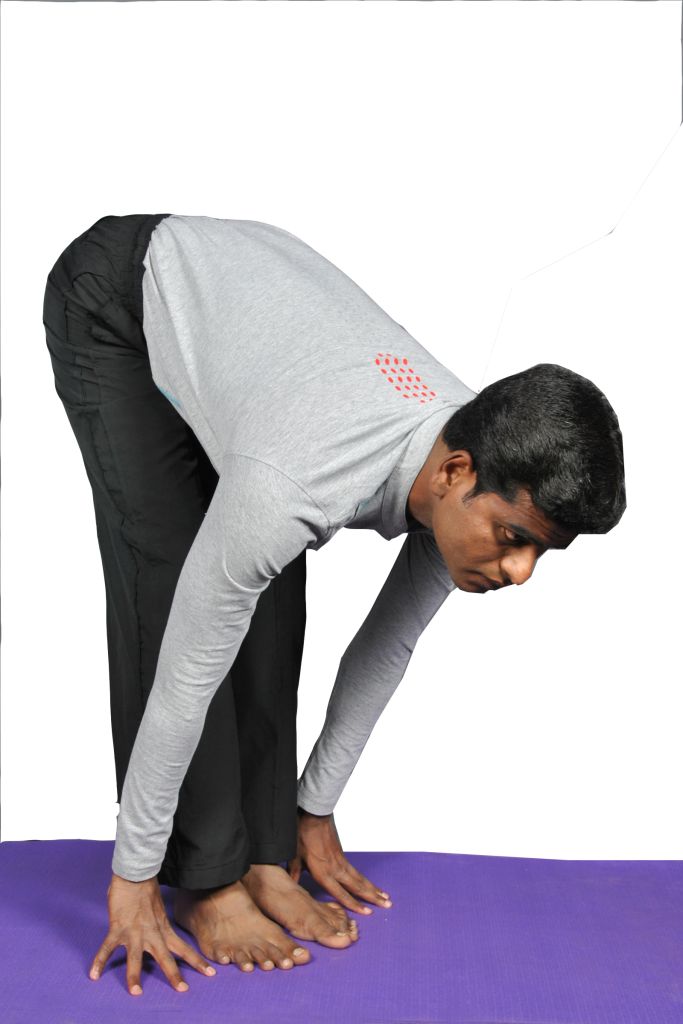
Pranayama for good concentration 2.53. Dharanasu cha yogyata manasah| Dharanasu-in concentartion Cha-and Yogyata-fitness Manasah-of the mind And mind becomes well qualified for concentration.

Pleasure and pain both are painful – patanjali yoga sutra
Pleasure and pain both are painful indeed 2.15. Parinamatapasamskaraduhkhairgunavrttivirodhacca duhkhamva sarvam vivekinah Parinama-result, consequence Tapa-acute suffering Samskara-impression Duhkhaih-by these three pains Guna-three gunas Vrtti-modification of mind Virodhat-on account of, opposing Cha-and Duhkham-pain Eva-only Sarvam-all Vivekinah-those who have discrimination In the case of one who has discrimintaive knowledge (viveka), all is painful because of pains due to change, acute suffering, samskaras, and also due to gunas and vrittis in opposition.

Path to remove mind disturbance-patanjali yoga sutra
Path to remove mind disturbance 33. Vitarkabadhane pratipaksabhavanam| Vitarka-passions Badhane- on disturbances Pratipaksa-the opposite Bhavanam-pondering over When the mind is disturbed by passions one should practise contemplating over their opposites nature.

Reasons for experiencing pain & how to remove it?-PYS
Patanjali Yoga Sutra – Sadhana Pada- Reasons for experiencing pain & how to remove it? 2.3. Avidyasmitaragadvesabhinivesah klesah| Avidya-ignorance Asmita-i-feeling Raga-liking Dvesa-repulsion Abhinivesah-fear of death Klesah-afflictions Ignorance, I-feeling, liking, disliking and fear of death, this all are the reasons for experiencing pains in our walk of life .

Eight limbs of Yoga – Sadhana Pada – Patanjali Yoga Sutra
Patanjali Yoga Sutra – Sadhana Pada – Eight limbs of Yoga 2.29.Yamaniyamasanapranayamaprtayahara dharanadhyanasamadhayo’stavangani| Yama-self restraints Niyama-fixed rules Asana-postures Pranayama-breath control Pratayahara-sense withdrawl Dharana-concentration Dhyana-meditation Samadhai-samadhi Asta-eight Angani-parts Personal ethics, social ethics, postures, breath control practice, sense withdrawl from its sense objects, concentration, meditation and samadhi or supersonsciouness, constitute the eight limbs of yoga discipline.

Why should follow Discipline? – Sadhana Pada- Patanjali Yoga Sutra
Patanjali Yoga Sutra – Sadhana Pada- Why should follow Discipline? Major Discipline for Yoga Practice 2.1. Tapahsvadhyayayesvarapranidhanani kriyaayogah| Tapah- austerity Svadhyaya-self-study of scriptures Ishvarapranidhana-surrender to god Kriya yoga-practical yoga Tapas, Swadhyaya and ishwara pranidhana is caled kriya yoga.

Past accumulated action is reason for present & future pain-pys
Our past accumulated action is reason for present & future pain 2.12. Klesamulah karmasayo drsthadrsthajanmavedaniyah| Klesa-affliction Mulah-root Karma-action Asayo-reservoir Drstha-seen, present Adrstha-not seen, future Janma-birth Vedaniyah-to be experienced This accumulated karmas which is the root cause of afflictions is to be experienced in the present and future births.

Meaning for Ignorance? – patanjali yoga sutra
Meaning for Ignorance? 2.5. Anityasuchiduhkhanatmasu nityasuchisukhatmakhyatiravidya| Anitya-not eternal Asuchi-impure Duhkha-pain Anatmasu-non-atman Nitya-eternal Suchi-pure Sukha-happiness Atma-self Khyati-knowledge Avidya-ignorance Meaning of Avidya or Ignorance is mis-understanding of non-eternal, impure, evil things considering as eternal, pure, good and atman.

Ignorance is the foundation cause for all pain-patanjali yoga sutra
Ignorance is the foundation cause for all pain 2.4. Avidyaksetramuttaresam prasuptatanuvichchhinnodaranam| Avidya-avidya Ksetram-field Uttaresam-of the following Prasupta-dormant Tanu-thin Vichchhinna-scattered Udaranam-fully operated, expanded Avidya or ignorance can be resided in the states of dormant, thin, scattered or expanded.

How to mastery Asana? – patanjali yoga sutra
How to mastery Asana? 2.47. Prayatnasaithilyananatasamapattibhyam| Prayatna-effort Saithilya-looseness Ananta-the serpent called ananta Samapattibhyam-by meditation By effortless effort and by meditation on the serpent ananta, asana is mastered.

How should be Asana?
How should be Asana? 2.46. Sthirasukhamasanam| Sthira-steady Sukham-comfortable Asanam-posture Steady and comfortable should be the posture.

Future Pain in life can be reducible-patanjali yoga sutra
Future Pain in life can be reducible 2.10. Te pratiprasavaheyah suksmah| Te-they Pratiprasavah-involution Heyah-reducible Suksmah-subtle Those future pains can be avoidable or reducible by involution or by yogic practice, when they are subtle.

Fruits depend on past life action-patanjali yoga sutra
Fruits of accumulated action 2.13. Sati mule tadvipako jatyayurbhogah| Sati mule- so long as the root is there Tat-it Vipakah-ripening Jati-birth, class Ayuh-span of life Bhogah-experience So long as the root of accumulated karma is there, it ripens and gives birth and class, span of life and experience. Fruits depend on past life action 2.14. Te hladaparitapaphalah punyapunyahetutvat| Te-they Hlada-joy Paritapa-sorrow Phalah-fruits Punya-merit Apunya-demerit Hetutvat-on account of They have happinesss or sorrow as their fruits depending upon their merit or demerit of past life action.

Fourth type of pranayama-patanjali yoga sutra
Fourth type of pranayama 2.51. Bahyabhyantaravisayaksepi chaturthah| Bahya-external Abhyantara-internal Viñaya-object Aksepi-transcending Chaturtha-fourth The fourth pranayama is that which transcends the internal and external object, called it breathless state.

Five Self-Discipline-patanjali yoga sutra
Five Self-Discipline 2.30. AhimsaSatyaAsteyaBrahmacharyaaparigraha Yamah| Ahimsa- Non-violence Satya- truthfullness Asteya- honesty Brahmacarya-sensual abstinence Aparigraha-non-acquistiveness Yamah-self-restraints Non-violence, truth, honesty, sensual abstinence, and non-possesiveness are the five self-disciplines. Following Self-Discipline is the great Path 2.31. Jatidesakalasamayanavacchinnah sarvabhauma mahavratam| Jati-class of birth Desa-country, or place Kala-time Samaya-circumstances Anavacchinnah-unconditioned Sarvabhauma-universal Mahavratam-the great discipline It can be practiced universally without exception due to birth, place, time and circumstances then yamas become great disciplines.

Ego or ‘I’ feeling is one of the ignorance-patanjali yoga sutra
Ego or ‘I’ feeling is one of the ignorance 2.6. Drgdarsanasaktyorekatmataivasmita| Drg-purusha, power of consciousness, power to see Darsana-that which is seen, cognition Saktyoh-of the two powers Ekatmata-identity Iva-as if Asmita-i-feeling Asmita or ‘I’feeling, is the identity as it were of the purusha or pure consciousness with the Buddhi or discrminated knowledge. Attachment is the one of the Ignorance 2.7. Sukhanusayi ragah| Sukha-pleasure Anusayi-accompanying Ragah-liking Raga is the liking to such activities, which gives all sensual pleasures. Hatred is one of the Ignorance 2.8. Duhkhanusayi dvesah| Duhkha-pain Anusayi-accompanying Dvesah-repulsion Disliking means, the action which gives pain to physicall and mental level. Clinging to life is one of the ignorance 2.9. Svarasavahi viduso’pi tatharudho’bhinivesah| Svarasavahi-sustained by its one force Vidush-of the learned Api-even Tatha-like that Rudhah-dominating Abhinivesah-fear of death, clining to life Abhinivesha means desire for mundane life to extend, even this quality dominates learned wise people too.

By practicing pranayama luminosity achieved-patanjali yoga sutra
By practicing pranayama luminosity achieved 2.52. Tatah ksiyate prakasavaranam| Tatah-thereby Ksiyate-disappears Prakasa-light Avaranam-covering Thereby the covering of light vanish.

Benefits of self-surrendering to God-patanjali yoga sutra
Benefits of self-surrendering to God 2.45. Samadhisiddhirisvarapranidhanat| Samadhi- superconsiousness Siddhi-perfection Isvara-god Pranidhanat-self-surrender Succcess in superconsiousness comes by complete resignation to God.

Benefits of following Truthfulness-patanjali yoga sutra
Benefits of following Truthfulness 2.36. Satyapratisthayam kriyaphalasrayatvam| Satya-truthfulness Pratisthayam-on being firmly established Kriya-action Phala-result or fruit Asrayatvam-basis Those who following truthfullness, the actions result in fruits, entirely depending on them.

Benefits of following Non-possessiveness-patanjali yoga sutra
Benefits of following Non-possessiveness 2.39. Aparigrahasthairye janmakathantssambodah| Aparigraha-non-possessiveness Sthairye-on becoming steady Janma-birth Kathanta-how and from where Sambodah-knowledge On becoming stable in non-possessiveness, there arises the knowledge of how and from where birth arise.

Benefits of following Non-Violence-patanjali yoga sutra
Benefits of following Non-Violence 2.35. Ahimsapratisthayam tatsamnidhau vairatyagah| Ahiàsa-non-violence Pratisthayam-on being firmly established Tatsamnidhau-in its vicinity Vaira-hostility Tyagah-abandonment Those who following strongly ahimsa path, there is abandonment of hostility and enmity in his vicinity.

Benefits of by mastery over Asana-patanjali yoga sutra
Benefits of by mastery over Asana 2.48. Tato dvandvanabhighatah| Tatah-from that Dvandva-pair of opposites Anabhighatah-no impact Thereby the pairs of opposites stop to have any impact.

Benefits of being cleanliness-patanjali yoga sutra
Benefits of being cleanliness 2.40. Saucat svanga jugupsa parairasaàsargah| Saucat-from clealiness Svanga-one own body Jugupsa-indifference Paraih-with others Asamsargah-non-attachment By being cleanliness there comes indifference towards one’s own body and non-attachment to others.
Benefits of being celibacy-patanjali yoga sutra
Benefits of being celibacy 2.38. Brahmacharyapratisthayam viryalabhah| Brahmacharya-sexual abstinence Pratisthayam-on being firmly established Virya-indomitable courage Labhah-gain By following celibacy, veerya is gained.

Benefits of being contentment-patanjali yoga sutra
Benefits of being contentment 2.42. Santosadanuttamasukhalabhah| Santosad-from contentment Anuttamah-unexcelled Sukha-pleasure Labhah-gain Infinite happiness comes from the practice of contentment.

Benefits of austerities-patanjali yoga sutra
Benefits of austerities 2.43. Kayendriya siddhirasuddhiksayattapasah| Kaya-the body Indriya-sense organ Siddhi-perfection Asuddhi-impurity Ksayat-destruction Tapasah-by austerities By following austerities, impurities are eradicated and there appears perfection in the body and sense organs.

Benefits of self-study – Patanjali yoga sutra
Benefits of self-study 2.44. Svadhyayadistadevatasamprayogah| Svadhyayat-by self-awareness, self-obsrvation Istadevata-the deity of choice Samprayogah-communion By self-study, union with the desired deity is brought about.

Mastery over the senses by pratyahara -Vibhooti Pada
Mastery over the senses by pratyahara 2.55. Tatah paramavasyatendriyanam| Tatah-thereby Parama-highest Vasyate-mastery Indriyanam-of the senses This is the highest state of mastery over the sense organs by pratyahara practice.

Attainment of pure consciousness- Kaivalya Pada-Patanjali Yoga Sutra
Patanjali Yoga Sutra – Kaivalya Pada Attainment of pure consciousness or kaivalya 4.34. Purusarthasunyanam gunanam pratiprasavah kaivalyam svarupapratistha va chitisakteriti| Purusartha-purpose of the purusha Sunyanam-devoid of Gunanam-of the gunas Pratiprasavah-involution Kaivalyam-liberation Svarupa-ones own nature Pratistha-establishment Va-or Chitisakteh-purusah Iti-that’s all(denotes the end of the Patanjali Yoga Sutra) Kaivalya is the involution of the gunas because of the fulfilment of their objectives or it is the restoration of the purusha to its inherent form which is called pure consciousness.
Confusion of memories-Kaivalya Pada-Patanjali Yoga Sutra
Patanjali Yoga Sutra – Kaivalya Pada Confusion of memories 4.21. Chittantaradrsye buddhibuddheratiprasangah smrtisankarascha| Chittantaradrsye-in one mind being cognized by the other Buddhibuddheh-cognition of cognitions Atiprasangah-absurd superfluity Smrti-memory Sankarah-confusion Cha-and If cognition by one mind of th eother be accepted, then there will be cognition of cognitions leading to absurdity and confusion of memory.
Limitation of mind- Kaivalya Pada-Patanjali Yoga Sutra
Patanjali Yoga Sutra – Kaivalya Pada Limitation of mind 4.20. Ekasamaye chobhayanavadharanam| Ekasamaye-simultaneously Cha-and Ubhaya-both Anavadharanam-non-comprehension And there cannot be the comprehension of both simultaneously.
Mind & object – Kaivalya Pada – Patanjali Yoga Sutra
Patanjali Yoga Sutra – Kaivalya Pada Mind & object 4.16. Na chaika chittatantram vastu tadapramanakam tada kim syat| Na-not Cha-and Eka-one Chitta-mind Tantram-dependent Vastu-object Tat-that Apramanakam-non-cognized Tada-then Kim-what Syat-would happen The object of perception is not dependent on the chitta, what would happen to the object of perception when the medium of cognition is not there?. Patanjali Yoga Sutra – Kaivalya Pada Reflection of object 4.17. Taduparagapeksitvachchittasya vastu jnatajnatam| Taduparaga-the reflection of the object in chitta Apeksitvat-because of necessity Chittasya-of the mind Vastu-object Jnata-known Ajnatam-unknown The mind needs the reflection of the objects for its cognition.
Mind is not self-illuminative- Kaivalya Pada-Patanjali Yoga Sutra
Patanjali Yoga Sutra – Kaivalya Pada Mind is not self-illumintive 4.19. Na tatsvabhasam drsyatvat| Na-not Tat-that svabhasam –self-illumined drsyatvat-of perceptibility That chitta is not self-illumined because it is the subject of knowledge and perception.
Purusha knows the mind-Kaivalya Pada-Patanjali Yoga Sutra
Patanjali Yoga Sutra – Kaivalya Pada Purusha knows the mind 4.18. Sada jnatascittavrttayastatprabhoh purusasyaparinnamitvat| Sada-always Jnatah-are known Chittavrttayah-modifications of mind Tatprabhoh-on its master Purusasya-of the purusha Aparinamitvat-due to changelessness Purusha, the master of chitta, is chnageless, therefre, he always knows the modifications of the mind.
What is perception ? – Kaivalya Pada-Patanjali Yoga Sutra
Patanjali Yoga Sutra – Kaivalya Pada What is perception ? 4.15. Vastusamye chittabhedattayovibhaktah panthah| Vastusamye-by sameness of the object Chittabhedat-by the difference of the mind Tayoh-of these two vibhaktah –separate panthah-path of manifestation Because of the sameness of object and difference of mind their ways are different.
Potentiality of object- Kaivalya Pada-Patanjali Yoga Sutra
Patanjali Yoga Sutra – Kaivalya Pada Potentiality of object 4.14. Parinamaikatvadvastutattvam| Parinama-transformation Ekatvat-due to oneness Vastu-object Tattvam-the essence The potential of the object is due to the uniqueness of transformation of the gunas.
Dominance of action or karma- Kaivalya Pada – Patanjali Yoga Sutra
Patanjali Yoga Sutra – Kaivalya Pada – Dominance of action or karma 4.7. Karmasuklakrsnam yoginastrividhamitaresam| Karma-action Asukla-not white Akrsnam-not black Yoginah-of the yogis Trividham-threefold Itaresam-of others The deed of yogis are neither white nor black, of others they are threefold. Patanjali Yoga Sutra – Kaivalya Pada Exhibition of potential desires 4.8. Tatastadvipakanugunanamevabhivyaktirvasanam| Tatah-therefrom Tadvipaka-the ripening of those Anugunanam-accordingly Eva-only Abhivyaktih-manifestation Vasanam-of potential desires Therefrom the exhibition of potential desires according to their activities, ripening only.
Vanishing of impressions-Kaivalya Pada -Patanjali Yoga Sutra
Patanjali Yoga Sutra – Kaivalya Pada Vanishing of impressions 4.11. Hetuphalasrayalambanaih sangrahitatvadesamabhave tadabhavah| Hetu-cause Phala-effect Asraya-support Alambanaih-object Sangrhitatvat-because of being bound together Esam-of these Abhave-on the disappearance Tadabhavah-their disappearance Since cause and effect, support and object are act together, by their disappearance that also disappears. Patanjali Yoga Sutra – Kaivalya Pada Past & future exist 4.12. Atitanagatam svarupo’styadhvabhedadharmanam| Atita-past Anagatam-future Svarupatah-in its essential form Asti-exists Adhvabhedat dharmanam- of inherent properties Past and future exist in their own form by difference of paths. Patanjali Yoga Sutra – Kaivalya Pada Reason for existence 4.13. Te vyaktasuksma gunatmanah| Te-they Vyakta-manifest Suksma-subtle Gunatmanah-of the nature of gunas Whether manifest or unmanifest they are of the nature of gunas.
Patanjali Yoga Sutra – Kaivalya Pada Memory & impressions
Patanjali Yoga Sutra – Kaivalya Pada Memory & impressions 4.9. Jatidesakalavyavahitanamapyantaryam smrtisamskarayorekarupatvat| Jati-class of birth Desa-place Kala-time Vyavahitanam-separated Api-even Anantaryam-sequence Smrtisamskarayoh-of memory and impressions Ekarupatvat-because of sameness in form Because memory and impression are the same in form there is a sequence although they may be classified by class of birth, place and time. Patanjali Yoga Sutra – Kaivalya Pada Source of potential impressions 4.10. Tasamanaditvam chasiso nityatvat| Tasam-there is Anaditvam-begnninglessness Cha-and Asisah-of the will to live Nityatvat-by permanence There is no beginning to them and the desire to live is eternal.