
Niralamba Sarvangasana(Unsupported Shoulder Stand Pose)
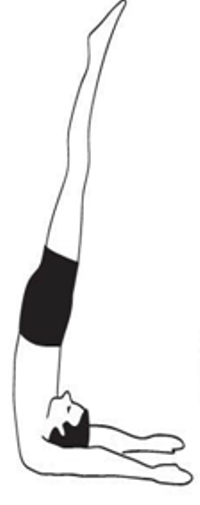
This is an unsupported sarvangasana. Lie on your back on the floor with your legs stretched out and your palms facing down on the ground by the sides of the legs. Breathe easily and then on an exhale bend the knees and take the legs to the stomach until the thighs are pressing into the stomach. Breathe and raise the hips off the floor on an exhale. Support the hips by bending your elbows so they are flat on the ground with your hands on the back of your hips. Raise the trunk off the ground until it is perpendicular to the ground. Your chest should be pressing into your chin. Exhale and stretch the legs straight up so they are pointing to the ceiling. Keep stretching the body upwards until only your head, shoulders and backs of the upper arms and elbows are resting on the ground and supporting your weight. Then release the arms and stretch them out on the ground so they extend over the head while still resting on the floor. Then finally stretch them towards the legs as if you are reaching for your toes, keeping them tightly by the side of the body. Stay here breathing easily for thirty seconds. Then slowly come out of the pose. Precaution: People with high blood pressure, heart conditions, inflammation of the ear, weak eye capillaries, severe near-sightedness, problems in the pituitary or thyroid glands, arteriosclerosis, cerebral or other thrombosis, severe asthma, tuberculosis, cold or sinusitis, excessively impure blood, slipped disc, weak spine or vertigo should not practice this asana. Benefits: Entire body is toned by an increase in the flow of blood. Speedier recovery from general weakness. Mother of asanas Low blood pressure. Strengthens the neck muscles and brings a rich supply of blood to the brain thyroid and parathyroid glands. urinary disorders and uterine displacement, menstrual trouble, piles and hernia. It also helps to relieve epilepsy, low vitality and anemia. Activates the abdominal organs and relieves people suffering from stomach and intestinal ulcers, severe pains in the abdomen and colitis.
Eka Pada Setu Bandha Sarvangasana(One legged Bridge Pose)
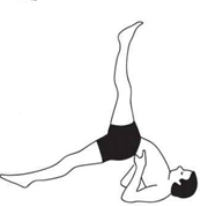
This is a variation of the bridge pose where you raise one leg into the air. You must start by lying on the ground. Bend the knees and place them with the feet on the floor and the knees pointing to the ceiling. Raise the back off the floor with the shoulders and head still on the ground. Support your back by placing your palms on it. Try and straighten your legs so they are stretched out with your legs together. From here, raise the right leg vertically in the air so that it is perpendicular to the floor. Stay here breathing easily for thirty seconds and then lower back down. Repeat this with the other leg. Precaution: Benefits: The pelvic region benefits from this exercise and the hamstring muscles are properly toned. The asana also relieves backaches and prevents the development of hernia.
Anantasana(Side Reclining Leg Lift or Vishnu Pose)
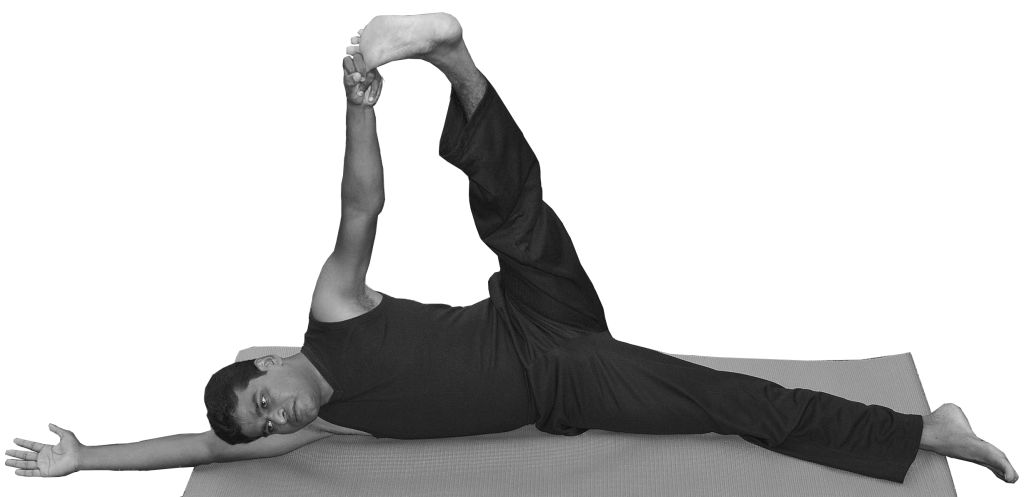
This pose is named after Lord Vishnu resting on the couch. Start by lying flat on the mat and then turn onto your left side. Raise the head and rest it on the left hand, the left elbow on the ground. Then raise the right knee, bend it and catch the right big toe between the right thumb and index and middle fingers of the right hand. Straighten the right leg and right arm while exhaling and hold the pose for about thirty seconds while breathing easily. Then slowly come out of the pose and relax. Precaution: Benefits: Strengthening Pelvic region. Hamstring and quadriceps muscles are toned. Good for backaches and prevents the development of hernia.
Supta Konasana(Reclining Angle Pose)
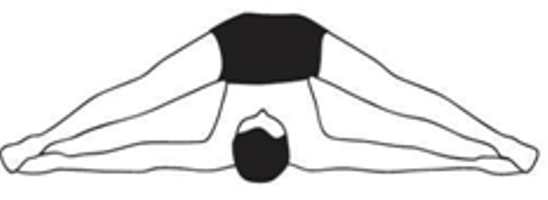
This is the reclining angle pose. Sit on the floor with your legs stretched out in front of you. Roll back on the floor until you are fully reclined. Now raise the legs up and take the feet over your head until they touch the ground. Reach out with your hands and hold onto the big toes of the corresponding feet. Part the legs as far apart as you can while the arms are resting on the floor. Stay here for about thirty seconds breathing easily. Then come out of the pose and relax. Precaution: People with high blood pressure, heart conditions. Benefits: Tones the legs and helps to contract the abdominal organs.
Matsyasana (Fish Pose)

This is the fish pose. Sit in padmasana. Now lie back down until your back is resting on the floor. On an exhale arch your back. Now rest the crown of the head on the floor while concentrating on lifting the neck and back off the floor. Raise the hands and stretch them out and then rest them above your head on the floor. Stay here for thirty seconds or more, breathing easily. Then move out of the pose. Precaution: Heart disease, peptic ulcers, hernia, back conditions or any serious illness should not practice this asana. Pregnant women should also not attempt it. Benefits: Dorsal region is fully extended in this posture and the chest is well expanded. Thyroids benefit. Pelvic joints become elastic. Stretches the intestines and abdominal organs. Remove constipation. Relieves inflamed and bleeding piles. Asthma and bronchitis. Alleviating backache. Thymus gland, boosting the immune system.
Setu Bandha Sarvangasana(Bridge Pose)
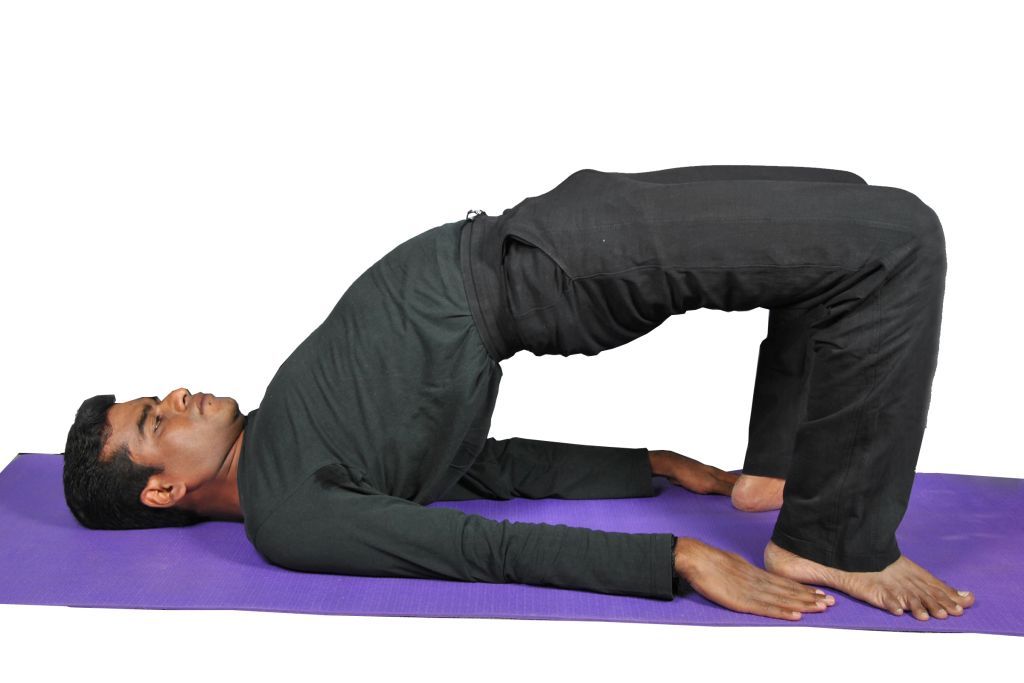
This is the bridge pose. You must start by lying on the ground. Bend the knees and place them with the feet on the floor and the knees pointing to the ceiling. Raise the back off the floor with the shoulders and head still on the ground. Support your back by placing your palms on it. Try and straighten your legs so they are stretched out with your legs together. Stay here breathing easily for thirty seconds and then lower back down. Precaution: Neck and Pregnancy. Benefits: Opens and expands the Strengthens the mid and upper Stretches the entire Increases circulation to the thyroid Energizes the Relieves low-back tightness.
Kukkutasana(Cockerel or Rooster Pose)
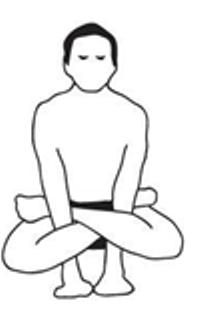
This is the cockerel pose. Sit in padmasana. Put your hands through the space between the thighs and calves. Push the hands down until the elbows and then press through the hands so that your whole body lifts off the ground and you exhale. Stay here breathing easily for as long as you can. Then lower down slowly and come out of the pose. Precaution: Heart conditions, high blood pressure, prolapse, hernia or back pain. Benefits: strengthens the wrists and abdominal walls, arm and shoulder muscles, and opens the chest. Improves a sense of balance and stability.
Eka Pada Sirsasana (Foot Behind the Head Pose)
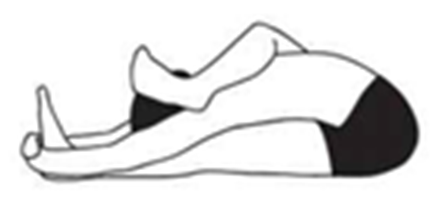
In this pose you will take one leg and place it behind the ear. Sit on the floor with your legs stretched out in front of you. Bend the left knee and grasp the left foot with both hands. Pull it close to the torso and then bend forward. Now it will be easier to place the leg behind the left leg to rest behind the neck. Fold the palms in Anjali mudra. Stay like this breathing easily for thirty seconds. Now relax the leg back down and repeat the pose on the other side. Precaution: Sciatica, hip problems or hernia and back problem. Benefits: neck and the back grow stronger. While the thighs muscles are stretched fully. Abdominal muscles are contracted and the digestive power increases. Stimulating peristalsis and removing constipation and relieving varicose veins.
Akarna Dhanurasana(Archer Pose)
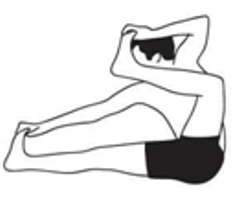
This is the bow pose where one leg touches the ear. Sit on the floor with your legs stretched out in front of you. Take the big toe of the right foot in between your right thumb and first two fingers. Then hold the left big toe in between the left thumb and first two fingers of the left hand. Breathe out, bend the left elbow and lift the left foot by bending the knee. Inhale and then on an exhale keep the right leg straight on the ground and raise the left leg so it is by the ear. You are daring the left leg back like it’s with a bow and arrow. Then lower the leg back down and relax. Now repeat this on the other side. Precaution: Benefits: makes the leg muscles very flexible. hip joints are adjusted. The lower part of the spine is benefited.
Urdhva Padmasana (Scale or Lifted Lotus Pose)
This is the upward lotus pose. Sit in padmasana and keep the palms on the floor beside the thighs. Breathe in and press into the ground, raising the entire body off the ground. Balance only on the hands here and if possible swing the body backwards and forwards on the arms. Lower the body back to the ground and rest. Precaution: Shoulder or wrist injuries. Ankle injury Knee injury. Tight hips or thighs. Benefits: Strengthens the wrists, arms, and abdomen.