
Hatha Yoga Pradipika – Sadhana should be kept secret for success
Hatha Yoga Pradipika – Sadhana should be kept secret for success Hathavidya param gopya yogina siddhimichchata / bhavedviryavati gupta nirvirya tu praksita // (Chapter -1,
Karuna Yoga Vidya Peetham Bangalore

Hatha Yoga Pradipika – Sadhana should be kept secret for success Hathavidya param gopya yogina siddhimichchata / bhavedviryavati gupta nirvirya tu praksita // (Chapter -1,

Three types of Pain or tapas (adhyatmik – spiritual, adhidevik – environmental and adhibhautik – physical). Aseshatapataptanam samasrayamatho hathah / aseshayogayuktanamadharakamatho hathah // (Chapter -1,
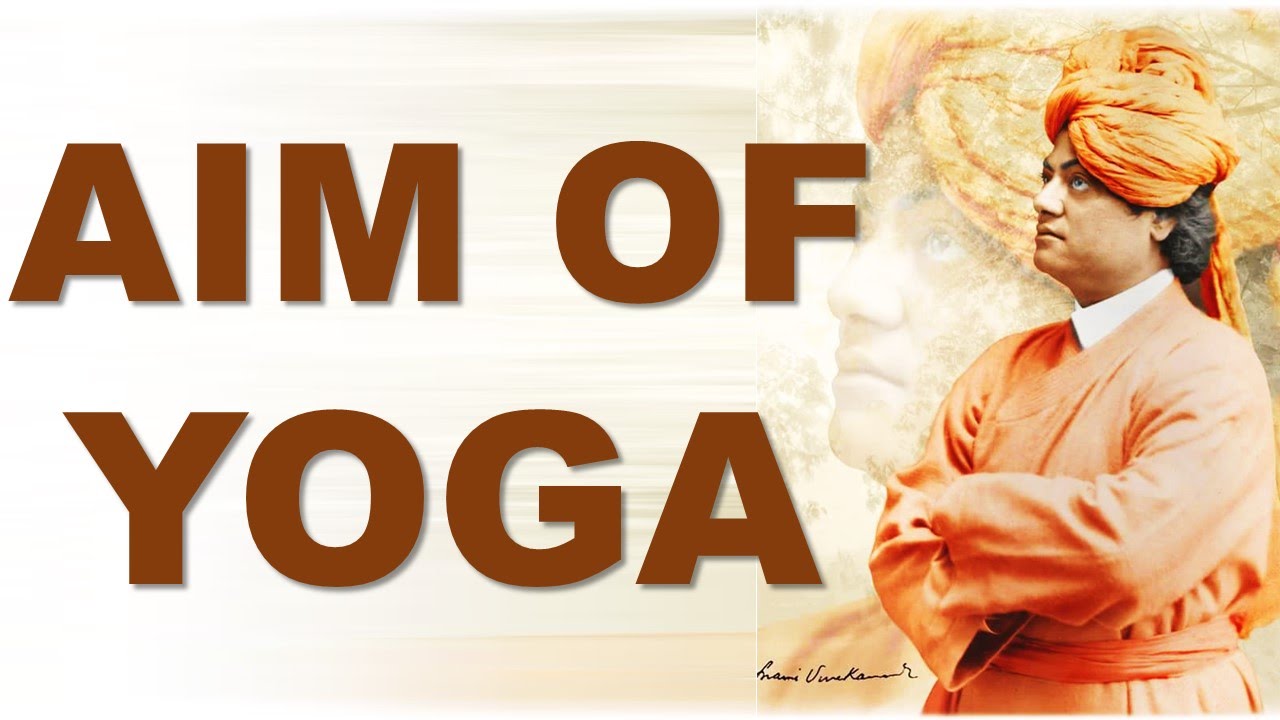
Hatha Yoga Pradipika – Aim of Hatha Yoga Pranamya srighurum natham svatmaramena yogina / kevalam rajayogaya hathavidyopadisyate //(Chapter -1, Verse -2). Prostrating first to the
Patanjali Yoga Sutra – Samadhi Pada – Fruits of Meditation(1.40) Fruits of Meditation 1.40. Paramanu-paramamahattvanto’sya vasikarah| Paramanu-ultimate atom Paramamahattva- ultimately largeness Antah-ending Asya-of this Vasikarah-mastery
Patanjali Yoga Sutra – Samadhi Pada – By Meditation as Desired(1.39) By Meditation as Desired 1.39. Yathabhimatadhyanadva| Yatha-as Abhimata-desired Dhyanad-by meditation Va-or Or else by
Patanjali Yoga Sutra – Samadhi Pada – By Knowledge of Dream and Sleep(1.38) By Knowledge of Dream and Sleep 1.38. Svapnanidrajnanalambanam va| Svapna-dream Nidra-sleep Jnana-knowledge
Patanjali Yoga Sutra – Samadhi Pada- By Detachment from matter(1.37) By Detachment from matter 1.37. Vitaragavisayam va chittam| Vitaraga-passionless person who has transcended raga Visayam-object
Patanjali Yoga Sutra – Samadhi Pada-By Inner Illumination(1.36) By Inner Illumination 1.36. Visoka va jyotismati| Visoka-without sorrow Va-or Jyotismati-luminous, full of light Or the luminous
Patanjali Yoga Sutra – Samadhi Pada-By Observing Sense Experience(1.35) By Observing Sense Experience 1.35. Visayavati va pravritirutpanna manasah sthitinibandhani| Visayavati- sensuos Va-or Pravritih-functioning Utpanna-arisen Manasah-of
Patanjali Yoga Sutra – Samadhi Pada- By Controlling Prana(1.34) By Controlling Prana 1.34. Pracchardanavidharan abyam va pranasya| Pracchardana-expiration or rechaka Vidharanabyam-holding, kumbhaka Va-or Pranasya-of breath
Patanjali Yoga Sutra – Samadhi Pada-Or by Cultivating Opposite Virtues(1.33) Or by Cultivating Opposite Virtues 1.33. Maitrikarunamuditopeksanam sukhaduhkhapunyapunyavisayanam bhavanataschittaprasadanam| Maitri- friendliness Karuna-compassion Mudita-gladness Upeksanam-indifference Sukha-happiness Duhkha-misery Punya-virtue
Patanjali Yoga Sutra/Samadhi Pada/ Removal of obstacles by Concentration(1.32) Removal of obstacles by One-pointedness 1.32. Tatpratisedharthamekatvabhyasah, Tat-that Pratisedhartham-for removal Eka-one Tattva-principle Abhyasah-practice For removal of
Patanjali Yoga Sutra-Samadhi Pada-Obstacles can be removed by one-pointedness(1.31) Obstacles can be removed by one – pointedness 1.31. Duhkhadaurmanasyangamejayatvasvasaprasvasaviksepasahabhuvah| Duhkha-pain Daurmanasya- depression Angamejayatva-shaking of the
Patanjali Yoga Sutra – Samadhi Pada- Obstacles in Path of Yoga Practice(1.30) Obstacles in Path of Yoga Practice 1.30. Vyadhistyanasamsayapramadalasyaviratibhranti-darsanalabdha bhumikatvanavasthitatvani cittaviksepaste’ntarayah| Vyadhi-disease Styana-dullness Samsaya-doubt Pramada-procrastination
Patanjali Yoga Sutra – Samadhi Pada – Higher form of Detachment(1.16) Higher form of Detachment 1.16. Tatparam purusakhyatergunavaitrsnyam| Tat-that Param-highest Purusakhateh-true knowledge of purusa Gunavaitrsnyam-freedom
Patanjali Yoga Sutra – Samadhi Pada – Lower form of Detachment(1.15) Lower form of Detachment 1.15. Drstanusravika-visayavitrsnasya vasikara-sanjna vairagyam| Drsta-seen anusravika- heard visaya-object vitrsnasya-of the
Patanjali Yoga Sutra – Samadhi Pada – Foundation of Constant Practice(1.14) Foundation of Constant Practice 1.14. Sa tu dirghakala daranairantaryasatkarasaevito drdhabhumih| Sah-that(abhyasa) Tu-but Dirgha-long Kala-time
Patanjali Yoga Sutra – Samadhi Pada- Abhyasa Means Constant Practice(1.13) Abhyasa Means Constant Practice 1.13. Tatra sthitau yatno’bhyasah| Tatra-there, out of the two Sthitau-being fixed
Patanjali Yoga Sutra – Samadhi Pada – Constant Practice and Detachment(1.12) Constant Practice and Detachment 1.12. Abhyasavairagyabhyam tannirodhah| Abhyasa- repeated practice Vairagyabhyam-by detachment Tat-that Nirodhah-blocking
Patanjali Yoga Sutra – Samadhi Pada – What is Memory?(1.11) What is Memory? 1.11. Anubhutavisaya sampramosah smrtih| Anubhuta- experienced Visaya- objects of sense perception Asampramosah-not
Patanjali Yoga Sutra – Samadhi Pada – State of Sleep(1.10) State of Sleep 1.10. Abhava-pratyayalambana – vrittirnidra, Abhava- absence Pratyaya- contents of mind Alambana-support Vrittih-modification
Patanjali Yoga Sutra – Samadhi Pada – Fancy or Imagination(1.9) Fancy or Imagination 1.9. Sabdajnanupati vastu-sunyo vikalpah| Sabda-Jnana-word, sound Anupati-cognition vastu-object sunyo –empty, void vikalpah-imagination,
Patanjali Yoga Sutra – Samadhi Pada – Source of Wrong Knowledge(1.8) Source of Wrong Knowledge 1.8. Viparyayo mithyajnanamatadrupapratistham| viparyayah- Wrong conception mithya- false jnanam- knowlege
Patanjali Yoga Sutra – Samadhi Pada – Source of Right knowledge(1.7) Source of Right knowledge 1.7. Pratyaksanumanagamah pramanani| Pratyaksa- Direct cognition Anumana- inference Agama- testimony
Patanjali Yoga Sutra – Samadhi Pada- Fivefold Modifications of Mind(1.6) 1.6. Pramana-viparyaya-vikalpa-nidra-smrtayah, pramana- Right Knowledge viparyaya- Wrong Knowledge vikalpa- Fancy nidra- Sleep smrtayah- Memory The
Patanjali Yoga Sutra – Samadhi Pada -Modifications of mind(1.5) 1.5. Vrttayah pancatayyah klista aklistah, Vrttayah – Modifications of mind pancatayyah – fivefold klista- painful aklistah-
Patanjali Yoga Sutra – Samadhi Pada – Aim of Yoga(1.2) Aim of Yoga 1.2. Yogas chitta vrtti nirodhah, Yogas-yoga Chitta-mind or consciousness Vrtti-patterns or modifications

Transforming self by better Understanding of Yama and Niyama Patanjali’s Astanga Yoga(eight limbs of yoga) Despite the fact there is a pronounced tendency towards world
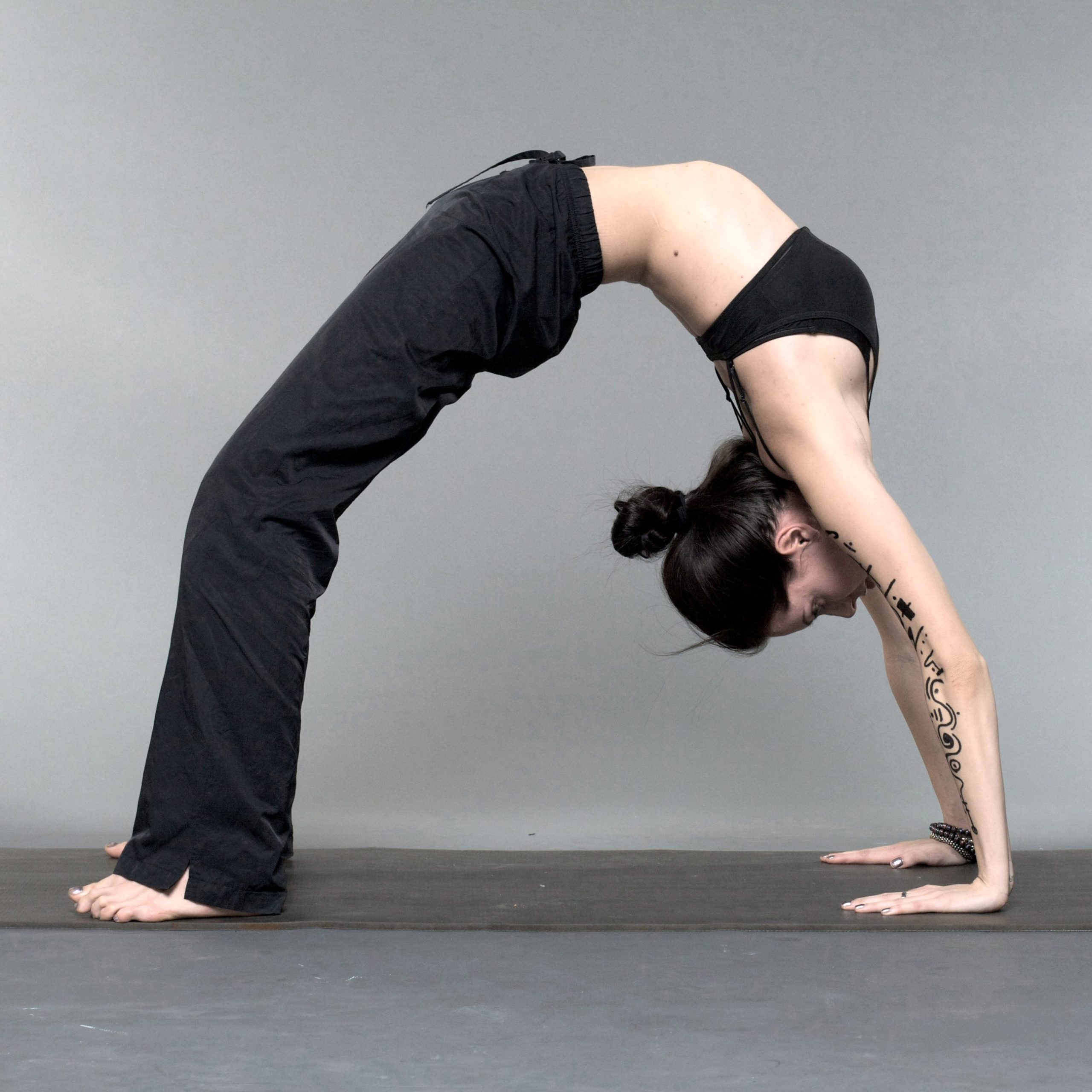
Cultivating Awareness by Asana or Posture The first two members of the eightfold path, yama and niyama, strictly regulate the yogi social contacts and his

Beginner’s Guide to Pranayama: The control of the life-force The asana, when practised successfully, affects a marked internalization of consciousness. Therefore it is said
How to control your mind: Pratyahara or Sense – withdrawal Both ‘posture’ and the ‘control of the life –force’ lead to a progressive desensitization to
How to Focus on single object: Dharana or Concentration As a direct continuation of the process of withdrawal from external reality, concentration is the ‘holding

A Beginner’s Guide to Practice, Meditation, and the Patanjali Yoga Sutras Prolonged and depending concentration leads to the state of meditative absorption of dhyana in
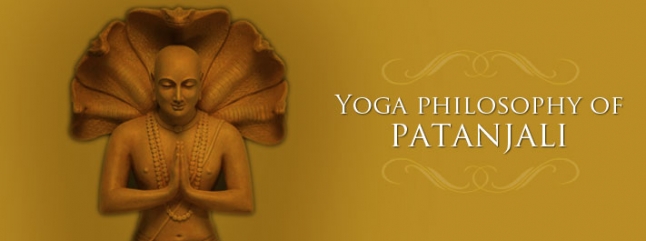
Despite the fact there is a pronounced tendency towards world negation in Classical Yoga, the yogic path advocated by patanjali is not devoid of all

Yoga, Health, and the Self Yoga and Health Real health The concept of health in yoga is not merely physical health. Health is mental as

Yoga philosophy of Budhism The Buddha was dedicated Yogi with a passion for meditative absorption, and his doctrine was primarily designed to who a concrete

Yoga in the Puranas The Puranas are a group of sacred writings which contain a wealth of mythological, historical, philosophical, ritualistic, scientific and not least

Surya Namaskara practice interacts with the physical organs of the body directly, by applying pressure, massaging, stretching and generally toning up and supporting internal

A classical Sun Salutation to Restore Your Body and Soul Surya Namaskara Surya Namaskara is a well-known technique within the yogic practices. Its versatility and

The path of Royal Yoga: Raja Yoga Let us understand royal path of Yoga The term raja-yoga means ‘royal Yoga’ and is most commonly used