
YOGIC CONCEPT OF BALANCED DIET
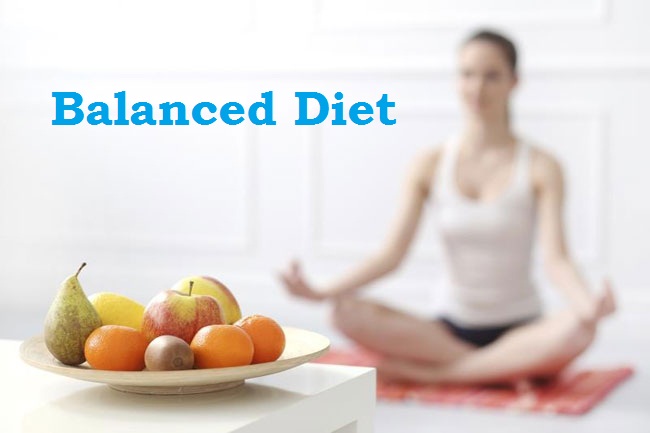
YOGIC CONCEPT OF BALANCED DIET The yogic concept of a balanced diet includes those diets which bring about a balance at all levels- physical, pranic, mental, emotional, and intellectual. Ancient books on yoga tell us that food that would obstruct and destroy physical, mental and emotional balance and equanimity should not be taken. Rajasic and Tamasic foods produce undesirable effects on the body and the mind. So they should be avoided. Yoga is a path to control the body and the mind and so it is logical that Rajasic or Tamasic food had no place in the yogéc diet. Much importance is laid on the goodness of Sattvic food. Sattvic food has all the necessary constituents required by the body. Fruits and vegetables provide precious vitamins and minerals to the body which helps the body to resist diseases. They also contain fibers which prevent or cure constipation. Cereals provide mostly carbohydrates to the body, which give heat to the body. Butter and ghee provide fat to the body which provides the body with heat and it also lubricates the joints. Proteins are available from milk, curd, and buttermilk. This constituent is necessary for the constitution of the body and the reconstruction of cells. The Yogasutras also touches on how much to eat and what to eat (2, 3, 4, 5). Yogis should eat moderately. The ideal is that while eating, one should fill half the stomach with food, a quarter of stomach with water and the remaining quarter for free movement of air. In this modem world, our diet has become increasingly soft and spicy. We eat this type of food excessively. Excessive eating is a burden to the digestive organs. It will lead to indigestion and gas and also causes obesity. Indigestion, gas and obesity are the three factors which obstruct the practice of asanas and hinder the path to Sadhana. In short, those who practice yoga should take simple and nourishing food in less quantity in order to gain mastery over the body and mind. One should also consider one’s own profession while choosing one’s food to suit. #200 hour Yoga teacher training certificate course in Bangalore #Yoga course Bangalore #100/200/300/500 hour Yoga teacher training India
Vata, Pitta and Kapha Pacifying Food
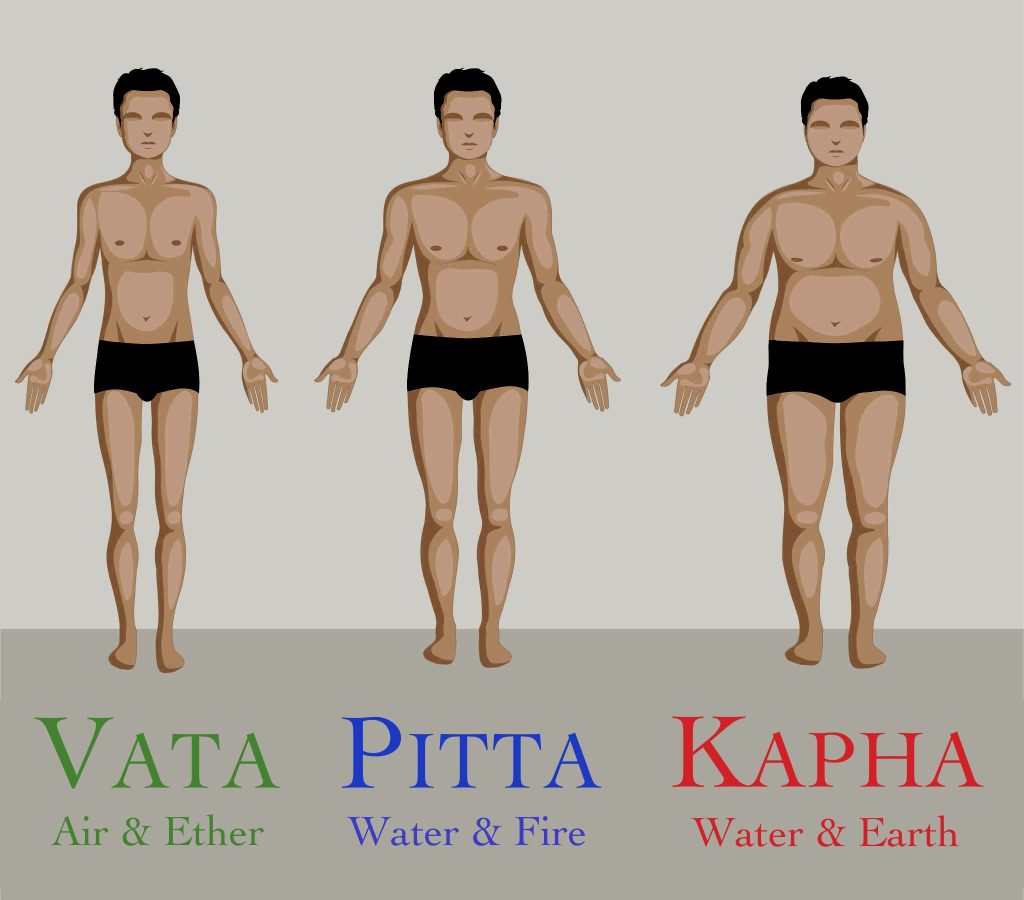
Vata, Pitta and Kapha Pacifying Food Grains White and brown basmati rice, wheat, barley, amaranth, oats and quinoa Legumes Mung beans, aduki beans, split yellow mung dal, red and yellow split pea and uraddal All these should be cooked to a soft consistency Fruits Sweet and sour tastes, like grapes, lemons, pears, bananas, sweet oranges, dates, figs, apples (preferably cooked, avocados, berries and a small amount of raisins Vegetables Sweet vegetables, like zucchini, beets, cauliflower, leeks, carrots, asparagus, cilantro, fenshel and a small amount of garlic, green beans, green chilies, okra, parsnips, pumpkins and radishes (preferably cooked) Spices Avoid using hot, pungent, drying spices. Use fresh spices like ginger root, cilantro, cumin, coriander and fenshel seeds, turmeric and asafetida. Dairy Fresh, whole, unhomogenized milk, ghee and a small amount of butter Pitta Pacifying Food Grains White and brown basmati rice, wheat, barley, oat bran, oats, wheat and wheat bran Legumes Yellow mung dal, split red and yellow peas, a small amount of aduki beans and soy products. All these should be cooked to a soft consistency. Fruits Sweet fruits, such as apples, berries, coconuts, dates, figs, avocados, sweet melons, plums and pomegranates Vegetables Asparagus, broccoli, cabbage, cucumber, cooked onions, sweet potatoes, sprouts, squash and a small amount of okra and cauliflower Spices Cooling spices, like licorice, cardamom, coriander seeds, cilantro, fennel seeds, fresh basil, dill, turmeric and a small amount of cumin and fresh ginger Dairy Fresh ghee and fresh, whole unhomogenized milk Nuts Sunflower seeds and almonds in moderate amounts Oils Coconut, sunflower, canola and a small amount of sesame Kapha Pacifying Food Grains Barley, buckwheat, couscous, millet, muesli, oats, oat bran and a small amount of wheat Legumes Most beans, peas and dal l. Avoid soy products Fruits Apples, berries, cranberries, pomegranates, dried fruits and a small amount of strawberries Vegetables Asparagus, beets, bitter melons, broccoli, beet greens, cabbage, garlic, green beans, fennel, carrot, kale, horseradish, leafy greens, leeks, lettuce, okra, cooked onions, spinach, sprouts, squash, turnip and a small amount of artichoke, burdock root and brussel sprouts Spices Hot spices, like pepper, chilies, ginger, cinnamon, clove, fenugreek and bay leaves Dairy A very small amount of dairy; goat milk and ghee in moderation Nuts A small amount of almonds Oils A small amount of olive, corn and canola Tridosa Balancing Food Grains White and brown basmati rice, wheat, quinoa, barley Legumes mung dal, yellow mung dal , red lentils, aduki Fruits Cooked apple, pear, papayas, black raisins, banana, mango and oranges in moderation. Always eat fruit by itself. Vegetables Spinach, zucchini, brocoli, cauliflower, cabbage, asparagus, sweet potatoes, carrots, leafy greens, steam, boil, bake or stir-fry the vegetables Salads Fresh, green salad with sesame oil and lemon juice dressing and spices of choice Spices Fresh ginger root, turmeric, coriander seeds and leaves, cumin seeds, licrorice, fennel seeds, cardamom, cinnamon, fresh basil, mustard seeds and hing (asafetida) Salts In moderation mineral salts, black salt or rock salt Sweeteners In moderation uncooked honey, maple syrup, sucanat (dried sugarcane juice) Nuts & Seeds In moderation blanched almonds, unsweetened coconut, sesame and pumpkin seeds Oils Ghee, sesame, olive, sunflower, flax seed, canola Breads Unleavened, unfermented breads, wheat and corn tortillas and chapatti Beverages Warm herbal teas or grain beverages, plenty of water (unrefrigerated) #200 hour Yoga teacher training certificate course in Bangalore #Yoga course Bangalore #100/200/300/500 hour Yoga teacher training India
Ayurvedic Effects of Asana Practices
Ayurvedic Effects of Asana Practices Each Asanas has a particular effect defined relative to the three dosas. This is the same as how Ayurveda classifies foods according to their dosas effects as good or bad for Vata, Pitta and Kapha, depending upon the tastes and the elements that compose each food article. We can look upon different Asana s according to their structural ability to increase or decrease the dosas. However, this doñas equation of Asana s should not be taken rigidly because the pränic effect of a Asana can outweigh its structural affect as we just noted. The form of the Asana is not its main factor. Through the use of the breath we can modify or even change the doSas effects of the Asana. We must remember the importance of thought and intention in Asana practise as well. Considering the Asana, Prana and the mind, we can alter a particular asana or adjust the entire practise toward a particular dosas result. Through combining specific asanas, präëäyama and meditation a complete internal balance can be created and sustained. Dosas application of asanas is twofold. According to the constitution of the individual defined by their dosas type as Vata, Pitta and Kapha and their intermixtures. Relative to the impact of asanas on the doñas as general physiological functions. Each dosas has its sites and actions in the body that asana will effect depending upon their orientation. An asana may not be good for a particular doñas type; it doesn’t mean that they should never do it. It means they should practise the asana in a way, which guards against any potential imbalances. Take, for example, backbends. The forceful or quickly done full backbends can cause major Vata aggravation, with severe strain to the nervous system perhaps more so than any other asana. However, gentle partial backbends are great for reducing Vata that accumulates in the upper back and shoulders. Each asanas family like standing poses, forward bends, or inverted postures has general benefits for the body as a whole and its overall movement potential. Each asana family exercises certain muscles and organs that, as part of our entire bodily structure, should not be neglected. To counter any tendencies toward imbalance, you should select poses within each asana family that are better for your body type than others within the same group. In general, you should make sure that all the main muscle groups in the body are represented in your practise at least several days each week. Similarly, that if a particular asana is good for a particular dosas doesn’t mean that all persons of that doñas type should do it. It means that the asanas can be good for them if done in the right way and if they are physically capable of it. Each asanas also has its degree of difficulty that may require certain warm up or preparatory postures to approach it safely. For example, the right preparation for a headstand creates the arm and shoulder musculature needed to sustain a good and safe head balance. Because a headstand is good for your doñas type doesn’t mean that you should simply jump into the posture or can it without possible side-effects. In addition, the effects of different asanas vary according to the sequence in which they are done. This means that asanas practise should always be viewed as a whole—not merely in terms of the single asana s that compose it but in terms of the flow and the relationship between all the particular asanas done. Asanas practise —meaning the sequence and manner of doing Asanas as well as the specific—should Asanas be designed to keep the doñas in balance relative to the individual’s constitution and condition. It is helpful to view Asanas sequence like an herbal formula. An ayurvedic herbal formula contains a number of herbs used for various purposes that contribute to the overall effect of the formula, fulfilling specific roles. The overall doñas effect of the formula is determined by the formula as a whole, not by any single herb within it viewed in isolation. Combining these ayurvedic considerations with the general factors listed above, to effectively prescribe Asanas teachers must learn Assess the ayurvedic type and imbalances of the person. Assess the structural condition of the person, including their posture, age and physical condition. Assess their präëic condition, their control of the breath and senses, along, with their vitality and enthusiasm. Assess the mental state of the person, their attention, will and motivation, as well as their emotional condition. The same Asanas should be done differently relative to whether the person is Vata, Pitta or Kapha. The same asanas should be done differently depending upon the age, sex and physical condition of the person. It should vary depending upon the whether the person has a strong or weak vitality. Additional variations will occur if a person is suffering from anger, grief, stress or depression. This reflects four primary goals for an ayurvedic asanas practise. To balance the dosas To improve the structural condition of the body To facilitate the movement and development of prana To calm and energize the mind. #200 hour Yoga teacher training certificate course in Bangalore #Yoga course Bangalore #100/200/300/500 hour Yoga teacher training India
CONCEPT OF STRESS
CONCEPT OF STRESS Stress is an adaptive response. It is the wear and tear of our bodies experience as we adjust to our continually changing environment. It’ the body’s reaction to an event that is seen as emotionally disturbing, disquieting or threatening. When we perceive such an event, we experience what one stress researcher, walter cannon, called the ‘fight or flight response’. To prepare for fighting or fleeing the body increases its heart rate, blood pressure, more blood is sent to the heart and the muscles and the respiratory rate increases. As a positive influence, stress can help compel us into action: it results in a new awareness and an exciting new perspective. As a negative influence; it results in feelings of distrust, rejection, anger and depression, which in turn can lead to health problems like headache, upset of stomach, rashes, insomnia, ulcers etc. #500hrttc#50hrttc#200hrttc#restorativeyoga#asanapranayamamudrabandha#onlineyogacourse#bestyogainstitute#yogateachertraining#bestyogacourse CAUSES The external stimuli, which trigger off a progressive series of physiological and emotional responses in the body, leading to the stress response are known as stressors. SOME OF THE MAJOR STRESSORS IN LIFE ARE Death of a spouse Divorce Marital Seperation Jail term Personal injury or illness Marriage Death of a close family member STRESS CYCLE It has four components Stressor: External threat / challenge / internal thought or worry Strain: Internal struggle to maintain the homeostasis Stress reaction: Emotional / Physical disruption in normal functioning Steers coping: Process of dealing with stress reaction Stressor – Strain – Stress reaction – Coping – Resolution or again repeating coping phase. MAJOR TYPES OF STRESSORS Psychological :Attitude, personality, self-esteem and ethnicity Physical: Environment, nutrition, drugs and chemical Role : Role conflict / ambiguity, multiple roles Sociological: Political, Economic, Ethnic, Cultural, Stress response STRESS AROUSAL STAGE Persistent irritability and anxiety, bruxism and or insomnia occasional forgetfulness or inability to concentrate. STRESS RESISTANT STAGE Absenteeism or tiredness for work, tired and fatigued for no reason, procrastination and indecision, social withdrawal with cynicism, resentful. indifferent and defiant, increased use of coffee, alcohol, tobacco Etc. * SEVERE EXHAUSTION STAGE Chronic sadness or depression, chronic mental and physical fatigue, isolation and withdraw self – destructive thoughts. SYMPTOMS The symptoms can be grouped into the following sections. Short term physical symptoms Short term performance effects Long term physical symptoms Internal symptoms Behavioral Symptoms SHORT TERM PHYSICAL SYMPTOMS These mainly occur as your body adapts to perceived physical thereat and are caused by release of adrenaline. Although you may perceive these as unpleasant and negative, they are signs that your body is ready for the explosive action that assists survival or high performance. Faster heart beat Increased Sweating Cool Skin Cold Hands and feet Feelings of nausea Rapid breathing Tense muscles Dry mouth Desire to urinate and diarrhoea are the symptoms of survival stress SHORT TERM PERFORMANCE EFFECTS While adrenaline helps you survive in a fight or flight situation, it does have negative effects in situations where this is not the case It interferes with clear judgement and makes it difficult to take the time to make good decisions. It Can seriously reduce your enjoyment of work Where you need good physical skills. It gets in the way of fine motor control. It causes difficult situations to be seen as a threat and not a challenge. It damages the positive frame of mind you need for high quality work by Promoting negative thinking Damaging self confidence Narrowing attention Disrupting focus and concentration Making it difficult to cope with distractions. It consumes mental energy in distraction, anxiety. frustration, temper. LONG TERM PHYSICAL SYMPTOMS These occur where your body has been exposed to adrenaline over a long period. One of the ways adrenaline prepared you for action is by diverting resources to the muscles from the areas of the body, which carry out body maintenance. This means that if you are exposed to adrenaline for a sustained period, your health may start to deteriorate. This may show up in the following ways: Change in appetite Frequent colds Asthma Backache Digestive problems Headache Skin eruptions Sexual disorders Feeling of intense Long term tiredness Internal symptoms: of long term stress When you are under stress or have been tired for a long period of time, you may find that you are less able to think clearly and rationally about problems. This can lead to internal emotional upsets like worry, anxiety, Confusion, inability to concentrate or make decisions, feeling ill, feeling out of control or overwhelmed by events, mood changes like depression, frustration, hostility, helplessness, impatience and irritability being more lethargic, difficulty in sleeping, drinking, more alcohol and more smoking, changing eating habits, reduced sex drive and relying more on medication. BEHAVIORAL SYMPTOMS OF LONG TERM STRESS Talking too fast or too loud Yawning Fiddling and twisting Nail biting Grinding teeth Drumming fingers and pacing Bad moods like being irritable, critical and defensive. Reduced personal effectiveness like being more forgetful, Accident prone Changing work habits Increased absenteeism POSSIBLE PHYSICAL DISORDERS CAUSED BY OR EXACERBATED BY STRESS. Hypertension Cardiovascular disorders Migraine and tension headaches Cancer Arthritis Respiratory disease Ulcers Colitis Muscle tension problems POSSIBLE EMOTIONAL DISORDERS CAUSED BY OR EXACERBATED BY STRESS Anxiety Panic attack Depression Adjustment Disorders POSSIBLE BEHAVIORAL DISORDERS CAUSED BY OR EXACERBATED BY STRESS Conduct disorders Eating Disorders Alcoholism Hyperchondricism The main basic factor in the development of stress disease appears to be mental trauma which produces overtaking of the excitation and inhibition process of the cerebral cortex. It can be acute, severe or moderate but repetitive which cannot be tolerated by the cerebral cortex. It acts as a trigger mechanism, which ultimately leads to the development of stress diseases. Most of these diseases are caused by the disturbance in the environmental factors which stimulate the exteroceptors to convey the excessive stimulation to the cerebral cortex. This may lead to development of stress disease. For the practical purposes, kurtsin divided the cerebral cortex into three groups of cerebral centers with specific functions. Mental brain Somatic brain Visceral brain Somatic brain which controls the action of
SEASON AND DIET
SEASON AND DIET The year is divided into six parts according to seasons. The northward movement of the sun and it’s of dehydration bringing about three seasons beginning from late winter to summer. the south ward movement of sun and its act of hydration give rise to the other three seasons beginning with the rainy to early winter as with the rhythms of the day, there are master cycles matched to the dosas that throughout the year. Our bodies automatically flow with these changes as long as we don’t interfere .A complete yearly cycle takes us through kapha, pitta and vata, in that, mirroring the daily cycle .the calendar seasons that gets aborted is autumn, because it is divided between two dosas. Autumn is considered pitta as long as hot weather prevails and väta as soon as it turns cold, dry and windy. People who have a predominance of vata will walk outside on crisp October day and feel that the weather is extremely congenial to them. In the period of visarga (emission) winds are not very dry as they are during the period of adana (dehydration) the period of emission predominantly shares the qualities of the moon and during this period, the moon, with the unstrained cooling property, continuously delights the world with its soothing rays, the period of dehydration, on the causes of time, season, taste (in drugs and diets) vitiation of dosas and body strength. #500hrttc#50hrttc#200hrttc#restorativeyoga#asanapranayamamudrabandha#onlineyogacourse#bestyogainstitute#yogateachertraining#bestyogacourse Effect of kala Effects of Adana kala on body During the period of dehydration not only the sun with its rays, but also winds with their sharp velocity and dryness, absorb the moisture from the earth. Winds progressively bring about dryness in the atmosphere during the three seasons of the period, astringent and pungent tastes respectively – all having drying effects and as a result, human beings also become weak. The period of adana consists of three seasons- late winter, spring and summer. The drying effect of the sun and winds goes on increasing progressively during this period. More over the bitter, astringent and pungent tastes, all having drying effects of body are enhanced during late winter spring and summer. Effect of visarga kala (During the rainy season) on body During the rainy season, autumn and winter, the sun moves towards the south and its power is slackened by various factor, the time course, storm and air but the moon is not affected the earth is relieved of its heat by the rain waters and sour, salty and sweet tastes which causes unctuousness in the body grow during the rainy season, autumn and winter respectively as result of all these, human beings also progressively grow in strength (during) the period of visarga or elimination. #500hrttc#50hrttc#200hrttc#restorativeyoga#asanapranayamamudrabandha#onlineyogacourse#bestyogainstitute#yogateachertraining#bestyogacourse
YOGA FOR SCIATICA
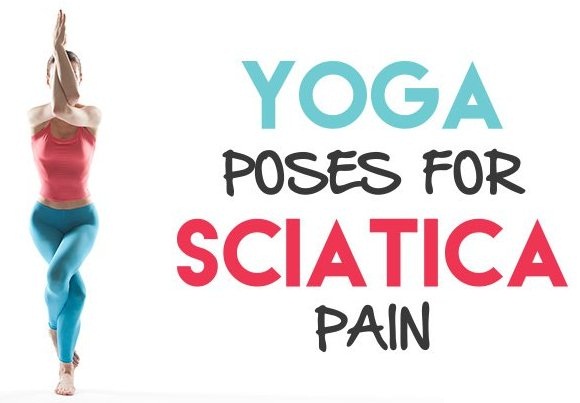
YOGA FOR SCIATICA Pain in the distribution of the sciatic nerve is called as sciatica #500hrttc#50hrttc#200hrttc#restorativeyoga#asanapranayamamudrabandha#onlineyogacourse#bestyogainstitute#yogateachertraining#bestyogacourse CAUSES Injury Ruptured disc or osteoarthritis of the lower spine Tumours of the pelvis Exposures to cold and damp Deformities of the lower spine CLINICAL FEATURES Onset may be sudden or gradual Constant aching pain is felt in the lumbar region and may radiate to the buttock, thigh, calf and foot. Pain is exacerbated by coughing or straining and may be relieved by lying flat. YOGIC PRACTICES ASANA: Advasana Makrasana Matsyakridhasana Tadasana Vajrasana Bhujangasana Ardha shalabhasana Ushtrasana Katichakrasana Backward bending PRANAYAMA: Nadi shuddhi Ujjayi Brahmari #500hrttc#50hrttc#200hrttc#restorativeyoga#asanapranayamamudrabandha#onlineyogacourse#bestyogainstitute#yogateachertraining#bestyogacourse
YOGA FOR PEPTIC ULCER
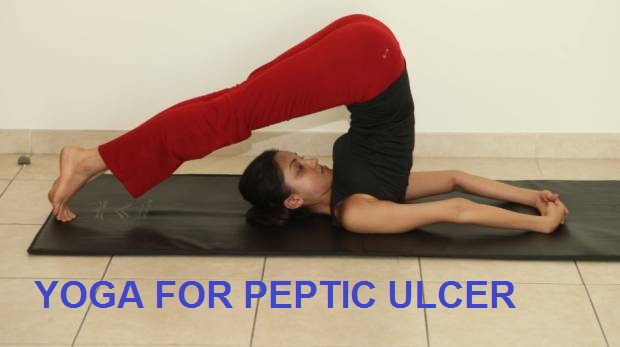
YOGA FOR PEPTIC ULCER It refers to an ulceration of the mucous membrane of the oesophagus, stomach or duodenum due to action of the acid gastric juice. It is one of the common diseases prevalent in adults which may be mostly found in the stomach (Gastric ulcer) or in the duodenum (Duodenal Ulcer) CAUSES Heredity Stress Gastric hyper secretion Diet – low protein diets, condiments and spices PRINCIPLES OF TREATMENT Mental and physiological rest. Administration of drugs through antacids, sedatives and anti – spasmodics to relief of pain and to neutralize MCI. Strict avoidance of smoking alcohol, coffee etc Feeding the patient with milk and bland diet rich in proteins in small amounts at regular interval. DIET The important aspects in the dietary treatment are Quantity of food given at each food Intervals of feeding Neutralization of acid Inhibition of acid production Avoidance of foods rich in fibre Avoidance of gastric stimulants TYPES OF DIET i) Sippy’s diet : Hourly foods of milk, cream and olive oil with antacids medication. ii) Lenhartz diet : Fluid diet based on containing milk, Fruit iii) Meulengracht diet: Mixed diet containing milk, eggs, eat and fish. iv) Anderson diet : Mixture of milk, cream, dextrose and CONCLUSION The diet of the patient suffering from a peptic ulcer should be so planned as to provide adequate nutrition, while affording rest to the disturbed organs. Maintaining continuous neutralization of the gastric acid, inhibiting the production of acid and reducing mechanical and chemical irritation. Milk, Cream, butler, fruits, fresh raw and boiled vegetables, natural foods and natural vitamin supplements constitute the best diet for this disease. YOGIC PRACTICES ASANA: Relaxation postures, Pawanamuktasana part II Vajrasana series PRANAYAMA: Nadishodhana Ujjayi Sheetali Brahmari MUDRA: Yoni mudra OTHERS: Yoga nidra, Antar mouna PRECAUTIONS: Kunjal kriya should be strictly avoided #300 – Hrs Yoga Teacher Training Certificate Course in Bangalore#200 – Hrs Yoga Teacher Training Certificate Course in Bangalore #100 – Hrs Yoga Teacher Training Certificate Course in Bangalore
Origin of Asanas Names
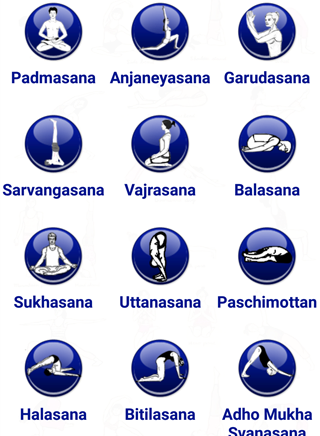
Origin of Asanas Names Many of the Asana have animal names, such as the fish posture and the cobra posture. This is because yogi as devised their asana partly by observing how animal instincts work in the wild. When animals are sick they would only eat certain herbs and grasses. Similarly, they would stretch and contract muscles in various postures instinctively. Yogis also observed how animals relaxed. Cats, especially, are experts in relaxation. On awakening from sleep, they instinctively stretch, arch the spine in both directions and then relax. Names based on: Plants: Vrksasana, Tadasana Animals: Siàhasana, Gomukhasana, Ustrasana. Birds: Mayurasana, Garudasana Insects: reptiles and other creatures salabhasana, Mandukasana, Matsyasana. Objects: Dhanurasana, Halasana, Trikonasana Impact and bodily form: sirsasana, sarvangasana #300 – Hrs Yoga Teacher Training Certificate Course in Bangalore#200 – Hrs Yoga Teacher Training Certificate Course in Bangalore #100 – Hrs Yoga Teacher Training Certificate Course in Bangalore
Objective of Asana In Hatha Yoga
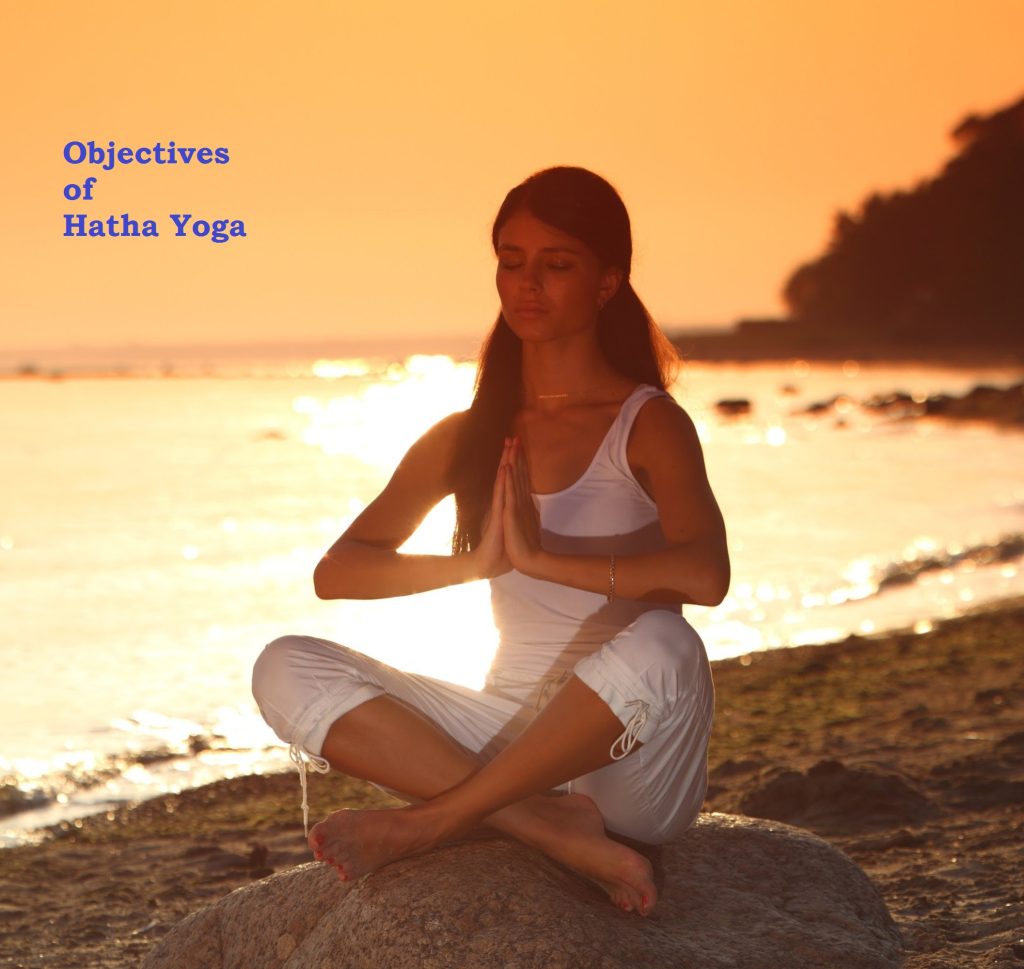
Objective of Asana In Hatha Yoga Asana in the Hatha yoga has two objectives . The first one is to practise any meditation , one needs at least one posture in which one can feel perfectly comfortable for a long period of time. The more such posture one can master, the better the basis for the develop the inner meditation technique. The second objective of exercising asana in the Hatha yoga is to bring health and energy to body and mind by opening the nadis . If such an exercise one regulerly performs, the path of yoga is opens automatically , even though one still has to follow it further. The mere mastering of the posture is no objective in itself, through mastering various postures certainly strengthens the power of will and concentration and the habit of not paying too much attentation to the information input by the senses. This practicing asana in the Hatha yoga directly opens the path to pratyahara. #300 – Hrs Yoga Teacher Training Certificate Course in Bangalore#200 – Hrs Yoga Teacher Training Certificate Course in Bangalore #100 – Hrs Yoga Teacher Training Certificate Course in Bangalore
YOGA FOR OBESITY

YOGA FOR OBESITY The deposition of excessive fat around the body is called obesity. CAUSES Familial and genetic predisposition Drugs Diseases such as hypothyroidism and pituitary disease Behavioral changes High fat diet Alcohol Decreasing physical activity Smoking PRINCIPLES OF TREATMENT Reduced calorie intake Increased physical activity Weight maintenance diets DIETARY CONSIDERATION The diet should be mainly consist of lo calorie well balanced diet which emphasis on raw fruits, vegetables and fruit juices. The foods which should be drastically curtained are high fat foods, high carbohydrates, beverages and alcoholic drinks. YOGIC PRACTICES ASANA: Pawanamuktasana parts 1, 2, 3, vajrasana series Suryanamaskar Sarvangasana Matsyasana Halasana Dhanurasana Shalabhasana Chakrasana Padhahastasana Sithlikarana vyayama. PRANAYAMA: All pranayamas #300 – Hrs Yoga Teacher Training Certificate Course in Bangalore#200 – Hrs Yoga Teacher Training Certificate Course in Bangalore #100 – Hrs Yoga Teacher Training Certificate Course in Bangalore