Karuna Yoga Vidya Peetham Bangalore

karuna yoga vidya peetham logo

Blog

-
Blog

Yoga Therapy (IAYT) for High Blood Pressure

Introduction High Blood Pressure, commonly known as hypertension, is one of the most prevalent non-communicable diseases worldwide and a major risk factor for cardiovascular morbidity and mortality. It is often referred to as a “silent killer” because it may remain asymptomatic for years while causing significant damage to vital organs such as the heart, brain, kidneys, and blood vessels. Hypertension is characterized by persistently elevated arterial blood pressure, typically defined as systolic blood pressure ≥140 mmHg and/or diastolic blood pressure ≥90 mmHg. It contributes to serious complications such as heart disease, stroke, kidney failure, and vision impairment. Modern medical management of hypertension includes pharmacological treatment, dietary changes, and lifestyle modification. However, stress, emotional imbalance, and sedentary habits play a crucial role in the development and progression of hypertension, which are not always adequately addressed by conventional approaches. The Integrated Approach of Yoga Therapy (IAYT) offers a holistic and effective method for managing hypertension by addressing the physical, mental, emotional, and behavioral aspects of the condition. Through a combination of yogic practices such as asanas, pranayama, relaxation, meditation, and lifestyle changes, IAYT helps regulate blood pressure, reduce stress, and improve overall well-being. Understanding High Blood Pressure Definition Hypertension is a chronic medical condition in which the force of blood against the arterial walls is consistently elevated beyond normal levels. Types of Hypertension Risk Factors Non-modifiable Factors Modifiable Factors Pathophysiology Hypertension involves: Chronic stress plays a significant role by increasing sympathetic activity and stress hormone release. Yogic Perspective of Hypertension According to yogic philosophy, hypertension is a psychosomatic disorder primarily arising from disturbances in the Manomaya Kosha (mental sheath). Emotional stress, anxiety, anger, and tension disturb the flow of prana (vital energy) in the Pranamaya Kosha, leading to dysfunction in the physical body. Imbalance in rajas (overactivity) leads to heightened mental agitation and sympathetic dominance, while tamas (inertia) contributes to physical inactivity. Yoga aims to restore equilibrium by promoting relaxation, awareness, and harmony. Concept of Integrated Approach of Yoga Therapy (IAYT) The Integrated Approach of Yoga Therapy is based on the Pancha Kosha model, which includes: IAYT integrates multiple practices: Principles of IAYT in Hypertension Management Components of IAYT for High Blood Pressure 1. Asanas (Yoga Postures) Asanas help improve circulation and reduce vascular resistance. Recommended Asanas Benefits Precautions 2. Pranayama (Breathing Techniques) Pranayama is highly effective in regulating blood pressure. Recommended Techniques Mechanism Guidelines 3. Relaxation Techniques Relaxation is a key component in hypertension management. Techniques Benefits 4. Meditation Meditation reduces mental stress and emotional reactivity. Practices Effects 5. Lifestyle Modification Lifestyle plays a crucial role in hypertension management. Diet Habits 6. Stress Management Stress is a major contributor to hypertension. Yogic Tools Mechanisms of Action of IAYT in Hypertension 1. Autonomic Nervous System Regulation 2. Reduction in Blood Pressure 3. Neurohormonal Balance 4. Improved Endothelial Function 5. Psychological Benefits Scientific Evidence Supporting IAYT in Hypertension Research studies have demonstrated that yoga can: Yoga is widely recommended as a complementary therapy in hypertension management. Sample IAYT Module for Hypertension Duration: 45–60 minutes 1. Opening (5 minutes) 2. Warm-up (10 minutes) 3. Asanas (15–20 minutes) 4. Pranayama (10–15 minutes) 5. Relaxation (10 minutes) 6. Meditation (5–10 minutes) Precautions and Contraindications Role of Yoga Therapist The yoga therapist: Integration with Modern Medicine IAYT complements conventional treatment by: Challenges and Limitations Conclusion Hypertension is a major global health concern that requires a comprehensive and holistic approach for effective management. The Integrated Approach of Yoga Therapy provides a powerful and complementary strategy that addresses the root causes of hypertension at physical, mental, and emotional levels. Through gentle postures, breathing techniques, relaxation, meditation, and lifestyle modifications, IAYT helps regulate blood pressure, reduce stress, and improve overall cardiovascular health. Its emphasis on long-term lifestyle changes and mind-body harmony makes it an effective tool in both prevention and management of hypertension. As scientific evidence continues to grow, integrating yoga therapy into mainstream healthcare can significantly improve patient outcomes and promote holistic well-being.

Read More »

TYPES OF SOMATIC THERAPY

Somatic therapy, also referred to as body-centered psychotherapy or somatic psychology, is a therapeutic approach that integrates the body, mind, and emotions to promote healing from trauma, stress, and psychosomatic disorders. Unlike traditional psychotherapy, which often focuses exclusively on verbal dialogue and cognitive processing, somatic therapy emphasizes body awareness, movement, and physiological regulation as key components of mental and emotional healing. Over the last century, multiple forms of somatic therapies have emerged, each with unique methods and applications, but all sharing the central premise that the body stores experiences, trauma, and tension, and releasing them can facilitate profound healing. Sensorimotor Psychotherapy was developed by Pat Ogden and integrates somatic techniques with cognitive and emotional processing. It is primarily designed to help individuals process trauma stored in the body by observing and transforming unconscious body patterns. Key Features: Somatic Experiencing, developed by Peter Levine, is a trauma-focused therapy that emphasizes resolving physiological and nervous system dysregulation caused by traumatic experiences. Levine observed that wild animals rarely suffer chronic trauma because they can discharge stress through physical movement, while humans often suppress these natural responses. Key Features: Applications: The Hakomi Method, developed by Ron Kurtz, is a mindfulness-based somatic psychotherapy that integrates mindfulness, experiential therapy, and body awareness. Hakomi emphasizes accessing unconscious beliefs and emotional patterns through the body rather than intellectual analysis alone. Key Features: Bioenergetic Analysis, developed by Alexander Lowen, combines bodywork, breathing techniques, and psychotherapy to release chronic muscular tension and suppressed emotions. It is based on the premise that emotions and traumas are held in muscular patterns and energy blocks. Key Features: Rolfing, or Structural Integration, is a form of somatic therapy focused on postural alignment and body structure. Developed by Ida Rolf, it addresses both physical tension and emotional patterns that manifest in habitual postures. Key Features: Continuum Movement, developed by Emilie Conrad, focuses on the fluid nature of the body and uses sound, breath, and movement to explore and release somatic restrictions. Key Features: Techniques: Integrative Body Psychotherapy, founded by Jack Painter, combines psychotherapy, bodywork, and breath work to address emotional and somatic dysfunctions. IBP emphasizes the interconnection between body, mind, and emotional life. Key Features: While the types of somatic therapy differ in techniques and emphasis, they share several core principles: Somatic therapies provide holistic pathways for healing, emphasizing the connection between body, mind, and emotions. From Sensorimotor Psychotherapy to Somatic Experiencing, Hakomi, Bioenergetics, Rolfing, Continuum Movement, and Integrative Body Psychotherapy, each approach offers unique tools to restore balance, release trauma, and promote self-awareness. The growing field of somatic therapy underscores the understanding that true healing is not limited to the mind but encompasses the body as a living archive of experiences, and that addressing both simultaneously leads to deeper and more sustainable recovery.

Read More »

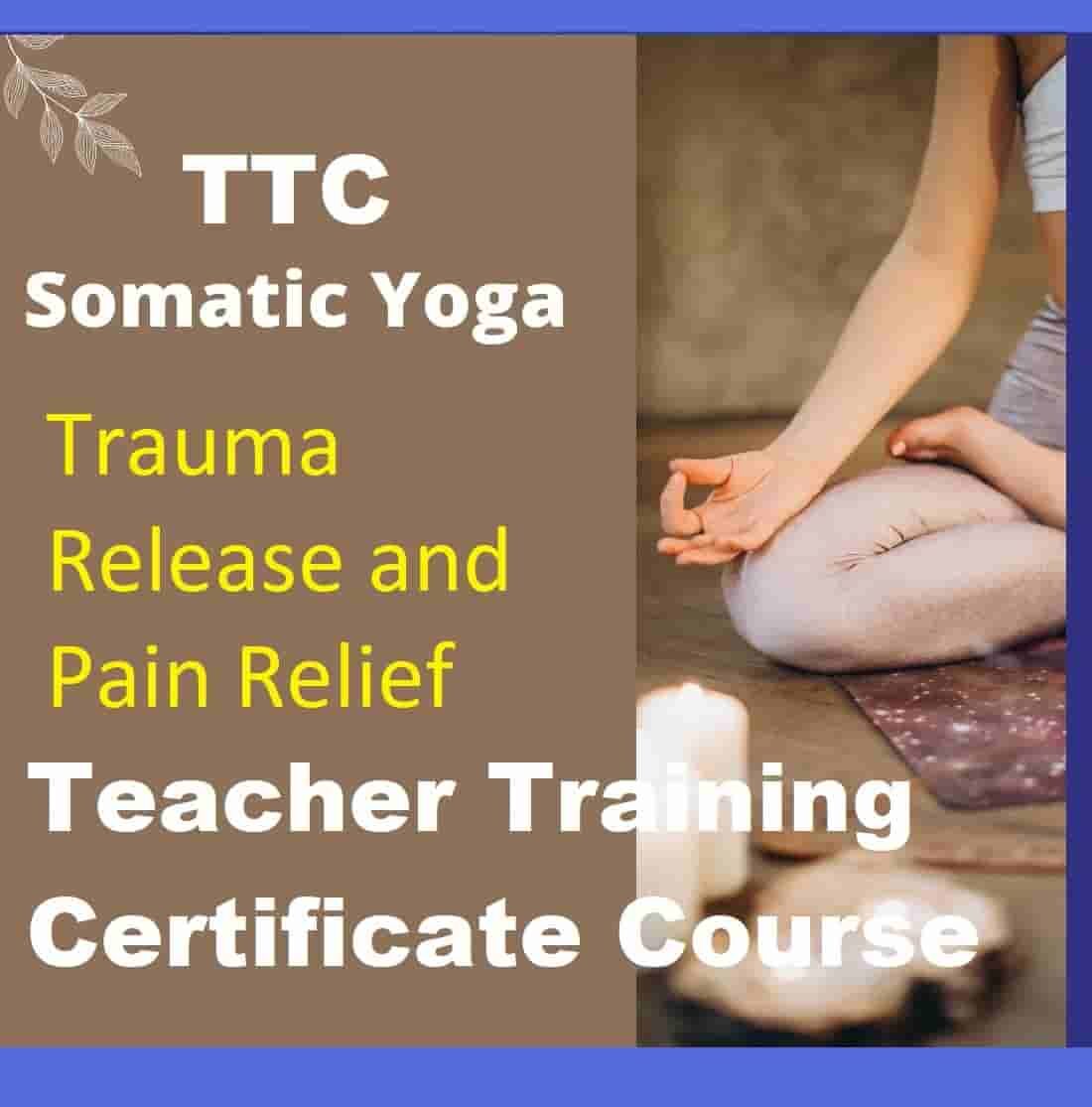
WHAT IS THE PRIMARY INTENT BEHIND SOMATIC YOGA?

Somatic Yoga is a modern, awareness-based approach to movement and mind–body wellness that blends principles of neuroscience, therapeutic movement, and classical yoga. Unlike traditional yoga, which often emphasizes spiritual goals, discipline, or performance of postures, the primary intent of Somatic Yoga is to cultivate a deep, internal awareness of the body, facilitate nervous system regulation, and restore natural, functional movement patterns. Understanding this primary intent requires exploring the foundational philosophy, scientific principles, and practical applications of Somatic Yoga. At its core, Somatic Yoga is guided by the principle of internal awareness. The term “somatic” is derived from the Greek word soma, meaning “the living body experienced from within.” This highlights that the practice is not about external appearance or how a posture looks to an observer; it is about how the body feels from the first-person perspective. Practitioners are encouraged to sense muscles, joints, breath, and subtle movements, cultivating a refined internal perception. Primary intent: By enhancing somatic awareness, Somatic Yoga enables the practitioner to identify habitual tension patterns, unconscious movement habits, and areas of chronic stiffness or pain, which are often overlooked in conventional exercise or traditional yoga. The process of mindful observation helps the brain update its internal body map, also known as proprioception, leading to more efficient, effortless movement. One of the most important goals of Somatic Yoga is regulation of the nervous system. Modern neuroscience demonstrates that chronic stress, trauma, and habitual postures can create persistent patterns of muscular tension and autonomic dysregulation. These patterns may manifest as pain, anxiety, fatigue, or decreased movement efficiency. Somatic Yoga works by activating the parasympathetic nervous system and calming the sympathetic “fight-or- flight” response. Through slow, deliberate, and conscious movements—often combined with gentle breath awareness—practitioners release involuntary muscular contractions and restore a state of nervous system balance. This regulatory function is central to the therapeutic intent of Somatic Yoga, making it particularly effective for chronic pain, stress management, and trauma recovery. Another critical intent behind Somatic Yoga is to retrain the body for functional movement. Unlike traditional yoga, which may emphasize achieving specific postures or sequences, Somatic Yoga focuses on how the body moves in daily life. Walking, bending, sitting, lifting, and reaching are all areas of functional movement that may be compromised by stress, injury, or sedentary habits. Techniques such as pandiculation, gentle voluntary contraction followed by slow release, are used to re- educate the nervous system. By consciously activating and releasing muscles, the brain learns to relax and coordinate movements more efficiently. The intent is not to achieve flexibility for aesthetic purposes but to restore freedom, balance, and ease in everyday activities. Somatic Yoga has a profound connection to trauma-sensitive practice. Trauma is often stored in the body as muscular tension or habitual defensive postures. The primary intent of Somatic Yoga here is to provide a safe, supportive environment for exploring bodily sensations without force or judgment. By observing sensations with awareness and engaging in slow, gentle movements, practitioners can release held tension, process emotional experiences, and regain a sense of bodily autonomy. This trauma-informed focus highlights that Somatic Yoga is not merely a physical exercise but a holistic approach to mind–body restoration. It integrates both physiological and psychological healing, creating a bridge between body awareness and emotional regulation. Somatic Yoga fosters mind–body integration as a central intent. Modern research in neuroplasticity shows that conscious, slow movement can reorganize neural pathways, enhancing coordination, balance, and proprioceptive accuracy. By combining sensory feedback, internal awareness, and voluntary movement, Somatic Yoga strengthens the brain-body connection, allowing individuals to move more efficiently, reduce pain, and prevent injury. This integration also cultivates a state of presence and mindfulness, as practitioners learn to inhabit their bodies fully. The practice encourages non-judgmental observation, patience, and acceptance of one’s current physical and emotional state, which has profound implications for overall well-being. A distinguishing feature of Somatic Yoga is the intentional avoidance of force, competition, or performance- driven goals. Unlike many physical exercises or even traditional yoga sequences, the focus is internal rather than external. Students are guided to move with awareness, not to achieve a perfect pose or a display of flexibility. This approach allows the nervous system to reset, relax, and learn without the stress of performance, aligning the practice with restorative and therapeutic goals. Somatic Yoga recognizes that emotions are embodied. Chronic stress, trauma, and suppressed emotions often manifest as muscular tension or postural patterns. By practicing slow, mindful movements, individuals may become aware of stored emotions and sensations. The primary intent is to observe, acknowledge, and gently release these emotional patterns, promoting self-compassion and emotional resilience. This intentional engagement with emotion differentiates Somatic Yoga from purely physical exercise. It highlights the holistic nature of the practice, integrating emotional, mental, and physical dimensions. The primary intent of Somatic Yoga manifests in practical sessions through: These elements reflect the overarching goal: to restore natural, balanced movement, promote nervous system health, and foster mind–body awareness. The practice is adaptable for beginners, older adults, those with chronic pain, or anyone seeking self-regulation and functional improvement. In essence, the primary intent of Somatic Yoga is multidimensional: Unlike traditional yoga styles that may focus on spiritual liberation or mastery of postures, Somatic Yoga is therapeutic, neuroscience-based, and awareness-driven, aiming to cultivate sustainable physical, emotional, and nervous system health. The primary intent behind Somatic Yoga is not merely to stretch muscles, achieve flexibility, or perfect poses. It is a holistic, awareness-based approach designed to restore balance, release chronic tension, and strengthen the connection between body and brain. By cultivating internal awareness, regulating the nervous system, and promoting functional, natural movement, Somatic Yoga provides practitioners with a tool for self-healing, emotional resilience, and long-term well-being. Its intentional, non-forceful, and individualized nature makes it a powerful complement to traditional yoga, physical therapy, and trauma-informed mind–body practices, reflecting a modern understanding of the body as a living, self-regulating system.

Read More »

Yoga Therapy (IAYT) for Hyperthyroism

Introduction Hyperthyroidism is an endocrine condition characterized by excessive production of thyroid hormones—thyroxine (T4) and triiodothyronine (T3)—by the thyroid gland. These hormones regulate metabolism, and their overproduction leads to a hypermetabolic state affecting multiple organ systems. One of the most common causes of hyperthyroidism is Graves’ Disease, an autoimmune disorder in which antibodies stimulate the thyroid gland to produce excessive hormones. Other causes include toxic multinodular goiter, thyroiditis, and excessive iodine intake. Clinically, hyperthyroidism manifests with symptoms such as weight loss despite increased appetite, heat intolerance, excessive sweating, palpitations, anxiety, irritability, tremors, insomnia, and muscle weakness. If untreated, it can lead to serious complications such as cardiac arrhythmias, osteoporosis, and thyroid storm. Conventional management includes antithyroid medications, radioactive iodine therapy, and surgical interventions. While these treatments are effective in controlling hormone levels, they may have side effects and do not always address the psychological and lifestyle aspects of the condition. The Integrated Approach of Yoga Therapy (IAYT) offers a holistic complementary approach that addresses the physical, physiological, psychological, and emotional dimensions of hyperthyroidism. By integrating yogic practices, IAYT helps regulate the neuroendocrine system, reduce stress, and promote overall well-being. Understanding Hyperthyroidism Definition Hyperthyroidism is a condition in which the thyroid gland produces excessive thyroid hormones, leading to increased metabolic activity. Etiology (Causes) Pathophysiology Symptoms Complications Limitations of Conventional Treatment Concept of Integrated Approach of Yoga Therapy (IAYT) IAYT is based on the Pancha Kosha model, describing five layers of human existence: In hyperthyroidism: IAYT aims to restore balance across these layers. Yogic Perspective of Hyperthyroidism From a yogic viewpoint: Yoga therapy aims to calm and balance the system. Principles of IAYT in Hyperthyroidism Components of IAYT for Hyperthyroidism 1. Asana (Physical Postures) Gentle and calming asanas are preferred. Recommended Asanas Benefits 2. Pranayama (Breathing Techniques) Pranayama plays a key role in calming the system. Key Practices Effects 3. Relaxation Techniques Practices Benefits 4. Meditation Practices Effects 5. Kriyas (Cleansing Techniques) 6. Lifestyle Modification Diet Habits 7. Yogic Counseling Mechanism of Action of IAYT in Hyperthyroidism 1. Physiological Mechanisms 2. Neurological Mechanisms 3. Psychological Mechanisms 4. Hormonal Effects Scientific Evidence Research indicates: Advantages of IAYT Contraindications and Precautions Sample IAYT Module for Hyperthyroidism Daily Practice (40–50 minutes) Conclusion Hyperthyroidism is a complex endocrine disorder that affects multiple systems of the body and significantly impacts quality of life. While conventional medical treatments are essential for controlling hormone levels, they often do not address the psychological and lifestyle aspects of the condition. The Integrated Approach of Yoga Therapy (IAYT) offers a holistic and complementary strategy that helps regulate the neuroendocrine system, reduce stress, and promote overall balance. Through regular practice of gentle asanas, pranayama, relaxation techniques, meditation, and lifestyle modifications, yoga therapy helps calm the body and mind, improve emotional stability, and enhance overall well-being. Although IAYT is not a replacement for medical treatment, it serves as a powerful adjunct that supports recovery, improves quality of life, and empowers individuals to manage their condition effectively. Thus, IAYT plays a vital role in the holistic management of hyperthyroidism, fostering balance, calmness, and long-term health.  

Read More »

Yoga Therapy (IAYT) for Hemorrhoids

Introduction Hemorrhoids, also known as piles, are vascular cushions in the anal canal that become pathological when swollen, inflamed, or prolapsed. They represent a common anorectal disorder affecting people of all ages, with a higher prevalence in adults between 45 and 65 years. Hemorrhoids can be internal, external, or mixed, depending on their location relative to the dentate line. Although often benign, hemorrhoids can cause significant discomfort, including pain, itching, bleeding, and constipation, which may impact quality of life. The etiology of hemorrhoids is multifactorial, involving increased intra-abdominal pressure, chronic constipation, sedentary lifestyle, prolonged sitting, straining during defecation, obesity, pregnancy, and poor dietary habits. Physiologically, excessive pressure leads to dilatation and engorgement of hemorrhoidal veins, weakening of supporting connective tissue, and eventual prolapse. Conventional treatments include dietary and lifestyle modifications, topical treatments, medications, minimally invasive procedures (rubber band ligation, sclerotherapy), and surgical hemorrhoidectomy in severe cases. Despite these interventions, recurrence is common, emphasizing the need for preventive and supportive strategies. Integrated Approach of Yoga Therapy (IAYT) offers a holistic, non-invasive, and patient-centered approach for hemorrhoid management. By combining physical postures (asanas), breathing techniques (pranayama), meditation, relaxation practices, dietary guidance, and lifestyle modifications, IAYT addresses the underlying causes of hemorrhoids, enhances venous circulation, improves bowel function, strengthens pelvic muscles, and promotes overall well-being. This essay explores the role of IAYT in hemorrhoid management, focusing on its physiological mechanisms, therapeutic applications, scientific evidence, practical guidelines, benefits, and precautions. Understanding Hemorrhoids Definition Hemorrhoids are dilated and symptomatic vascular cushions of the anal canal resulting from venous engorgement and connective tissue weakening. They are classified as: Etiology The development of hemorrhoids is influenced by multiple factors: Pathophysiology Clinical Features Complications Principles of Integrated Approach of Yoga Therapy (IAYT) The Integrated Approach of Yoga Therapy (IAYT) emphasizes a holistic framework, addressing not just physical symptoms but also the mind-body connection, dietary habits, and lifestyle factors contributing to hemorrhoids. Its key principles are: IAYT is complementary, supporting conventional management by reducing symptoms, enhancing venous return, promoting bowel regularity, and addressing contributing lifestyle factors. Role of Yoga Therapy in Hemorrhoids 1. Physical Postures (Asanas) Asanas in IAYT improve circulation in the pelvic and abdominal region, strengthen supporting musculature, relieve constipation, reduce intra-abdominal pressure, and prevent prolapse. Gentle, restorative, and inverted postures are particularly effective. Recommended Asanas: Mechanism: 2. Breathing Techniques (Pranayama) Pranayama improves autonomic balance, reduces stress-induced constipation, enhances circulation, and promotes parasympathetic dominance, which is critical for bowel regulation. Recommended Techniques: Mechanism: 3. Meditation and Relaxation Practices Stress and psychological tension can exacerbate gastrointestinal dysfunction, constipation, and venous congestion. Meditation and relaxation practices modulate the gut-brain axis, reduce stress, and improve quality of life. Techniques: Mechanism: 4. Yogic Diet and Lifestyle Modifications Diet and lifestyle are key in preventing and managing hemorrhoids. IAYT emphasizes a fiber-rich diet, adequate hydration, regular exercise, and mindful habits to support digestive and vascular health. Dietary Guidelines: Lifestyle Guidelines: Mechanism: Physiological Mechanisms of Yoga in Hemorrhoids Yoga therapy benefits hemorrhoids through multiple mechanisms: Scientific Evidence Supporting Yoga Therapy Research in chronic constipation, pelvic venous disorders, and mind-body interventions supports yoga as an effective complementary strategy for hemorrhoid management. Implementation of IAYT for Hemorrhoids Stepwise Approach: Duration: Precautions and Contraindications Case Study Example Patient: 45-year-old male with internal hemorrhoids and chronic constipation Symptoms: Rectal bleeding, itching, discomfort during defecation, constipation IAYT Intervention: Outcome (after 8 weeks): Benefits of IAYT in Hemorrhoids Limitations Conclusion Hemorrhoids are a common anorectal disorder characterized by venous engorgement, prolapse, pain, and bleeding. While conventional medical management addresses acute symptoms and structural complications, an Integrated Approach of Yoga Therapy (IAYT) offers a holistic, preventive, and supportive strategy to manage hemorrhoids. Through asanas, pranayama, meditation, relaxation, dietary guidance, and lifestyle modification, IAYT: Scientific evidence and clinical observations support yoga’s role in improving digestive, vascular, and psychosocial health, highlighting its potential as a sustainable, non-invasive, and patient-centered approach to hemorrhoid management. By integrating mind-body practices, dietary modifications, and lifestyle guidance, IAYT empowers individuals to take an active role in their health, complementing medical treatment and promoting long-term anorectal and systemic wellness.  

Read More »

Om Namah Śivāya

1. Om Namah Śivāya Mantra Om Namah Śivāya Type Śaiva Pañchākṣara Mantra Meaning “I bow to Lord Śiva, the auspicious consciousness.” Origin Yajur Veda, Śiva Purāṇa, Agamas Purpose Self-realization, purification, inner peace Elements Represented Earth, Water, Fire, Air, Ether Best Time to Chant Dawn, dusk, or during meditation Precautions Maintain purity, sincerity, mindfulness Primary Benefit Liberation from ignorance and karmic bondage 1. History and Origin “Om Namah Śivāya” is one of the most ancient and powerful mantras in the Shaiva tradition of Hinduism. 2. Meaning of the Mantra Word-by-word meaning: Full translation: “I bow to Lord Shiva, who is the auspicious one, the embodiment of pure consciousness, and the inner Self of all beings.” Philosophical meaning:  3. Spiritual and Psychological Benefits  A. Spiritual Benefits  B. Mental and Emotional Benefits  C. Physical and Energetic Benefits  4. Method of Practice (Japa Vidhi)  5. Precautions and Ethical Guidelines  6. Deeper Symbolic Insight “I am not this limited body–mind. I am pure consciousness — Śiva Himself.” Thus, it becomes both a prayer and an affirmation — transforming duality into oneness.

Read More »

Yoga Therapy (IAYT) for Hypertension

Introduction Hypertension, commonly known as high blood pressure, is one of the most prevalent non-communicable diseases worldwide and a leading risk factor for cardiovascular morbidity and mortality. It is often referred to as a “silent killer” because it can remain asymptomatic for years while progressively damaging vital organs such as the heart, brain, kidneys, and blood vessels. Lifestyle factors such as stress, sedentary habits, poor diet, and lack of emotional balance significantly contribute to the development and progression of hypertension. In recent decades, there has been growing interest in holistic and integrative health approaches that address not only the physical aspects of disease but also the psychological and emotional dimensions. The Integrated Approach of Yoga Therapy (IAYT) is one such comprehensive system rooted in ancient yogic wisdom and supported by modern scientific research. IAYT focuses on harmonizing the body, mind, and spirit through a combination of practices including asanas (postures), pranayama (breathing techniques), meditation, relaxation, and lifestyle modifications. This essay explores the concept, principles, mechanisms, and application of IAYT in the management of hypertension, highlighting its effectiveness as a complementary therapeutic modality. Understanding Hypertension Hypertension is defined as a sustained elevation of arterial blood pressure, typically above 140/90 mmHg. It is classified into: Risk Factors Pathophysiology Hypertension is associated with: Psychological stress plays a central role by activating the hypothalamic-pituitary-adrenal (HPA) axis, leading to increased cortisol and adrenaline levels, which elevate blood pressure. Concept of Integrated Approach of Yoga Therapy (IAYT) The Integrated Approach of Yoga Therapy is based on the understanding that human existence comprises five layers or sheaths (Pancha Kosha model): Disease is believed to originate as a disturbance in the mind (Manomaya Kosha) and gradually manifest in the physical body. Therefore, treatment must address all layers simultaneously. IAYT integrates: Yogic Perspective of Hypertension From a yogic viewpoint, hypertension is primarily a psychosomatic disorder caused by: These disturbances affect the flow of prana (vital energy), leading to imbalance in the autonomic nervous system and eventually manifesting as high blood pressure. Principles of IAYT in Hypertension Management Components of IAYT for Hypertension 1. Asanas (Yoga Postures) Asanas help improve circulation, reduce muscular tension, and calm the nervous system. For hypertension, gentle and restorative postures are preferred. Recommended Asanas Benefits Contraindications 2. Pranayama (Breathing Techniques) Pranayama plays a crucial role in regulating autonomic functions and reducing stress. Recommended Techniques Mechanism Guidelines 3. Relaxation Techniques Relaxation is central to IAYT and directly counteracts stress. Techniques Benefits 4. Meditation Meditation helps in calming the mind and achieving emotional stability. Practices Effects 5. Lifestyle Modification Yoga therapy emphasizes a balanced lifestyle. Dietary Guidelines Daily Routine (Dinacharya) 6. Stress Management Stress is a major contributor to hypertension. Yogic Tools Mechanisms of Action of IAYT in Hypertension 1. Autonomic Nervous System Regulation Yoga shifts the balance from sympathetic dominance to parasympathetic dominance, leading to: 2. Neuroendocrine Modulation 3. Improved Vascular Function 4. Psychological Benefits Evidence Supporting IAYT for Hypertension Numerous studies have demonstrated the effectiveness of yoga in managing hypertension: Clinical trials have shown that regular yoga practice can be as effective as lifestyle interventions and may complement pharmacological treatment. Sample IAYT Module for Hypertensio Duration: 45–60 minutes 1. Opening (5 minutes) 2. Warm-up (10 minutes) 3. Asanas (15–20 minutes) 4. Pranayama (10–15 minutes) 5. Relaxation (10 minutes) 6. Meditation (5–10 minutes) Precautions and Contraindications Role of Yoga Therapist A yoga therapist plays a vital role in: Integration with Modern Medicine IAYT is not a replacement for conventional treatment but a complementary approach. It can: Challenges and Limitations Conclusion Hypertension is a complex lifestyle disorder influenced by physical, psychological, and environmental factors. The Integrated Approach of Yoga Therapy offers a holistic and sustainable solution by addressing all dimensions of human existence. Through the combined practice of asanas, pranayama, relaxation, meditation, and lifestyle changes, IAYT effectively reduces stress, balances the autonomic nervous system, and improves cardiovascular health. Its emphasis on prevention, self-awareness, and long-term well-being makes it an invaluable tool in the management of hypertension. As scientific evidence continues to grow, integrating yoga therapy into mainstream healthcare can significantly contribute to reducing the global burden of hypertension and improving quality of life.  

Read More »

Yoga Therapy (IAYT) for HIV/AIDS

Introduction Human Immunodeficiency Virus (HIV) is a retrovirus that targets the immune system, specifically the CD4+ T lymphocytes, leading to progressive immunodeficiency. Acquired Immunodeficiency Syndrome (AIDS) is the advanced stage of HIV infection characterized by severe immunosuppression and opportunistic infections. Globally, HIV/AIDS remains a major public health challenge, with over 38 million people living with HIV as of recent reports. Despite the availability of antiretroviral therapy (ART), HIV/AIDS remains a chronic condition with physical, psychological, and social challenges. People living with HIV/AIDS (PLWHA) experience immune dysfunction, fatigue, chronic pain, anxiety, depression, sleep disturbances, and social stigma, all of which compromise quality of life. The Integrated Approach of Yoga Therapy (IAYT) offers a complementary, holistic approach to managing HIV/AIDS. IAYT integrates physical postures (asana), breathing techniques (pranayama), meditation, relaxation practices, and lifestyle modifications to improve immune function, physical vitality, mental resilience, and overall well-being. Unlike conventional therapies, IAYT addresses both psychosocial stressors and physiological dysfunctions, promoting a mind-body-immune connection. Epidemiology and Impact of HIV/AIDS Pathophysiology of HIV/AIDS HIV infection involves multiple pathophysiological processes: Symptoms and Clinical Manifestations HIV/AIDS manifests as immune, physical, and psychological symptoms: 1. Physical Symptoms 2. Psychological Symptoms 3. Social and Functional Impact Conventional Management of HIV/AIDS 1. Antiretroviral Therapy (ART) 2. Symptomatic and Supportive Care Limitations Integrated Approach of Yoga Therapy (IAYT) for HIV/AIDS IAYT provides a holistic, patient-centered intervention targeting physical, immune, psychological, and social dimensions: https://youtu.be/YF63fLuLAyk?si=YEWZHB689z0E8mfa   Objectives of Yoga Therapy for HIV/AIDS 1. Yoga Asanas Asanas for PLWHA focus on strengthening muscles, improving flexibility, enhancing circulation, and supporting organ function: Recommended Asanas: Practice Guidelines: 2. Pranayama (Breathing Techniques) Pranayama reduces stress, improves oxygenation, and enhances autonomic and immune function: Recommended Techniques: Practice Guidelines: 3. Meditation and Mindfulness Meditation improves psychological resilience, reduces depression and anxiety, and supports neuroendocrine regulation: Recommended Practices: Practice Guidelines: 4. Relaxation Techniques Relaxation reduces stress, sympathetic overactivity, and cortisol levels, thereby enhancing immunity: 5. Lifestyle and Dietary Modifications Lifestyle and diet are critical in supporting immune function and reducing ART side effects: Dietary Recommendations: Exercise and Physical Activity: Sleep Hygiene and Stress Management: Mechanisms of Yoga Therapy in HIV/AIDS Research Evidence Contraindications and Precautions Integrating Yoga with Conventional HIV/AIDS Management Conclusion HIV/AIDS is a chronic, multifactorial condition affecting immunity, physical health, mental well-being, and social functioning. While ART and conventional therapies remain essential for viral suppression and opportunistic infection management, PLWHA often face chronic fatigue, stress, depression, and reduced quality of life. The Integrated Approach of Yoga Therapy (IAYT) provides a holistic, patient-centered, and evidence-based complementary intervention for managing HIV/AIDS. By integrating asana, pranayama, meditation, relaxation, and lifestyle optimization, IAYT improves immune function, autonomic regulation, physical vitality, and psychological resilience. Incorporating IAYT alongside conventional care empowers PLWHA to enhance quality of life, reduce stress, improve functional capacity, and develop sustainable health behaviors, making it a critical component of holistic HIV/AIDS management. Yoga therapy not only addresses physical and immunological needs but also nurtures emotional, social, and spiritual well-being, fostering resilience, hope, and a sense of empowerment in the journey of livng with HIV/AIDS.  

Read More »

DIFFERENCE BETWEEN TRADITIONAL HATHA YOGA AND SOMATIC YOGA

Yoga is a multifaceted system of physical, mental, and spiritual practices originating in India thousands of years ago. Over time, it has evolved into many styles, each emphasizing different aspects of practice. Two notable approaches in contemporary yoga are Traditional Hatha Yoga and Somatic Yoga. While both use the body as a primary instrument of transformation, their philosophical foundations, techniques, objectives, and teaching methods differ substantially. Understanding these differences is important for practitioners, therapists, and teachers to make informed choices about practice, training, and application. Traditional Hatha Yoga is rooted in the ancient Indian yoga texts, including the Hatha Yoga Pradipika, Gheranda Samhita, and Shiva Samhita. It is a path that combines physical postures (asanas), breath control (pranayama), cleansing techniques (shatkarmas), and meditation to purify the body and prepare the mind for higher spiritual states. Its ultimate aim is Moksha or liberation—freedom from the cycles of birth and death. Hatha Yoga views the body as a vehicle for spiritual evolution, emphasizing discipline, effort, and alignment with cosmic laws. Somatic Yoga, in contrast, is a modern, therapeutic approach rooted in Western somatic education, neuroscience, and mind–body medicine. While it borrows elements of yoga, such as mindful breathing and gentle movement, its foundation is primarily scientific and experiential. Somatic Yoga focuses on internal body awareness, nervous system regulation, and functional movement rather than spiritual liberation. It emphasizes how habitual tension, trauma, or poor movement patterns affect the nervous system and seeks to restore optimal body–mind functioning. The goal of Traditional Hatha Yoga is holistic: it aims to balance body, mind, and spirit. Physical practices like asanas are not pursued for fitness alone; they are tools for cultivating discipline (tapas), concentration (dharana), and preparation for meditation (dhyana). Hatha Yoga also emphasizes energetic purification, awakening of the subtle body (chakras and nadis), and ultimately spiritual liberation. Somatic Yoga, however, is primarily therapeutic and functional. Its main purpose is to retrain the nervous system, release chronic muscular tension, improve posture, and increase body awareness. While it may promote emotional and mental well-being, its objectives are generally practical and healing-focused, not oriented toward spiritual enlightenment or liberation. Traditional Hatha Yoga often emphasizes static postures with precise alignment. Each asana has a prescribed form, sequence, and duration. Progress is measured by the practitioner’s ability to hold postures with correct alignment and to progress through increasingly challenging postures. Effort, endurance, and control are central to the practice. Somatic Yoga, in contrast, emphasizes slow, mindful, voluntary movement. Movements are exploratory rather than fixed, focusing on internal sensation and feedback rather than external form. The goal is not to achieve a perfect posture but to allow the nervous system to relearn efficient movement patterns. Techniques such as pandiculation—gentle contraction followed by slow release—help the practitioner restore normal muscle tone and flexibility without strain. In Traditional Hatha Yoga, the nervous system is addressed indirectly through pranayama, asanas, and meditation. The practice encourages energy flow (prana) and calming of the mind, but there is limited focus on the nervous system from a modern scientific perspective. The effects on stress, chronic pain, or trauma are often secondary benefits rather than the primary objective. In Somatic Yoga, the nervous system is the central focus. Techniques are designed to regulate the autonomic nervous system, balancing sympathetic (fight-or-flight) and parasympathetic (rest-and-digest) responses. By promoting neuroplasticity, Somatic Yoga retrains habitual patterns of tension and postural distortion. This makes it particularly suitable for rehabilitation, trauma recovery, chronic pain management, and stress regulation. Hatha Yoga teaches pranayama, a set of breath control practices, as a separate limb of yoga. Breath may be regulated, held, or extended to influence energy flow, mental concentration, and physiological states. The practitioner may intentionally manipulate breath to achieve specific energetic or spiritual effects. Somatic Yoga emphasizes natural, relaxed, and mindful breathing. The breath is observed as part of internal body awareness, without forced control or retention. The primary function of breath in Somatic Yoga is to support nervous system regulation and facilitate gentle movement, rather than achieving mystical or spiritual outcomes. In Traditional Hatha Yoga, the teacher often acts as a guru within the Guru–Shishya Parampara, guiding the student through a structured path with authority. The emphasis is on discipline, obedience, and respect for the lineage. In Somatic Yoga, the teacher acts as a facilitator or guide, helping the student explore internal sensations and self-regulate. There is less hierarchical authority; students are encouraged to listen to their own bodies and move at their own pace. Teaching is trauma-informed, emphasizing safety, consent, and emotional well-being. Hatha Yoga classes are often structured around fixed sequences, postures, and timing, with the expectation that students follow a standard framework. Class pacing may be moderate or vigorous depending on style (e.g., Iyengar, Ashtanga). Somatic Yoga encourages a flexible, adaptive environment. Sessions often include: Traditional Hatha Yoga is suitable for practitioners seeking spiritual growth, mental clarity, flexibility, and physical fitness. It may be less accessible to individuals with chronic pain, trauma, or severe physical limitations unless adapted carefully. Somatic Yoga is particularly suited for rehabilitation, stress reduction, chronic pain management, and trauma- sensitive practice. Its individualized, gentle approach makes it accessible to a wider population, including older adults, those recovering from injuries, and individuals with high stress levels. Hatha Yoga, while scientifically studied in recent decades, originates from spiritual and philosophical traditions. Somatic Yoga, in contrast, is interdisciplinary, combining neuroscience, physiology, psychology, and mindful movement practices. Its methodology is evidence-informed, focusing on functional outcomes and nervous system health. Aspect Traditional Hatha Yoga Somatic Yoga Aspect Traditional Hatha Yoga Somatic Yoga Origin Ancient India, spiritual tradition 20th century, modern somatics, neuroscience Goal Liberation, spiritual evolution Nervous system health, functional movement Movement Static, precise asanas Slow, mindful, exploratory movements Breath Controlled pranayama Natural, relaxed, integrated with movement   Focus Discipline, alignment, energetic flow   Internal awareness, sensory feedback Teacher Role Guru, authoritative Facilitator, guide, trauma-informed Practice Frequency Moderate to rigorous, style- dependent   Flexible, frequent short sessions encouraged Target Population General yoga seekers, spiritual aspirants Chronic pain, stress, rehabilitation, trauma survivors

Read More »

HOW OFTEN SHOULD I PRACTICE SOMATIC YOGA?

Somatic Yoga is a gentle, awareness-based form of movement that emphasizes internal sensing, nervous system regulation, and mindful self-healing. Unlike vigorous physical exercise or traditional yoga styles focused on external alignment, Somatic Yoga prioritizes quality of sensation over quantity of movement. Therefore, deciding how often to practice requires careful consideration of the individual’s body, lifestyle, nervous system, and goals. One of the core principles of Somatic Yoga is nervous system regulation. Each session helps release habitual muscular tension and recalibrate motor patterns. Because the nervous system responds to subtle input, daily practice of short sessions is often more beneficial than long, infrequent sessions. Practicing 10–20 minutes daily can create neuroplastic changes, retraining the brain to allow muscles to relax and restore natural movement patterns. However, overdoing the practice can be counterproductive. If a person is dealing with chronic pain, trauma, or stress, the nervous system may become overstimulated. In such cases, 2–4 sessions per week may be more appropriate initially, gradually increasing frequency as the body adapts. Somatic Yoga emphasizes slow, conscious, and gentle movements, often interspersed with rest and integration periods. Even a brief 10–15-minute session can be highly effective if performed mindfully. The focus is on sensing subtle muscular tension, joint mobility, and breath awareness, rather than achieving long sequences or holding postures for extended periods. Therefore, consistency and attentive presence are more important than practicing for long hours. A short, daily mindful practice can yield better results than an occasional long session where the nervous system becomes fatigued. Everybody is unique, and so is the ideal frequency of Somatic Yoga. Factors that influence practice frequency include: Listening to your body is a key aspect of Somatic Yoga. Practitioners are encouraged to notice fatigue, discomfort, or emotional responses, and adjust practice frequency accordingly. Somatic Yoga can be practiced anywhere—at home, at work, or even during short breaks. Small, frequent sessions integrated into daily life can enhance body awareness, stress relief, and emotional regulation. Many practitioners combine formal sessions with informal somatic awareness exercises, such as gentle stretching, mindful breathing, or scanning body tension while sitting or walking. The frequency of practicing Somatic Yoga depends primarily on the individual’s body, nervous system, and goals. Daily short sessions of 10–20 minutes are ideal for most people, supporting neuroplasticity and stress regulation. Beginners or those with chronic pain may start with 2–4 sessions per week, gradually increasing as comfort and awareness grow. Importantly, the focus should always be on quality, mindful engagement, and listening to the body rather than rigid schedules or intensity. By honoring these principles, practitioners can achieve sustainable benefits, including reduced muscular tension, improved posture, emotional balance, and nervous system harmony.

Read More »

BENEFITS OF SOMATIC YOGA

Somatic Yoga is a modern, awareness-based approach to movement and self-healing that combines elements of traditional yoga, somatic education, and neuroscience. Unlike conventional exercise systems that focus primarily on external performance or aesthetic goals, Somatic Yoga emphasizes internal sensation, nervous system regulation, and conscious movement. This practice fosters holistic well-being by reconnecting the mind and body, improving functional movement, and promoting emotional and mental balance. The benefits of Somatic Yoga can be categorized into physical, neurological, emotional, and psychological domains, making it an effective modality for a wide range of practitioners, from individuals recovering from injury to those seeking stress relief and improved body awareness. One of the core benefits of Somatic Yoga is enhanced postural awareness and alignment. Chronic stress, habitual movement patterns, and sedentary lifestyles often result in muscular imbalances and postural distortion. Somatic Yoga emphasizes slow, conscious movements and internal sensing, which help retrain the nervous system to recognize and correct habitual tensions. By practicing awareness of the spine, shoulders, pelvis, and joints, individuals gradually restore natural alignment, reducing strain on muscles, ligaments, and connective tissues. Muscles often hold patterns of tension accumulated over years due to stress, injury, or poor posture. Through pandiculation—the gentle contraction and slow release of muscles-Somatic Yoga teaches the nervous system to release involuntary muscular contraction. This results in long-lasting relaxation of muscle groups rather than temporary relief offered by traditional stretching. Chronic stiffness in areas such as the neck, shoulders, and lower back can diminish significantly with consistent practice. Unlike forceful stretching, Somatic Yoga improves flexibility through awareness rather than effort. By gently exploring joint mobility and muscular length, the body learns to move efficiently without activating the stress response. Over time, this approach expands the range of motion safely, reducing the risk of injury and improving functional movement patterns essential for daily activities. Somatic Yoga has been shown to be effective in managing chronic pain conditions, including lower back pain, joint stiffness, and tension headaches. By targeting the nervous system rather than just the muscles, Somatic Yoga helps dissolve sensory-motor amnesia, retrains the brain to allow muscle relaxation, and restores proper movement patterns. It is increasingly integrated into rehabilitation programs, yoga therapy, and physiotherapy for individuals recovering from injury or surgery. Somatic Yoga emphasizes functional movements—those required in everyday life, such as sitting, standing, bending, lifting, and walking. By teaching the body to move efficiently and with awareness, practitioners experience less strain during routine activities, improved balance, and better coordination. This functional approach reduces fatigue and increases confidence in movement, particularly for older adults or those with musculoskeletal limitations. Somatic Yoga works directly on the autonomic nervous system, balancing sympathetic (fight-or-flight) and parasympathetic (rest-and-digest) activity. Slow, intentional movement combined with mindful breathing induces a calming effect, reducing stress hormone levels and improving overall nervous system stability. This regulation is particularly beneficial for individuals experiencing anxiety, stress-related disorders, or post- traumatic stress symptoms. Through first-person internal awareness, Somatic Yoga enhances proprioception—the brain’s sense of the body in space. This leads to improved coordination, balance, and spatial orientation, which are essential for both daily life and athletic performance. By re-educating the nervous system, the practice also sharpens focus, attention, and cognitive flexibility. The slow, deliberate movements of Somatic Yoga promote neuroplasticity, the brain’s ability to reorganize and form new neural connections. This is especially important for individuals recovering from injuries, surgeries, or neurological impairments. By retraining the brain through sensory feedback and voluntary movement, practitioners regain lost motor functions and prevent maladaptive movement patterns. By emphasizing gentle, conscious movement, Somatic Yoga activates the parasympathetic nervous system, triggering the “rest and repair” response. This reduces cortisol levels, alleviates tension, and helps manage chronic stress. The practice encourages present-moment awareness, which cultivates mindfulness and diminishes anxiety. Somatic Yoga acknowledges that emotions are stored in the body, often manifesting as muscular tension or postural habits. By observing sensations without judgment, practitioners learn to witness and release suppressed emotions, improving emotional resilience. Trauma-informed Somatic Yoga allows safe processing of emotional memories, promoting psychological healing and empowerment. Regular practice encourages self-reflection and internal observation, improving overall mindfulness. As students become attuned to subtle bodily signals, they develop greater awareness of thoughts, emotions, and behavioural patterns, enabling conscious responses rather than reactive behaviours. This heightened self- awareness is valuable for personal growth and emotional intelligence. Through nervous system regulation and relaxation techniques, Somatic Yoga enhances sleep quality and alleviates insomnia caused by stress or chronic pain. Deep rest periods incorporated into sessions support integration of movement patterns and emotional processing, leaving practitioners calm and rejuvenated. Somatic Yoga’s gentle, awareness-based approach is widely used in trauma recovery programs. By avoiding forceful movements and prioritizing safety, students can reconnect with their bodies without triggering the fight-or-flight response. This therapeutic aspect is supported by research in Polyvagal Theory, trauma psychology, and mind-body medicine. Somatic Yoga complements traditional yoga therapy approaches for individuals with chronic conditions, musculoskeletal disorders, and postural imbalances. Its emphasis on slow, conscious movement and internal awareness makes it an ideal modality for patients with physical limitations who cannot perform standard yoga sequences. Evidence suggests that Somatic Yoga reduces symptoms in individuals with fibromyalgia, chronic back pain, migraines, and anxiety-related tension. By retraining the nervous system, the practice helps decrease pain perception, improve mobility, and enhance overall quality of life. By integrating physical, neurological, and emotional benefits, Somatic Yoga fosters overall body-mind harmony, enhancing vitality and functional capacity. This holistic balance supports resilience against daily stressors and promotes a sense of well-being. Unlike goal-oriented, performance-based exercises, Somatic Yoga encourages listening to the body, pacing, and honoring limitations. Practitioners develop self-compassion, patience, and an empowered approach to health and healing. Due to its gentle, adaptable approach, Somatic Yoga is suitable for children, adults, older adults, and individuals with chronic conditions or injuries. Its emphasis on internal awareness and slow movement ensures safe participation for diverse populations. The benefits of Somatic Yoga are extensive and multi-dimensional, spanning physical, neurological, emotional, and therapeutic domains. Physically, it improves posture, flexibility, functional movement,

Read More »

Yoga Therapy (IAYT) for Kyphosis

Introduction Kyphosis is a spinal deformity characterized by an excessive posterior curvature of the thoracic spine, leading to a “hunched back” appearance. While a mild thoracic curve of 20–40° is considered normal, kyphosis refers to curvatures exceeding 45–50°, often causing postural imbalance, back pain, respiratory compromise, and functional limitations. Kyphosis can arise from developmental, degenerative, postural, or traumatic causes, and may affect adolescents, adults, and the elderly. Conventional treatments for kyphosis include physiotherapy, bracing, postural correction, pain management, and surgical intervention in severe cases. However, these strategies may not fully address spinal flexibility, muscular strength, postural awareness, respiratory function, and psychological well-being. The Integrated Approach of Yoga Therapy (IAYT) provides a holistic, non-invasive solution to complement conventional care. IAYT integrates yoga postures (asanas), breathing techniques (pranayama), relaxation practices, meditation, and lifestyle counseling to restore spinal alignment, improve thoracic extension, strengthen postural muscles, enhance respiratory function, and promote mental well-being. Understanding Kyphosis Epidemiology Kyphosis is prevalent among adolescents, adults, and older adults: The prevalence of hyperkyphosis increases with age, particularly among postmenopausal women, and is associated with functional limitations, back pain, and increased fall risk. Etiology and Risk Factors Kyphosis arises from multiple causes: Risk Factors: Poor posture, sedentary lifestyle, weak spinal extensor muscles, osteoporosis, aging, rapid growth in adolescence, and prior spinal trauma. Classification Pathophysiology Kyphosis involves an excessive posterior convexity of the thoracic spine, often with compensatory cervical or lumbar curves. Key pathophysiological changes include: Clinical Features Conceptual Framework of IAYT for Kyphosis The Integrated Approach of Yoga Therapy addresses kyphosis comprehensively: IAYT provides a multi-dimensional intervention that complements conventional therapy, addressing structural, functional, and psychosocial aspects. Components of IAYT for Kyphosis 1. Yogic Postures (Asanas) Yoga postures focus on correcting kyphotic curvature, strengthening extensor muscles, stretching anterior chest and shoulder muscles, and enhancing spinal flexibility. Postures are modified to individual tolerance and curve severity. Recommended Asanas For Thoracic Kyphosis: For Postural Improvement: Key Considerations: Physiological Benefits: 2. Breathing Practices (Pranayama) Pranayama enhances thoracic expansion, diaphragmatic function, and autonomic balance: Recommended Pranayama: Benefits: 3. Relaxation Techniques Relaxation addresses pain, muscular fatigue, and psychological stress associated with kyphosis: Techniques: Impact: 4. Meditation and Mindfulness Kyphosis may impact body image, self-esteem, and psychological well-being. Meditation supports emotional resilience and coping strategies: Recommended Practices: Benefits: 5. Lifestyle Counseling and Ergonomics Lifestyle adjustments prevent kyphosis progression and support spinal health: Mechanisms of Yoga Therapy in Kyphosis Evidence-Based Support for IAYT in Kyphosis Practical Guidelines for Implementing IAYT in Kyphosis Assessment and Individualization Session Structure Safety Considerations Case Illustrations Case 1: 16-year-old adolescent with postural kyphosis Case 2: 65-year-old female with degenerative kyphosis Integration with Conventional Therapy IAYT complements conventional management of kyphosis: Challenges and Limitations Conclusion Kyphosis is a postural and structural spinal deformity affecting musculoskeletal, respiratory, and psychological health. The Integrated Approach of Yoga Therapy (IAYT) provides a holistic, non-pharmacological strategy to complement conventional management. Through targeted asanas, pranayama, relaxation techniques, meditation, and lifestyle counseling, IAYT: Evidence supports yoga therapy as a safe, effective, and holistic adjunct for kyphosis, particularly when individualized, supervised, and integrated with conventional care. IAYT addresses structural, functional, and psychosocial dimensions, promoting spinal health and overall quality of life.  

Read More »

Yoga Therapy (IAYT) for Nephrotic Syndrome

Abstract Nephrotic Syndrome (NS) is a clinical condition characterized by massive proteinuria, hypoalbuminemia, hyperlipidemia, and edema. It can result from primary kidney disorders such as minimal change disease, focal segmental glomerulosclerosis, or secondary causes like diabetes mellitus and systemic lupus erythematosus. NS leads to significant morbidity due to its complications including infections, thromboembolism, and chronic kidney disease progression. Conventional management involves corticosteroids, immunosuppressants, diuretics, dietary regulation, and supportive therapy. However, prolonged pharmacotherapy may cause adverse effects, while recurrent disease episodes remain a challenge. Integrated Approach of Yoga Therapy (IAYT) offers a complementary and holistic approach that addresses the physiological, psychological, and lifestyle aspects of NS. By incorporating asanas, pranayama, relaxation techniques, dietary modifications, and mental health interventions, IAYT can enhance immune function, reduce stress-induced exacerbations, and improve overall renal health. 1. Introduction Nephrotic Syndrome is a clinical entity defined by urinary protein excretion exceeding 3.5 g/day, leading to systemic manifestations such as generalized edema, hypoalbuminemia, and hyperlipidemia. The condition affects all age groups but is particularly common in children due to minimal change disease. Adult NS is frequently associated with focal segmental glomerulosclerosis or diabetic nephropathy. The chronicity of NS, frequent relapses, and susceptibility to complications necessitate a multidisciplinary management approach. Yoga, an ancient Indian practice, emphasizes the integration of mind, body, and lifestyle. The Integrated Approach of Yoga Therapy (IAYT) combines classical yogic practices, meditation, pranayama, dietary and lifestyle guidance, and therapeutic interventions, making it a promising complementary therapy for NS management. 2. Etiology and Risk Factors The causes of Nephrotic Syndrome are broadly categorized as primary and secondary: Risk factors include obesity, hypertension, diabetes, autoimmune disorders, chronic infections, and a sedentary lifestyle. Psychosocial stress and poor lifestyle choices may precipitate disease exacerbations and relapse. 3. Pathophysiology NS is primarily caused by glomerular injury leading to increased permeability of the glomerular basement membrane. The pathophysiology can be summarized as follows: 4. Conventional Management Conventional treatment focuses on reducing proteinuria, managing complications, and preventing relapse: While effective, pharmacotherapy can cause side effects such as immunosuppression, osteoporosis, hyperglycemia, and increased infection risk. Recurrence and relapses remain major challenges. 5. Integrated Approach of Yoga Therapy (IAYT) IAYT is a holistic approach that addresses NS at multiple levels: 5.1 Yogic Asanas for NS Asanas improve renal circulation, reduce edema, strengthen the abdominal and pelvic muscles, and aid in lymphatic drainage. Recommended asanas include: 5.2 Pranayama Pranayama enhances respiratory efficiency, improves oxygenation, and reduces stress, which is critical in managing NS: 5.3 Meditation and Relaxation Techniques Chronic stress contributes to immune dysregulation in NS. Meditation improves immune function, reduces relapse risk, and enhances overall quality of life: 5.4 Lifestyle and Daily Routine (Dinacharya) IAYT emphasizes lifestyle modifications that support renal health: 5.5 Diet and Nutrition in IAYT Dietary principles in yoga complement conventional renal diets: 5.6 Therapeutic Cleansing Practices Under expert supervision, gentle cleansing can enhance kidney health: 6. Mechanism of Action of IAYT in NS Yoga therapy works through multiple mechanisms: 7. Clinical Evidence Clinical studies support yoga as an adjunctive therapy in chronic kidney disorders: 8. Precautions and Contraindications Yoga practices should be adapted according to patient condition: 9. Suggested IAYT Protocol for NS Daily Routine (Dinacharya) for NS Patients: Time Practice Duration Purpose Morning Hydration (warm water) 5–10 min Support renal filtration Morning Asanas (Vajrasana, Setu Bandhasana, Supta Baddha Konasana) 20–30 min Enhance renal circulation, reduce edema Morning Pranayama (Nadi Shodhana, Bhramari) 10 min Reduce stress, regulate autonomic function Midday Mindful voiding & hydration – Prevent urinary retention Evening Yoga Nidra / Meditation 15–20 min Relaxation, immune support Night Light, balanced diet & hydration – Avoid renal overload Weekly Additions: 10. Case Study Illustration Patient Profile: Adult, 40 years, primary NS (FSGS), recurrent edema, mild hypertension, on corticosteroids. Intervention: 12-week IAYT program including asanas, pranayama, meditation, dietary regulation, hydration routines, and stress management. Outcome: Reduction in edema, improved sleep and mental health, stabilization of blood pressure, better compliance with pharmacotherapy, and improved overall quality of life. Patient reported fewer disease flare-ups over six months. 11. Discussion Nephrotic Syndrome is a chronic, relapsing condition requiring long-term management. IAYT addresses NS at physiological, psychological, and lifestyle levels. By integrating physical postures, pranayama, relaxation, dietary guidance, and detoxification, IAYT: Yoga therapy is not a replacement for medical treatment but a valuable adjunct to standard care. 12. Conclusion Nephrotic Syndrome presents significant challenges due to protein loss, edema, and recurrent relapses. While conventional treatment with corticosteroids and immunosuppressants is essential, long-term management benefits greatly from a holistic approach. Integrated Approach of Yoga Therapy (IAYT) combines physical practices, breathing techniques, meditation, dietary guidance, and lifestyle modifications to address NS comprehensively. By enhancing renal circulation, reducing edema, improving immune function, and mitigating stress, IAYT complements conventional therapy and improves patient outcomes. Regular practice empowers patients to take an active role in their recovery and promotes sustainable kidney health.  

Read More »

LIMITATIONS AND CONTRAINDICATIONS FOR SOMATIC YOGA

Somatic Yoga is a gentle, awareness-based system of movement designed to promote nervous system regulation, emotional well-being, and functional movement. It integrates principles from neuroscience, trauma-informed care, and yogic awareness to create a therapeutic approach for self-healing. While its gentle and mindful nature makes it widely accessible, Somatic Yoga is not without limitations. Practitioners and teachers must understand its scope, contraindications, and boundaries to ensure safety and effectiveness. This essay explores the physical, psychological, and contextual limitations of Somatic Yoga, as well as specific conditions where caution is necessary. Somatic Yoga emphasizes slow, mindful movements and nervous system awareness rather than physical endurance, cardiovascular fitness, or strength. Individuals seeking a high-intensity workout, athletic performance enhancement, or calorie-burning exercise may find Somatic Yoga insufficient for their goals. While it improves flexibility, balance, and coordination, its pace and gentleness may not satisfy those expecting a vigorous exercise regime. Although Somatic Yoga helps retrain movement patterns and release chronic tension, it is not a substitute for orthopedic or surgical interventions. People with severe musculoskeletal injuries, fractures, or structural deformities may require medical treatment before engaging in Somatic Yoga. The practice can complement rehabilitation, but it does not replace physiotherapy, surgery, or medically prescribed interventions. Somatic Yoga is a neuroplasticity-based approach, relying on slow, conscious practice to reorganize the nervous system. Benefits accumulate gradually over weeks or months. Therefore, practitioners seeking quick fixes for pain, posture, or tension may experience frustration due to the gradual pace of change. Consistency and patience are critical, and outcomes are highly individualized. Effective Somatic Yoga requires knowledgeable instruction. Because movements are subtle, improper guidance can lead to ineffective practice or reinforce faulty patterns. Teachers must understand anatomy, neurophysiology, and trauma-informed care. Novice teachers without adequate training may unintentionally cause strain or emotional distress in students. Although Somatic Yoga is gentle, certain physical conditions require caution or medical clearance before practice: Somatic Yoga is trauma-informed, but intense emotional responses may arise due to the slow, internal awareness of sensations: To minimize risk and accommodate limitations, the following precautions are recommended: Certain groups require special attention or adapted practice: Somatic Yoga is a powerful, gentle approach to nervous system regulation, emotional awareness, and functional movement. Its principles of slow, conscious, and sensory-based movement make it widely accessible and therapeutic. However, it has limitations in terms of intensity, immediate structural correction, and requirement for skilled guidance. Certain physical, psychological, and contextual conditions necessitate contraindications or careful adaptation. Understanding these limitations ensures that practitioners engage in safe and effective practice. Teachers play a critical role in providing trauma-informed guidance, adapting movements, and respecting individual boundaries. When applied mindfully, Somatic Yoga can offer profound benefits while minimizing risks, but it is not a replacement for medical care, high-intensity training, or psychological therapy when these are indicated. Ultimately, the key to safe and effective practice lies in awareness, patience, and individualized adaptation. By recognizing limitations and contraindications, Somatic Yoga can fulfill its potential as a therapeutic, restorative, and sustainable approach to mind–body wellness.

Read More »

Yoga Therapy (IAYT) for Myocardial Infarction

Introduction Myocardial Infarction (MI), commonly known as a heart attack, is a life-threatening cardiovascular condition resulting from the sudden interruption of blood supply to a part of the heart muscle. This interruption leads to ischemia and eventual necrosis of myocardial tissue. MI is one of the leading causes of mortality worldwide and represents a major component of cardiovascular diseases. The increasing prevalence of sedentary lifestyles, poor dietary habits, stress, and metabolic disorders has significantly contributed to the rising incidence of MI. Conventional medical management includes emergency interventions such as thrombolysis, percutaneous coronary intervention (PCI), medications, and long-term cardiac rehabilitation. While these approaches are essential for survival and stabilization, they often do not fully address the underlying psychosomatic and lifestyle-related causes. The Integrated Approach of Yoga Therapy (IAYT) provides a holistic and complementary method that addresses the physical, mental, emotional, and behavioral dimensions of health. By integrating yogic practices such as asanas, pranayama, meditation, relaxation techniques, and lifestyle modifications, IAYT plays a crucial role in post-MI rehabilitation and prevention of recurrence. This essay explores the role, principles, mechanisms, and application of IAYT in the management and rehabilitation of myocardial infarction. Understanding Myocardial Infarction Definition Myocardial Infarction is defined as the irreversible death (necrosis) of heart muscle tissue due to prolonged ischemia caused by obstruction of coronary blood flow. Causes The most common cause of MI is: Other causes include: Risk Factors Non-modifiable Modifiable Symptoms Pathophysiology The sequence of events in MI includes: Post-MI, the heart undergoes remodeling, which may lead to reduced cardiac function and complications such as heart failure. Yogic Perspective of Myocardial Infarction According to yogic philosophy, myocardial infarction is a psychosomatic disorder rooted in disturbances of the Manomaya Kosha (mental sheath). Chronic stress, emotional suppression, anxiety, and unhealthy lifestyle patterns disrupt the flow of prana (vital energy) in the Pranamaya Kosha, eventually manifesting as physical disease in the Annamaya Kosha. Excessive rajas (restlessness, hyperactivity) and tamas (inertia) disturb mental equilibrium, leading to imbalance in the autonomic nervous system. This imbalance contributes to hypertension, atherosclerosis, and ultimately myocardial infarction. Concept of Integrated Approach of Yoga Therapy (IAYT) The Integrated Approach of Yoga Therapy is based on the Pancha Kosha model, which describes five layers of human existence: IAYT addresses disease by integrating practices that influence all these layers: Principles of IAYT in Post-MI Management Phases of Yoga Therapy in Myocardial Infarction 1. Acute Phase (Hospital Phase) 2. Recovery Phase (Early Rehabilitation) 3. Maintenance Phase (Long-term Rehabilitation) Components of IAYT for Myocardial Infarction 1. Asanas (Yoga Postures) In post-MI patients, asanas should be gentle, slow, and restorative. Recommended Asanas Benefits Precautions 2. Pranayama (Breathing Techniques) Pranayama is crucial for improving oxygenation and autonomic balance. Recommended Techniques Mechanism Guidelines 3. Relaxation Techniques Relaxation is essential in cardiac rehabilitation. Techniques Benefits 4. Meditation Meditation helps stabilize the mind and reduce emotional stress. Practices Effects 5. Lifestyle Modification Yoga emphasizes disciplined living for heart health. Diet Habits 6. Stress Management Stress plays a major role in MI. Yogic Tools Mechanisms of Action of IAYT in MI Rehabilitation 1. Autonomic Nervous System Balance 2. Improved Cardiovascular Function 3. Neuroendocrine Regulation 4. Reduction of Inflammation 5. Psychological Benefits Scientific Evidence Supporting IAYT in MI Research studies indicate that yoga-based cardiac rehabilitation programs can: Yoga has been shown to be safe and beneficial when practiced under supervision in stable post-MI patients. Sample IAYT Module for Post-MI Patients Duration: 40–60 minutes 1. Opening (5 minutes) 2. Warm-up (10 minutes) 3. Asanas (15–20 minutes) 4. Pranayama (10–15 minutes) 5. Relaxation (10 minutes) 6. Meditation (5–10 minutes) Precautions and Contraindications Role of Yoga Therapist A yoga therapist: Integration with Modern Medicine IAYT complements conventional treatment by: It should always be used alongside medical care. Challenges and Limitations Conclusion Myocardial infarction is a serious cardiovascular condition requiring comprehensive management and long-term rehabilitation. The Integrated Approach of Yoga Therapy offers a holistic and effective strategy for recovery and prevention by addressing physical, mental, and emotional aspects of health. Through gentle postures, controlled breathing, relaxation, meditation, and lifestyle modifications, IAYT helps restore balance, improve cardiovascular function, and enhance overall well-being. Its emphasis on stress reduction, self-awareness, and sustainable lifestyle changes makes it a valuable adjunct to conventional cardiac rehabilitation programs. As scientific evidence continues to grow, incorporating yoga therapy into standard care for post-MI patients can significantly improve outcomes and quality of life.  

Read More »

Yoga Therapy (IAYT) for Lordosis

Introduction Lordosis is a spinal condition characterized by an excessive inward curvature of the lumbar spine. While a natural lumbar lordotic curve of 20–45° is considered normal for maintaining spinal stability and shock absorption, hyperlordosis refers to a curvature exceeding this range. Excessive lumbar lordosis can cause postural imbalance, lower back pain, muscular tension, and functional limitations. It may affect adolescents due to growth-related postural changes, adults with sedentary lifestyles, or elderly individuals with degenerative changes. Traditional treatments for lordosis include physiotherapy, core strengthening, postural correction, pain management, and, in severe structural cases, surgical intervention. However, these conventional approaches often do not fully address muscular imbalance, spinal flexibility, postural awareness, respiratory function, or psychosocial impact. The Integrated Approach of Yoga Therapy (IAYT) provides a holistic, non-invasive solution, integrating yoga postures (asanas), breathing techniques (pranayama), relaxation methods, meditation, and lifestyle counseling to restore spinal alignment, strengthen core and postural muscles, improve flexibility, enhance breathing mechanics, and promote psychological well-being. Understanding Lordosis Epidemiology Lordosis affects a diverse population: Lumbar hyperlordosis can cause chronic lower back pain, fatigue, and functional limitations, often impacting quality of life. Etiology and Risk Factors Lordosis arises from multiple factors: Risk Factors: Sedentary lifestyle, obesity, pregnancy, rapid adolescent growth, muscular imbalance, and occupational postures involving prolonged sitting or anterior loading. Classification Pathophysiology Lordosis involves excessive anterior curvature of the lumbar spine, leading to: Clinical Features Conceptual Framework of IAYT for Lordosis The Integrated Approach of Yoga Therapy addresses lordosis through: IAYT complements conventional therapy by addressing structural, functional, and psychosocial dimensions. Components of IAYT for Lordosis 1. Yogic Postures (Asanas) Yoga postures are selected to strengthen weak muscles, lengthen tight muscles, improve spinal alignment, and enhance core stability. Proper modification is essential for safety and effectiveness. Recommended Asanas Strengthening Abdominals and Gluteals: Stretching Hip Flexors and Lumbar Spine: Postural Awareness and Alignment: Key Considerations: Physiological Benefits: 2. Breathing Practices (Pranayama) Pranayama supports thoracoabdominal expansion, core engagement, and autonomic balance. Recommended Pranayama: Benefits: 3. Relaxation Techniques Chronic lordosis often leads to muscular fatigue, pain, and psychological stress. Relaxation techniques mitigate these issues: Techniques: Impact: 4. Meditation and Mindfulness Lordosis can affect body image and self-confidence. Meditation enhances psychological resilience, body awareness, and stress management: Recommended Practices: Benefits: 5. Lifestyle Counseling and Ergonomics Lifestyle adjustments are crucial for managing lordosis and preventing recurrence: Mechanisms of Yoga Therapy in Lordosis Evidence-Based Support for IAYT in Lordosis Practical Guidelines for Implementing IAYT in Lordosis Assessment and Individualization Session Structure Safety Considerations Case Illustrations Case 1: 18-year-old adolescent with postural lordosis Case 2: 50-year-old female with degenerative lordosis Integration with Conventional Therapy IAYT complements conventional lordosis management: Challenges and Limitations Conclusion Lordosis is a spinal deformity characterized by excessive lumbar curvature, leading to musculoskeletal, functional, and psychological challenges. The Integrated Approach of Yoga Therapy (IAYT) offers a holistic, patient-centered strategy to address structural, functional, and psychosocial dimensions of lordosis. Through targeted yoga postures, pranayama, relaxation techniques, meditation, and lifestyle counseling, IAYT: Evidence indicates yoga is a safe, effective, and holistic adjunct for postural, adolescent, and mild degenerative lordosis. Individualized, graded, and supervised programs maximize benefits while minimizing risks, making IAYT a valuable component of lordosis management and overall spinal health.  

Read More »

Yoga Therapy (IAYT) for Muscular Dystrophy

Introduction Muscular dystrophy (MD) represents a group of genetic disorders characterized by progressive skeletal muscle weakness, degeneration, and functional disability. These disorders, which include Duchenne Muscular Dystrophy (DMD), Becker Muscular Dystrophy (BMD), Limb-Girdle Muscular Dystrophy (LGMD), and others, severely impact the quality of life and functional independence of affected individuals. Despite advances in medical treatments, such as corticosteroid therapy, gene therapy, and physiotherapy, complete reversal of disease progression remains elusive. Yoga therapy, particularly through the Integrated Approach of Yoga Therapy (IAYT), has emerged as a complementary modality that can enhance physical, mental, and emotional well-being in individuals with chronic neuromuscular disorders. IAYT incorporates a holistic blend of physical postures (asanas), breath regulation (pranayama), relaxation techniques, meditation, lifestyle counseling, and psychosocial support, tailored to an individual’s needs and limitations. This essay explores the conceptual framework, therapeutic strategies, physiological and psychological benefits, practical applications, and scientific evidence supporting the use of IAYT for Muscular Dystrophy. Understanding Muscular Dystrophy Classification and Pathophysiology Muscular dystrophy encompasses over 30 genetic disorders, each differing in onset age, muscle groups affected, and progression rate. Common types include: Pathophysiologically, MD involves repetitive cycles of muscle fiber degeneration and regeneration, leading to fibrosis, fatty infiltration, contractures, and reduced functional capacity. Progressive muscle weakness compromises mobility, respiratory function, cardiac health, and overall quality of life. Clinical Manifestations Individuals with MD may experience: The multifaceted impact of MD makes a comprehensive, integrative therapeutic approach necessary, addressing not only physical impairment but also mental and emotional health. Conceptual Framework of IAYT The Integrated Approach of Yoga Therapy (IAYT) is a therapeutic paradigm developed to address chronic illnesses through a multidimensional lens. Unlike conventional yoga, which focuses primarily on physical fitness or spiritual growth, IAYT emphasizes: In the context of Muscular Dystrophy, IAYT aims to: Components of IAYT for Muscular Dystrophy 1. Yogic Postures (Asanas) Physical postures in IAYT are adapted to the patient’s muscle strength, joint mobility, and fatigue levels. The primary objectives are to maintain joint flexibility, optimize posture, prevent contractures, and facilitate circulation. Key considerations: Recommended asanas for MD: Mechanism of action: 2. Breath Regulation (Pranayama) Respiratory muscles are often weakened in MD, leading to reduced lung capacity, inefficient ventilation, and increased risk of infections. Pranayama exercises enhance diaphragmatic function, oxygenation, and autonomic regulation. Key practices: Physiological benefits: 3. Relaxation Techniques Muscle fatigue, chronic pain, and emotional stress are significant in MD. Relaxation techniques counteract these effects and support neuroplasticity and psychological well-being. Methods: Impact on MD: 4. Meditation and Mindfulness Cognitive and emotional challenges, including anxiety, frustration, and low self-esteem, are common in chronic neuromuscular disorders. Meditation enhances mental clarity, emotional regulation, and acceptance of limitations. Practices: Benefits: 5. Lifestyle Counseling IAYT includes guidance on nutrition, sleep hygiene, daily routines, and adaptive physical activities to complement therapy. Key recommendations for MD: Mechanisms of Yoga Therapy in Muscular Dystrophy Evidence-Based Studies Supporting IAYT in Muscular Dystrophy While research specifically on yoga for MD is limited, studies in neuromuscular disorders and chronic musculoskeletal conditions support its efficacy: These findings suggest that a structured, individualized IAYT program can complement conventional therapy, reduce complications, and enhance overall well-being in MD patients. Practical Guidelines for Implementing IAYT in MD Assessment and Individualization Session Structure Safety Considerations Case Illustrations Case 1: 12-year-old boy with Duchenne Muscular Dystrophy Case 2: 20-year-old adult with Limb-Girdle Muscular Dystrophy Integrating IAYT with Conventional Therapy IAYT is not a replacement for conventional management but serves as a complementary intervention: Challenges and Limitations Conclusion The Integrated Approach of Yoga Therapy (IAYT) offers a holistic, patient-centered framework for managing Muscular Dystrophy. By addressing physical, respiratory, cognitive, and emotional dimensions of health, IAYT can enhance functional capacity, reduce complications, and improve quality of life. While conventional medicine addresses the genetic and structural aspects of MD, IAYT complements these interventions by promoting flexibility, strength, respiratory efficiency, stress reduction, and emotional resilience. Future research should focus on large-scale, randomized controlled trials to quantify the benefits of IAYT in MD, refine protocols, and establish standardized guidelines. In the meantime, careful, individualized implementation of yoga therapy can empower patients with Muscular Dystrophy to achieve better functional outcomes and a more fulfilling life despite the challenges of their condition.  

Read More »

GUIDANCE AND PRINCIPLES OF SOMATIC YOGA

Somatic Yoga is a gentle, awareness-based system of movement and self-healing that integrates modern neuroscience with mindful yogic practices. The word “somatic” comes from the Greek word soma, meaning “the living body experienced from within.” Unlike traditional exercise systems that focus on external performance, Somatic Yoga emphasizes internal sensation, nervous system regulation, and conscious movement. Its guidance and principles are designed to help the practitioner relearn healthy movement patterns, release chronic muscular tension, and restore balance to the body–mind system. This essay explains the core guidance framework and fundamental principles of Somatic Yoga in a systematic manner. The most fundamental principle of Somatic Yoga is internal awareness. The practitioner is guided to feel the body from within rather than focusing on how the posture looks from the outside. Sensation, breath, muscular tone, joint movement, and emotional responses are observed moment by moment. This internal sensing helps the brain update its body map, leading to improved posture, coordination, and relaxation. Guidance: Teachers encourage students to move with closed eyes at times, track sensations slowly, and become aware of subtle changes in tension and relaxation. Somatic Yoga is based on voluntary movement, meaning that the practitioner consciously initiates and controls every movement. This principle is rooted in the understanding that many movement problems arise from unconscious habits stored in the nervous system. By moving slowly and intentionally, the brain re-establishes communication with the muscles, helping release involuntary muscular contractions caused by stress, trauma, or poor posture. Guidance: Students are instructed never to move mechanically. Every movement must arise through clear intention and attention. In Somatic Yoga, slow movement is essential for nervous system learning. Fast movements bypass sensory feedback, whereas slow movements allow the brain to receive accurate information and reorganize motor control. This principle is supported by neuroscience, which shows that neuroplastic changes occur most effectively when movement is slow, gentle, and attentive. Guidance: Teachers guide students to slow down beyond their comfort speed, helping the brain sense deeper layers of movement and muscle activation. Somatic Yoga works through the sensory–motor feedback loop, in which the brain sends a movement command, the body performs it, and sensory information returns to the brain for refinement. This continuous loop is essential for improving posture, balance, and coordination. As awareness improves, faulty movement patterns dissolve and the body returns to efficient functioning. Guidance: Students are guided to pause after movements and sense the effects, rather than rushing from one posture to the next. A key principle in Somatic Yoga is the use of gentle muscular contraction followed by slow release, often known as pandiculation. Instead of forceful stretching, muscles are first contracted to wake up the nervous system, and then released with full awareness. This method retrains the brain to relax muscles permanently rather than temporarily. Guidance: Teachers discourage aggressive stretching and instead instruct students to contract lightly before releasing any muscle group. Somatic Yoga is guided by a non-force approach. There is no competition, no perfect pose, and no performance goal. The objective is not to achieve an external shape but to restore internal balance and freedom. Forceful effort activates the stress response, while Somatic Yoga cultivates the parasympathetic “rest and repair” state. Guidance: Students are continuously reminded: “Move with 50% effort or less,” ensuring safety and nervous system relaxation. Rest is not considered passive in Somatic Yoga—it is an essential part of nervous system integration. After each movement sequence, the body is given time to assimilate the new sensory information. This principle allows the brain to register changes, stabilize new movement patterns, and deepen relaxation. Guidance: Teachers include frequent rest pauses in every class and encourage sensation-based observation during rest. Somatic Yoga directly works with the autonomic nervous system, helping to balance the sympathetic (fight-or- flight) and parasympathetic (rest-and-digest) responses. Through slow movement, gentle breathing, and mindful awareness, chronic stress patterns dissolve. This regulation is the foundation for healing pain, trauma, anxiety, and emotional imbalance. Guidance: Teachers create a safe, quiet, and supportive environment with minimal stimulation to support nervous system calm. Unlike standardized yoga sequences, Somatic Yoga is highly individualized. Each body is treated as unique, with its own history, habits, injuries, and emotional imprints. There is no “one-size-fits-all” posture. The student’s comfort, range of motion, and emotional safety are always respected. Guidance: Teachers modify movements according to the student’s condition and encourage self-paced participation. Somatic Yoga acknowledges that emotions are stored in the body. During slow, conscious movement, suppressed emotions may surface. Instead of suppressing or dramatizing them, Somatic Yoga encourages gentle witnessing. This principle is especially important in trauma-informed practice. Guidance: Teachers avoid forceful verbal commands, avoid physical adjustments without permission, and maintain emotional neutrality and compassion. Somatic Yoga focuses on functional movement—how the body moves in daily life. Sitting, standing, walking, bending, and lifting are all addressed through somatic awareness. The aim is not to master complex postures but to improve movement efficiency in everyday activities. Guidance: Practice is linked with real-life actions such as posture correction, spinal mobility, and joint health. Ethics form an important part of Somatic Yoga guidance. The teacher does not act as an authoritarian guru but as a facilitator of self-awareness. Key ethical guidelines include: While Traditional Yoga emphasizes discipline, tapas, and goal-oriented progress, Somatic Yoga emphasizes self- regulation, gentleness, and self-inquiry. The guidance shifts from control to cooperation with the nervous system. The principles replace “push and achieve” with “sense and allow.” Practical Application of Somatic Guidance In a typical Somatic Yoga session: This structure reflects the practical application of all somatic principles. The guidance and principles of Somatic Yoga are rooted in neuroscientific understanding, sensory awareness, and conscious movement education. Its principles—internal awareness, voluntary movement, slow speed learning, gentle contraction, non-force, rest, nervous system regulation, emotional safety, and individualized practice—clearly distinguish it from force-based exercise systems. Unlike performance-oriented yoga, Somatic Yoga offers a healing path that retrains the nervous system, restores natural movement, and cultivates deep self-awareness. It teaches that true transformation arises not through intensity or discipline alone, but

Read More »

HISTORY OF SOMATIC YOGA

The history of Somatic Yoga is deeply connected to the evolution of modern somatic education, neuroscience, movement therapy, and mind–body medicine in the West. Unlike Traditional Yoga, which originated in ancient India thousands of years ago, Somatic Yoga is a modern therapeutic movement approach that developed mainly during the 20th century. It integrates principles of body awareness, nervous system regulation, and conscious movement with selected elements of yogic philosophy and practice. To understand the history of Somatic Yoga, it is essential to explore the broader roots of the somatic movement revolution, the contributions of key pioneers, and its gradual integration with yoga. The word “somatic” is derived from the Greek word soma, meaning “the living body experienced from within.” This concept emphasizes the internal, first-person experience of the body, rather than viewing the body as a mechanical object from the outside. While ancient yogic traditions had long emphasized inner awareness, breath consciousness, and mind–body unity, the formal term “somatic education” emerged in the modern scientific era. In the late 19th and early 20th centuries, Western scientists, philosophers, and movement teachers began exploring how conscious awareness influences movement, posture, pain, and healing. This laid the foundation for the somatic movement field, from which Somatic Yoga later evolved. The early roots of Somatic Yoga can be traced to the development of somatic movement systems in Europe and North America during the early 1900s. These systems focused on: One of the most significant figures in the history of somatic movement education is Dr. Moshe Feldenkrais (1904–1984), an Israeli physicist and movement scientist. After suffering a knee injury, Feldenkrais began experimenting with gentle, slow, and mindful movement to heal himself. This led him to develop the Feldenkrais Method, a system based on: Feldenkrais demonstrated that slow, conscious movement could reorganize the brain and restore efficient neuromuscular function. His work had a profound impact on dancers, therapists, musicians, athletes, and later yoga practitioners. Many principles of Somatic Yoga—such as slow movement, sensory feedback, and nervous system regulation—are directly influenced by the Feldenkrais Method. The modern concept of “Somatics” was formally established by Thomas Hanna (1928–1990), an American philosopher, neuroscientist, and educator. Hanna studied philosophy and theology before turning to neuroscience and movement education. He synthesized ideas from Feldenkrais, neurophysiology, and psychology to create a new field called Hanna Somatics. Thomas Hanna introduced the concept of “sensory-motor amnesia” (SMA)—a condition in which the brain forgets how to consciously relax certain muscles due to: According to Hanna, many cases of chronic pain, stiffness, and postural distortion are caused not by structural damage, but by learned patterns in the nervous system. He developed a method called pandiculation, a voluntary process of contracting and slowly releasing muscles to retrain the brain. This principle became a cornerstone of Somatic Yoga. Because of Hanna’s work, the field of somatics gained worldwide recognition in the 1970s and 1980s. His teachings strongly influenced modern somatic educators and therapeutic yoga practitioners. Although Somatic Yoga as a distinct term is modern, the integration of somatic principles with yoga began in the mid-to-late 20th century. During this period, yoga was spreading rapidly in the West, and many yoga teachers began noticing that: As a result, yoga teachers began blending somatic movement principles with yoga postures, breath awareness, and relaxation practices. They shifted emphasis from: This fusion marked the birth of Somatic Yoga as a therapeutic yoga approach rather than a classical spiritual system. In the late 20th century, research in trauma psychology and mind–body medicine strongly influenced the growth of Somatic Yoga. Pioneers such as: demonstrated that trauma is stored in the nervous system and body, not just in the mind. This led to a growing understanding that gentle, awareness-based movement can regulate the autonomic nervous system and promote healing. Somatic Yoga became widely used for: Thus, its historical development shifted strongly toward clinical and therapeutic applications. From the 1990s onward, Somatic Yoga became increasingly integrated into: Modern yoga therapists began adapting classical asanas into slow, sensation-based movements guided by: Unlike traditional yoga styles that emphasize discipline, sequencing, and form, Somatic Yoga emphasized: This marked a major historical shift in yoga—from a primarily spiritual–philosophical path to a neuroscience- based therapeutic practice. In the 21st century, Somatic Yoga has gained global popularity due to: Many international yoga schools now offer: It is now recognized as a powerful complementary system alongside Traditional Yoga, Yoga Therapy, and Mindfulness practices. It is important to note that, unlike Hatha Yoga, Raja Yoga, or Tantra Yoga, Somatic Yoga does not descend from a single ancient lineage or guru parampara. Instead, its history is: its roots remain firmly grounded in modern neuroscience and movement education. Today, Somatic Yoga stands at the intersection of: It is no longer seen merely as an alternative yoga style, but as a complete nervous-system-based mind–body education system for chronic pain, emotional healing, and sustainable movement health. The history of Somatic Yoga is a modern evolutionary story that began not in ancient scriptures, but in the meeting of neuroscience, movement science, psychology, and yogic awareness. From the early pioneers of somatic education to the revolutionary contributions of Moshe Feldenkrais and Thomas Hanna, and finally to its integration into modern yoga therapy and trauma healing, Somatic Yoga has grown into a powerful system of awareness-based self-healing. Unlike Traditional Yoga, which evolved as a spiritual liberation path over thousands of years in India, Somatic Yoga evolved as a healing science of the nervous system in the modern world. Today, it continues to expand globally as a safe, gentle, and deeply effective approach for restoring natural movement, emotional balance, and nervous system harmony. Thus, the history of Somatic Yoga reflects humanity’s evolving understanding that true healing arises not from force and discipline alone, but from awareness, sensation, and compassionate self-regulation.

Read More »

HISTORY AND EVOLUTION OF SOMATIC MOVEMENT

The study of the human body and its movement has evolved over centuries, intertwining art, science, and therapy. Among the contemporary approaches, Somatic Movement stands out as a revolutionary framework that emphasizes internal awareness, mind-body integration, and neurophysiological retraining. Unlike traditional exercise or dance forms, which primarily focus on external appearance and performance, somatic movement centers on the first-person experience of the body. Its history is both rich and multidisciplinary, bridging the gap between Western neuroscience, somatic education, and modern therapeutic practices. The term “somatic” comes from the Greek word soma, which means “the living body as experienced from within.” In essence, somatic approaches treat the body not merely as a physical structure but as an experiential and sentient organism. Early Western thinkers and movement educators began distinguishing between the external observation of movement (objective) and the internal, lived experience of movement (subjective). This distinction became a cornerstone of somatic practice. The formal roots of somatic movement are traced to the late 19th and early 20th centuries, when pioneers in movement education began exploring conscious movement and neuromuscular awareness. During this period, industrialization and modern urban lifestyles led to increased postural problems, muscular tension, and stress- related conditions, prompting researchers and educators to seek innovative solutions. Some notable early contributors include: These early systems recognized that movement is controlled by the nervous system and that habitual tension or inefficient patterns could be retrained through mindful awareness. A pivotal figure in the evolution of somatic movement was Dr. Moshe Feldenkrais (1904–1984), an Israeli physicist and engineer. Following a serious knee injury, Feldenkrais experimented with slow, conscious movements to regain mobility. His approach led to the development of the Feldenkrais Method, which emphasizes: Feldenkrais demonstrated that the brain could be retrained to improve movement, posture, and coordination through slow, sensory-guided practice. His work influenced dancers, musicians, athletes, and later yoga practitioners, making conscious movement a central principle of somatic practice. The term “Somatics” was formally coined and popularized by Thomas Hanna (1928–1990), an American philosopher, neuroscientist, and educator. Hanna synthesized ideas from Feldenkrais, neurophysiology, and psychology to create Hanna Somatics, a system designed to address Sensory-Motor Amnesia (SMA)—a phenomenon where the brain “forgets” how to fully relax muscles due to stress, trauma, or habitual tension. Hanna introduced pandiculation, the voluntary contraction and slow release of muscles, as a method to restore natural neuromuscular function. His work established that many chronic pain conditions were not due to structural damage but to learned patterns in the nervous system, fundamentally shifting the paradigm of rehabilitation and movement education. Throughout the mid-20th century, somatic movement became increasingly interdisciplinary, influencing and being influenced by: These integrations marked a significant evolution: somatic movement moved beyond postural correction to emotional, psychological, and nervous system regulation. By the late 20th and early 21st centuries, somatic movement had expanded globally. Key developments include: Today, somatic movement is widely recognized as a holistic, evidence-informed approach to physical, emotional, and cognitive health. The historical evolution of somatic movement led to several enduring principles: These principles form the foundation of all modern somatic approaches, including Somatic Yoga, Body-Mind Centering, and Functional Integration. Somatic movement has increasingly influenced neuroscience, physical therapy, psychology, and integrative medicine. Its emphasis on mindful awareness, nervous system regulation, and neuroplasticity aligns with contemporary research on brain-body interaction. Future directions include: The history and evolution of somatic movement reveal a gradual but profound shift from external, performance-oriented approaches to internal, awareness-based practices. From early pioneers like Elsa Gindler, Mabel Todd, and Bess Mensendieck to Moshe Feldenkrais and Thomas Hanna, the field has continuously emphasized the integration of body, mind, and nervous system. Modern somatic movement is more than just exercise—it is a therapeutic, rehabilitative, and mindfulness- based practice that empowers individuals to reconnect with their bodies, restore natural movement, and cultivate emotional and nervous system resilience. As research in neuroscience and trauma-informed care progresses, the relevance and applicability of somatic movement continue to grow, solidifying its position as a transformative mind-body discipline for the 21st century.

Read More »

Yoga Therapy (IAYT) for Lung Cancer

Introduction Lung Cancer is one of the most serious and life-threatening respiratory diseases, characterized by uncontrolled growth of abnormal cells in the lungs. It remains a leading cause of cancer-related deaths worldwide. The primary risk factor is smoking, although environmental pollution, occupational hazards, and genetic predisposition also contribute significantly. Patients with lung cancer often experience symptoms such as persistent cough, chest pain, breathlessness, fatigue, weight loss, and sometimes coughing up blood (hemoptysis). The diagnosis and treatment—often involving surgery, chemotherapy, radiation therapy, or targeted therapy—can be physically exhausting and emotionally distressing. While conventional treatment focuses on eliminating cancer cells, it may lead to side effects such as fatigue, anxiety, depression, reduced immunity, and poor quality of life. Therefore, there is growing interest in complementary therapies like the Integrated Approach of Yoga Therapy (IAYT), which aims to support the patient holistically—physically, psychologically, and spiritually. This essay explores the role of IAYT in the management of lung cancer, its theoretical foundations, practices, mechanisms, and benefits. Understanding Lung Cancer Types of Lung Cancer Etiology (Causes) Symptoms Pathophysiology Limitations of Conventional Treatment Concept of Integrated Approach of Yoga Therapy (IAYT) IAYT is based on the Pancha Kosha model, which describes five layers of human existence: In lung cancer, disturbances occur across all layers, particularly in the Manomaya (mental) and Pranamaya (energy) koshas, affecting immunity and overall health. Yogic Perspective of Lung Cancer From a yogic viewpoint: IAYT seeks to restore balance and enhance the body’s natural healing capacity. Principles of IAYT in Lung Cancer Components of IAYT for Lung Cancer 1. Asana (Physical Postures) Gentle asanas help maintain mobility, improve lung capacity, and reduce fatigue. Recommended Asanas Benefits 2. Pranayama (Breathing Techniques) Pranayama plays a crucial role in improving respiratory function and calming the mind. Key Practices Effects 3. Relaxation Techniques Practices Benefits 4. Meditation Meditation is essential for emotional healing. Practices Effects 5. Kriyas (Cleansing Practices) Practices Benefits 6. Lifestyle Modification Diet Habits 7. Yogic Counseling Mechanism of Action of IAYT in Lung Cancer 1. Physiological Mechanisms 2. Neurological Mechanisms 3. Psychological Mechanisms 4. Immunological Effects Scientific Evidence Research studies suggest that yoga therapy in cancer patients: Yoga is widely used as supportive therapy in oncology care. Advantages of IAYT Contraindications and Precautions Sample IAYT Module for Lung Cancer Daily Practice (30–45 minutes) Conclusion Lung cancer is a complex and life-threatening disease that affects not only the physical body but also the emotional and psychological well-being of individuals. While conventional medical treatments are essential for managing the disease, they often come with significant side effects and limitations. The Integrated Approach of Yoga Therapy (IAYT) offers a holistic and supportive method that complements medical treatment by addressing all aspects of health. Through gentle physical practices, controlled breathing, deep relaxation, meditation, and lifestyle changes, IAYT helps improve quality of life, reduce stress, enhance immunity, and promote overall well-being. Although IAYT is not a cure for lung cancer, it plays a vital role in improving the patient’s ability to cope with the disease and its treatment, fostering a sense of balance, peace, and resilience. Thus, IAYT stands as a powerful complementary therapy in the holistic management of lung cancer, supporting healing at all levels of human existence.  

Read More »

Yoga Therapy (IAYT) for Multiple Sclerosis

Introduction Multiple Sclerosis (MS) is a chronic, immune-mediated, demyelinating disease of the central nervous system (CNS), characterized by inflammation, demyelination, and axonal degeneration. It affects approximately 2.8 million people globally, with higher prevalence in women and in regions farther from the equator. MS typically manifests in early adulthood and has a highly variable course, ranging from relapsing-remitting episodes to progressive neurological decline. MS presents with motor, sensory, visual, cognitive, and autonomic disturbances, leading to functional disability, fatigue, and decreased quality of life. Conventional management focuses on immunomodulatory and disease-modifying therapies (DMTs), symptomatic management, and rehabilitation. Despite advances in pharmacotherapy, patients often continue to experience fatigue, spasticity, mood disorders, sleep disturbances, and impaired mobility. Yoga, an ancient mind-body discipline integrating physical postures (asanas), breath regulation (pranayama), meditation, relaxation, and lifestyle guidance, has shown promise as an adjunctive therapy for neurological disorders. The Integrated Approach of Yoga Therapy (IAYT) tailors yoga practices to individual capabilities, neurological deficits, and disease progression, aiming to improve physical function, mental resilience, and overall well-being. This essay explores the rationale, techniques, mechanisms, and benefits of IAYT in the management of Multiple Sclerosis. Understanding Multiple Sclerosis Etiology The etiology of MS is multifactorial, involving genetic susceptibility, environmental triggers, and immune dysregulation: Pathophysiology MS is characterized by focal areas of demyelination (plaques) within the CNS: Clinical Features MS exhibits a wide range of neurological and systemic symptoms: MS follows multiple clinical courses: relapsing-remitting (RRMS), secondary progressive (SPMS), primary progressive (PPMS), and progressive-relapsing (PRMS). Conventional Management of Multiple Sclerosis Management focuses on controlling disease activity, symptom relief, and rehabilitation: Disease-Modifying Therapies (DMTs) Symptomatic Management Rehabilitation Despite these interventions, residual symptoms often persist, highlighting the need for complementary therapies such as IAYT. Rationale for Yoga Therapy in MS Yoga offers multiple benefits for patients with MS by addressing physical, psychological, and lifestyle dimensions: Integrated Approach of Yoga Therapy (IAYT) for MS IAYT involves individualized yoga programs tailored to disease course, neurological deficits, and functional abilities. 1. Assessment and Personalization Comprehensive assessment guides therapy: The yoga program is then customized, ensuring safety and progressive adaptation. 2. Yoga Asanas for MS Asanas are adapted for neurological deficits, balance issues, and fatigue: a) Flexibility and Mobility b) Strengthening and Postural Support c) Balance and Coordination Principles: Practice should be gentle, with props (chairs, straps, bolsters) for support; avoid overexertion during relapses. 3. Pranayama (Breathwork) Pranayama regulates autonomic function, improves respiratory capacity, and reduces stress: Duration: 10–15 minutes daily, seated or lying down to prevent fatigue. 4. Meditation and Mindfulness Meditation addresses cognitive and psychological challenges: 5. Relaxation Techniques Relaxation reduces sympathetic overactivity, fatigue, and stress-related exacerbations: 6. Lifestyle Guidance IAYT emphasizes holistic lifestyle management: 7. Integration with Conventional Therapy Yoga complements medical and rehabilitative interventions: Yoga is adjunctive and should not replace pharmacotherapy. Mechanisms of Yoga in MS Yoga affects MS through multiple mechanisms: Evidence from Research Research supports yoga in MS: Precautions and Contraindications Yoga for MS requires caution: Limitations Conclusion Multiple Sclerosis is a chronic demyelinating disorder causing physical, cognitive, and psychological impairment. Conventional therapy is essential for disease control, yet patients often experience residual fatigue, spasticity, pain, and reduced quality of life. The Integrated Approach of Yoga Therapy (IAYT) provides a holistic, patient-centered adjunctive strategy. Through gentle asanas, pranayama, meditation, relaxation, and lifestyle modifications, IAYT improves physical function, cognitive performance, emotional resilience, and overall well-being. When integrated with standard medical care, IAYT enhances mobility, reduces fatigue, improves mental health, and supports a better quality of life for patients with Multiple Sclerosis. Yoga therapy, practiced mindfully and adapted to individual needs, offers a safe, effective, and holistic approach in the long-term management of MS.

Read More »

Yoga Therapy (IAYT) for Menopause

Introduction Menopause is a natural biological transition in a woman’s life, marked by the permanent cessation of menstruation due to the decline of ovarian function and estrogen production. Typically occurring between the ages of 45 and 55 years, menopause is characterized by hormonal, physiological, and psychological changes that affect overall health and quality of life. Globally, the number of women experiencing menopause is increasing due to rising life expectancy, highlighting the importance of effective management strategies. The menopausal transition often brings a variety of symptoms, including hot flashes, night sweats, mood swings, sleep disturbances, urogenital atrophy, osteoporosis, and cardiovascular changes. These symptoms, combined with the risk of chronic conditions such as hypertension, diabetes, and depression, necessitate a holistic approach for symptom management and health promotion. While conventional treatments such as hormone replacement therapy (HRT), pharmacotherapy, and lifestyle modification provide symptomatic relief, many women seek non-pharmacological interventions to avoid side effects and enhance overall well-being. The Integrated Approach of Yoga Therapy (IAYT) has emerged as a complementary and preventive therapy that addresses the physical, mental, and emotional dimensions of menopause. Through asanas, pranayama, meditation, relaxation techniques, and lifestyle guidance, IAYT offers a holistic approach to improving hormonal balance, alleviating menopausal symptoms, and promoting healthy aging. Physiology and Pathophysiology of Menopause Menopause results from the age-related decline of ovarian follicular function and subsequent decrease in estrogen and progesterone levels. These hormonal changes lead to various physiological alterations, which contribute to menopausal symptoms. Common Symptoms and Complications The menopausal transition presents a range of physical, psychological, and social symptoms: The cumulative effect of these symptoms significantly impacts quality of life, highlighting the need for holistic interventions like yoga therapy that address both physiological and psychological dimensions. Conventional Management Approaches Despite these measures, many women continue to experience persistent symptoms, particularly stress-related and psychosomatic complaints, making yoga therapy a valuable complementary strategy. Integrated Approach of Yoga Therapy (IAYT) IAYT is a structured system that integrates physical postures, breathing practices, relaxation techniques, meditation, and lifestyle modification to promote holistic health. For menopausal women, IAYT focuses on reducing vasomotor symptoms, improving bone and cardiovascular health, enhancing psychological well-being, and promoting overall vitality. 1. Yoga Asanas for Menopause Physical postures (asanas) help maintain flexibility, muscle strength, bone density, and pelvic health, while promoting circulation and relieving tension. Gentle and restorative postures are emphasized to accommodate age-related musculoskeletal changes. Recommended Asanas: Practice Guidelines: 2. Pranayama (Breathing Techniques) Pranayama regulates autonomic nervous system function, reduces stress, and supports hormonal balance. Recommended Techniques: Practice Guidelines: 3. Relaxation Techniques Relaxation practices reduce stress, insomnia, and vasomotor symptoms: Benefits: 4. Meditation and Mindfulness Menopause often causes psychological symptoms, including mood swings, anxiety, and cognitive changes. Meditation and mindfulness practices support emotional regulation and neuroendocrine balance. Recommended Practices: Practice Guidelines: 5. Lifestyle and Dietary Recommendations Yoga therapy emphasizes holistic lifestyle modifications to reduce menopausal symptoms and promote longevity. Key Recommendations: Mechanisms of Yoga Therapy in Menopause Yoga therapy addresses menopausal symptoms through multidimensional pathways: Evidence-Based Research on Yoga and Menopause Contraindications and Precautions Integrating Yoga with Conventional Management Yoga therapy complements medical and lifestyle interventions: Professional guidance ensures safe integration, individualized practices, and optimal outcomes. Conclusion Menopause represents a significant transition in a woman’s life, marked by hormonal, physiological, and psychological changes. While conventional therapies provide symptomatic relief, many women experience persistent challenges related to vasomotor symptoms, musculoskeletal changes, psychological distress, and sleep disturbances. The Integrated Approach of Yoga Therapy (IAYT) offers a holistic, patient-centered, and non-invasive intervention. By combining asanas, pranayama, meditation, relaxation techniques, and lifestyle modification, IAYT addresses the physical, mental, and emotional dimensions of menopause. Research evidence supports yoga’s role in reducing hot flashes, improving mood, enhancing bone and cardiovascular health, and improving sleep and quality of life. When practiced regularly, safely, and under professional guidance, yoga therapy complements conventional interventions and empowers women to navigate menopause with improved health, vitality, and emotional resilience, making it an essential component of comprehensive care for menopausal women.  

Read More »

Yoga Therapy (IAYT) for Menstrual Disorders (Dysmenorrhea)

Introduction Menstrual disorders, particularly dysmenorrhea, affect a significant proportion of women worldwide. Dysmenorrhea is characterized by painful menstruation, often accompanied by cramps, lower back pain, nausea, fatigue, mood swings, and general discomfort. It can severely impact daily activities, work, academic performance, and quality of life. Epidemiological studies suggest that 50–90% of women of reproductive age experience some degree of menstrual discomfort, with primary dysmenorrhea being pain without underlying pathology and secondary dysmenorrhea arising from conditions like endometriosis, fibroids, or pelvic inflammatory disease. The conventional management of dysmenorrhea includes non-steroidal anti-inflammatory drugs (NSAIDs), oral contraceptives, hormonal therapy, and lifestyle modifications. While these treatments can provide symptomatic relief, they may not address the root causes of menstrual discomfort, such as stress, hormonal imbalance, pelvic muscle tension, or autonomic dysregulation. Integrated Approach of Yoga Therapy (IAYT) offers a holistic, non-invasive, and mind-body approach for the management of dysmenorrhea. IAYT combines asana (postures), pranayama (breathing techniques), meditation, relaxation methods, and lifestyle guidance to improve circulation, hormonal regulation, autonomic balance, stress management, and overall reproductive health. This essay explores the principles, mechanisms, practices, and benefits of IAYT for menstrual disorders, focusing on dysmenorrhea. Understanding Dysmenorrhea Classification Dysmenorrhea is broadly categorized into: Etiology Symptoms Conventional Management of Dysmenorrhea Integrated Approach of Yoga Therapy (IAYT) IAYT provides a holistic, multi-dimensional approach for menstrual disorders, targeting the root causes of dysmenorrhea: Objectives of Yoga Therapy for Dysmenorrhea 1. Yoga Asanas (Postures) Yoga postures for dysmenorrhea aim to relieve pelvic, abdominal, and lower back tension, improve circulation, and support hormonal balance. Recommended Asanas: Practice Guidelines: 2. Pranayama (Breathing Techniques) Pranayama reduces stress, improves oxygenation, and balances autonomic function, helping alleviate menstrual pain. Recommended Techniques: Practice Guidelines: 3. Meditation and Mindfulness Practices Meditation supports emotional regulation, pain management, and stress reduction: Practice Guidelines: 4. Relaxation Techniques Relaxation is essential for reducing sympathetic overactivity and uterine hypercontractility: 5. Lifestyle Modifications Yoga therapy emphasizes holistic lifestyle adjustments to support menstrual health: Dietary Guidance: Physical Activity: Sleep and Stress Management: Emotional Support: Mechanisms of Yoga Therapy in Dysmenorrhea Research Evidence Safety and Precautions Conclusion Dysmenorrhea is a multifactorial condition affecting women physically, psychologically, and socially. Conventional approaches provide symptomatic relief but often fail to address underlying stress, hormonal imbalance, and musculoskeletal tension. The Integrated Approach of Yoga Therapy (IAYT) offers a holistic, evidence-based, and non-invasive solution for menstrual disorders. By combining asana, pranayama, meditation, relaxation, and lifestyle modifications, IAYT addresses physical discomfort, hormonal regulation, autonomic balance, and emotional well-being. Implementing IAYT for dysmenorrhea not only reduces pain and discomfort but also enhances psychological resilience, self-awareness, and overall quality of life. When practiced under trained guidance, yoga therapy complements conventional medical care, empowering women to manage menstrual disorders with confidence, comfort, and holistic health.  

Read More »

Yoga Therapy (IAYT) for Metabolic Syndrome

Introduction Metabolic Syndrome is a multifactorial clinical condition characterized by a cluster of metabolic abnormalities that significantly increase the risk of cardiovascular diseases, stroke, and type 2 diabetes. The syndrome typically includes central obesity, insulin resistance, hypertension, dyslipidemia (elevated triglycerides and low HDL cholesterol), and impaired glucose tolerance. With rapid urbanization, sedentary lifestyles, unhealthy dietary patterns, and chronic stress, the prevalence of metabolic syndrome has increased globally, making it a major public health concern. Individuals with metabolic syndrome are at a higher risk of developing serious complications such as Type 2 Diabetes, coronary artery disease, and stroke. Conventional management strategies focus on lifestyle modifications, pharmacological interventions, and risk factor control. However, these approaches often emphasize symptom management and may not adequately address the underlying psychosocial and behavioral aspects. The Integrated Approach of Yoga Therapy (IAYT) provides a holistic and sustainable solution by addressing the physical, physiological, psychological, and lifestyle dimensions of the syndrome. Through the integration of asanas, pranayama, meditation, relaxation, and behavioral modifications, IAYT helps restore balance and promotes long-term health. Understanding Metabolic Syndrome Definition Metabolic syndrome is defined as a cluster of metabolic risk factors that occur together and increase the risk of cardiovascular disease and diabetes. Diagnostic Criteria According to standard guidelines, metabolic syndrome is diagnosed when at least three of the following are present: Etiology (Causes) Pathophysiology Symptoms Metabolic syndrome may not present obvious symptoms but includes: Complications Limitations of Conventional Treatment Concept of Integrated Approach of Yoga Therapy (IAYT) IAYT is based on the Pancha Kosha model, which includes: In metabolic syndrome: IAYT addresses all these layers simultaneously. Yogic Perspective of Metabolic Syndrome From a yogic viewpoint: Yoga therapy aims to restore balance and improve metabolic efficiency. Principles of IAYT in Metabolic Syndrome Components of IAYT for Metabolic Syndrome 1. Asana (Physical Postures) Dynamic and moderate-intensity asanas improve metabolism and cardiovascular health. Recommended Asanas Benefits 2. Pranayama (Breathing Techniques) Key Practices Effects 3. Relaxation Techniques Practices Benefits 4. Meditation Practices Effects 5. Kriyas (Cleansing Techniques) 6. Lifestyle Modification Diet Habits 7. Yogic Counseling Mechanism of Action of IAYT in Metabolic Syndrome 1. Physiological Mechanisms 2. Neurological Mechanisms 3. Psychological Mechanisms 4. Hormonal Effects Scientific Evidence Studies indicate: Advantages of IAYT Contraindications and Precautions Sample IAYT Module for Metabolic Syndrome Daily Practice (60 minutes) Conclusion Metabolic syndrome is a complex cluster of interrelated conditions that significantly increase the risk of serious chronic diseases. Conventional treatment approaches often focus on managing individual risk factors but may not address the underlying lifestyle and psychological contributors. The Integrated Approach of Yoga Therapy (IAYT) offers a holistic and effective strategy by addressing the condition at multiple levels—physical, physiological, psychological, and lifestyle. Through consistent practice of asanas, pranayama, relaxation techniques, meditation, and lifestyle modifications, yoga therapy helps improve metabolic function, reduce abdominal obesity, enhance insulin sensitivity, regulate blood pressure, and promote overall well-being. IAYT empowers individuals to adopt healthier lifestyles, improve self-awareness, and achieve sustainable health outcomes. Thus, IAYT stands as a powerful complementary therapy in the management of metabolic syndrome, promoting balance, vitality, and long-term wellness.  

Read More »

DIFFERENCE BETWEEN SOMATIC YOGA AND TRADITIONAL YOGA

Yoga has evolved into diverse systems of practice across history and culture. Among the many contemporary developments, Somatic Yoga has emerged as a therapeutic, awareness-based approach, while Traditional Yoga represents the classical yogic systems rooted in ancient Indian philosophy such as Hatha, Raja, Bhakti, and Jnana Yoga. Although both aim at human well-being, their methods, goals, and underlying principles differ significantly. This essay explores the major differences between Somatic Yoga and Traditional Yoga across philosophical, physical, neurological, therapeutic, and spiritual dimensions. Traditional Yoga originates from ancient Indian scriptures such as the Vedas, Upanishads, Bhagavad Gita, and Yoga Sutras of Patanjali. Its ultimate aim is Self-realization (moksha)—the union of individual consciousness with universal consciousness. Physical practices (asanas and pranayama) are only one limb of the eightfold path of Ashtanga Yoga, which also includes ethical disciplines, meditation, concentration, and samadhi (liberation). Somatic Yoga, in contrast, has its roots in modern neuroscience, psychology, and somatic education. It does not directly focus on liberation or metaphysical realization but on healing, nervous system regulation, and body awareness. Its philosophical base is experiential rather than scriptural, emphasizing how the body is sensed from within rather than pursuing external spiritual ideals. In Traditional Yoga, the body is seen as a vehicle for spiritual growth. While it is respected and purified through yogic practices, it is ultimately considered temporary, whereas the soul (Atman) is eternal. In Somatic Yoga, the body is understood as a living, sensing organism controlled by the nervous system. The focus is not on transcending the body but on inhabiting the body fully through sensation, awareness, and voluntary movement. The body is not merely an instrument but the primary field of learning and healing. Traditional Yoga emphasizes structured asanas with fixed names, forms, and alignments. Precision, discipline, and progression are fundamental. Many traditional styles involve holding postures, building strength, flexibility, and endurance. Somatic Yoga, on the other hand, does not focus on classical posture shapes. Movements are often slow, small, circular, and exploratory. There is no goal of achieving perfect alignment. Instead, the practitioner explores how each movement feels internally, allowing the nervous system to gradually reorganize dysfunctional muscular patterns. Traditional Yoga often includes dynamic sequences, such as Surya Namaskar and Vinyasa flows, which involve moderate to high physical effort. Strength, stamina, and discipline are cultivated through sustained practice. Somatic Yoga emphasizes slow speed learning and minimal effort. Movements are performed slowly so that the brain can sense, process, and relearn functional movement patterns. There is no strain, force, or pushing, making it suitable for rehabilitation and chronic pain management. Traditional Yoga acknowledges the importance of prana (vital energy) and nadis (energy channels), but it does not explicitly describe modern neurological mechanisms. Somatic Yoga is directly based on the nervous system. It works with concepts such as sensory-motor amnesia, neuromuscular re-education, and parasympathetic activation. Healing is achieved by restoring communication between the brain and muscles, not by strengthening muscles alone. In Traditional Yoga, pranayama is a major independent limb with structured techniques like Nadi Shodhana, Kapalabhati, Bhastrika, and Kumbhaka. These practices regulate prana and prepare the mind for meditation. In Somatic Yoga, breathing is natural, effortless, and unforced. There is no emphasis on breath retention or forceful breathing. The breath acts as a support for relaxation and sensory awareness, not as a separate discipline. Traditional Yoga aims at holistic spiritual development. Physical health is important but is considered secondary to mental purification and spiritual awakening. Somatic Yoga is primarily therapeutic and rehabilitative. It is widely used for: While Somatic Yoga may indirectly lead to psychological and emotional healing, its orientation remains primarily clinical and functional rather than spiritual. In Traditional Yoga, the guru–shishya (teacher–disciple) tradition plays a central role. The teacher transmits knowledge, discipline, and spiritual guidance. In Somatic Yoga, the teacher acts as a facilitator rather than an authority figure. The practitioner is encouraged to become self-directed and self-correcting through internal feedback and awareness. Learning is experiential rather than hierarchical. Traditional Yoga often encourages controlled effort, discipline, and tapas (austerity). Progress is achieved through regular disciplined practice. Somatic Yoga emphasizes awareness over effort. Healing occurs not by doing more, but by doing less with more awareness. The nervous system learns through sensation, not through force. The ultimate goal of Traditional Yoga is liberation (moksha), self-realization, and freedom from ignorance and suffering. The goal of Somatic Yoga is functional freedom in the body, including: Spiritual development may arise naturally, but it is not the primary stated objective. In conclusion, although both Somatic Yoga and Traditional Yoga aim at improving human well-being, they operate on fundamentally different frameworks. Traditional Yoga is rooted in ancient spiritual philosophy, structured discipline, and liberation-oriented practice. Somatic Yoga is grounded in modern neuroscience, gentle movement, and therapeutic self-healing through awareness. Traditional Yoga emphasizes external posture discipline and inner spiritual purification, while Somatic Yoga prioritizes internal sensation and nervous system re-education. One leads toward spiritual transcendence, while the other leads toward neuromuscular freedom and embodied awareness. Rather than competing, both systems can be viewed as complementary paths—Traditional Yoga guiding the seeker toward spiritual liberation, and Somatic Yoga guiding the practitioner toward physical ease, emotional balance, and nervous system harmony in modern life.

Read More »

DEFINITION OF SOMATIC YOGA

Somatic Yoga can be defined as a gentle, awareness-based yoga practice that emphasizes the inner experience of the body rather than external performance of postures. The word somatic comes from the Greek term soma, meaning “the living body as experienced from within.” Therefore, Somatic Yoga is defined as a method of yoga that works through conscious sensation, nervous system awareness, and mindful movement to restore balance, ease, and natural movement in the body. In practical terms, Somatic Yoga is a form of therapeutic yoga that uses slow, voluntary, and controlled movements to retrain the brain and nervous system. Unlike traditional yoga styles that focus on flexibility, strength, or exact alignment, Somatic Yoga focuses on how movements are felt internally. The goal is not physical performance but neuromuscular re-education, relaxation, and self-regulation. From a neurological perspective, Somatic Yoga is defined as a practice that addresses sensory-motor amnesia, a condition in which the brain loses its ability to consciously relax certain muscles due to chronic stress, trauma, injury, or repetitive use. Through mindful contraction and slow release, Somatic Yoga helps restore communication between the brain and muscles, allowing chronic tension to dissolve naturally. From a therapeutic viewpoint, Somatic Yoga may be defined as a mind–body healing system that integrates modern neuroscience with traditional yogic awareness. It combines breath awareness, internal observation, gentle movement, and rest to activate the parasympathetic nervous system, promoting deep relaxation and recovery. This makes it especially effective for people suffering from chronic pain, postural imbalances, emotional stress, anxiety, trauma, and fatigue. From an educational perspective, Somatic Yoga is defined as a learning-based movement practice, where slow speed allows the brain to sense, process, and reorganize habitual movement patterns. The practitioner becomes an active participant in self-healing rather than a passive receiver of treatment. In summary, Somatic Yoga may be formally defined as an awareness-centered yoga therapy that retrains the nervous system through gentle movement, sensation, and mindful attention, leading to improved movement efficiency, emotional balance, and overall well-being. It is not merely a physical exercise system, but a complete mind–body approach for sustainable health and inner harmony.

Read More »

WHAT IS SOMATIC YOGA?

Somatic Yoga is a gentle, awareness-based movement practice that focuses on the internal experience of the body rather than outward performance of postures. The word “somatic” comes from the Greek term soma, meaning “the living body as experienced from within.” Unlike traditional yoga styles that emphasize alignment, strength, and flexibility, Somatic Yoga prioritizes sensory awareness, nervous system regulation, and mindful movement. At its core, Somatic Yoga is based on the understanding that many physical problems-such as chronic pain, stiffness, poor posture, and fatigue—are not only muscular issues but are also connected to the brain and nervous system. Long-term stress, emotional tension, or repetitive movements can cause the brain to forget how to fully relax certain muscles, a condition known as sensory-motor amnesia. Somatic Yoga works to reverse this pattern through slow, conscious movement and deep body awareness. Movements in Somatic Yoga are performed slowly, gently, and voluntarily, allowing the practitioner to sense subtle changes in tension, breath, and movement. Techniques such as controlled muscle contraction followed by slow release, body scanning, breath awareness, and rest are commonly used. There is no force, strain, or competition in this practice. Instead, students are encouraged to listen to their own bodies and move within a comfortable range. Somatic Yoga is widely used for pain relief, posture correction, stress reduction, trauma recovery, and emotional balance. It is suitable for people of all ages, including beginners, seniors, and those recovering from injury or illness. More than just physical exercise, Somatic Yoga is a mind–body healing practice that restores natural movement, inner calm, and a deep sense of connection between body and awareness. MEANING OF SOMATIC YOGA The term Somatic Yoga is derived from the Greek word soma, which means “the living body as experienced from within.” Unlike conventional approaches that view the body mainly from an external or mechanical perspective, the word somatic emphasizes the inner, subjective experience of the body-how movement, breath, tension, and relaxation are felt internally. Therefore, the meaning of Somatic Yoga goes beyond physical exercise and refers to a mind–body practice centered on awareness, sensation, and nervous system regulation. In simple terms, Somatic Yoga means the practice of yoga through conscious bodily awareness. Instead of focusing on achieving perfect postures, deep stretches, or muscular strength, Somatic Yoga encourages practitioners to listen to their bodies, move gently, and explore sensations with mindfulness. The goal is not outward performance but inner awareness and self-regulation. Somatic Yoga is based on the understanding that many physical problems—such as chronic pain, stiffness, poor posture, and fatigue-are not only caused by weak or tight muscles, but also by dysfunction in the brain and nervous system. Prolonged stress, emotional tension, trauma, or repetitive movement patterns can cause the brain to lose its ability to fully relax certain muscles. This condition is known as sensory-motor amnesia. Somatic Yoga helps reverse this condition by retraining the brain through slow, voluntary, and mindful movement. The meaning of Somatic Yoga also includes the idea of healing through awareness rather than force. Movements are performed slowly and gently so that the nervous system can sense, learn, and reorganize habitual patterns of tension. Instead of forceful stretching, Somatic Yoga uses conscious contraction followed by gradual release, allowing the muscles to regain their natural length and function. From a broader perspective, Somatic Yoga represents the union of modern neuroscience and ancient yogic wisdom. It combines breath awareness, mindful movement, and internal observation to restore balance in the body and mind. It supports physical health, emotional stability, mental calmness, and deep relaxation. Thus, the true meaning of Somatic Yoga lies in reconnecting with the living, sensing body, restoring natural movement, and cultivating harmony between the nervous system, mind, and body through gentle awareness- based yoga practice.

Read More »

Emotional Freedom Techniques EFT FOR STRESS AND CHRONIC PAIN

Emotional Freedom Techniques (EFT), also known as “tapping,” is a therapeutic approach that combines elements of cognitive therapy, exposure therapy, and acupressure. It is used to help manage stress and chronic pain by addressing the emotional and psychological components that may contribute to physical discomfort. Here’s how EFT can be applied to stress and chronic pain: Understanding EFT 1. Definition and Basic Principles: 2. EFT Process: Applying EFT to Stress 1. Identify Stress Triggers: 2. EFT Tapping for Stress: 3. Additional Techniques: Applying EFT to Chronic Pain 1. Understand the Pain: 2. EFT Tapping for Pain Relief: 3. Additional Techniques: Combining EFT with Other Therapies 1. Integrated Approach: 2. Self-Care Practices: Evidence and Effectiveness 1. Research Findings: 2. Personal Experience: EFT for stress and chronic pain is a versatile and accessible technique that can complement traditional therapies and self-care practices. By addressing both the emotional and physical components of stress and pain, EFT aims to restore balance and improve overall well-being. Integrating EFT into a comprehensive approach to health and wellness can provide valuable support for managing stress and chronic pain.

Read More »

HOW DOES SOMATIC STRETCHING RELEASE TENSION?

Somatic stretching releases tension through a combination of mindful movement, awareness, and nervous system reeducation. Here’s how it works: By addressing the nervous system’s role in muscle tension and focusing on mindful, gentle movements, somatic stretching provides a comprehensive approach to releasing tension and improving overall body mechanics.

Read More »

Sarasvatī Stotram

yā kundendu-tuṣāra-hāra-dhavalā yā śubhra-vastrāvṛtā |yā vīṇā-vara-daṇḍa-maṇḍita-karā yā śveta-padmāsanā ||yā brahmācyuta-śaṅkara-prabhṛtibhir devaiḥ sadā pūjitā |sā māṃ pātu sarasvatī bhagavatī niḥśeṣa-jāḍyāpahā || Sarasvatī, Bhagavatī, is of fair complexion like the necklace which is as white as the jasmine, moon and snow, who is dressed in white clothes, whose hands adorn the divine vīņā, who is seated on a white lotus, who is always worshipped by Gods like Brahmā, Vişnu, Śankara. May she, who removes the darkness of ignorance, protect me!

Read More »

Sarasvatī Stotram

yā kundendu-tuṣāra-hāra-dhavalā yā śubhra-vastrāvṛtā |yā vīṇā-vara-daṇḍa-maṇḍita-karā yā śveta-padmāsanā ||yā brahmācyuta-śaṅkara-prabhṛtibhir devaiḥ sadā pūjitā |sā māṃ pātu sarasvatī bhagavatī niḥśeṣa-jāḍyāpahā || Sarasvatī, Bhagavatī, is of fair complexion like the necklace which is as white as the jasmine, moon and snow, who is dressed in white clothes, whose hands adorn the divine vīņā, who is seated on a white lotus, who is always worshipped by Gods like Brahmā, Vişnu, Śankara. May she, who removes the darkness of ignorance, protect me! Introduction The hymn beginning with “yā kundendutuṣārahāradhavalā” is among the most revered invocations of Goddess Sarasvatī, the embodiment of knowledge (vidyā), speech (vāk), music, learning, and refined intelligence in the Hindu tradition. Chanted widely by students, scholars, musicians, and spiritual aspirants—especially during Vasant Pañcamī and at the commencement of study—this verse is both poetic and philosophically profound. Unlike hymns that invoke power or protection, this stotra appeals to the Goddess as the remover of inertia, confusion, ignorance, and dullness (jāḍya). Every image in the verse—whiteness, the vīṇā, the lotus, and divine worship—symbolizes clarity, purity, harmony, and awakened intelligence. The hymn unites aesthetic beauty with metaphysical depth, presenting Sarasvatī not merely as a mythological figure, but as the cosmic principle of consciousness expressed as knowledge and articulation. This essay presents a detailed ~3000-word exploration of the stotra, covering its historical background, etymology, word-by-word meaning, spiritual and practical benefits, contraindications, and modern scientific perspectives, revealing why this ancient prayer remains profoundly relevant in education, creativity, and contemplative life. 1. Historical Background 1.1 Sarasvatī in the Vedic Tradition Sarasvatī first appears in the Ṛg Veda as a mighty river and a divine presence associated with speech, inspiration, and wisdom. She is praised as: Gradually, the physical river symbolism gave way to a metaphysical understanding of Sarasvatī as the flow of consciousness and language. 1.2 Evolution into the Goddess of Learning By the time of the Brāhmaṇas and Upaniṣads, Sarasvatī became firmly associated with Vāk, the creative power of speech that manifests reality. In the Purāṇic period, she was established as: The stotra reflects this mature theological vision, portraying Sarasvatī as pure intelligence supporting cosmic creation itself. 1.3 Educational and Cultural Role For centuries, this hymn has been recited in gurukulas, temples, music halls, and homes, forming a bridge between sacred tradition and daily intellectual life. Its continued relevance lies in its recognition that knowledge without clarity and humility becomes barren. 2. Etymology and Linguistic Analysis Each compound word in the stotra is rich with symbolic meaning. 2.1 Yā “She who” — emphasizing the personal, compassionate aspect of the Goddess. 2.2 Kunda Jasmine flower — symbol of purity and fragrance. 2.3 Indu Moon — symbol of coolness, reflection, and calm illumination. 2.4 Tuṣāra Snow or frost — signifying pristine clarity. 2.5 Hāra Garland — that which adorns and beautifies. 2.6 Dhavalā White, radiant — indicating sattva and purity. 2.7 Śubhra-vastrāvṛtā Clad in pure white garments — freedom from passion and inertia. 2.8 Vīṇā-vara-daṇḍa-maṇḍita-karā Hands adorned with the vīṇā and the boon-giving staff — mastery of harmony and grace. 2.9 Śveta-padmāsanā Seated on a white lotus — transcendence arising from purity. 2.10 Brahmācyuta-śaṅkara-prabhṛtibhiḥ Worshipped by Brahmā, Viṣṇu, and Śiva — supreme and universal. 2.11 Niḥśeṣa-jāḍyāpahā Remover of all dullness, ignorance, and inertia. 3. Word-by-Word and Integrated Meaning Literal Translation “She who is white like jasmine, the moon, snow, and garlands; who is clothed in white garments; whose hands are adorned with the vīṇā and bestowing gestures; who sits upon a white lotus; who is ever worshipped by Brahmā, Viṣṇu, and Śiva — may that divine Sarasvatī protect me, completely removing all dullness.” Philosophical Meaning The verse portrays knowledge as luminous, harmonious, and purifying, capable of dissolving ignorance at every level — intellectual, emotional, and spiritual. 4. Philosophical and Spiritual Significance 4.1 Whiteness as Consciousness White symbolizes sattva-guṇa, clarity, and balance. Sarasvatī represents consciousness free from distortion. 4.2 Music and Knowledge The vīṇā symbolizes harmonized intelligence, where reason, emotion, and intuition are balanced. 4.3 Lotus Imagery Knowledge arises unstained from the world, just as the lotus emerges untouched by mud. 4.4 Removal of Jāḍya True education is not accumulation of facts but the awakening of intelligence and sensitivity. 5. Benefits of Chanting and Contemplation 5.1 Intellectual and Educational Benefits 5.2 Psychological Benefits 5.3 Spiritual Benefits 6. Contraindications and Cautions 6.1 Mechanical Recitation Chanting without understanding limits effectiveness. 6.2 Intellectual Arrogance Knowledge divorced from humility contradicts Sarasvatī’s essence. 6.3 Overemphasis on Performance Wisdom is not mere achievement but inner clarity. 7. Science and Modern Perspectives 7.1 Neuroscience of Learning and Focus Chanting regulates attention networks and working memory. 7.2 Music, Rhythm, and Cognition Musical symbolism aligns with research on auditory learning and neural plasticity. 7.3 Cognitive Load and Mental Clarity Symbolic imagery reduces mental clutter and enhances comprehension. 7.4 Educational Psychology Ritualized beginnings enhance motivation and learning readiness. Summary The Sarasvatī Stotram “yā kundendutuṣārahāradhavalā” is a timeless prayer for illumined intelligence, disciplined creativity, and humble wisdom. It teaches that knowledge is not cold or mechanical, but beautiful, harmonious, and compassionate. In an age overwhelmed by information yet starved of wisdom, this hymn reminds us that true learning arises when clarity replaces confusion, harmony replaces noise, and humility guides intelligence. By invoking Sarasvatī as the remover of all dullness, the stotra continues to inspire generations of seekers, students, and scholars toward knowledge that liberates rather than burdens.

Read More »

THE THEORY, PRINCIPLES, AND NEUROPHYSIOLOGY OF CLINICAL SOMATIC EDUCATION AS DEVELOPED BY THOMAS HANNA

Clinical Somatic Education (CSE), as developed by Thomas Hanna, is a system that focuses on understanding and addressing chronic pain, movement disorders, and other physical ailments through the awareness and retraining of the sensory-motor system. The approach is rooted in principles of neurophysiology, particularly in how the brain controls movement and posture. Here’s an in-depth look at the theory, principles, and neurophysiology behind CSE: Theory of Clinical Somatic Education Principles of Clinical Somatic Education Neurophysiology of Clinical Somatic Education Clinical Somatic Education, as developed by Thomas Hanna, is grounded in a deep understanding of the neurophysiology of movement and pain. It focuses on retraining the brain and nervous system to overcome habitual patterns of tension and movement dysfunction that contribute to chronic pain. Through principles such as self-awareness, conscious control, active participation, and the use of pandiculation, CSE empowers individuals to take charge of their own health, leading to lasting improvements in movement and well-being. The approach leverages the brain’s natural capacity for neuroplasticity, making it possible to reverse conditions like Sensory-Motor Amnesia and restore natural, pain-free movement.

Read More »

POLYVAGAL THEORY AND NERVOUS SYSTEM MAPPING

Polyvagal Theory, developed by Dr. Stephen Porges, provides a framework for understanding how the autonomic nervous system (ANS) responds to stress, safety, and social connection. It focuses on the role of the vagus nerve in regulating emotional and physiological states and explains how different neural pathways influence our responses to the environment. Nervous system mapping in this context involves understanding how these different states manifest in the body and behavior. 1. Overview of the Autonomic Nervous System (ANS) The ANS is a part of the peripheral nervous system that controls involuntary bodily functions such as heart rate, digestion, and respiratory rate. It has two main branches: 2. The Polyvagal Theory Polyvagal Theory expands on this traditional understanding by identifying three distinct pathways in the ANS, each associated with different physiological and emotional states: A. The Ventral Vagal Complex (VVC): B. The Sympathetic Nervous System (SNS): C. The Dorsal Vagal Complex (DVC): 3. Hierarchy of Response Polyvagal Theory proposes a hierarchy in how these pathways are activated: 4. Nervous System Mapping Nervous system mapping involves understanding how these different states manifest in the body and behavior: A. Recognizing States: B. Tracking Triggers: C. Interventions for Regulation: 5. Practical Applications of Polyvagal Theory A. Therapeutic Settings: B. Somatic Practices: C. Personal Awareness: 6. Social Engagement and Co-Regulation Polyvagal Theory emphasizes the importance of social connection for nervous system regulation: A. Social Engagement System: B. Co-Regulation: Polyvagal Theory provides a comprehensive framework for understanding how the nervous system responds to stress and safety. Nervous system mapping allows individuals and practitioners to identify and work with these states to promote better emotional and physiological regulation. By recognizing and addressing the different states of the nervous system, it is possible to cultivate resilience, improve mental health, and enhance social connections.

Read More »

NEUROPHYSIOLOGY OF SOMATIC YOGA

The neurophysiology of somatic yoga involves understanding how the practice affects the nervous system and the brain to promote physical and mental well-being. Somatic yoga, with its emphasis on mindful movement, body awareness, and relaxation, interacts with various aspects of neurophysiology, influencing both the central and peripheral nervous systems. Key Neurophysiological Concepts in Somatic Yoga 1. Neuroplasticity Mechanism: 2. Sensory Processing Mechanism: 3. Autonomic Nervous System Regulation Mechanism: 4. Motor Control and Coordination Mechanism: 5. Brain Wave Activity Mechanism: 6. Stress Response and Cortisol Regulation Mechanism: Applications and Benefits The neurophysiology of somatic yoga involves the interplay between sensory processing, motor control, autonomic nervous system regulation, and brain activity. Through mindful movement, body awareness, and relaxation, somatic yoga enhances neuroplasticity, improves motor function, and supports overall mental and physical well-being. By understanding these neurophysiological effects, practitioners can better appreciate the profound impact of somatic yoga on the body and mind.

Read More »

Yoga Therapy (IAYT) for Peripheral Artery Disease

Introduction Peripheral Artery Disease (PAD) is a common circulatory disorder characterized by the narrowing or blockage of arteries supplying blood to the limbs, particularly the lower extremities. It is primarily caused by atherosclerosis, a condition in which fatty deposits accumulate in the arterial walls, leading to reduced blood flow. PAD is a significant manifestation of systemic vascular disease and is associated with an increased risk of cardiovascular events such as heart attack and stroke. Patients with PAD often experience symptoms such as intermittent claudication (pain in the legs during walking), numbness, weakness, and in severe cases, non-healing ulcers or gangrene. The disease significantly impairs mobility, reduces quality of life, and increases morbidity and mortality. Conventional management of PAD includes pharmacological therapy, lifestyle modification, exercise programs, and surgical interventions such as angioplasty or bypass surgery. While these approaches are essential, they often focus on symptom management and may not adequately address underlying psychosomatic and lifestyle-related factors. The Integrated Approach of Yoga Therapy (IAYT) offers a holistic, non-invasive, and cost-effective strategy that addresses the physical, mental, emotional, and behavioral aspects of health. By integrating yogic practices such as asanas, pranayama, relaxation, meditation, and lifestyle changes, IAYT helps improve circulation, reduce stress, and enhance overall well-being. This essay explores the role, principles, mechanisms, and application of IAYT in the management of Peripheral Artery Disease. Understanding Peripheral Artery Disease Definition Peripheral Artery Disease is defined as a condition in which narrowed arteries reduce blood flow to the limbs, particularly the legs, due to atherosclerotic plaque buildup. Etiology and Risk Factors Non-modifiable Factors Modifiable Factors Symptoms Pathophysiology PAD involves: Chronic stress and autonomic imbalance further exacerbate vascular dysfunction. Yogic Perspective of Peripheral Artery Disease According to yogic philosophy, PAD is a psychosomatic disorder arising from disturbances in the Manomaya Kosha (mental sheath) due to stress, anxiety, and emotional imbalance. These disturbances disrupt the flow of prana (vital energy) in the Pranamaya Kosha, leading to impaired circulation and physical disease. Imbalance of rajas (overactivity) and tamas (inertia) contributes to poor lifestyle habits, reduced physical activity, and vascular dysfunction. Yoga aims to restore balance and harmony across all levels of existence. Concept of Integrated Approach of Yoga Therapy (IAYT) The Integrated Approach of Yoga Therapy is based on the Pancha Kosha model, which includes: IAYT integrates practices that influence all these layers: Principles of IAYT in PAD Management Components of IAYT for Peripheral Artery Disease 1. Asanas (Yoga Postures) Asanas play a crucial role in improving blood circulation to the limbs. Recommended Asanas Benefits Precautions 2. Pranayama (Breathing Techniques) Pranayama improves oxygenation and vascular function. Recommended Techniques Mechanism Guidelines 3. Relaxation Techniques Relaxation helps reduce vascular tension and improve blood flow. Techniques Benefits 4. Meditation Meditation plays a key role in stress reduction. Practices Effects 5. Lifestyle Modification Lifestyle changes are essential in PAD management. Diet Habits 6. Stress Management Stress contributes to vascular dysfunction. Yogic Tools Mechanisms of Action of IAYT in PAD 1. Improved Peripheral Circulation 2. Endothelial Function Improvement 3. Autonomic Nervous System Regulation 4. Reduction of Inflammation 5. Psychological Benefits Scientific Evidence Supporting IAYT in PAD Research indicates that yoga-based interventions can: Yoga complements conventional exercise therapy in PAD management. Sample IAYT Module for PAD Duration: 45–60 minutes 1. Opening (5 minutes) 2. Warm-up (10 minutes) 3. Asanas (15–20 minutes) 4. Pranayama (10–15 minutes) 5. Relaxation (10 minutes) 6. Meditation (5–10 minutes) Precautions and Contraindications Role of Yoga Therapist The yoga therapist: Integration with Modern Medicine IAYT complements conventional treatment by: It should be used alongside medical care. Challenges and Limitations Conclusion Peripheral Artery Disease is a chronic vascular condition that significantly affects mobility and quality of life. The Integrated Approach of Yoga Therapy provides a holistic and effective strategy for managing PAD by addressing physical, mental, and lifestyle factors. Through gentle postures, breathing practices, relaxation, meditation, and lifestyle modifications, IAYT improves circulation, reduces stress, and enhances overall well-being. Its emphasis on holistic healing and long-term lifestyle changes makes it a valuable adjunct to conventional medical treatment. As awareness and research continue to expand, integrating yoga therapy into PAD management can play a significant role in improving patient outcomes and promoting vascular health.

Read More »

Yoga Therapy (IAYT) for Peptic Ulcer Disease (PUD)

Introduction Peptic Ulcer Disease (PUD) is a chronic condition characterized by mucosal erosions in the stomach (gastric ulcer) or duodenum (duodenal ulcer), resulting from an imbalance between aggressive factors like gastric acid and pepsin and protective mechanisms such as mucosal barrier and prostaglandins. The prevalence of PUD is significant worldwide, affecting 5–10% of the population during their lifetime. The major causes include Helicobacter pylori infection, chronic use of NSAIDs, smoking, alcohol, stress, and unhealthy dietary habits. Clinically, PUD manifests as epigastric pain, bloating, nausea, vomiting, heartburn, and in severe cases, gastrointestinal bleeding. Conventional medical treatment primarily focuses on acid suppression (proton pump inhibitors, H2 blockers), eradication of H. pylori, and lifestyle modifications. However, these approaches often treat only the symptoms and not the underlying lifestyle, psychological, or stress-related triggers. The Integrated Approach of Yoga Therapy (IAYT) offers a complementary intervention aimed at holistic healing. IAYT combines physical postures (asanas), breathing techniques (pranayama), meditation, relaxation practices, dietary regulation, and lifestyle management. This integrated approach targets not only symptom relief but also stress reduction, autonomic balance, digestive enhancement, and overall physical and psychological well-being. This essay explores the role of IAYT in managing PUD, its mechanisms, scientific evidence, practical application, benefits, limitations, and precautions. Understanding Peptic Ulcer Disease Definition Peptic Ulcer Disease refers to localized erosion of the gastric or duodenal mucosa extending through the muscularis mucosae, caused by an imbalance between protective and aggressive factors. Types Etiology Pathophysiology PUD develops when there is an imbalance between: Stress, sympathetic overactivity, and autonomic dysfunction increase acid secretion, reduce mucosal perfusion, and delay ulcer healing. Chronic inflammation leads to mucosal erosion, pain, and risk of complications such as hemorrhage, perforation, or obstruction. Clinical Features Principles of Integrated Approach of Yoga Therapy (IAYT) IAYT is a holistic therapeutic approach aimed at physical, mental, and emotional well-being. Its application in PUD is based on the following principles: Components of IAYT for PUD include: asanas (physical postures), pranayama (breathing techniques), relaxation, meditation, yogic diet, and lifestyle modifications. Role of Yoga Therapy in Peptic Ulcer Disease 1. Physical Postures (Asanas) Yoga postures strengthen abdominal muscles, improve circulation to digestive organs, enhance peristalsis, and reduce stress. Gentle stretching and twisting poses can massage the stomach, liver, pancreas, and intestines, aiding digestion and promoting healing. Recommended Asanas: Mechanism: 2. Breathing Techniques (Pranayama) Pranayama regulates autonomic function, decreases sympathetic overactivity, and enhances digestive efficiency. Stress-induced hyperacidity, a major cause of PUD exacerbation, is reduced through pranayama. Recommended Techniques: Mechanism: 3. Meditation and Relaxation Techniques Stress is a major precipitating factor in PUD. Meditation and relaxation techniques reduce psychosomatic triggers, regulate autonomic function, and support gastric healing. Techniques: Mechanism: 4. Yogic Diet and Lifestyle Dietary discipline and lifestyle modifications are crucial components of IAYT for PUD. Dietary Guidelines: Lifestyle Guidelines: Mechanism: Physiological Mechanisms of Yoga in Peptic Ulcer Disease Yoga exerts therapeutic effects in PUD through multiple physiological pathways: Scientific Evidence Supporting Yoga Therapy in PUD Research has demonstrated the benefits of yoga in gastrointestinal health: Although more large-scale, randomized controlled trials are needed, current evidence supports yoga as a safe and effective complementary therapy for PUD. Implementation of IAYT for Peptic Ulcer Disease Stepwise Approach: Duration: Precautions and Contraindications Case Study Example Patient: 50-year-old male with chronic duodenal ulcer, stress at work, frequent heartburn Symptoms: Epigastric pain, bloating, nausea, acid reflux IAYT Intervention: Outcome (after 8 weeks): Benefits of IAYT in Peptic Ulcer Disease Limitations Conclusion Peptic Ulcer Disease is a multifactorial disorder influenced by physiological, lifestyle, and psychosocial factors. Conventional medicine addresses ulcer healing and symptom relief but may not fully manage stress, lifestyle, and psychosomatic contributors. The Integrated Approach of Yoga Therapy (IAYT) provides a holistic, safe, and effective complementary intervention. IAYT combines physical postures, pranayama, meditation, relaxation, dietary regulation, and lifestyle modifications to: Scientific studies support yoga’s role in reducing stress, inflammation, and gastrointestinal symptoms. With individualized adaptation, proper guidance, and consistent practice, IAYT offers sustainable benefits for patients with PUD. By addressing the root causes of ulcer formation and promoting overall mind-body balance, IAYT exemplifies the principle of treating “the person, not just the disease”, making it a valuable adjunct to conventional therapy.

Read More »

Yoga Therapy (IAYT) for Pelvic Inflammatory Disease (PID)

Introduction Pelvic Inflammatory Disease (PID) is a significant gynecological disorder characterized by infection and inflammation of the female reproductive organs, including the uterus, fallopian tubes, ovaries, and surrounding pelvic structures. PID is often a consequence of sexually transmitted infections (STIs), particularly Chlamydia trachomatis and Neisseria gonorrhoeae, but can also arise from bacterial vaginosis or post-surgical infections. PID is a leading cause of infertility, ectopic pregnancy, chronic pelvic pain, and recurrent infections, making it a major public health concern. Conventional treatment focuses primarily on antibiotic therapy, hospitalization in severe cases, and surgical intervention for complications such as tubo-ovarian abscesses. While effective in managing infection and preventing immediate complications, conventional care often overlooks the physical rehabilitation, pelvic muscle dysfunction, hormonal imbalance, and psychological distress associated with PID. The Integrated Approach of Yoga Therapy (IAYT) offers a holistic, non-invasive complementary therapy for women with PID. By combining asanas (postures), pranayama (breathing techniques), meditation, relaxation practices, and lifestyle modifications, IAYT addresses the physical, hormonal, and psychological dimensions of PID. Yoga therapy enhances pelvic circulation, immune function, endocrine balance, and stress resilience, providing a comprehensive approach to disease management and overall well-being. Pathophysiology of Pelvic Inflammatory Disease PID involves complex interactions between infectious agents, immune response, and structural changes in the reproductive tract. Symptoms and Clinical Manifestations The clinical presentation of PID varies widely and can be asymptomatic, subclinical, or acute. Common symptoms include: Conventional Management of PID Limitations of Conventional Therapy: These limitations make yoga therapy a valuable complementary approach for holistic management. Integrated Approach of Yoga Therapy (IAYT) IAYT integrates physical, mental, respiratory, and lifestyle interventions to support reproductive health, pain reduction, and emotional well-being in women with PID. Objectives of Yoga Therapy for PID 1. Yoga Asanas Yoga postures for PID focus on improving pelvic circulation, reducing adhesions, stretching abdominal and pelvic muscles, and supporting organ function. Recommended Asanas: Practice Guidelines: 2. Pranayama (Breathing Techniques) Pranayama reduces stress, supports autonomic regulation, and improves oxygenation to pelvic tissues. Recommended Techniques: Practice Guidelines: 3. Relaxation Techniques Relaxation addresses chronic pain, fatigue, and stress-related symptoms. 4. Meditation and Mindfulness Psychological stress exacerbates hormonal imbalance, immune dysfunction, and pain perception in PID. Meditation provides emotional regulation and HPA axis support. Recommended Practices: Practice Guidelines: 5. Lifestyle and Dietary Modifications Lifestyle interventions support immune function, hormonal balance, and prevention of recurrent infections. Dietary Recommendations: Daily Routine (Dinacharya): Stress Management: Mechanisms of Yoga Therapy in PID Yoga therapy benefits women with PID through multiple mechanisms: Research Evidence Although research specifically on yoga for PID is limited, evidence from related gynecological conditions supports its safety and effectiveness as an adjunct therapy. Contraindications and Precautions Integrating Yoga with Conventional Management Yoga therapy complements conventional PID treatment: Conclusion Pelvic Inflammatory Disease is a common gynecological disorder with significant implications for fertility, reproductive health, and quality of life. Conventional treatments, while effective in managing infection and preventing complications, often leave chronic pain, adhesions, hormonal imbalance, and psychological distress unaddressed. The Integrated Approach of Yoga Therapy (IAYT) offers a holistic, safe, and patient-centered intervention, focusing on physical rehabilitation, hormonal regulation, pelvic circulation, immune support, and mental well-being. Through asana, pranayama, meditation, relaxation, and lifestyle modifications, yoga therapy improves pelvic health, pain perception, stress management, and reproductive function, complementing conventional care. Regular, supervised, and individualized yoga practice empowers women with PID to manage symptoms, support fertility, prevent recurrence, and enhance overall quality of life, making IAYT an essential component of comprehensive PID management.

Read More »

Yoga Therapy (IAYT) for Pancreatitis

Introduction Pancreatitis is an inflammatory condition of the pancreas, a vital organ responsible for both endocrine functions (insulin and glucagon secretion) and exocrine functions (digestive enzyme secretion). It can manifest acutely or chronically, leading to severe abdominal pain, digestive disturbances, metabolic complications, and systemic inflammatory responses. Acute pancreatitis is a medical emergency, often requiring hospitalization, while chronic pancreatitis results in progressive pancreatic damage, malabsorption, and endocrine dysfunction, including diabetes mellitus. Etiology of pancreatitis is multifactorial, including gallstones, chronic alcohol consumption, hyperlipidemia, autoimmune disorders, medications, and genetic predisposition. Symptoms include severe epigastric pain radiating to the back, nausea, vomiting, abdominal distension, and in severe cases, systemic complications such as hypotension, acute respiratory distress syndrome (ARDS), or multi-organ failure. Conventional management includes hospitalization, supportive care, pain management, fluid resuscitation, nutritional support, and surgical or endoscopic intervention in severe cases. Despite these measures, recurrence, chronic inflammation, and complications remain significant concerns. The Integrated Approach of Yoga Therapy (IAYT) offers a complementary, holistic approach to managing pancreatitis by improving digestive function, reducing inflammation, enhancing stress resilience, supporting metabolic health, and promoting overall well-being. IAYT integrates physical postures (asanas), breathing techniques (pranayama), meditation, relaxation practices, dietary guidance, and lifestyle modifications to optimize pancreatic health, enhance immune function, and prevent disease recurrence. This essay explores the role of IAYT in pancreatitis, its physiological mechanisms, scientific evidence, practical applications, benefits, precautions, and limitations, emphasizing both supportive care and preventive strategies. Understanding Pancreatitis Definition Pancreatitis is the inflammation of the pancreas, classified as: Etiology The causes of pancreatitis are diverse: Pathophysiology Clinical Features Acute Pancreatitis: Chronic Pancreatitis: Complications Principles of Integrated Approach of Yoga Therapy (IAYT) The Integrated Approach of Yoga Therapy (IAYT) is a holistic system of healing that emphasizes the mind-body connection, preventive health, and self-regulation. Its key principles in pancreatitis management are: IAYT serves as a complementary strategy, supporting conventional treatment by reducing inflammation, enhancing digestive and metabolic function, and improving overall resilience. Role of Yoga Therapy in Pancreatitis 1. Physical Postures (Asanas) Asanas in IAYT improve abdominal circulation, stimulate digestive organs, enhance pancreatic function, reduce systemic inflammation, and support metabolic health. Careful selection of gentle, non-compressive asanas is essential during acute or post-acute phases. Recommended Asanas: Mechanism: 2. Breathing Techniques (Pranayama) Pranayama reduces stress, modulates autonomic activity, improves oxygenation, and enhances parasympathetic activity, which supports pancreatic and digestive health. Recommended Techniques: Mechanism: 3. Meditation and Relaxation Practices Stress and psychological factors can exacerbate pancreatic inflammation and systemic complications. Meditation and relaxation practices improve the gut-immune-brain axis, enhance recovery, and prevent recurrence. Techniques: Mechanism: 4. Yogic Diet and Lifestyle Modifications Dietary and lifestyle factors are crucial in pancreatitis management and prevention of recurrence. Dietary Guidelines: Lifestyle Guidelines: Mechanism: Physiological Mechanisms of Yoga in Pancreatitis Yoga therapy supports pancreatitis management through multiple mechanisms: Scientific Evidence Supporting Yoga Therapy Though direct studies on yoga and pancreatitis are limited, research on digestive disorders, stress-related inflammation, and metabolic regulation highlights the benefits: IAYT complements conventional therapy, particularly in chronic pancreatitis and post-acute recovery, by optimizing digestive, metabolic, and psychosocial health. Implementation of IAYT for Pancreatitis Stepwise Approach: Duration: Precautions and Contraindications Case Study Example Patient: 38-year-old male with recurrent chronic pancreatitis due to gallstones and hypertriglyceridemia Symptoms: Epigastric pain, bloating, occasional steatorrhea, anxiety about recurrence IAYT Intervention: Outcome (after 8 weeks): Benefits of IAYT in Pancreatitis Limitations Conclusion Pancreatitis is a serious inflammatory disorder of the pancreas with acute and chronic manifestations. While conventional medicine provides definitive treatment for acute episodes and structural complications, an Integrated Approach of Yoga Therapy (IAYT) offers a holistic, complementary strategy for supportive care, recovery, and preventive health. Through asanas, pranayama, meditation, relaxation, dietary guidance, and lifestyle modification, IAYT: Scientific evidence supports yoga’s role in digestive, metabolic, and psychosocial health, highlighting its potential as a sustainable, preventive, and patient-centered approach to pancreatitis management. By integrating mind-body practices, lifestyle modification, and dietary guidance, IAYT empowers patients to actively participate in their health, complementing medical care and promoting long-term pancreatic and systemic wellness.

Read More »

Yoga Therapy (IAYT) for Polycystic Kidney Disease (PKD)

Polycystic Kidney Disease (PKD) is a hereditary disorder characterized by the progressive growth of multiple cysts in the kidneys, leading to renal enlargement, impaired kidney function, and eventual renal failure. It exists primarily in two forms: Autosomal Dominant PKD (ADPKD), which manifests in adulthood, and Autosomal Recessive PKD (ARPKD), which presents in infancy or childhood. Clinical manifestations include hypertension, flank pain, hematuria, urinary tract infections, and progression to chronic kidney disease (CKD). Conventional management focuses on blood pressure control, cyst management, and slowing disease progression, but there is no definitive cure. Integrated Approach of Yoga Therapy (IAYT) offers a complementary and holistic strategy that addresses both physiological and psychological aspects of PKD. Through targeted asanas, pranayama, relaxation techniques, dietary guidance, and lifestyle modification, IAYT aims to support kidney function, enhance immunity, reduce stress, and improve quality of life in PKD patients. 1. Introduction Polycystic Kidney Disease (PKD) is a genetic disorder affecting renal architecture, resulting in the formation of multiple fluid-filled cysts in the kidneys. These cysts gradually enlarge, causing compression of healthy nephrons, leading to decreased renal function and potentially end-stage renal disease (ESRD). PKD is associated with systemic complications including hypertension, cardiovascular disorders, urinary tract infections, and kidney stones. While pharmacological therapy, dialysis, and renal transplantation are the mainstays of treatment, these interventions often focus on symptom management rather than holistic health. Integrated Approach of Yoga Therapy (IAYT) incorporates classical yogic principles, physical postures (asanas), breathing techniques (pranayama), relaxation and meditation, lifestyle guidance, and dietary regulation, providing a comprehensive approach to enhance renal function, reduce stress-induced complications, and improve overall well-being. 2. Etiology and Types of Polycystic Kidney Disease PKD is primarily a genetic disorder with two major forms: Risk Factors: 3. Pathophysiology PKD develops due to genetic mutations affecting renal tubular epithelial cells, resulting in abnormal proliferation and fluid accumulation, leading to cyst formation. The pathophysiology involves: 4. Conventional Management Management of PKD aims to control symptoms, prevent complications, and slow disease progression: While effective, these measures primarily manage complications without addressing stress, mental health, and holistic wellness, highlighting the need for complementary therapies such as IAYT. 5. Integrated Approach of Yoga Therapy (IAYT) IAYT is a holistic therapeutic approach integrating mind, body, and lifestyle interventions. For PKD, it encompasses: 5.1 Yogic Asanas for PKD Asanas help maintain renal circulation, support lymphatic drainage, reduce pain, and improve overall renal function: 5.2 Pranayama Pranayama practices improve oxygenation, modulate autonomic function, and reduce stress: 5.3 Meditation and Relaxation Chronic stress exacerbates hypertension and inflammation in PKD. Meditation reduces cortisol, improves sleep, and enhances overall well-being: 5.4 Lifestyle and Daily Routine (Dinacharya) IAYT emphasizes a structured routine to maintain kidney health: 5.5 Diet and Nutrition in IAYT Dietary recommendations complement conventional PKD management: 5.6 Detoxification and Cleansing Practices Under expert supervision, mild detoxification can aid renal function: 6. Mechanism of Action of IAYT in PKD Yoga therapy supports PKD management through multiple mechanisms: 7. Clinical Evidence Evidence supports yoga as a beneficial adjunct in renal disorders: 8. Precautions and Contraindications Yoga therapy should be adapted for PKD patients: 9. Suggested IAYT Protocol for PKD Daily Routine (Dinacharya) for PKD Patients: Time Practice Duration Purpose Morning Hydration (warm water) 5–10 min Supports renal filtration Morning Asanas (Vajrasana, Setu Bandhasana, Supta Baddha Konasana) 20–30 min Improve renal perfusion, reduce edema Morning Pranayama (Nadi Shodhana, Bhramari) 10 min Stress reduction, autonomic balance Midday Mindful voiding & hydration – Prevent urinary stasis Evening Yoga Nidra / Meditation 15–20 min Relaxation, immune support Night Light, balanced diet & hydration – Avoid renal overload Weekly Additions: 10. Case Study Illustration Patient Profile: Adult, 35 years, ADPKD with hypertension, mild edema, and occasional flank pain. Intervention: 12-week IAYT program including asanas, pranayama, meditation, dietary regulation, hydration routines, and stress management. Outcome: Stabilization of blood pressure, reduction of pain, improved hydration and voiding patterns, enhanced mental health, and improved adherence to medical therapy. Patient reported improved quality of life and decreased anxiety related to disease progression. 11. Discussion PKD is a chronic, progressive condition with systemic implications. IAYT addresses PKD at multiple levels: Yoga therapy is not a substitute for medical management but a valuable adjunct for holistic care. 12. Conclusion Polycystic Kidney Disease is a lifelong condition that poses significant challenges due to cyst growth, hypertension, and progression to renal failure. Conventional management focuses on symptom control and slowing disease progression but does not address stress, mental health, or holistic well-being. Integrated Approach of Yoga Therapy (IAYT) provides a complementary strategy that combines physical postures, breathing techniques, meditation, dietary guidance, and lifestyle modifications to enhance renal health, reduce stress, and improve overall quality of life. IAYT empowers patients to take an active role in managing their disease and supports sustainable long-term wellness.

Read More »
[gravityform id="2" title=false]
Call Back Form