
Vrksasana – Tree Posture
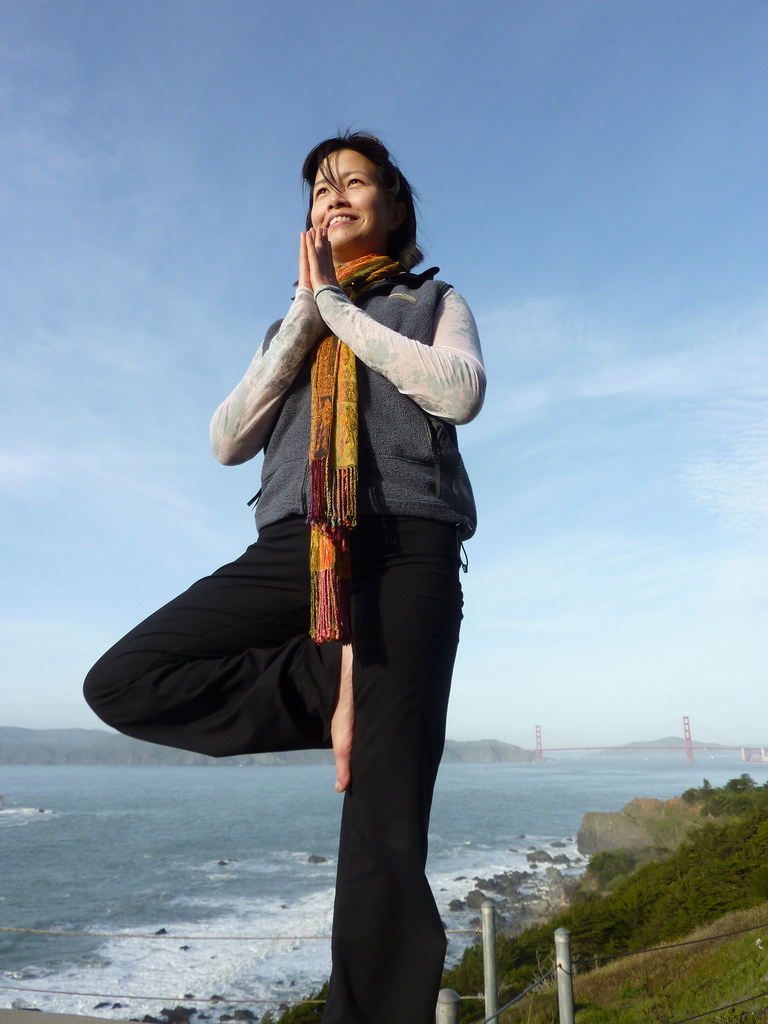
Vrksasana – Tree Posture (vrksa – tree) Practice: Come to Tadasana( mountain posture), shift your whole body weight to left foot , bend right leg knee, help of right arm rest the right foot close to left inner thighs , foot pointing downward and straight. Inhale raise your both arms side way, adopt namaskara mudra. Keep your left knee straight, whole body weight evenly distributed over left foot, spine and arms straight, beside ears. Lengthen tail bone, remain pelvic straight not tilting sideway. Remain in this posture for 10 to 30 seconds, breathing smoothly and deeply at your nostrils. Exhale and drop arms down, with right arm help drop right foot on floor. Repeat the same for left foot. Benefits: Removes fatigue of legs. Bring concentration and memory. Balances right and left side of brain hemisphere. Reduce stress and back pain.
Tadasana – Mountain Posture
Tadasana – Mountain Posture (tada – mountain) Practice: Come to standing posture. Stand straight with the feet together, the inner heels and big toes touching each other. (For beginner can keep feet apart for hip distance wide). Lengthen all the toes flat on the floor. Straighten the knees and pull the knee-caps up. While inhale contract the hips and pull up the muscles of the thighs, Keep the stomach in, chest forward, spine stretched up and the neck straight. Inhale, and lift your hips, stomach in, rib cage up, chest up, neck and head straight. Make sure you are not bearing the weight of the body either on the heels or the soles, it should be evenly distributed on both feet and firmly grounded, by adopting mountain pose (Tadasana). Place both palms together in front of the chest (Namaskara Mudra). Benefits: Align whole body evenly both left and right side of body. Remove lower back pain and reduces breathing rate, improves lungs holding capacity. Strengthen ankle, knee, hip, spine and shoulder joints. Establishes a state of concentration and calmness in mind.
Sukhasana – Easy Posture
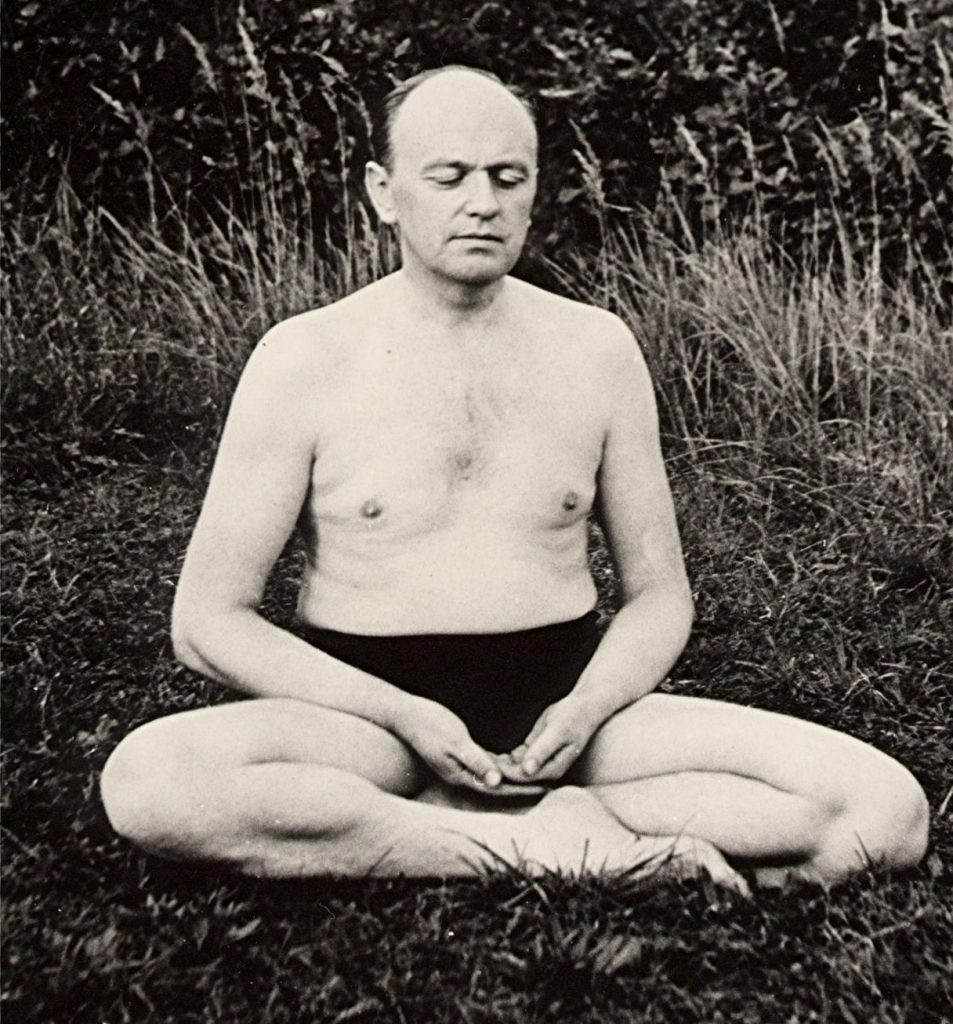
Sukhasana – Easy Posture (sukha – easy or comfortable) Practice: Come to (Dandasana) staff posture, fold right leg knees place it beneath left knee. Now bend left leg knee place it, under right leg knee. Make sure shin touching each other, foot under opposite knee; allow space between shin bones to pelvic. Try to balance your posture with support of pubic bone and tail bone. Lengthen your tail bone, spine, neck and head. Benefits: Calms the brain, improves memory and concentration. Strengthens the back, neck and head. Stretches the knees and ankles. Improves one patience and forbearance capacity.
Sirsasana – Head Standing Posture
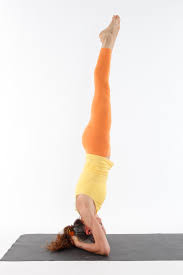
Sirsasana – Head Standing Posture (sirsa – head) Practice: Come to knelling posture called Vajrasana. Lean forward by knee apart for one fore arm distance. Interlock fingers; place it at one forearm distance, straight to knees. Place head pressing against the inside of the interlocked fingers. Now move spine straight perpendicular to floor, legs parallel to ground, by toes touching ground. Press toes down against floor; come up by shifting your lower part of body over elbows and head. Adjust posture by elbows, give minimum weight to head region. Keep whole body in a straight line, keep knees straight, suck abdomen in. Gaze at two feet front of floor at eye level. Stay for 10 to 20 seconds, breathing at nose normally. Exhale and return the back to the Vajrasana, relax at (Balasana) child posture. Benefits: This is called king of asana, by doing this asana alone get all benefits of other asanas. Improves balance, skill, memory and concentration. Optimize all organs, system and limbs of body. By regular practice hair grows blacker and controls falling hair.
Siddhasana – Perfect Posture
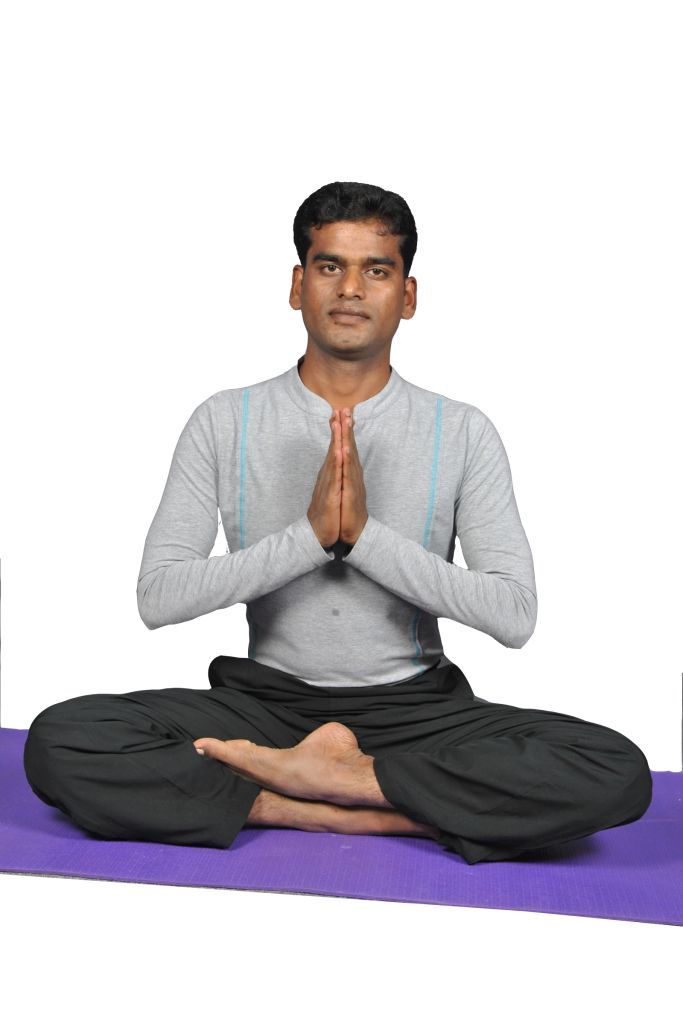
Siddhasana – Perfect Posture (siddha – perfect) Practice: Come to Dandasana (staff posture), by palms on floor beside hips. Bend the right leg at knee; place the right heel pressing at below perineum, end of reproductive organs. Bend left leg knee place left heels at root of reproductive organ, by left ankle resting over right ankle, soles, toes between calf and thigh muscles. Keep the trunk, neck, and head in a straight line. Gazing upward in between eye brows, by adopting Jnana Mudra at both arms by touching tip of index and thumb finger, rest on your thighs. Stay for 1 to 3 minutes; breathe calmly, aware about your breathing movements. Then unfold legs one by one come back to Dandasana. Repeat same for opposite leg. Benefits: Makes reproductive organs stronger, awaken Mooladhara Cakra, and makes to move energy upward instead of going downward vainly. It is one of the best among all the asana, according to Hatha Yoga Pradipika classical text. This posture is recommended for (Dhyana) Meditation and (Pranayama) breathing practices. Strengthen spinal muscle stamina to sit for long time. Increase awareness and expands consciousness. Leads to meditative state spontaneously Nadi.
Salabhasana – Locust Posture
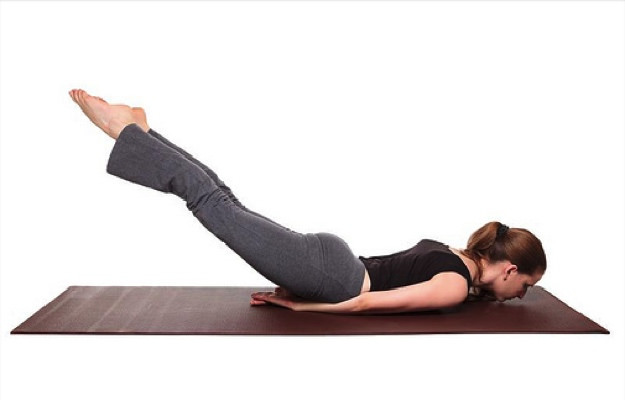
Salabhasana – Locust Posture (salabha – locust) Practice: Come to (Makrasana) Crocodile relaxation posture, bring legs together toes pointing outward, heels together , knees together , legs , torso in a straight line. Place palms under inner thigh, exhale, and tighten buttocks, hips, thighs, and knee and ankle joints. Inhale, with support of palms lifts both legs up as height as possible, by knees straight, chin chest abdomen touching floor. Balance legs by chest and chin. Breathing very deep in and out, stay for 10 to 20 seconds, come back to Makrasana by exhaling, and relax. Benefits: This asana tones and adjusts the functioning of the liver and other abdominal organs, especially the intestines, pancreas, and kidneys. It is very useful for relieving and eliminating diseases of the stomach and bowels, and it stimulates the appetite. It strengthens the lower spine and heart, and tones the sciatic nerves. Stimulates abdominal organs. Helps relieve stress.
Sethu Bandha Asana – Bridge Lock Posture
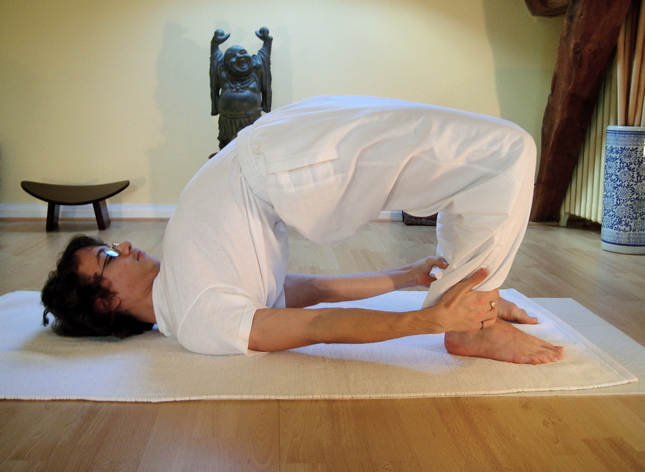
Sethu Bandha Asana – Bridge Lock Posture (sethu- bridge, bandha – lock) Practice: Lie down on your back with the legs bent at the knees and the heels touching the buttocks. Hold the ankles. Inhale, raise the hips and arch the back, keeping feet flat on the floor. Do not move the position of the feet or shoulders. The body should be supported by the feet, neck, shoulders and arms. Maintain Retain the breath inside when practicing this posture. Stay for 20 to 40 seconds with normal breathing for curative purpose. Exhale and relax at Savasana. Benefits: Good for thyroid secretion. This asana is useful to return displaced vertebral discs. It stretches and massages the colon and other abdominal organs. It also straightens round shoulders and relieves backache. It is recommended especially for women who have a tendency towards miscarriage as it tones the female sexual organs. It is a good preparatory pose for cakrasana.
Sarvangasana – Shoulder Standing Posture
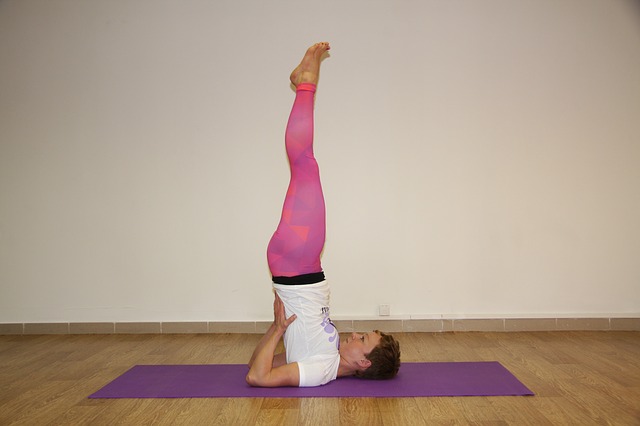
Sarvangasana – Shoulder Standing Posture (sarva- all, whole, entire, anga – limb or part of body) Practice: Lie flat on the back with feet together, arms by the sides and palms flat on the ground. Using the arms as levers raise the legs and back to a vertical position. Bend the elbows and use the arms as props to steady the back by pressing it with the palms. The trunk and legs should extend straight up, forming a right angle with the neck, the chest pressing against the chin. Soften the throat and tongue. Firm the shoulder blades against the back, and move the sternum toward the chin. Your forehead should be relatively parallel to the floor, your chin perpendicular. Gaze softly at your toes or tip of your nose. Stay for 10 to 30 seconds, with normal breathing. Exhale, drop legs down, spine down with support of arms, and relax at Savasana for 10 to 30 seconds. Benefits: Stimulates the thyroid gland and thereby improves the balance of the circulatory, digestive, reproductive, nervous and glandular systems. It corrects improper body growth and clears psychological disturbances by bringing a rich supply of blood to the brain. It relieves asthma and bronchitis. It releases the normal gravitational pressure from the anal muscles, relieving hemorrhoids (piles). It tones the legs, abdomen, the female reproductive organs, spine and neck. It inhibits hydrocele and eliminates waistline fat. Leucorrhea and diabetes can be controlled. Mastery of this asana gives conscious control over body temperature.
Purvottanasana – Intense East Stretch
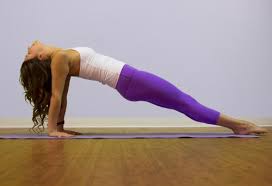
Purvottanasana – Intense East Stretch (Purva – east, Uttana- intense stretch) Practice: Come to Dandasana posture, by palms on floor beside thighs. Recline back, rest palms pointing towards head, straight to shoulders, press palms down lift lower back, hip, thighs, towards sky. Knees straight, foot on ground. Neck long, straight line with body. Whole body perpendicular rot he ground. Stay in this posture for 10 to 15 seconds, by normal deep inhalation and exhalation at your nostrils. Exhale bend elbows, knees, drop legs, hip down and relax. Benefits: Strengthen wrist, arms, shoulder, neck, open chest improves breathing makes heart stronger. Tones lower back, pelvic region, give suppleness to ankles and foot. Good for arthritis and lower back peoples.
Plank Posture
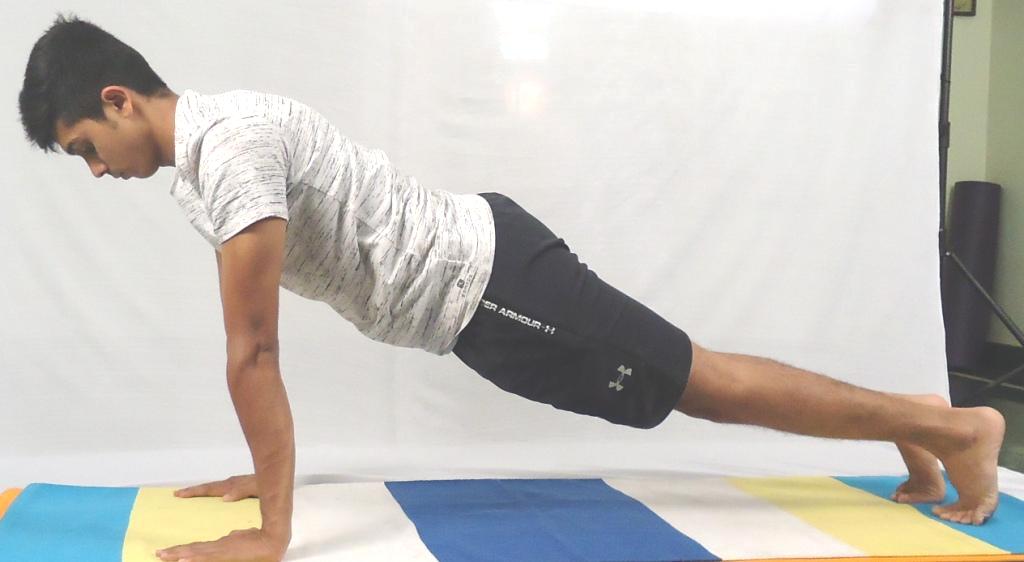
Plank Posture Practice: It is the part of the Surya namaskara ( sun salutation) after Aswa Sanchalansana (Equestrian or runners lunge Posture) , from here bring your legs back , whole body in a straight line like stick , at 35 degree angle towards ground, looking two foot front, balance at your palm and toes. Stay for 10 to 20 seconds, breathing normally at your nostrils. Then move to next posture. ►Benefits: Strengthens the arms, wrists, and spine. Tones the abdomen and chest region.