
Five Self-Discipline-patanjali yoga sutra
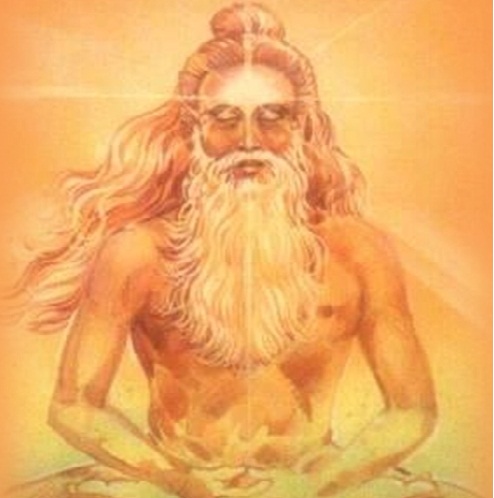
Five Self-Discipline 2.30. AhimsaSatyaAsteyaBrahmacharyaaparigraha Yamah| Ahimsa- Non-violence Satya- truthfullness Asteya- honesty Brahmacarya-sensual abstinence Aparigraha-non-acquistiveness Yamah-self-restraints Non-violence, truth, honesty, sensual abstinence, and non-possesiveness are the five self-disciplines. Following Self-Discipline is the great Path 2.31. Jatidesakalasamayanavacchinnah sarvabhauma mahavratam| Jati-class of birth Desa-country, or place Kala-time Samaya-circumstances Anavacchinnah-unconditioned Sarvabhauma-universal Mahavratam-the great discipline It can be practiced universally without […]
Ego or ‘I’ feeling is one of the ignorance-patanjali yoga sutra

Ego or ‘I’ feeling is one of the ignorance 2.6. Drgdarsanasaktyorekatmataivasmita| Drg-purusha, power of consciousness, power to see Darsana-that which is seen, cognition Saktyoh-of the two powers Ekatmata-identity Iva-as if Asmita-i-feeling Asmita or ‘I’feeling, is the identity as it were of the purusha or pure consciousness with the Buddhi or discrminated knowledge. Attachment is […]
By practicing pranayama luminosity achieved-patanjali yoga sutra
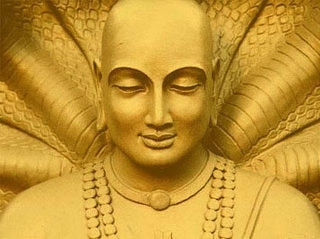
By practicing pranayama luminosity achieved 2.52. Tatah ksiyate prakasavaranam| Tatah-thereby Ksiyate-disappears Prakasa-light Avaranam-covering Thereby the covering of light vanish.
Benefits of self-surrendering to God-patanjali yoga sutra
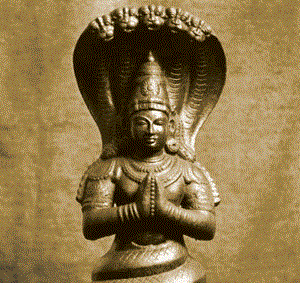
Benefits of self-surrendering to God 2.45. Samadhisiddhirisvarapranidhanat| Samadhi- superconsiousness Siddhi-perfection Isvara-god Pranidhanat-self-surrender Succcess in superconsiousness comes by complete resignation to God.
Benefits of following Truthfulness-patanjali yoga sutra
Benefits of following Truthfulness 2.36. Satyapratisthayam kriyaphalasrayatvam| Satya-truthfulness Pratisthayam-on being firmly established Kriya-action Phala-result or fruit Asrayatvam-basis Those who following truthfullness, the actions result in fruits, entirely depending on them.
Benefits of following Non-possessiveness-patanjali yoga sutra
Benefits of following Non-possessiveness 2.39. Aparigrahasthairye janmakathantssambodah| Aparigraha-non-possessiveness Sthairye-on becoming steady Janma-birth Kathanta-how and from where Sambodah-knowledge On becoming stable in non-possessiveness, there arises the knowledge of how and from where birth arise.
Benefits of following Non-Violence-patanjali yoga sutra
Benefits of following Non-Violence 2.35. Ahimsapratisthayam tatsamnidhau vairatyagah| Ahiàsa-non-violence Pratisthayam-on being firmly established Tatsamnidhau-in its vicinity Vaira-hostility Tyagah-abandonment Those who following strongly ahimsa path, there is abandonment of hostility and enmity in his vicinity.
Benefits of by mastery over Asana-patanjali yoga sutra
Benefits of by mastery over Asana 2.48. Tato dvandvanabhighatah| Tatah-from that Dvandva-pair of opposites Anabhighatah-no impact Thereby the pairs of opposites stop to have any impact.
Benefits of being cleanliness-patanjali yoga sutra
Benefits of being cleanliness 2.40. Saucat svanga jugupsa parairasaàsargah| Saucat-from clealiness Svanga-one own body Jugupsa-indifference Paraih-with others Asamsargah-non-attachment By being cleanliness there comes indifference towards one’s own body and non-attachment to others.
Benefits of being celibacy-patanjali yoga sutra
Benefits of being celibacy 2.38. Brahmacharyapratisthayam viryalabhah| Brahmacharya-sexual abstinence Pratisthayam-on being firmly established Virya-indomitable courage Labhah-gain By following celibacy, veerya is gained.