
FASTING & Yoga
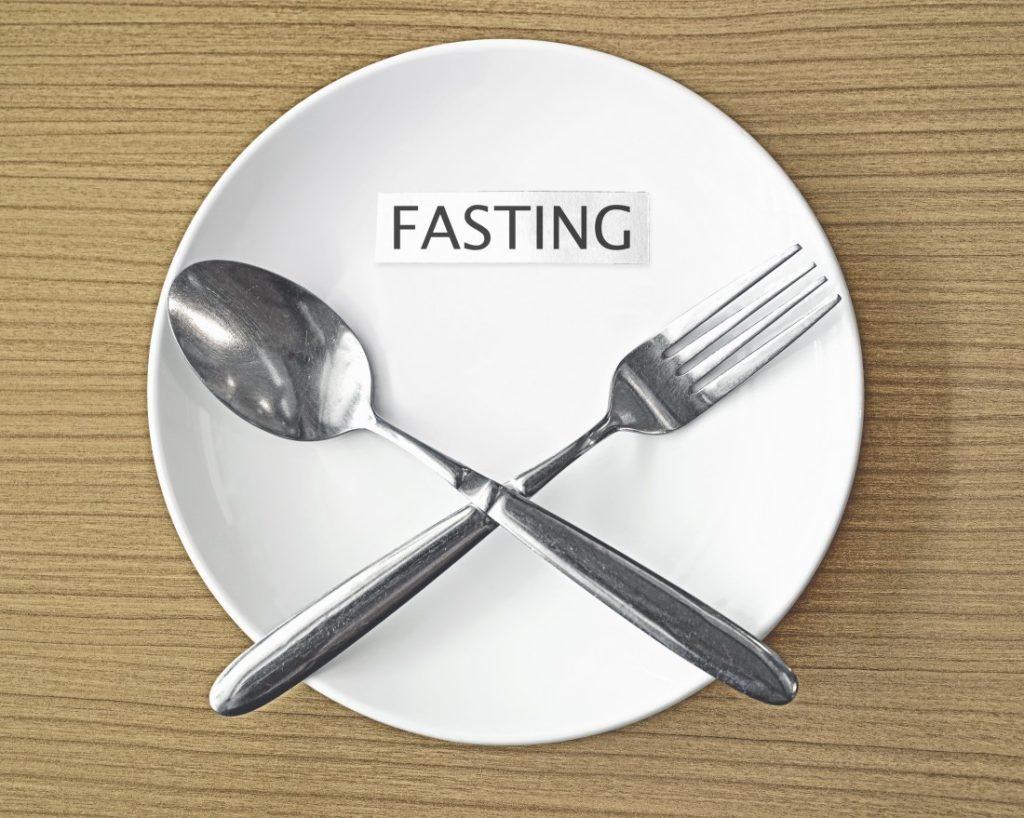
FASTING Yogis advocate occasional fasts, particularly helpful in times of illness, in order to give the stomach a rest. The recuperative energy may thereby be directed toward the casting out of the toxins and poisonous matter that have been causing the trouble. It is also noted that animals fast when unwell. They stop caring whilst they are sick, lie around until they are normal once again and then return to their food. Fasting – the practice of abstaining from all or certain foods and liquids – has long attracted spiritual seekers and health devotees. Biblical characters, the Greek ‘Father of Medicine’ Hippocrates and medical pioneers such as Galen and Paracelsus practised fasting either to attain spiritual purification or to reinvigorate the body. Today, many naturopaths, chiropractor herbalists, and other practitioners of natural medicine recommend fasting to speed elimination of toxins, allow the digestive system to rest, and even promote healing of some illnesses. #Best online yoga teacher training certification in India Fasting for even a day may also help to: Clean your liver, kidneys and colons, Remove toxins and impurities from your blood; Clear your eyes and freshen your breath; Calm your mind, sharpen your senses, Provide you with a feeling of greater energy; and Increase your appreciation of food. Fasting is one of the quickest ways to increase elimination of wastes and enhance the healing processes of the body. When the body is deprived of energy from food, it begins to eliminate fat-soluble toxins, such as pesticides and food additives that you’ve consumed, by increasing metabolism of body fat. The toxins are released into the blood stream and then processed for excretion through the urine (which may initially turn dark during a fast), sweat, and the breath. A short fast can be a useful home-remedy for colds, the flu, constipation, indigestion, skin problems, and some types of toxic conditions. Fasting has become an area of study even among practitioner of conventional western medicine, who have focused on its use primarily as a weight-loss programme but also as a treatment for chemical poisoning, arthritis, and other medical conditions. After fasting, there is a new lightness about the body and mind which is very uplifting. Whole new chunks of the day are released from food dudes and consequently more time for chores or reading or relaxation. Of course the mind can sink back into craving sensual food at any time but as we are told ‘yoga comes and goes’. #200 hour Yoga teacher training India
Yoga for Dyspepsia or Indigestion
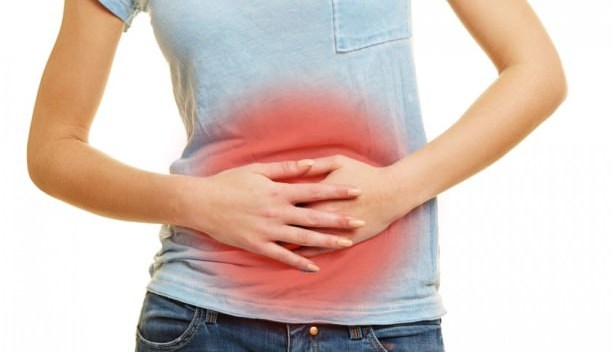
Yoga for Dyspepsia or Indigestion It is a collective term for non – specific symptoms thought to originate from the upper gastro – intestinal tract. #online yoga teacher training India Non – Specific Symptoms Upper abdominal / lower chest pain with or without relationship to food. Regurgitation Heart burn Water brash Anorexia Nausea Vomiting Bloating Belching Flatulence #Best online yoga teacher training certification in India Causes UPPER GIT DISORDERS Peptic ulcer disease Gall stones Gastro – esophageal reflux disease Acute gastritis OTHER GI DISORDERS Irritable bowel syndrome Pancreatic disease Hepatic disease. SYSTEMIC DISEASE Myocardial ischaemia Renal failure Hyper calcaemia Drugs OTHERS Alcohol Pregnancy Psychological eg. Anxiety, depression YOGIC PRACTICES Asana Vajrsana for alteast 10min after every meals PRANAYAMA: Nadi shodhana Bramari SHATKARMA: Agnisar kriya Lagooshankhaprakshalana Kunjal OTHERS: Relaxation and cultivation of mental tranquility through yoga nidra, and meditation. #Best online yoga teacher training certification in India
DIET FOR DIFFERENT SEASONS
DIET FOR DIFFERENT SEASONS DIETETICS FOR WINTER During the cold winter, the digestive power of human beings possessing good health is enhanced due to the restraint caused upon it by the cold wind, so much so that it is capable of digesting any food stuff irrespective of its heaviness and the quantity when it does not get the proper fuel, the digestive fire affects the nutritive fluids, resulting in the vitiation of vata having cold quality. Therefore one should take the unctuous, sour and saltish juices eat more sweet and less of bitter, astringent, pungent. Avoid dry or uncooked foods (especially salads, raw fruits and vegetables). If one is habitually takes preparation of cow’s milk, cane juice, fat, oil, new rice and hot water during the winter. His span of life is never decreased for winter, heavy food is prescribed -both quantitatively and qualitatively. Unless heavy food is taken, the digestive process cannot function properly. Because for the want of adequate fuel within the body as a result of which the vata gets vitiated. This also happens because väta is cold by nature and its contact with external cold wind during winter season renders it liable to be vitiated. This can be neutralized by only by the intake of heavy food, which provides sufficient heat and also adequate nutrition to the tissues. Don’t worry if your appetite increases –this is a natural tendency in winter and helps pacify vata. DIET FOR SPRING #200 hour Yoga Teacher Training online India During the spring, the accumulated kapha is liquefied by the heat of the sun and as such disturbs the power of digestion and causes many diseases. So, one should avoid heavy, unctuous, sour and sweet diets. One should take food consisting of barley and wheat Favor a diet that is lighter, drier and less oily than during other seasons. Heavy dairy products which tend to aggravate kapha. Favor warm drink and warm food. Eat more food with pungent, bitter and astringent tastes and fewer with sweet, sour and salty tastes DIET FOR SUMMER During the summer, the sun evaporates the moisture of the earth by its rays. In that season, agni is natural yellow, so we may find that our appetite decreases in summer. Respect this change not by over eating. The in take of sweet, cold, liquid and unctuous diets and drinks is prescribed. One should take cold mantha (a type of groat) along with sugar as well as ghee, milk, along with shali rice. Favor sweet, bitter and astringent tastes .one should avoid diets, which are salty, sour, pungent or hot. DIETETICS FOR RAINY SEASON #online yoga teacher training India In the body, weekend during the period of dehydration the power of digestion is also weakened. It is further weakened due to the vitiation of vata dosa during the rains. The power of digestion in this period is also affected due to gas coming out of the earth rainfall increases of acidity in water and consequently vata and other dosas get vitiated so it is advisable to be moderate as regard to diet and regimen during rainy season. One should generally use honey in preparing diets, drinks. If the days are cooler due to heavy rains accompanied by the storms, one should take such of the diets as are conspicuously sour, salty and unctuous, this serves as an effective antidote to the vitiation of vata during the rainy season .In order to maintain normal power of digestion one should take old barley, wheat and shali rice. When it is too cold due to heavy rains accompanied with storms, the sour and salty diets are to be taken. DIETETICS F OR AUTUMN #online yoga teacher training India The body parts adopted for rains and cold are suddenly exposed to the heat of the sun with the beginning of the autumn so the pitta accumulated during the rains gets generally vitiated. In this season bitter food and drinks, which have potentialities to alleviate pitta, are to be taken in proper quantity when there is good appetite. Intake of ghee prepared with bitter medicines. In this season only light food is to be taken. Lighter the food the greater is the power of digestion. Even though pitta is identified with fire itself, it brings about loss of appetite due to an increase in its liquid fraction. As it has been said, “As even hot water extinguishes fire, so does pitta suppress the digestive power. #online yoga teacher training India
Diet and Digestion
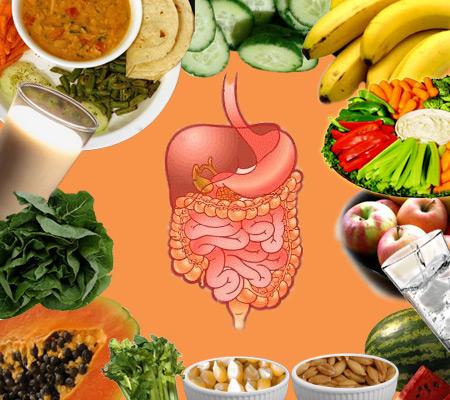
Diet and Digestion The entire process that the food undergoes from the time it is eaten to its excretion is known as metabolism of food. Nutrients are obtained from food by the process of metabolism that takes place in the following steps: Digestion Absorption Assimilation It begins at the mouth and comprises the esophagus stomach, small intestine, large intestine and it ends at the anus. The liver, gall bladder, salivary gland and pancreas are associated with the porkers of digestion. #200 hour Yoga Teacher Training online India The functions of each of the organs of the digestive system in brief are Mouth – Chewing the food (Mastication) and mixing with saliva coming from salivary gland. Oesophagus – Passage for the food from mouth to stomach. Stomach – storage and churning of food along with various secretion such as HCI, Pepsin renin. Small intestine – Made up of 3 parts Duodenum Jejunum Ileum Duodenum – receives pancreatic juice, bile juices. Jejunum and ileum – Complete digestion and absorbs the digested product through the villi. Pancreas – It secretes digestive enzymes and also insulin which is responsible for carbohydrate metabolism. #200 hour Yoga Teacher Training online India Liver – It secretes bile which is stored in the gallbladder. The lives also stores sugar in the form of glycogen. Gall Bladder – It is the storage gland for the bile secreted by the liver. It has several functions. Strongly alkaline – The acidic food parsing into the duodenum on mixing with bile becomes alkaline. This change from the acidic state to alkaline is essential for the action of enzymes in the small intestine. Prevents growth of bacteria Emulsifies fat. LARGE INTESTINE The reabsorption of water and certain B Vitamins takes place in the large intestine. The waste products pars down into the colon and are stored in the rectum till they pass out as stools from the anus. The food moves through the GI tract (Gastro-intestinal) by the regular contractions of the smooth muscles of the system. These movements are wave – like and called peristaltic movements and the process, peristalsis Digestion of carbohydrate takes the least time. Proteins the next and fat takes the longest. Food take about 12-24 her to travel from mouth to rectum. Process of Digestion – Digestion in the Mouth Food is chewed in the mouth where it mixes with saliva. Saliva contains and enzyme ptyalin which has amylase or starch digesting enzymes. It helps to partially digest the starch present in the food. If food is not hewed properly or is swallowed hastily then sufficient amylase is not mixed with it and also big pieces of food enter the stomach. This results in incomplete digestion. Saliva contains mucous secretions that wet food and make its passage easy into the stomach through the food pipe. Digestion in The Stomach #200 hour Yoga Teacher Training online India In the stomach, muscular contractions churn the food, break it up and mix it with the gastric juices. The gastric juice contains a lot of water, HCI and enzyme pepsin. The acid enhances hydrolysis and food breaks down into micro fragments. Pepsin acts on protein to form polypeptides. While digestive actions continues in the stomach, the food is prevented from moving on through the alimentary canal by a muscular valve, the pylorus. From time to time the pylorus relaxes, allowing semi – digested food (Chyme) to pars into the small intestine. Digestion in the Small Intestine Here the chyme is mixed with the bile juices released from the gall bladder. It contains no digestive enzymes. It is strongly alkaline. Next, the alkaline mars is mixed with pancreatic juice. This juice contains several enzymes that act upon carbohydrates, fats and proteins. They are amylase, lipase, trypsin, polypeptides. Amylase concert them to maltose. Lipase emulsified fats to form glycerol and fatty acids. Trypsin convert protein to polypeptides which are further broken down into aminoacids by peptidases. Small intestine also secretes digestive juices. The enzymes found in the intestinal juices are lipase, peptidase, lactose, maltose and sucrose. They convert them to glycerol and fattyacids, aminoacids and simple monosaccharidses (galactose, glucose and fructose) respectively. These final products of digestion are now ready for absorption. Nearly, the whole process of absorption of digested materials occurs in the lower portion of the small intestine. The intestine lined with small fingers like projections called the villi Through these aminoacids simple sugars diffuse from the intestines into the bold. In the sameway, the fatty acids and glycerol are absorbed into lymph which is the another fluid of circulatory system. Digestion and Absorption in the Large Intestine Here absorption of water is the major task, hers absorption of water results in loose stools. Where as greater absorption of water results in dry stools. Along with water, sodium, other minerals, vitamins and aminoacids are also absorbed. The colon bacteria synthesize vitamins and some vitamins of the B-Complex group especially biotin and folic acid which are absorbed from the colon in sufficient amounts to meet the daily requirement. The resulting mass is now made up of indigestible matter ie undigested food, mucus, bacteria, cellular debris and metabolic waste products. The faeces are expelled from the alimentary canal through the anus. Assimilation It is the process whereby already digested food stuffs are absorbed and utilized by the tissues. #200 hour Yoga Teacher Training online India
Yoga for Diabetes Mellitus
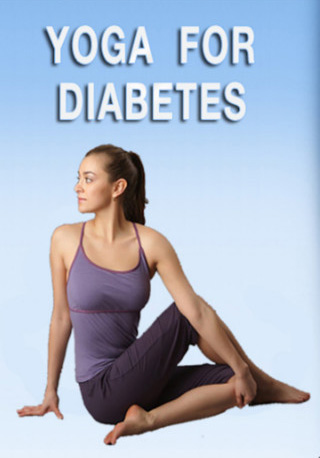
Yoga for Diabetes Mellitus It is a clinical syndrome characterised by hyperglycaemia due to absolute of relative deficiency of insulin #200 hour Yoga teacher training India Causes Age Heredity Stress Disease such as pancreatitis Steroids Pregnancy Lifestyle #Yoga teacher training course fees in Bangalore Clinical Features Polyuria Polydipsia Polyphagia Constipation Peripheral neuropathy Pruritis Weight loss Nocturnal enuresis Recurrent blurred vision Yogic Practices Asanas: Parivritta trikonasana Vakrasana Ardhamatsyendrasana Ushtrasana Hamsasana / Mayurasana Bhujangasana Dhanurasana Sarvangasana Matsyasana Gomukasana Yogamudra Suptavajrasana Pranayama: Nadishodhana Kaphalabhati Brahmari Ujjayi #Online 200 hour Yoga teacher training Bangalore Shatkarma Neti Vamana Dhauti Others: Yoga nidra #200 hour Yoga Teacher Training online India
Yoga for Constipation
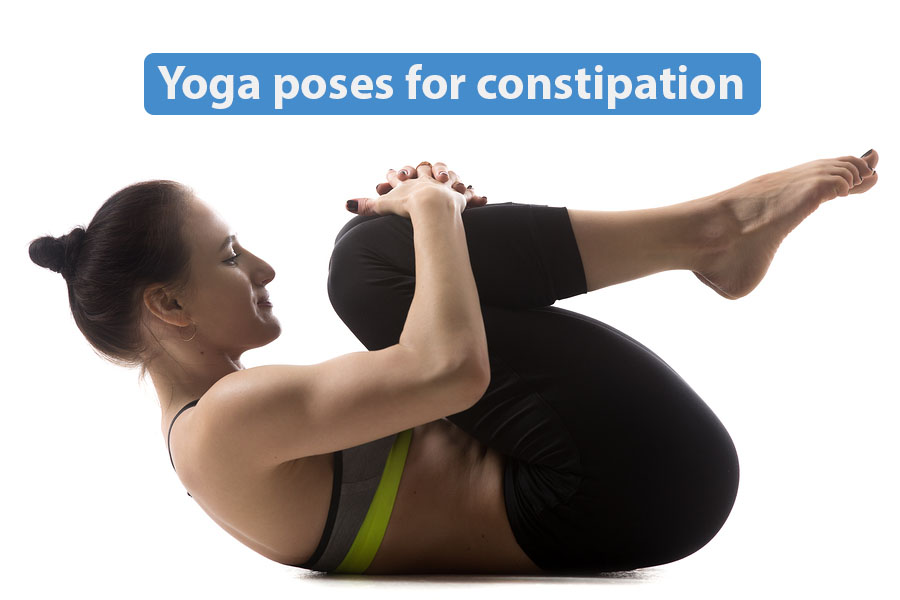
Yoga for Constipation It is defined as infrequent presaged of hard stools. Causes Wrong diet and faulty ways of living ie intake of refined and rich food lacking in vitamins and minerals – insufficient intake of water, lack of fibre, excessive use of strong tea and coffee, consumption of meat in large quantities. irregular habit of defecation. Frequent use of purgation’s, lack of physical activity emotional stress and strain. #200 hour Yoga Teacher Training online India Drugs such as iron supplements, aluminium containing antacids Diseases such as tumor, colitis, spastic condition of the intestine, disease of the rectum and colon, diabetes etc., Clinical Features Headache Foul breathe Acidity Coated Tongue Loss of appetite Insomnia Constant fullness in the abdomen Yogic Practices #online yoga teacher training India Asanas: Tadasana Triyaka Tadasana Kati Chakrasana Suryanamaskar Pawanamuktasana parts 2 & 3 supta vajrasana Shashankasana Ushtrasana Trikonasana Yoga Mudra Matsyendrasana Halasana All spinal twist asana. #Best online yoga teacher training certification in India Pranayama: Nadi Shodhana Mudra: Ashwini mudra Bandha: Uddiyana bandha Shatkarma: Lagoo shankhaprakshalana Agnisar kriya Nauli Others: Yoga nidra#200 hour Yoga teacher training India
Concept of Yogasana
Concept of Yogasana Hatha Yoga Pradipika Nasanam siddha-sadrsam na kumbhakah kevalopamah Na khecari-sama mudra na nada-sadrso laya.(Ref. 2, H.Y.P. CH-I, V-43, P-116) There is no asana like siddha asana, no kumbhaka like kevala kumbhaka, no mudra like khecari mudra and no laya or dissolution of mind like näda, the inner sound. #Online Best yoga certification courses in Bangalore Hatha Yoga Pradipika Athasane drdhe yogi vasihita mitasanah Gurupadista-margena pranayamam samabhyaset. (Ref.12, H.Y.P. CH-2, V-1, P-149) Being established in asana and having control (of the body), taking a balanced diet; pranayama should be practised according to the instructions of the Guru. Patanjali Sthira-sukham Asanam (Ref. 3, P.Y.S. 19 P-155) Asana is practised firmly with ease. This means that the student should try to get absolutely disciplined in the various Asanas, so that he can sit motionless and relaxed for various advanced disciplines and practise s in yoga Yogacudamanyupanisad Ekam siddhasanam proktam dvitiyam kamalsanam sat-cakram sodasadharam tri-laksyam vyoma-panakam sva-dehe yo na janati tasya siddhih katham bhavet. (Ref. 4, Y.C.U. 1, 3-4 P-210) How can one who has not known the siddhasana, vrajrasana, six cakras, sixteen bases, three ideas and five types of akasa achieve perfection? Here the padmasana is refer to by them kamalasana similarly in siddhasana is term as vajrasana and padmasana by the termed as kamalasana. Student of yoga should not be confused by the terminology. Out of these Asanas, one is the valued as the base. This one is truly the king among the eighty four lakhs Asanas & is siddhasana. #Online Yoga Teacher Training course in Bangalore Svetasvataropanisad Keeping the body that has three parts erect and withdrawing the organ into the heart with the help of mind, the enlightened person should earn over all the terrible currents by mean of the float that is Brahman. (5) Bhagavad-Gita Gita Says Samam kaya-siro-grivam dharayannacalam sthirah Sampreksya nasikagram svam disascanavalokayan. (Ref. 6, B.G., CH-6, V-13, P-282) Holding the trunk, head and neck steady, remaining firm and fixing the gaze on the tip of the nose without looking in other direction. #Best yoga blogs in India Patanjali yoga sutra Prayatna-saithilyananta-samapattibhyam (Ref. 3, P.Y.S.V-20, P-156) An Asana is performed through the process of exertion and relaxation until its completion. Tato dvandvanabhighatah (Ref. 3, P.Y.S. V-21, P-158) By practicing Asana properly, one is free from impact of pair of opposites. SWAMI SIVANANDA Yoga means –it is the union of individual soul (Jivatman) with the supreme soul (paramatman). Is asana an easy and comfortable seat or pose or posture. Thus the term of yoga asana means certain posture by assuming any one of which the individual soul is united to supreme soul quite easily by yogic practitioner. B.K.S. IYENGAR Asana is a steady and pleasant posture to produce mental equilibrium and prevent fickleness of mind. It is not merely a physical or gymnastic exercise. True asana is that in which the thought of Brahman flows effortlessly and incessantly through the minds of sadhakas (8). SWAMI SATYANANDA SARASWATI Yoga Asana have often been thought of as a form of exercises. But they are not exercises. Asana is a technique, which places the physical body in positions that cultivate awareness, relaxation, concentration and meditation. It is complimentary to exercises. RAMANA MAHARSI What are Asanas (postures or seats)? Are they necessary? A: Many Asanas with their effects are mentioned in the yoga sastra. The seats are the tiger skin, grass, etc. The postures are the ‘Lotus posture’, the ‘easy posture’ and so on. Why all these only to know oneself? The truth is that the ego rises up form of the self, confuses itself with the body, mistakes the world to be real, and then, covered with the egoistic conceit, it thinks wildly and looks for asanas (seats). Such a person does not understand that he himself is the center of all and thus forms the basis for all. The asanas (seats) are meant to make him sit firm. Where and how can he remain firm except in his own real state? This is the real form of the asana. Attaining the steadiness of not swerving from the knowledge that the base (asana) upon which the whole universe rests is only self, which is the space of true knowledge, the illustrious grand, alone is the firm and motionless posture (asana) for excellent Samadhi. #200 hour Yoga Teacher Training online India
Concept of Diet & Nutrition According To Modern Science
Concept of Diet & Nutrition According To Modern Science The basic need of our body is energy to move and to do work. Food is the main source to get energy. Westerners are concerned with the nutritive value of food that we consume and food items are analyzed on the basis of Protein, Carbohydrates, Fat, Vitamins and Minerals etc. Balanced diet is decided on the basis of these with food groups. Their intake is increased or decreased depending on the requirements and needs of the individual. But unfortunately no thought has been given to the sources of food, since no food item is prohibited to them. Prohibition is based only on requirements or non-requirement of certain food items. Therefore it can be safely stated that Western dieticians have focused their attention mainly on physical health through the food. Effects of food on the mind and behavior of individuals has been not given much importance while discussing on this subject. #Yoga, Kinesiology and Bio-Mechanism Teacher Training Course Carbohydrates: Carbohydrate is probably the oldest subject in Western nutrition. It is the fuel on which body functions are based and in the 1800`s the study of nutrition was assumed to be the study of this fuel. Nutritional value was judged largely on the number of calories that a food could provide so that foods like tomato, which are low in calories, were considered to be of ‘little nutritional value.’ Though other items have been discovered, in terms of sheer quantity, carbohydrates remain the most important. If one leaves out water and fiber content of food, it is carbohydrate which makes up the bulk of diet. The average person eats ten ounces of carbohydrate for every ounce of protein. This huge amount of carbohydrate is used by the body for energy. It is on this energy that the entire metabolism depends. Without the burning or internal combustion of carbohydrates, the body’s primary source of energy would be missing. Just as the automobile runs on fuel, the body runs on carbohydrates. The carbohydrate, by contrast on which body cells function, is so called because it is a form of Carbon to which water has been added. Plants take Carbon dioxide from the atmosphere and water form the soil and, using the energy from sun light to force the two together, combine them to form the series of complex chains called rangers and starches. The combustion of carbohydrate by the body cell breaks the carbohydrate molecule back down to its original components, Carbon dioxide and water. The water is exhaled in the breath and excreted in the urine, the Carbon dioxide is exhaled and returns to atmosphere. In the animal cell the oxygen is used to burn Carbohydrate. Thus, there is a constant recurring cycle. There are various types of sugar molecules. A few contain five Carbon atoms, but most contain six. They attach to each other. Wheat contains carbohydrate in large quantities. Other items which have Carbohydrate include rice, corn, millet, buckwheat, rye, oats etc. Wheat contains 72% Carbohydrates, 1.7% Fat. It contains minerals in the form of Iron (1.6%) and Calcium 20mg per 100gm. Rye is a cereal closely related to wheat. Rice provides about 350 Kcal per 100g dry weight. Rice contains 7% Protein; Rice contains Vitamins B, mainly thiamine. Corn contains 2.1g Protein, 0.1gFat, 21.0g Carbohydrate and 95 Kcal in 25g flour. #Online 200 hour Yoga teacher training Bangalore Protein: Protein is a structural material which provides the rigid structures which enable plants and animals to raise themselves above the surface of earth. The word protein is Greek word meaning first or holding first place. Protein contains Nitrogen but the nutritive value of Protein-rich foods does not depend upon the total Nitrogen contents but on the constituent amino-acids. Gelatin for example is rich in Nitrogen but does not contain all the essential amino-acids and so is of little nutritive value. Proteins constitute about 15% of body weight. The liquid part of blood contains over hundred different proteins, each with a specific function. The other elements always present in proteins are carbon, hydrogen, oxygen, sulphur, phosphorus, iron, copper and zinc. Protein known as immuno-globulin serves as the first line of defense against bacterial and viral infections. Biochemical catalysts known as enzymes are Proteins. Several hormones are Protein in nature. Structural proteins furnish mechanical support and some of them like action and myosin are contractile proteins and help in the movement of muscle fibers, microvillus etc. Some proteins preset in cell membrane, cytoplasm and muscle of the cell as receptors. The transport Proteins carryout the function of transporting specific substances in either the membrane or in the body fluids. Storage Proteins bind with specific substances and store them, for example Iron is stored as fertile under certain conditions Proteins can be categorized as supplies energy. When Protein is mentioned in the highly industrialized countries of the West, most of they think that protein comes from meat, flesh, and fowl. Although meat, cheese, milk and eggs are usually considered as “the protein foods,” There are many other important sources of Protein. Beans, peas, nuts, leaves and legumes (especially when combined with grains) also contain a high percentage of Protein. How much Protein should we take? As the result of popular books on nutrition many people have the idea that with Protein, there is no limit `the more the better`. This is wrong. This was in fact, proved in experiments at MIT where 100 young men were given experimental diets which allowed regulation of Protein intake. Generally an amount less then 30g (one ounce) was sufficient. Thus recent official figures from the National Research Council are 70g for adult men and 60g for a woman and for an average person, 50g is adequate. One should maintain Protein level in the body; otherwise he or she has to face many problems. Whole food, beans, grain, fruits and vegetables all contain a complex of nutrients. Vitamins Vitamins have been defined as organic compounds occurring in natural food
Yoga for Cervical Spondylosis
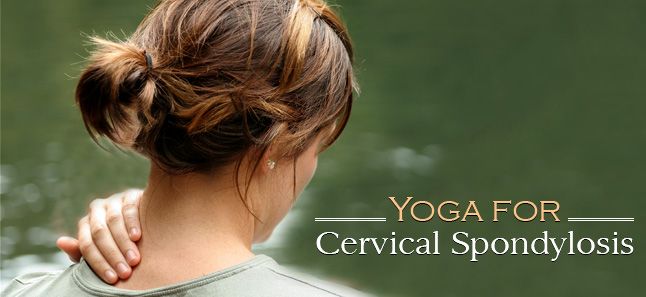
Yoga for Cervical Spondylosis Definition Disc degeneration with associated osteophyte formation and osteoarthritis of the spinal apophyseal joints collectively termed cervical spondylosis. #Yoga, Anatomy & Physiology Certificate Course Causes Age – related. Reduction in the molecular size of the proteoglycans of the nucleus pulposus is associated with loss of viscoelastic properties. Increased load – bearing by the annulus is followed by focal damage and disc herniation in some cases. Simultaeneously, the development of osteoarthritic changes in the spinal apophyseal joints leads to increase in sheer stress and disc damage with cleft formation and Osteophyte formation around the vertebral margins. Combination of disc-prolapse and osteophytosis can result in direct nerve root compression and indirect ischaemic neuronal damage. #Personal yoga classes online India Clinical Features Nagging and sever pain which may spread over both sides of shoulders, back side of the neck, the collar bone and head region. In some cares pain may occur in both the arms and fingers. Stiffeners may be acute or chronic. It may lead to either partial or complete restricted movements. Numbers and tingling or complete loss of sensation on the affected side. Headache Giddiness #Best yoga blogs in India Yogic Practices Ardha kati chakrasana, Tadasana, Makrasana, Vakrasana, Ardhamatsyendrasana, Ushtrasana, Bhujangasana, Pranayama Ujjayi, Brahmari #Yoga, Kinesiology and Bio-Mechanism Teacher Training Course
Cakras
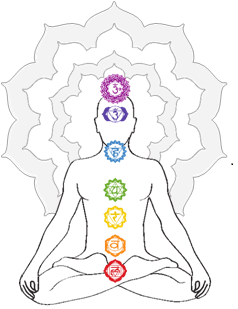
Cakras The cakras are pranic centers within the human framework. The cakra may be described as subtle centers of operation in the body of sakti or powers of various Tattvas or Principles which constitute the body sheaths. Thus the five lower cakras from Mooladhara to Visuddhi are centers of the Bhutas, or five forms of sensible matter. The ajna and other cakras in the region ion between it and the Sahasrara are the center of the Tattvas constituting the mental sheaths, while, the Sahasrara or thousand-petalled lotus at the top of the brain, is the blissful abode of parama siva-sakti which is the state of pure consciousness. #Yoga teacher training course fees in Bangalore In each person, there are myriads of cakras .However, only a few principal ones are utilized in yogic practises. These few are the ones which span the full spectrum of man’s being from the gross to subtle. The main cakras are; Mooladhara Svadhisthana Manipura Anahata Visuddhi Ajna Sahasrara Yogic Cakra Symbolism: – The use of cakras as a means to spiritual awakening is widely recognized by most religions and mind expansion sects of India. It is particularly popular in Tantra, Yoga and Buddhism. Attributes of cakras: – The following are very basic attributes that we associate with the main cakras. Mooladhara: –It is symbolized by four petalled deep red coloured lotus .In the centre is a yellow square, the yantra of ‘prthvi tattwa’the earth element and the béja mantra‘lam’. Resting on top the inverted triangle is the béja mantra ‘lam’, inside the bindu, over the mantra, reside the elephant deva Gaëeñha and the Devi Däkini, who has four arms and brilliant red eyes. She is the carrier of ever pure intelligence. #Online Yoga teacher training certification course near me Mooladhara cakra The location is in the region of the perineum. It is slightly different in man and woman as follows: Man: midway between the anus and the sexual organ, a centimeter or so above the skin surface. Woman: at the cervix, where the vagina and the uterus join. It is the first cakra in the spiritual evolution of man, where one goes beyond animal consciousness and starts to be a real human being. It is also the last cakra in the completion of animal evolution. From Mooladhara cakra upwards are the other cakras which are concerned with illumination and evolution of the higher men or supermen. Mooladhara cakra has a control over the entire range of excretory and sexual functioning in men. #Online Best yoga certification courses in Bangalore Svadhisthana cakra Svadhisthana:-This cakra is symbolized by a crimson lotus with six petalled vermilion lotus. In the centre is a white crescent moon, the yantra of aphah tattva, the water element, and the bija mantra ‘vam’. The crescent moon yantra and bija mantra are riding on a crocodile, symbolizing the subterranean movement of the karmas .within the bindu of the mantra reside the deva Visnu and the Devi Rakini. Visnu has four arms, his body is of a luminous blue, he is wearing yellow raiment and he is beautiful to behold. Rakini is the color of a blue lotus and she is clothed in celestial raiment and ornaments. The location is at the base of the spine at the coccyx (the tail bone). It corresponds to the sacral plexus of nerves and controls the conscious in man. Manipura cakra Manipura:-This cakra is depicted as a bright ten petalled yellow lotus .Within the lotus is a fiery red triangle, the yantra of Agni tattva, the fire element, and the bija mantra ‘ram’. The animal which serves as the vehicle for Manipura is ‘ram’, this symbol of assertiveness and energy. In the bindu resides the deva Rudra and devi Lakini. Rudra is of a pure vermilion hue and is smeared with white ashes. He is three-eyed and of an ancient aspect. Lakini, the benefactress of all, is four-armed, of dark complexion and radiant body. The location is in the middle spine directly behind the navel. It corresponds to the solar plexus and controls the entire process of direction, assimilation and temperature regulation in the body. Anahata cakra Anahata: – This cakra is depicted as a twelve petalled blue lotus. The bija mantra ‘yam’ which is dark grey in color. Within the bindu of this mantra is the presiding deva, Isa (Lord in an all pervading form), who is lustrous like the sun. With him is the Devi Kakini who is yellow in color, three eyed, four armed auspicious and exhilarated. In the centre of the lotus is a hexagon formed by two interlacing triangles. This is the yantra of vayu tattva, the air element and the vehicle is swift black; it is treated as the symbol of alertness and compassion. Anahata cakra is the centre of unconditional love. The location is in the spine directly behind the heart perhaps directly behind the centre of the chest is a more exact description. It lies in the vertebral column behind the base of the heart, at the level of the depression in the sternum. It corresponds to the cardiac plexus of nerves, and controls the function of heart, the lungs, the diaphragm and other organs in this region of the body. 5.Visuddhi:-It is symbolized by a sixteen petalled violet lotus. In the centre of the lotus is a white circle, the yantra of akasa tattva, the ether element, and the bija mantra is ‘ham’. The animal related to Visuddhi cakra is a white elephant. The Goddess is Sakini who is purer than the ocean of the nectar that flows down from the moon region. Her raiment is yellow and in her four hands she holds the Visuddhi cakra bow, the arrow, the noose and goat. Visuddhi belongs to fifth loka, the plane of Janah. The location is on the front surface of the throat in the region of the Adam’s apple and the thyroid gland. The cakra corresponds to the cervical plexus of nerves and controls the thyroid complex