
Yoga for Bronchitis
Yoga for Bronchitis It refers to an inflammation of the mucous membrane lining the bronchi and bronchial tube within the chest It is a disease endemic to cold, damp climates, but may occur anywhere. It may be acute or chronic, Chronic bronchitis more frequent in males than females. Causes Smoking Infections Environment changes in weather Working in stuffy atmospheres Clinical Features Often follows acute coryza Irritating unproductive cough accompanied by retrosternal discomfort. Sputum is initially scanty, mucoid, viscid and may be streaked with blood. Hoarseness and pain in the chest Breathing trouble continues till the inflammation subsides and mucus is removed Yogic Practices Suryanamaskara Shashankasana Sarvangasana Supta vajrasana Matsyasana Dwikonasana Backward bending asanas Pranayama Nadishodhana, Bhastrika, Kapalbhati Shatkarma Jalaneti, Sutra neti, Vastra dhauti, Kunjal #Yoga teacher training course fees in Bangalore
Yoga for Bronchial Asthma
Yoga for Bronchial Asthma It is defined as a chronic inflammatory disorder of the airways, characterized by reversible airflow obstruction causing cough, wheeze, chest tightness and shortness of breath. #Online 200 hour Yoga teacher training Bangalore Causes Allergens Infection Exercise Environment Occupation Drugs Emotion Clinical Features It may be either episodic or chronic Episodic Asthma In this form of the disease the patient has no respiratory symptoms or signs between episodes of asthma. Paroxysms of wheeze and dyspnoea occur at any time and can be of sudden onset. It can be triggered by allergens, exercise or viral infections. Attacks may be mild or severe and may last for hours, days or even weeks #Online 200 hour Yoga teacher training Bangalore Chronic Asthma Chest tightness Wheeze Breathlessness on exertion Spontaneous cough and wheeze during the night and early morning Yogic Practices Surya namaskara Shashakasana Pranamanasana Sarvangasana Suptavajrasana – Ushtrasana Hasta Uttanasana Utthita lolasana Dwikonasana Matsyasana Backward bending asanas Pada hastasana Baddha padmasana. #Yoga teacher training course fees in Bangalore Pranayama Nadishodhana Bhastrika Kapalbhati Deep abdominal breathing at all times. Shatkarma Vastra dhauti Shankhaprakshalana Kunjal Other Yoga nidra Meditation #Yoga teacher training course fees in Bangalore
How does the Asanas work?
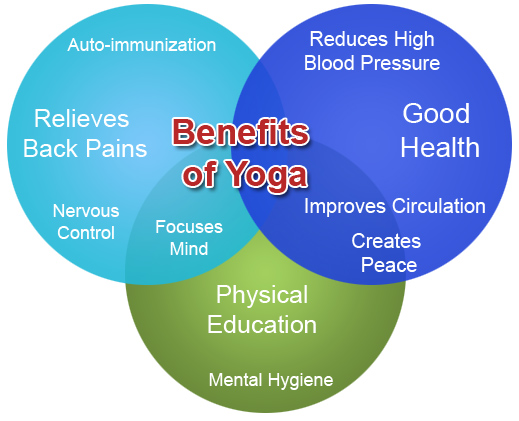
How does the Asanas work? Asanas are based on five principles. i) The use of gravity. The inverted postures such as the headstand, shoulder stand and the reverse posture take advantage of gravity to increase the flow of blood to the desired part of the body; in the headstand to the brain, in the shoulder stand to the thyroid gland and in the reverse posture to the gonads (sex glands). ii) Organ massage. The position of the asanas causes a squeezing action on a specific organ or gland, resulting in the stimulation of that part of the body.#Online Yoga teacher training course fees in Bangalore iii) Stretching muscles and ligaments. This causes an increase in blood supply to the muscles and ligaments as well as relaxing them. It also takes pressure of nerves in the area. This stretching is involved in all the asanas, since it has such a beneficial effect on the body. iv) Deep breathing. While holding the yoga posture we breathe slowly and deeply, moving the abdomen only (abdominal or low breathing). This increases the oxygen and prana supply to the target organ or gland, thereby enhancing the effect of the asana v) Concentration. As well as breathing slowly and deeply, we also focus our attention on the target organ or gland. This brings the mind into play, and greatly increases the circulation and prana supply to the organ or gland. This concentration has the second benefit of increasing your general powers of concentration through regular practise. This benefits every aspect of your life. Your mind is less distracted and swayed by external events and you are therefore calmer and worriless. You will be able to solve day-to-day problems better and have more success in whatever activity you undertake. Physical exercise draws the prana out. Asanas send the präëa in and distribution quite evenly throughout the body and different system. Asana are not physical but also spiritual, as they awaken the serpent power that is sleeping in Muladhara cakra. This is the third anga (limb) of the Astanga RajaYoga of Patanjali Maharsi .A particular asana removes the Particular disease. Asanas are not mere physical exercises alone. They are something more than that. They have spiritual basis. They help a long way in controlling senses, mind and body. Body nerve and muscle are purified (Sarira suddhi and Nadi suddhi) Kundalini is awakened which gives bliss, power and yogi Samadhi to the aspirant. If you develop vairagya, if you subdue your Indriya and sense enjoyment and pleasures of this world as dung and poison, as they are mixed with pain, sin, fear craving, miseries, disease old age and death, nothing can tempt you in this world. You will have eternal peace and infinite bliss. Asana and pranayama remove all sorts of disease, improve the health energetic digestion invigorate the nerves ,strength the Sushumna nadi, remove the Rajas and awaken the kundalini . Practise of asana and Pranayama bestows good health and steady mind. #Online Yoga Classes in India Yogasanas are preliminarily aimed at improving the muscle tone (suppleness) and plasticity of muscle. Activation of muscles that were once important at earlier evolutionary stages but have fallen into disuse. Priming or activating the stretch reflexes at the level of spinal cord. The neural impulses that are needed to travel up the long sensory pathways up to the Ascending Reticular Formation (Mid Brain) and further through the thalamus to the cortex are rendered unnecessary. This automatically helps in maintaining the alpha activity of the E.E.G (Electrical recording of the brain waves) but not disturbing the thalamo-cortical pathways. This ensures a resting, relaxed activating at the level of cerebral cortex. The static comfortable postures accompanied by a meditative state, dampens the inflow of sensory impulses to the brain. This is turn, causes less stimulation to the “Emotional Brain” (Limbic Cortex Hypothalamus Anterior Pituitary and their connections with the Adrenal gland). Therefore, there are less visceral gland disturbance to disturb attention and connection. Further more, the reduction of sensory input creates a reciprocal chain, relaxing the muscles. Inhabitation of synapses at the neuromuscular junctions, in turn, reduces the sensory input further. #Personal yoga classes online India Yoga is smooth graded exercises from the initial posture to the final state. This is achieved not through forcible jerky movements, but slow dynamic movements, gradually changing over to static states. The risk of over-straining or injuring muscle and ligaments are therefore reduced considerably. There is a little fatigue induced by asana. The exercises are done with a few warm-up movements to improve the blood flow and body temperature and are done in a sequence that keeps at the rest certain group of muscles in one asana and brings into active operation the opposite group of muscles in the next asana For exercise, involves the flexion of the spine, those that extend the spinal muscle in the (Bhujangasana s) follow (Paschimottanasana). This is called “Vinyasa” the exercises are interspersed with the restful periods (Shavasana) to eliminate the factor of fatigue. #Personal yoga trainer at home Bangalore The Yogasanas do not require the use of extra calories 2-14 calories per minute (and a man resting on the bed spend about 0.9 to 1 calorie per minute). Yogasanas require only about 0.8 to 3 calories per minutes. The sequential activation of agnostic (Prime mover muscles) and antagonistic (counter acting muscles) assures the muscles suppleness, plasticity and phenomenon of reciprocal inhabitation remains in efficient operation. Yoga asanas improves the perceptual motor co-ordination. In yoga asanas, breathing is kept as natural as possible and at any state of hyperventilation, the person is supposed to restore to relax the postures (Shavasanas). This is the major reason why fatigue is not a usual phenomenon and the expenditure of calories remains minimum. That allows yoga asanas to be induced soon after a common illness or some asanas can be performed during early in the pregnancy. Asanas are primarily involved with postural reflexes which are mediated by sub cortical centers-medulla, pons, cerebellum, basal ganglia
Balanced diet
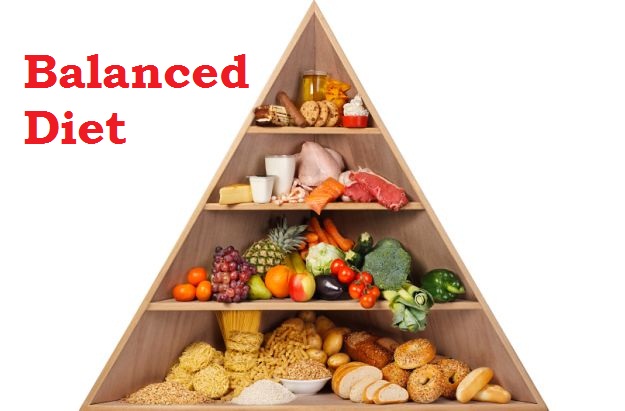
Balanced diet Definition Balanced diet is a diet which contains all the nutrients in the right amounts as required by an individual’s body needs. #Online Yoga certification Course Bangalore The general rules for making the diet balanced are Each meal should contain some food rich in proteins like pulses, egg, meat, cheese etc. Each meal should contain plenty of fruits and vegetables which are good sources of some vitamins and minerals. Food rich in energy should be eaten in amounts which will satisfy appetite and maintain correct body weight.#Best yoga blogs in India Carbohydrates These supply 70-80% of the total energy requirement of our body. They contain carbon, hydrogen and oxygen. Each of carbohydrate provides 4 kcals. They are a quick source of energy after digestion of starch and sugar. It is absorbed through the walls of the intestine and finally carried to the liver where it may be utilized or stored as glycogen. Any excess is converted to fat and stored. Hence carbohydrates and fats are referred to as ‘protein spares” Fats It contains carbon hydrogen and oxygen are made up of fatty acids. They serve as insulators, padding around organs, acts as protein spares, carries of Vit, A, D, E & K., increase palatability and satiety value of foods. Each g of fat provides 9 kcals. Sources may be animal (ghee, butter, fish oils) or vegetable (Groundnut, gingerly, mustard, safflower etc) Proteins It forms the structure of muscles, cartilage, bones, skin and also is found in tissues and body fluids Each of protein provides 4 kcals. #Online Yoga Teacher Training Bangalore Sources Animal – eggs, Milk, meat, fish Plant – Cereals, pulses, nuts, beans, oilseeds. Protein Requirement On an average protein requirement is i g / kg of body weight of a person. This requirement may increase after tissue loss or destruction to rebuild new tissue. An increase in protein requirement is seen in Growing phase of infants and childhood Destruction of tissues due to burns Wasting diseases During wound healing Pregnancy and lactation. Minerals: are trace elements which are required in small amounts but are essential for life minerals are inorganic substances like Na, K, Ca, P, Mg, I2, Fe, cobalt, cu etc Na, k help in regulation of body fluids and acid base balance. Ca helps in maintenance of neural. Muscular excitability blood coagulation and bone formation. P helps in tissue metabolism and bone formation I2, is required for synthesis of thyroid hormones Fe is incorporated in Hb molecule. Cobalt helps in formation of vit B12. Vitamins are essential for regulating the body process. They are broadly classified into two groups : Fat soluble vitamins such as A, D, E, K. Water soluble vitamins such as Vit, B1, B2, B6, Niacin, panthothenic acid, folic acid, cyanocobalamin, vitc etc. etables: Aim for a range of colors and types. They provide essential vitamins, minerals, and fiber. Proteins: Include sources like lean meats, fish, eggs, beans, and nuts. Proteins are crucial for muscle repair and growth. Grains: Choose whole grains such as brown rice, whole wheat bread, and oats. They offer fiber and important nutrients. Dairy or Alternatives: Opt for low-fat or non-dairy options like almond milk or soy milk. They provide calcium and vitamin D. Fats: Focus on healthy fats from sources like avocados, nuts, seeds, and olive oil. Limit saturated and trans fats. Staying hydrated is also key, so drink plenty of water throughout the day. If you have specific dietary needs or health conditions, it’s a good idea to consult with a nutritionist or healthcare provider. #Online Yoga teacher training course fees in Bangalore
Ayurvedic Body Types and Asana Practices
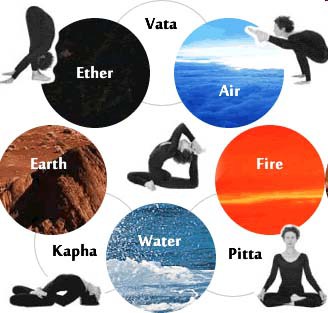
Ayurvedic Body Types and Asana Practices To understand the Asanas potentials of different people we will want to look at them according to their doşic body types #200 hour Yoga teacher training certificate course in Bangalore VATA BODY TYPE: Vata types have thin and long bones that are often weak or brittle. They have low body weight and poor development of the muscles, but a good deal of speed and flexibility. Their bone structure makes them good at bending and stretching, particularly of the arms and legs, when they are young. As they get older, however, the dry quality of Vata increases and causes them to lose mobility if they don’t exercise regularly. A gentle, slow asanas practise evenly balanced on both sides of the body is the ideal exercise for Vata types. Vatas are most in need of asanas practise because asanas alleviates accumulated Vata from the back and the bones, where it easily gets lodged. Vata diseases begin with an accumulation of the downward moving air (Apana Vayu) in the colon, which gets transferred to the bones, where it causes bone and joint problems. Väta benefits from the massaging action of asanas on the muscles and joints, which releases nervous tension and balances out the system. #Yoga course Bangalore PITTA BODY TYPE: Pitta types have an average build with a generally good development of the muscles and a looseness of the joints, which gives them a fair amount of flexibility. They are good at asanas practise but cannot do some of the more exotic poses that Vatas can do because of the shorter bones that they usually have. Pittas benefit from asanas practise to cool down the head, cool the blood, calm the heart and relieve tension. For example, Pittas tend to hypertension because of their fiery temperament that keeps them always wanting to succeed or to win. KAPHA BODY TYPE: Kaphas are typically short and stocky, gaining weight easily. With their short and thick bones they lack flexibility and cannot do poses that require flexibility like the lotus pose. Yet they are sturdy and strong and have the best endurance of the different types. Kaphas need movement and stimulation to counter their tendency to complacency and inertia. They are good at keeping a practise going for longer periods of time, once they get it going in the first place. The Ayurvedic way of performing asanas. #Yoga course Bangalore Ayurveda does not look upon asanas as fixed forms that by them either decrease or increase the dosas. It views them as vehicles for energy that can be used to help balance the dosas, if used correctly. The same is true of the ayurvedic view of food. While Ayurveda says that foods of certain tastes are more likely to increase or decrease specific dosas, it also says that we need some degree of all the tastes. So too, we need to do all the major types of asanas to some degree. It is the degree and exertion that varies with the dosas type. Each person requires a full range of exercise that deals with the full range of motion in the body. #Yoga teacher training certification course near me
Yoga for Arthritis
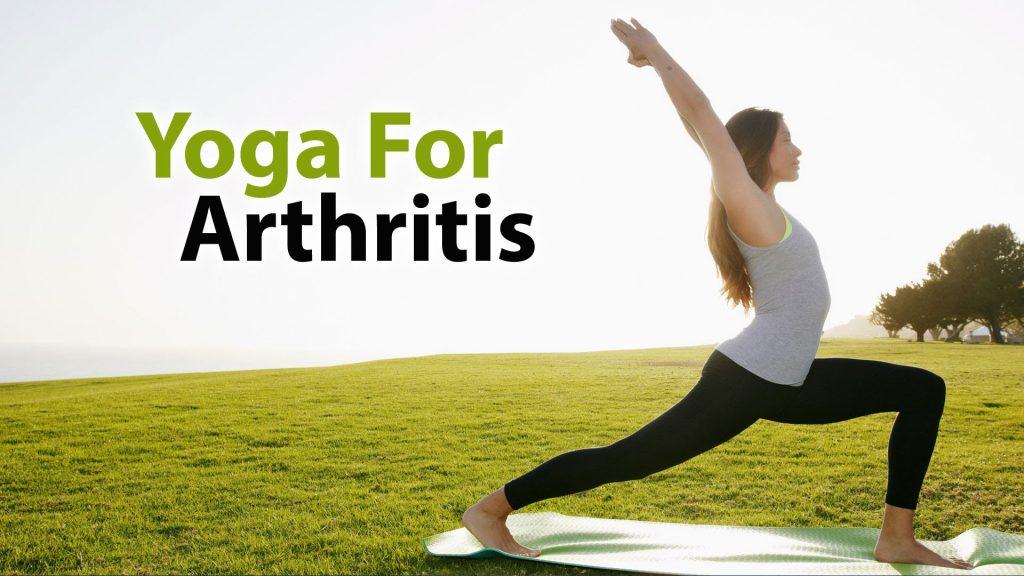
Yoga for Arthritis Inflammation of Joints is Called Arthritis Rheumatoid Arthritis It is a chronic inflammatory joint disease. In its typical form RA is a symmetrical, destructive and deforming polyarthrits affecting small and large synovial joints associated with systemic disturbance. #200 hour Yoga teacher training certificate course in Bangalore Causes Hereditary Infection Physical and emotional stress Injury #Yoga teacher training certification course near me Clinical Features Onset is insidious Joint pain Stiffness and symmetrical swelling of a number of peripheral joints Fever Weightless Profound fatigue Osteo Arthritis Degenerative joint disease which usually occur in the old age. It results from structural changes in the articular cartilage in the joints. Possible causes include Malnutrition glandular insufficiency, and continuous physical stress. #Best yoga teacher training certification courses in Bangalore Symptoms Pain and stiffness in the joints Watery eyes Dry neck leg Cramps #Yoga teacher training certificate course fees in Bangalore Yogic Practices Sithilikarna Vyayama (Loosening Exercises) Passive rotation of toes Toe Bending Ankle Bending Ankle Rotation Knee bending Knee Rotation Half butterfly Full Butterfly Waist Rotation Wrist Rotation Shoulder Rotation Neck Bending Neck Rotation #online live 200 hour yoga teacher training certificate course Bangalore Sukshma Vyayama (Strengthening Exercises) Manibandha sakti vikasak (Waist) Kara Tala Saktivikasak (Palms) Anguli Saktivikasak (Finger) Kaphoni Sakti vikasak (Elbows) Bhujabandha sakti vikasak (Arms) Kati saktivikasak (Back) Jangha sakti vikasak (Thighs) Pindali Saktividkasak (Calf) Pranayama Kapalabhati Nadishuddhi Brahmari Shatkarma Neti Kunjal Others Yoga nidra Meditation #Online 200 hour Yoga teacher training Bangalore
Asana Physiology and it’s benefits
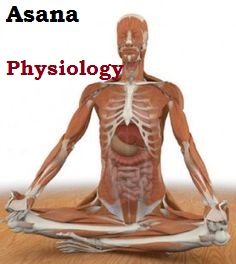
Asana Physiology and it’s benefits Physiology of Sitting Asanas All sitting asanas bring elasticity to the hips, knees, ankles, and muscles of the groin. These poses remove tension and hardness in the diaphragm and throat. Making breathing smoother and easier. They keep the spine steady, pacifying the mind and stretching the muscles of the heart. Blood circulation increases to all parts of the body. #Online 200 hour Yoga teacher training Bangalore Physiology of standing asanas Standing asanas strengthen the leg muscles and joints, and increase the suppleness and strength of the spine. Owing to their rotational and flexing movements, the spinal muscles and inter-vertebral joints are kept mobile and well aligned. The arteries of the legs are stretched, increasing the blood supply to the lower limbs, and preventing thrombosis in the call muscles. These asanas also tone the cardio-vascular system. The lateral wall of the heart is fully stretched, increasing the supply of fresh blood to the heart. Forward bends In forward bends, the abdominal organs are compressed. This has a unique effect on the nervous system as these organs relax, the frontal brain is cooled, and the flow of blood to the entire brain is regulated. Stress is removed from the organs of perception and the senses relax. The adrenal glands are also soothed and function more efficiently. Since the body is in a horizontal position in forward bends. The heart is relieved of the strain of pumping blood against gravity and blood circulates through all parts of the body easily. Forward bends also strengthen the Para spinal muscles, inter-vertebral joints and ligaments. #Online 300 hour Yoga teacher training Bangalore Physiology & benefits of Twisting Asanas These asanas teach us the importance of a healthy spine and inner body in twists, the pelvic and abdominal organs are squeezed and flushed with blood. They improve the suppleness of the diaphragam, relieve spinal, hip and groin disorders. The spine also becomes more supple and this improves the flow of blood to the spinal nerves and increases energy levels. Physiology & benefits of backward bending Asanas All back bends stimulate the central nervous system and increase its ability to bear stress. They help to relieve and prevent headaches, hypertension and nervous exhaustion. These asanas stimulate and energize the body and are invaluable to people suffering from depression. In Urdhva Dhanurasana and Vipartia Dandasana the liver and spleen are fully stretched and can therefore function more effectively. Yoga can help solve the problems of any receptive individual, whether these problems be of a physical, mental or spiritual nature and thereby, eventually, also help solve the problems of a group, society and even a nation. #Online 200 hour Yoga teacher training Bangalore
Trataka (Gazing)
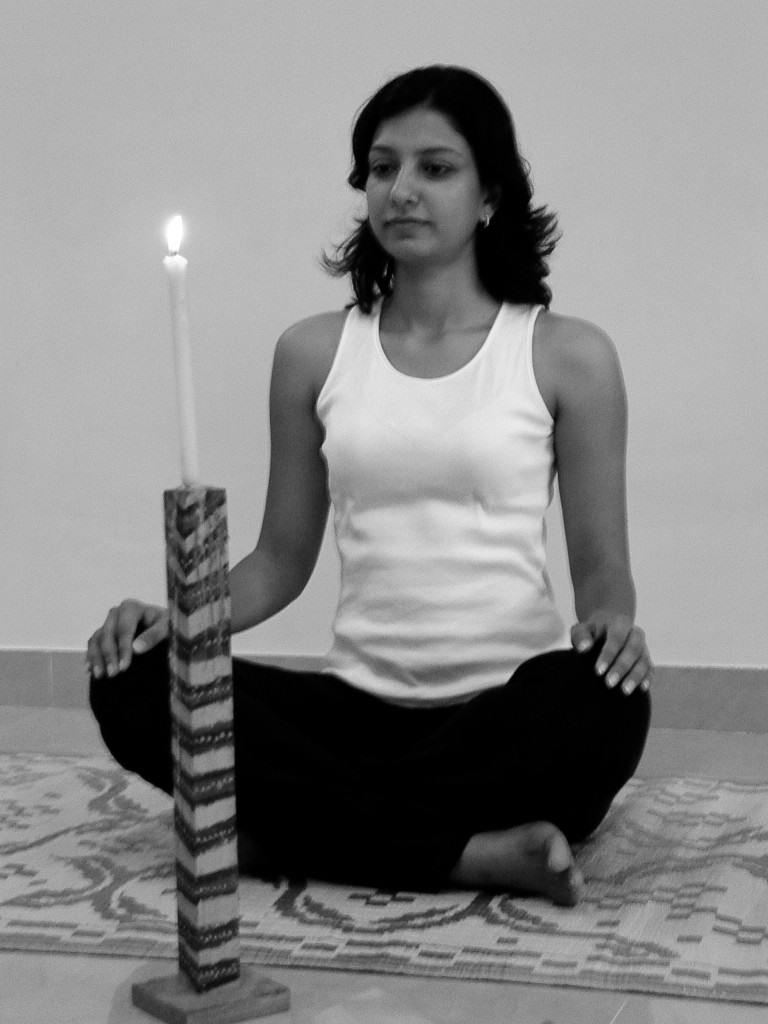
Trataka (Gazing) Gaze steadily without winking with a concentrated mind at any small object, until tears begin to flow. By this practice all diseases of the eye are removed. Unsteadiness of the mind vanishes. Sambhavi Siddhi is obtained. Will-power is developed. Clairvoyance is induced. #Online 200 hour Yoga teacher training Bangalore
Nauli
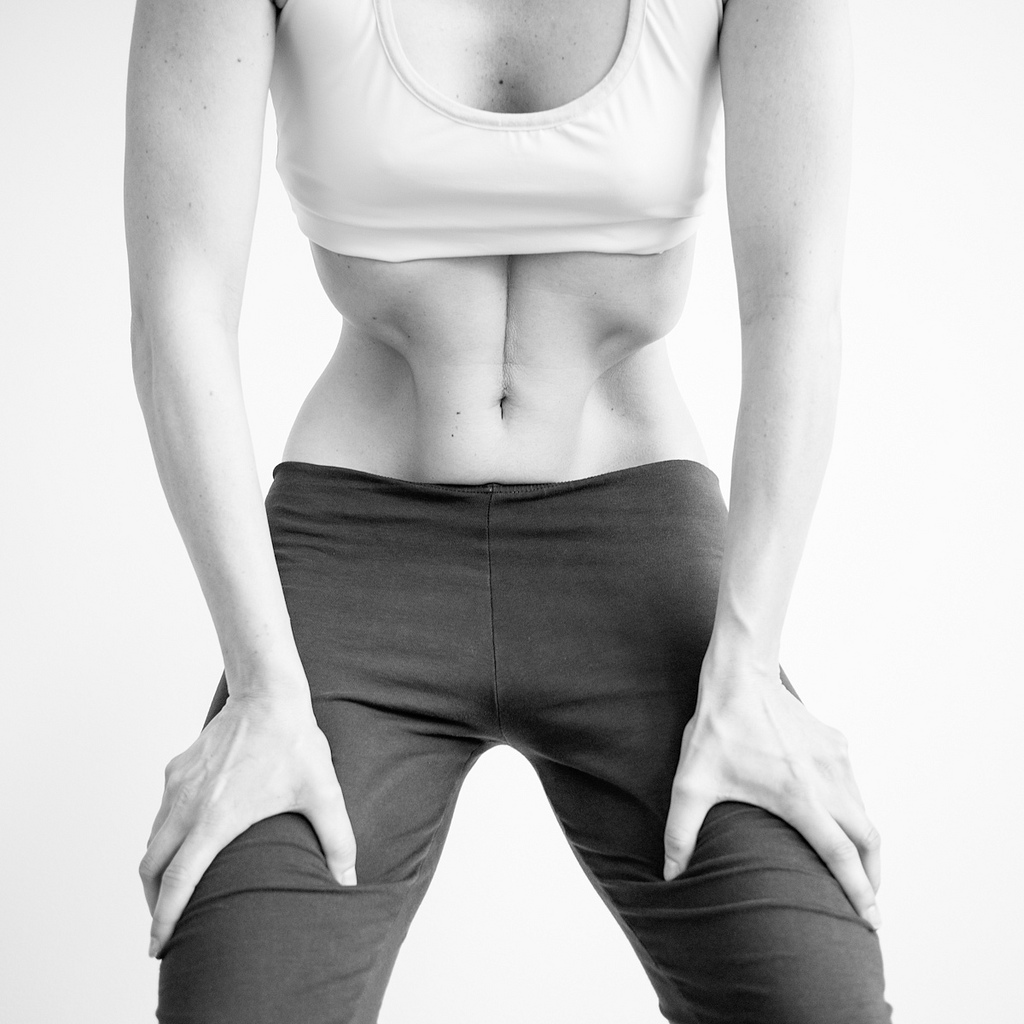
Nauli This is abdominal churning with the help of rectus muscle of the abdomen. Bend the head down. Isolate the rectus muscle and turn it from right to left and from left to right. This removes constipation, increases the digestive fire and destroys all intestinal disorders. #Online 200 hour Yoga teacher training Bangalore
Basti(Yoga course in India)
Basti This can be practised with or without a bamboo tube. But it is better to have a bamboo-tube. Sit in a tub of water covering your navel. Assume the posture Utkatasana by resting your body on the forepart of your feet, the heels pressing against the posteriors. Take a small bamboo-tube 6 fingers long and insert 4 fingers of its length into the anus after lubricating the tube with vaseline or soap or castor oil. Then contract the anus. Draw the water into the bowels slowly. Shake well the water within the bowels and then expel the water outside. It is known as Jala-Basti. It cures Pleeha, urinary disorders, Gulma, myalga, dropsy, disorders of digestion, diseases of the spleen andbowels, diseases arising from the excess of wind, bile and phlegm. This Kriya should be done in the morning when the stomach is empty. Drink a cup of milk or take your meals when the Kriya is over. This Kriya can be practised while standing in a river. There is another way of doing Basti without the help of water. It is called Sthula-Basti. Sit in Paschimottanasana on the ground and churn the abdominal and intestinal portions slowly with a downward motion. Contract the sphincter muscles. This removes constipation and all the abdominal disorders. #Online 300 hour Yoga teacher training Bangalore