
Extension, in compare with asana movement.
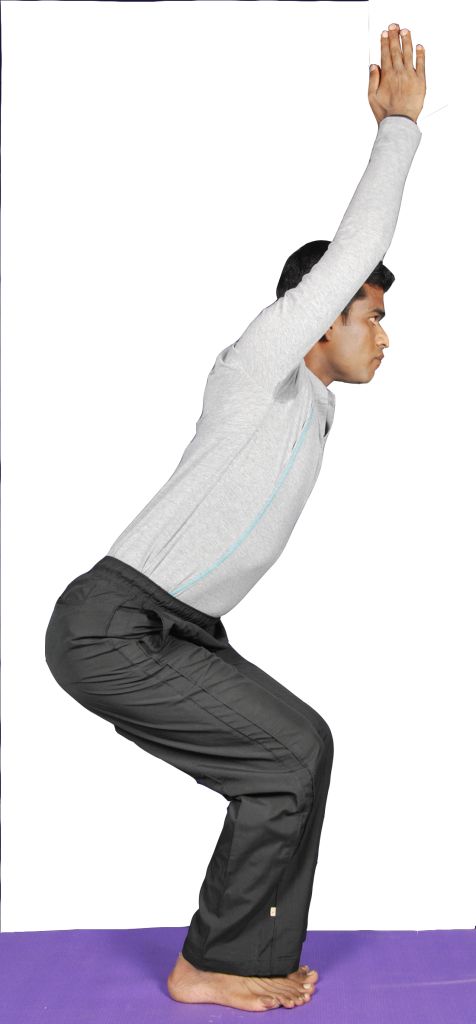
Extension is an increase in the angle of a joint. Extension of a joint makes a body part move in a backwards direction. (The knee joint is the only exception to this rule where flexion moves the lower leg backwards and extension moves the lower leg forwards.). Spinal extension is a movement that lengthens the spine upwards (axial extension) and backwards. Otherwise known as backward bends (or simply backbends) in yoga, spinal extension stretches and strengthens the spine, particularly opening up the thoracic spine and the muscles of the chest and shoulders.
term Flexion, in compare with asana movement

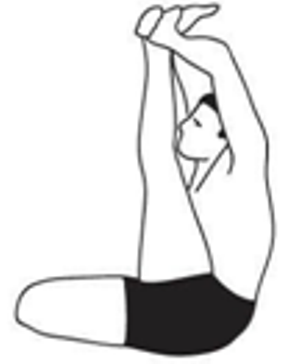
Flexion of a joint makes a body part move in a forward direction from the anatomical position. Flexion is a movement that brings the spine down and forward towards the legs, and typically stretches the posterior chain. In yoga practice, spinal flexion is another way to refer to forward bends. Cat pose and Child’s pose are postures where the spine is in flexion, and mostly rounded.
Bursae
Bursae are small fluid-filled sacs that reduce friction between moving parts in your body’s joints. Elbow bursitis is inflammation or irritation of the bursa (shown in blue) in your elbow.
Fascia
Fascia is made up of sheets of connective tissue that is found below the skin. These tissues attach, stabilize, impart strength, maintain vessel patency, separate muscles, and enclose different organs.
Ligament
A ligament is a fibrous connective tissue that attaches bone to bone, and usually serves to hold structures together and keep them stable.
Tendon

A tendon is a fibrous connective tissue that attaches muscle to bone. Tendons may also attach muscles to structures such as the eyeball. A tendon serves to move the bone or structure.
Cartilage
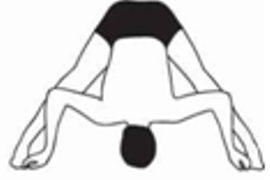
Cartilage is the main type of connective tissue seen throughout the body. It serves a variety of structural and functional purposes and exists in different types throughout our joints, bones, spine, lungs, ears and nose
Isotonic Contraction
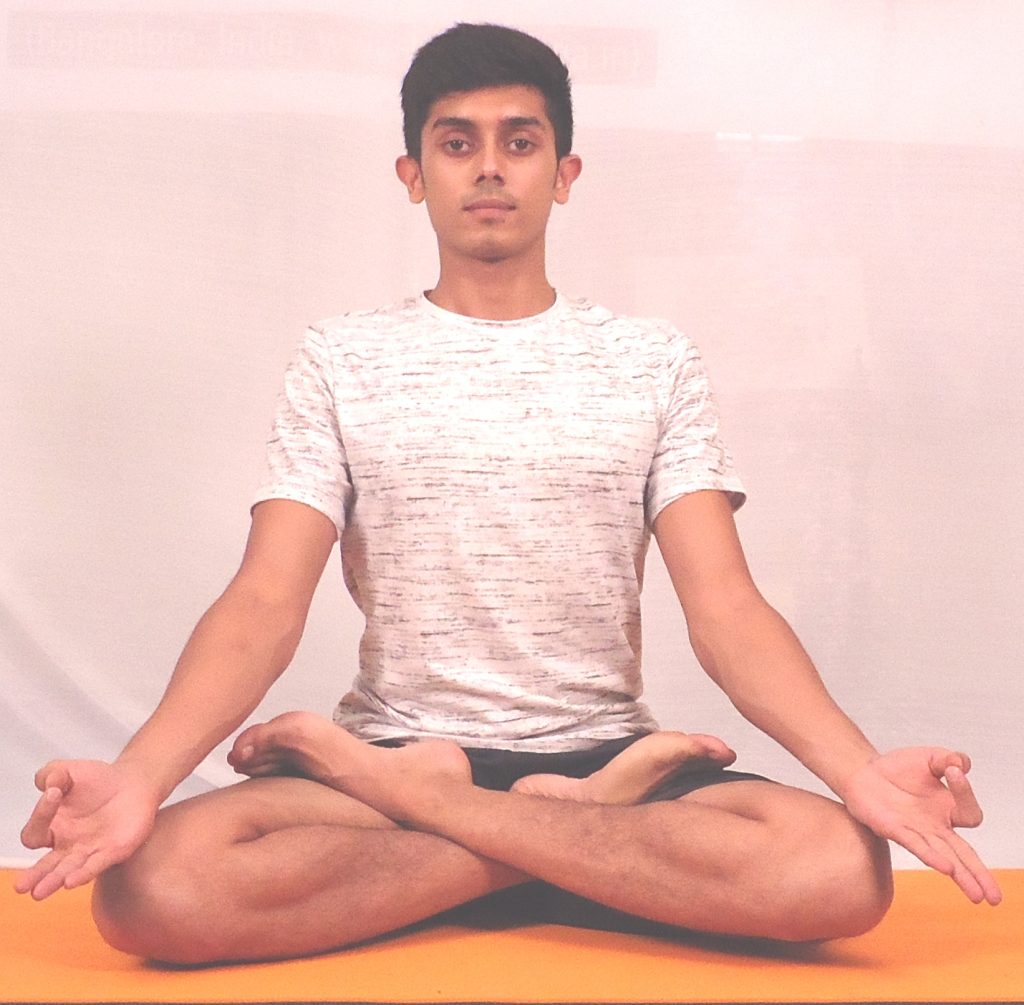
This is a contraction in which movement does take place, because the tension generated by the contracting muscle exceeds the load on the muscle. This occurs when you use your muscles to successfully push or pull an object. Example: From Hasta utthatasana to padahastasana and bridge to chakrasana. In this pose, muscle extend and then shorten while bending.
Isometric Contraction
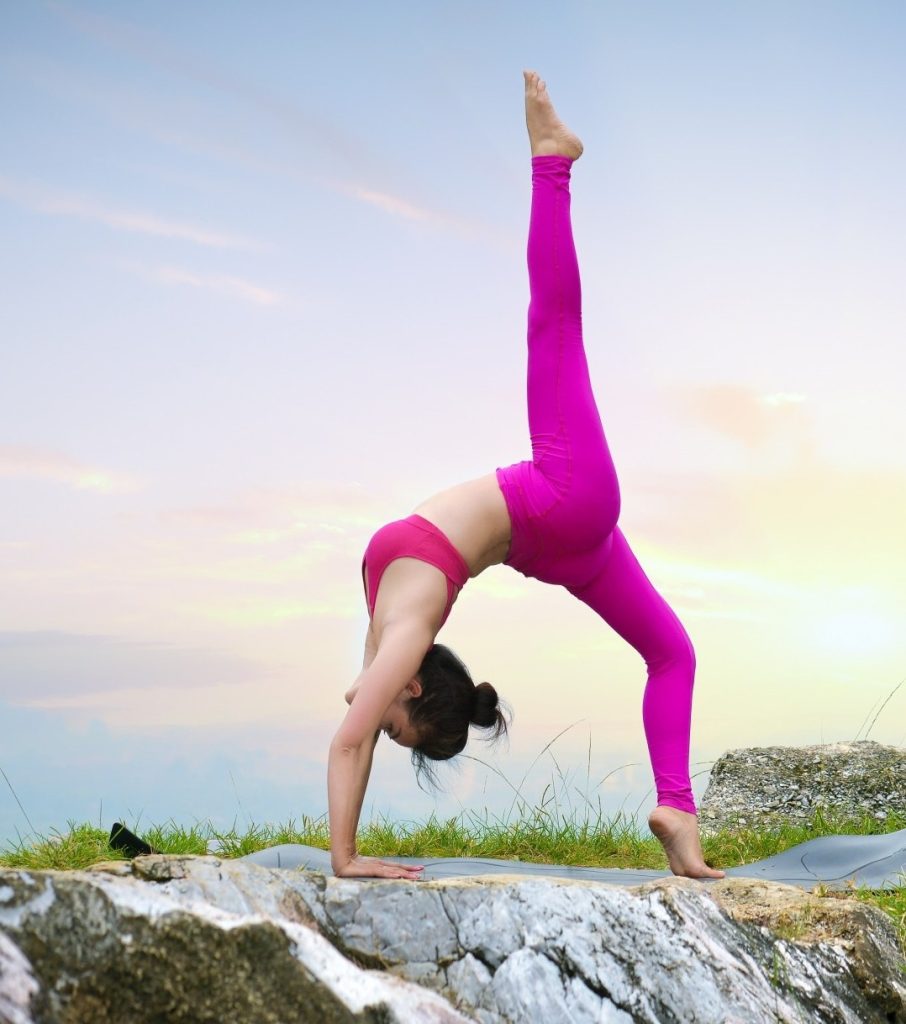
This is a contraction in which no movement takes place, because the load on the muscle exceeds the tension generated by the contracting muscle. This occurs when a muscle attempts to push or pull an immovable object. Example: Plank pose. In this pose the muscles are working, but not actively changing lengths.
anaerobic exercise and hatha yoga practices.
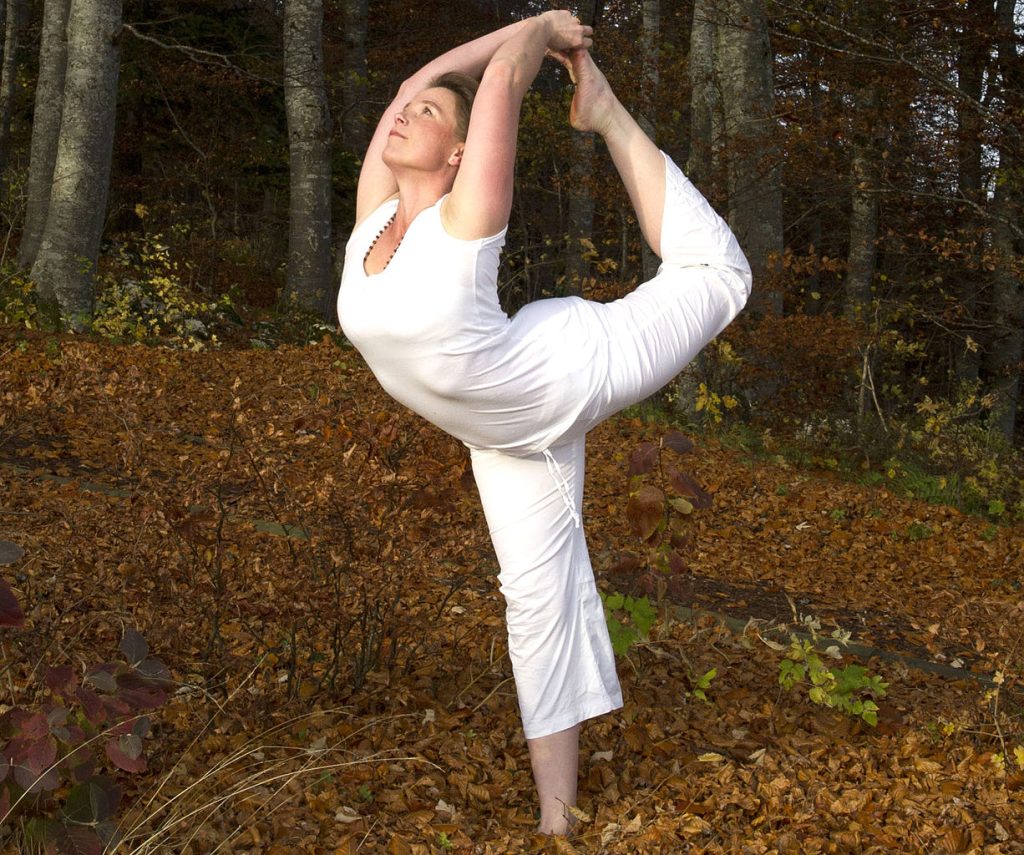
Anaerobic is performed in the absence of oxygen at a maximal intensity that can only be sustained for a short period of time due to the build up of lactic acid, e.g. sprinting. This happens without oxygen, fuel comes from muscle storage and is short, highly intense and burns fat directly. On the other hand, With the hatha yoga practice, you move your body slowly, deliberately using appropriate breathing into different poses that challenge your strength and flexibility, while at the same time focusing on relaxation and mindfulness.