
aerobic exercise and hatha yoga practices.
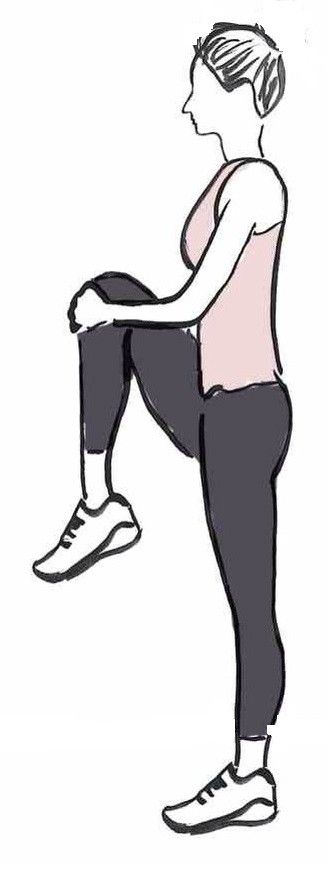
Aerobic exercise is performed in the presence of oxygen at a submaximal intensity over a prolonged period of time, e.g. rowing. Yoga is necessary to control and regulate breath, which is related to prana flow. Aerobics puts pressure on your joints and can increase the risk of joint injuries. On the other hand, yoga strengthens the bones and joints.
anaerobic hatha yoga.
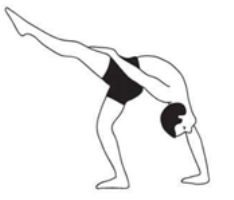
Anaerobic is performed in the absence of oxygen (It uses carbohydrate and minimal oxygen) at a maximal intensity that can only be sustained for a short period of time due to the build-up of lactic acid, e.g. sprinting. This happens without oxygen, fuel comes from muscle storage and is short, highly intense and burns fat directly. Example is weightlifting.
Aerobic hatha yoga
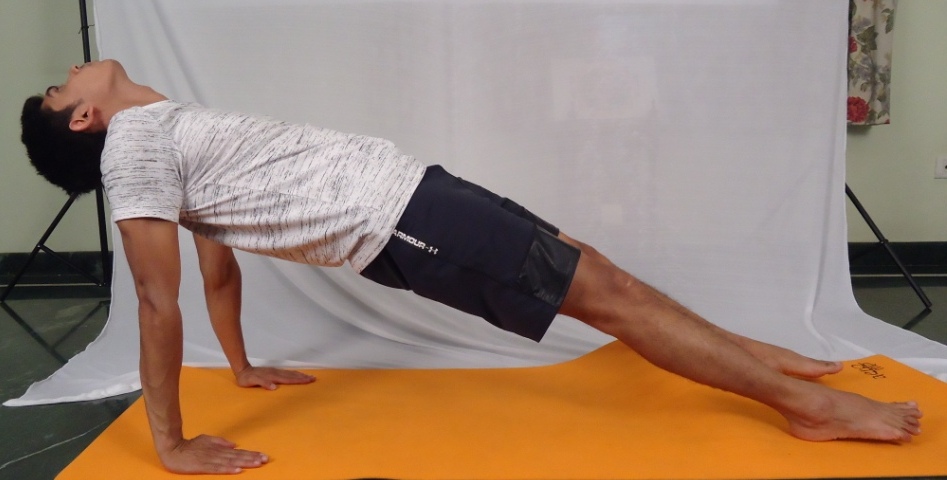
Aerobic yoga is a style of yoga in which the asanas — yoga postures — are sequenced together much faster than they ordinarily would be, in order to get the heart pumping and offer cardiovascular benefits. This takes place with oxygen where carbohydrate and oxygen are used as fuel for the first two minutes after which fat is burned. These are lower intensity activities. Dynamic sequences of Sun Salutation can be regarded as aerobic exercises.
Fast twitch muscle fiber (type -2), with hatha yoga practices

Fast twitch muscle fiber (type -2), with hatha yoga practices. These are designed for anaerobic exercise and produces large amount of force in a very short time, as they fatigue easily. Performers in power events tend to have a high percentage of fast twitch muscle fibres. Example, Vinyasa
slow twitch muscle fiber (type -1), with respective hatha yoga style.

slow twitch muscle fiber (type -1), with respective hatha yoga style. A type of muscle fibre associated with aerobic work. It produces a small force over a long period of time: high resistance to fatigue. It is suited to endurance-based activities, e.g., marathon running. Example, traditional hatha yoga (Sivananda & Iyengar)
How muscles are communicating towards brain.

The motor neurons release a chemical, which is picked up by the muscle fibre. This tells the muscle fibre to contract, which makes the muscles move. Neurons carry messages from the brain via the spinal cord. These messages are carried to the muscles which tell the muscle fibre to contract, which makes the muscles move.
major skeletal muscles.
major skeletal muscles. Coracobrachialis Biceps brachii Quadriceps femoris Triceps brachii Anconeus Pronator teres Flexor carpi radialis Palmaris longus Thyroarytenoid Rotatores
benefits of hatha yoga practices on respiratory system
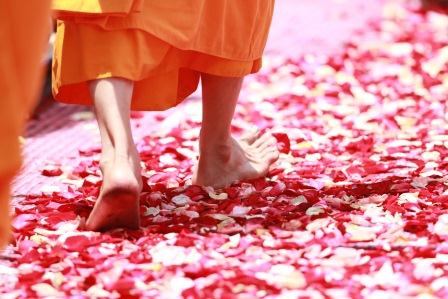
general benefits of hatha yoga practices on respiratory system. Practice of hatha yoga which is a combination of asanas (physical postures) and Pranayama (Yogic breathing exercises) provides a sense of equilibrium to the body, mind and soul and is vital for the smooth functioning of the respiratory system.
Why we should breathe in nose
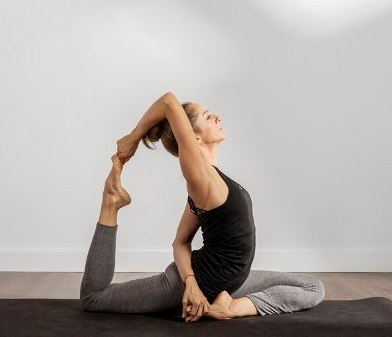
Why we should breathe in nose, why not in mouth. Nose breathing is more beneficial than mouth breathing. Breathing through your nose can help filter out dust and allergens, boost your oxygen uptake, and humidify the air you breathe in. Mouth breathing, on the other hand, can dry out your mouth. This may increase your risk of bad breath and gum inflammation.
Why we should breathe.
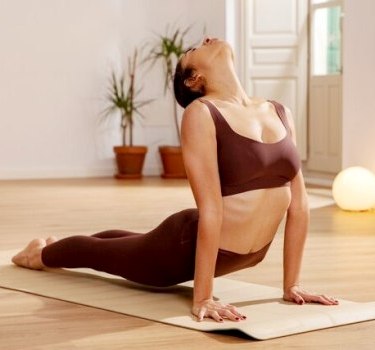
Breathing not only provide your body with necessary oxygen, but it also removes the waste like carbon dioxide. To get rid of carbon dioxide, your blood delivers it to the capillaries surrounding your alveoli. In the alveoli, the carbon dioxide moves into the lungs, where it leaves the body when you exhale.