
Gaseous Exchange
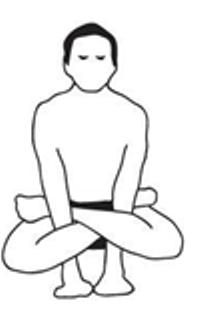
The transfer of gases between an organism and the external environment in either direction. It occurs by diffusion across a concentration gradient and includes the exchange of oxygen and carbon dioxide in respiration and photosynthesis. Successful gaseous exchange requires a large surface area, as is provided by the alveoli of the lungs and the leaves of plants.
Retraction in asana movement
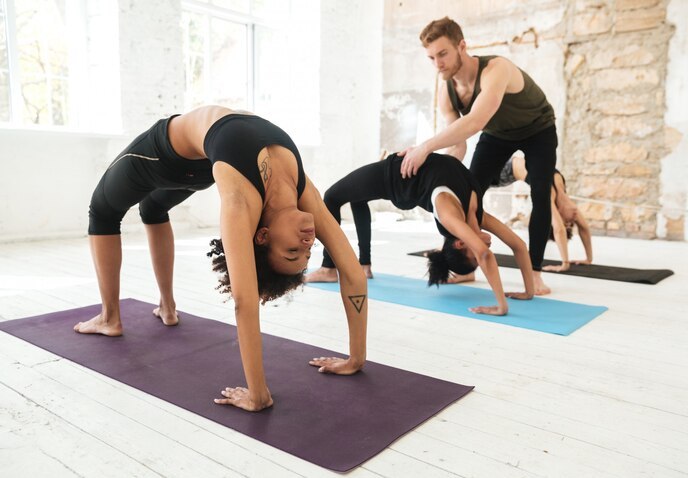
Moving the scapula toward the spine, also called scapular adduction or pulling the mandible backward. When you draw your shoulder blades together, it’s a retraction, and when they are apart, it’s protraction. With protraction, you can think about cat pose or plank, you want to pull the shoulder blades away from each other. For retraction think about cobra pose, lifting the chest as the shoulder blades draw in to touch.
Protraction in asana movement
Explain term Protraction, in compare with asana movement. Moving the scapula away from the spine, also called scapular abduction or jutting the mandible forward. When having understood this action, it can be easily applied in poses like Phalakasana (Plank Pose), Uttanasana (Standing Forward Fold Pose), Paschimottanasana (Seated Forward Fold Pose), and some similar poses where although the shoulders are away from the ears, the shoulder blades move away from each other.
Lateral rotation (external rotation), in asana movement
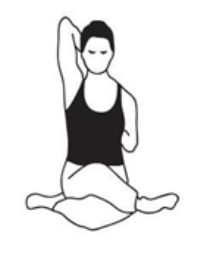
Explain term Lateral rotation (external rotation), in compare with asana movement. Lateral rotation is rotating away from the midline. An external rotation is when the head of the femur, or thigh bone, moves outwards from our centre line. These are poses we do a lot in a yoga class: warrior 2, triangle pose, extended side angle pose, tree pose, half-moon pose… and of course seated poses such as cross-legged or lotus and any of those leg variations including pigeon pose.
Medial rotation (internal rotation), in asana movement
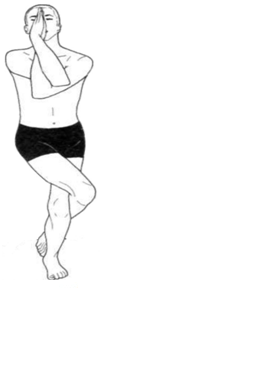
Explain term Medial rotation (internal rotation), in compare with asana movement. Medial rotation is rotating toward the midline. Medial rotation is a term describing a specific anatomical motion. The term medial in anatomy refers to moving closer to the median plane, or central vertical divider, of the body. Thus, a medial rotation is the movement of a limb or muscle group toward the center of the body. Internal (medial) Rotation – as if the fronts of the inner thighs are moving towards each other – Hero’s pose when sitting between the heels.
Lateral flexion in asana movement.
Lateral flexion is a movement that bends the body to the right or left side. It helps to open up the side-body, strengthens the obliques, and is helpful in increasing flexibility of the spine. Lateral flexion also opens up the ribcage, helping to expand the lungs and aid in deeper breathing. As with spinal flexion and extension, there is potential to compress the lower back when moving into lateral flexion. It is therefore important to create length (axial extension) before bending the body to the side.
Pronation in asana movement
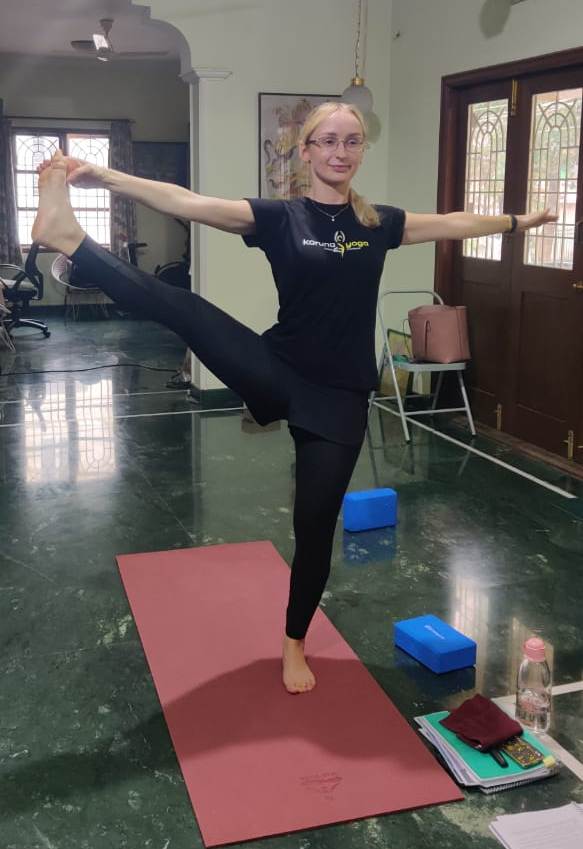
Turning the palms of the hands downward, or walking on the inside edge of the foot. Pronation describes a rotational movement of the forearm that results in the palm facing posteriorly (when in the anatomic position). Supination describes the motion of turning the palm anteriorly
Supination in asana movement.
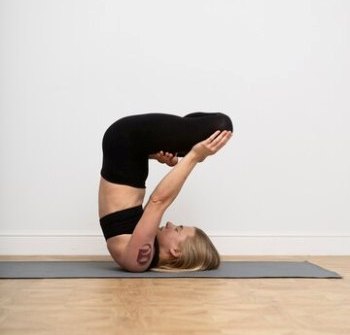
Turning the palms of the hands upward, or walking on the outer edge of the foot. Supine means lying in a faceup position. It is the opposite of prone, which is lying face down. Similarly, supination means to turn a hand, foot, or limb upward, whereas pronation refers to turning them downward.
Adduction, in asana movement.

Adduction of a joint makes a body part move towards the midline of the body. For instance, adduction happens when we move the thigh toward or beyond the midline of the body. It’s what you might refer to as “squeezing the inner thighs.” Coming into Garudasana or Eagle pose is an example of hip adduction.
Abduction, in asana movement.
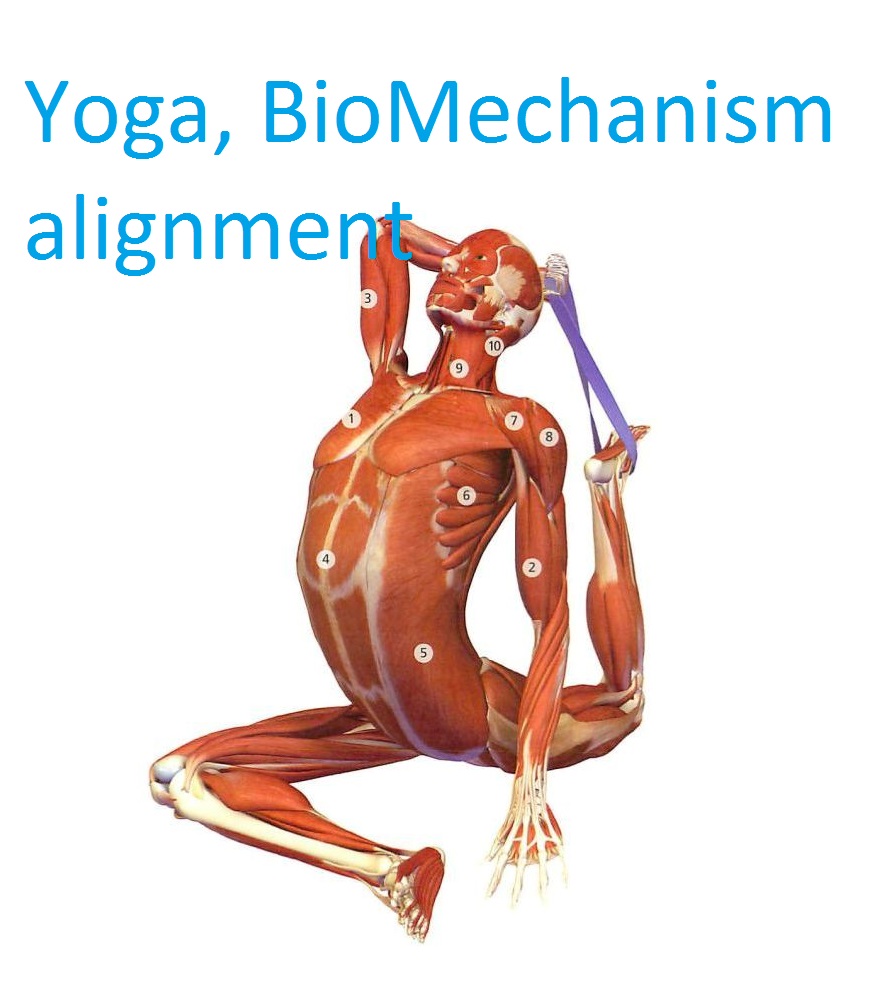
Abduction of a joint makes a body part move away from the midline of the body in the anatomical position. For instance, abduction is the term used for the movement made, and not for the position of the hands at a particular point. Same goes with the legs: Moving of the legs away from the midline, as one spreads one’s legs out to any possible degree is known as abduction of the legs.