
Introduction
Yin Yoga is a contemplative and therapeutic style of yoga that emphasizes stillness, passive stretching, and prolonged holds. Unlike dynamic yoga practices that focus on muscular engagement, Yin Yoga targets the deeper layers of the body—connective tissues such as fascia, ligaments, tendons, and joints. Through sustained postures and mindful breathing, Yin Yoga enhances flexibility, joint health, and energetic balance while fostering a meditative state.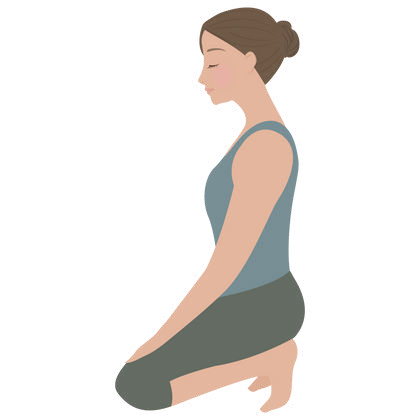
Among the most intense yet beneficial postures in Yin Yoga is Toe Squat Pose, a deceptively simple position that profoundly affects the feet, ankles, and lower body. Despite its minimal outward appearance, Toe Squat Pose can be deeply challenging due to the concentration of nerve endings and connective tissue in the feet.
The feet are often neglected in modern lifestyles dominated by footwear and limited natural movement. Toe Squat Pose restores mobility, strength, and awareness in this foundational part of the body. Additionally, from an energetic perspective, the pose stimulates several important meridians that begin or end in the feet, influencing overall vitality and organ function.
This essay provides a detailed exploration of Toe Squat Pose, including its technique, anatomical and physiological effects, energetic influences, contraindications, and benefits.
Understanding Toe Squat Pose
Toe Squat Pose is performed by sitting back on the heels while the toes are tucked under. The toes are flexed, and the weight of the body applies pressure to the plantar fascia and toe joints.
In Yin Yoga, the emphasis is not on muscular effort but on allowing the body to settle into the posture and experience deep sensations. Toe Squat Pose is particularly known for its intensity, especially for beginners, as it stretches the soles of the feet and stimulates numerous pressure points.
The pose is both grounding and invigorating, creating a strong connection between the body and the earth.
Toe Squat Pose is a powerful yet often underestimated posture in Yin Yoga. By targeting the feet—our foundation—it influences the entire body, from physical alignment to energetic balance.
Through consistent practice, Toe Squat Pose enhances flexibility, strengthens connective tissues, and stimulates vital meridians. It also fosters patience, mindfulness, and resilience, making it a valuable tool for both physical and mental well-being.
Ultimately, Toe Squat Pose embodies the essence of Yin Yoga: stillness, surrender, and deep awareness, guiding practitioners toward greater harmony within themselves.
Getting Into the Pose
Entering Toe Squat Pose requires patience and careful alignment to avoid strain.
- Starting Position
Begin in a kneeling position with the knees on the mat and the spine upright. - Tucking the Toes
Curl the toes under so that the balls of the feet and toes press into the mat. Ensure all toes are tucked evenly. - Lowering the Hips
Slowly shift the hips back toward the heels, placing weight onto the toes. - Finding Balance
Sit upright, keeping the spine neutral. Hands can rest on the thighs or on the floor for support. - Adjusting the Intensity
If the sensation is too strong, lean forward slightly to reduce pressure. - Relaxation and Stillness
Once in the pose, relax the body as much as possible. Maintain slow, steady breathing and observe sensations.
The key is to approach the pose gradually, allowing the tissues of the feet to adapt.
Coming Out of the Pose
Exiting Toe Squat Pose should be done slowly due to the intensity in the feet.
- Lean Forward
Place the hands on the floor and shift the weight forward. - Release the Toes
Untuck the toes gently and bring the tops of the feet to the mat. - Sit Back or Lift Up
Return to a kneeling position or sit back on the heels with the feet flat. - Rebound Phase
Sit quietly and observe sensations in the feet, ankles, and legs. - Optional Movement
Gently shake or circle the feet to restore circulation.
The rebound phase is an essential component of Yin Yoga, allowing energy and blood flow to normalize.
Counterposes
Counterposes help neutralize the intense stretch and restore balance.
- Ankle Stretch (Pointing the Toes)
Sit back with the tops of the feet on the floor to stretch the front of the ankles. - Child’s Pose (Balasana)
Relaxes the feet and lower body. - Cat-Cow Movements
Restores mobility in the spine and legs. - Seated Forward Fold
Gently stretches the legs and feet. - Foot Massage or Rolling
Using a ball or hands to release tension in the soles.
These counterposes provide relief and integration after the intensity of Toe Squat Pose.
Meridians and Organs Affected
Primary Meridians Stimulated
- Kidney Meridian
- Liver Meridian
- Stomach Meridian
- Spleen Meridian
- Bladder Meridian
The feet are rich in meridian points, making Toe Squat Pose highly effective for stimulating energy flow.
Organs Affected
- Kidneys
- Liver
- Stomach
- Spleen
- Bladder
The stimulation of these meridians supports digestion, detoxification, and overall vitality.
Joints Affected
- Toe Joints (Metatarsophalangeal Joints)
Deep flexion occurs. - Ankle Joints
Experience strong dorsiflexion. - Knee Joints
Remain in flexion and bear body weight. - Subtalar Joint
Stabilizes the foot. - Arches of the Foot
Are compressed and stretched.
Recommended Hold Times
- Beginners: 30 seconds to 1 minute
- Intermediate: 1–3 minutes
- Advanced: 3–5 minutes
Due to the intensity, shorter holds are often sufficient.
Contraindications
- Foot Injuries
Avoid if there are fractures, sprains, or severe plantar fasciitis. - Toe or Nail Issues
May cause discomfort or aggravation. - Ankle Problems
Limited mobility may increase strain. - Knee Pain
Modify with support. - Severe Arthritis
May require avoidance or modification.
Modifications
- Place a blanket under the knees
- Use hands for support
- Reduce weight on the toes
- Practice one foot at a time
Benefits of Toe Squat Pose
Physical Benefits
- Improves Foot Flexibility
Enhances mobility in the toes and arches. - Strengthens the Feet
Builds resilience in connective tissues. - Relieves Plantar Fascia Tension
Helps prevent foot pain. - Enhances Balance and Stability
Improves proprioception. - Supports Posture
Healthy feet contribute to alignment.
Mental and Emotional Benefits
- Builds Mental Resilience
Teaches patience and tolerance of discomfort. - Encourages Mindfulness
Focuses attention on subtle sensations. - Promotes Grounding
Strengthens connection to the earth.
Energetic Benefits
- Stimulates Energy Flow
Activates multiple meridians. - Balances Internal Organs
Supports organ health. - Enhances Vital Energy (Qi)
Improves overall vitality.
Anatomy and Physiology
Muscles Involved
- Intrinsic Foot Muscles
- Flexor Digitorum Longus and Brevis
- Flexor Hallucis Longus
- Tibialis Posterior and Anterior
These muscles are stretched and activated.
Connective Tissue Focus
Toe Squat Pose targets:
- Plantar fascia
- Ligaments of the foot
- Tendons of the toes
This improves elasticity and strength.
Joint Mechanics
- Toe flexion
- Ankle dorsiflexion
- Knee flexion
These movements enhance joint health.
Nervous System Effects
The feet contain numerous nerve endings. Toe Squat Pose:
- Stimulates sensory receptors
- Enhances neural communication
- Promotes relaxation after initial intensity
Circulatory Effects
- Improves blood flow to the feet
- Enhances lymphatic drainage
- Supports tissue nourishment
Fascial System
The plantar fascia connects to the posterior chain. Stretching it affects:
- Calves
- Hamstrings
- Lower back
This creates a holistic effect.
Respiratory and Systemic Effects
The intensity of the pose encourages:
- Deep breathing
- Relaxation response
- Improved oxygenation
Psychological and Meditative Aspects
Toe Squat Pose is often described as a “teacher of patience.” The intensity may trigger discomfort, requiring practitioners to:
- Stay present
- Observe sensations without reaction
- Cultivate inner calm
This builds emotional resilience and mindfulness.
Integration into Practice
Toe Squat Pose can be incorporated:
- At the beginning to awaken the feet
- Mid-practice for grounding
- Before meditation to enhance awareness
It pairs well with hip openers and forward folds.