
Introduction
Yin Yoga is a slow, introspective style of yoga that emphasizes passive stretching, long-held postures, and mindful awareness. Unlike more dynamic or Yang styles of yoga, Yin Yoga focuses on the deeper connective tissues—ligaments, fascia, joints, and bones—rather than muscular strength and flexibility. By holding poses for extended periods, Yin Yoga encourages the gradual release of tension, improves joint mobility, and enhances energetic balance within the body.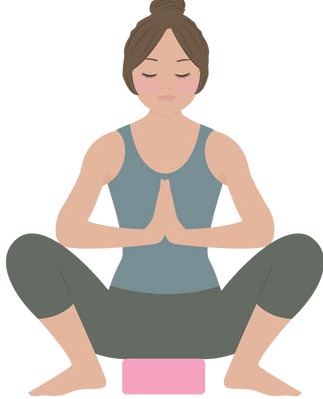
One of the most fundamental and functional postures in Yin Yoga is Squat Pose, often referred to as Malasana in traditional yoga practice. While commonly practiced in a dynamic context, Squat Pose in Yin Yoga is approached differently: it is held passively for longer durations to access the deeper structures of the hips, ankles, and lower spine.
Squat Pose is a natural human posture, deeply rooted in daily activities such as resting, eating, and elimination in many traditional cultures. However, modern lifestyles—particularly prolonged sitting in chairs—have reduced our ability to squat comfortably. Yin Squat Pose helps restore this essential movement pattern, promoting mobility, stability, and overall health.
Understanding Squat Pose in Yin Yoga
In a Yin context, Squat Pose is not about achieving a perfect or deep squat through muscular effort. Instead, it involves settling into the posture with support, allowing gravity to gently stress the connective tissues of the lower body. The focus is on stillness, breath awareness, and observing sensations over time.
The pose primarily targets the hips, ankles, knees, and lower spine, making it a powerful posture for improving functional mobility and joint health.
Squat Pose is a fundamental Yin Yoga posture that offers profound physical, energetic, and psychological benefits. By targeting the hips, knees, ankles, and digestive organs, it supports functional movement, joint health, and overall well-being.
Through mindful practice, Squat Pose becomes more than a physical posture—it becomes a meditative experience that fosters awareness, patience, and inner balance. By respecting the body’s limits and embracing stillness, practitioners can unlock the full potential of this powerful pose.
Ultimately, Squat Pose embodies the essence of Yin Yoga—grounding, surrender, and mindful presence, guiding practitioners toward greater harmony in body and mind.
Getting Into the Pose
Entering Squat Pose requires careful attention to alignment and individual limitations.
- Starting Position
Begin by standing upright with your feet slightly wider than hip-width apart. Turn the toes slightly outward to accommodate the natural angle of the hips. - Lowering into the Squat
Slowly bend your knees and lower your hips toward the floor. Allow the pelvis to descend naturally, keeping the chest lifted. - Foot Placement
Ideally, the heels remain grounded. If the heels lift off the floor, place a folded blanket or block underneath them for support. - Knee Alignment
Ensure that the knees track in the same direction as the toes to avoid strain. - Arm Position
Bring the palms together in front of the chest (Anjali Mudra) and gently press the elbows against the inner knees to open the hips. Alternatively, rest the hands on the floor or use props for balance. - Spinal Alignment
Keep the spine as upright as possible, avoiding excessive rounding or collapsing. - Settling into Stillness
Once in the pose, relax the muscles and allow the body to settle. Close the eyes or soften the gaze, focusing on slow, steady breathing.
In Yin Yoga, the emphasis is on finding a comfortable edge and allowing time to deepen the posture naturally.
Coming Out of the Pose
Exiting Squat Pose should be done slowly to protect the joints and prevent dizziness.
- Prepare to Rise
Bring your hands to the floor or onto your thighs for support. - Engage the Legs Gently
Slowly begin to straighten the knees, lifting the hips upward. - Return to Standing
Come back to a standing position gradually, allowing the blood pressure to stabilize. - Pause and Observe
Take a moment to notice the sensations in the legs, hips, and spine.
Sudden movements should be avoided, especially after holding the pose for an extended period.
Counterposes
Counterposes help neutralize the effects of Squat Pose and restore balance in the body.
- Standing Forward Fold (Uttanasana)
Gently stretches the posterior chain and releases the lower back. - Legs-Up-the-Wall Pose
Encourages circulation and relaxation. - Seated Forward Fold
Provides a calming stretch for the spine and hamstrings. - Gentle Backbend (e.g., Sphinx Pose)
Balances the forward flexion of the squat. - Shaking the Legs
Promotes circulation and releases residual tension.
These counterposes are essential for integrating the effects of the posture.
Meridians and Organs Affected
In Yin Yoga, Squat Pose strongly stimulates the meridians that run through the lower body.
Primary Meridians Stimulated
- Stomach Meridian
- Spleen Meridian
These meridians run along the front and inner legs and are deeply affected by the compression and stretch in Squat Pose.
Secondary Meridians
- Kidney Meridian
- Liver Meridian
Organs Affected
- Digestive organs (stomach, intestines)
- Spleen and pancreas
- Kidneys
- Reproductive organs
The compression of the abdominal region stimulates digestion and enhances organ function, while the stimulation of meridians promotes the flow of energy (Qi).
Joints Affected
Squat Pose places significant stress on multiple joints:
- Hip Joints
Deep flexion and external rotation. - Knee Joints
Flexion under load; proper alignment is essential. - Ankle Joints
Dorsiflexion is heavily emphasized. - Sacroiliac Joint (SI Joint)
Mild involvement contributes to pelvic mobility. - Lumbar Spine
Slight flexion depending on posture.
The pose improves joint health by stimulating synovial fluid production and enhancing mobility.
Recommended Hold Times
In Yin Yoga, Squat Pose is held for extended periods:
- Beginners: 1–2 minutes
- Intermediate: 3–5 minutes
- Advanced: 5–10 minutes
The duration should always be guided by comfort and breath awareness.
Contraindications
Squat Pose requires caution in certain conditions:
- Knee Injuries
Deep flexion may aggravate pain. - Ankle Stiffness or Injury
Limited dorsiflexion may cause strain. - Hip Replacement
Requires professional guidance. - Lower Back Issues
Poor alignment may increase discomfort. - Pregnancy
Deep squatting may not be suitable in later stages.
Modifications
- Use blocks or a bolster under the hips
- Elevate the heels
- Hold onto a support for balance
- Reduce depth of the squat
Listening to the body is crucial to prevent injury.
Benefits of Squat Pose
Physical Benefits
- Improves Hip Mobility
Opens the hips and increases range of motion. - Enhances Ankle Flexibility
Strengthens and mobilizes the ankles. - Supports Digestive Health
Stimulates abdominal organs. - Strengthens Connective Tissue
Enhances resilience of ligaments and fascia. - Promotes Functional Movement
Restores a natural human posture.
Mental and Emotional Benefits
- Encourages Grounding
Connects the body to the earth. - Reduces Stress
Activates the parasympathetic nervous system. - Enhances Mindfulness
Promotes awareness of breath and sensation.
Energetic Benefits
- Stimulates Digestive Energy
Supports metabolism and nourishment. - Balances Lower Body Energy
Promotes stability and grounding. - Enhances Vitality
Improves overall energy flow.
Anatomy and Physiology
Muscles Involved
Although Yin Yoga minimizes muscular effort, the following muscles are affected:
- Quadriceps
- Hamstrings
- Gluteal Muscles
- Calf Muscles (Gastrocnemius and Soleus)
- Hip Adductors
These muscles are passively stretched or gently engaged.
Connective Tissue Focus
Squat Pose targets:
- Ligaments around the knees and hips
- Fascia in the lower body
- Joint capsules
The sustained stress improves elasticity and resilience.
Joint Mechanics
The pose involves:
- Deep hip flexion
- Knee flexion
- Ankle dorsiflexion
This combination promotes joint health and functional mobility.
Nervous System Effects
The long hold activates the parasympathetic nervous system, leading to:
- Reduced heart rate
- Lower stress levels
- Enhanced relaxation
Digestive System Effects
The compression of the abdomen:
- Stimulates peristalsis
- Improves digestion
- Enhances elimination
Fascial System
Fascia responds to sustained stretching by:
- Releasing tension
- Improving hydration
- Enhancing mobility
Circulatory Effects
Squat Pose improves:
- Blood circulation in the lower body
- Lymphatic drainage
- Tissue nourishment
Psychological and Meditative Aspects
Squat Pose can be both physically and mentally challenging:
- Encourages patience and acceptance
- Develops mental resilience
- Promotes introspection
The stillness allows practitioners to observe sensations and emotions without judgment.
Integration into Practice
Squat Pose can be included:
- At the beginning to warm up the lower body
- Mid-practice for deep hip work
- Before meditation for grounding
It pairs well with forward folds and gentle backbends.