
Introduction
Yin Yoga is a slow, meditative form of yoga that emphasizes passive stretching and long-held postures to target the deeper connective tissues of the body, including fascia, ligaments, joints, and bones. Unlike dynamic or Yang yoga practices that focus on muscular engagement and movement, Yin Yoga encourages stillness, surrender, and introspection. It provides a unique opportunity to cultivate patience, awareness, and deep relaxation.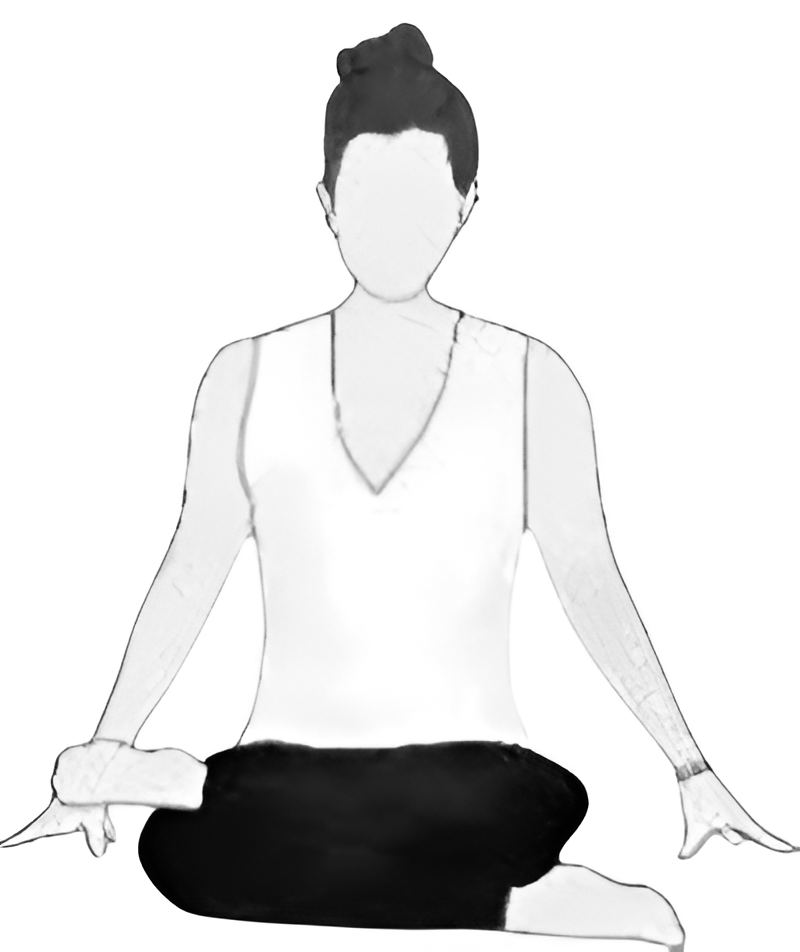
One of the most effective hip-opening postures in Yin Yoga is Square Pose, commonly referred to as Fire Log Pose or Double Pigeon Pose. This posture is designed to create a deep external rotation in the hips and a sustained stretch in the gluteal region. Square Pose is highly valued in Yin Yoga for its ability to access dense connective tissues around the hips and pelvis, areas where physical tension and emotional stress are often stored.
This essay explores Square Pose in detail, including its execution, anatomical and physiological effects, energetic implications, contraindications, benefits, and its integration into a Yin Yoga practice.
Square Pose is a powerful Yin Yoga posture that provides deep access to the hips, both physically and energetically. Its ability to target connective tissues, stimulate meridians, and encourage emotional release makes it an essential component of Yin Yoga practice.
Through mindful practice, Square Pose helps improve flexibility, enhance joint health, and promote inner stillness. By respecting the body’s limits and embracing the meditative nature of the pose, practitioners can experience profound physical and psychological transformation.
Ultimately, Square Pose embodies the essence of Yin Yoga—patience, surrender, and awareness, guiding practitioners toward balance, resilience, and self-discovery.
Understanding Square Pose
Square Pose derives its name from the alignment of the legs, which ideally form a “square” shape when viewed from the front. Each shin is stacked parallel to the edge of the mat, with one leg placed on top of the other. While the full expression of the pose may appear symmetrical and structured, many practitioners require modifications due to tightness in the hips.
In Yin Yoga, Square Pose is not about achieving a perfect shape but about finding an appropriate level of stress in the connective tissues of the hips and allowing time for gradual release.
Getting Into the Pose
Entering Square Pose requires patience and sensitivity to the body’s limits, particularly in the hip joints.
- Starting Position
Begin in a seated position on the mat with both legs extended forward (Staff Pose). - Positioning the Bottom Leg
Bend one knee and bring the shin parallel to the front edge of the mat. The foot is flexed to protect the knee joint. - Stacking the Top Leg
Bend the other knee and place the shin directly on top of the bottom leg. Ideally, the top ankle rests over the bottom knee, and the top knee aligns over the bottom ankle. - Adjusting Alignment
Both shins should be parallel, creating a stacked “square” shape. However, if this is not accessible, allow space between the legs or place props for support. - Spinal Position
Sit upright initially, lengthening the spine. This position already provides a significant stretch. - Forward Fold (Optional)
For a deeper stretch, gently hinge forward from the hips, keeping the spine long. Rest the hands or forearms on the floor or on props. - Settling into Stillness
Once in the pose, relax the muscles around the hips and allow gravity to gradually deepen the stretch. Close the eyes and focus on slow, steady breathing.
The key in Yin Yoga is to find the “edge”—a place of mild to moderate sensation without pain—and remain still.
Coming Out of the Pose
Exiting Square Pose should be done slowly to avoid strain, especially in the knees and hips.
- Return to Upright Position
If folded forward, gently lift the torso back to an upright position. - Release the Top Leg
Carefully remove the top leg and extend it forward. - Release the Bottom Leg
Extend the bottom leg and shake out both legs gently. - Pause and Observe
Take a moment to notice the sensations in the hips and legs before switching sides. - Repeat on the Other Side
Practice the pose with the opposite leg on top to maintain balance.
Counterposes
Counterposes help neutralize the hips and restore balance after the deep external rotation.
- Staff Pose (Dandasana)
Extending both legs forward helps reset the hips. - Gentle Seated Forward Fold
Provides a mild stretch to the posterior chain. - Wind-Relieving Pose (Apanasana)
Lying on the back and hugging the knees into the chest helps release the hips. - Tabletop or Cat-Cow Movements
Gentle movements restore mobility in the spine and pelvis. - Shaking or Rebounding
Lightly shaking the legs promotes circulation and relaxation.
Counterposes are essential to avoid overstressing the joints and to integrate the effects of the posture.
Meridians and Organs Affected
In Yin Yoga, Square Pose strongly stimulates the lower body meridians associated with the hips and pelvis.
Primary Meridians Stimulated
- Liver Meridian
- Gallbladder Meridian
These meridians run through the inner and outer hips and thighs, making Square Pose particularly effective for their stimulation.
Secondary Meridians
- Kidney Meridian
- Urinary Bladder Meridian
Organs Affected
- Liver
- Gallbladder
- Kidneys
- Reproductive organs
The stimulation of these meridians is believed to support detoxification, emotional balance, and the smooth flow of energy (Qi) throughout the body.
Joints Affected
Square Pose primarily targets the following joints:
- Hip Joints
The main focus of the pose, involving deep external rotation. - Knee Joints
Secondary involvement; proper alignment is crucial to avoid strain. - Ankle Joints
Flexion helps stabilize the knees and protect ligaments. - Sacroiliac Joint (SI Joint)
Mild stress may occur, contributing to improved mobility.
The pose places significant stress on the hips, making it highly effective for increasing flexibility and joint health when practiced correctly.
Recommended Hold Times
In Yin Yoga, long holds are essential for connective tissue adaptation.
- Beginners: 1–2 minutes per side
- Intermediate: 3–5 minutes per side
- Advanced: 5–8 minutes per side
The duration should always be guided by sensation rather than a strict time limit. Discomfort is acceptable, but pain should be avoided.
Contraindications
Square Pose requires caution, especially for individuals with joint issues.
- Knee Injuries
The pose can place stress on the knees if the hips are tight. - Hip Replacement or Injury
Avoid or modify under professional guidance. - Sciatica
May aggravate symptoms in some individuals. - Severe Lower Back Pain
Forward folding may increase discomfort. - Pregnancy
Deep hip compression may be uncomfortable.
Modifications
- Place blocks or cushions under the knees
- Sit on a bolster to elevate the hips
- Practice Half Square (one leg stacked, the other extended)
- Avoid forward folding if it causes strain
Listening to the body is essential to prevent injury.
Benefits of Square Pose
Physical Benefits
- Deep Hip Opening
Targets the glutes, piriformis, and outer hips. - Improves Joint Mobility
Enhances flexibility in the hip joints. - Releases Tension
Relieves tightness caused by prolonged sitting. - Supports Lower Back Health
Reduces strain by improving hip flexibility. - Enhances Circulation
Promotes blood flow to the pelvic region.
Mental and Emotional Benefits
- Encourages Stillness and Patience
Long holds cultivate mindfulness. - Releases Stored Emotions
Hips are often associated with emotional storage. - Reduces Stress and Anxiety
Activates the parasympathetic nervous system.
Energetic Benefits
- Stimulates Liver Qi Flow
Supports detoxification and emotional balance. - Balances Energy in the Lower Body
Promotes grounding and stability. - Enhances Vitality
Improves overall energy circulation.
Anatomy and Physiology
Muscles Involved
Although Yin Yoga minimizes muscular effort, the following muscles are affected:
- Gluteus Maximus and Medius
- Piriformis
- Deep External Rotators of the Hip
- Adductors (inner thighs)
These muscles are passively stretched during the pose.
Connective Tissues
Square Pose primarily targets:
- Hip joint capsules
- Ligaments around the pelvis
- Fascia in the gluteal region
The sustained stretch improves elasticity and resilience.
Joint Mechanics
The pose creates:
- External rotation in the hips
- Compression in the joint capsule
- Mild stress on the sacroiliac joint
This promotes joint health and mobility over time.
Nervous System Effects
The long hold activates the parasympathetic nervous system, leading to:
- Reduced heart rate
- Lower stress levels
- Increased relaxation
This contributes to the meditative quality of Yin Yoga.
Fascial System
Fascia responds well to slow, sustained stretching:
- Releases adhesions
- Improves hydration
- Enhances mobility
Square Pose is particularly effective for the dense fascia around the hips.
Circulatory Effects
The compression and release in the pose:
- Improve blood flow
- Enhance lymphatic drainage
- Support tissue nourishment
Psychological and Meditative Aspects
Square Pose is often considered emotionally challenging due to the intensity of the hip stretch.
- Encourages mindfulness and introspection
- Teaches acceptance of discomfort
- Builds mental resilience
The stillness allows practitioners to observe sensations and emotions without reaction.
Integration into Practice
Square Pose can be included:
- Mid-practice as a deep hip opener
- After warming up the hips
- Before meditation for grounding
It pairs well with forward folds and gentle backbends for balance.