
Introduction
Snail Pose, a Yin Yoga adaptation of the classical Halasana (Plow Pose), is a deeply introspective and compressive posture that primarily targets the spine, neck, and posterior chain of the body. The name “Snail Pose” evokes the image of a snail curling inward into its shell, symbolizing withdrawal, introspection, and turning awareness inward—qualities that align closely with the philosophy of Yin Yoga.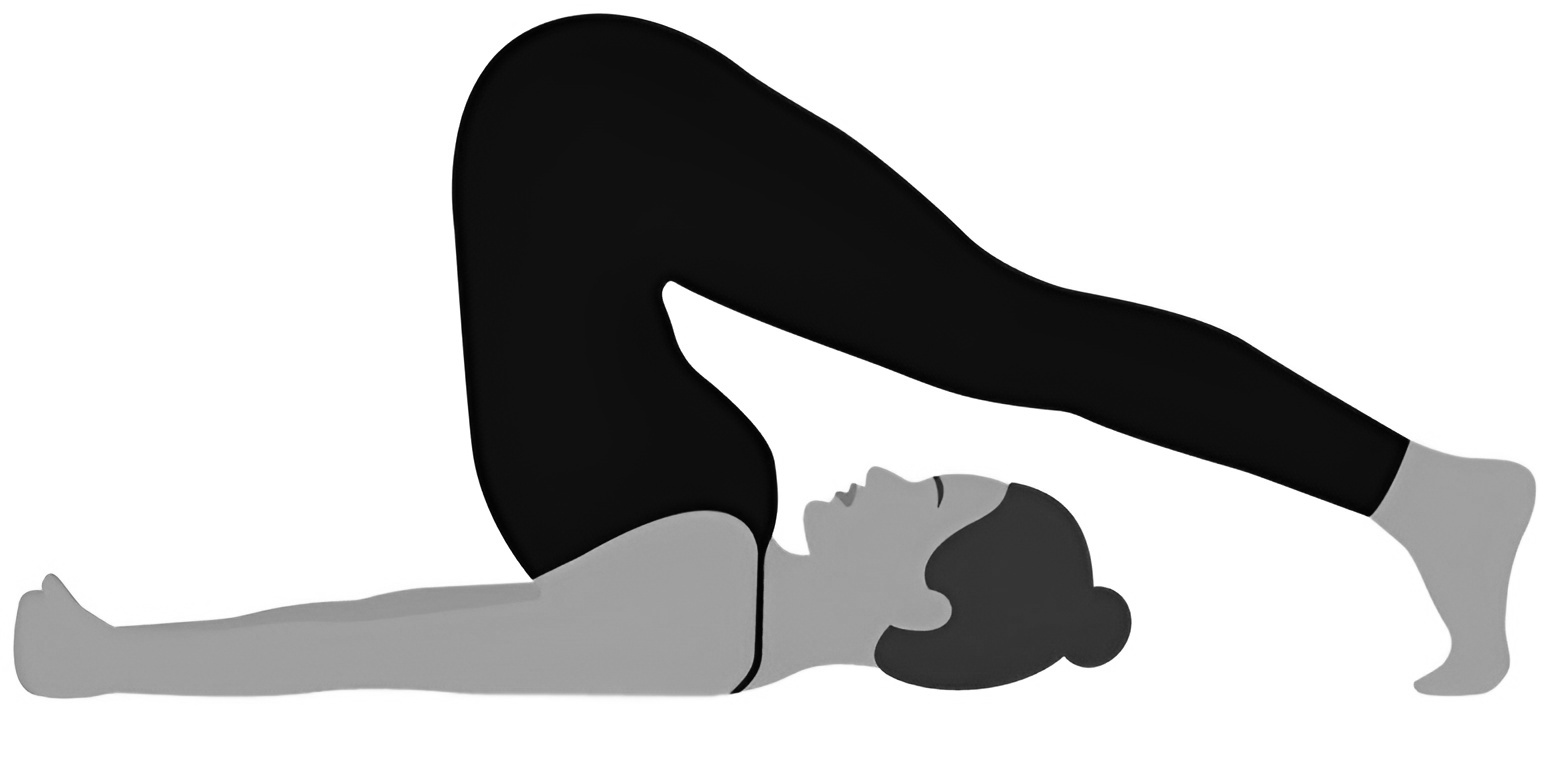
Unlike its more dynamic counterpart in Yang-style yoga, Snail Pose in Yin Yoga is held for longer durations with minimal muscular effort. This allows the deeper connective tissues—ligaments, fascia, and joint capsules—to be gently stressed, promoting flexibility, hydration, and resilience. The pose involves a forward folding inversion where the legs move overhead while the spine flexes deeply, creating compression in the front body and elongation along the back body.
Snail Pose is particularly beneficial for individuals seeking to improve spinal mobility, calm the nervous system, and stimulate internal organs. However, due to its intensity—especially in the cervical spine—it must be approached with caution and proper alignment.
Snail Pose is a powerful Yin Yoga posture that offers deep benefits for the spine, connective tissues, and internal systems. Its inward, curling nature promotes introspection, relaxation, and energetic balance.
However, due to its intensity—particularly in the neck—it requires careful practice and proper support. When approached mindfully, Snail Pose can be a transformative addition to a Yin Yoga practice, fostering flexibility, calmness, and inner awareness.
Getting Into the Pose
Entering Snail Pose requires mindful movement and proper support to ensure safety, particularly for the neck and spine.
Step-by-Step Instructions
- Starting Position
Begin lying flat on your back in a relaxed supine position with arms alongside the body. - Prepare the Neck and Shoulders
Ensure the neck is long and the chin is slightly tucked. Avoid turning the head once in the pose. - Lift the Legs
Slowly raise both legs toward the ceiling, engaging the abdominal muscles slightly for control. - Lift the Hips
Press the palms into the floor and lift the hips off the mat, bringing the legs overhead. - Transition Into Full Pose
Allow the feet to move toward or touch the floor behind the head. Knees may remain slightly bent if necessary. - Arm Placement Options
- Keep hands on the lower back for support
- Extend arms along the floor
- Interlace fingers for stability
- Relax Into the Pose
Once stable, reduce muscular effort and allow gravity to deepen the stretch. - Breathing Awareness
Maintain slow, steady breathing, feeling the expansion in the back body. - Use Props if Needed
- Place a bolster under the shoulders
- Use blocks under the feet
- Support the spine with cushions
- Find Stillness
Remain passive and relaxed, focusing on internal sensations.
Coming Out of the Pose
Exiting Snail Pose must be done slowly to protect the spine and neck.
- Support the Back
Place hands on the lower back if not already there. - Bend the Knees Slightly
This reduces strain on the spine. - Slowly Roll Down
Gradually lower the spine onto the mat, one vertebra at a time. - Lower the Legs
Bring the legs down gently. - Rest in Neutral Position
Lie flat and allow the body to integrate the effects.
Counterposes
After deep spinal flexion, gentle counterposes help restore balance.
- Fish Pose (Matsyasana)
Opens the chest and counteracts neck flexion. - Sphinx Pose
Provides a mild backbend. - Constructive Rest Pose
Relaxes the lower back. - Gentle Twist
Rebalances the spine.
Meridians & Organs Affected
In Yin Yoga, Snail Pose strongly influences several meridians.
Primary Meridians
- Urinary Bladder Meridian
- Runs along the back body
- Activated through spinal stretch
- Kidney Meridian
- Associated with vitality and deep energy reserves
- Liver Meridian
- Supports detoxification and emotional balance
Organs Affected
- Kidneys
- Liver
- Digestive organs
- Thyroid gland (due to neck compression)
The inversion and compression enhance circulation and organ stimulation.
Joints Affected
- Spine
- Deep flexion across all segments
- Cervical Spine (Neck)
- Significant flexion and compression
- Shoulder Joints
- Stabilization
- Hip Joints
- Flexion
Recommended Hold Times
- Beginners: 1–2 minutes
- Intermediate: 3–5 minutes
- Advanced: 5–7 minutes
Guidelines
- Avoid discomfort in the neck
- Use props generously
- Focus on relaxation
Contra-indications
Snail Pose is not suitable for everyone.
- Neck Injuries
- Avoid completely
- Cervical Spine Issues
- High risk of strain
- Herniated Disc
- Practice only with guidance
- High Blood Pressure
- Inversions may be risky
- Glaucoma
- Avoid due to pressure changes
- Pregnancy
- Not recommended
Benefits
Physical Benefits
- Spinal Flexibility
- Enhances mobility
- Stretches Posterior Chain
- Targets back muscles
- Improves Circulation
- Especially to the brain
- Stimulates Thyroid
- Supports metabolism
Therapeutic Benefits
- Relieves Back Tension
- Supports Nervous System
- Improves Posture
- Enhances Organ Function
Mental and Emotional Benefits
- Promotes Introspection
- Reduces Stress
- Encourages Stillness
- Enhances Mindfulness
Energetic Benefits
- Balances kidney energy
- Activates bladder meridian
- Promotes energy flow
Anatomy and Physiology
Muscles Involved
Primary Muscles
- Erector spinae
- Hamstrings
- Abdominals
Muscles Being Stretched
- Back muscles
- Neck muscles
- Gluteal muscles
Connective Tissue Engagement
- Spinal ligaments
- Fascia along back body
- Joint capsules
Spinal Mechanics
- Deep flexion
- Vertebral decompression
Circulatory System
- Increases blood flow to brain
- Enhances venous return
Digestive System
- Compression stimulates digestion
Respiratory System
- Restriction encourages mindful breathing
Nervous System Effects
- Activates parasympathetic response
- Reduces stress
Endocrine System
- Stimulates thyroid gland
Fascial Lines
- Superficial back line
- Deep front line
Psychological and Subtle Body Perspective
Snail Pose is deeply introspective.
Energetic Interpretation
- Encourages inward focus
- Supports emotional release
- Enhances awareness
Integration in Yin Yoga Practice
Snail Pose is often included in:
- Spinal sequences
- Introspective practices
- Advanced Yin sessions
Complementary Poses
- Caterpillar Pose
- Saddle Pose
- Child’s Pose
- Sphinx Pose