
Introduction
Shoelace Pose, inspired by the classical posture Gomukhasana (Cow Face Pose), is a deeply effective Yin Yoga pose that targets the hips, thighs, and lower body connective tissues. The name “Shoelace Pose” arises from the way the legs are stacked, resembling the crisscross pattern of tied shoelaces. In Yin Yoga, this pose is practiced passively with extended hold times, allowing gravity to create a sustained stretch in the deep fascia and joints of the hips.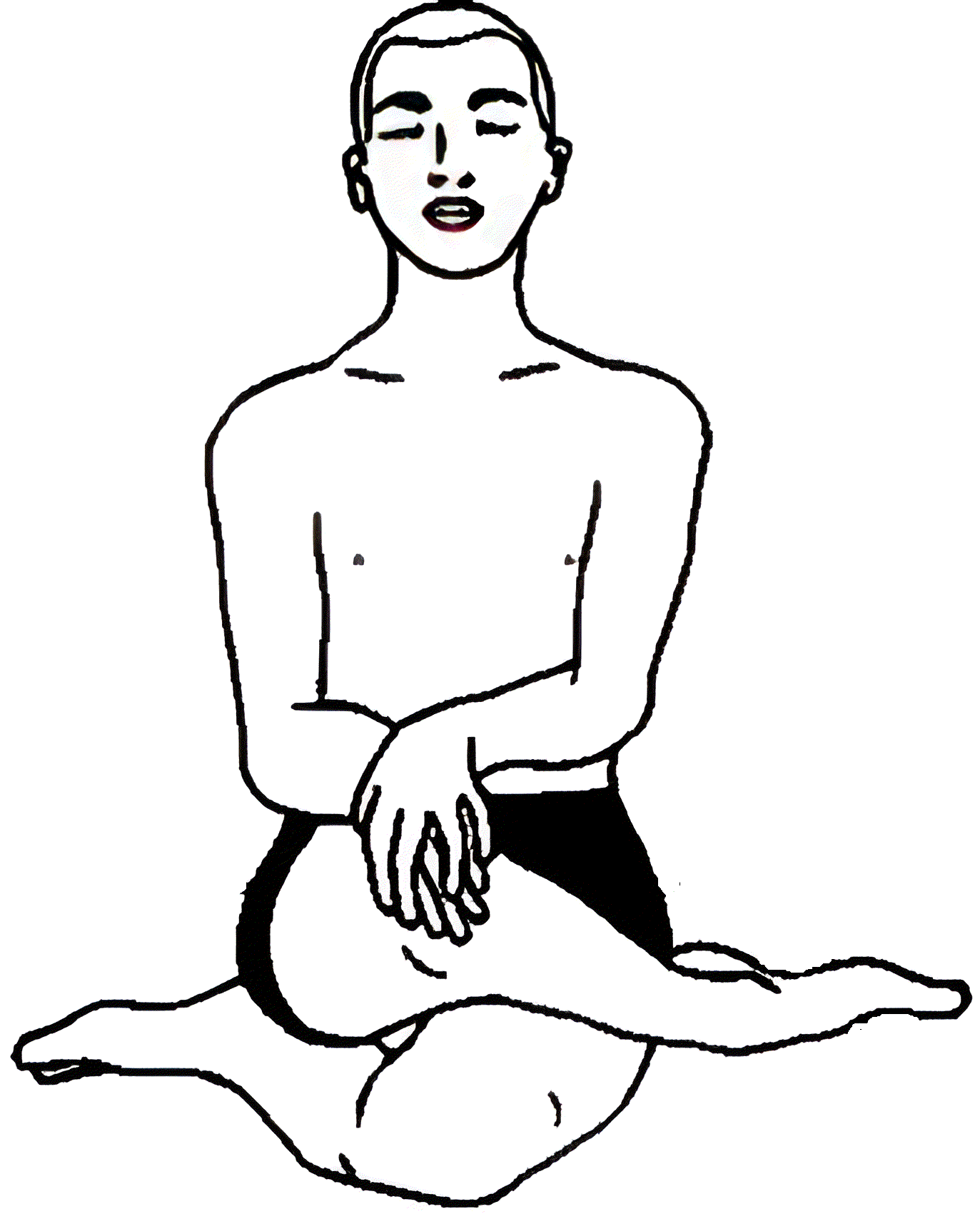
Modern lifestyles often contribute to stiffness in the hips due to prolonged sitting, lack of mobility, and repetitive movement patterns. Shoelace Pose offers a powerful counterbalance by creating deep flexion and compression in the hip joints, helping to restore mobility, improve circulation, and release tension stored in the pelvic region.
In addition to its physical effects, Shoelace Pose is known for its emotional and energetic impact. The hips are often considered a repository for stress and suppressed emotions. By working deeply into this region, the pose can facilitate emotional release and promote a sense of inner calm.
Though beneficial, Shoelace Pose can be intense, especially for beginners or those with tight hips. Therefore, it is important to approach it with mindfulness, patience, and appropriate modifications using props.
Shoelace Pose is a powerful Yin Yoga posture that offers deep benefits for the hips, connective tissues, and energetic systems of the body. Its ability to create intense compression and stretch makes it particularly effective for improving mobility and releasing tension.
While the pose can be challenging, it provides profound rewards when practiced mindfully and with appropriate support. Through stillness and awareness, practitioners can access deeper layers of the body and mind, fostering flexibility, relaxation, and emotional balance.
Ultimately, Shoelace Pose embodies the essence of Yin Yoga—patience, surrender, and inner exploration—making it an essential component of a balanced yoga practice.
Getting Into the Pose
Entering Shoelace Pose requires careful alignment and gradual progression.
Step-by-Step Instructions
- Starting Position
Begin seated on the floor with legs extended in front of you. - Bend the Bottom Leg
Bend the right knee and bring the right foot toward the outer left hip. - Stack the Top Leg
Cross the left leg over the right, stacking the knees as closely as possible. The left foot comes toward the outer right hip. - Align the Sitting Bones
Sit evenly on both sitting bones. Use a cushion if one hip lifts. - Foot Positioning
Keep both feet relaxed but aligned to avoid strain in the knees. - Forward Fold (Optional Yin Variation)
Gently fold forward over the legs to deepen the stretch. - Use Props
- Sit on a bolster or block
- Place cushions between knees
- Support the torso
- Spinal Position
Keep the spine neutral or slightly rounded in a forward fold. - Relaxation Phase
Release muscular effort and allow gravity to deepen the stretch. - Breathing Awareness
Maintain slow, steady breathing, focusing on the hips.
Coming Out of the Pose
Exiting Shoelace Pose should be done slowly.
- Lift the Torso
If folded forward, gently come upright. - Uncross the Legs
Carefully release the top leg, then the bottom leg. - Extend Both Legs
Stretch the legs forward and shake them gently. - Pause
Rest before switching sides.
Counterposes
Counterposes help neutralize the deep hip compression.
- Legs Extended Rest
Releases the hips. - Gentle Backbend
Opens the front body. - Happy Baby Pose
Softens the hip joints. - Supine Twist
Balances the spine.
Meridians & Organs Affected
Shoelace Pose strongly stimulates Yin meridians of the lower body.
Primary Meridians
- Liver Meridian
- Runs along the inner thighs
- Supports detoxification and emotional balance
- Kidney Meridian
- Associated with vitality and energy
- Urinary Bladder Meridian
- Runs along the back body
Organs Affected
- Liver
- Kidneys
- Bladder
- Reproductive organs
The compression and stretch improve circulation and organ function.
Joints Affected
- Hip Joints
- Deep flexion and external rotation
- Knee Joints
- Flexion and compression
- Ankle Joints
- Stabilization
- Sacroiliac Joint
- Mild compression
Recommended Hold Times
- Beginners: 1–2 minutes per side
- Intermediate: 3–5 minutes per side
- Advanced: 5–7 minutes per side
Practice Tips
- Use props for support
- Avoid forcing knee alignment
- Stay relaxed
Contra-indications
- Knee Injuries
- Avoid or modify
- Hip Issues
- Practice gently
- Sciatica
- Use support
- Lower Back Pain
- Keep spine neutral
Benefits
Physical Benefits
- Deep Hip Opening
- Improves flexibility
- Stretches Outer Hips and Glutes
- Targets deep muscles
- Enhances Joint Health
- Nourishes connective tissue
- Improves Circulation
- Promotes healing
Therapeutic Benefits
- Relieves Hip Tightness
- Supports Pelvic Health
- Improves Posture
- Reduces Lower Back Pain
Mental and Emotional Benefits
- Encourages Patience
- Reduces Stress
- Promotes Emotional Release
- Enhances Mindfulness
Energetic Benefits
- Balances liver and kidney energy
- Releases stagnation
- Promotes vitality
Anatomy and Physiology
Muscles Involved
Primary Muscles
- Gluteus maximus
- Piriformis
- Hip rotators
Muscles Being Stretched
- Outer hip muscles
- Adductors
Connective Tissue Engagement
- Fascia of hips
- Ligaments of pelvis
- Joint capsules
Spinal Mechanics
- Neutral or slight flexion
- Stabilization
Circulatory System
- Enhances blood flow to hips
- Supports tissue repair
Digestive System
- Mild stimulation of abdominal organs
Respiratory System
- Encourages deep breathing
Nervous System Effects
- Activates parasympathetic system
- Promotes relaxation
Endocrine System
- Supports hormonal balance
Fascial Lines
- Deep front line
- Lateral line
Psychological and Subtle Body Perspective
Shoelace Pose is deeply introspective.
Energetic Interpretation
- Releases stored emotions in hips
- Encourages inner awareness
- Promotes emotional balance
Integration in Yin Yoga Practice
Shoelace Pose is used in:
- Hip-opening sequences
- Emotional release practices
- Deep stretch sessions
Complementary Poses
- Butterfly Pose
- Dragon Pose
- Child’s Pose
- Sphinx Pose