
Introduction
Happy Baby Pose, traditionally known as Ananda Balasana, is a gentle yet deeply effective posture that is widely practiced in both active and Yin Yoga traditions. In Yin Yoga, the pose is approached with stillness, relaxation, and longer holding times, allowing gravity to facilitate a deep release in the hips, lower back, and inner thighs. The posture resembles a joyful infant lying on its back, holding its feet—hence the name “Happy Baby.”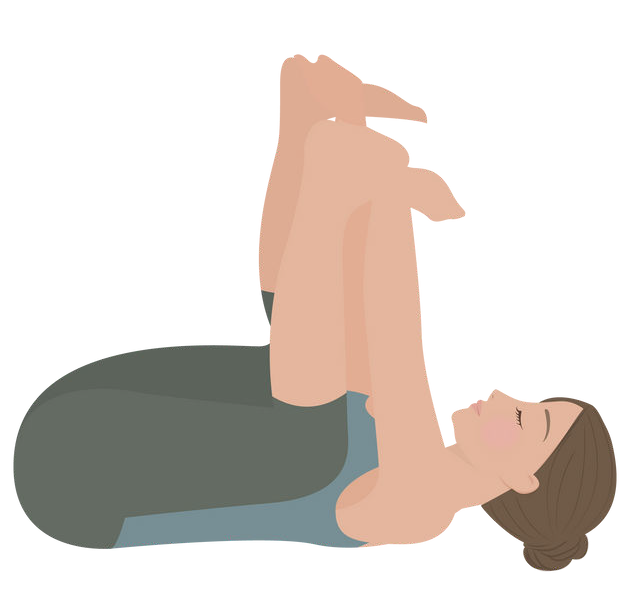
In modern lifestyles characterized by prolonged sitting, restricted movement, and high levels of stress, the hips and lower spine often become tight and congested. Happy Baby Pose offers a therapeutic counterbalance by opening the hips, lengthening the spine, and encouraging relaxation of the nervous system. When practiced in a Yin style, it not only enhances physical flexibility but also promotes emotional release and energetic balance.
This pose is accessible to most practitioners and can be modified using props, making it suitable for beginners as well as advanced yogis. Its calming nature makes it an excellent posture for winding down, relieving tension, and cultivating mindfulness.
Getting Into the Pose
Entering Happy Baby Pose mindfully ensures safety and effectiveness.
Step-by-Step Instructions
- Starting Position
Lie on your back (supine position) on a comfortable surface. - Bend the Knees
Draw both knees toward the chest. - Grip the Feet
Reach your hands to the outer edges of your feet. If this is not accessible, hold the ankles or use a strap. - Open the Knees
Gently widen the knees toward the armpits, creating space in the pelvis. - Align the Ankles
Stack the ankles over the knees so that the shins are perpendicular to the floor. - Relax the Spine
Allow the sacrum and lower back to settle naturally into the mat. - Optional Movement
You may gently rock side to side to massage the lower back. - Yin Relaxation Phase
Release muscular effort and allow gravity to deepen the stretch. - Breath Awareness
Maintain slow, deep breathing, directing breath into the hips and abdomen.
Coming Out of the Pose
Exiting the pose slowly is important to maintain relaxation.
- Release the Feet
Gently let go of the feet. - Bring Knees Together
Draw the knees back toward the chest. - Extend the Legs
Slowly lower the legs to the floor. - Rest
Pause in a neutral position such as Savasana.
Counterposes
Counterposes help neutralize the effects of Happy Baby Pose.
- Supine Rest (Savasana)
Allows integration. - Gentle Twist
Balances the spine. - Bridge Pose (mild)
Engages the posterior chain. - Legs Extended Rest
Releases hips.
Meridians & Organs Affected
Happy Baby Pose stimulates several Yin meridians.
Primary Meridians
- Kidney Meridian
- Supports vitality and energy
- Liver Meridian
- Associated with emotional balance
- Spleen Meridian
- Aids digestion and immunity
Organs Affected
- Kidneys
- Liver
- Spleen
- Intestines
- Reproductive organs
The gentle compression and opening enhance circulation.
Joints Affected
- Hip Joints
- Deep flexion and external rotation
- Knee Joints
- Flexion
- Ankle Joints
- Stabilization
- Sacroiliac Joint
- Gentle decompression
Recommended Hold Times
- Beginners: 1–2 minutes
- Intermediate: 3–5 minutes
- Advanced: 5 minutes or more
Practice Tips
- Use a strap if needed
- Keep the spine neutral
- Avoid forcing the stretch
Contra-indications
- Knee Injuries
- Avoid deep flexion
- Hip Injuries
- Modify range
- Lower Back Issues
- Support sacrum
- Neck Strain
- Keep head relaxed
- Pregnancy (late stages)
- Modify position
Benefits
Physical Benefits
- Opens the Hips
- Improves flexibility
- Stretches Inner Thighs
- Targets adductors
- Relieves Lower Back Tension
- Decompresses spine
- Improves Circulation
- Enhances blood flow
Therapeutic Benefits
- Reduces Hip Stiffness
- Supports Pelvic Health
- Aids Digestion
- Relieves Fatigue
Mental and Emotional Benefits
- Promotes Relaxation
- Reduces Stress and Anxiety
- Encourages Playfulness
- Enhances Mindfulness
Energetic Benefits
- Balances Kidney energy
- Releases emotional tension
- Promotes grounding
Anatomy and Physiology
Muscles Involved
Primary Muscles
- Hip flexors
- Adductors
- Hamstrings (mild engagement)
Muscles Being Stretched
- Inner thigh muscles
- Gluteal muscles
Connective Tissue Engagement
- Hip joint capsules
- Fascia of pelvis
- Ligaments of lower spine
Spinal Mechanics
- Gentle flexion
- Decompression of lumbar spine
Circulatory System
- Enhances blood flow to pelvis
- Improves oxygenation
Digestive System
- Stimulates abdominal organs
- Improves bowel movement
Respiratory System
- Encourages diaphragmatic breathing
Nervous System Effects
- Activates parasympathetic system
- Promotes deep relaxation
Endocrine System
- Supports adrenal balance
- Reduces stress hormones
Fascial Lines
- Deep front line
- Inner thigh fascia
Psychological and Subtle Body Perspective
Happy Baby Pose has a calming and joyful quality.
Energetic Interpretation
- Encourages emotional release
- Promotes inner child connection
- Reduces stored tension
Integration in Yin Yoga Practice
Happy Baby Pose is commonly used in:
- Hip-opening sequences
- Relaxation practices
- Restorative sessions
Complementary Poses
- Butterfly Pose
- Frog Pose
- Child’s Pose
- Supine Twist
Conclusion
Happy Baby Pose is a gentle yet powerful Yin Yoga posture that offers a wide range of physical, emotional, and energetic benefits. Its ability to open the hips, release the lower back, and calm the mind makes it an essential component of Yin Yoga practice.
Through sustained stillness and mindful breathing, practitioners can experience deep relaxation and improved body awareness. The pose’s accessibility and adaptability make it suitable for practitioners of all levels.
With regular practice, Happy Baby Pose becomes a tool for restoring balance, promoting healing, and cultivating a sense of ease and joy. It beautifully reflects the essence of Yin Yoga—softness, surrender, and mindful presence.