
Introduction
Dragon Pose is one of the most powerful and transformative postures in Yin Yoga, primarily targeting the hips, groin, and lower body. Often described as the Yin equivalent of a low lunge, Dragon Pose works deeply into the hip flexors, quadriceps, and connective tissues surrounding the pelvis. It is especially beneficial in counteracting the effects of prolonged sitting, which tends to shorten the hip flexors and restrict mobility.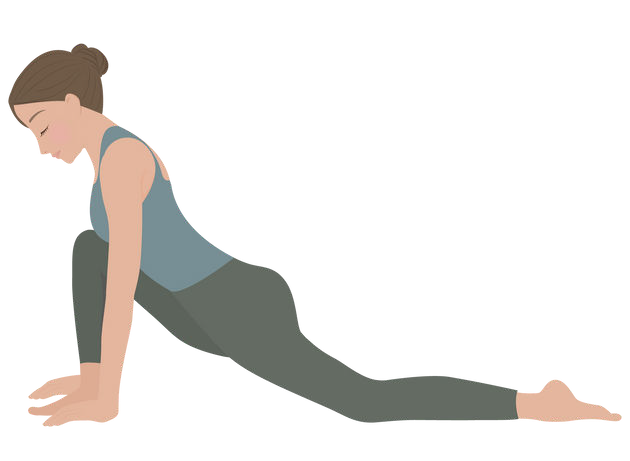
In Yin Yoga, Dragon Pose is approached with a passive mindset. Rather than actively engaging the muscles to hold the posture, practitioners gradually relax into the pose, allowing gravity and time to create a deep stretch in the connective tissues. This sustained hold helps improve flexibility, joint health, and energetic balance.
Dragon Pose is also known for its intensity. It can evoke strong physical sensations and sometimes emotional responses, as the hips are considered a storage area for stress and unresolved emotions. Through mindful breathing and stillness, practitioners learn to observe and release tension, making this pose not only physically beneficial but also mentally and emotionally transformative.
Dragon Pose is one of the most profound Yin Yoga postures, offering deep physical, emotional, and energetic benefits. Its ability to open the hips, stimulate internal organs, and release tension makes it an essential practice for modern lifestyles.
Through stillness and mindful breathing, practitioners can explore the deeper layers of the body and mind. While the pose can be intense, it offers significant rewards in terms of flexibility, strength, and emotional balance.
With regular practice, Dragon Pose becomes a powerful tool for transformation, embodying the essence of Yin Yoga—patience, surrender, and inner awareness.
Getting Into the Pose
Entering Dragon Pose requires careful alignment and the use of props to ensure comfort and safety.
Step-by-Step Instructions
- Starting Position
Begin in a tabletop position (hands and knees). - Stepping Forward
Bring the right foot forward between the hands, aligning the knee above the ankle. - Sliding the Back Knee
Slide the left knee backward, extending the hip flexor. - Adjusting the Front Foot
Ensure the front foot is flat and stable. - Lowering the Hips
Allow the hips to sink forward and downward. - Hand Placement Options
- Hands on the floor
- Hands on blocks
- Forearms on the ground (deeper variation)
- Using Props (Yin Variation)
- Place a cushion under the back knee
- Use blocks under the hands
- Support the torso with a bolster
- Spinal Alignment
Keep the spine neutral or slightly rounded depending on comfort. - Relaxation Phase
Release muscular effort and allow gravity to deepen the stretch. - Breathing Awareness
Focus on slow, deep breathing, especially into the hips.
Coming Out of the Pose
Exiting Dragon Pose must be done slowly due to its intensity.
- Bring Awareness Back
Deepen the breath and prepare to move. - Lift the Torso
Press into the hands to rise. - Shift Weight Back
Gently move the hips backward. - Return to Tabletop
Bring the front foot back. - Rest
Pause in a neutral position before switching sides.
Counterposes
Counterposes are essential to release tension from the hips and spine.
- Child’s Pose
Relaxes the hips and lower back. - Downward Dog (gentle)
Lengthens the legs. - Knees-to-Chest Pose
Releases lower back. - Butterfly Pose
Neutralizes hips. - Supine Twist
Balances the spine.
Meridians & Organs Affected
Dragon Pose strongly stimulates the front body meridians.
Primary Meridians
- Stomach Meridian
- Runs along the front of the body
- Influences digestion
- Spleen Meridian
- Supports energy and immunity
- Liver Meridian
- Associated with detoxification
- Kidney Meridian (secondary)
- Supports vitality
Organs Affected
- Stomach
- Spleen
- Liver
- Kidneys
- Intestines
- Reproductive organs
The deep hip stretch enhances circulation and organ function.
Joints Affected
- Hip Joints
- Deep extension (back leg)
- Flexion (front leg)
- Knee Joints
- Flexion in both legs
- Ankle Joints
- Stabilization and extension
- Sacroiliac Joint
- Stabilized
Recommended Hold Times
- Beginners: 1–2 minutes per side
- Intermediate: 3–5 minutes per side
- Advanced: 5–8 minutes per side
Practice Guidelines
- Use props for support
- Avoid forcing depth
- Maintain steady breathing
Contra-indications
- Knee Injuries
- Use padding or avoid
- Hip Injuries
- Modify or avoid
- Lower Back Pain
- Keep spine neutral
- Pregnancy
- Avoid deep lunges
- Recent Surgery
- Avoid strain
Benefits
Physical Benefits
- Deep Hip Opening
- Improves flexibility
- Stretches Hip Flexors
- Counteracts sitting
- Enhances Joint Health
- Nourishes connective tissue
- Improves Circulation
- Enhances blood flow
Therapeutic Benefits
- Relieves Hip Tightness
- Reduces stiffness
- Supports Pelvic Health
- Improves circulation
- Aids Digestion
- Stimulates organs
- Improves Posture
- Aligns pelvis
Mental and Emotional Benefits
- Builds Patience
- Intense pose
- Reduces Stress
- Encourages mindfulness
- Promotes Emotional Release
- Hips store tension
- Enhances Focus
- Deep concentration
Energetic Benefits
- Stimulates digestive energy
- Balances liver and spleen
- Enhances vitality
Anatomy and Physiology
Muscles Involved
Primary Muscles
- Iliopsoas (hip flexor)
- Quadriceps
- Gluteus maximus
Muscles Being Stretched
- Hip flexors
- Adductors
- Hamstrings (front leg variation)
Connective Tissue Engagement
Targets:
- Hip joint capsules
- Ligaments of pelvis
- Fascia of thighs
Long holds improve elasticity.
Spinal Mechanics
- Neutral or slight extension
- Supports alignment
Circulatory System
- Enhances blood flow to hips
- Supports tissue health
Digestive System
- Stimulates abdominal organs
- Improves digestion
Respiratory System
- Encourages deep breathing
- Expands chest
Nervous System Effects
- Activates parasympathetic system
- Reduces stress
Endocrine System
- Influences adrenal glands
- Supports hormonal balance
Fascial Lines
- Deep front line
- Superficial front line
Psychological and Subtle Body Perspective
Dragon Pose is emotionally intense.
Energetic Interpretation
- Releases stored emotions in hips
- Encourages courage and resilience
- Promotes emotional balance
Integration in Yin Yoga Practice
Dragon Pose is commonly used in:
- Hip-opening sequences
- Detoxification practices
- Deep stretch sessions
Complementary Poses
- Butterfly Pose
- Deer Pose
- Child’s Pose
- Sphinx Pose