
Introduction
Ankle Stretch Pose is a foundational yet often underestimated posture in Yin Yoga that focuses on opening and conditioning the ankle joints, feet, and lower legs. In modern lifestyles characterized by prolonged sitting, wearing restrictive footwear, and limited natural movement, the feet and ankles tend to become stiff, weak, and energetically blocked. Yin Yoga addresses these issues by applying gentle, sustained stress to the connective tissues, thereby improving mobility, circulation, and energetic flow.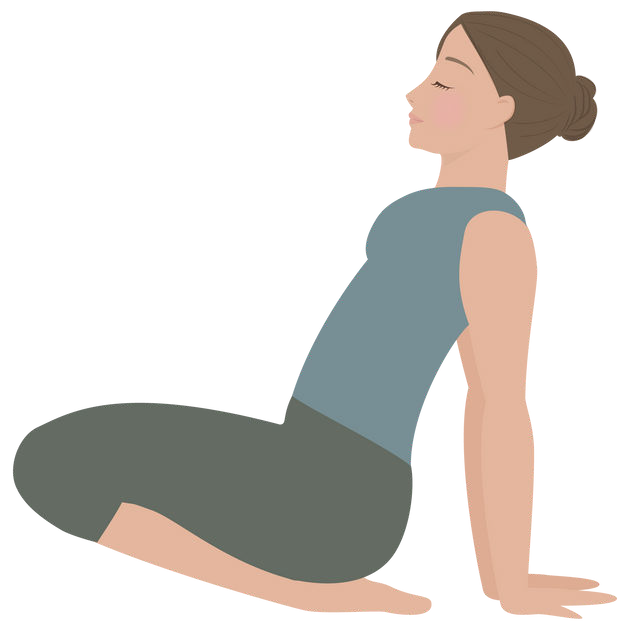
In Yin practice, Ankle Stretch Pose is typically performed by sitting back on the heels with the tops of the feet pressing into the floor, or in a variation where the toes are tucked under (Toe Stretch Pose). These postures target the deep fascial lines of the lower limbs, stimulate important meridians, and improve joint health. Although simple in appearance, the pose can be intense due to the sensitivity of the ankle joints and the dense connective tissues of the feet.
Ankle Stretch Pose is not only a physical practice but also an energetic and meditative one. It encourages patience, stillness, and awareness, allowing practitioners to confront discomfort and cultivate resilience. The pose is particularly valuable in Yin Yoga sequences aimed at grounding, improving lower body circulation, and balancing energy flow through the legs.
Ankle Stretch Pose in Yin Yoga is a deceptively simple yet profoundly effective posture that addresses one of the most neglected areas of the body—the feet and ankles. Through sustained, mindful stretching, it enhances joint mobility, strengthens connective tissues, and improves overall lower body function.
Beyond its physical benefits, the pose plays a significant role in stimulating vital meridians, supporting organ health, and promoting energetic balance. It cultivates patience, awareness, and grounding, making it a valuable addition to any Yin Yoga practice.
However, due to its intensity, it must be practiced with caution, proper alignment, and respect for individual limitations. When approached mindfully, Ankle Stretch Pose becomes not just a physical exercise but a holistic practice that integrates body, mind, and energy.
Getting Into the Pose
Entering Ankle Stretch Pose requires mindful alignment and gradual progression, especially for beginners or those with limited ankle flexibility.
Step-by-Step Instructions
- Starting Position
Begin in a kneeling position with the knees hip-width apart. Ensure the thighs are vertical and the spine is upright. - Foot Placement (Classic Ankle Stretch)
Extend the feet back so that the tops of the feet rest flat on the floor. The toes point straight behind you. - Lowering the Hips
Slowly shift your weight backward and sit onto your heels. The buttocks may rest directly on the heels or on a support if needed. - Alignment Awareness
- Ankles are fully plantar-flexed
- Feet are parallel, not splayed outward
- Knees remain comfortable and aligned
- Spine is upright or slightly relaxed
- Hand Placement
Hands can rest on the thighs or alongside the body for support. - Toe Stretch Variation (More Intense)
- Tuck the toes under so the balls of the feet press into the floor
- Sit back onto the heels
- This variation intensifies the stretch in the plantar fascia and toes
- Using Props
- Place a block or cushion between the heels and sitting bones
- Use a folded blanket under the ankles for cushioning
- Beginners may keep partial weight off the heels
- Relaxation Phase (Yin Approach)
Once in the pose, relax muscular effort and allow gravity to deepen the stretch gradually. Maintain steady breathing and observe sensations.
Coming Out of the Pose
Exiting Ankle Stretch Pose must be done slowly due to the intensity of the stretch and the sensitivity of the ankle joints.
- Lean Forward Gently
Shift the weight forward onto the hands, lifting the hips away from the heels. - Release the Feet
Untuck the toes (if in toe stretch) or gently lift the feet to neutral. - Mobilize the Ankles
Gently rotate the ankles or tap the feet on the floor to restore circulation. - Pause in Tabletop Position
Allow the body to neutralize and observe sensations in the feet and lower legs. - Rest
A brief rest in a neutral posture helps integrate the effects of the pose.
Counterposes
Counterposes are essential to balance the deep stretch and restore comfort.
- Tabletop with Ankle Circles
Gently mobilizes the ankle joints after compression. - Downward-Facing Dog (Mild Version)
Stretches the calves and releases the ankles. - Seated Foot Stretch
Extend the legs forward and gently flex and point the feet. - Child’s Pose (Toes Untucked)
Provides relief and relaxation to the ankles and knees. - Rebounding (Yin Concept)
Simply lying down or sitting quietly to feel the after-effects of the pose.
Meridians & Organs Affected
In Yin Yoga, Ankle Stretch Pose strongly stimulates meridians that run through the legs and feet.
Primary Meridians Stimulated
- Stomach Meridian
- Runs along the front of the leg
- Associated with digestion and nourishment
- Spleen Meridian
- Supports immune function and energy production
- Important for grounding and stability
- Liver Meridian
- Related to detoxification and emotional balance
- Influences flexibility and flow of energy
- Kidney Meridian
- Associated with vitality and longevity
- Begins in the sole of the foot
- Bladder Meridian (secondary)
- Runs along the back body
- Influences nervous system balance
Organs Affected
- Stomach
- Spleen
- Liver
- Kidneys
- Digestive system
Stimulating these meridians enhances organ function, circulation, and energetic balance.
Joints Affected
Ankle Stretch Pose deeply influences multiple joints:
- Ankle Joint (Talocrural joint)
- Primary focus
- Improves plantar flexion and dorsiflexion range
- Subtalar Joint
- Enhances foot adaptability and balance
- Toe Joints (Metatarsophalangeal joints)
- Especially in toe stretch variation
- Knee Joint
- Maintained in flexion
- Requires careful alignment to avoid strain
- Foot Arches
- Strengthens and stretches intrinsic foot structures
Recommended Hold Times
Yin Yoga emphasizes longer durations to affect connective tissues.
- Beginners: 1–2 minutes
- Intermediate: 3–5 minutes
- Advanced: 5–10 minutes (especially toe stretch variation)
Guidelines
- Start slowly due to intensity
- Use props to reduce strain
- Focus on breath awareness
- Avoid sharp or pinching pain
Contra-indications
Ankle Stretch Pose should be avoided or modified in the following conditions:
- Ankle Injuries
- Sprains, ligament tears, or instability
- Knee Problems
- Meniscus injuries or severe arthritis
- Foot Conditions
- Plantar fasciitis (modify carefully)
- Recent fractures or surgery
- Severe Joint Stiffness
- Use props and gradual progression
- Circulatory Disorders
- Numbness or tingling requires immediate release
- Pregnancy (late stages)
- Avoid prolonged pressure on lower limbs
- Diabetes with Neuropathy
- Reduced sensation may increase injury risk
Benefits
Physical Benefits
- Improves Ankle Mobility
- Restores natural range of motion
- Strengthens Feet
- Enhances stability and balance
- Stretches Plantar Fascia
- Helps relieve foot stiffness
- Enhances Circulation
- Promotes blood flow in lower limbs
- Supports Knee Health
- Proper alignment improves joint function
- Improves Posture and Gait
- Healthy ankles contribute to better walking mechanics
Therapeutic Benefits
- Prevents Foot Disorders
- Reduces risk of flat feet and stiffness
- Relieves Tension from Standing or Walking
- Beneficial for people with active lifestyles
- Supports Rehabilitation
- Helps recover ankle flexibility post-injury (with guidance)
Mental and Emotional Benefits
- Develops Patience and Endurance
- The intensity encourages mental resilience
- Enhances Mindfulness
- Focus on subtle sensations
- Promotes Grounding
- Connects practitioner to earth element
Energetic Benefits
- Activates lower body energy channels
- Improves grounding and stability
- Balances digestive and kidney energy
Anatomy and Physiology
Understanding the anatomical and physiological mechanisms enhances the effectiveness of the pose.
Muscles Involved
Primary Stretch Muscles
- Tibialis anterior
- Extensor digitorum longus
- Extensor hallucis longus
Muscles Engaged
- Gastrocnemius (mild engagement)
- Soleus
- Intrinsic foot muscles
Connective Tissue Focus
Yin Yoga targets:
- Ligaments around the ankle
- Joint capsules
- Fascia of the foot and lower leg
Prolonged stretching improves elasticity and hydration of these tissues.
Joint Mechanics
- Encourages plantar flexion (top of foot stretch)
- Improves dorsiflexion (toe stretch variation)
- Enhances joint lubrication through synovial fluid movement
Circulatory Effects
- Improves venous return from lower limbs
- Reduces swelling and stagnation
- Enhances oxygen supply to tissues
Nervous System Response
- Stimulates sensory receptors in the feet
- Enhances proprioception (body awareness)
- Activates parasympathetic relaxation response
Endocrine and Energetic Influence
- Indirectly influences adrenal and kidney function
- Supports hormonal balance through relaxation
Fascial Lines Involved
- Superficial back line
- Deep front line
- Spiral line (in toe stretch variation)
Fascia adapts slowly, making Yin Yoga ideal for long-term improvements.
Psychological and Subtle Body Perspective
In yogic philosophy, the feet are considered grounding points connecting the body to the earth.
Energetic Interpretation
- Activates root energy (stability)
- Enhances grounding and emotional balance
- Releases stored tension in lower body
Holding the pose may bring awareness to areas often ignored, fostering deeper mind-body connection.
Integration in Yin Yoga Practice
Ankle Stretch Pose is often included in sequences focusing on:
- Lower body flexibility
- Grounding practices
- Preparatory work for deeper postures
Complementary Poses
- Dragon Pose
- Butterfly Pose
- Caterpillar Pose
- Squat (Malasana)
These combinations create a balanced Yin sequence targeting the entire lower body.