
1. INTRODUCTION
Among the classical supine backbends of Hatha Yoga, Matsyasana, commonly known as Fish Pose, occupies a unique place because it combines a deep thoracic opening with neuroendocrine stimulation, energetic expansion, and respiratory optimization. Historically regarded as the “destroyer of all diseases” in the Hatha Yoga Pradipika, Matsyasana is described as the counterpose to Sarvangasana (Shoulder Stand), emphasizing its therapeutic and balancing role within classical sequencing.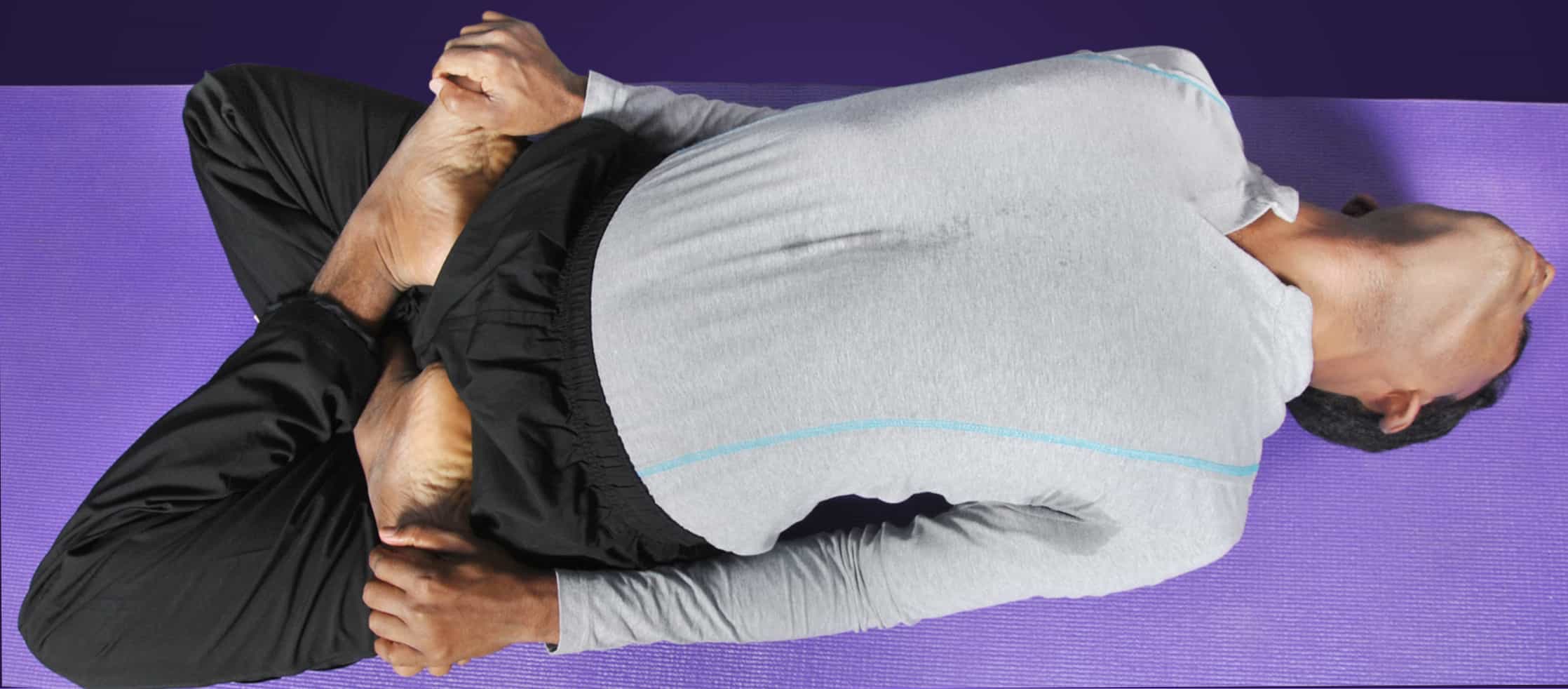
Matsyasana opens the chest, stretches the intercostal muscles, activates the thoracic spine, and stimulates the throat region. The pose works on the Vishuddha and Anahata Chakras, enhances breath capacity, and promotes a grounding yet expansive somatic experience. Because of its multiple anatomical actions—spinal extension, scapular retraction, thoracic expansion, hip extension—this pose is a central study topic in yoga anatomy and teaching methodology.
The following essay provides an exhaustive exploration suitable for advanced yoga practitioners, anatomy students, and teachers in training.
2. WORD MEANING AND DEFINITION
2.1 Word Meaning
The word Matsyasana comes from Sanskrit:
- Matsya = Fish
- Asana = Pose or posture
Thus, Matsyasana translates to “The Fish Pose.”
Symbolically, it is said that performing this posture allows the body to float effortlessly like a fish in water. In classical texts, yogis believed that performing Matsyasana in water would allow the practitioner to float because of the expansive chest and buoyant energy in the torso.
2.2 Definition
Matsyasana is a supine, chest-opening backbend where the thoracic spine is emphasized, the chest lifts upward, the crown of the head gently touches the floor, and the shoulders retract while the legs remain extended or in Padmasana depending on the tradition.
Biomechanically, it involves:
- Thoracic extension
- Cervical extension
- Scapular retraction and depression
- Hip neutral or mild extension
- Rib cage expansion
Physiologically, the posture stimulates the respiratory system, enhances lung capacity, stretches the throat muscles, and encourages improved thyroid functioning.
Energetically, Matsyasana is a powerful opener for Vishuddha Chakra (throat center) and Anahata Chakra (heart center), supporting communication, emotional release, and compassion.
3. METHOD OF PRACTICE – STEP-BY-STEP
Here are detailed steps as taught in advanced teacher training:
Step 1: Starting Position
- Lie flat on your back in Supine Tadasana (straight line body).
- Legs together, arms relaxed beside the body.
Step 2: Prepare the Arms
- To deepen shoulder activation, slide hands under the hips, palms down, elbows close to each other.
- This stabilizes the shoulders and supports thoracic lifting.
Step 3: Lift the Chest
- Press the elbows into the floor.
- Inhale deeply and lift the chest upward, creating an arch through the thoracic spine.
Step 4: Place the Crown of the Head Down
- Slightly extend the neck.
- Lower the crown of the head gently to the floor without bearing excessive weight.
Step 5: Final Position
- With the chest elevated, allow the scapulae to retract and press downward.
- Keep legs active, thighs engaged, toes pointing outward or neutral.
- Hold for 30 seconds to 3 minutes depending on experience.
Step 6: Release
- Lift the head slightly, reduce the arch of the chest.
- Bring back to the mat gently with exhalation.
- Relax in Shavasana for a few breaths.
4. ALIGNMENT CUES
Advanced alignment guidance for teachers:
4.1 Head & Neck
- Crown of head touches lightly; do not load the cervical spine.
- Neck feels long and spacious.
- Avoid compressing the throat.
4.2 Shoulders
- Shoulders draw back and down.
- Shoulder blades squeeze toward the spine.
- Avoid over-shrugging or collapsing.
4.3 Chest & Ribcage
- Chest lifts toward the ceiling.
- Sternum broadens and expands.
- Keep ribs expanding outward, not flaring excessively.
4.4 Arms & Elbows
- Elbows pressed firmly into the ground.
- Triceps active.
- Hands tucked under hips for classical version.
4.5 Legs & Feet
- Legs long and active.
- Quadriceps engaged.
- Toes point or remain relaxed.
4.6 Breath
- Deep diaphragmatic breathing to fill intercostals.
5. BENEFITS OF MATSYASANA
5.1 Physical Benefits
- Deep thoracic opening improves lung capacity.
- Strengthens upper back, neck, and shoulders.
- Expands the intercostal muscles.
- Enhances thyroid and parathyroid gland function.
- Stretches hip flexors (especially rectus femoris).
- Relieves mild backache caused by slouching or poor posture.
5.2 Physiological Benefits
- Improves respiratory efficiency.
- Enhances blood flow to cervical region.
- Stimulates vagus nerve aiding relaxation.
- Enhances digestion by stretching abdominal organs.
- Reduces fatigue by energizing thoracic cavity.
5.3 Psychological & Emotional Benefits
- Opens heart center releasing emotional tension.
- Encourages confidence and receptivity.
- Reduces anxiety and stress.
- Helps reduce depressive states by chest expansion.
5.4 Energetic Benefits
- Stimulates Vishuddha Chakra supporting communication.
- Opens Anahata Chakra, boosting compassion.
- Balances energy flow in Sushumna Nadi.
6. CONTRAINDICATIONS
Teachers must be aware of the following restrictions:
- Cervical spondylosis or neck injury
- Migraine or severe headaches
- High or uncontrolled blood pressure
- Glaucoma or eye pressure issues
- Heart disease (without medical approval)
- Hernia or stomach ulcers
- Vertigo
Pregnant practitioners should only practice a gentle supported version.
7. COUNTERPOSES
Counterposes return the spine to neutral or flexion:
- Balasana (Child’s Pose)
- Supta Baddha Konasana (gentle restorative)
- Jathara Parivartanasana (supine twist)
- Pawanmuktasana (knee-to-chest pose)
- Shavasana
After Matsyasana, Salamba Sarvangasana is traditionally paired to balance endocrine stimulation.
8. PREPARATORY PRACTICE
Prepare the body with:
8.1 Warm-Up Poses
- Cat–Cow (mobilizes spine)
- Bhujangasana
- Setu Bandha Sarvangasana
- Ustrasana (Camel Pose)
- Dhanurasana (Bow Pose)
8.2 Preparatory Flexibility
- Intercostal stretching
- Thoracic mobility drills
- Pectoral opening
8.3 Strengthening
- Scapular strengthening (Y-T-W drills)
- Core stabilization
- Deep neck flexor endurance
9. MODIFICATIONS AND VARIATIONS
9.1 For Beginners
- Place a folded blanket under upper back.
- Keep head more neutral.
- Use blocks under mid-back for restorative version.
9.2 Advanced Variation
- Matsyasana in Padmasana (Lotus Legs)
- Matsyasana with arms lifted overhead
- Floating Matsyasana (legs lifted)
9.3 Restorative Variation
- Use bolster under upper back allowing heart-opening.
- Arms wide in cactus shape.
9.4 Therapeutic Modification
- Avoid dropping head fully.
- Support head with a block if cervical issues exist.
10. MUSCLES INVOLVED
10.1 Agonists (Primary Movers)
- Erector spinae (spine extension)
- Latissimus dorsi
- Quadratus lumborum
- Gluteus maximus (mild activation)
- Hip flexors (eccentric stretch)
10.2 Antagonists
- Rectus abdominis
- Obliques
- Deep neck flexors
10.3 Stabilizers
- Serratus anterior
- Rhomboids
- Trapezius (middle & lower fibers)
- Intercostals
- Transverse abdominis
11. KINESIOLOGY AND KINEMATICS
Matsyasana involves the following movement patterns:
11.1 Spinal Movement
- Thoracic extension > lumbar extension
- Cervical extension with controlled traction
11.2 Shoulder Movement
- Scapular retraction and depression
- Mild shoulder extension
11.3 Hip Movement
- Neutral to extension
- Psoas stretch
- Quadriceps lengthening
11.4 Ribcage Movement
- Rib elevation
- Widening of intercostal spaces
- Expansion of anterior thorax
11.5 Respiratory Kinematics
- Increased anterior–posterior diameter of thorax
- Enhanced diaphragmatic excursion
- Improved lung inflation
12. BIOMECHANISM
12.1 Spinal Biomechanics
- When chest elevates, thoracic vertebrae extend.
- Cervical spine extends but minimal compression when done correctly.
- Lumbar spine remains neutral or mildly extended.
12.2 Scapular Mechanics
Scapula moves into:
- Retraction
- Depression
- Downward rotation
These actions create space for thoracic lifting.
12.3 Head & Neck Support
- Elbows and arms support the body weight.
- Crown of head touches lightly.
- Avoid axial compression on cervical vertebrae.
12.4 Load Distribution
- 70% load borne by elbows and upper arms.
- 30% by thoracic spine.
- <5% on head when aligned correctly.
13. FUNCTIONAL ANATOMY & PHYSIOLOGY
13.1 Respiratory Anatomy
- Intercostal muscles stretch → lung expansion increases.
- Diaphragm descends improving inhalation depth.
- Stretching chest wall enhances inspiratory capacity.
13.2 Cardiovascular Effects
- Increased blood flow to head and neck.
- Stimulates carotid sinus aiding parasympathetic tone.
13.3 Endocrine Stimulation
- Thyroid (via throat extension and stimulation).
- Parathyroid glands.
- Pineal and pituitary (via cranial circulation).
13.4 Nervous System
- Activates parasympathetic response.
- Relieves sympathetic overdrive (stress, anxiety).
- Enhances vagus nerve activity.
14. HOW TO CORRECT AND ADJUST WHILE TEACHING
14.1 Verbal Cues
- “Lift your chest up as if creating a dome.”
- “Press elbows down strongly.”
- “Let your head touch the floor lightly.”
- “Broaden your collarbones.”
14.2 Hands-On Adjustments
- Support upper back to lift sternum.
- Gently guide shoulders back and down.
- Assist head placement WITHOUT pushing downward.
14.3 Correcting Common Mistakes
Mistake 1: Weight on head causing compression
Correction: Encourage more elbow push, reduce cervical arch.
Mistake 2: Collapsed chest
Correction: Lift sternum upward manually or verbally cue expansion.
Mistake 3: Rib flaring too much
Correction: Engage core lightly to control ribs.
Mistake 4: Tight hips causing lower back strain
Correction: Bend knees slightly or support hips with blanket.
14.4 Safety Protocol
- Ensure no student with neck issues performs the full version.
- Always provide props in group classes.
- Encourage slow exiting of the posture.
CONCLUSION
Matsyasana is a profound heart-opening and throat-stimulating posture with physical, psychological, and energetic significance. Its therapeutic applications range from enhancing respiration to improving endocrine function and promoting emotional release. The pose combines spinal extension, scapular retraction, thoracic mobility, and respiratory capacity, making it a central posture for yoga teachers to understand deeply.
With correct alignment, modifications, and conscious breathing, Matsyasana becomes accessible, safe, and transformative for practitioners of all levels.
QUESTION AND ANSWER
1. The Sanskrit word “Matsya” means:
A. Serpent
B. Bird
C. Fish
D. Lotus
Answer: C. Fish
2. Matsyasana is traditionally performed as a counterpose to:
A. Bhujangasana
B. Sarvangasana
C. Mayurasana
D. Utkatasana
Answer: B. Sarvangasana
3. Matsyasana primarily creates extension in which spinal region?
A. Lumbar spine
B. Cervical spine
C. Thoracic spine
D. Sacral spine
Answer: C. Thoracic spine
4. Which muscle group is most actively stretched in Matsyasana?
A. Hamstrings
B. Intercostal muscles
C. Gluteals
D. Hip rotators
Answer: B. Intercostal muscles
5. In classical Hatha Yoga, Matsyasana is described in:
A. Yoga Rahasya
B. Hatha Yoga Pradipika
C. Samkhya Karika
D. Patanjali Yoga Sutras
Answer: B. Hatha Yoga Pradipika
6. Which part of the body should bear the LEAST weight in Matsyasana?
A. Crown of the head
B. Elbows
C. Upper back
D. Hips
Answer: A. Crown of the head
7. Matsyasana strongly stimulates which chakra?
A. Manipura
B. Muladhara
C. Vishuddha
D. Ajna
Answer: C. Vishuddha
8. In the classical version, the hands are placed:
A. On the abdomen
B. On the chest
C. Under the hips/pelvis
D. Behind the head
Answer: C. Under the hips/pelvis
9. Matsyasana enhances the functioning of which endocrine glands?
A. Thyroid and parathyroid
B. Pancreas
C. Adrenal glands
D. Reproductive glands
Answer: A. Thyroid and parathyroid
10. Which of the following is NOT a benefit of Matsyasana?
A. Expands chest
B. Improves lung capacity
C. Strengthens abdominal organs
D. Increases thoracic extension
Answer: C. Strengthens abdominal organs
(They are stretched, not strengthened)
11. Which anatomical movement occurs at the scapula in Matsyasana?
A. Elevation
B. Protraction
C. Retraction and depression
D. Upward rotation
Answer: C. Retraction and depression
12. Matsyasana mainly avoids compression in which area?
A. Thoracic spine
B. Cervical spine
C. Sacroiliac joint
D. Knees
Answer: B. Cervical spine
13. Which muscle stabilizes the shoulder blades during Matsyasana?
A. Rhomboids
B. Sartorius
C. Gluteus minimus
D. Biceps brachii
Answer: A. Rhomboids
14. Which breathing technique is ideal in Matsyasana?
A. Rapid breathing
B. Chest breathing
C. Deep diaphragmatic breathing
D. Bhastrika
Answer: C. Deep diaphragmatic breathing
15. A common mistake in Matsyasana is:
A. Engaging the quadriceps
B. Lifting the chest too high
C. Placing too much weight on the head
D. Keeping shoulders depressed
Answer: C. Placing too much weight on the head
16. Which variation is most advanced?
A. Supported Matsyasana with bolster
B. Matsyasana with straight legs
C. Matsyasana in Padmasana
D. Matsyasana with bent knees
Answer: C. Matsyasana in Padmasana
17. Which of the following conditions is a contraindication?
A. Mild thoracic stiffness
B. Controlled low blood pressure
C. Cervical spondylosis
D. Tight quadriceps
Answer: C. Cervical spondylosis
18. What is the classical duration of holding Matsyasana?
A. 5 seconds
B. 10–15 seconds
C. 30 seconds to 3 minutes
D. 10 minutes
Answer: C. 30 seconds to 3 minutes
19. Which joint undergoes mild extension in the full pose?
A. Hip joint
B. Knee joint
C. Ankle joint
D. Wrist joint
Answer: A. Hip joint
20. Which is a preparatory pose for Matsyasana?
A. Paschimottanasana
B. Setu Bandhasana
C. Kakasana
D. Vrikshasana
Answer: B. Setu Bandhasana
21. The main direction of rib movement in Matsyasana is:
A. Depression
B. Collapse inward
C. Lateral expansion
D. Twist
Answer: C. Lateral expansion
22. Which nerves receive stimulation due to the throat stretch?
A. Median nerve
B. Vagus nerve
C. Sciatic nerve
D. Tibial nerve
Answer: B. Vagus nerve
23. Energetically, Matsyasana helps improve:
A. Grounding
B. Detoxification through sweat
C. Communication and emotional release
D. Balance and coordination
Answer: C. Communication and emotional release
24. Which muscle is lengthened strongly?
A. Psoas
B. Quadriceps
C. Sternocleidomastoid
D. Obliques
Answer: C. Sternocleidomastoid
25. What is a safe exit cue for Matsyasana?
A. Roll to the side quickly
B. Push head harder into the ground
C. Lift head first, then release chest
D. Drop chest and drag head
Answer: C. Lift head first, then release chest
26. Which is a restorative modification?
A. Removing hand support
B. Using a bolster under the upper back
C. Doing Padmasana variation
D. Lifting legs off the floor
Answer: B. Using a bolster under the upper back
27. What is the primary plane of movement in Matsyasana?
A. Sagittal
B. Frontal
C. Transverse
D. Rotational
Answer: A. Sagittal
28. Which alignment cue is correct?
A. Collapse the ribs
B. Press elbows firmly down
C. Bear weight on the crown
D. Twist the torso
Answer: B. Press elbows firmly down
29. Which structure receives significant stretch?
A. Abdominal fascia
B. Hip rotators
C. Lateral meniscus
D. Wrist tendons
Answer: A. Abdominal fascia
30. Which counterpose is recommended after Matsyasana?
A. Tadasana
B. Child’s Pose
C. Bakasana
D. Chakrasana
Answer: B. Child’s Pose