
Basics Arc Structure Of Class
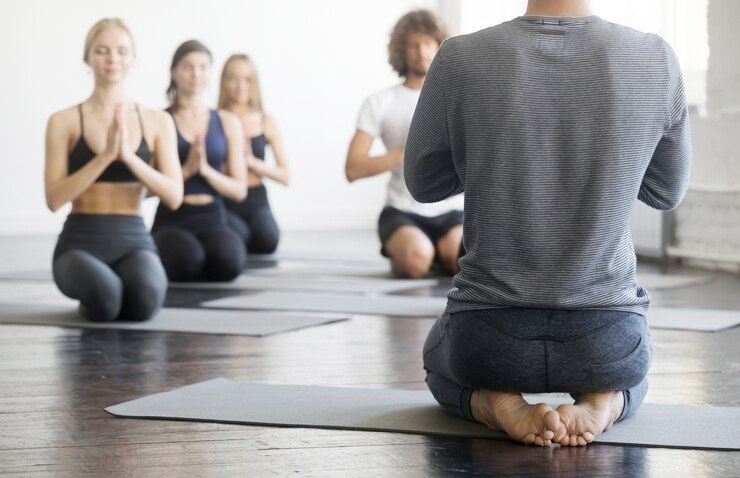
The steps involved in, the basics arc structure of class. Most yoga classes follow a basic arc structure that includes the following five elements: a) Initiating the yogic process: The most important part of this process is breath awareness. It involves guiding the students into a more focused inner awareness connecting the body, breath, and mind helping them establish the foundation of their practice. It is also the time to create space for this initiation, set the tone and intention of the class, to decide how the students will sit, lie or stand at the opening of the class, and for introducing pranayama practices. b) Warming the body: Warm-up is an integral part of yoga. It improves flexibility, reduces the risk of injury, and generates inner fire to burn the toxicity. It can be classified into: i) Passive warm-up: The body is warmed up using external forces such as a heated room or hot bath. It is used to prepare the body for intense activity. ii) Active warm-up: This is a self-initiated process. It gradually increases the heart rate, blood flow, metabolic rate, and nerve impulses and activates muscle groups in the body. It can be further divided into: General warm-up: It includes activities that bring overall warmth to the body and is carried out at the beginning of the practice. A good general warm-up can include Ujjayi pranayama, Surya namaskar, cat-cow stretch. Targeted warm-up: It includes activities that focus on preparing the body for intense actions that may come later during the practice. Ex: To prepare the body for backbends. A good targeted warm-up can include plank, chaturanga, up dog and down dog sequence. c) Pathway to the peak: It is important to create an asana sequence with each asana in relationship to another to make it more accessible. The key principle is to move from simple to complex asanas leading to the deepest and easiest possible exploration along the entire path to the peak asana and eventually to Savasana. With clear guidance from the teacher, the students can cultivate a deeper awareness of each pose, breath work, and how the body can open and stabilize, giving the student the opportunity to successively explore. d) Exploring the peak: The peak asanas or asanas are usually the easiest yet most challenging ones to practice. They are easy if the pathway offered is clear and simple, building up to the peak. They are also challenging because they require strength, openness, and balance. It is the perfect time to remind the students that the practice is about self-exploration, acceptance, and transformation. After the peak is explored, it is a must to completely relax, balance the breath, and tune into the personal intention of the practice. Ex: Backbends are usually placed at the peak. e) Integration: The integration process or Pratikriyasana includes individual asanas, sets of asanas, and the entire class sequence. There are their stages involved: i) Specific Pratikriyasana for peak asana: Teach simple asanas to neutralize any tension arising from the practice of peak asana. ii) Deep and relatively more static relaxing asanas: After neutralizing the tension, a series of asanas that calm the body and allow the students to move into a deeper release must be practiced. iii) Savasana: It is important to end the practice by relaxing and offering a feeling of completeness, openness and wholeness. The corpse pose is the ultimate restorative asana and must be practiced for a minimum of at least 5 minutes.
yogic practices to overcome Shallow breathing.
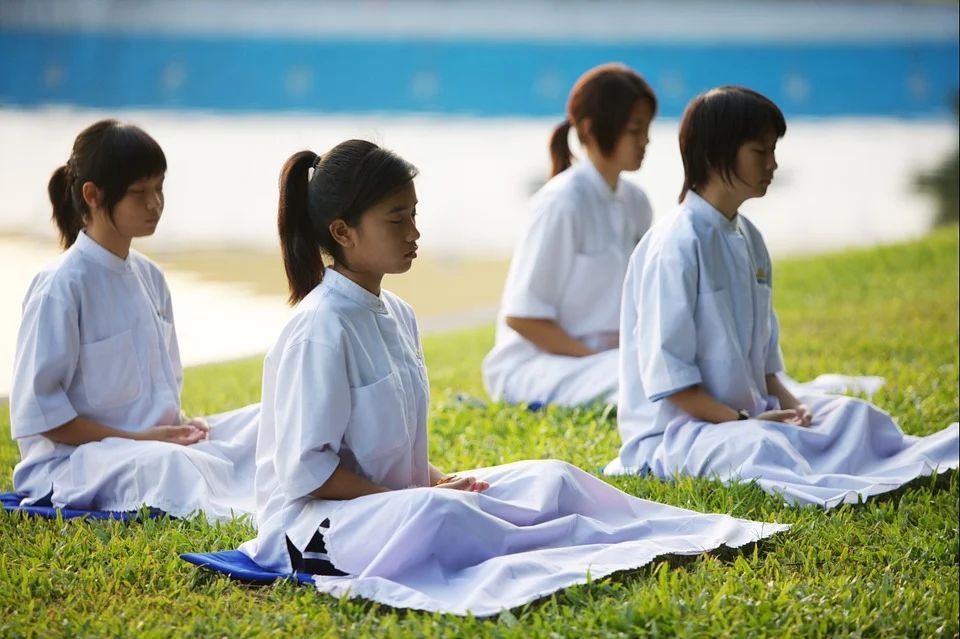
Practices such as Sun salutation, asanas (e.g., bridge pose, …), pranayama (Nadi shodana, kapalabati), conscious effort and mindfulness practices can help to overcome shallow breathing.
Types of asana demonstration.
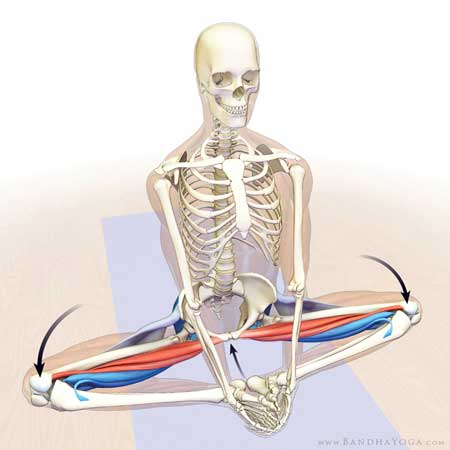
Types of asana demonstration. Positioning and Demonstrating: This includes positioning oneself in front of the class and demonstrating the practice, so it is visible to all In the flow Demonstration: Either the teacher themselves or an assistant demonstrates while giving verbal instructions and verbal cues on how to transition into the asana and the proper way to stay in the It helps the flow of the class to be maintained without any break. Gather Around Demonstration: Here, the flow is stopped, and the students are asked to stop and look at The students gather around the teacher and the teacher then demonstrates while explaining. The demonstration happens by breaking it down and pausing at every stage and explaining the alignment along the way. If any doubts are raised, they are clarified, and only then do students return back to continue with the practice. Courtesy To: Shrutika Mishra, RYT – 200 Hour
Different levels of hatha yoga class, and its prerequisites.
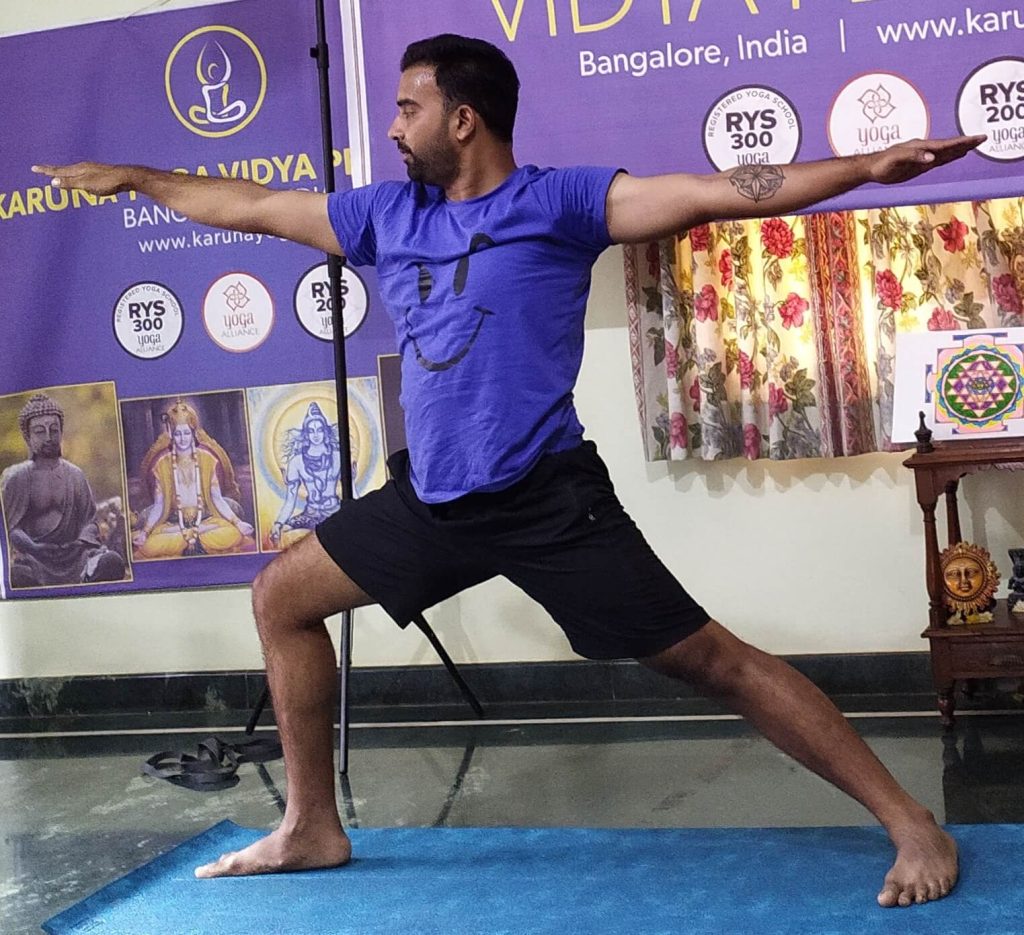
Different levels of hatha yoga class, and its prerequisites. Ideally, there are four levels of Hatha Yoga Practices – Foundation, Beginners, Intermediate, and Advanced. Foundation course usually involves Yin Yoga, Restorative Yoga, and Yoga Therapy, it is usually used for people who come with certain complaints and restraints. The beginner level is for everyone as it accommodates the basics of the practice, SuryaNamaskara with modifications, and basic asanas for beginners. It is ideal for people with issues that might not be able to practice dynamic yoga. Intermediate and Advanced Yoga classes are dynamic and involve dynamic practices including several rounds of SuryaNamaskara, Vinyasa, and Advanced level asanas including inverted asanas. These level classes can be taken by people who have practiced yoga and do not have heart issues, back pain, knee pain, blood pressure, sciatica, neurological disorders like epilepsy, etc. Although, a class can be structured to be inclusive of all levels and open for everyone. The teacher can modify the students who are beginning to adjust to their level or have them rest in Balasana when they are getting tired. If a student is deemed unfit to practice yoga at a particular level after the teacher’s diagnosis. The teacher should approach them individually and explain to them the nature of the issue and offer alternatives. Courtesy To: Shrutika Mishra, RYT – 200 Hour
Voice and language, in related to different types of hatha yoga classes.

Voice and language, in related to different types of hatha yoga classes. Voice is an integral part of connecting with students and teaching. As the teacher, the voice is how they present themselves and how the students will perceive them for it. The voice of the teacher should manifest from the Vishuddha Chakra, from the throat to be clearer and speak with ease. It should be sufficiently audible, enough for all students to hear it but not too loud so it becomes too distracting. The voice and tone should match the tone of the class. It should be intense for dynamic practices like vinyasa but it should be soft, relaxed, and soothing during Restorative Yoga, Savasana, or Yoga Nidra. The tone and voice used by the teacher should have a certain level of assertiveness, but also kindness and empathy. They should not sound condescending in any way. The language used by the teacher should be direct, concise, and easy to understand. The use of Sanskrit names of the asanas is a personal choice and can impact the practice depending on the student. Courtesy To: Shrutika Mishra, RYT – 200 Hour
Yoga classroom setup and orientation.

Yoga classroom setup and orientation. The classroom orientation and setup are vital for a yoga class as they determine the position of the teacher and the students. The setup should be ideal for the students to learn as effectively as possible. Ideally, the teacher’s yoga mat should be placed ahead of the class, in a position where each student can visibly watch the teacher demonstrate. The teacher can use two yoga mats placed one over the other in a “+” formation to be able to demonstrate from both directions with ease. In the rectangular method of orientation, the students’ mats should be placed opposite to the teacher, either vertically or horizontally depending on the space. Novice, beginner students should be oriented towards the front to better be able to observe the teacher, also they should be closer to the wall in case they need support for certain asanas. Pregnant women should also be in the front close to a wall for support. This will allow the teacher to have a better view for observation and provide assistance whenever needed. Proficient, advanced, and tall students should be oriented towards the backside. The teacher’s position should be away from the entrance so that, students coming in do not interrupt the ongoing class. Another orientation method called the Community Alignment can be used. In this, the teacher is in the middle and the students’ mats are arranged either in a circle or a semi-circle around the teacher’s mat. This orientation allows a more energetic vibration and also allows teachers to have an easy observation view for all the students. Courtesy To: Shrutika Mishra, RYT – 200 Hour
Querying new yoga students and assess on basis of the Pancha (five) kosha (layer) theory

Querying new yoga students and assess on basis of the Pancha (five) kosha (layer) theory As yoga teachers, we must show care and concern to our students and dutifully assess them according to their comfortability and health condition. Before joining students in the class we must follow the ethics of personally getting to know them a little bit by questioning and observing their overall behavior, body condition, and the quality of lifestyle they follow. Here are some ways to gather the right information from our students based on the Pancha kosha theory. Annamaya kosha (food sheath, physical layer) Just by the observation of one’s physical features and appearance we can identify their bodily strength and flexibility. We can also directly ask them questions regarding their medical history. Based on Annamaya kosha (food sheath, physical layer), we gather information related to the students’ bodily condition only. Also, it’s very important to check up on them from time to time after they begin practicing in class, and ask them” how are u feeling today?”, “do you have any pain at any part of the body?”, etc. We must always tell the students to listen to their body and not strain too much and based on their answers we can design a class that can help them recover from ailments. Pranamaya kosha(vital energy body) Breathing is very important during the practice of yoga asanas, it helps us regulate our vital energy channel or the prana. To assess students based on pranamaya kosha we can simply observe their way of natural breathing. Abdominal or Full yogic breathing shows that a person is in a relaxed and aware full state, while chest and clavicular breathing tells us he/ she is feeling tense or impatient. With this observation we can assess those students who have difficulty in relaxed breathing to practice pranayama, helping them cleanse their energy channels(nadis) and regulate energy through aware full breath. Manomaya kosha (mind) With awareness, everyone can sense their mental calmness and stability. However, some people do not know how to bring stability to their chain of thoughts. While asking students general and friendly questions about their life we can figure out by calmly listening to their reply, as to how much mental stability they have. Students who speak too fast and keep complaining about their problems need help to find mental peace. They need the practice of meditation with asanas and pranayama to support their physique and energy stability. This way we can assess the basis of Manomaya kosha. Vijnanamaya kosha (discern intellectual) There are pious personalities who have transcended beyond the body and mind, they are in the pursuit of ultimate knowledge. Those who identify themselves as the vijnanamaya kosha are inclined more towards spirituality. The best practice for them is jnana yoga, which involves reading scriptures like the Bhagavad Gita and the Upanishads with some chanting and meditation. Anandamaya kosha(bliss level) Finally coming to those who have realized the anandamaya kosha enjoy all the different yogic practices. They tend to see themselves as one with nature and seem to be aware of the present moment. We can suggest such students continue practicing meditation or other practices in a calming outdoor environment go for pilgrimage and other recreational activities. Overall depending on our self-assessment, we can adapt any yogic practice, but the key for liberation from life sufferings depends on the consistency of our practice. As yoga teachers, we are still practitioners, so apart from motivating our students for practice we must maintain our lifelong learning and application of yogic knowledge along with a quality spiritual lifestyle. Courtesy To: Ananya Kasiraj, RYT – 200 Hrs (student assignment)
HATHA YOGA CLASS STUDIO ETIQUETTE

HATHA YOGA CLASS STUDIO ETIQUETTE The word etiquette means the protocol of polite behavior in society or among members of a particular profession or group. A yoga class which is all about focusing on strengthening the mind and body, which is usually practiced in a calm and peaceful environment, requires a code of conduct to maintain discipline among the students as well as the teachers, so that practice and learning can take place efficiently. Let’s discuss some points over keeping up with the right attitude towards attending a yoga class and the kind of behavior the teachers must maintain with their students. The yoga classroom is a tidy, spacious place filled with positive vibrations, that deserves to be treated like a holy sanctuary, the place that helps us heal the mind and body must be respected.. Trainers and practitioners must follow the code of cleanliness in the classroom and must always make sure they enter the hall with clean bare feet (like they do in a temple) and tidy up the place before exiting the class by returning the props back and switching off the lights and fan. Indulgence in physical workout comes with the need for personal hygiene, it’s important to keep our body healthy and clean devoid of internal and external toxins. Students must be encouraged to wash up before the practice of hatha yoga, keep their mats clean, and avoid the usage of cologne, so that their scent doesn’t disturb the class and allows everyone to breathe comfortably. The attire we wear for the practice must be neat and comfortable, and not come off as an unwanted source of distraction. In case a student has turned a blind spot towards following the right protocol of being hygienic, the teachers are suggested to approach them personally and deal with the situation by remaining calm and collected, to explain tem the importance of following classroom ethics. Maintaining punctuality is an important quality of discipline, and as teachers of disciplinary practices we must inform students to be at the studio at least 5 minutes before start time and stay till the end of class. In case some students are running late or they need to leave in between the session, they have to inform the teacher beforehand so that they can be guided in and out of the class without causing any disturbance for the others. When a student comes very late we must assess them separately, allowing them to do either a few warm ups or remain in child pose before coming back up in sync with the group practice. The world is surely a stage where various characters play their role, Hence as teachers we can’t expect everyone we meet to remain patient enough to attend the class silently at all times, so instructing the students to focus on their breathing sound and your verbal cues can slowly help reduce the talkative disturbances in the classroom. At the same time students must be encouraged to politely clear their doubts regarding the subject matter. In case of talkative students causing a disturbance in class, teachers must talk to them in a person slowly asking them to remain silent during the time of practice. It’s also recommended to not keep any attachments with the students, and make sure we don’t indulge into their laments so that we can conserve our mental energy, and not let the class turn into a counseling session. Overall, following these ethics can create a big impact in practicing hatha yoga very well and to bring out optimum and quick results from the focused practice. Courtesy To: Ananya Kasiraj, RYT – 200 Hrs (student assignment)
Importance of teaching methodology in the application of different styles of hatha yoga teachings
Importance of teaching methodology in the application of different styles of hatha yoga teachings “The mediocre teacher tells. The good teacher explains. The superior teacher demonstrates. The great teacher inspires.” — William Arthur Ward Kindling a desired change among the students is an art in itself. A technique that leads the student’s mind to get engrossed with the joy of learning, structured in such a manner to encourage each individual to put in their maximum effort. In order to derive such a formula, a teacher must train themselves to be well knowledgeable over the subject matter and enhance their organizing skills. The same applies for yoga trainers also. As a yoga trainer, one must not only be skillful in doing asanas and the subject matter but must be confident enough to assess and inspire their group of students, he/she must know: – how to manage the class timing, – make the session interesting, – use clear instructions and a modulated voice – have a broad mindset – Finally follow yogic manners with discipline. Using their inner creativity to organize a class for various groups of students will also add up as a bonus point for their careers. In this essay, we will see the importance of the application of different styles of hatha yoga. Modern trend demands for a skillful yoga teacher world wide, who tends to cater the needs of a huge population of students. Therefore, group practice is needed to maintain systematic learning. Lets see the styles of hatha yoga for a few groups of students. – Those who are fitness enthusiasts prefer dynamic yoga practices like Vinyasa yoga or Ashtanga yoga. – For healthy and absolute Beginners: Hatha yoga and Yin yoga. – For the old and those with physical ailments: Restorative or gentle yoga – Prenatal yoga for pregnant women. In general Yoga trainers are mostly specialized in one particular style of Hatha yoga, and according to the time and setting of the environment he/she structures the asana, pranayama, and meditation practice required. For example : – Early Morning classes might require lots of warm up during cold weather. – Afternoon and evening classes may be dynamic when the air is warm. – Night practice can be gentle and relaxing. Apart from that, it’s mandatory for a yoga teachers to be aware of the health condition of their students to assess them accordingly. Trainers must have a broad and strong mindset to deal with different aspects of students and avoid creating attachment with them, to focus on the efficient bilateral process, where the teacher and pupil venture together in a rhythmic flow that benefits each other both mentally and physically. In conclusion, some are born teachers, but many can develop teaching skills through training and practice. Yogic lesson plans require creativity to make your class more attractive and enthusiastic, which in itself can be fun and interesting work to do. Courtesy To : Ananya Kasiraj, RYT – 200 hours (student assignment)
Yoga class Room Physical Settings

Yoga class Room Physical Settings Certainly, the ambiance around a person can influence their mental state. At a high level, we can practice yoga almost anywhere, with the idea of being aware of our breath, body, and mind. Yet, it’s ideal to begin learning from a yoga studio or a yoga ashram, where the pious look and feel of these yoga places can influence a beginner’s mind to focus and practice effectively. The attractiveness of a yoga studio depends on various factors, which need to meet the student’s expectations of a pleasing infrastructure motivating them to practice and wanting to visit again. Let’s see the description of a magnificent yoga studio. To enter a breathable and spacious hall with big windows covered with fabric curtains automatically gives us a sense of mental freedom devoid of clusters. As a fresh warm breeze enters the studio it makes us feel at peace. The flooring used in the room affects the temperature settings, ideally, a wooden floor helps in keeping the students warm while a granite or marble floor tends to remain cold for the barefoot. Temperature regulation in a studio is important for the sense of comfort so that students won’t feel too hot or cold during the time of practice and even air conditioners can be an option used for this purpose. In exceptional cases like the practice of hot yoga, the studio must have a slightly warmer temperature than the regular temperature used. The bright sunlit room welcomes the morning sessions, while the studio lights are used for the evening times. For relaxed practices, dim lights or candles add a soothing effect, and with a hint of harmonized mild music, it will surely boost the quality of the healing session. Music is mostly not recommended but can be used low tuned enough, for the instructor’s and students’ voices to be heard. To enhance the yogic mood and freshness, a certain mild amount of pleasant fragrances can be used as long as it does not have adverse effects over the student’s health. Flexibility is not easily achieved without consistent practice and to help students support their practice an yoga studio must have the provision of props. Sturdy and clean yoga mats are essential for every student, they can be encouraged to bring their own mat or use the ones provided in the studio. Empty walls is a requirement for students who take wall support for balance, walls can have built in straps but they are not mostly recommended. Speaking of straps, they are very handy for extended reaching practices with a design that gives way for easy secure and release. Bolsters and thick folded blankets can be used as a cushion for knees and hips or for relaxation. Wooden or foam blocks are used as multi purpose props that give the best support, reachability, and balance for those who find certain postures difficult. At last chairs are props that can be used for prenatal yoga and old practitioners. Once a person masters the sense of awareness, he/she can practice yoga in harsh winters or the extreme hot desert region, or anywhere from the quiet tropical forest to the chaotic city streets. Overall a natural setting with a few plants and fresh air in the spacious yoga hall can kindle a yogic mood within a person to forget all worries and become aware of their breath, body and mind. A therapeutic setting brings in a sense of positivity in all, helping them to recollect themselves and focus. Courtesy To : Ananya Kasiraj, RYT – 200 hours (student assignment)