
3 Ways, Will Make You a Better Yoga Teacher
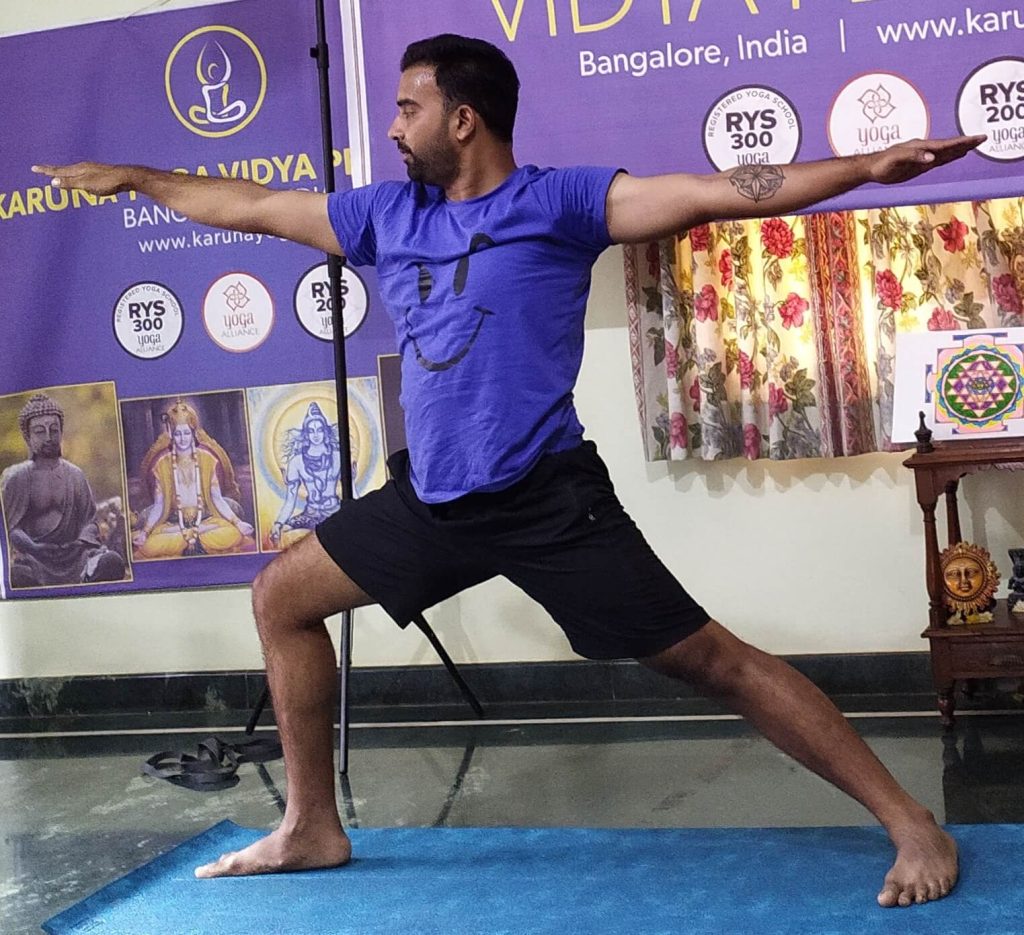
You’ll figure out who you are as a teacher When you are alone with us, we will focus on your strengths and weaknesses as a teacher so that you can grow and develop your own unique talents. We will ask you, “How do you present the idea of yoga to your students?” Once we have defined your point of view, we will take a look at where you are missing the mark and build on what you are really good at. When you teach what you are good at, it feels truly authentic, whether it’s alignment, anatomy or philosophy. You’ll grow into a master Claiming a room and being exceptionally certain doesn’t come effectively to certain individuals. A few educators don’t have the certainty to state, “Actually no, not in my room, not that way.” We’ll show the abilities to catch up on “no” with helpful strides forward, which makes a more associated instructor understudy relationship. We’ll additionally chip away at drawing in with the class and getting your understudies to realize that you see them. Think before you say If you want to say something, make sure you know what you are saying and why. For example, when aligning, one size fits all is impossible. I will not teach you “hints” that you can recite. Many times people don’t know what is in their mouth and why they say that.
Eka Pada Sirsasana (Foot Behind the Head Pose)
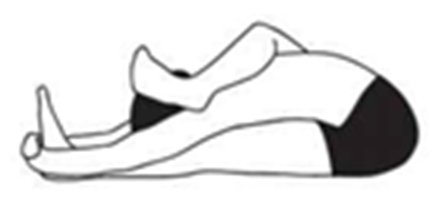
In this pose you will take one leg and place it behind the ear. Sit on the floor with your legs stretched out in front of you. Bend the left knee and grasp the left foot with both hands. Pull it close to the torso and then bend forward. Now it will be easier to place the leg behind the left leg to rest behind the neck. Fold the palms in Anjali mudra. Stay like this breathing easily for thirty seconds. Now relax the leg back down and repeat the pose on the other side. Precaution: Sciatica, hip problems or hernia and back problem. Benefits: neck and the back grow stronger. While the thighs muscles are stretched fully. Abdominal muscles are contracted and the digestive power increases. Stimulating peristalsis and removing constipation and relieving varicose veins.
How to Teach Asanas ?
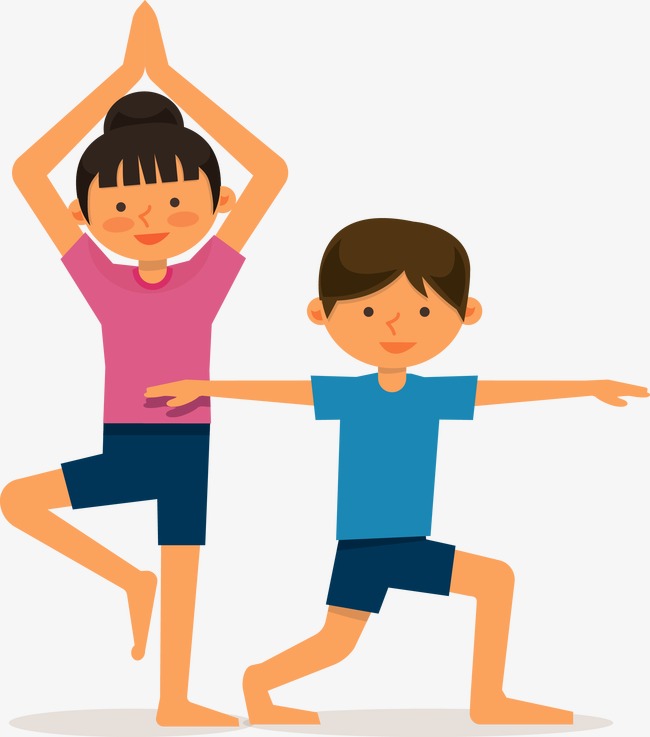
Yoga for Bronchial Asthma The role of yoga teacher in asana instruction is very important as the student will be relies on teacher. Yoga teacher should have complete attention on student breath and body movement. Yoga teacher should have knowledge of his or her different students health conditions and capacities so that his or her instructions cannot be generalized. Yoga teacher should demonstrate asanas to students with sensible in students understandable language as demonstration is very important part of the instructing and learning process. In yoga workshops positioning of teacher with students is very important. During instructing students the yoga teacher should also see the feet weather feet’s are straight, foot is out or in . Achilles are align straight or veer towards the mid line or toward lateral. Weather knees are hard or soft, flexed, extended or hyper extended. Hips are in level. Is there any tension in in one calf than the other? Arms are hanged evenly at the side or is one hand more in front than the other. Shoulders are even or level. Head is centered between the shoulders. Does the ear hole is lined up over the shoulder. Weather shoulder is forward or either slumping forward or pulled back. Do the knee caps point forward. Yoga teacher should repeat the demonstrations stage by stage so that asanas can easily understandable to student and they could perform asanas effectively. After the demonstration ask the students if they are clearly understand the asanas or else is there any need to demonstrate again.
Querying new yoga student

0) We should introduce our self with smiling face and positive attitude ask questions. 1) Have you ever practiced yoga? If answer is no. Assure them no problem but if the answer is yes 2) What style of yoga has been practised? 3) How long period yoga has been practised? 4) Do you have any injuries or anything else going on with your body that i should be aware of? 5) Have you ever had any surgeries? If yes collect details 6) How are your ankles, knees, hips, back, shoulders, neck , wrists ? Try to follow up the relevant questions with their answers. We should use our knowledge but also prepare to acknowledge that we do not know about the injury or issue and encourage the student to take care of him or herself. 7) are you pregnant or have you recently had a baby? Ask this of any women if we think she is pregnant or who recently gave birth, share with her basic trimester cautions. 8) What is your profession, work or daily life like? 9) What do you do for exercise? According to the answers to the above questions we should give the student some initial guidance on how he / she might modify his / her practice.