
Patanjali Yoga Sutra – Kaivalya Pada Dominance of action or karma
Patanjali Yoga Sutra – Kaivalya Pada Dominance of action or karma 4.7. Karmasuklakrsnam yoginastrividhamitaresam| Karma-action Asukla-not white Akrsnam-not black Yoginah-of the yogis Trividham-threefold Itaresam-of others The deed of yogis are neither white nor black, of others they are threefold. Patanjali Yoga Sutra – Kaivalya Pada Exhibition of potential desires 4.8. Tatastadvipakanugunanamevabhivyaktirvasanam| Tatah-therefrom Tadvipaka-the ripening of those Anugunanam-accordingly Eva-only Abhivyaktih-manifestation Vasanam-of potential desires Therefrom the exhibition of potential desires according to their activities, ripening only. Patanjali Yoga Sutra – Kaivalya Pada Memory & impressions 4.9. Jatidesakalavyavahitanamapyantaryam smrtisamskarayorekarupatvat| Jati-class of birth Desa-place Kala-time Vyavahitanam-separated Api-even Anantaryam-sequence Smrtisamskarayoh-of memory and impressions Ekarupatvat-because of sameness in form Because memory and impression are the same in form there is a sequence although they may be classified by class of birth, place and time. Patanjali Yoga Sutra – Kaivalya Pada Source of potential impressions 4.10. Tasamanaditvam chasiso nityatvat| Tasam-there is Anaditvam-begnninglessness Cha-and Asisah-of the will to live Nityatvat-by permanence There is no beginning to them and the desire to live is eternal. Patanjali Yoga Sutra – Kaivalya Pada Vanishing of impressions 4.11. Hetuphalasrayalambanaih sangrahitatvadesamabhave tadabhavah| Hetu-cause Phala-effect Asraya-support Alambanaih-object Sangrhitatvat-because of being bound together Esam-of these Abhave-on the disappearance Tadabhavah-their disappearance Since cause and effect, support and object are act together, by their disappearance that also disappears. #Online Best yoga certification courses in Bangalore Patanjali Yoga Sutra – Kaivalya Pada Past & future exist 4.12. Atitanagatam svarupo’styadhvabhedadharmanam| Atita-past Anagatam-future Svarupatah-in its essential form Asti-exists Adhvabhedat dharmanam- of inherent properties Past and future exist in their own form by difference of paths. #Online Best yoga certification courses in Bangalore Patanjali Yoga Sutra – Kaivalya Pada Reason for existence 4.13. Te vyaktasuksma gunatmanah| Te-they Vyakta-manifest Suksma-subtle Gunatmanah-of the nature of gunas Whether manifest or unmanifest they are of the nature of gunas.
Patanjali Yoga Sutra – Kaivalya Pada: Pure Mind
Patanjali Yoga Sutra – Kaivalya Pada: Pure Mind 4.4. Nirmanachittanyasmitamatrat| Nirmana-creation Chittani-minds Asmita-egoism Matrat-alone Created minds are free from egoism alone. #Online Best yoga certification courses in Bangalore Patanjali Yoga Sutra – Kaivalya Pada Pure mind controls 4.5. Pravrttibhede prayojakam chittamekamanekesam| Pravrtti-activity Bhede-in connection wit the difference Prayojakam-moving Chittam-mind Ekam-one Anekesam-of many The pure mind directs the many in related with the difference of activities. Patanjali Yoga Sutra – Kaivalya Pada Meditative mind is freee from past impressions 4.6. Tatra dhyanajamanasayam| Tatra-there, of them Dhyanajam-born of meditation Anasayam-without the store of past impressions The mind which is born out of meditation, is free of past impression or vasanas. #Online Best yoga certification courses in Bangalore
Patanjali Yoga Sutra – Kaivalya Pada: Sources of psychic powers

Patanjali Yoga Sutra – Kaivalya Pada: Sources of psychic powers Arise of psychic powers 4.1. Janmausadhimantratapahsamadhijah siddhayah| Janma-birth Ausadhi-herbs Mantra-mantra Tapah-austerity Samadhi-trance Jah-born of Siddhayah-siddhis The siddhis(psychic powers) arises of birth, herbs, mantras, tapas or austerities, or samadhi. #Online Best yoga certification courses in Bangalore Patanjali Yoga Sutra – Kaivalya Pada Inherent Transformation 4.2. Jatyantaraparinamah prakrtyapurat| Jatyantara-another birth Parinamah-transformation Prakrti-nature Apurat-by making up, overflowing By the overflow of inherent potentiality creates the transformation from one substance into other substances. Patanjali Yoga Sutra – Kaivalya Pada Instrumental cause 4.3. Nimittamaprayojakam prakrtinam varanabhedastu tatah ksetrikavat| Nimittam-instrument Aprayojakam-indirect Prakrtinam-of various natural tendencies Varana-obstacles Bhedhah-removal Tu-but Tatah-therefore Ksetrikavat-like the farmer The instrumental cause does not stir up the various natures but simply clears the obstacles in the path of transformation. #Online Best yoga certification courses in Bangalore
HATHA YOGA PRADIPIKA
HATHA YOGA PRADIPIKA The Hatha Yoga Pradipika is compiled by Yogi Swatmarama, an outstanding personality among many authorities of Hatha Yoga i.e. Goraknanath, Gheranda and Srinivasa Bhatta. Hatha Yoga is a very important science for man all the time. The beauty of the Hatha Yoga Pradipika is that it solves a very great problem of every aspirant. The term Hatha is a combination of two big mantras, i.e. Ha & tha where Ha represents mind, the mental energy. That represents prana the vitral force. So Hatha yoga means the union between the pranic and mental force. This is the awakening of higher consciousness. In another description, Ha means moon; that means sun “This is a symbolic of the twin energy forces which exists in everything. It represents the forces of mind, prana or vitality. Which constitute body and mind? The term Pradipika actually means self illuminating or that which illumines. So it is a text which illumines a multitude of physical, mental and spiritual problems for the aspirants. #Online Best yoga certification courses in Bangalore As in yoga, life and consciousness are known as Purusha and Prakriti and in Tantra they are called Shakti and Shiva, similarly in Hatha yoga they are known as Ida and Pingala. In Hatha yoga it begin by saying the one should first purify the whole body the stomach, intestines, nervous system and other systems. By discipline the body the subtle elements, the energy channels (Nadis) within the body should be purified. The behaviour of the vital life force (Prana), the entire nervous system and the various secretions in the body should be properly maintained and harmonized. In this way it will be possible to develop deep meditation. These practices will induce pratyahara and leading dharana dhyana and Samadhi. The main objective of Hatha Yoga is to create an absolute balance of the interacting activities and processes of the physical body, mind and energy. When this balance is created the impulses created give a call of awakening to the control force (Sushmana nadi) which is responsible for the evolution of human consciousness. Therefore it considers Hatha Yoga as the preliminary practice of Tantra, Raja Yoga, Kundalini Yoga and Kriya Yoga. #Online Best yoga certification courses in Bangalore Totally there are four chapters, Chapter I – Asana 67 verses Chapter II – Pranayama and Kriya 78 verses Chapter III – Mudras and Bandhas 130 verses Chapter IV – Samadhi, Nadanusandhana 114 verses Four major sources of Hatha yoga from 6th to 13th century AD. Hatha Yoga Pradipika – Svatmarama Goraksa Samitha – Gorakhnanth Gheranda Samitha – Gheranda Hatha Ratnavali – Srinivasa Bhatta OBJECTIVE Purification and harmonization of Body, Prana and Mind – leading to Raja yoga. Histroical Aspects Vedas & Upanisads – 5000 BC Bhagavad Gita – 300 BC Bhagavata – 1500 BC Patanjali Yoga Sutra – 1800 BC Buddha – 600 BC Jain – 300 BC Hatha Yoga Texts – From 1000 AD to 1600 AD #Online Best yoga certification courses in Bangalore Hatha Yoga Pradipika Four Chapters – Sadanga Yoga 1. On Asanas Yamas & Niyamas – Do’s & Dont’s Asanas – Postures 2. On Pranayamas Shatkriyas – Cleansing techniques Pranayamas – Mastery over prana 3. On Mudras Bandhas – Locks Mudras – Symbols 4. On Samadhi Samadhi – Absorb Yama & Niyama 1. Ahimsa – Non violence 2. Satya – Truthfulness 3. Asteya – Non stealing 4. Brahmacarya – Continence 5. Ksama – Forgiving 6. Dhrti – Endurance 7. Daya – Compassion 8. Arjavam – Straight forwardness 9. Mitahara – Sparing diet 10. Saucam – Cleanliness Niyamas 1. Tapas – Penance 2. Santosa – Contentment 3. Sravana – Hearing the scriptures 4. Isvara pujanam – Worship of god 5. Astikyam – Belief in god 6. Danam – Charity 7. Hrih – Modesty 8. Matih – Analysis 9. Hutam – Yajna 10. Tapah – Offering #Online Best yoga certification courses in Bangalore CHAPTER – 1 Asanas (67 Verses) Yogi Swatamaram instructs that Hatha Yoga is only for the highest stage of Yoga Astha Sidhis • Anima – The ability to become very small • Laghima – The ability to become very light or weightless • Mahima – The ability to become as large as possible • Garima – The ability to become heavy • Prapti – The ability to reach any place • Prakamya – The ability to stay under the water and to maintain the body Youthful. • Vasitva – The ability to control over all objects, Organic and inorganic • Isitva – The ability to create and destroy at will Preparations Place of Practice, the Hatha Yogi should live alone in a heritage and practice in a place where there is no hazard from rocks, fire, or water and which is in a well administered and virtuous kingdom (nation or town) where good alms can be easily attained. There are six causes of failure in Sadhna • Over eating • Exertion • Talkativeness • Adhering to rules • Company of Common people • Unsteadiness. Asana is the first part of Hatha Yoga Asana or specific body position opens the energy channels and psychic centers. The Hatha Yogis found that by developing control of the body through asana the mind is controlled. According to Hatha Ratnavali Lord Shiva taught 84 asanas, taking the examples of 84, 00,000 creations. Ghraksha Satarka says – every one of the 8, 40,000 asanas had been told by Lord Shiva. Out of them 84 postures have been selected of all the Haöha Yoga exist, Gheranda Samhita described 32 asanas and Hatha Ratnavali names the 84 asanas. Asanas presented in Hatha Yoga Pradipika. • Swasthikasana
GHERANDA SAMHITA
GHERANDA SAMHITA Gheranda Samhita is a systematically written text on yoga. It is in the form of a dialogue between Gheranda the preceptor and Chandkapali the (pupil). The yoga that has been discussed in Gheranda Samhita is called Ghathasta Yoga. “Gatha” refers to the body. Ghathasta Yoga means Yoga based approach through the body and the training of the body is the first step to the training of the mind. Obviously Ghathastha Yoga or Ghathastha Yoga deals with the Hatha Yoga practices. It describes more than 100 Yogic practices of varied nature. These practices can be classified as follows: Kriyas – 06 Dhautis – 13 Bastis – 12 Neti – 01 Lauli – 01 Kapalabhati – 03 Trataka – 01 Asanas – 32 Mudras – 25 Pratyahara – 5 Pranayama – 10 Dhyana – 3 Samadhi – 6 Total 102 In these Yogic practices there is gradual evolution of the process from Physical to Spiritual through Psychological process. Gheranda Samhita explains all the above practices in seven lessons. #50/100/200/300/500 hr Yoga teacher training certificate course Bangalore CHAPTER – 1 On the training of the physical body The training of the body is the first step to the training of the mind. A healthy mind can exist only in a healthy body. Hence the Hatha Yoga or training of the body is the first step to the training of the mind or Raja yoga. Lesson first start with the question of Chandkapali who wishes to know the physical discipline (Yoga) leads to the knowledge of truth (Tattava Jnana). Gheranda explains there is no fetters like those of illusion (maya) no strength like that which comes from discipline (Yoga). There is no friend higher than knowledge (Jnana) and no greater enemy than egoism (Ahankara). As by learning the alphabets, through practice one can master all the sciences, so by thoroughly practicing, first the (physical) training, one requires the knowledge of the truth. By practice of yoga one can overcome maya. There are seven exercises which pertain to the training of the body. They are particularly strengthening, steadying, calming and those leading of lightness, perception and isolation. The satkarmas are the six processes which include Dhauti, Basti, Neti, Laukiki, Trataka and kapalabhati. The technique and importance of these are also given in details. #50/100/200/300/500 hr Yoga teacher training certificate course Bangalore The sapta Sadhanas are, Kriyas – For cleansing Asanas – Gives Dridhata or strength Mudras – Gives Sithirata or Steadiness Pratyahara – Gives Dhairya or calmness Pranayama – Gives lightness or Laghima Dhyana – Gives perception or pratyakshatwa Samadhi – Gives Isolation, nirtipta which is the freedom #50/100/200/300/500 hr Yoga teacher training certificate course Bangalore CHAPTER -II Asanas and Postures There are 84, 00,000 asanas described by Lord Shiva, The postures are as many in the numbers of species of living creature in the universe. Among them 84 are the best and among these 32 have been found useful for mankind in this world. Sidhasana – Perfect Padmasana – Lotus Bhadrasana – Gentle Muktasana – Free Vajrasana – Adamant Swastikasana – Prosperous Simhasana – Lion Gomukhasanan – Cow – mouth Veerasana – Heroic Dhanurasana – Bow Maritasana – Crops Guptasana – Hidden Matsyasana – Fish Matsyendasana – Sage Gorakasana – Sage Paschimotanasana – Fish Utkatasana – Hazardous Sankatasana – Dangerous Mayurasana – Peacock Kukkutasana – Cock Kurmasana – Tortoise Uttanamandukasana – Frog Uttanakurmasana – Tortoise Vrikshasana – Tree Mandukasana – Frog Garndasana – Eagle Vrishasana – Bull slabhasana – Locust Makarasana – Crocodile Ustrasana – Camel Bhujangasana – Snake #50/100/200/300/500 hr Yoga teacher training certificate course Bangalore The very first asana – namely siddhasana is described as mokkna-kavatabhedanka (which opens the doors of realization, Padmasana, Bhadrasana, Simhasana, Matsyasana, all these destroy all sorts of disease). Muktasana gives siddhis (perfection) Vajrasana gives psychic powers to the yogi. Mritasana destroy fatigue and quiten the agitations of the mind. Gorakasana gives success to the yogis; Mayurasana destroys the effect of whole some food. It produces heat in the stomach; it destroys the effect of deadly poisons. If easily cures diseases like fever etc. Makarasana increases the body heat, Bhujangasana (serpent) always increases the bodily heat, destroys all diseases and by the practice of this posture the Kundalini force is awakened. #50/100/200/300/500 hr Yoga teacher training certificate course Bangalore CHAPTER – III Mudras There are 25 Mudras the practice of which gives senses to the yogis, they are. Mahamudra Nabho Uddiyana Jalandhara Mulabandha Maha Bandha Maha Bheda Khecari Viparita Karani Vajroli Sakticalana Tadagi Mandauki Sambhavi 20 Panca Dharma (Five Dharma) Asvini Pasini Kaki Matangini Bhujanginini These Mudras which gives happiness and emancipation. These Mudras destroys all diseases. There is nothing in the world like the Mudras for giving quick success. #50/100/200/300/500 hr Yoga teacher training certificate course Bangalore CHAPTER – IV Prathyahara By prathyahara all the passions like lust are destroyed. Let one bring the chitta (thinking principle) under his control by withdrawing it wherever it wanders away driven by the various objects of right, praise or censer good or bad, speech, sweet or bad, smell or taste or what ever the mind may be distracted or attracted. #50/100/200/300/500 hr Yoga teacher training certificate course Bangalore CHAPTER -V Pranayama Four things are necessary for practicing Pranayama in Good place. Suitable time Moderate food. Purification of the Nadis The purification of the Nadis is of two sorts. Samanu and Nirmanu. The Samanu is done by a mental process with Bijamantra. The Nirmanu is performed by physical cleanings. After purification of the Nadis one has to sit firmly in a posture and be in regular Pranayama. #50/100/200/300/500 hr Yoga teacher
Patanjali Yoga Sutra – Vibhuti Pada: Samyama and psychic powers
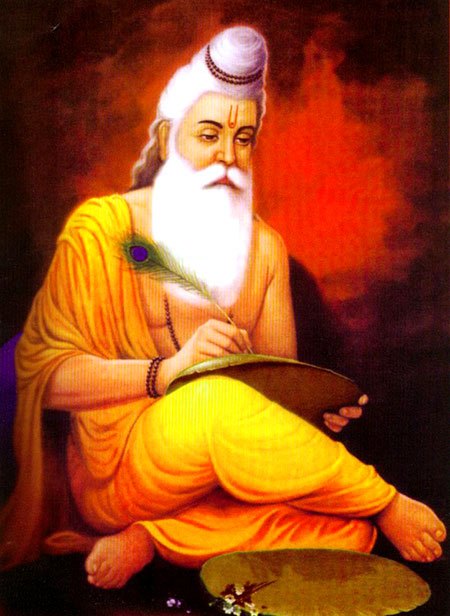
Patanjali Yoga Sutra – Vibhuti Pada: Samyama and psychic powers By samyama knowledge of past & future 3.16. Parinamatrayasamymadatitanagatajnanam| Parinama-transformation Traya-three Samymat-by samyama Atita-past Anagatah-future Jnanam-knowledge By practicing samyama on the three transformations, knowledge of past and future thing arise. By samyama knowledge of all speech 3.17. Sabdarthapratyayanamitaretaradhyasat saìkarastat pravibhagasamyamat sarvabhutarutajnanam| Sabda-word Artha-object Pratyayanam-mental content Itaretaradhyasat-because of mental superimposition Sankara-confusion Tat-that Pravibhaga-separate Samyamat-by samyama Sarvabhuta-all living beings Ruta-speech Jnanam-knowledge#Yoga course Bangalore The word, object and mental content are in a confused condition because of mutual superimposition. By practicing smyama on them separately, knowledge of the speech of all beings arises. By samyama knowledge of previous birth 3.18. Samskarasaksatkaranat purvajatijnanam| Samskara-impression Saksatkaranat-by direct impression Purva-previous Jati-birth Jnanam-knowledge By direct perception of the impressions, knowledge of previous births comes. By samyama knowledge of other’s mind 3.19. Pratyayasya parachittajnanam| Pratyayasya-of the content of the mind Para-another Chitta-mind Jnanam-knowledge By practicing samyama on the pratyayas, knowledge of others mind known. But not mental image 3.20. Na tat salambanam tasyavisayibhutatvat| Na-not Tat-that Salambanam-with support Tasya-its Avisayibhutatvat-because of not being the subject of samyama But the knowledge of other mental factors is not gained with support of the mental image because that is not the object of samyama. #Yoga course Bangalore By samyama power of invisibility 3.21. Kayarupasamyamat tatgrahyasaktistambhe chaksuhprakasasamprayoge’ntardhanam| Kaya-body Rupa-form Samyamat-by doing samyama Tat-that Grahya-receptive Sakti-power Stambhe-on suspension ChakSuh-the eye Prakasa-light Samprayoga-absence of contact Antardhanam-being invisible By applying samyama on the form of the body and suspended receptivity of the form, there being no contact between the eye and the light, the yogi can become invisible. By samyama power of disappearance 3.22. Etena sabdadyantardhanamuktam| Etena-by this Sabdadi-sound and others Antardhanam-disaapearance Uktam-said By what has been said the vanish of sound and other tanmatras can be understood. #Yoga course Bangalore By samyama knowledge of time of death 3.23.Sopakramamnirupakramam cha karma tatsamyamadaparantajnanamapyaristebhyo va| Sopakramam-the karma which activity Nirupakramam-the karma that is dormant Cha-and Karma-action Tat-that Samyamad-by performing samyama Aparanta-death Jnanam-knowledge Aristebhyah-by omens Va-or Karma is of two types, active and dormant. By applying samyama on them knowledge of death is gained, also by omens. By samyama power of friendliness 3.24. Maitryadisu balani| Maitri-frienliness Adisu-etc Balani-powers By applying samyama on friendliness, etc. there come those particular powers friendliness. By samyama attainment of strength 3.25. Balesu hastibaladini| Balesu-by samyama on the powers Hasti-elephant Bala-stength Adini-etc By applying samyama on the stenght of an elephant, etc. the corresponding strength is gained. By samyama gain hidden knowledge 3.26. Pravrttyalokanyasat suksmavyavahitaviprakrstarsva jnanam| Pravrtti-super physical faculty Aloka-like Nyasat-by projecting Suksma-fine Vyavahita-hidden Viprakrsta-distant Jnanam-knowledge The knowledge of subtle, obscure or distant objects is profited by dilating the light of the superphysical faculty. By samyama knowledge of the solar system 3.27. Bhuvanajnanam suryasamyamat| Bhuvana-solar system Jnanam-knowledge Surye-on the sun Samyamat-by performinf samyama Knowledge of the solar system is gained by applying samyama on the sun. By samyama knowledge of the stars 3.28. Candre taravyuhajnanam| Candre-moon Tara-stars Vyuha-arrangements Jnanam-knowledge By applying samyama on the moon, knowledge about the position of the stars is benefited. #Yoga course Bangalore By samyama knowledge of star movements 3.29. Dhruve tadgatijnanam| Dhruve-by performing samyama on the pole star Tat-that Gati-movement Jnanam-knowledge By applying samyama on the pole star, knowledge of the movement of the stars can be acquired. #Yoga course Bangalore By samyama knowledge of the body 3.30. Nabhichakre kayavyuhajnanam| Nabhi-navel Chakre-centre Kaya-body Vyuha-arrangement Jnanam-knowledge By applying samyama on the navel centre, knowledge of the arrangements in the body is obtained. By samyama mastery over hunger & thirst 3.31. Kanthakupe ksutpipasa nivrttih| Kanthakupe-by performing samyama on the throat Ksut-hunger Pipasa-thirst Nivrttih-retirement By applying samyama on the throat pit, hunger and thirst would not happen. 3.32. Kurmanadyam sthairyam| Kurmanadyam-by performing samyama on the kurma nadi Sthairyam-staediness Stableness is gained by applying samyama on the kurma nadi. #Yoga course Bangalore By samyama gain spiritual vision 3.33. Murdhajyotisi siddhadarsanam| Murdha-crown of the head Jyotisi-on the light Siddha-adept Darsanam-spiritual vision By applying smayama on the light of the crown of the head at sahasrara cakra, a spiritual vision of the masters of yoga is obtained. By samyama acquire intuitive knowledge 3.34. Pratibhadva sarvam| Pratibhat-from pratibha Va-or Sarvam-everything Or everything by virtue os pratibha or intuition. By samyama gain awareness of consciouness 3.35. Hradaye chittasamvit| Hradaye-by performing smayama on the heart Chittasamvit-awareness of the consciousness By applying samyama on the heart, awareness of consciouness dawns. #Yoga course Bangalore By samyama knowledge of universal consciousness 3.36. Sattva purusayoratyantasanké rnayoh pratyayaviseso bhogah pararthatvat svarthasamyamat purusa jnanam| Sattva-chitta Purusayoh-of the purusha Atyanta-extremely Asankirnayoh-distinct Pratyaya-awareness Avisesah-not distinct Bhogah-experience Pararthatvat-from objective consciousness Sva-ones own Artha-subjective awareness Samyamat-by samyama Purusajnanam-knowledge of purusha Chitta and purusha are extremly different. On account of non-difference of the awareness of both there is objective or subjective experience. By applying samyama on subjective awareness apart from objectives awareness, the knowledge of purusha is acquired. By samyama gain power of intuitive perception 3.37. Tatah pratibhasravanavedanadarsasvadavartta jayante, Tatah-therefrom Pratibha-the faculty of superior consciousness Sravana-the faculty of hearing Vedana-touch consciousness Darsa-visulization Asvada-faculty of taste Vartta-the olfactory faculty Jayante-are produced By applying samyama gain power of intuitive perception, therefrom are produced transcendental audition, sensation, perception, taste and olfactory knowledge. #Yoga course Bangalore
Patanjali Yoga Sutra – Vibhuti Pada – Psychic powers are obstacles in path of Yoga
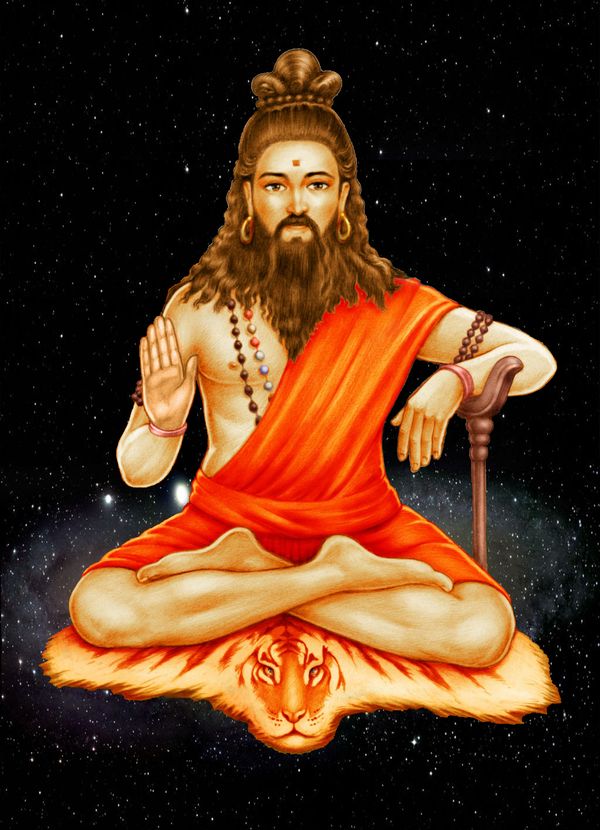
Patanjali Yoga Sutra – Vibhuti Pada – Psychic powers are obstacles in path of Yoga 3.38. Te samadhvupasarga vyutthane siddhayah| Te-they Samadhau-in samadhi Upasarga-obstacles Vyuttane-in the state of the consciousness of the world Siddhayah-psychics powers These psychic powers or siddhis are hindrances in path of samadhi, but in the state of consciousness of the world they are psychic powers. #200 hour Yoga teacher training certificate course in Bangalore By samyama gain power of entering another’s body 3.39. Bandhakaranasaithilyat pracarasamvedanachcha chittasya parasarirapravesah| Bandha-bondage Karana-cause Saithilyat-by loosening Prachara-passage Samvedanat-by knowledge Cha-and Chittasya-of the subtle body Para-of others Sarira-body Avesah-entry By releasing of the cause of bondage and by knowledge of the passage, the subtle body enters another person’s body. #200 hour Yoga teacher training certificate course in Bangalore By samyama gain power of levitation 3.40. Udanajayajjalapankakantakadisvasanga utkrantischa| Udana-one of the five pranas Jayat-by mastery Jala-water Panka-mud Kantakadisu-with thorns etc. Asanga-no contact Utkrantih-levitation Cha-and By samyama on udana upa prana there is non-contact with water, mud, thorns etc. and the body gets levitated. #200 hour Yoga teacher training certificate course in Bangalore By samyama gain Aura 3.41. Samanajayajjvalanam| Samana-the samana vayu Jayat-by mastery Jvalanam-blaze By applying samyama on the samana vayu, the body blazes. #200 hour Yoga teacher training certificate course in Bangalore By samyama gain power of divine hearing 3.42. Srotrakasayoh sambandhasaàyamaddivyam srotram| Srotra-ear Akasayoh-space Sambandha-relation Samyamat-by samyama Divyam-divine Srotram-organ of hearing By applying samyama on the relation of the ear and space, gained divine hearing. #200 hour Yoga teacher training certificate course in Bangalore By samyama gain faculty of moving through space 3.43. Kayakasayoh sambandhasamyamallaghutulasamapatteschakasagamanam| Kaya-body Akasayoh-of space Sambandha-relation Samyamat-by samyama Laghu-light Tula-cotton, wool Samapatteh-by fusion of mind Cha-and Akasa-space Gamanam-going through By applying samyama on the relation of body and space and by joining the mind wit the lightness of cotton, there is going through space. #200 hour Yoga teacher training certificate course in Bangalore Gain universal state of mind 3.44. Bahirakalpita vrttirmahavideha tatah prakasavaranaksayah| Bahih-external Akalpita-unimaginable Vrttih-state of mind Mahavideha-existence wihout body Tatah-therefrom Prakasa-light Avarana-covering Ksayah-distraction In the state of, existence without body, the vrittis are inconceivable and outside the scope of the body, whereby the covering of light is destroyed. #200 hour Yoga teacher training certificate course in Bangalore By samyama mastery over twenty five tattvas or bhutas 3.45.Sthulasvarupasuksmanvayarthavattvasamyamadbhutajayah| Sthula-gross Svarupa-real form Suksma-subtle Anvaya-interpenetrating Arthavattva-serving the purpose Samyamad-by samyama Bhutajayah-mastery over elements By performing samayama on the gross, basic, subtle and interpenetrating states and the purpose of the bhutas, mastery over them is gained. #200 hour Yoga teacher training certificate course in Bangalore By samyama attainment of eight psychic powers(asta siddhis) 3.46.Tato’nimadipradurbhavah kayasampattaddharmanabhighatascha| Tatah-therefrom Animadi-anima etc. Pradurbhavah-appearance Kayasampat-bodily well Tat-that Dharma-function Anabhighatah-non-obstructions Cha-and From that the appearance of anima, perfection of the body and non-obstruction from the functions of the body gained. #200 hour Yoga teacher training certificate course in Bangalore Perfection of the physical body 3.47. Rupalavanyabalavajrasamhananatvani kayasampat| Rupa-form, beauty Lavanya-grace Bala-stength Vajrasamhananatvani- hardness Kaya-physical Sampat-wealth The perfection of the physical body includes beauty, grace, energy, and hardness. #200 hour Yoga teacher training certificate course in Bangalore By samyama mastery of sense organs 3.48. Grahanasvarupasmitanvayasamyamadindriyajayah| Grahana-power of cognition Svarupa-real nature Asmita-egoism Anvayarthavatva samyamat-by samyama Indriyajayah-mastery over the sense organs Mastery over the sense organs is obtained by applying samyama on the power of cognition, real nature, egoism, all-pervasiveness and purposefulness. #200 hour Yoga teacher training certificate course in Bangalore Mastery over prakriti 3.49. Tato manojavitvam vikaranabhavah pradhanajayascha| Tatah-therefrom Manojavitvam-speed of mind Vikaranabhavah-freedom from sense organs Pradhanajayah-conquest of prakriti Cha-and Therefrom follows speed like that of mind, independent from any medium of instrumentality and mastery of the limitations of prakriti. #200 hour Yoga teacher training certificate course in Bangalore By samyama power of omnipotence & omniscience 3.50. Sattvapurushanyatakhyatimatrasya sarvabhavadhisthatrtvam sarvajnatrtvam cha| Sattva-chitta Purusha-self Anyata-difference Khyati-awareness Matrasya-only Sarva-all Bhava-states of existence Adhisthatrtvam-supermacy Sarvajnatrtvam-omniscience Cha-and Just by knowledge of the awareness of the difference between chitta and purusha follows supermacy over all states and forms of existence and omniscience. #200 hour Yoga teacher training certificate course in Bangalore By samyama gain detachment and knowledge 3.51. Tadvairagyadapi dosabijaksaye kaivalyam| Tat-that Vairagyat-by vairagya Api-even Dosa-defect Bija-seed Ksaye-due to destruction Kaivalyam-isolation By detachment, even regarding the powers, the seed of defect is eliminated and kaivalya is reached. #200 hour Yoga teacher training certificate course in Bangalore Causes of downfall in spiritual path 3.52. Sthanyupanimantrane sangasmayakaranam punanistaprasangat| Sthani-gods Upanimantrane-on being respectfully Sanga-attachment Smaya-pride Akaranam-by not Punah-once again Anista-undesirable Prasangat-by revival On being invited by the gods there should be no attachment and pride, because of the possibility of revival of the undesirable. #200 hour Yoga teacher training certificate course in Bangalore By samyama gain awareness of ultimate reality 3.53. Ksana tatkramayo samyamdvivekajam jnanam| Ksana-moment Tatkramayoh-its order of succession Samyamat-by samyama Vivekjam-born of realization Jnanam-knowledge By applying samyama on moment and its order of succession is born the knowledge of realization of the ultimate reality. By samyama knowledge of distinctions 3.54. Jatialaksana desairanyatanavachchhedat tulyayostatah pratipattih| Jati-birth Laksana-charaterictic Desayoh-by place Anyata-difference Anavachchhedat-on account of no definiton Tulyayoh-of the two similar objects Tatah-therefrom Pratipattih-knowledge By samyama transcendental knowledge 3.55. Tarakam sarvavisayam sarvatha visayamakramam cheti vivekajam jnanam| Tarakam-transcendental Sarvavisayam-all subjects sarvatha visayam-object of every place akramam-beyond the order of successon cha-and iti-that is all vivekajam jnanam- knowledge born of viveka Transcendental knowledge includes the knowledge of all objects beyond all orders of succession and is born of discrimination. Attainment of kaivalya 3.56. Sattvapurusayoh suddhisamye kaivalyamiti| Sattva-chitta Purusayoh-of the purusha Suddhi-purification Samye-on becoming equal Kaivalyam-isolation Iti-end Kaivalya is attained by equalizing and cleansing the illumination of purusha and chitta.
Patanjali Yoga Sutra-Vibhuti Pada – What is Concentration?
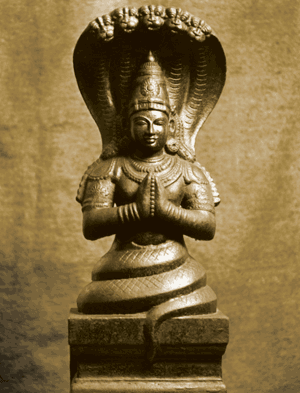
Patanjali Yoga Sutra – Vibhuti Pada – What is Concentration? 3.1 Desabandhaschittasya dharana | #Yoga teacher training certificate course fees in Bangalore Desa-place Bandha-binding Chittasya-of the mind Dharana-concentration Cocentration is bringing the mind to one place with effort. #Yoga teacher training certificate course fees in Bangalore Patanjali Yoga Sutra – Vibhuti Pada What is Meditation? 3.2. Tatra pratyayaikatanata dhyanam| Tatra-there(in the desha) Pratyaya-basis or content of consciousness Ekatanata-continuity Dhyanam-meditation Uninterrupted stream of the content of consciouness is Meditation. #Yoga teacher training certificate course fees in Bangalore Patanjali Yoga Sutra – Vibhuti Pada What is Samadhi or superconsciousness? 3.3.Tadevarthamatranirbhasaà svarupasunyamiva samadhih| Tadeva-the same Artha-the object of dhayana Matra-only Nirbhasam-appearing Svarüpa-one own form Sunyam-empty Iva-as if Samadhih-trance Samadhi is called, when there is only the object appearing without the consciousness of ones own self.
Patanjali Yoga Sutra – Sadhana Pada – Eight limbs of Yoga
Patanjali Yoga Sutra – Sadhana Pada – Eight limbs of Yoga 2.29.Yamaniyamasanapranayamaprtayaharadharanadhyanasamadhayo’stavangani| Yama-self restraints Niyama-fixed rules Asana-postures Pranayama-breath control Pratayahara-sense withdrawl Dharana-concentration Dhyana-meditation Samadhai-samadhi Asta-eight Angani-parts Personal ethics, social ethics, postures, breath control practice, sense withdrawl from its sense objects, concentration, meditation and samadhi or supersonsciouness, constitute the eight limbs of yoga discipline. Five Self-Discipline 2.30. AhimsaSatyaAsteyaBrahmacharyaaparigraha Yamah| Ahimsa- Non-violence Satya- truthfullness Asteya- honesty Brahmacarya-sensual abstinence Aparigraha-non-acquistiveness Yamah-self-restraints Non-violence, truth, honesty, sensual abstinence, and non-possesiveness are the five self-disciplines. Following Self-Discipline is the great Path 2.31. Jatidesakalasamayanavacchinnah sarvabhauma mahavratam| Jati-class of birth Desa-country, or place Kala-time Samaya-circumstances Anavacchinnah-unconditioned Sarvabhauma-universal Mahavratam-the great discipline It can be practiced universally without exception due to birth, place, time and circumstances then yamas become great disciplines. Social-discipline for yoga practice 2.32. Sauchasantosatapahsvadhyayesvarapranidhanani niyamah| Saucha-clenaliness Santosa-contentment Tapah-austerity Svadhyaya-self-study Isvara pranidhanani-resignation to god Niyamah-fixed rules Cleanliness, contentment, austerity, self-study and self-surrender to God constitute social discipline. Path to remove mind disturbance 33. Vitarkabadhane pratipaksabhavanam| Vitarka-passions Badhane- on disturbances Pratipaksa-the opposite Bhavanam-pondering over#Yoga teacher training certificate course fees in Bangalore When the mind is disturbed by passions one should practise contemplating over their opposites nature. Qualities and characteristics of mind disturbances 2.34. Vitarka himsadayah krtakaritanumodita lobhakrodhamohapurvaka mrdumadhyadimatraduhkhajnananantaphala iti pratipaksabhavanam| Vitarka-evil passions Himsadayah-violence and others Krta-done by ones self Karita-done through others Anumodita-approved Lobha-gree#Yoga teacher training certificate course fees in Bangalore Krodha-anger Moha-confusion Purvaka-preceded by mrdu-mild madhya-moderate adhimatra-intense duhkha-pain ajnana-ignorance ananta-infinite phalah-reults iti-like that pratipaksa-opposite bhavanam-thinking Thinking of evil thoughts such as violence, whether done through oneself, through others, or approved, is caused by greed, anger and confusion. They can be mild, medium, or intense. Pratipaksha bhavana is thinking that these evil thoughts cause infinite pain and ignorance. Benefits of following Non-Violenc #Yoga teacher training certificate course fees in Bangalore 2.35. Ahimsapratisthayam tatsamnidhau vairatyagah| Ahiàsa-non-violence Pratisthayam-on being firmly established Tatsamnidhau-in its vicinity Vaira-hostility Tyagah-abandonment Those who following strongly ahimsa path, there is abandonment of hostility and enmity in his vicinity. Benefits of following Truthfulness 2.36. Satyapratisthayam kriyaphalasrayatvam| Satya-truthfulness Pratisthayam-on being firmly established Kriya-action Phala-result or fruit Asrayatvam-basis Those who following truthfullness, the actions result in fruits, entirely depending on them. Benefits of being honesty 2.37. Asteyapratisthayam sarvaratnopasthanam| Asteya-honesty Pratisthayam-on being firmly established Sarva-all Ratna-gems Upasthanam-self-presentation By being firmly established in honesty path, so all gems present with themselves. Benefits of being celibacy 2.38. Brahmacharyapratisthayam viryalabhah| Brahmacharya-sexual abstinence Pratisthayam-on being firmly established Virya-indomitable courage Labhah-gain By following celibacy, veerya is gained. #Yoga teacher training certificate course fees in Bangalore Benefits of following Non-possessiveness 2.39. Aparigrahasthairye janmakathantssambodah| Aparigraha-non-possessiveness Sthairye-on becoming steady Janma-birth Kathanta-how and from where Sambodah-knowledge On becoming stable in non-possessiveness, there arises the knowledge of how and from where birth arise. Benefits of being cleanliness #Yoga teacher training certificate course fees in Bangalore 2.40. Saucat svanga jugupsa parairasaàsargah| Saucat-from clealiness Svanga-one own body Jugupsa-indifference Paraih-with others Asamsargah-non-attachment By being cleanliness there comes indifference towards one’s own body and non-attachment to others. Control of mind through cleanliness 2.41. Satvasuddhi saumanasyaikagryendriyajayatmadarsanayogyatvani cha| Satvasuddhi-purity of internal being Sauomanasya-cheer fullness Ekagrya-one-pointedness Indriyajaya-control of senses Atmadarsana-vision of the self Yogyatvani-ftness Cha-and By the practice of mental purity one gains qualification for cheerfulness, one-pointedness, sense control and vision of the self. Benefits of being contentment #Yoga teacher training certificate course fees in Bangalore 2.42. Santosadanuttamasukhalabhah| Santosad-from contentment Anuttamah-unexcelled Sukha-pleasure Labhah-gain Infinite happiness comes from the practice of contentment. Benefits of austerities 2.43. Kayendriya siddhirasuddhiksayattapasah| Kaya-the body Indriya-sense organ Siddhi-perfection Asuddhi-impurity Ksayat-destruction Tapasah-by austerities By following austerities, impurities are eradicated and there appears perfection in the body and sense organs. Benefits of self-study #Yoga teacher training certificate course fees in Bangalore 2.44. Svadhyayadistadevatasamprayogah| Svadhyayat-by self-awareness, self-obsrvation Istadevata-the deity of choice Samprayogah-communion By self-study, union with the desired deity is brought about. Benefits of self-surrendering to God 2.45. Samadhisiddhirisvarapranidhanat| Samadhi- superconsiousness Siddhi-perfection Isvara-god Pranidhanat-self-surrender Succcess in superconsiousness comes by complete resignation to God. How should be Asana? #Yoga teacher training certificate course fees in Bangalore 2.46. Sthirasukhamasanam| Sthira-steady Sukham-comfortable Asanam-posture Steady and comfortable should be the posture. How to mastery Asana 2.47. Prayatnasaithilyananatasamapattibhyam| Prayatna-effort Saithilya-looseness Ananta-the serpent called ananta Samapattibhyam-by meditation By effortless effort and by meditation on the serpent ananta, asana is mastered. Benefits of by mastery over Asana 2.48. Tato dvandvanabhighatah| Tatah-from that Dvandva-pair of opposites Anabhighatah-no impact Thereby the pairs of opposites stop to have any impact. What is pranayama? 2.49. Tasmin sati svasaprasvasayorgativichchhedah pranayamah| Tasmin-on that Sati-having been Svasaprasvasayah-inhalation, exhalation Gati-movement#Yoga teacher training certificate course fees in Bangalore Vichchhedah-break, cessation Pranayamah-pranayama After the asana practice done, pranayama is the stopping of the movement of incoming and outcomng breath. Types of Pranayama 2.50. Bahyabhyantarastambhavrttih desakalasankhyabhih paridrsto dirghasuksmah , Bahyah-outer Abhyantara-internal Stambhavrttih-supperessed stage Desa-place Kala-time Sankhyabhih-number Paridrstah-measured Dirgha-prolonged Suksmah-subtle Pranayama is external, internal #Yoga teacher training certificate course fees in Bangalore or suspended, regulated by place, time and number and becomes prolonged and subtle. Fourth type of pranayama 2.51. Bahyabhyantaravisayaksepi chaturthah| Bahya-external Abhyantara-internal Viñaya-object Aksepi-transcending Chaturtha-fourth The fourth pranayama is that which transcends the internal and external object, called it breathless state. By practicing pranayama luminosity achieved 2.52. Tatah ksiyate prakasavaranam| Tatah-thereby Ksiyate-disappears#Yoga teacher training certificate course fees in Bangalore Prakasa-light Avaranam-covering Thereby the covering of light vanish. Pranayama for good concentration 2.53. Dharanasu cha yogyata manasah| Dharanasu-in concentartion Cha-and Yogyata-fitness Manasah-of the mind And mind becomes well qualified for concentration. Withdrawing of the mind 2.54. Svavisayasamprayoge chittasvarupanukara indriyanam pratyaharah| Sva-ones own Visaya-object Asamprayoge-not coming into contact Chitta-mind Svarupa-own form Anukara-imitating Iva-as if Indriyanam-of the senses Pratyaharah-withdrawal Pratyahara means, the imitation by #Yoga teacher training certificate course fees in Bangalore the senses of the mind by withdrawing them from their respective sense objects. Mastery over the senses by pratyahara 2.55. Tatah paramavasyatendriyanam| Tatah-thereby Parama-highest Vasyate-mastery Indriyanam-of the senses This is the highest state of mastery over the sense organs by pratyahara practice. #Yoga teacher training certificate course fees in Bangalore
Patanjali Yoga Sutra – Sadhana Pada- Reasons for experiencing pain & how to remove it?
Patanjali Yoga Sutra – Sadhana Pada- Reasons for experiencing pain & how to remove it? 2.3. Avidyasmitaragadvesabhinivesah klesah| Avidya-ignorance Asmita-i-feeling Raga-liking Dvesa-repulsion Abhinivesah-fear of death Klesah-afflictions Ignorance, I-feeling, liking, disliking and fear of death, this all are the reasons for experiencing pains in our walk of life . #Best yoga teacher training certification courses in Bangalore Ignorance is the foundation cause for all pain 2.4. Avidyaksetramuttaresam prasuptatanuvichchhinnodaranam| Avidya-avidya Ksetram-field Uttaresam-of the following Prasupta-dormant Tanu-thin Vichchhinna-scattered Udaranam-fully operated, expanded Avidya or ignorance can be resided in the states of dormant, thin, scattered or expanded. #Best yoga teacher training certification courses in Bangalore Meaning for Ignorance? 2.5. Anityasuchiduhkhanatmasu nityasuchisukhatmakhyatiravidya| Anitya-not eternal Asuchi-impure Duhkha-pain Anatmasu-non-atman Nitya-eternal Suchi-pure Sukha-happiness Atma-self Khyati-knowledge Avidya-ignorance Meaning of Avidya or Ignorance is mis-understanding of non-eternal, impure, evil things considering as eternal, pure, good and atman. Ego or ‘I’ feeling is one of the ignorance 2.6. Drgdarsanasaktyorekatmataivasmita| Drg-purusha, power of consciousness, power to see Darsana-that which is seen, cognition Saktyoh-of the two powers Ekatmata-identity Iva-as if Asmita-i-feeling Asmita or ‘I’feeling, is the identity as it were of the purusha or pure consciousness with the Buddhi or discrminated knowledge. #Best yoga teacher training certification courses in Bangalore Attachment is the one of the Ignorance 2.7. Sukhanusayi ragah| Sukha-pleasure Anusayi-accompanying Ragah-liking Raga is the liking to such activities, which gives all sensual pleasures. Hatred is one of the Ignorance 2.8. Duhkhanusayi dvesah| Duhkha-pain Anusayi-accompanying Dvesah-repulsion Disliking means, the action which gives pain to physicall and mental level. #Best yoga teacher training certification courses in Bangalore Clinging to life is one of the ignorance 2.9. Svarasavahi viduso’pi tatharudho’bhinivesah| Svarasavahi-sustained by its one force Vidush-of the learned Api-even Tatha-like that Rudhah-dominating Abhinivesah-fear of death, clining to life Abhinivesha means desire for mundane life to extend, even this quality dominates learned wise people too. #Best yoga teacher training certification courses in Bangalore Future Pain in life can be reducible 2.10. Te pratiprasavaheyah suksmah| Te-they Pratiprasavah-involution Heyah-reducible Suksmah-subtle Those future pains can be avoidable or reducible by involution or by yogic practice, when they are subtle. #Best yoga teacher training certification courses in Bangalore Through Meditation Future Pain can Be Avoidable 11. Dhyanaheyastadvrttayah| Dhyana-meditation Heyah-reducible Tadvrttayah-their modification The modifications of the kleshas are reducible through meditation. #Best yoga teacher training certification courses in Bangalore Our past accumulated action is reason for present & future pain 2.12. Klesamulah karmasayo drsthadrsthajanmavedaniyah| Klesa-affliction Mulah-root Karma-action Asayo-reservoir Drstha-seen, present Adrstha-not seen, future Janma-birth Vedaniyah-to be experienced This accumulated karmas which is the root cause of afflictions is to be experienced in the present and future births. Fruits of accumulated action 2.13. Sati mule tadvipako jatyayurbhogah| Sati mule- so long as the root is there Tat-it Vipakah-ripening Jati-birth, class Ayuh-span of life Bhogah-experience So long as the root of accumulated karma is there, it ripens and gives birth and class, span of life and experience. #Best yoga teacher training certification courses in Bangalore Fruits depend on past life action 2.14. Te hladaparitapaphalah punyapunyahetutvat| Te-they Hlada-joy Paritapa-sorrow Phalah-fruits Punya-merit Apunya-demerit Hetutvat-on account of They have happiness or sorrow as their fruits depending upon their merit or demerit of past life action. #Best yoga teacher training certification courses in Bangalore Pleasure and pain both are painful indeed 2.15. Parinamatapasamskaraduhkhairgunavrttivirodhacca duhkhamva sarvam vivekinah , Parinama-result, consequence Tapa-acute suffering Samskara-impression Duhkhaih-by these three pains Guna-three gunas Vrtti-modification of mind Virodhat-on account of, opposing Cha-and Duhkham-pain Eva-only Sarvam-all Vivekinah-those who have discrimination In the case of one who has discrimintaive knowledge (viveka), all is painful because of pains due to change, acute suffering, samskaras, and also due to gunas and vrittis in opposition. #Best yoga teacher training certification courses in Bangalore