
1. Introduction
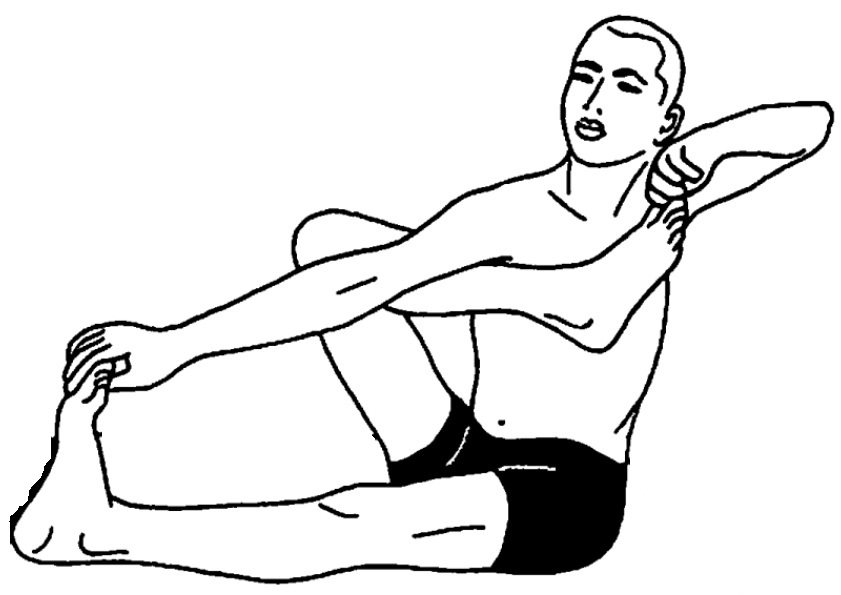
Akarna Dhanurasana, often referred to as Archer Pose or Bow and Arrow Pose, is a seated yoga posture that combines spinal extension, hamstring stretch, hip opening, and upper body engagement. The posture is inspired by the archer drawing a bow, symbolizing focus, precision, and energy control.
This advanced asana requires flexibility, balance, core strength, and coordination. It is traditionally practiced in Hatha Yoga and sometimes integrated into Ashtanga or Vinyasa sequences for its therapeutic benefits. Akarna Dhanurasana enhances concentration, physical stability, and proprioception.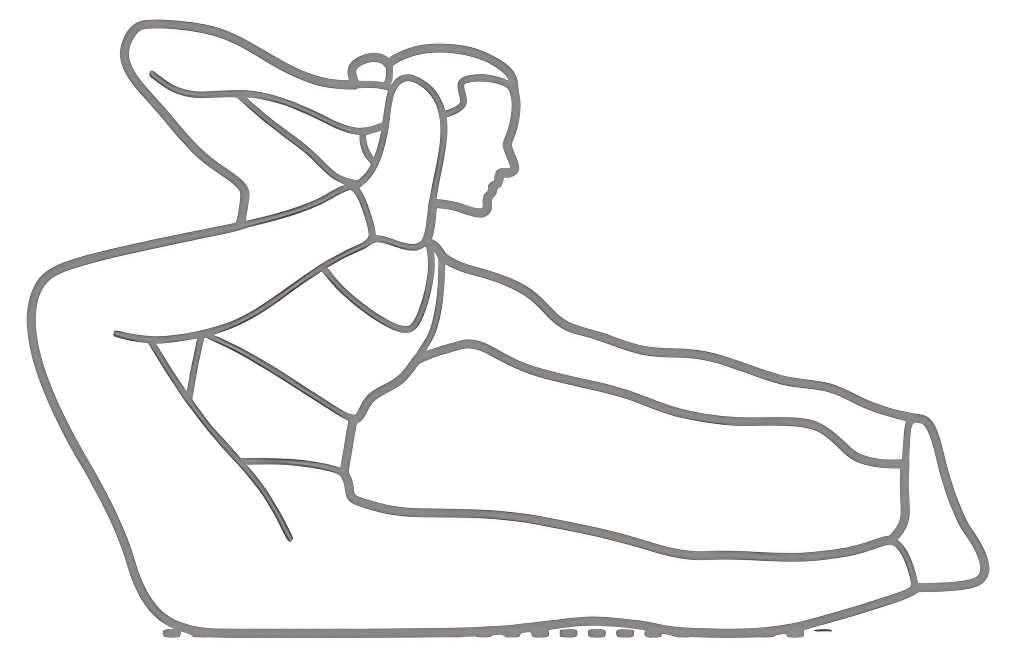
2. Word Meaning and Definition
2.1 Word Meaning
- Akarna : “Near the ear” or “toward the ear” — referring to the drawing of the foot toward the ear like a bowstring.
- Dhanura : “Bow” — referencing the shape formed by the extended leg and arm, mimicking a bow.
- Asana : “Posture” or “Seat.”
Thus, Akarna Dhanurasana translates to “Bow Pose near the ear” or “Archer Pose”, symbolizing alertness, concentration, and controlled energy release.
2.2 Definition
Akarna Dhanurasana is a seated posture in which the practitioner:
- Sits with one leg extended and the other leg folded inward.
- Holds the foot of the extended leg with one or both hands near the ear.
- Engages the core and maintains spinal length while stretching hamstrings, shoulders, and arms.
It is considered an advanced seated asana promoting flexibility, strength, and focus.
3. Method of Practice — Step by Step
Step 1: Preparation
- Sit in Dandasana (Staff Pose) with legs extended forward.
- Ensure the spine is elongated, shoulders relaxed, and core engaged.
- Practice hamstring stretches such as Paschimottanasana to prepare.
Step 2: Leg Positioning
- Bend the left knee and bring the left foot close to the left thigh.
- Extend the right leg forward in a straight line.
Step 3: Arm and Hand Positioning
- Reach the right hand toward the right foot.
- Wrap fingers around the foot or big toe.
- Bring the right foot near the ear (hence “Akarna”).
- Left arm can rest on the left knee or reach forward for balance.
Step 4: Torso and Spine Alignment
- Keep the spine upright and elongated.
- Avoid rounding the back.
- Engage core muscles for balance and support.
Step 5: Gaze and Breathing
- Focus the gaze forward or slightly upward.
- Inhale to lengthen spine; exhale while drawing foot toward ear.
- Maintain slow, rhythmic breathing throughout.
Step 6: Hold and Release
- Hold the posture for 15–30 seconds initially.
- Gradually increase duration as flexibility improves.
- Release gently and switch sides.
4. Alignment Cues
- Hips: Ground evenly on sit bones; avoid tilting sideways.
- Spine: Lengthened; avoid slumping.
- Shoulders: Relaxed, away from ears.
- Legs: Extended leg straight; bent leg positioned comfortably.
- Foot and Hand: Foot near ear without forcing; hand grip firm but gentle.
5. Benefits of Akarna Dhanurasana
5.1 Physical Benefits
- Stretches hamstrings, calves, and groin muscles.
- Opens hips and improves flexibility.
- Strengthens arms, shoulders, and upper back.
- Enhances core strength and spinal alignment.
5.2 Physiological Benefits
- Improves digestion by stimulating abdominal organs.
- Enhances circulation in lower extremities.
- Activates parasympathetic nervous system for relaxation.
5.3 Psychological Benefits
- Increases focus, concentration, and mental clarity.
- Encourages mindfulness and mental discipline.
- Symbolizes precision and control, enhancing mental alertness.
6. Contraindications
- Hamstring or calf injuries.
- Knee or ankle problems.
- Hip pain or arthritis.
- Lower back injury or spinal disc issues.
- Pregnancy (due to forward bending and spinal strain).
7. Counterposes
- Supta Baddha Konasana — relaxes hips and groin.
- Balasana (Child’s Pose) — releases spine and shoulders.
- Paschimottanasana — gentle forward fold to counter upper body stretch.
- Setu Bandhasana (Bridge Pose) — counteracts hip flexion and spinal stretch.
8. Preparatory Practices
- Dandasana — spinal alignment and core preparation.
- Paschimottanasana — hamstring flexibility.
- Ardha Baddha Padma Paschimottanasana — hip and hamstring preparation.
- Janu Sirsasana — spinal and hamstring lengthening.
- Baddha Konasana — hip opening.
9. Modifications
- Use a yoga strap around the foot if flexibility is limited.
- Keep the foot slightly away from the ear to avoid knee strain.
- Fold the bent leg in a comfortable position to reduce hip strain.
- Sit on a blanket or bolster to elevate hips and ease tension in hamstrings.
10. Muscles Involved
10.1 Prime Movers
- Hamstrings (Biceps femoris, Semitendinosus, Semimembranosus) — stretch of extended leg
- Hip flexors (Iliopsoas) — stability and flexion
- Quadriceps — stabilize bent leg
- Deltoids and Biceps — pulling and gripping foot
10.2 Stabilizers
- Erector spinae — spinal elongation
- Rectus abdominis, obliques, transverse abdominis — core stability
- Gluteus medius and minimus — pelvis stabilization
11. Kinesiology
- Hip Flexion and External Rotation — bent leg near ear.
- Knee Flexion — bent leg; straight leg extended.
- Shoulder Flexion and Elbow Flexion — pulling foot toward ear.
- Spinal Extension — upright spine.
- Core Activation — stabilizes pelvis and prevents collapse.
12. Kinematics
- Hip flexion: ~120–140° in bent leg.
- Knee flexion: ~90–120° in bent leg.
- Shoulder flexion: ~90–110° for pulling foot.
- Spine: Neutral to slight extension.
13. Biomechanism
- Bent leg positioning stretches hip external rotators and adductors.
- Extended leg stretches hamstrings and calves.
- Shoulder and arm engagement strengthens upper body and improves scapular stability.
- Core and spinal engagement maintain upright posture, protecting lumbar and thoracic regions.
- Combined stretch and engagement promote flexibility, strength, and proprioception.
14. Functional Anatomy and Physiology
- Hip and knee: Enhanced mobility and flexibility.
- Hamstrings and calves: Lengthened, improving lower limb circulation.
- Spinal muscles: Erector spinae, multifidus — strengthen and elongate spine.
- Core muscles: Rectus abdominis, obliques — stabilize pelvis.
- Nervous system: Activates parasympathetic nervous system for calmness.
- Circulatory system: Stimulates blood flow to lower extremities.
15. How to Correct and Adjust While Teaching
15.1 Leg Alignment
- Ensure extended leg is straight, knee not hyperextended.
- Bent leg should not cause knee or ankle strain.
- Use props like blankets or straps if necessary.
15.2 Spine and Torso
- Cue lengthening from tailbone to crown.
- Encourage lifting chest without collapsing thoracic spine.
15.3 Shoulders and Arms
- Relax shoulders down; engage biceps and deltoids for foot grip.
- Avoid shrugging or creating tension in neck and shoulders.
15.4 Safety Checklist
- Monitor knee, ankle, and hip comfort.
- Check spinal alignment.
- Breathing should remain slow and even.
- Avoid forcing foot near ear if hamstrings or hips are tight.
15.5 Props and Support
- Yoga strap around foot for limited flexibility.
- Blanket under hips to elevate pelvis.
- Bolster under extended leg if hamstrings are tight.
16. Conclusion
Akarna Dhanurasana is a therapeutic, strengthening, and stretching posture that combines flexibility, balance, spinal elongation, and upper body engagement. It offers physical, physiological, and psychological benefits by enhancing hamstring and hip flexibility, strengthening the spine and core, and improving mental focus. Proper preparation, modifications, and alignment awareness are critical to ensure safe practice, especially for advanced practitioners. With careful guidance and attention, Akarna Dhanurasana can significantly contribute to mind-body coordination, concentration, and overall yoga mastery.
QUESTION AND ANSWER
1. Akarna Dhanurasana is commonly known as:
A. Bow Pose
B. Archer Pose
C. Half Lotus Pose
D. Boat Pose
Answer: B
2. The Sanskrit word “Akarna” refers to:
A. Bow
B. Near the ear
C. Extended leg
D. Spine
Answer: B
3. “Dhanura” in Akarna Dhanurasana means:
A. Arrow
B. Bow
C. Lotus
D. Shoulder
Answer: B
4. The pose primarily stretches which muscle group?
A. Quadriceps
B. Hamstrings
C. Deltoids
D. Latissimus dorsi
Answer: B
5. Which joint is heavily involved in this posture?
A. Shoulder and elbow
B. Hip and knee
C. Cervical spine
D. Ankle only
Answer: B
6. Which preparatory pose helps with hamstring flexibility for this asana?
A. Dandasana
B. Paschimottanasana
C. Tadasana
D. Setu Bandhasana
Answer: B
7. What is the correct spinal alignment in Akarna Dhanurasana?
A. Neutral and elongated
B. Rounded forward
C. Collapsed backward
D. Twisted laterally
Answer: A
8. Which of the following is a common contraindication?
A. Hamstring injuries
B. Knee problems
C. Hip pain or arthritis
D. All of the above
Answer: D
9. What is the ideal duration for holding the posture for beginners?
A. 5–10 seconds
B. 15–30 seconds
C. 1–2 minutes
D. 5 minutes
Answer: B
10. Which breathing pattern is recommended?
A. Rapid, shallow breaths
B. Slow, deep, and rhythmic
C. Breath holding
D. Hyperventilation
Answer: B
11. Which arm and hand action is correct?
A. Wrapping fingers around the foot near ear
B. Relaxing arms by the side
C. Crossing arms over chest
D. Placing hands on knees only
Answer: A
12. Which muscle group stabilizes the spine?
A. Erector spinae and multifidus
B. Biceps
C. Pectoralis major
D. Gastrocnemius
Answer: A
13. Which core muscles are engaged?
A. Rectus abdominis, obliques, transverse abdominis
B. Quadriceps only
C. Latissimus dorsi only
D. Trapezius only
Answer: A
14. A suitable counterpose is:
A. Supta Baddha Konasana
B. Tadasana
C. Adho Mukha Svanasana
D. Warrior II
Answer: A
15. For beginners, a common modification is:
A. Using a strap around the foot
B. Forcing foot to ear
C. Ignoring knee discomfort
D. Collapsing torso forward
Answer: A
16. Benefits of Akarna Dhanurasana include:
A. Hip opening
B. Hamstring stretch
C. Spinal elongation and core strengthening
D. All of the above
Answer: D
17. Which plane of motion predominates in spinal alignment?
A. Sagittal plane
B. Frontal plane
C. Transverse plane
D. Horizontal plane
Answer: A
18. Which nervous system effect is promoted?
A. Parasympathetic activation for relaxation
B. Sympathetic activation only
C. No effect
D. Adrenal medulla suppression
Answer: A
19. The extended leg in Akarna Dhanurasana stretches:
A. Hamstrings and calves
B. Quadriceps only
C. Glutes only
D. Deltoids
Answer: A
20. The bent leg primarily involves:
A. Knee flexion and hip external rotation
B. Shoulder flexion
C. Spinal extension only
D. Hip adduction only
Answer: A
21. Which preparatory pose strengthens core for this asana?
A. Navasana (Boat Pose)
B. Tadasana
C. Balasana
D. Setu Bandhasana
Answer: A
22. Which of the following is a safety cue while teaching?
A. Avoid forcing foot near ear
B. Ensure knees are hyperextended
C. Ignore spinal alignment
D. Hold breath during pose
Answer: A
23. Which energy principle is associated with Akarna Dhanurasana?
A. Focused energy flow through spine and limbs
B. Upward flow only
C. Lateral energy activation
D. None
Answer: A
24. Gaze (Drishti) in this pose is recommended to be:
A. Forward or slightly upward
B. Downward only
C. Sideways
D. Closed forcibly
Answer: A
25. Key teaching priority is:
A. Alignment of spine, hips, knees, and shoulders
B. Duration in pose regardless of comfort
C. Forcing flexibility
D. Ignoring props
Answer: A