
Introduction
Human Immunodeficiency Virus (HIV) infection and Acquired Immunodeficiency Syndrome (AIDS) remain significant global health challenges. With advances in antiretroviral therapy (ART), HIV has transformed from a fatal illness into a manageable chronic condition. However, individuals living with HIV/AIDS continue to face complex physical, psychological, immunological, and social challenges. These include immune suppression, chronic inflammation, fatigue, respiratory complications, anxiety, depression, stigma, and medication-related side effects.
In recent decades, integrative and complementary therapies such as yoga, breathwork, and pranayama have gained recognition as supportive approaches in chronic illnesses. While pranayama does not cure HIV or replace medical treatment, it can significantly enhance quality of life, support immune balance, improve respiratory efficiency, reduce stress, and strengthen psychological resilience.
This detailed essay explores the pathophysiology of HIV/AIDS, the role of stress and immune dysregulation, the yogic understanding of vitality and prana, and the therapeutic application of breathwork and pranayama for individuals living with HIV/AIDS. Detailed methods of practice, safety precautions, therapeutic sequencing, and integration into comprehensive care will be discussed.
Understanding HIV/AIDS
What is HIV?
HIV is a virus that attacks the immune system, specifically targeting CD4+ T-helper cells, which are essential for coordinating immune responses. Over time, untreated HIV reduces the number of CD4 cells, weakening immunity and increasing susceptibility to opportunistic infections.
What is AIDS?
AIDS (Acquired Immunodeficiency Syndrome) is the advanced stage of HIV infection characterized by: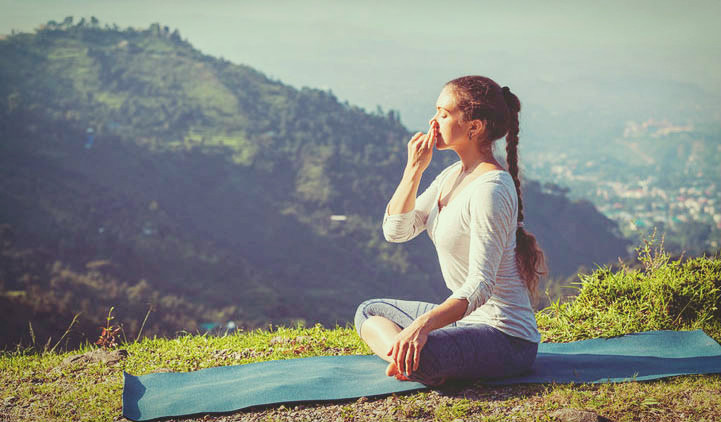
- Severely reduced CD4 count
- Presence of opportunistic infections
- Increased vulnerability to cancers
With consistent ART, many individuals never progress to AIDS.
Physical and Psychological Challenges in HIV/AIDS
Individuals living with HIV may experience:
- Chronic fatigue
- Respiratory weakness
- Anxiety and depression
- Social stigma
- Sleep disturbances
- Inflammation
- Reduced immunity
- Medication side effects
- Neurological symptoms
- Muscle wasting
Chronic stress significantly worsens immune suppression by elevating cortisol levels and impairing immune cell function.
The Stress–Immunity Connection
Chronic stress:
- Increases cortisol
- Suppresses immune function
- Reduces CD4 activity
- Promotes systemic inflammation
- Impairs sleep
- Increases anxiety and depression
Since HIV directly affects the immune system, stress management becomes essential.
Pranayama is particularly powerful because breath directly influences:
- Autonomic nervous system
- Hormonal balance
- Inflammatory response
- Emotional regulation
- Oxygen delivery
Yogic Perspective on HIV/AIDS
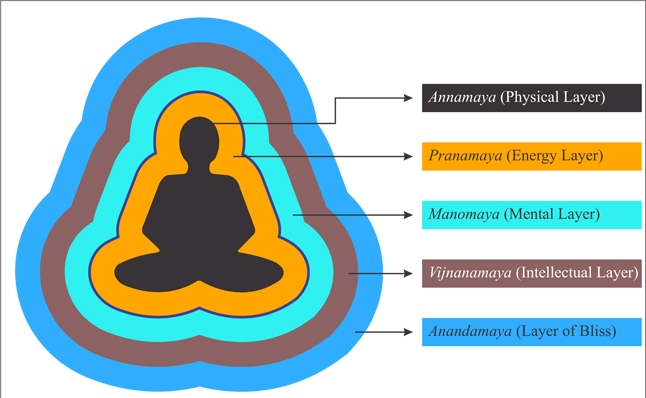
In yoga philosophy, health is sustained by balanced prana (life force). Illness is seen as a disruption in pranic flow and mental equilibrium. HIV/AIDS may be understood as:
- Depletion of vitality (Ojas in Ayurvedic terms)
- Weakening of immune intelligence
- Disturbance in Prana Vayu (respiratory energy)
- Imbalance in Vyana Vayu (circulation)
- Excess Rajas (anxiety) and Tamas (fatigue)
Pranayama works by restoring pranic harmony and strengthening internal resilience.
Therapeutic Goals of Breathwork in HIV/AIDS
- Reduce stress and cortisol levels
- Enhance parasympathetic activity
- Improve lung capacity and oxygenation
- Support immune regulation
- Reduce inflammation
- Improve sleep
- Strengthen emotional resilience
- Reduce fatigue
- Improve quality of life
Mechanisms by Which Pranayama Supports Health in HIV/AIDS
Scientific studies suggest slow breathing:
- Enhances vagal tone
- Reduces sympathetic overactivity
- Improves heart rate variability
- Reduces inflammatory markers
- Improves sleep
- Decreases anxiety and depression
- Enhances immune modulation

Although pranayama does not increase CD4 count directly in a curative sense, it may support immune balance indirectly by reducing stress-related suppression.
Breathwork and Pranayama Techniques for HIV/AIDS
All techniques must be gentle, non-forceful, and adapted to energy levels.
1. Diaphragmatic Breathing (Foundational Practice)
Why It Helps
- Improves oxygen delivery
- Reduces fatigue
- Enhances lung efficiency
- Activates parasympathetic system
- Decreases anxiety
Method of Practice
Position:
Lie in Shavasana or sit comfortably.
Steps:
- Place one hand on abdomen.
- Inhale slowly through nose for 4–5 seconds.
- Allow abdomen to expand gently.
- Exhale slowly for 6–8 seconds.
- Keep breath smooth and effortless.
Duration:
10–15 minutes daily.
Especially beneficial during fatigue episodes.
2. Anulom Vilom (Alternate Nostril Breathing – Without Retention)
Why It Helps
- Balances nervous system
- Reduces stress
- Improves oxygenation
- Enhances mental clarity
Method
- Sit comfortably.
- Close right nostril.
- Inhale through left.
- Exhale through right.
- Inhale through right.
- Exhale through left.

Continue gently.
Duration:
5–10 minutes.
Avoid breath retention in immunocompromised individuals.
3. Bhramari Pranayama (Humming Bee Breath)
Why It Helps
- Reduces anxiety and depression
- Improves sleep
- Enhances nitric oxide production
- Reduces mental agitation
Method
- Inhale slowly through nose.
- Exhale with soft humming sound.
- Feel vibration in head and chest.
- Keep sound gentle and soothing.
Rounds:
7–11 rounds.
Very effective before sleep.
4. Ujjayi Pranayama (Soft Version)
Why It Helps
- Improves concentration
- Enhances oxygen efficiency
- Promotes calmness
- Supports emotional balance
Method
- Slight throat constriction.
- Inhale slowly with soft sound.
- Exhale slowly with same sound.
- Keep breath long and relaxed.

Duration:
5–8 minutes.
Avoid force.
5. Chandra Bhedana (Left Nostril Breathing)
Why It Helps
- Calms nervous system
- Reduces anxiety
- Promotes emotional cooling
- Useful in insomnia
Method
- Close right nostril.
- Inhale through left.
- Exhale through right.
- Continue slowly.
10 rounds.
6. Resonant Breathing (5–6 Breaths Per Minute)
This scientifically supported breathing pattern improves autonomic balance.
Method
- Inhale for 5 seconds.
- Exhale for 5–6 seconds.
- Continue for 10 minutes.
Benefits:
- Improves heart rate variability
- Reduces stress hormones
- Supports immune modulation
7. Guided Breath Awareness Meditation
Why It Helps
- Reduces emotional distress
- Improves coping
- Enhances self-acceptance
- Reduces stigma-related anxiety
Method:
- Sit comfortably.
- Observe natural breath.
- Do not control it.
- If mind wanders, gently return to breath.
10–15 minutes daily.
Practices to Avoid or Use With Caution
Avoid:
- Kapalbhati (forceful)
- Bhastrika
- Strong breath retention
- Intense hyperventilation
- Forceful bandhas
- Overexertion during fatigue
Individuals with respiratory infections should practice only gentle breathing.
Psychological Benefits
Living with HIV often involves:
- Fear
- Social stigma
- Depression
- Anxiety
- Emotional isolation

Pranayama:
- Builds resilience
- Reduces fear response
- Improves emotional regulation
- Enhances self-awareness
- Promotes acceptance
Breath becomes a grounding anchor during emotional distress.
Immune Support Through Relaxation
Chronic stress suppresses immunity. Relaxation-based breathing:
- Reduces cortisol
- Improves natural killer cell activity
- Decreases inflammatory cytokines
- Enhances restorative sleep
Even small improvements in stress regulation can significantly benefit overall health.
Sample Daily Therapeutic Routine (30 Minutes)
Morning:
- Diaphragmatic breathing – 10 minutes
- Anulom Vilom – 7 minutes
- Bhramari – 7 rounds
- Short relaxation – 5 minutes
Evening:
- Ujjayi – 5 minutes
- Chandra Bhedana – 5 minutes
- Resonant breathing – 10 minutes
- Breath meditation – 5 minutes
Adapt according to energy levels.
Integration with Comprehensive Care
Breathwork should complement:
- Regular ART medication
- Nutritious diet
- Adequate hydration
- Light physical activity
- Psychological counseling
- Community support
- Regular medical monitoring
Pranayama is supportive therapy, not a replacement for medical treatment.
Long-Term Benefits
With consistent practice:
- Improved sleep quality
- Reduced anxiety and depression
- Better stress management
- Increased energy levels
- Enhanced respiratory efficiency
- Improved overall quality of life

Ethical and Practical Considerations
- Respect energy limits.
- Avoid pushing during fatigue.
- Practice in clean, ventilated space.
- Maintain infection control hygiene.
- Seek guidance from trained yoga therapist.
Conclusion
HIV/AIDS presents complex challenges that extend beyond viral infection to include psychological stress, immune suppression, fatigue, and social stigma. Breathwork and pranayama offer a gentle, safe, and effective complementary therapy to support physical, emotional, and immune resilience.
By calming the autonomic nervous system, reducing stress hormones, improving oxygenation, and enhancing emotional balance, pranayama strengthens the body’s capacity to cope with chronic illness. While it does not cure HIV or replace medical treatment, it significantly improves quality of life and supports holistic well-being.
Breath is life. In the journey of living with HIV/AIDS, conscious breathing becomes a powerful tool for restoring dignity, inner strength, calmness, and hope.

Best Yoga Teacher Training Institutes in Bangalore (2026–27): Online vs. Offline vs. Hybrid Courses—Which One Is Best for You?The habit students discover …
Hybrid Yoga Teacher Training: The New Path to Certification The habit people discover has transformed efficiently over ancient times for a few …
Do You Need expected Flexible to Join a Yoga Teacher Training? One of the ultimate frequently asked questions newcomers request before touching …
Best Yoga Teacher Training Institutes in Bangalore (2026–27): Compare Lead Trainers, Faculty & Choose the Right School When selecting a Yoga Teacher …


















Important Links
- Apply Now Online Registration
- Review By Student
- Accreditation – Yoga Alliance USA
- Gallery
- FAQ
- KARUNA YOGA VIDYA PEETHAM
- Yoga PDF Book Free Download
- Asana Gallery
- Rules and Regulations
- Dr. S. Karuna Murthy
- Eligibility Criteria – TTC
- Admission Rules and Regulations – TTC
- Anti-Harassment/Sexual Misconduct Policy
- Refund & Cancellation Policy
- Week-Days 200 Hr Yoga Teacher Training Certificate Course
- Weekend 200 Hr – Yoga Teacher Training Certificate Course
- 200 Hour – Yoga Therapy Teacher Training Certificate Course
- 50 Hrs – Advanced Meditation Teacher Training Certificate Course
- 50 Hrs – Advanced Mudra Teacher Training Certificate Course
- 50 Hrs – Somatic Yoga Teacher Training Certificate Course
- Yoga PDF Book Free Download
 Karuna Yoga Vidya Peetham – Yoga Teacher Training – J. P. Nagar

NO.1271, FIRST FLOOR, 20th Main, or, Central Mall, Ragigudda Metro Station, Marenahalli, 2nd Phase, J. P. Nagar, Bengaluru
-
 I recently completed my Breathwork and Pranayama Teacher Training Course with Karuna Yoga, and it was a truly enriching experience. The program was thoughtfully structured, with concepts explained in a simple, clear, and effective manner. … More The trainer ensured that I thoroughly understood the techniques through both detailed instruction and hands-on practice during the sessions.
What stood out most was the genuine commitment to learning and personal growth, creating a supportive and nurturing environment throughout the course. I would highly recommend Karuna Yoga to anyone seeking a credible, authentic, and professional institute for Breathwork and Pranayama training. Their dedication and expertise are truly exceptional. 😊🙏 -
I came to Bangalore to follow a 10 day private teacher training with Karuna, and it was a truly enriching experience.
I already hold a 200 h TTC in Hatha Yoga, as well as other diplomas. However, through my own experience, I feel that … More a 200 h yoga training is not enough to fully grasp the bigger picture of what yoga truly is. What I deeply appreciated with Karuna is that he also offers trainings focused on specific subjects, allowing for a much deeper and more embodied understanding.
For this private yoga training, I chose to explore mudras, mantras, and somatics. Being able to dive deeply into these themes helped me clarify and understand other aspects of yoga more clearly, not only intellectually, but also through direct experience, guided by Karuna.
The one to one format is a real gift. It creates space to ask questions, to slow down, and to spend more time on areas that personally need deeper integration. Karuna also shares related knowledge and encourages dialogue with what you are learning, making the whole process very alive and meaningful.
I truly appreciate how Karuna offers many different subjects and learning formats, and how he adapts his teaching to each person. His approach is attentive, sensitive, and respectful of individual paths.
Another beautiful aspect is that during the weekend, group students join the classes. Karuna skillfully manages to continue our individual learning while also allowing a collective learning experience. This opens the learning in a different and enriching way.
I had a wonderful time, and I will very likely continue other trainings with Karuna, either online (which is also an option 😉) or in Bangalore.
Namaste 🙏 -
I, Pinkiey K, recently completed the Pranayama Teacher Training Program, and it was a truly enriching experience. The course was well-structured and covered both the depth and practical application of pranayama in a very meaningful way. … More The teachings were presented with clarity, patience, and authenticity, making even complex concepts easier to understand and integrate into practice.
What I appreciated most was the balance between traditional wisdom and practical guidance for teaching and personal growth. The program not only deepened my understanding of breathwork and its effects on the mind and body, but also strengthened my confidence in applying these practices responsibly.
I am grateful for the knowledge, discipline, and insights gained through this training, and I know these learnings will continue to support my personal journey and professional work over time. 🙏
Special gratitude to Trainer Dr. Murthy for sharing his knowledge and guidance throughout the program.
Highly recommended. -
I recently completed the 200 Hours Yoga Teacher Training Course with Karuna yoga Vidhya peetham .
I’m happy I chose Karuna yoga Vidhya peetham under the guidance of Dr Karuna murthy sir .
The program was well-structured and offered in-depth … More knowledge of yoga asanas, pranayama, meditation, anatomy, philosophy, and teaching methodology.
Dr.Karuna murthy sir were highly knowledgeable, supportive, and encouraging throughout the journey. The training helped me develop better alignment, discipline, confidence in teaching, and a deeper understanding of yoga both practically and theoretically. It was a highly enriching and transformative learning experience, and I am grateful for the guidance and support provided throughout the course. -
Teacher Training Course offered at Karuna Yoga Vidyapeetham is unparalleled to any other course I’ve taken.
In my 13 years practice, Dr Karuna has so effectively shared his knowledge that the message will forever stay with me.
Will highly … More recommend learning from this institution- they offer various levels and forms of yoga teacher trainings.
Simply one of the best Yoga Schools in India -
I completed my 200-hour TTC at Karuna Yoga Vidya Peetham in Bengaluru, and it was a truly enriching experience. Karuna sir is very knowledgeable, patient, and supportive, and gives personal attention to each student. The course is well-structured, … More covering not just asanas but also yoga philosophy, anatomy, and meditation in a balanced way. I felt more confident in my practice and gained a deeper understanding of yoga overall. It’s a great place for anyone looking for authentic and meaningful yoga training.
-
This Advanced Mudra Therapy TTC is one of the most authentic and comprehensive yoga programs you could get.
What truly stands out is the integrity of the teaching. Sir is a sincere follower of yoga and its principles – nothing is faked … More or diluted for appearance. The teaching comes from real practice, which creates deep trust. There is a perfect balance of discipline and flexibility, allowing learning to be structured yet natural.
The range and depth of mudras covered is exceptional. Every possible mudra is taught systematically, and haven’t seen any other school approach Mudra Therapy with this level of completeness. The therapeutic application is clearly explained, with continuous guidance and hand-holding throughout the course, making the learning practical and confident. -
Completed my GID Teacher Training Certificate Course with Karuna yoga Vidya Peetham.
I’m so happy I chose my yoga teacher training with Karuna yoga Vidya Peetham under the guidance from the best knowledgeable teacher Dr.Karuna Murthy sir … More 🙏🙏
There are a lot of learning and unlearning involves in it. All the topics of Yoga Philosophy, Sat karma, Anatomy were taught very nicely.
Being a regular yoga practitioner I joined Karuna yoga and learnt more New asanas, Therapies and posture corrections.
I am glad that I choose Karuna yoga to be part of my journey🧘♂️ -
I recently completed an Advanced Pranayama course online with Dr. Murthy, and it more than met my expectations. The course materials were extensive and thoughtfully organized, covering a wide range of important topics and providing a strong … More foundation in traditional pranayama practices. Dr. Murthy is very knowledgeable and is a patient teacher. Overall, the training supported both my understanding and my ongoing practice, and it has given me tools I will continue to work with over time. 🙏
-
I recently completed my 200-hour Yoga Teacher Training Course (TTC) with Karuna Yoga Vidya Peetham, and it was a truly transformative experience. Under the expert guidance of Dr. Murthy sir, I gained deeper insights into Hatha Yoga practices … More and teaching ethics where this also covered essential topics like Yoga Philosophy, Yogic Physiology Anatomy, and Shathkarma practices. Dr. Murthy sir also focused on helping us learn new asanas, value of asanas- mudras, method of yoga teaching as well as posture balance and corrections. I highly recommend Karuna Yoga Vidya Peetham to anyone seeking a comprehensive yoga teacher training program.
-
Just completed a Somatic Yoga course online with Dr. Murthy, who was very informative, kind, and a good teacher. Dr. Murthy has extensive knowledge in the yogic sciences. He also provided in depth notes that were very helpful. I gained … More much insight through my course of study in Somatic Yoga.
-
I am very satisfied with the Online Yoga Nidra and Meditation Teacher Training. The course was very professional, with plenty of study materials, knowledge, and a well-balanced pace.
I truly appreciated the variety of practices combined … More with a broad theoretical foundation, including history and other essential aspects. The training was both practical and inspiring, and I am already applying what I have learned in my own work. -
I completed 200 hrs Yoga Teacher Training (TTC) Course at Karuna Yoga Vidya Peetham, under the guidance of Dr. S Karuna Murthi.The programme is very well designed. The yoga practice,teaching methodology ,offering traditional yogic principles … More and modern teaching techniques.
Dr.Karuna Murthi's expertise,supportive and personalized guidance made the experience better and boosted the confidence and made to achieve most of advanced level asanas.
For anyone seeking a world-class yoga education, Karuna Yoga Vidya Peetham is an excellent choice. Highly recommended. -
I just completed my yoga teacher training at Karuna Yoga Vidya Peetha, and I can honestly say it was one of the most enriching experiences of my life. From day one, the learning environment was warm and supportive, making it easy to grow, … More both physically and mentally. The course itself was well-structured, covering everything from asanas and alignment to pranayama, meditation, and the philosophy behind yoga. The classes were offered both online and offline, which made learning flexible and accessible.
What I appreciated most was how yoga was taught as a way of life, emphasizing the connection between body, mind, and spirit beyond just physical practice. Murthy Sir was incredibly knowledgeable and patient, always encouraging us to push our limits while respecting our own pace. His feedback made such a difference in my learning process, and the small class size allowed for plenty of individual attention.
If you’re looking for a yoga institute that truly cares about your growth, I’d highly recommend Karuna Yoga Vidya Peetha. It’s more than just a training program but a transformative experience that stays with you long after you leave. -
Hi, I am Valarmathi Ganesan.
I’ve joined the online Mantra Chanting Teacher Training Course, and it’s truly worth every rupee—structured, insightful, and transformative.
Dr. Kanura Moorthy is an exceptional mentor. His calm, patient approach … More and depth of knowledge elevate the entire learning experience. He addresses every doubt with clarity and precision, ensuring true understanding.
Under his guidance, mastery feels attainable.
Highly recommended for those seeking authentic and powerful mantra therapy training. The course quality is outstanding. -
I learned cyclic meditation, pranayama and some of the asanas as part of my PhD study. Sir's class was very good. He has given me so many references which help me to design my study as I was unaware more about meditation. He gives … More me online classes individually and in detail. I recommend karuna Yoga Vidya Peetham for others who wish to learn yoga and meditation.
-
🌟 Exceptional Yoga Teacher Training at Karuna Yoga Vidyapeetham, Bangalore 🌟
I completed Yoga Teacher Training Course at Karuna Yoga Vidyapeetham, led by the esteemed Dr. S Karuna Murthi and his dedicated faculty team. The program was … More meticulously designed, offering a harmonious blend of traditional yogic principles and modern teaching methodologies.
Dr.Karuna Murthi's expertise and personalized guidance made the experience truly enriching, fostering both professional growth and personal transformation. The serene environment and supportive atmosphere further enhanced the learning journey.
For anyone seeking a world-class yoga education, Karuna Yoga Vidyapeetham is an excellent choice. Highly recommended! 🧘♂️✨ -
Karuna Murthy is a good teacher. He teaches with patience and ensures that the students develop a good understanding of the subject.
-
Recently completed my 300 hr ttc yoga teacher training program, overall course designed unique, trained me versatile.
Thanks to
Karuna yoga team -
completed my 200-hour training in December 2022 from Karuna Yoga. One of my nicest and most
beautiful experiences ever I had in my life. I had such a wonderful time that I decided to prolong my stay
for a 300-hour advanced course. The instructors … More are highly supportive and professional. Since the
beginning, they have led me in the right direction. In addition, everyone in staff and in management is
really gracious and humble. I was given family-like treatment by them. If you're looking for a good place to
practise yoga, I absolutely suggest Karuna Yoga Vidya Peetham. -
Complted my 200 TTC Course with Karuna yoga Vidya Peetham.I’m so happy I chose my yoga teacher training with Karuna yoga Vidya Peetham under the guidance from the best knowledgeable teacher Dr.Karuna Murthy sir
There are a lot of learning … More and unlearning involves in it. All the topics of Yoga Philosophy, Sat karma, Anatomy were taught very nicely. As a new yoga learner I joined Karuna yoga and learnt more New asanas, Therapies and posture corrections. I am glad that I choose Karuna yoga to be part of my journey 😄 -
I recently had the pleasure of completing RYT 200 hrs TTC course at the Vidyaniketan Department of Yoga, and I must say it was an enriching experience. The instructors at Vidyaniketan are highly knowledgeable and experienced. Happy to have … More been a part of the team!
-
Yoga helps improve balance, strength, and flexibility. It reduces stress and feel happier and more well-being. Also improves mental and emotional health..
-
Accomplished 200 hours YOGA TTC with karuna yoga at Vidyanikethan, Ernakulam.
Profound knowledge of the faculties helped me to delve dive into the ocean of yoga philosophy
It was really a marvellous experience -
Very thorough, precise and knowledgeable Dr. Karuna Murthy Sir. Thank you very much for the opportunity allowing me to study at school. I recommend it to everyone who wants to get deeper knowledge.
-
Karuna Yoga Vidya Peetham, Yoga teacher training in Bangalore, is incredible! I did 500 hours course discovered a lot about yoga and about myself. I'd also like to
thank my wonderful teachers. Special thanks to my Guru Dr. Karuna sir … More for his extreme patience and deep knowledge.
Thank you 🙏 -
I recently completed Yoga Teachers Training Course with Karuna yoga vidya petham from Vidyaniketan College, Ernakulam. And It gave me so much of new insights in terms of personal health and overall wellbeing. I'm sure that I became … More more healthy, calm, and quality human by going through this yoga program. The faculties are really good and experienced.
If you are someone looking for a good career in Yoga, you can choose this institution without any hesitation.


