
Introduction
Shavasana, commonly known as Corpse Pose, is considered one of the most essential and profound postures in yoga. While it may appear simple—lying still on the back—it is, in reality, one of the most challenging poses due to the requirement of complete physical, mental, and emotional surrender. In Yin Yoga, Shavasana is not merely a closing posture but a deeply transformative practice that facilitates integration, healing, and restoration.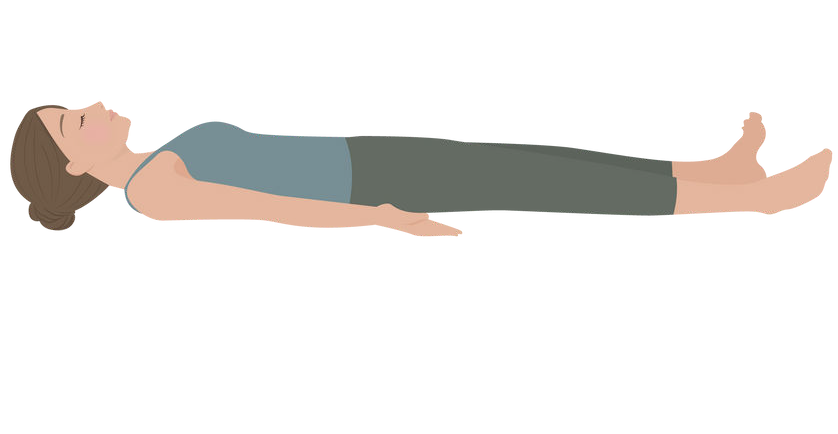
Derived from the Sanskrit words “Shava” meaning corpse and “asana” meaning posture, Shavasana symbolizes conscious relaxation and the release of ego, effort, and identity. In Yin Yoga, it is practiced with extended stillness, allowing the body to absorb the benefits of preceding poses while calming the nervous system and restoring energetic balance.
Modern life is often characterized by chronic stress, overstimulation, and constant activity, leading to fatigue, anxiety, and imbalance in the nervous system. Shavasana provides a powerful antidote by activating the parasympathetic nervous system, promoting deep relaxation, and allowing the body to enter a state of healing.
Though it requires no physical effort, mastering Shavasana involves cultivating awareness, letting go of tension, and embracing stillness. It is often described as the “final integration” of a yoga practice, where the physical, physiological, and energetic effects of all preceding postures are assimilated.
Shavasana is far more than a resting posture—it is a gateway to deep relaxation, healing, and self-awareness. In Yin Yoga, it serves as the culmination of practice, allowing the body and mind to integrate and absorb the benefits of all preceding postures.
Despite its simplicity, Shavasana requires conscious effort to release tension and quiet the mind. When practiced regularly, it offers profound physical, mental, and emotional benefits, making it one of the most valuable poses in yoga.
Through stillness, surrender, and awareness, Shavasana embodies the true essence of Yin Yoga—balance, restoration, and inner peace.
Getting Into the Pose
Entering Shavasana mindfully enhances its benefits and ensures complete relaxation.
Step-by-Step Instructions
- Starting Position
Lie flat on your back on a comfortable surface such as a yoga mat. - Leg Placement
Extend the legs comfortably apart, allowing the feet to fall outward naturally. - Arm Placement
Place the arms slightly away from the body, palms facing upward. - Head and Neck Alignment
Ensure the head is centered and the neck is relaxed. Use a small cushion if needed. - Spinal Alignment
Maintain a natural curve in the spine without forcing any position. - Close the Eyes
Gently close the eyes to encourage inward focus. - Body Scan
Bring awareness to different parts of the body, consciously releasing tension. - Breath Awareness
Observe the natural rhythm of the breath without controlling it. - Mental Relaxation
Allow thoughts to come and go without attachment. - Complete Stillness
Remain completely still, surrendering to gravity and relaxation.
Coming Out of the Pose
Exiting Shavasana should be done gradually to maintain the state of calm.
- Deepen the Breath
Begin to take deeper breaths. - Gentle Movement
Wiggle the fingers and toes. - Stretch the Body
Extend the arms overhead and stretch gently. - Roll to One Side
Turn onto the right side (fetal position) and pause. - Slowly Sit Up
Use the hands to come to a seated position. - Maintain Awareness
Keep the eyes closed or softly open.
Counterposes
Shavasana generally does not require counterposes, but gentle transitions can be helpful.
- Gentle Stretching
Awakens the body. - Seated Meditation
Continues the calm state. - Child’s Pose (optional)
Provides grounding.
Meridians & Organs Affected
Unlike active poses, Shavasana affects the entire energetic system.
Primary Meridians
- All major Yin and Yang meridians
- Promotes balanced energy flow
Organs Affected
- Brain
- Heart
- Lungs
- Digestive organs
- Endocrine glands
Shavasana allows full systemic integration and recovery.
Joints Affected
Shavasana is non-stressful and passive.
- Minimal joint loading
- Gentle decompression of all joints
- Relaxation of spine, hips, shoulders
Recommended Hold Times
- Minimum: 5–10 minutes
- Optimal: 10–20 minutes
- Deep Practice: 20–30 minutes
Contra-indications
Shavasana is generally safe but may require modifications.
- Lower Back Discomfort
- Place a bolster under knees
- Pregnancy
- Practice side-lying
- Respiratory Issues
- Elevate the upper body
- Anxiety or Trauma
- Keep eyes open or use guided relaxation
Benefits
Physical Benefits
- Deep Relaxation
- Releases muscular tension
- Improves Circulation
- Enhances blood flow
- Reduces Fatigue
- Restores energy
- Supports Healing
- Promotes recovery
Therapeutic Benefits
- Reduces Stress Hormones
- Lowers Blood Pressure
- Improves Sleep Quality
- Enhances Immune Function
Mental and Emotional Benefits
- Calms the Mind
- Reduces Anxiety and Depression
- Promotes Emotional Balance
- Enhances Awareness
Energetic Benefits
- Balances energy flow
- Restores vitality
- Promotes inner harmony
Anatomy and Physiology
Muscular System
- Complete relaxation of skeletal muscles
- Reduction in muscle tone
Connective Tissue
- Passive hydration of fascia
- Reduced tension
Spinal Mechanics
- Neutral alignment
- Decompression of vertebrae
Circulatory System
- Improved venous return
- Reduced heart rate
Respiratory System
- Slower breathing
- Increased efficiency
Nervous System Effects
- Activation of parasympathetic system
- Reduced sympathetic activity
Endocrine System
- Reduced cortisol levels
- Balanced hormonal function
Brain Function
- Increased alpha brain waves
- Deep relaxation state
Psychological and Subtle Body Perspective
Shavasana is deeply meditative.
Energetic Interpretation
- Encourages surrender
- Promotes inner stillness
- Facilitates self-awareness
Integration in Yin Yoga Practice
Shavasana is the final pose in most sequences.
Purpose
- Integration of practice
- Restoration of energy
- Transition to daily life
Complementary Practices
- Meditation
- Breathwork
- Yoga Nidra