
Introduction
Anahatasana, commonly known as the Melting Heart Pose or Extended Puppy Pose, is a deeply introspective and heart-opening posture practiced widely in Yin Yoga. The name derives from the Sanskrit word Anahata, meaning the “heart chakra,” symbolizing compassion, openness, and emotional balance. This pose is particularly significant in Yin Yoga, where the focus lies on long-held, passive stretches targeting the deeper connective tissues such as fascia, ligaments, and joints rather than superficial muscles.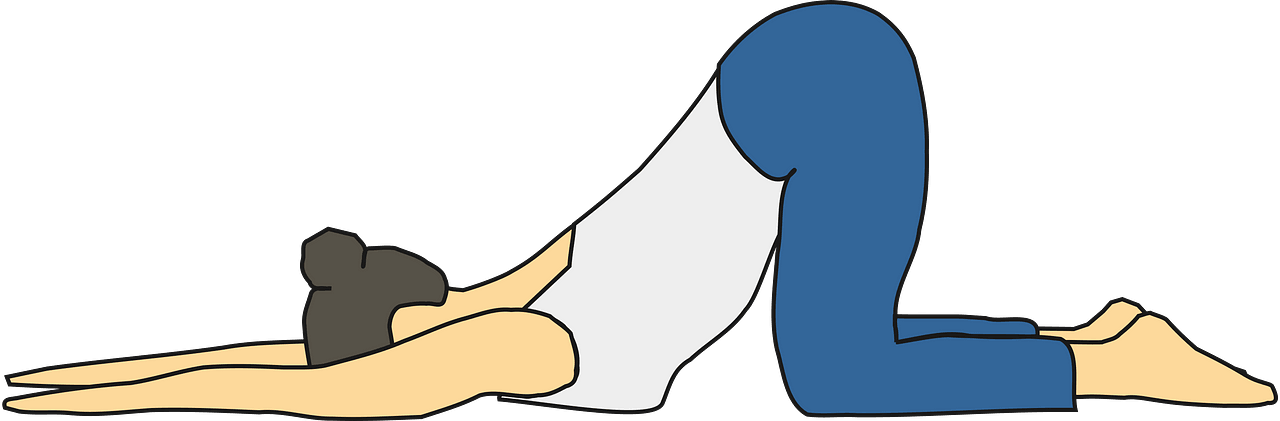
Unlike dynamic Yang practices, Yin Yoga encourages stillness, surrender, and inward awareness. Anahatasana embodies these principles by inviting practitioners to soften the chest toward the earth, symbolically “melting” emotional barriers while physically opening the thoracic spine and shoulders. It is both a physical and energetic posture that works on structural flexibility, emotional release, and energetic balance.
Anahatasana, or Melting Heart Pose, is a profound Yin Yoga posture that integrates physical, emotional, and energetic dimensions of well-being. By gently opening the chest and shoulders while encouraging surrender and stillness, the pose provides a unique opportunity for deep introspection and healing.
Its benefits extend beyond flexibility and posture correction, influencing the nervous system, respiratory function, and emotional balance. Through the stimulation of heart and lung meridians, it aligns with traditional healing systems, making it a holistic practice.
However, like all Yin Yoga poses, it requires patience, awareness, and respect for the body’s limits. When practiced mindfully, Anahatasana becomes not just a physical stretch but a meditative journey into the heart space—cultivating compassion, resilience, and inner peace.
Getting Into the Pose
Entering Anahatasana requires mindfulness and gradual progression to avoid strain, especially in the shoulders and spine.
- Starting Position
Begin in a tabletop position (Bharmanasana) with wrists directly under shoulders and knees under hips. Ensure the spine is neutral and the gaze is downward. - Hand Placement
Slowly walk the hands forward while keeping the hips stacked above the knees. The arms remain extended, shoulder-width apart. - Lowering the Chest
Gently lower the chest toward the floor. The forehead or chin may rest on the mat depending on flexibility:- Forehead down: gentler variation
- Chin down: deeper backbend
- Alignment Awareness
- Hips remain elevated over knees
- Spine arches gently
- Shoulder blades draw toward each other
- Arms stay active but not tense
- Relaxation Phase
In Yin Yoga, once the body is positioned, muscular effort is minimized. The practitioner allows gravity to deepen the stretch naturally. - Use of Props
Blocks, bolsters, or blankets can be placed under the chest or forehead for support, making the pose accessible to beginners or those with limited flexibility.
Coming Out of the Pose
Exiting Anahatasana should be slow and conscious to avoid dizziness or strain.
- Re-engage Muscles
Gradually bring awareness back to the body and gently engage the arms. - Lift the Chest
Press into the palms and slowly lift the chest away from the floor. - Walk Hands Back
Walk the hands back toward the shoulders, returning to tabletop position. - Neutralize the Spine
Sit back in a neutral position or move into a gentle counterpose like Child’s Pose. - Pause and Observe
Take a few breaths to observe the sensations in the chest, shoulders, and spine.
Counterposes
Counterposes are essential in Yin Yoga to restore balance and neutralize the effects of deep stretches.
- Child’s Pose (Balasana)
Gently flexes the spine and releases the back after the backbend. - Cat-Cow Stretch
Helps mobilize the spine and reintroduce movement after stillness. - Thread the Needle Pose
Relieves tension in the shoulders and upper back. - Sphinx Pose (mild version)
Can be used to gently stabilize the spine after deep opening. - Neutral Resting Pose
Simply resting in a prone or supine position allows integration of the effects.
Meridians & Organs Affected
In Yin Yoga, poses are understood through the lens of Traditional Chinese Medicine (TCM), where energy flows through meridians.
Primary Meridians Stimulated
- Heart Meridian
- Runs along the inner arms
- Associated with emotional balance and joy
- Anahatasana stimulates this by opening the chest
- Lung Meridian
- Governs respiration and vitality
- Opening the chest enhances lung capacity and breathing
- Pericardium Meridian
- Protects the heart energetically
- Influences emotional resilience
- Small Intestine Meridian (secondary)
- Related to discernment and assimilation
Organs Affected
- Heart
- Lungs
- Thymus gland (immune function)
- Upper digestive system
The pose encourages improved circulation to these organs and promotes energetic balance.
Joints Affected
Anahatasana primarily targets the following joints:
- Shoulder Joints (Glenohumeral joints)
- Deep stretch and external rotation
- Improves mobility and flexibility
- Thoracic Spine
- Encourages extension
- Counteracts kyphosis (rounded upper back)
- Cervical Spine (Neck)
- Mild extension depending on head position
- Elbow Joints
- Maintained in extension
- Hip Joints
- Stabilized in flexion (not deeply stretched but engaged)
Recommended Hold Times
Yin Yoga emphasizes longer holds compared to other styles.
- Beginners: 1–2 minutes
- Intermediate practitioners: 3–5 minutes
- Advanced practitioners: 5–7 minutes
During the hold:
- Maintain steady breathing
- Observe sensations without reacting
- Avoid pushing into sharp pain
The goal is gentle stress on connective tissues rather than muscular strain.
Contra-indications
While Anahatasana is beneficial, it is not suitable for everyone.
Avoid or Modify If:
- Shoulder Injuries
- Rotator cuff tears or instability
- Use props or avoid deep stretch
- Neck Issues
- Cervical spondylosis
- Keep forehead down instead of chin
- Severe Lower Back Pain
- May exacerbate lumbar compression
- Recent Surgery
- Especially chest, spine, or shoulder
- Pregnancy (advanced stages)
- Avoid deep forward lowering of the chest
- High Blood Pressure or Dizziness
- Come out slowly to avoid lightheadedness
- Hyper-mobility
- Avoid overstretching joints
Benefits
Physical Benefits
- Improves Spinal Flexibility
- Enhances thoracic extension
- Reduces stiffness in upper back
- Opens the Chest and Shoulders
- Counteracts poor posture
- Relieves tension from desk work
- Enhances Respiratory Function
- Expands lung capacity
- Promotes deeper breathing
- Stimulates Circulation
- Improves blood flow to upper body
- Supports Postural Alignment
- Helps correct rounded shoulders
Mental and Emotional Benefits
- Reduces Stress and Anxiety
- Encourages relaxation and surrender
- Promotes Emotional Release
- Heart-opening posture linked to emotional healing
- Enhances Mindfulness
- Long holds cultivate awareness and patience
- Balances the Heart Chakra (Anahata)
- Encourages compassion and openness
Energetic Benefits
- Opens blocked energy pathways
- Balances emotional energy
- Enhances vitality and inner calm
Anatomy and Physiology
Understanding the anatomical and physiological aspects of Anahatasana provides deeper insight into its therapeutic value.
Muscles Involved
Primary Stretch Muscles
- Pectoralis major and minor
- Deltoids (anterior fibers)
- Latissimus dorsi
- Triceps (long head)
Supporting Muscles
- Erector spinae
- Rhomboids
- Serratus anterior
In Yin Yoga, muscles are relaxed to allow deeper tissues to be targeted.
Connective Tissue Engagement
Yin Yoga uniquely targets:
- Fascia
- Ligaments
- Joint capsules
The prolonged hold in Anahatasana gently stresses these tissues, improving elasticity and hydration.
Spinal Mechanics
- Promotes thoracic extension
- Counteracts prolonged flexion (e.g., sitting posture)
- Encourages healthy curvature of the spine
Respiratory System
- Expands rib cage
- Enhances lung capacity
- Improves oxygen exchange
Deep breathing in the pose stimulates the parasympathetic nervous system, promoting relaxation.
Nervous System Effects
- Activates the parasympathetic nervous system (rest-and-digest)
- Reduces sympathetic dominance (fight-or-flight)
- Promotes calmness and emotional stability
Circulatory System
- Improves blood flow to chest and upper body
- Enhances oxygen delivery to tissues
- Supports cardiovascular health indirectly
Endocrine System
- Stimulates the thymus gland, which plays a role in immune function
- Influences hormonal balance through relaxation response
Psychological and Subtle Body Perspective
In yogic philosophy, Anahatasana is associated with the Anahata Chakra, located in the heart center.
Chakra Influence
- Promotes love, compassion, and forgiveness
- Releases stored emotional tension
- Encourages openness and vulnerability
Holding the pose for extended periods may bring up emotional sensations, which is considered part of the healing process.
Integration in Yin Yoga Practice
Anahatasana is often included in sequences that focus on:
- Upper body opening
- Emotional release
- Stress reduction
It pairs well with poses like:
- Dragon pose (hip opening)
- Sphinx pose (spinal extension)
- Caterpillar pose (forward fold)