
Introduction
Child’s Pose, traditionally known as Balasana, is one of the most fundamental and restorative postures in yoga. In Yin Yoga practice, this pose is approached with an emphasis on stillness, surrender, and deep relaxation. Unlike more active forms of yoga, where Child’s Pose may serve as a brief resting posture, in Yin Yoga it becomes a prolonged, meditative experience that gently works on the deeper connective tissues of the hips, spine, and lower back.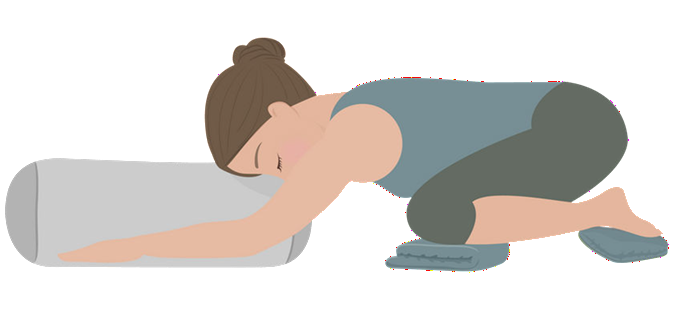
The posture resembles the natural curled position of a child at rest, symbolizing safety, introspection, and surrender. It is often used as a grounding pose, allowing practitioners to reconnect with their breath and body. In a Yin context, Child’s Pose can be held for several minutes, allowing gravity to gradually deepen the stretch without muscular strain.
This pose is particularly beneficial in counteracting stress, fatigue, and the effects of a fast-paced lifestyle. It provides a gentle compression of the abdominal organs, promotes spinal flexion, and calms the nervous system. As a result, it is widely used in therapeutic yoga practices and is suitable for practitioners of all levels.
Child’s Pose in Yin Yoga is a profoundly restorative posture that offers benefits on multiple levels—physical, mental, emotional, and energetic. Its simplicity makes it accessible, while its depth allows for meaningful transformation.
By encouraging stillness and surrender, the pose creates a space for healing and introspection. It gently stretches the body, stimulates internal organs, and calms the nervous system, making it an essential component of any Yin Yoga practice.
In a world filled with constant activity and stress, Child’s Pose serves as a reminder of the power of rest, stillness, and self-awareness. With regular practice, it becomes a sanctuary where the body and mind can reset, restore, and reconnect.
Getting Into the Pose
Entering Child’s Pose in Yin Yoga requires careful attention to comfort and alignment, with the use of props to support the body.
Step-by-Step Instructions
- Starting Position
Begin in a kneeling position on the mat, with knees together or slightly apart depending on comfort. - Positioning the Hips
Gently lower the hips back toward the heels. If the hips do not reach the heels comfortably, place a cushion or bolster between them. - Lowering the Torso
Fold the torso forward over the thighs. Allow the belly and chest to rest on the legs. - Head Placement
Rest the forehead on the floor, a block, or a cushion to avoid strain in the neck. - Arm Variations
- Arms extended forward (active stretch)
- Arms alongside the legs (more passive, restorative)
- Using Props (Yin Variation)
- Place a bolster under the chest for support
- Use blankets under knees for cushioning
- Support the ankles if needed
- Relaxation Phase
Once in the pose, release all muscular effort and allow the body to soften. - Breathing Awareness
Focus on slow, deep breathing into the back body, feeling expansion in the rib cage.
Coming Out of the Pose
Exiting the pose slowly ensures safety and integration.
- Deepen the Breath
Bring awareness back to the body. - Engage the Core Slightly
Prepare to lift the torso. - Lift the Upper Body Slowly
Use the hands to gently push up to a seated or kneeling position. - Return to Neutral
Sit upright and observe sensations. - Pause for Integration
Allow the effects of the pose to settle.
Counterposes
Although Child’s Pose is itself often a counterpose, gentle movements may follow:
- Cat-Cow Stretch
Restores spinal mobility. - Sphinx Pose
Provides gentle spinal extension. - Seated Upright Position
Neutralizes the spine. - Kneeling Backbend
Opens the front body.
Meridians & Organs Affected
Child’s Pose stimulates several Yin meridians due to compression and stretch.
Primary Meridians
- Urinary Bladder Meridian
- Runs along the back body
- Affected through spinal flexion
- Kidney Meridian
- Associated with vitality and energy
- Spleen Meridian
- Influences digestion and immunity
- Stomach Meridian (secondary)
- Stimulated through abdominal compression
Organs Affected
- Digestive organs (stomach, intestines)
- Kidneys
- Liver
- Adrenal glands
The gentle compression enhances circulation and organ function.
Joints Affected
- Hip Joints
- Flexion and slight external rotation
- Knee Joints
- Deep flexion
- Ankle Joints
- Plantar flexion
- Spine
- Flexion, especially lumbar and thoracic regions
- Shoulder Joints
- Depending on arm position
Recommended Hold Times
- Beginners: 2–3 minutes
- Intermediate: 3–5 minutes
- Advanced: 5–10 minutes
Practice Guidelines
- Prioritize comfort
- Use props generously
- Avoid pain or strain
Contra-indications
- Knee Injuries
- Use extra padding or avoid deep flexion
- Severe Ankle Issues
- Support ankles
- Pregnancy
- Widen knees to accommodate belly
- Severe Lower Back Pain
- Modify with props
- High Blood Pressure or Dizziness
- Keep head elevated
Benefits
Physical Benefits
- Gently Stretches the Spine
- Improves flexibility
- Releases Lower Back Tension
- Relieves stiffness
- Opens Hips and Thighs
- Enhances mobility
- Improves Circulation
- Supports tissue health
Therapeutic Benefits
- Reduces Fatigue
- Restorative effect
- Supports Digestion
- Stimulates abdominal organs
- Relieves Stress-Related Tension
- Calming posture
- Aids Recovery
- Gentle and accessible
Mental and Emotional Benefits
- Promotes Relaxation
- Activates parasympathetic nervous system
- Encourages Introspection
- Inward focus
- Reduces Anxiety
- Soothing effect
- Emotional Release
- Safe, nurturing posture
Energetic Benefits
- Grounds energy
- Balances kidney and bladder meridians
- Promotes inner calm
Anatomy and Physiology
Muscles Involved
Primary Muscles
- Gluteus maximus
- Quadriceps
- Erector spinae
Muscles Being Stretched
- Lower back muscles
- Hip rotators
- Shoulders (in extended arm variation)
Connective Tissue Engagement
Targets:
- Spinal ligaments
- Fascia of back body
- Hip joint capsules
Long holds improve elasticity and hydration.
Spinal Mechanics
- Promotes flexion
- Relieves compression
- Improves alignment
Circulatory System
- Enhances blood flow
- Supports recovery
Respiratory System
- Encourages diaphragmatic breathing
- Expands back ribs
Nervous System Effects
- Activates parasympathetic response
- Reduces stress hormones
Endocrine System
- Influences adrenal glands
- Supports hormonal balance
Fascial Lines
- Superficial back line
- Deep back line
Psychological and Subtle Body Perspective
Child’s Pose is deeply nurturing and introspective.
Energetic Interpretation
- Promotes grounding
- Encourages surrender
- Supports emotional healing
It is often used as a “safe space” posture.
Integration in Yin Yoga Practice
Child’s Pose is widely used in:
- Restorative sequences
- Cool-down phases
- Meditation practices
Complementary Poses
- Caterpillar Pose
- Butterfly Pose
- Sphinx Pose
- Dragon Pose