
Introduction
Butterfly Pose, known in Sanskrit as Baddha Konasana, is one of the most essential and widely practiced postures in Yin Yoga. In its Yin form, Butterfly Pose emphasizes passive stretching, long holds, and deep relaxation, targeting the connective tissues of the hips, pelvis, and spine. Unlike the active (Yang) version where the practitioner maintains an upright posture with muscular engagement, the Yin variation allows the spine to round gently forward, encouraging surrender and introspection.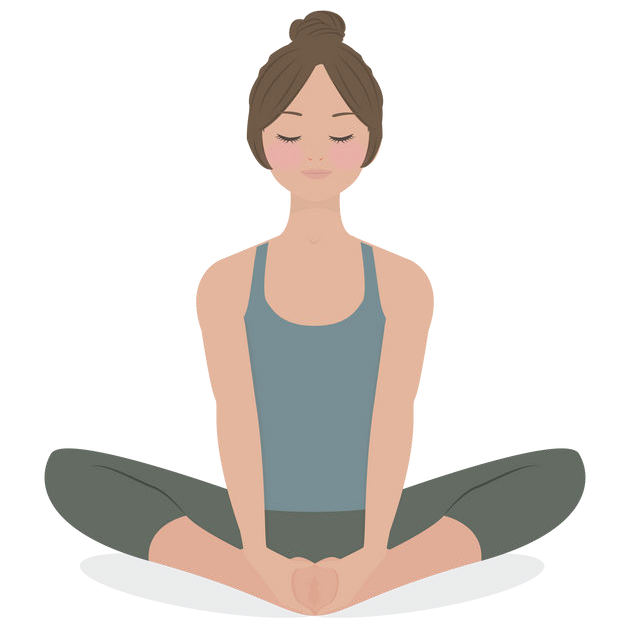
The pose derives its common name “Butterfly” from the shape of the legs, which resemble the wings of a butterfly when the soles of the feet are brought together and the knees fall outward. In Yin Yoga, this posture is particularly significant because it targets the lower body—an area where tension, stress, and emotional holding are commonly stored.
Butterfly Pose is deeply grounding and introspective. It not only enhances physical flexibility but also stimulates important meridians associated with the kidneys, liver, and urinary bladder. These energy pathways are believed to influence vitality, detoxification, and emotional balance. As a result, Butterfly Pose becomes a powerful tool for both physical and energetic healing.
Butterfly Pose in Yin Yoga is a powerful and accessible posture that deeply influences the hips, pelvis, and spine. Through sustained, mindful stretching, it enhances flexibility, stimulates vital organs, and promotes energetic balance.
Beyond its physical effects, the pose serves as a gateway to emotional release and inner awareness. It encourages practitioners to slow down, observe sensations, and cultivate patience.
When practiced regularly and mindfully, Butterfly Pose becomes more than just a stretch—it transforms into a meditative experience that nurtures the body, mind, and spirit, fostering overall well-being and harmony.
Getting Into the Pose
Entering Butterfly Pose requires mindfulness and gradual adjustment to ensure comfort and proper alignment.
Step-by-Step Instructions
- Starting Position
Sit on the floor with legs extended straight in front of you (Dandasana). - Bringing the Feet Together
Bend both knees and bring the soles of the feet together. Allow the knees to fall outward toward the floor. - Adjusting the Distance
Move the feet slightly away from the pelvis to create a diamond shape with the legs. In Yin Yoga, the feet are usually placed farther away than in the classical version. - Spinal Position
- Yin Variation: Allow the spine to round naturally
- Head may drop toward the feet
- Forward Fold
Slowly hinge forward from the hips, allowing the torso to drape over the legs. - Hand Placement
- Hold the feet or ankles
- Rest hands on the floor or legs
- Use of Props
- Place cushions or blocks under the knees for support
- Use a bolster under the chest for comfort
- Sit on a folded blanket to tilt the pelvis forward
- Relaxation Phase (Yin Approach)
Release muscular effort and allow gravity to deepen the stretch. - Breathing Awareness
Focus on slow, deep breathing, particularly into the lower abdomen and pelvic region.
Coming Out of the Pose
Exiting Butterfly Pose should be slow and controlled to avoid strain.
- Lift the Torso Slowly
Use the hands to gently lift the upper body. - Bring Knees Together
Support the knees with your hands and bring them back to center. - Extend the Legs
Straighten the legs forward. - Rebound Phase
Sit quietly and observe sensations in the hips, spine, and pelvis. - Optional Gentle Movement
Lightly shake or bounce the legs to release tension.
Counterposes
Counterposes help neutralize the deep hip opening and forward bending.
- Seated Backbend (Reverse Tabletop or Gentle Lean Back)
Opens the front body after forward fold. - Knees-to-Chest Pose
Releases lower back and hips. - Supine Twist
Restores spinal neutrality. - Legs Extended Rest (Dandasana)
Allows integration of the stretch. - Savasana (Corpse Pose)
Promotes full relaxation.
Meridians & Organs Affected
Butterfly Pose strongly stimulates meridians running through the inner legs and pelvis.
Primary Meridians Stimulated
- Kidney Meridian
- Associated with vitality and life force (Qi)
- Runs along the inner legs
- Liver Meridian
- Governs detoxification and emotional flow
- Influences flexibility
- Spleen Meridian
- Supports digestion and energy production
- Urinary Bladder Meridian (secondary)
- Runs along the back body
- Influences nervous system balance
Organs Affected
- Kidneys
- Liver
- Spleen
- Urinary bladder
- Reproductive organs
The pose enhances circulation and energy flow to these organs, supporting their function.
Joints Affected
Butterfly Pose primarily affects:
- Hip Joints (Coxal joints)
- Deep external rotation
- Increased flexibility
- Knee Joints
- Maintained in flexion
- Require support if sensitive
- Sacroiliac Joint
- Stabilized but influenced
- Spine (Lumbar region)
- Gentle flexion
- Ankle Joints
- Mild engagement
Recommended Hold Times
Yin Yoga emphasizes prolonged holds.
- Beginners: 2–3 minutes
- Intermediate: 3–5 minutes
- Advanced: 5–10 minutes
Guidelines
- Avoid forcing the knees down
- Use props for comfort
- Maintain steady breathing
- Focus on relaxation
Contra-indications
Butterfly Pose should be modified or avoided in certain conditions:
- Knee Injuries
- Use support under knees
- Hip Problems
- Avoid deep stretch
- Lower Back Pain
- Keep spine more upright
- Sciatica
- Practice cautiously
- Pregnancy
- Avoid deep forward fold
- Recent Surgery
- Especially abdominal or pelvic
Benefits
Physical Benefits
- Improves Hip Flexibility
- Opens inner thighs and groin
- Enhances Spinal Mobility
- Promotes gentle flexion
- Stimulates Circulation
- Improves blood flow to pelvis
- Supports Posture
- Releases lower back tension
- Strengthens Connective Tissue
- Targets ligaments and fascia
Therapeutic Benefits
- Supports Reproductive Health
- Enhances pelvic circulation
- Improves Digestion
- Stimulates abdominal organs
- Relieves Menstrual Discomfort
- Reduces pelvic tension
- Reduces Fatigue
- Promotes relaxation
Mental and Emotional Benefits
- Promotes Calmness
- Activates parasympathetic system
- Enhances Mindfulness
- Encourages inward focus
- Releases Emotional Tension
- Hips store emotional stress
- Improves Mental Clarity
- Balances energy flow
Energetic Benefits
- Activates lower body energy channels
- Enhances grounding and stability
- Balances kidney and liver energy
Anatomy and Physiology
Muscles Involved
Primary Stretch Muscles
- Adductors (inner thighs)
- Gracilis
- Pectineus
Secondary Muscles
- Gluteus maximus
- Piriformis
- Lower back muscles
Connective Tissue Engagement
Targets:
- Hip joint capsules
- Ligaments of pelvis
- Fascia of inner thighs
Long holds improve elasticity and hydration.
Joint Mechanics
- Promotes external rotation of hips
- Encourages flexion at hips and knees
- Enhances joint lubrication
Circulatory System
- Improves blood flow to pelvic region
- Enhances oxygen delivery
- Supports reproductive health
Respiratory System
- Encourages diaphragmatic breathing
- Improves oxygen exchange
Nervous System Effects
- Activates parasympathetic system
- Reduces stress
- Promotes relaxation
Endocrine System
- Influences reproductive hormones
- Supports hormonal balance
Fascial Lines
- Deep front line
- Adductor line
These lines influence posture and movement.
Psychological and Subtle Body Perspective
Butterfly Pose is associated with grounding and emotional release.
Energetic Interpretation
- Activates root and sacral energy centers
- Releases stored emotions
- Enhances stability and creativity
Holding the pose may bring awareness to deep-seated tension.
Integration in Yin Yoga Practice
Butterfly Pose is commonly used in sequences focusing on:
- Hip opening
- Emotional release
- Grounding
Complementary Poses
- Dragon Pose
- Caterpillar Pose
- Squat (Malasana)
- Reclined Twist
These create a balanced practice.