
Introduction
Bananasana, often referred to as the Banana Pose, is a fundamental lateral stretch in Yin Yoga that targets the side body. The pose gets its name from the curved shape the body takes, resembling a banana. Unlike many traditional yoga postures that emphasize forward bends or backbends, Bananasana focuses on lateral flexion of the spine, an often neglected movement in daily life and even in many yoga practices.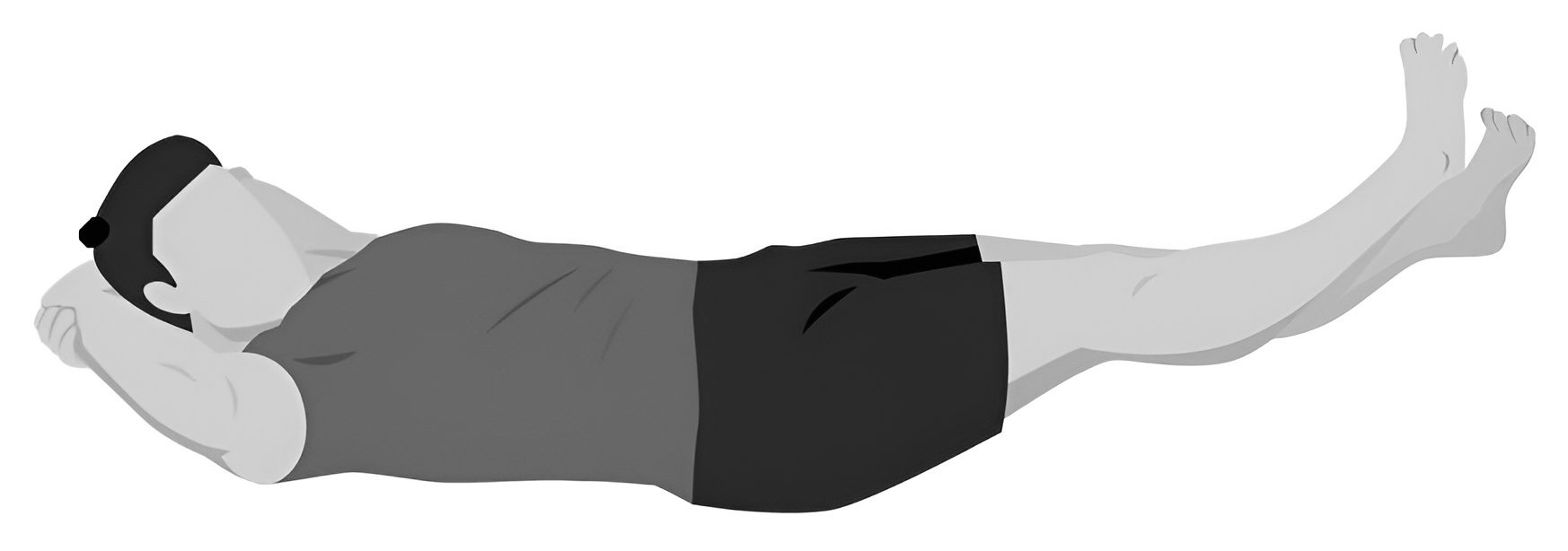
In Yin Yoga, the emphasis is on long-held, passive stretches that affect deeper connective tissues such as fascia, ligaments, and joint capsules. Bananasana is particularly effective in stimulating the fascial lines along the sides of the body, including the intercostal muscles, obliques, and connective tissues surrounding the rib cage and hips.
Energetically, Bananasana stimulates important meridians associated with detoxification, digestion, and fluid balance. It is deeply calming, introspective, and grounding, making it a valuable addition to any Yin Yoga sequence.
Bananasana, or Banana Pose, is a simple yet powerful Yin Yoga posture that emphasizes lateral stretching, an often-overlooked movement in both daily life and yoga practice. Through sustained, mindful holding, it targets deep connective tissues, improves spinal mobility, and enhances overall flexibility.
Beyond its physical benefits, Bananasana stimulates important meridians, supports organ health, and promotes emotional balance. It encourages practitioners to slow down, breathe deeply, and cultivate awareness.
When practiced regularly and mindfully, Bananasana becomes more than just a stretch—it transforms into a meditative experience that integrates body, mind, and energy, fostering a sense of harmony and well-being.
Getting Into the Pose
Entering Bananasana should be done mindfully to ensure proper alignment and avoid strain.
Step-by-Step Instructions
- Starting Position
Lie flat on your back (supine position) on a yoga mat. Keep the legs extended and arms resting alongside the body. - Positioning the Arms
Raise both arms overhead and extend them fully, keeping them shoulder-width apart. - Shifting the Upper Body
Move both arms and upper torso slightly to the right side of the mat. The shoulders and rib cage shift together. - Shifting the Lower Body
Move both legs to the right side, keeping them together. The entire body now forms a gentle curve. - Creating the Banana Shape
Ensure the body resembles a crescent or banana shape. Avoid twisting—this is a pure lateral stretch. - Foot Position Options
- Stack one ankle over the other
- Cross the outer ankle over the inner for a deeper stretch
- Arm Options
- Hold opposite elbows overhead
- Keep arms parallel for a gentler stretch
- Relaxation Phase (Yin Approach)
Once in position, relax all muscular effort. Allow gravity to gently deepen the stretch along the side body. - Breathing Awareness
Focus on breathing into the stretched side of the rib cage, expanding the intercostal spaces.
Coming Out of the Pose
Exiting Bananasana should be slow and controlled.
- Release the Legs First
Bring the legs back to the center of the mat. - Return the Upper Body
Slowly move the arms and torso back to a neutral position. - Pause in Neutral
Rest in a straight supine position and observe sensations. - Rebound Effect
Notice the flow of energy, warmth, or tingling along the sides of the body. - Repeat on the Other Side
Perform the same steps on the opposite side to maintain balance.
Counterposes
Bananasana is generally gentle, but counterposes help neutralize the body.
- Neutral Supine Rest
Allows integration of the stretch. - Knees-to-Chest Pose
Releases the lower back and hips. - Gentle Twist
Restores spinal neutrality. - Constructive Rest Pose
Provides relaxation and grounding. - Savasana (Corpse Pose)
Encourages full-body relaxation.
Meridians & Organs Affected
Bananasana strongly influences several meridians running along the sides of the body.
Primary Meridians Stimulated
- Gallbladder Meridian
- Runs along the outer body from head to foot
- Associated with decision-making and courage
- Liver Meridian
- Related to detoxification and emotional balance
- Influences flexibility and energy flow
- Spleen Meridian (secondary)
- Supports digestion and nourishment
- Kidney Meridian (indirectly)
- Affects vitality and fluid balance
Organs Affected
- Liver
- Gallbladder
- Spleen
- Kidneys
- Digestive organs
The lateral stretch enhances circulation and energy flow to these organs, promoting detoxification and metabolic balance.
Joints Affected
Bananasana gently influences multiple joints:
- Spine (especially thoracic and lumbar regions)
- Encourages lateral flexion
- Improves spinal mobility
- Shoulder Joints
- Stretched in overhead position
- Hip Joints
- Mild lateral stretch
- Rib Cage (Costovertebral joints)
- Expanded during breathing
- Ankles (minor involvement)
- Stabilized in extended position
Recommended Hold Times
Yin Yoga emphasizes long, passive holds.
- Beginners: 2–3 minutes per side
- Intermediate: 3–5 minutes per side
- Advanced: 5–8 minutes per side
Guidelines
- Maintain steady breathing
- Avoid overstretching
- Keep the body relaxed
- Use props if needed
Contra-indications
Bananasana is generally safe but should be modified in certain conditions.
- Lower Back Pain
- Avoid excessive lateral bending
- Shoulder Injuries
- Keep arms lower or supported
- Hip Issues
- Reduce intensity of leg shift
- Pregnancy
- Avoid deep side bending in later stages
- Severe Spinal Conditions
- Practice under guidance
- Recent Surgery
- Avoid strain on affected areas
Benefits
Physical Benefits
- Improves Spinal Flexibility
- Enhances lateral mobility
- Stretches the Side Body
- Targets intercostal muscles and fascia
- Enhances Breathing Capacity
- Expands rib cage
- Relieves Tension
- Reduces stiffness in back and hips
- Improves Posture
- Balances muscular asymmetry
Therapeutic Benefits
- Supports Detoxification
- Stimulates liver and gallbladder
- Aids Digestion
- Improves abdominal organ function
- Reduces Stress
- Activates relaxation response
- Improves Circulation
- Enhances blood flow to tissues
Mental and Emotional Benefits
- Promotes Relaxation
- Encourages surrender
- Enhances Mindfulness
- Focus on breath and sensation
- Balances Emotions
- Releases stored tension
- Improves Mental Clarity
- Linked to liver and gallbladder energy
Energetic Benefits
- Stimulates energy flow along lateral meridians
- Balances emotional and physical energy
- Enhances vitality and harmony
Anatomy and Physiology
Muscles Involved
Primary Stretch Muscles
- Obliques (internal and external)
- Intercostal muscles
- Latissimus dorsi
- Quadratus lumborum
Secondary Muscles
- Serratus anterior
- Iliotibial band (IT band)
- Gluteus medius and minimus
Connective Tissue Engagement
Bananasana targets:
- Fascia along the lateral lines
- Ligaments supporting the spine
- Joint capsules
Long holds improve elasticity and hydration of connective tissues.
Spinal Mechanics
- Promotes lateral flexion
- Balances spinal mobility
- Counteracts stiffness from repetitive movements
Respiratory System
- Expands rib cage
- Enhances lung capacity
- Improves oxygen exchange
Breathing into the stretched side increases awareness and lung efficiency.
Circulatory System
- Improves blood flow to organs
- Enhances nutrient delivery
- Supports detoxification
Nervous System Effects
- Activates parasympathetic nervous system
- Reduces stress and anxiety
- Promotes relaxation
Fascial Lines
Bananasana primarily affects:
- Lateral fascial line
- Spiral line (to a lesser extent)
These lines are essential for coordinated movement and structural balance.
Psychological and Subtle Body Perspective
In yogic philosophy, Bananasana influences emotional and energetic balance.
Energetic Interpretation
- Opens side channels of energy flow
- Balances liver energy (associated with anger and frustration)
- Enhances emotional flexibility
Holding the pose may bring awareness to asymmetries in the body and mind.
Integration in Yin Yoga Practice
Bananasana is often included in sequences focusing on:
- Lateral flexibility
- Detoxification
- Relaxation
Complementary Poses
- Dragon Pose
- Butterfly Pose
- Caterpillar Pose
- Reclined Twist
These poses create a balanced Yin sequence targeting the whole body.