
Introduction
Frog Pose is one of the most intense and transformative postures in Yin Yoga, primarily targeting the inner thighs, groin, and hip joints. Known for its deep opening effect, this pose involves a wide-knee position that stretches the adductors and stimulates the connective tissues of the lower body. In Yin Yoga, Frog Pose is practiced passively and held for an extended period, allowing gravity to facilitate a deep and sustained stretch.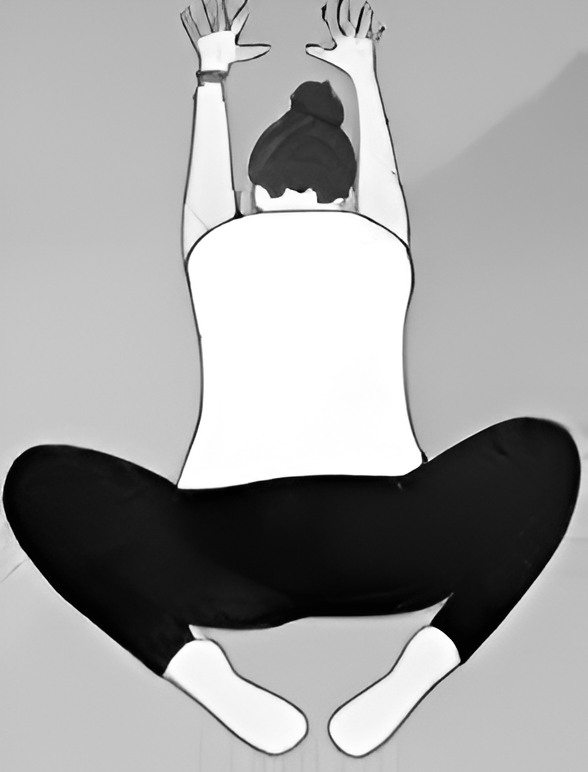
Unlike dynamic yoga styles, Yin Yoga emphasizes stillness, surrender, and awareness. Frog Pose embodies these principles by inviting practitioners to remain in a position that can be physically challenging and emotionally revealing. The hips and pelvic region are often considered areas where stress, tension, and suppressed emotions accumulate. By working deeply into these regions, Frog Pose promotes not only physical flexibility but also emotional release and energetic balance.
Frog Pose is particularly beneficial in modern lifestyles characterized by prolonged sitting, which leads to tight hips and restricted movement. By opening the inner thighs and improving hip mobility, this pose helps restore balance in the body. However, due to its intensity, it must be approached with care, mindfulness, and proper support.
Frog Pose is a powerful Yin Yoga posture that works deeply on the hips, inner thighs, and energetic systems of the body. Though physically intense, it offers profound benefits for flexibility, joint health, and emotional release.
Through sustained stillness and mindful breathing, practitioners can access deeper layers of the body and mind, fostering balance, resilience, and inner awareness. With regular practice, Frog Pose becomes an essential tool for transformation, embodying the principles of Yin Yoga—stillness, surrender, and deep introspection.
Getting Into the Pose
Entering Frog Pose requires patience, careful alignment, and the use of props to ensure safety and comfort.
Step-by-Step Instructions
- Starting Position
Begin in a tabletop position (hands and knees) on a yoga mat. Ensure the knees are padded with a blanket if needed. - Widening the Knees
Slowly slide the knees apart, moving them as wide as comfortably possible. Keep the hips aligned with the knees. - Aligning the Ankles
Flex the feet so that the inner edges of the feet rest on the mat, with the toes pointing outward or slightly inward depending on comfort. - Lowering the Torso
Gradually lower the torso toward the floor. You can rest on your hands, forearms, or place a bolster or cushion under the chest. - Hip Positioning
Keep the hips in line with the knees, avoiding pushing the hips too far back or forward. - Relaxation Phase
Release muscular tension and allow gravity to gently deepen the stretch. - Breath Awareness
Maintain slow, deep breathing, directing the breath into the hips and inner thighs.
Coming Out of the Pose
Exiting Frog Pose should be done slowly and mindfully to prevent strain.
- Re-engage Awareness
Begin by deepening your breath. - Press into the Hands
Gently push the torso up. - Bring Knees Together
Slowly slide the knees back toward each other. - Return to Tabletop
Come back to a neutral position. - Rest
Sit back into Child’s Pose or lie down briefly.
Counterposes
Counterposes help neutralize the effects of Frog Pose.
- Child’s Pose (Balasana)
Gently brings the knees together and relaxes the hips. - Caterpillar Pose (Seated Forward Fold)
Lengthens the spine and calms the nervous system. - Supine Twist
Releases tension in the hips and lower back. - Happy Baby Pose
Softens the hip joints. - Constructive Rest Pose
Allows integration and relaxation.
Meridians & Organs Affected
Frog Pose strongly stimulates Yin meridians located in the inner legs.
Primary Meridians
- Liver Meridian
- Runs along the inner thighs
- Associated with emotional balance and detoxification
- Kidney Meridian
- Governs vitality and energy
- Spleen Meridian
- Supports digestion and immunity
Organs Affected
- Liver
- Kidneys
- Spleen
- Urinary bladder
- Reproductive organs
This stimulation improves circulation and organ function.
Joints Affected
- Hip Joints
- Deep external rotation and abduction
- Knee Joints
- Flexion and lateral stress
- Sacroiliac Joint
- Stabilization and mild stress
- Ankle Joints
- Flexion and rotation
Recommended Hold Times
- Beginners: 1–2 minutes
- Intermediate: 3–5 minutes
- Advanced: 5–8 minutes
Practice Tips
- Use props for support
- Avoid pushing into pain
- Stay still and relaxed
Contra-indications
- Knee Injuries
- High risk due to lateral pressure
- Hip Injuries
- Avoid deep stretch
- Groin Strain
- Practice gently
- Lower Back Issues
- Use support
- Pregnancy
- Modify or avoid
Benefits
Physical Benefits
- Deep Hip Opening
- Increases flexibility
- Stretches Inner Thighs
- Targets adductors
- Improves Joint Health
- Nourishes connective tissue
- Enhances Circulation
- Promotes healing
Therapeutic Benefits
- Relieves Hip Tightness
- Supports Pelvic Health
- Improves Posture
- Aids Detoxification
Mental and Emotional Benefits
- Encourages Patience
- Reduces Stress
- Promotes Emotional Release
- Enhances Mindfulness
Energetic Benefits
- Balances Liver and Kidney energy
- Improves vitality
- Releases emotional blockages
Anatomy and Physiology
Muscles Involved
Primary Muscles
- Adductor group (inner thighs)
- Gluteal muscles
- Hip rotators
Muscles Being Stretched
- Adductors
- Pectineus
- Gracilis
Connective Tissue Engagement
- Fascia of inner thighs
- Hip joint capsules
- Ligaments of pelvis
Long holds improve elasticity and hydration.
Spinal Mechanics
- Neutral spine
- Minimal movement
Circulatory System
- Increases blood flow to pelvis
- Enhances tissue repair
Digestive System
- Stimulates abdominal organs
- Improves metabolism
Respiratory System
- Deep breathing
- Expands diaphragm
Nervous System Effects
- Activates parasympathetic system
- Promotes relaxation
Endocrine System
- Influences adrenal glands
- Supports hormonal balance
Fascial Lines
- Deep front line
- Inner thigh fascia
Psychological and Subtle Body Perspective
Frog Pose is emotionally intense.
Energetic Interpretation
- Releases stored tension in hips
- Encourages emotional healing
- Promotes grounding
Integration in Yin Yoga Practice
Frog Pose is used in:
- Hip-opening sequences
- Detox practices
- Deep relaxation sessions
Complementary Poses
- Butterfly Pose
- Dragon Pose
- Child’s Pose
- Sphinx Pose