
Introduction
Yin Yoga is a contemplative and therapeutic style of yoga that emphasizes stillness, passive stretching, and long-held postures to target the deeper layers of the body—namely fascia, ligaments, joints, and bones. Unlike dynamic yoga practices that focus on muscular activation, Yin Yoga encourages surrender and relaxation, allowing gravity and time to gently stress connective tissues for long-term health and mobility.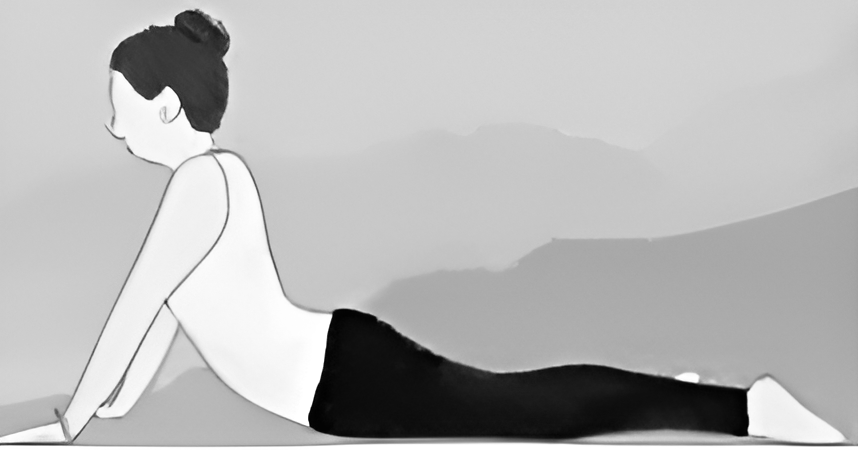
One of the most profound backbending postures in Yin Yoga is Seal Pose, a deeper variation of Sphinx Pose. Seal Pose is characterized by a strong extension of the spine, particularly the lumbar region, and is often used to stimulate the lower back, abdomen, and energetic meridians associated with vitality and emotional balance.
This essay explores Seal Pose in detail, including its method of practice, anatomical and physiological effects, energetic implications, contraindications, benefits, and integration into a Yin Yoga routine.
Understanding Seal Pose
Seal Pose is an advanced passive backbend in Yin Yoga. It differs from Sphinx Pose primarily in the degree of spinal extension and the position of the arms. In Seal Pose, the arms are straight, and the chest is lifted higher, creating a more intense compression in the lower back.
Unlike active backbends in Yang yoga styles, Seal Pose remains passive—muscles are minimally engaged, and the emphasis is on connective tissue stimulation rather than muscular strengthening.
Seal Pose is a powerful Yin Yoga posture that offers deep physical, energetic, and psychological benefits. Its intense spinal extension makes it a transformative pose when practiced with awareness and care. By targeting the connective tissues and stimulating key meridians, Seal Pose supports spinal health, enhances energy flow, and promotes emotional balance.
Through mindful practice, Seal Pose becomes more than just a physical posture—it becomes a meditative experience that fosters stillness, resilience, and inner awareness. As with all Yin Yoga poses, the key lies in patience, surrender, and attentive listening to the body.
Getting Into the Pose
Entering Seal Pose requires mindfulness and gradual progression to ensure safety and effectiveness.
- Starting Position
Begin by lying prone (on your belly) on a yoga mat. Extend your legs straight behind you, keeping them hip-width apart or slightly wider for comfort. The tops of your feet should rest on the mat. - Initial Setup (Sphinx Foundation)
Place your forearms on the mat with elbows under shoulders, coming into Sphinx Pose first. This step allows the spine to warm up gently. - Transition into Seal Pose
Slowly straighten your arms by pressing your palms into the mat. Move your hands slightly forward or outward if needed. Unlike in active backbends, allow your shoulders to elevate naturally without forcing them down. - Positioning the Arms
The arms are extended but not rigid. Elbows may have a slight micro-bend. Hands can be turned slightly outward for comfort. - Relaxation of Lower Body
Let the pelvis, thighs, and legs remain heavy and relaxed. Avoid contracting the glutes excessively, as this would shift the pose from Yin to Yang. - Spinal Extension
Allow the lower back (lumbar spine) to gently compress. The sensation should be noticeable but not painful. - Head and Neck Position
The head can be neutral, slightly lifted, or even dropped back gently if comfortable. However, avoid straining the neck. - Settling into Stillness
Once in the posture, close your eyes and bring awareness to your breath. Allow gravity to deepen the pose over time.
Coming Out of the Pose
Exiting Seal Pose must be done slowly to protect the spine and integrate the effects.
- Gradual Release
Bend your elbows gently and lower your chest back down to the mat. - Resting Phase
Turn your head to one side or stack your hands under your forehead. - Neutralization
Allow the spine to rest in a neutral position for several breaths. - Transition Mindfully
Move slowly into a counterpose to balance the deep backbend.
Sudden movements should be avoided, as the spine has been held in an extended position for an extended duration.
Counterposes
Counterposes are essential after Seal Pose to neutralize the spine and release compression.
- Child’s Pose (Balasana)
A gentle forward fold that stretches the lower back and relieves compression. - Knees-to-Chest Pose
Lying on the back and hugging the knees into the chest helps decompress the lumbar spine. - Cat-Cow Movement
Gentle spinal flexion and extension restore balance and mobility. - Supine Twist
Twisting helps release tension accumulated in the spine. - Crocodile Pose (Makarasana)
A resting prone pose that allows the spine to relax naturally.
These counterposes are crucial for maintaining spinal health and preventing discomfort.
Meridians and Organs Affected
In Yin Yoga, poses are believed to stimulate energy channels or meridians based on Traditional Chinese Medicine (TCM).
Primary Meridians Stimulated
- Kidney Meridian
- Urinary Bladder Meridian
These meridians run along the spine and are deeply influenced by backbending postures.
Secondary Meridians
- Stomach Meridian
- Spleen Meridian
Organs Affected
- Kidneys
- Urinary bladder
- Stomach
- Intestines
The compression of the abdominal region stimulates digestive organs and enhances internal circulation. The Kidney meridian, associated with vitality and fear regulation, is particularly activated.
Joints Affected
Seal Pose impacts several joints, particularly in the spine:
- Lumbar Spine (Lower Back)
Primary site of compression and stimulation. - Thoracic Spine (Upper Back)
Encourages extension and improved posture. - Cervical Spine (Neck)
Mild involvement depending on head position. - Shoulder Joints
Stabilized as the arms support the body. - Elbow Joints
Extended and weight-bearing. - Hip Joints
Slight extension due to the prone position.
The sustained stress on these joints promotes circulation and long-term mobility.
Recommended Hold Times
Seal Pose is typically held longer than active yoga poses:
- Beginners: 1–2 minutes
- Intermediate: 3–5 minutes
- Advanced: 5–8 minutes or longer
The key is to remain within a range of manageable sensation, not pain.
Contraindications
Seal Pose is an intense backbend and requires caution:
- Lower Back Injuries
Conditions such as herniated discs or severe lumbar pain may be aggravated. - Pregnancy
Avoid prone positions, especially in later stages. - Spinal Disorders
Conditions like spondylolisthesis or spinal stenosis require professional guidance. - Recent Abdominal Surgery
Compression may interfere with healing. - Carpal Tunnel Syndrome
Weight-bearing on hands may aggravate symptoms. - Neck Issues
Improper alignment can strain the cervical spine.
Modifications
- Keep elbows slightly bent
- Lower the chest (return toward Sphinx Pose)
- Use props such as bolsters under the chest
- Widen the hands for comfort
Listening to the body is essential to avoid injury.
Benefits of Seal Pose
Physical Benefits
- Enhances Spinal Flexibility
Promotes extension and mobility in the spine. - Stimulates Intervertebral Discs
Encourages hydration and nourishment of spinal discs. - Improves Posture
Counteracts slouching and prolonged sitting. - Strengthens Connective Tissue
Enhances resilience of ligaments and fascia. - Stimulates Digestive Organs
Improves digestion and metabolism.
Mental and Emotional Benefits
- Promotes Relaxation
Activates the parasympathetic nervous system. - Reduces Stress and Anxiety
Encourages deep breathing and mindfulness. - Facilitates Emotional Release
Backbends are often associated with opening the heart and releasing stored emotions.
Energetic Benefits
- Stimulates Kidney Energy (Qi)
Enhances vitality and endurance. - Balances Energy Flow
Promotes harmony in the body’s energetic system. - Encourages Grounding and Stillness
Supports meditative awareness.
Anatomy and Physiology
Muscles Involved
Although Seal Pose is passive, some muscles are gently engaged:
- Erector Spinae – support spinal extension
- Latissimus Dorsi – assist in posture
- Trapezius – stabilize shoulders
- Deltoids – support arm positioning
However, the emphasis remains on relaxation rather than active contraction.
Connective Tissue Focus
Seal Pose targets:
- Ligaments of the spine
- Fascia surrounding the torso
- Intervertebral discs
The sustained stretch improves elasticity and hydration of these tissues.
Spinal Mechanics
Seal Pose creates a deep lumbar extension, which:
- Compresses the posterior spinal elements
- Stimulates synovial fluid movement
- Maintains natural spinal curvature
This helps prevent degeneration and stiffness.
Nervous System Effects
The long-held nature of the pose activates the parasympathetic nervous system, leading to:
- Reduced heart rate
- Lower blood pressure
- Enhanced relaxation
This makes Seal Pose beneficial for stress management.
Respiratory Effects
The compression of the abdomen encourages:
- Diaphragmatic breathing
- Improved lung expansion
- Greater breath awareness
Breathing becomes slower and deeper, enhancing relaxation.
Fascial System
Fascia responds well to sustained pressure:
- Releases chronic tension
- Improves hydration
- Enhances mobility
Seal Pose stimulates fascial lines along the front body and spine.
Psychological and Meditative Aspects
Seal Pose is deeply introspective:
- Encourages mindfulness and stillness
- Helps practitioners observe sensations without reaction
- Builds patience and mental resilience
The discomfort experienced in the pose becomes an opportunity for self-awareness and acceptance.
Integration into Practice
Seal Pose can be incorporated:
- After warming up with Sphinx Pose
- Mid-practice for deep spinal stimulation
- Before meditation to prepare the body
It pairs well with forward folds and twists for balance.