
1. Word Meaning
The Sanskrit term Yogamudrasana consists of:
- Yoga – union, integration, or discipline of mind, body, and spirit
- Mudra – seal, gesture, or symbolic hand/pose
- Asana – posture or seat

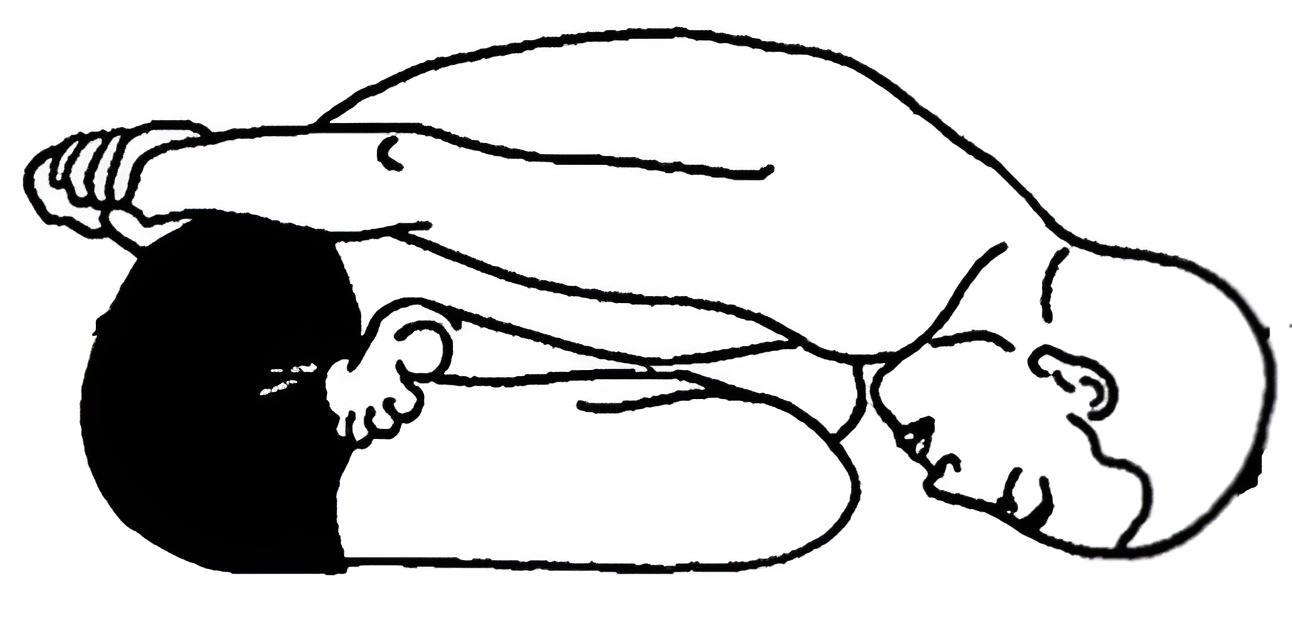
Thus, Yogamudrasana can be translated as “Yoga Seal Pose” or “Sealed Yoga Posture”, symbolizing a posture that locks the body and mind, enhancing focus, meditation, and internal energy flow. This asana is primarily a seated forward bend with locked hands behind the back, emphasizing spinal flexibility, digestion, and energy circulation.
2. Definition
Yogamudrasana is a seated forward-bending yoga pose where:
- The legs are folded with feet close to the pelvis (similar to Virasana or Vajrasana)
- The torso bends forward, bringing the chest toward the thighs
- The arms reach behind the back to grasp the heels or feet, creating a locked seal
- The spine is elongated and rounded moderately, promoting internal organ compression and stretching of the back and shoulders
This pose combines forward bending, spinal flexion, and chest/shoulder opening, while simultaneously stimulating abdominal organs, making it highly therapeutic for digestion and internal detoxification.
3. Method of Practice – Step by Step
Step 1: Begin in Vajrasana
- Sit on the heels with knees together
- Feet aligned with hips, spine straight, shoulders relaxed
Step 2: Position Hands
- Reach arms behind the back, fingers grasping the heels or outer edges of the feet
- Keep shoulders relaxed and chest open
Step 3: Inhale to Lengthen
- Lift the sternum and elongate the spine
- Engage core muscles lightly to support lower back
Step 4: Exhale to Fold Forward
- Slowly bend forward from the hips
- Lower the torso toward the thighs
- Keep arms extended backward, pressing against the heels
Step 5: Adjust Head and Neck
- Allow the forehead to rest on the floor if flexibility allows
- Keep neck in line with spine, avoiding strain
Step 6: Alignment Check
- Spine elongated, rounded only to comfort level
- Hips grounded and knees stable
- Shoulders pressed lightly against back
Step 7: Breathing
- Maintain steady, diaphragmatic breaths
- Inhale to lengthen spine, exhale to deepen forward bend
Step 8: Hold the Pose
- Beginners: 20–30 seconds
- Intermediate: 1–2 minutes
- Advanced: 3–5 minutes
Step 9: Release
- Inhale, slowly lift torso to upright
- Release hands from heels
- Return to Vajrasana or Shavasana for relaxation
4. Alignment Cues
- Hips: Sit bones grounded, thighs aligned with hips
- Spine: Elongated with gentle rounding, avoid compressing lower back
- Knees: Together and stable, not collapsing outward
- Shoulders: Relaxed, arms extended behind, palms/heels clasped
- Head: Neck aligned, forehead resting if possible
- Core: Engaged lightly to support lumbar region
5. Benefits of Yogamudrasana
A. Physical Benefits
- Increases spinal flexibility, especially thoracic and lumbar regions
- Stretches back, shoulders, and chest muscles
- Improves hip and knee mobility
- Stimulates abdominal organs, aiding digestion
- Enhances postural alignment and spinal stabilization
B. Physiological Benefits
- Stimulates liver, pancreas, kidneys, and intestines
- Enhances blood circulation in abdominal region
- Supports detoxification through organ compression
- Improves respiratory efficiency by opening chest
C. Mental Benefits
- Reduces stress and anxiety
- Calms the mind, enhances meditation and focus
- Promotes self-discipline and body awareness
D. Energetic Benefits
- Activates Manipura (solar plexus) and Anahata (heart) chakras
- Enhances pranic flow along spinal and abdominal meridians
6. Contraindications
- Knee injuries: bending in Vajrasana may strain knees
- Spinal injuries: avoid deep forward bending
- Hernia: may aggravate condition due to abdominal compression
- Pregnancy: deep forward bending not recommended
- Recent abdominal surgery or ulcers: avoid compression
7. Counterposes
- Bhujangasana (Cobra Pose): stretches anterior spine and chest
- Setu Bandhasana (Bridge Pose): opens chest and strengthens spine
- Shavasana: restores balance and relaxation
- Upavistha Konasana (Seated Wide Angle Forward Bend): gently stretches spine and hips
8. Preparatory Practices
- Vajrasana: seated base posture
- Baddha Konasana: hip opening
- Paschimottanasana: forward fold preparation
- Marjaryasana-Bitilasana: spinal mobilization
- Shoulder stretches: arms behind back or chest opening
- Core activation exercises: support lumbar spine
9. Modifications
- Place a folded blanket under knees or sit bones for comfort
- Use strap to reach heels if hands cannot clasp
- Keep torso slightly raised if lower back is tight
- Shorten hold time for beginners, gradually increase duration
- Keep forehead elevated on a block if floor contact is difficult
10. Muscles Involved
A. Stretched Muscles
- Erector spinae (spinal extensors)
- Latissimus dorsi and trapezius (back and shoulder stretch)
- Deltoids and posterior shoulder muscles
- Hip flexors and quadriceps (stretched from Vajrasana)
- Gluteus maximus
B. Strengthened Muscles
- Rectus abdominis and obliques (isometric engagement)
- Multifidus and spinal stabilizers
- Rhomboids and upper back for scapular stability
C. Joints
- Spine: thoracic and lumbar flexion
- Hips: flexion
- Knees: flexion in Vajrasana
- Shoulders: extension and external rotation
11. Kinesiology
- Spinal mechanics: flexion with slight elongation
- Hip mechanics: flexion and stabilization
- Core mechanics: isometric engagement for lumbar support
- Shoulder mechanics: extension and external rotation
- Dynamic action: inhale to lengthen, exhale to fold
12. Kinematics
- Sagittal plane: spinal flexion during forward bend
- Frontal plane: hips and knees stable
- Transverse plane: minimal, slight rotation if needed for comfort
- Joint action: hip flexion, knee flexion, spinal flexion, shoulder extension
13. Biomechanics
- Lever principle: spine as lever, arms clasping heels provide leverage
- Force distribution: even through sit bones
- Isometric contraction: core stabilizes lumbar region
- Spinal compression: forward bend compresses thoracic and lumbar vertebrae safely if gradual
- Progressive mobility: gentle forward folding increases flexibility over time
14. Functional Anatomy & Physiology
A. Musculoskeletal System
- Strengthens spinal stabilizers
- Stretches spinal extensors, shoulders, chest, and hip muscles
B. Nervous System
- Stimulates proprioceptors in spine and hips
- Calms sympathetic nervous system
C. Circulatory System
- Improves blood flow to abdominal organs
- Enhances venous return and detoxification
D. Respiratory System
- Opens chest, expands lungs
- Encourages diaphragmatic breathing
E. Digestive System
- Compression and massage of liver, pancreas, intestines
- Promotes digestion and elimination
F. Energetic System
- Activates Manipura and Anahata chakras
- Promotes pranic circulation along spinal meridians
15. How to Correct and Adjust While Teaching
Common Misalignments
- Knees collapsing outward
- Spine rounded excessively or lumbar collapse
- Arms not clasping heels
- Shoulders shrugged or tense
- Neck strain
Verbal Adjustments
- “Sit tall on your sit bones before folding”
- “Reach arms behind, shoulders relaxed”
- “Bend forward gently, exhale to fold”
- “Engage core lightly to protect lower back”
Hands-On Adjustments
- Support pelvis to ensure sit bones grounded
- Guide arm positioning for clasping heels
- Support shoulder and chest for comfort
- Adjust head and neck alignment
16. Variations
- Supported Yogamudrasana: use strap for hands
- Gentle forward bend: torso slightly raised for beginners
- Advanced variation: forehead rests on floor, deeper fold
- Dynamic flow: combine with pranayama or mudra activation
17. Philosophical and Energetic Aspect
- Yogamudrasana symbolizes internal control and sealing of energy
- Supports meditation and concentration
- Enhances awareness of breath, posture, and energy flow
18. Conclusion
Yogamudrasana is a therapeutic and meditative seated forward bend that:
- Physically: increases spinal flexibility, stretches back, shoulders, and hips
- Mentally: reduces stress, enhances focus and concentration
- Physiologically: stimulates abdominal organs, improves digestion and circulation
- Energetically: activates chakras and pranic energy flow
With proper alignment, preparation, and modification, this pose is safe, effective, and highly beneficial for both therapeutic and meditative practice.
QUESTION AND ANSWER
1. What does “Mudra” mean in Sanskrit?
a) Seal or gesture
b) Posture
c) Breath
d) Meditation
Answer: a
2. Yogamudrasana is primarily classified as:
a) Standing pose
b) Seated forward bend with clasped hands
c) Backbend
d) Inversion
Answer: b
3. Which base posture is used to start Yogamudrasana?
a) Dandasana
b) Vajrasana
c) Tadasana
d) Padmasana
Answer: b
4. What is the primary action in the spine?
a) Flexion
b) Extension
c) Lateral bending
d) Rotation
Answer: a
5. Which muscles are stretched in Yogamudrasana?
a) Erector spinae, latissimus dorsi, posterior shoulder muscles, hip flexors
b) Quadriceps only
c) Deltoids only
d) Forearm muscles only
Answer: a
6. Core muscles in this pose are:
a) Engaged isometrically to support lumbar spine
b) Relaxed completely
c) Overextended
d) None
Answer: a
7. Contraindications include:
a) Knee injury, hernia, recent abdominal surgery, pregnancy
b) Healthy practitioners
c) Beginner level only
d) None
Answer: a
8. Which organ systems benefit most from Yogamudrasana?
a) Digestive organs: liver, pancreas, intestines
b) Lungs only
c) Heart only
d) None
Answer: a
9. Which chakras are stimulated?
a) Manipura (solar plexus) and Anahata (heart)
b) Vishuddha only
c) Ajna only
d) None
Answer: a
10. Correct alignment cue for shoulders is:
a) Relaxed, arms extended behind
b) Shrugged
c) Forward hunch
d) None
Answer: a
11. How should knees be positioned?
a) Together, stable, not collapsing outward
b) Spread wide
c) Crossed
d) None
Answer: a
12. Hands should clasp:
a) Heels or outer edges of feet
b) Shoulders
c) Head
d) Thighs
Answer: a
13. Head alignment:
a) Neck in line with spine, forehead resting if possible
b) Forcefully down
c) Tilted to side
d) None
Answer: a
14. Breathing cue:
a) Inhale to lengthen spine, exhale to fold forward
b) Hold breath
c) Rapid shallow breaths
d) Exhale only
Answer: a
15. Preparatory poses include:
a) Vajrasana, Baddha Konasana, Paschimottanasana, Marjaryasana-Bitilasana
b) Garudasana only
c) Tadasana only
d) Shavasana only
Answer: a
16. Counterposes include:
a) Bhujangasana, Setu Bandhasana, Shavasana
b) Tree Pose
c) Warrior II
d) None
Answer: a
17. Common misalignments:
a) Knees collapsing outward, spine over-rounded, arms not clasped
b) Spine elongated, shoulders relaxed
c) Core engaged
d) Head aligned
Answer: a
18. How can beginners modify the pose?
a) Use a strap for hands, place blanket under knees
b) Force fold fully
c) Hold for 5 minutes immediately
d) Collapse spine
Answer: a
19. Duration for beginners:
a) 20–30 seconds
b) 1–2 minutes
c) 5 minutes
d) 10 minutes
Answer: a
20. Advanced hold duration:
a) 3–5 minutes
b) 30 seconds
c) 1 minute
d) None
Answer: a
21. Core engagement helps:
a) Stabilize lumbar spine and protect from strain
b) Collapse forward
c) Force fold
d) None
Answer: a
22. Dynamic action in practice:
a) Inhale to lengthen, exhale to fold
b) Exhale only
c) Hold breath
d) None
Answer: a
23. Main joints involved:
a) Spine, hips, knees, shoulders
b) Elbows only
c) Ankles only
d) Neck only
Answer: a
24. Mental benefits include:
a) Stress relief, increased focus, enhanced meditation
b) Anxiety increase
c) Decreased concentration
d) None
Answer: a
25. Which muscle group stabilizes the spine?
a) Multifidus, erector spinae, rectus abdominis, obliques
b) Quadriceps only
c) Biceps only
d) Forearm muscles
Answer: a
26. Shoulder action:
a) Extension and external rotation
b) Forward hunch
c) Shrug
d) None
Answer: a
27. Biomechanical principle:
a) Spine acts as lever, arms clasping heels provide leverage
b) No leverage
c) Forceful compression
d) None
Answer: a
28. Energetic symbolism:
a) Internal control and sealing of energy
b) Aggression
c) Weakness
d) None
Answer: a
29. Recommended follow-up pose:
a) Bhujangasana or Shavasana
b) Tree Pose only
c) Warrior II only
d) None
Answer: a
30. Verbal cue for forward folding:
a) “Inhale to lengthen spine, exhale to fold gently”
b) “Collapse torso forcefully”
c) “Twist spine”
d) None
Answer: a
31. Advanced variation includes:
a) Forehead resting on floor for deeper fold
b) Head elevated above chest
c) Arms crossed
d) None
Answer: a
32. Benefits to digestive system:
a) Massage and stimulation of liver, pancreas, intestines
b) Restriction of blood flow
c) Weakening of digestive organs
d) None
Answer: a
33. Arms behind back promote:
a) Chest and shoulder opening
b) Forward collapse
c) Spine rounding
d) None
Answer: a
34. Which is a preparatory core activation exercise?
a) Plank or abdominal engagement
b) Standing forward fold only
c) Downward Dog only
d) None
Answer: a
35. Yogamudrasana improves:
a) Postural alignment, spinal flexibility, abdominal circulation
b) Only upper body strength
c) Only standing balance
d) None
Answer: a