
1. Word Meaning
The Sanskrit term Baddha Konasana is composed of:
- Baddha – meaning “bound” or “tied”
- Kona – meaning “angle”
- Asana – meaning “pose” or “seat”
Thus, Baddha Konasana translates to “Bound Angle Pose”, signifying a seated posture where the soles of the feet are joined and legs externally rotated, forming an angle at the hips.
The pose is also commonly called Cobbler’s Pose, inspired by the traditional seated posture of cobblers during work. It is a classical hip-opening asana often included in Hatha Yoga sequences, pranayama practice, and meditation preparations.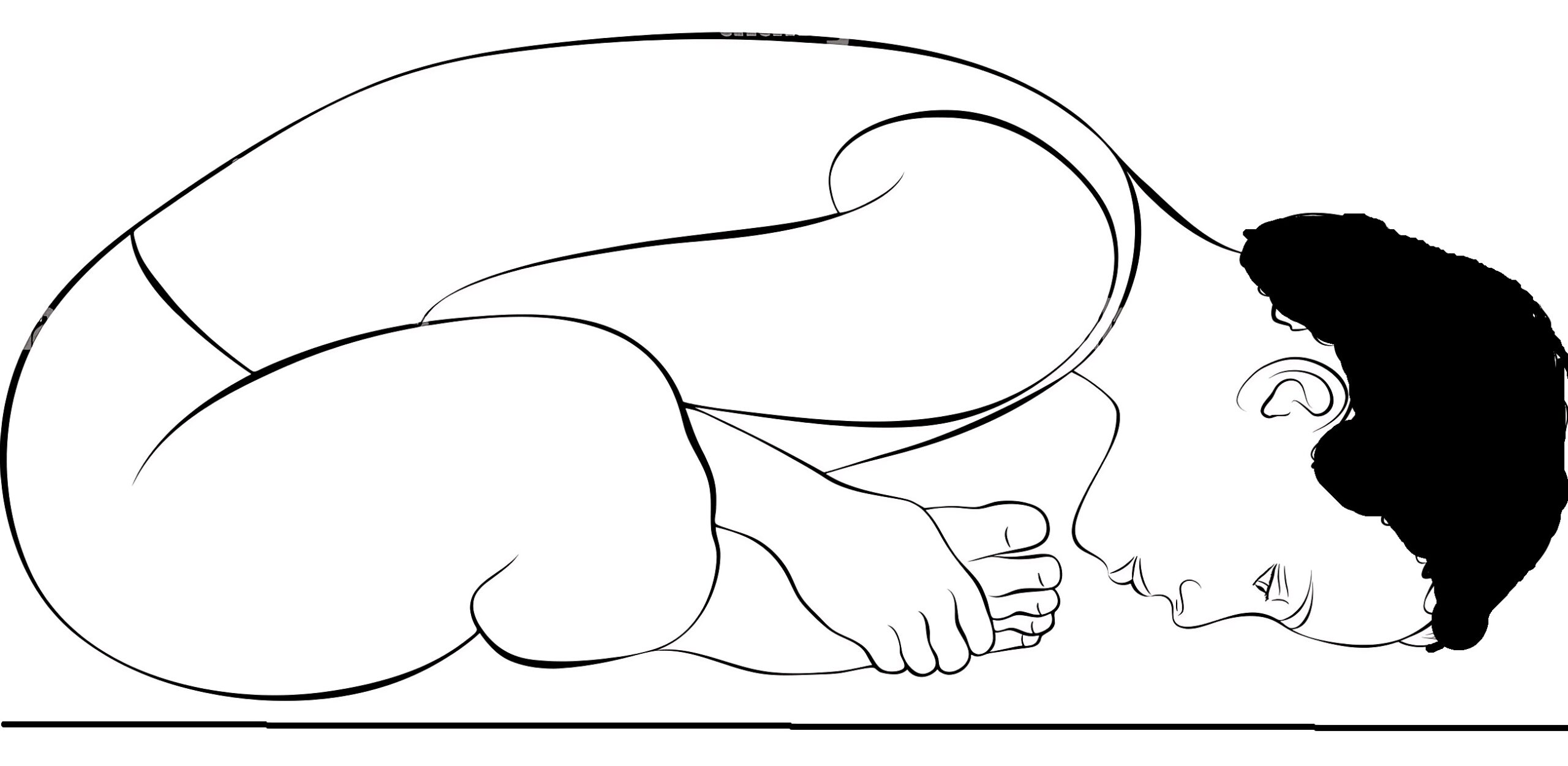
2. Definition
Baddha Konasana is a seated hip-opening posture where:
- The soles of the feet touch each other
- Knees are dropped to the sides toward the floor
- Spine is erect or slightly forward folded depending on practice level
The posture is used to increase hip flexibility, stretch groin muscles, strengthen spinal stabilizers, and prepare the body for meditation or pranayama practices.
Energetically, the pose is associated with opening the Svadhisthana (sacral) chakra, stimulating creativity, reproductive energy, and emotional balance.
3. Method of Practice – Step by Step
Step 1: Begin in Dandasana
- Sit on the floor with legs extended straight in front
- Spine upright, shoulders relaxed, hands on the floor beside hips
Step 2: Bring Soles Together
- Exhale, bend knees, and bring soles of the feet together
- Pull heels toward the pelvis
- Hold feet with hands clasping around ankles or toes
Step 3: Align Feet and Knees
- Keep feet flexed, soles pressed together
- Knees pointing outward, forming an angle with thighs
- Press thighs gently toward the floor
Step 4: Engage Core
- Draw navel toward spine
- Activate rectus abdominis and obliques for spinal support
- Lengthen thoracic and lumbar spine
Step 5: Forward Fold (Optional)
- Inhale to lengthen spine
- Exhale and hinge forward from hips for deeper stretch
- Place hands on feet, ankles, or floor
Step 6: Maintain Alignment
- Shoulders relaxed, away from ears
- Spine elongated, avoid rounding lumbar region
- Head neutral, gaze forward or downward
Step 7: Breathing
- Maintain smooth, diaphragmatic breathing
- Inhale to lengthen spine, exhale to deepen hip and groin stretch
- Avoid forcing the stretch
Step 8: Hold the Pose
- Beginners: 20–30 seconds
- Intermediate: 1–2 minutes
- Advanced: 3–5 minutes or more
Step 9: Release
- Inhale, lift torso back to upright
- Gently extend legs forward to return to Dandasana
- Relax in Shavasana if needed
4. Alignment Cues
- Feet: Soles together, heels close to pelvis, toes pointing forward
- Knees/Thighs: Point outward, gently pressed toward the floor
- Hips: Sit bones grounded on the floor
- Spine: Long and erect, engage core to support lumbar region
- Shoulders: Relaxed, away from ears
- Neck and Head: Neutral, gaze forward
- Hands: Clasp feet or ankles for support
5. Benefits of Baddha Konasana
A. Physical Benefits
- Deeply stretches groin, inner thighs, hamstrings, and hips
- Improves hip mobility and external rotation
- Strengthens spinal stabilizers and core muscles
- Stimulates abdominal organs and reproductive system
- Improves circulation in pelvic region and lower extremities
B. Mental Benefits
- Reduces stress and anxiety
- Promotes mindfulness, concentration, and relaxation
- Encourages emotional balance and introspection
C. Physiological Benefits
- Enhances digestive function
- Increases blood flow to pelvic organs
- Supports menstrual health and reproductive function
- Prepares the body for meditation and pranayama
D. Energetic Benefits
- Activates Svadhisthana chakra (sacral chakra) – creativity and emotional energy
- Stimulates pranic flow in pelvic and lower abdominal region
6. Contraindications
- Knee injuries – avoid or use props to support knees
- Hip injuries – reduce angle or avoid deep external rotation
- Pregnancy (advanced) – practice gently, avoid forward folds that compress abdomen
- Sciatica or nerve pain – use modification or props
- Severe lower back issues – maintain upright spine, avoid forward folding
7. Counterposes
- Paschimottanasana (Seated Forward Bend) – stretches posterior chain
- Supta Baddha Konasana (Reclining Bound Angle Pose) – releases hips
- Balasana (Child’s Pose) – relaxes lumbar region
- Shavasana (Corpse Pose) – restores equilibrium
8. Preparatory Practices
- Dandasana – seated posture for spinal alignment
- Upavistha Konasana – wide-legged hip opener
- Janu Sirsasana – preparatory forward fold and hamstring stretch
- Malasana (Garland Pose) – hip opener in squat position
- Adho Mukha Svanasana (Downward Dog) – hamstring and spine flexibility
9. Modifications
- Place a folded blanket or bolster under sit bones to elevate pelvis
- Sit against a wall for spinal support
- Use yoga blocks under knees to support thighs
- Bend knees slightly if hamstrings are tight
- Forward fold only to a comfortable limit
10. Muscles Involved
A. Stretched Muscles
- Hip adductors (adductor longus, magnus, brevis)
- Groin muscles (pectineus, gracilis)
- Hamstrings (biceps femoris, semitendinosus, semimembranosus)
- Erector spinae (when forward folding)
- Quadratus lumborum (lateral stretch in side lean)
B. Strengthened Muscles
- Rectus abdominis and obliques
- Spinal stabilizers for upright posture
- Gluteus medius and minimus (hip stabilization)
C. Joints
- Hip: flexion and external rotation
- Knee: flexion
- Spine: extension (upright) or flexion (forward fold)
11. Kinesiology
- Hip mechanics: External rotation and abduction
- Spinal mechanics: Neutral alignment or forward flexion for deeper stretch
- Knee mechanics: Flexion stabilized by adductors and quadriceps
- Core mechanics: Isometric contraction stabilizes lumbar spine
- Dynamic action: Forward fold and return facilitated by hip flexors and spinal erectors
12. Kinematics
- Sagittal plane: Forward bending (optional)
- Frontal plane: Hip abduction with knees dropping to sides
- Transverse plane: Minimal rotation; focus on symmetrical alignment
- Dynamic action: Inhale to lengthen spine, exhale to deepen fold
13. Biomechanics
- Lever principle: Spine and torso act as lever; pelvis and hip joints act as fulcrum
- Isometric contractions: Core and spinal stabilizers prevent collapse
- Force distribution: Weight evenly distributed through sit bones
- Progressive stretch: Gradually opening hips improves flexibility safely
14. Functional Anatomy & Physiology
A. Musculoskeletal System
- Stretches inner thighs and hip flexors
- Strengthens spine and core
- Improves pelvic stability
B. Nervous System
- Stimulates proprioceptors in hips and spine
- Calms sympathetic nervous system
- Enhances body awareness
C. Circulatory System
- Increases blood flow to pelvic organs
- Improves venous return from lower limbs
D. Respiratory System
- Opens thoracic region slightly, encouraging diaphragmatic breathing
E. Energetic System
- Activates sacral chakra, promotes pranic flow in lower abdomen
15. How to Correct and Adjust While Teaching
Common Misalignments
- Knees lifted or collapsing inward
- Sit bones lifted off floor
- Spine rounded excessively
- Shoulders tense or shrugged
- Neck craned forward
Verbal Adjustments
- “Press sit bones into the floor”
- “Lengthen your spine and lift chest”
- “Bring knees gently toward the floor”
- “Relax shoulders away from ears”
Hands-On Adjustments
- Support knees with block or hand to avoid strain
- Guide pelvis to maintain grounded sit bones
- Support spine with light pressure on shoulders
- Encourage correct foot and ankle alignment
16. Variations
- Forward Fold Variation – hinge forward for deeper hip and groin stretch
- Hands to Feet / Clasping Toes – enhances forward stretch
- Reclining Baddha Konasana (Supta Baddha Konasana) – supported variation for relaxation
- Wall Support – sit against wall for spinal alignment
- Dynamic Baddha Konasana – gentle rocking forward and backward to release tension
17. Philosophical and Energetic Aspect
- Symbolizes balance, openness, and surrender
- Encourages patience and introspection
- Enhances awareness of lower body and pelvic region
- Supports meditative focus and emotional stability
18. Conclusion
Baddha Konasana is a classical hip-opening and seated forward-folding pose that:
- Physically: Improves hip flexibility, strengthens spine and core, stretches groin and hamstrings
- Mentally: Calms the mind, enhances focus, reduces anxiety
- Physiologically: Stimulates pelvic organs, enhances circulation and digestion
- Energetically: Activates sacral chakra and promotes creative energy
With proper preparatory practices, modifications, alignment cues, and props, Baddha Konasana is safe for all levels, supporting meditation, pranayama, and hip health.
QUESTIONS AND ANSWERS
1. What does “Baddha” mean in Sanskrit?
a) Angle
b) Bound or tied
c) Forward
d) Seated
Answer: b
2. What does “Kona” mean in Sanskrit?
a) Angle
b) Bound
c) Stretch
d) Pose
Answer: a
3. Baddha Konasana is primarily a:
a) Standing pose
b) Seated hip-opening posture
c) Backbend
d) Arm balance
Answer: b
4. The main joints involved in Baddha Konasana are:
a) Hip, knee, spine
b) Shoulder and elbow
c) Ankle only
d) Neck and thoracic spine
Answer: a
5. Which muscles are primarily stretched in this pose?
a) Hip adductors and groin
b) Deltoids
c) Triceps
d) Forearm muscles
Answer: a
6. Which muscles are strengthened in Baddha Konasana?
a) Rectus abdominis, spinal stabilizers
b) Trapezius only
c) Quadriceps exclusively
d) Biceps only
Answer: a
7. The spine in Baddha Konasana should be:
a) Rounded forward
b) Long and erect
c) Hyperextended backward
d) Collapsed
Answer: b
8. Forward fold in Baddha Konasana is optional and depends on:
a) Practitioner’s flexibility and comfort
b) Only beginner level
c) Props only
d) None
Answer: a
9. The knees in Baddha Konasana should ideally:
a) Drop toward the floor
b) Remain lifted
c) Collapse inward
d) Cross
Answer: a
10. Common props used in this pose include:
a) Blanket under sit bones, blocks under knees
b) Chair for back support
c) Wall for hands
d) Strap around arms
Answer: a
11. Contraindications for Baddha Konasana include:
a) Knee injuries
b) Healthy hips
c) Normal spinal alignment
d) Regular meditation practice
Answer: a
12. Baddha Konasana stimulates which energetic center?
a) Svadhisthana (sacral chakra)
b) Anahata (heart chakra)
c) Vishuddha (throat chakra)
d) Ajna (third eye chakra)
Answer: a
13. Benefits of Baddha Konasana for reproductive health include:
a) Improves circulation and reproductive organ stimulation
b) Weakens hip muscles
c) Restricts pelvic blood flow
d) None
Answer: a
14. Preparatory poses for Baddha Konasana include:
a) Dandasana, Upavistha Konasana, Janu Sirsasana
b) Tadasana only
c) Shavasana only
d) Utkatasana only
Answer: a
15. Suitable counterpose after Baddha Konasana is:
a) Supta Baddha Konasana or Paschimottanasana
b) Tadasana
c) Garudasana
d) None
Answer: a
16. How should the feet be positioned?
a) Soles together, heels close to pelvis, toes pointing forward
b) Soles apart, toes flexed
c) Crossed over each other
d) None
Answer: a
17. What is the primary function of core engagement in Baddha Konasana?
a) Support lumbar spine and maintain upright posture
b) Collapse the spine
c) Force forward fold
d) None
Answer: a
18. Forward fold should be deepened:
a) Only as far as comfortable, inhaling to lengthen spine and exhaling to fold
b) Forcefully
c) With breath held
d) None
Answer: a
19. What is the beginner-friendly duration to hold Baddha Konasana?
a) 20–30 seconds
b) 5 minutes
c) 10 minutes
d) 1 second
Answer: a
20. Advanced practitioners may hold Baddha Konasana for:
a) 3–5 minutes or longer
b) 10 seconds only
c) 1 minute only
d) 30 seconds only
Answer: a
21. Which muscles are engaged to prevent knees from lifting?
a) Hip adductors
b) Quadriceps only
c) Deltoids
d) Neck muscles
Answer: a
22. Forward fold variation primarily stretches:
a) Hamstrings and lower back
b) Neck only
c) Arms only
d) Shoulder muscles only
Answer: a
23. Wall support in Baddha Konasana is helpful for:
a) Maintaining upright spine
b) Forcing knees down
c) Collapsing torso
d) None
Answer: a
24. Breath cue during the pose:
a) Steady diaphragmatic breathing
b) Breath holding
c) Shallow rapid breaths
d) Only exhaling
Answer: a
25. Hands placement in Baddha Konasana:
a) Around ankles, feet, or on floor for support
b) Crossed behind back
c) Only on knees
d) None
Answer: a
26. Misalignment to correct includes:
a) Knees lifted or collapsing inward
b) Sit bones grounded
c) Spine upright
d) Shoulders relaxed
Answer: a
27. Which preparatory hip opener is recommended?
a) Upavistha Konasana
b) Tadasana
c) Garudasana
d) Shavasana
Answer: a
28. Which spinal muscles are stretched when folding forward?
a) Erector spinae
b) Triceps
c) Deltoids
d) Biceps
Answer: a
29. Energetic benefits include:
a) Stimulating sacral chakra and creativity
b) Only heart chakra
c) None
d) Weakening pranic flow
Answer: a
30. Hip joints action in Baddha Konasana:
a) External rotation and flexion
b) Extension only
c) Adduction only
d) Rotation only
Answer: a
31. Which modification helps with tight hips?
a) Place blanket under sit bones, blocks under knees
b) Force knees to floor
c) Collapsing torso
d) None
Answer: a
32. Suitable for meditation because:
a) Opens hips and stabilizes spine for seated practice
b) Weakens concentration
c) Causes discomfort
d) None
Answer: a
33. Which core muscles are engaged?
a) Rectus abdominis and obliques
b) Quadriceps only
c) Deltoids
d) Neck muscles
Answer: a
34. Knee positioning cue:
a) Let knees gently drop outward toward floor
b) Keep knees lifted forcibly
c) Collapse inward
d) Crossed
Answer: a
35. How to adjust a student with tight groins?
a) Support knees with blocks or hands, elevate pelvis
b) Force knees down
c) Push torso forward
d) None
Answer: a
36. Forward fold should come from:
a) Hip hinge, not lumbar rounding
b) Spine collapse
c) Neck bending
d) None
Answer: a
37. Which organ systems are stimulated?
a) Pelvic, reproductive, and abdominal organs
b) Only lungs
c) Only heart
d) None
Answer: a
38. Shoulder cue:
a) Relaxed, away from ears
b) Shrug
c) Hunch forward
d) None
Answer: a
39. Benefits for mental health:
a) Reduces stress and anxiety
b) Increases tension
c) Weakens focus
d) None
Answer: a
40. Best way to teach deepening forward fold safely:
a) Inhale to lengthen, exhale to fold gradually
b) Force fold
c) Collapse lumbar spine
d) None
Answer: a