
1. Introduction
Goraksasana is one of the classical seated yogic postures referenced in medieval Hatha Yoga texts such as the Hatha Yoga Pradipika and Gheranda Samhita. It is regarded not only as a physical posture but also as a meditative seat associated with profound internal awareness, stability, and energetic refinement. Traditionally attributed to the legendary yogi Gorakshanatha—one of the greatest figures in the Nath yogic tradition—the pose is believed to enhance concentration, stimulate the subtle energy channels (nadis), and prepare the practitioner for pranayama and meditation.
Unlike many modern yoga asanas that emphasize external muscular work, Goraksasana emphasizes internal alignment, energetic balance, and stillness. It is considered a variation or heightened form of Vajrasana and involves tucking the toes, balancing on the heels, and maintaining an erect spine. Because of this unique structure, it requires ankle flexibility, toe stability, leg strength, and mindful engagement of the spine and pelvic floor.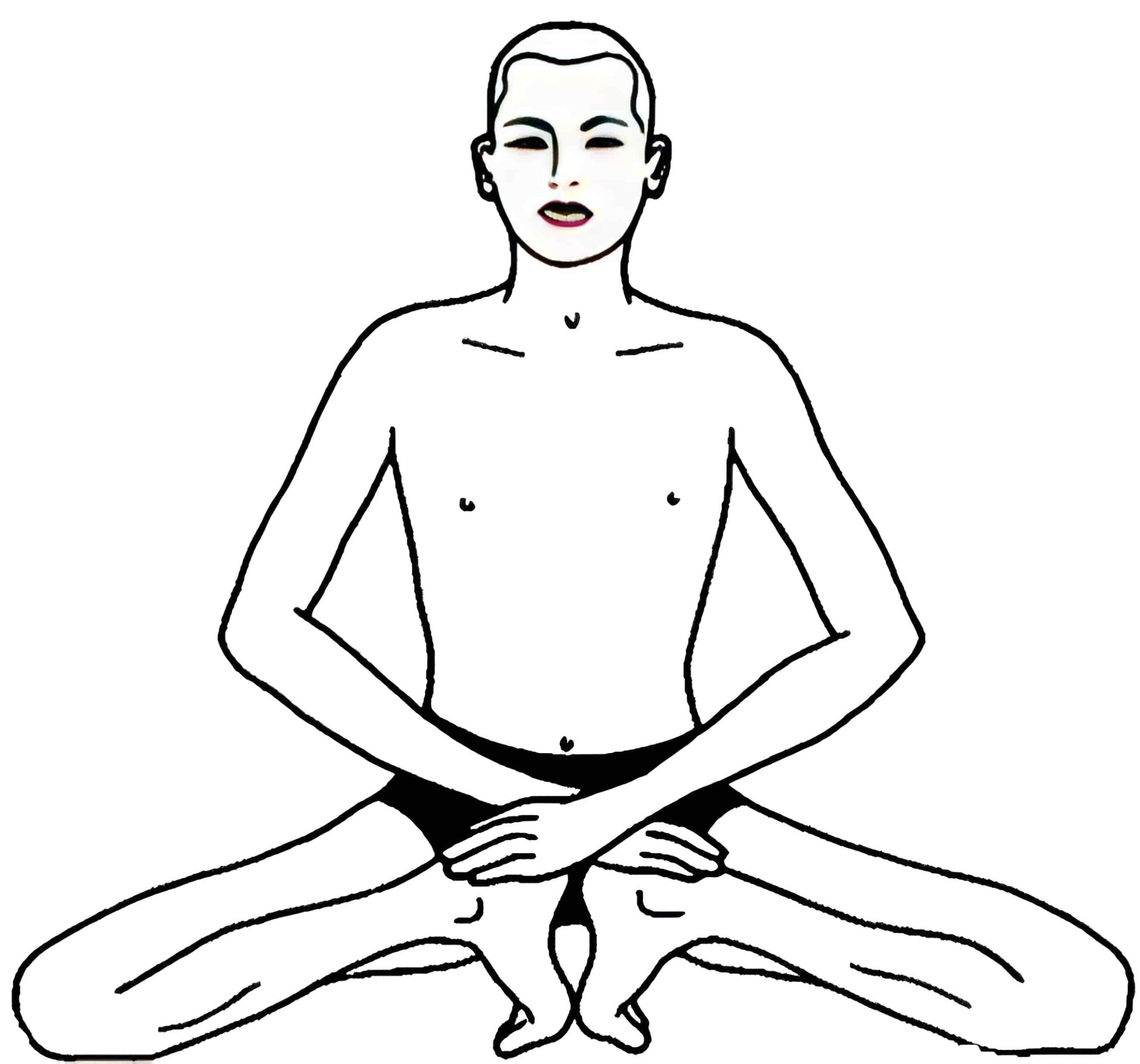
2. Word Meaning and Etymology
The term Goraksasana is derived from two Sanskrit components:
- “Goraksha” – name of the revered yogi Gorakshanatha.
The word can also be broken into:- Go = senses or “cow”
- Raksha = protection
Thus, Goraksha also symbolizes protector of senses or one who guards awareness.
- “Asana” – posture, seat, or stable position.
Therefore, Goraksasana means:
“The seat of Goraksha,” or
“The posture practiced by or dedicated to Goraksha,”
or “The posture that protects the senses by stabilizing the mind.”
3. Definition
Goraksasana is a classical, seated, meditative, kneeling pose performed by:
- Tucking the toes under,
- Sitting on the heels with knees together,
- Holding the ankles or shins,
- Maintaining a tall, neutral spine,
- Establishing internal stability for meditation or pranayama.
It is considered a powerful posture for developing concentration, stimulating muladhara and svadhisthana chakras, and supporting controlled breathing practices.
4. Method of Practice (Step-by-Step Instructions)
Step 1: Preparation
- Begin in a comfortable kneeling position on the mat.
- Keep the knees together and feet slightly apart.
Step 2: Tuck the toes under
- Curl the toes inward so that the weight of the body will eventually rest on the toes and balls of the feet.
- Keep all toes aligned and active.
Step 3: Lower the buttocks onto the heels
- Slowly sit back so that the buttocks rest on the heels, now elevated by the toes tucked under.
- Ensure even weight distribution through both feet.
Step 4: Align the spine
- Lengthen the spine upwards from the pelvic floor to the crown.
- Draw the navel slightly inward.
Step 5: Hand placement
- Classical method: grasp the ankles with each hand.
- Alternate method: place palms on the knees.
- Meditative method: rest hands in Jnana or Chin Mudra.
Step 6: Shoulders and chest
- Relax the shoulders.
- Broaden the collarbones.
- Gently engage the upper back muscles.
Step 7: Breathing
- Use calm, smooth, diaphragmatic breathing.
- Maintain awareness at the base of the spine (muladhara).
Step 8: Hold the posture
- Beginners: 20–30 seconds
- Intermediate: 1–3 minutes
- Advanced: up to 10 minutes with meditative stillness.
Step 9: Release
- Lift the hips gently, untuck the toes, rest in Vajrasana or Thunderbolt pose.
5. Alignment Cues
Feet and Toes
- All toes must remain firmly tucked.
- Avoid collapsing the outer toes.
Ankles
- Ankles should be aligned straight; avoid rolling outward.
Knees
- Keep knees together or hip-distance apart depending on comfort.
- Avoid excessive compression; maintain soft engagement of quadriceps.
Pelvis
- Maintain a neutral pelvis; slight anterior pelvic lift supports the spine.
Spine
- Lift the sternum upward.
- Avoid arching the lower back excessively.
- Visualize the spine rising like a flame.
Shoulders
- Soften the shoulders away from ears.
- Keep scapula gently drawn together.
Head and Neck
- Chin parallel to the ground.
- Crown of the head reaching upward.
Breath
- Slow and rhythmic.
- Encourage ujjayi or deep nasal breathing.
6. Benefits of Goraksasana
Physical Benefits
- Strengthens the toes, feet, and ankle joints.
- Improves balance and lower-body stability.
- Enhances flexibility of quadriceps and foot muscles.
- Strengthens pelvic muscles and improves posture.
- Mobilizes the spine through axial elongation.
- Improves circulation in the lower limbs.
- Enhances digestive efficiency via abdominal awareness.
Energetic and Mental Benefits
- Stimulates Muladhara (root chakra).
- Enhances grounding, stability, and mental equanimity.
- Increases concentration and internal awareness.
- Prepares the body for pranayama and meditation.
- Calms the nervous system and supports emotional balance.
Therapeutic Benefits
- Beneficial for flat feet by strengthening foot arches.
- Helps correct posture through spinal realignment.
- Can reduce stress and anxiety by promoting grounding.
- Helps release tension in feet and lower legs.
- Improves pelvic floor function and supports core stability.
7. Contraindications
Avoid or modify the pose if the student has:
Major Contraindications
- Recent knee injury or surgery
- Severe ankle or toe pain
- Fractures in foot bones
- Severe arthritis
- Sciatica (if pain worsens in posture)
Relative Contraindications (need modification)
- Plantar fasciitis
- Achilles tendonitis
- Edema or swelling of lower legs
- High blood pressure (avoid long holds)
Pregnancy
- Posture is not recommended during late pregnancy due to lower body compression.
8. Counterposes
After Goraksasana, the following counterposes help release stiffness:
- Vajrasana – relaxes the toes and ankles
- Ankle rotations – releases foot joints
- Child’s Pose (Balasana) – releases spinal tension
- Adho Mukha Svanasana – stretches calves and hamstrings
- Dandasana – neutral seated posture
9. Preparatory Practices
Before practicing Goraksasana, the following warm-up poses are helpful:
For toes and feet
- Toe bending (dynamic)
- Vajrasana
- Foot stretches and mobilization
For ankles
- Ankle rotations
- Tadasana calf stretches
For spine
- Cat–Cow
- Seated spinal alignment drills
For hips and pelvis
- Baddha Konasana
- Simple pelvic tilts
For balance
- Tadasana balance training
- Knee-to-chest standing pose
These practices reduce discomfort and prepare the joints for the posture.
10. Modifications
Beginner-Friendly Versions
- Place a folded blanket under the knees for cushioning.
- Sit on a block while toes are tucked to reduce intensity.
- Hold a chair or wall for support during balance.
Intermediate Modifications
- Hands on thighs for better spinal lift.
- Use a strap around feet to maintain alignment.
Advanced Variations
- Closing eyes and maintaining meditative stillness.
- Holding mudras like Chin Mudra or Hridaya Mudra.
- Practicing pranayama while holding the pose.
11. Muscles Involved
Primary Muscles (Active)
- Toe flexors
- Intrinsic foot muscles
- Gastrocnemius and soleus
- Quadriceps
- Hamstrings (supportive stabilization)
- Pelvic floor muscles
- Erector spinae (spinal extensors)
- Transversus abdominis
Secondary Muscles (Stabilizers)
- Tibialis anterior
- Peroneals
- Gluteus medius and minimus
- Upper back muscles (rhomboids, trapezius)
- Sternocleidomastoid and deep neck flexors
Passive/Lengthened Structures
- Plantar fascia
- Toes and foot arches
- Achilles tendon
- Quadriceps
- Spinal fascia (mild elongation)
12. Kinesiology of Goraksasana
Joint Movements
Ankles:
- Dorsiflexion due to toes tucked under.
- Activation of plantar fascia through stretch and compression.
Knees:
- Flexion with compression at the joint surfaces.
- Co-contraction of quadriceps and hamstrings for stability.
Hips:
- Neutral position with slight internal rotation depending on anatomy.
- Pelvic floor activation helps hold the vertical alignment.
Spine:
- Axial extension (elongation).
- Lower back muscles contract isometrically.
13. Kinematics (Movement Analysis)
Movement Pattern
When transitioning into Goraksasana:
- Knees flex deeply → quadriceps support
- Toes tuck → toe flexors and intrinsic foot muscles engage
- Hips shift back → glutes stabilize
- Spinal elongation → involves coordinated activation of spinal extensors
- Balance is maintained → cerebral proprioceptive engagement
Static Kinematics
- The center of gravity is slightly forward.
- Toes and feet form the base of support.
- Stability arises from equal pressure in both feet.
14. Biomechanism
Load Distribution
- High load on toes, metatarsophalangeal joints.
- Moderate load on knees and ankles.
- Vertical load through spine requiring isometric contraction.
Muscular Co-activation
- Co-contraction of plantar flexors and dorsiflexors for foot stability.
- Abdominal muscles stabilize lumbar spine.
Fascial Engagement
- Deep front line (from toes → pelvic floor → diaphragm → throat) is activated.
- Helps in grounding and meditative focus.
Balance Mechanics
- Requires micro-adjustments of spinal and foot muscles.
- Strengthens proprioception and neuromuscular coordination.
15. Functional Anatomy & Physiology
Spine
- Maintains upright position against gravity.
- Erector spinae and transversus abdominis create dynamic stability.
Foot
- Toe flexors and intrinsic muscles strengthen, improving arches.
- Pressure stimulates sensory receptors, improving proprioception.
Pelvis
- Neutral pelvic alignment supports core stability.
- Engages pelvic diaphragm, supporting internal organs.
Nervous System
- Promotes parasympathetic activation through deep breathing.
- Enhances focus and reduces anxiety.
Circulation
- Mild compression on legs redirects blood flow upward.
- Assists venous return.
Energetic Physiology
- Activates root chakra (muladhara).
- Opens subtle energy pathways.
- Fosters grounding and stability.
16. How to Correct and Adjust While Teaching
Verbal Cues
- “Keep the toes evenly tucked.”
- “Lift through the crown of the head.”
- “Relax shoulders and broaden the chest.”
- “Keep the knees aligned and comfortable.”
Observations for Teachers
Watch for:
- Excessive knee pain
- Toes collapsing outward
- Rounded spine
- Tension in shoulders
- Excess leaning forward
Hands-On Adjustments (Safe and Sensitive)
- Support the student’s back gently to help elongate the spine.
- Correct toe alignment using light touch.
- Encourage pelvic neutralization with gentle pressure on sacrum.
- Support the shoulders gently downward if elevated.
Avoid
- Pushing student’s knees down
- Forcing toes into deeper tuck
- Pressing heavily on lower back
- Allowing discomfort in joints
Props to Aid Alignment
- Blocks under knees
- Blanket under toes
- Wall support for balance
- Cushion between calves and thighs
17. Teaching Methodology
Sequencing Goraksasana
Ideal placement in a yoga sequence:
- After warm-ups
- Before pranayama
- Before meditation
- As part of grounding or balancing sequences
Suggested Sequence
- Toe mobilization
- Vajrasana
- Cat–Cow
- Dandasana
- Goraksasana
- Followed by calming counterposes
Teaching Tips
- Start with short holds.
- Increase duration gradually.
- Use grounding breath cues.
- Encourage inner awareness rather than external effort.
18. Conclusion
Goraksasana is a classical meditative posture grounded in the rich lineage of Hatha Yoga. Named after the great yogi Gorakshanatha, it represents stability, awareness, and spiritual discipline. Physically, it strengthens the toes, feet, and legs while enhancing spinal alignment and posture. Energetically, it activates the root chakra and aids in grounding. Mentally, it cultivates focus, determination, and clarity.
Though appearing simple, it carries deep anatomical, physiological, and meditative significance. With appropriate modifications, careful alignment, and mindful guidance from teachers, students of all levels can benefit from its profound grounding effects. Goraksasana remains an invaluable posture for yogic practitioners seeking inner steadiness and physical resilience.
QUESTIONS AND ANSWERS
1. Goraksasana is named after which traditional yogic master?
A. Patanjali
B. Matsyendranath
C. Gorakshanath
D. Gheranda
Answer: C. Gorakshanath
2. What is the primary position of the feet in Goraksasana?
A. Feet flat on the floor
B. Toes pointed forward
C. Toes tucked under
D. Toes pointing outward
Answer: C. Toes tucked under
3. Goraksasana is primarily classified as a ________.
A. Standing pose
B. Backbend
C. Meditative seated posture
D. Balancing arm pose
Answer: C. Meditative seated posture
4. Which joint experiences maximum flexion in Goraksasana?
A. Hip joint
B. Knee joint
C. Wrist joint
D. Cervical joint
Answer: B. Knee joint
5. The primary chakra activated in Goraksasana is:
A. Anahata
B. Manipura
C. Ajna
D. Muladhara
Answer: D. Muladhara
6. Which muscle group is strongly engaged to maintain spinal erectness?
A. Erector spinae
B. Biceps
C. Latissimus dorsi
D. Deltoids
Answer: A. Erector spinae
7. One major benefit of Goraksasana is:
A. Deep chest expansion
B. Strong stimulation of foot arches
C. Hyperextension of spine
D. Opening of shoulders
Answer: B. Strong stimulation of foot arches
8. Which of the following is NOT a key alignment cue in Goraksasana?
A. Keep the toes tucked
B. Maintain a long spine
C. Lean your torso far forward
D. Shoulders relaxed
Answer: C. Lean your torso far forward
9. Which is the best counterpose for Goraksasana?
A. Chakrasana
B. Vajrasana
C. Wheel Pose
D. Handstand
Answer: B. Vajrasana
10. In classical texts, Goraksasana is recommended for:
A. Meditation
B. Jumping techniques
C. Inversions
D. High-intensity cardio
Answer: A. Meditation
11. The base of support in Goraksasana is:
A. Knees
B. Sitting bones
C. Toes and balls of feet
D. Calves
Answer: C. Toes and balls of feet
12. Overstretching in which area can cause discomfort in beginners?
A. Fingers
B. Toes and plantar fascia
C. Shoulders
D. Elbows
Answer: B. Toes and plantar fascia
13. Which body region receives maximum grounding sensation?
A. Crown of head
B. Pelvis and base of spine
C. Forearms
D. Shoulder blades
Answer: B. Pelvis and base of spine
14. Which pranayama is best practiced in Goraksasana?
A. Bhastrika
B. Ujjayi
C. Kapalabhati
D. Sheetali
Answer: B. Ujjayi
15. Which modification helps beginners in this pose?
A. Sitting on a high chair
B. Using blocks under knees
C. Spreading knees wide
D. Standing instead of sitting
Answer: B. Using blocks under knees
16. Contraindication for Goraksasana includes:
A. Mild back tightness
B. Toe fractures
C. Shoulder stiffness
D. Neck strain
Answer: B. Toe fractures
17. What is the optimal spinal alignment?
A. Rounded spine
B. Excessive backbend
C. Neutral vertical spine
D. Twisted spine
Answer: C. Neutral vertical spine
18. Which preparatory pose supports ankle flexibility for Goraksasana?
A. Tadasana
B. Paschimottanasana
C. Toe bending exercises
D. Sirsasana
Answer: C. Toe bending exercises
19. The main purpose of Goraksasana according to Hatha Yoga texts is:
A. Muscle hypertrophy
B. Digestive detox
C. Stabilizing mind for meditation
D. Increasing cardiovascular strength
Answer: C. Stabilizing mind for meditation
20. Which muscle stabilizes the pelvis in Goraksasana?
A. Gluteus maximus
B. Pelvic floor muscles
C. Pectorals
D. Trapezius
Answer: B. Pelvic floor muscles
21. Hand placement in classical Goraksasana is:
A. Behind the body
B. On the floor
C. Holding the ankles
D. Raised overhead
Answer: C. Holding the ankles
22. What is the angle of knee flexion in Goraksasana?
A. 30°
B. 60°
C. 90°
D. Full flexion (~145°)
Answer: D. Full flexion (~145°)
23. Energetically, which type of quality does the pose enhance?
A. Lightness (Laghu)
B. Grounding (Sthirata)
C. Heating (Ushna)
D. Cooling (Sheetala)
Answer: B. Grounding (Sthirata)
24. Which muscle stabilizes the ankle joint here?
A. Peroneals
B. Triceps
C. Gluteus minimus
D. Quadratus lumborum
Answer: A. Peroneals
25. When teaching beginners, the most important cue is:
A. Jump into the pose quickly
B. Relax your toes completely
C. Enter slowly and listen to sensations
D. Keep breathing fast
Answer: C. Enter slowly and listen to sensations
26. Which bandha can be lightly activated in Goraksasana?
A. Uddiyana Bandha
B. Jalandhara Bandha
C. Mula Bandha
D. Maha Bandha
Answer: C. Mula Bandha
27. The posture strongly stretches:
A. Triceps
B. Toes and plantar fascia
C. Biceps
D. Deltoids
Answer: B. Toes and plantar fascia
28. A common mistake in Goraksasana is:
A. Keeping the spine tall
B. Allowing knees to fall outward
C. Breathing mindfully
D. Tucking toes correctly
Answer: B. Allowing knees to fall outward
29. Which breathing technique enhances grounding in this pose?
A. Hyperventilation
B. Shallow chest breathing
C. Slow diaphragmatic breathing
D. No breathing
Answer: C. Slow diaphragmatic breathing
30. Which of the following is an advanced practice in Goraksasana?
A. Holding for 5 seconds
B. Relaxing toes completely
C. Practicing pranayama while maintaining the pose
D. Keeping eyes open and moving around
Answer: C. Practicing pranayama while maintaining the pose
1. The Sanskrit meaning of “Simha Garjanasana” refers to:
A. Tiger resting pose
B. Lion roaring pose
C. Elephant standing pose
D. Cow-faced pose
Answer: B
Explanation: Simha = Lion, Garjana = Roaring → Lion’s Roaring Pose.
2. Simha Garjanasana typically begins in which base posture?
A. Vajrasana
B. Sukhasana
C. Padmasana
D. Malasana
Answer: A
Explanation: It is commonly performed from Vajrasana with knees wide.
3. In Simha Garjanasana, the tongue should be:
A. Relaxed inside the mouth
B. Curled upward
C. Fully extended toward the chin
D. Pressed on the palate
Answer: C
Explanation: The pose requires a full tongue extension to activate throat muscles.
4. Which chakra is most stimulated in Simha Garjanasana?
A. Anahata
B. Vishuddha
C. Manipura
D. Ajna
Answer: B
Explanation: The throat chakra becomes active due to vocalization & throat stretch.
5. The primary purpose of the “roaring” exhalation is:
A. To build lung strength
B. To reduce stress and tension
C. To increase sweating
D. To improve backbend depth
Answer: B
Explanation: The loud exhale releases emotional and facial tension.
6. Which alignment cue is MOST essential?
A. Shoulders lifted toward ears
B. Hands pressing down firmly on knees
C. Tongue curled back
D. Spine in full flexion
Answer: B
Explanation: Firm grounding of hands stabilizes the spine and lifts the chest.
7. Which muscles are primarily activated during the roaring action?
A. Masseter and temporalis
B. Sternocleidomastoid and platysma
C. Hamstrings
D. Gluteus maximus
Answer: B
Explanation: The platysma and SCM stretch and contract during the roar.
8. Which of the following is NOT a benefit of Simha Garjanasana?
A. Relieves throat tension
B. Stimulates facial muscles
C. Improves digestion
D. Deep hamstring stretch
Answer: D
Explanation: The pose does not target hamstrings.
9. Contraindication for Simha Garjanasana includes:
A. Low back pain
B. Recent abdominal surgery
C. High blood pressure
D. Weak eyesight
Answer: B
Explanation: The forward pressure & vocal strain may aggravate abdominal healing.
10. Which counterpose is commonly recommended?
A. Paschimottanasana
B. Shavasana
C. Tadasana
D. Dandasana
Answer: B
Explanation: A neutral relaxing pose helps reset breath and throat muscles.
11. The hand placement in Simha Garjanasana is usually:
A. On the belly
B. On the floor beside hips
C. On the knees or thighs
D. Interlaced behind the back
Answer: C
Explanation: Hands press the knees/thighs to open the chest.
12. The primary joint movement in the cervical region is:
A. Cervical flexion
B. Cervical extension
C. Cervical lateral flexion
D. Cervical rotation
Answer: B
Explanation: The head is lifted and the neck gently extended.
13. Which breathing technique is used?
A. Whispered exhalation
B. Forceful loud exhalation
C. Kapalabhati
D. Ujjayi soft breath
Answer: B
Explanation: A loud, forceful exhale simulates a lion’s roar.
14. In biomechanics, pressing hands into the knees creates:
A. Reduced intra-abdominal pressure
B. A closed-chain kinetic action
C. Unstable spinal alignment
D. Reduced thoracic expansion
Answer: B
Explanation: Hands on knees create a closed-chain system supporting thorax lift.
15. Which muscle lengthens most when the tongue protrudes fully?
A. Platysma
B. Orbicularis oris
C. Zygomaticus major
D. Levator palpebrae
Answer: A
Explanation: Tongue extension stretches the platysma extensively.
16. A good preparatory practice for Simha Garjanasana is:
A. Kapalabhati
B. Jivha Bandha (tongue lock)
C. Shalabhasana
D. Hanumanasana
Answer: B
Explanation: Tongue-lock and throat-opening practices prepare the area.
17. The roaring exhalation length should ideally be:
A. 1 second
B. 10–15 seconds
C. In sync with Ujjayi
D. Fast and short
Answer: B
Explanation: Slow, long exhalation releases tension and improves breath control.
18. In teaching adjustments, the MOST important instruction is:
A. Push the student’s head further back
B. Encourage natural vocalization without strain
C. Force the knees wider apart
D. Pull the chin downward
Answer: B
Explanation: Avoid strain in voice and throat; breath should be natural.
19. When teaching beginners, the modification involves:
A. Standing version of the pose
B. Avoiding tongue extension
C. Sitting on a block
D. Using a wall rope
Answer: C
Explanation: A block under hips reduces knee strain and eases posture.
20. From a kinesiological perspective, the pose emphasizes:
A. Dynamic hip extension
B. Static isometric contraction of facial and throat muscles
C. Rapid spinal rotation
D. High-impact muscular tension
Answer: B
Explanation: It stabilizes the spine while engaging facial muscles isometrically.
21. Which anatomical structure is MOST influenced by loud exhalation?
A. Larynx
B. Liver
C. Knees
D. Iliopsoas
Answer: A
Explanation: The pose directly stimulates the laryngeal muscles.
22. Which of these is a functional benefit of the pose?
A. Reduces snoring and throat blockage
B. Increases bone density
C. Strengthens wrist ligaments
D. Improves knee cartilage health
Answer: A
Explanation: It clears throat passages and strengthens vocal tissues.