
1. Introduction
Yoga postures (asanas) are designed to integrate physical strength, flexibility, and mental focus. Among therapeutic postures, Utthita Vayu Muktasana, also known as Extended Wind-Relieving Pose, is particularly effective in digestive health, hip mobility, and spinal flexibility.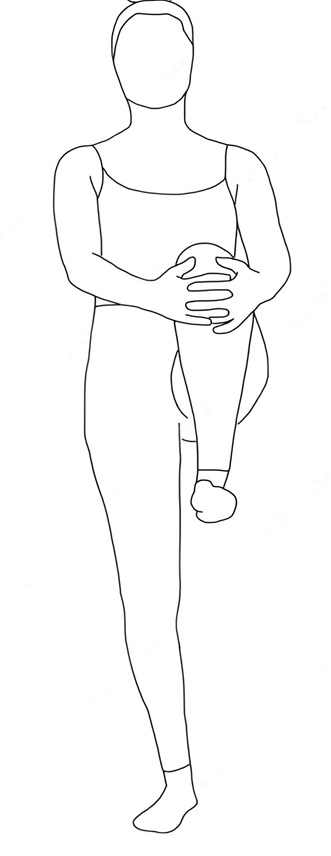
The pose is a variation of Pawanmuktasana (Wind-Relieving Pose), where one leg is extended instead of held bent. Utthita Vayu Muktasana helps release trapped gases, improve digestion, stretch the hamstrings and lower back, and gently stimulate internal organs. It is widely practiced in Hatha Yoga, therapeutic yoga sequences, and pranayama preparation, enhancing both physical and energetic balance.
2. Word Meaning and Etymology
The Sanskrit term Utthita Vayu Muktasana is composed of:
- Utthita – Extended
- Vayu – Air or wind
- Mukta – Released or liberated
- Asana – Pose or posture
Thus, Utthita Vayu Muktasana translates to “Extended Wind-Relieving Pose”, highlighting its primary function: stimulating the release of trapped intestinal gas while providing a gentle stretch along the spine, hamstrings, and hips.
3. Definition of Utthita Vayu Muktasana
Utthita Vayu Muktasana is a therapeutic supine yoga posture where:
- One leg is bent toward the chest and held by the hands
- The opposite leg is extended straight along the floor
- The torso remains elongated and grounded
Classical Definition:
Utthita Vayu Muktasana is a supine posture in which one knee is drawn toward the abdomen while the opposite leg is extended straight on the mat, aiding in digestive regulation, hip and hamstring stretching, and gentle spinal mobilization.
4. Method of Practice: Step by Step
Step 1: Starting Position
- Lie flat on the back in Savasana (Corpse Pose).
- Keep arms relaxed by the sides, legs extended.
Step 2: Bend One Knee
- Inhale and bend the right knee, bringing it toward the chest.
- Hold the right knee with both hands, clasping behind the thigh or shin.
Step 3: Extend Opposite Leg
- Exhale and extend the left leg straight along the floor, keeping it active and pressing the heel toward the mat.
Step 4: Alignment
- Keep the lower back grounded.
- Maintain neutral neck alignment; gaze upward.
- Pull the bent knee gently toward the chest without straining.
Step 5: Breathing and Hold
- Hold the posture for 20–40 seconds.
- Breathe deeply, feeling the stretch along the hamstrings, lower back, and hip flexors.
Step 6: Release and Repeat
- Exhale and slowly release the bent leg, returning to supine.
- Repeat on the opposite side for bilateral symmetry.
5. Alignment Cues
- Spine: Press lower back gently into the floor; avoid arching.
- Knee: Held close to the chest without forcing it.
- Extended leg: Keep straight, heel active, toes pointing upward.
- Shoulders: Relaxed on the mat.
- Head & Neck: Neutral, gaze upward.
- Breathing: Smooth, diaphragmatic, coordinated with movement.
6. Benefits of Utthita Vayu Muktasana
Physical Benefits:
- Promotes release of trapped gas, reducing bloating.
- Stretches hamstrings, glutes, lower back, and hip flexors.
- Stimulates digestive organs (stomach, intestines).
- Improves spinal mobility and core engagement.
- Gently strengthens abdominal and lower back muscles.
Mental Benefits:
- Calms the mind, reduces stress and anxiety.
- Improves mind-body awareness and body scanning.
Therapeutic Benefits:
- Alleviates constipation and abdominal discomfort.
- Supports mild relief from lower back pain.
- Enhances circulation in pelvic and abdominal regions.
7. Contraindications
- Severe spinal injuries or disc herniation: avoid or practice with modification.
- Knee injuries: avoid pulling knee forcefully toward chest.
- Hip replacement or instability: practice cautiously.
- Pregnancy: only gentle version, avoid abdominal compression.
- Digestive ulcers or recent abdominal surgery: avoid deep pressure.
8. Counterpose
Following Utthita Vayu Muktasana, counterposes may include:
- Savasana (Corpse Pose) – allows body to relax and integrate benefits.
- Apanasana (Both Knees to Chest) – balances abdominal stretch.
- Supta Baddha Konasana (Reclined Bound Angle Pose) – relaxes hips and lower back.
9. Preparatory Practice
Preparatory poses to enhance safety and effectiveness include:
- Sukhasana or Easy Pose – opens hips.
- Cat-Cow (Marjaryasana-Bitilasana) – warms up spine.
- Apanasana (Knees to Chest Pose) – familiarizes body with abdominal compression.
- Supine Hamstring Stretch with Strap – prepares hamstrings for extension.
- Pelvic Tilts – strengthens lower back and abdominal engagement.
10. Modifications
- Beginner: Use a yoga strap around bent thigh or shin to reduce strain.
- Intermediate: Keep extended leg active, toes pointing upward.
- Advanced: Lift extended leg slightly off the floor to increase hamstring stretch.
- Pregnancy or abdominal sensitivity: Avoid pulling knee too close; maintain gentle flexion.
11. Muscles Involved
Primary Muscles Stretched:
- Hamstrings of extended leg
- Gluteus maximus and medius
- Hip flexors of bent leg
- Lower back (erector spinae)
Primary Muscles Engaged:
- Rectus abdominis and obliques
- Transverse abdominis (core stability)
- Quadriceps (to stabilize extended leg)
- Hip adductors (for knee control)
Secondary Muscles:
- Calves and foot muscles (extended leg support)
- Shoulder stabilizers (holding bent leg)
- Neck extensors (maintaining neutral head alignment)
12. Kinesiology
- Hip joint: Flexion of bent leg, extension of extended leg.
- Knee joint: Flexion of bent leg, extension of extended leg.
- Spine: Neutral or slight posterior tilt; mild lumbar stretch.
- Shoulder joint: Flexion and stabilization of arms.
- Ankle joint: Dorsiflexion of extended leg.
13. Kinematics
- Weight distribution: Centered on back and pelvis.
- Range of Motion (ROM):
- Hip flexion: 90–120° (bent leg)
- Hip extension: 0–15° (extended leg)
- Knee flexion: 90° (bent leg)
- Knee extension: 0–10° (extended leg)
- Center of mass: Remains close to sacrum and lower back for stability.
14. Biomechanism
- Lever mechanics: Bent leg acts as a lever compressing abdomen; extended leg stabilizes floor.
- Torque generation: Core muscles prevent pelvic tilt.
- Joint stability: Quadriceps, gluteals, and hip stabilizers maintain alignment.
- Stretch-tension mechanics: Hamstrings, glutes, and lower back undergo eccentric stretch; abdominals contract isometrically.
15. Functional Anatomy & Physiology
- Musculoskeletal function: Strengthens core and lower back; stretches hip and hamstring muscles.
- Neuromuscular coordination: Enhances proprioception, core awareness, and spinal alignment.
- Circulatory effects: Stimulates abdominal and pelvic blood flow; aids digestive organs.
- Respiratory effects: Promotes diaphragmatic breathing, reducing tension.
- Neurological effects: Activates parasympathetic system, promoting relaxation and mental focus.
16. How to Correct and Adjust While Teaching
Common Errors & Corrections:
- Lower back lifting: Cue to press sacrum into mat.
- Knee not aligned: Guide bent knee toward midline without strain.
- Extended leg collapsing: Engage quadriceps; keep toes upward.
- Shoulder tension: Relax shoulders; hold thigh gently without shrugging.
- Neck strain: Keep gaze upward; avoid tucking chin or tilting head.
Hands-on Adjustments:
- Support bent knee and hip for alignment.
- Stabilize extended leg with gentle pressure.
- Guide lower back and pelvis into mat.
Verbal Cues:
- “Press your sacrum into the mat, lengthen the spine.”
- “Hold the knee gently, avoid pulling too hard.”
- “Engage the extended leg, toes pointing upward.”
17. Conclusion
Utthita Vayu Muktasana, the Extended Wind-Relieving Pose, is a therapeutic supine asana that integrates digestive stimulation, hamstring stretching, core engagement, and spinal mobilization.
Through careful attention to alignment, musculature, biomechanics, and modifications, this pose is safe and highly effective. Regular practice improves digestive function, hip mobility, core strength, and mental relaxation, embodying yoga’s holistic principles.
QUESTION AND ANSWER
1. Basic Knowledge
- The Sanskrit meaning of Utthita Vayu Muktasana is:
A) Half Side Wheel Pose
B) Extended Wind-Relieving Pose ✅
C) Garland Pose
D) Seated Twist - The primary purpose of Utthita Vayu Muktasana is:
A) Strengthen arms
B) Release trapped intestinal gas ✅
C) Improve vision
D) Shoulder flexibility - The pose is classified as:
A) Supine therapeutic pose ✅
B) Standing balance pose
C) Inversion
D) Forward bend - The pose involves:
A) One leg bent toward chest, one leg extended ✅
B) Both legs extended
C) Both legs bent
D) Seated twist
2. Alignment & Technique
- The lower back should:
A) Lift off the mat
B) Remain grounded ✅
C) Arch excessively
D) Twist sideways - Knee alignment of bent leg:
A) Pulled forcibly toward chest
B) Bent comfortably, held by hands ✅
C) Locked straight
D) Twisted outward - Extended leg:
A) Passive, toes relaxed
B) Active, heel pressing toward mat ✅
C) Bent slightly
D) Lifted overhead - Shoulder and arm alignment:
A) Shrug shoulders
B) Hold bent knee gently, arms relaxed ✅
C) Push thigh forcefully
D) Cross arms overhead
3. Muscles Involved
- Primary muscles stretched in Utthita Vayu Muktasana:
A) Hamstrings of extended leg ✅
B) Biceps
C) Quadriceps only
D) Deltoids - Primary muscles engaged for stability:
A) Rectus abdominis, obliques, transverse abdominis ✅
B) Forearm flexors only
C) Neck extensors
D) Triceps - Secondary muscles involved include:
A) Gluteus maximus and medius, quadriceps ✅
B) Pectorals
C) Wrist flexors
D) Neck flexors - Core muscles contribute to:
A) Hip rotation
B) Spinal stabilization ✅
C) Arm lifting only
D) Foot dorsiflexion
4. Kinesiology & Biomechanics
- Hip joint actions in the pose:
A) Flexion of bent leg, extension of extended leg ✅
B) Both legs flexed only
C) Both legs extended only
D) Adduction only - Knee joint actions:
A) Flexion of bent leg, extension of extended leg ✅
B) Flexion of both legs
C) Extension of both legs
D) No movement - Spine during the pose:
A) Neutral or slight posterior tilt ✅
B) Excessive arching
C) Twisted
D) Flexed forward - The pose is considered:
A) Closed kinetic chain ✅
B) Open kinetic chain
C) Plyometric
D) Passive stretch
5. Benefits
- Physical benefits include:
A) Stimulates digestion, stretches hamstrings, mobilizes lower back ✅
B) Strengthens arms only
C) Improves vision
D) Shoulder flexibility only - Mental benefits:
A) Calms mind, reduces stress ✅
B) Causes anxiety
C) Hyperactivates nervous system
D) None - Therapeutic benefits:
A) Relieves bloating and constipation ✅
B) Compresses spine
C) Weakens core
D) None - Respiratory benefits:
A) Improves diaphragmatic breathing ✅
B) Restricts lung expansion
C) Shallow breathing only
D) None
6. Contraindications
- Avoid the pose in:
A) Severe spinal injury ✅
B) Healthy back
C) Normal digestive function
D) Good flexibility - Knee injuries:
A) Modify or avoid deep pull ✅
B) Pull forcibly
C) Twist knee
D) No modification needed - Pregnancy:
A) Avoid abdominal compression, use gentle flexion ✅
B) Full knee pull allowed
C) Twist allowed
D) No modification needed - Recent abdominal surgery:
A) Avoid deep compression ✅
B) Practice normally
C) Pull bent leg forcefully
D) Lift extended leg only
7. Preparatory & Counter Poses
- Preparatory poses include:
A) Apanasana (Knees to Chest), Cat-Cow, Hamstring stretch ✅
B) Shoulderstand only
C) Standing forward bend only
D) Tree pose only - Counterposes after Utthita Vayu Muktasana:
A) Savasana, Supta Baddha Konasana ✅
B) Another supine knee bend
C) Side plank
D) Standing forward fold
8. Modifications
- Beginner modification:
A) Use yoga strap around bent thigh ✅
B) Pull knee aggressively
C) Extend both legs
D) Twist torso - Intermediate variation:
A) Active extended leg, toes pointing upward ✅
B) Relax extended leg
C) Fold torso forward
D) Cross arms - Advanced variation:
A) Lift extended leg slightly off mat for increased hamstring stretch ✅
B) Keep leg grounded only
C) Lift both legs
D) Seated twist
9. Teaching & Adjustments
- Common error: lower back lifting:
A) Cue sacrum grounded ✅
B) Ignore lift
C) Arch more
D) Twist spine - Knee misalignment:
A) Guide bent knee toward midline without strain ✅
B) Pull forcibly
C) Rotate outward
D) Lift opposite hip - Collapsing extended leg:
A) Engage quadriceps, toes upward ✅
B) Relax leg
C) Bend knee
D) Twist ankle - Shoulder tension:
A) Relax shoulders, hold knee gently ✅
B) Shrug shoulders
C) Rotate arms back
D) Cross arms
10. Functional Anatomy & Physiology
- Primary muscles stretched:
A) Hamstrings, glutes, hip flexors, lower back ✅
B) Quadriceps only
C) Deltoids
D) Neck flexors - Core muscles activated:
A) Rectus abdominis, transverse abdominis, obliques ✅
B) Forearms only
C) Trapezius
D) Pectorals - Neurological effect:
A) Improves proprioception and body awareness ✅
B) Reduces vision
C) Stimulates hearing
D) None - Circulatory effect:
A) Improves blood flow in abdominal and pelvic region ✅
B) Reduces circulation
C) Only affects arms
D) None - Joint stabilization occurs primarily at:
A) Hips, knees, and core ✅
B) Elbows only
C) Neck only
D) Shoulders only