Six things to do before you start your yoga teacher training
Six things to do before you start your yoga teacher training
Best Yoga Teacher Training in Bangalore, India | Yoga Alliance USA | Accredited

Six things to do before you start your yoga teacher training
Restorative Yoga Teacher Training Restorative Yoga Teacher Training is a program designed for yoga practitioners who want to deepen their understanding and practice of Restorative Yoga. Restorative Yoga is a gentle and therapeutic form of yoga that focuses on relaxation, rest, and healing. In a Restorative Yoga practice, students use props like bolsters, blankets, and blocks to support their bodies in passive yoga postures that are held for longer periods of time. A Restorative Yoga Teacher Training program typically covers the following topics: The principles and benefits of Restorative Yoga Upon completion of a Restorative Yoga Teacher Training program, participants are typically able to design and lead Restorative Yoga classes for students of all levels. They also gain a deeper understanding of the therapeutic benefits of Restorative Yoga and how to incorporate it into their own personal practice.
Points to keep in Mind when selecting a Yoga Instructor Course in India
Nine Signs You Are Ready For Yoga Teacher Training
How to Prepare For the Advanced Yoga Teacher Training?
How to Know You Are Ready For pursue Yoga Teacher Training course?
How to Know that am Ready For Yoga Teacher Training If you are considering embarking on a yoga teacher training program, here are some signs that may indicate that you are ready for the experience: You have a consistent yoga practice: Before considering a yoga teacher training program, it’s important to have a regular yoga practice for at least a few months or even a year. This will help you establish a foundation and deepen your understanding of yoga. You have a passion for yoga: A love for yoga is what motivates most people to pursue a teacher training program. It’s important to have a genuine passion for the practice to get the most out of the training. You want to deepen your practice: If you feel like you’ve hit a plateau in your practice and want to learn more about yoga beyond just the physical postures, a teacher training program can help you deepen your practice and knowledge. You are open to learning: A yoga teacher training program involves a lot of learning and personal growth. You should be open to new experiences, ideas, and ways of thinking to get the most out of the program. You want to share your love of yoga with others: If you are passionate about yoga and want to share that passion with others, a teacher training program can help you develop the skills to become an effective teacher and guide. You have the time and resources: Teacher training programs can be time-consuming and require a financial investment. Ensure you have the time and resources to commit to the program fully. Remember that everyone’s journey is unique, and what works for one person may not work for another. Take the time to reflect on your goals and desires before deciding if a yoga teacher training program is right for you.
How to Find Yoga Classes near Me in Bangalore India There are several ways to find yoga classes near you in Bangalore, India: Online search: You can search online using keywords such as “yoga classes near me” or “yoga classes in Bangalore” on search engines such as Google or Bing. This will show you a list of yoga studios and centers near your location. Yoga studio websites: Visit the websites of popular yoga studios in Bangalore and check their class schedules and location details. Yoga directories: There are several online yoga directories such as Yoga Alliance, YogaFinder, and Yoga.in that list yoga studios and classes in Bangalore. Social media: Check social media platforms such as Facebook, Instagram, and Twitter for yoga studio pages and groups in Bangalore. You can also post on local community groups or pages to ask for recommendations for yoga classes near your location. Local classifieds: Check local classifieds such as Craigslist, Quikr, or Olx for listings of yoga classes and instructors in Bangalore. Once you have found a few options, you can compare the schedules, class types, and prices to choose the best yoga class that fits your needs and preferences.
How to Choose the Yoga Teacher Training that’s Right for You?
How to Become A Yoga Teacher In India? To become a yoga teacher in India, you need to follow these steps:
How to Become a Yoga Instructor Becoming a yoga instructor typically involves completing a teacher training program and obtaining certification. Here are some steps you can take to become a yoga instructor: Begin a consistent yoga practice: Before you can teach yoga, you must have a strong personal practice. Attend classes regularly and explore different styles of yoga to deepen your knowledge and experience. Choose a yoga teacher training program: There are many yoga teacher training programs available, ranging from a few weeks to several months in duration. Choose a program that aligns with your values and interests. Complete a yoga teacher training program: Once you have chosen a program, complete the required coursework and practice teaching under the guidance of experienced instructors. Obtain certification: After completing a teacher training program, you will need to obtain certification from a recognized yoga organization. The certification process typically involves a written exam and a demonstration of your teaching skills. Continue your education: The practice of yoga is constantly evolving, so it’s important to continue your education and stay up-to-date on the latest trends and research in the field. Gain teaching experience: Once you are certified, begin teaching yoga classes and gaining experience as an instructor. Consider teaching at a studio, gym, or community center to gain more experience. Build a community: As you gain experience and build your teaching skills, focus on building a community of students who appreciate and benefit from your classes. Remember that becoming a yoga instructor is a journey that requires dedication, hard work, and a commitment to your own practice and growth.
Finding Yoga Studio in Bangalore Bangalore, also known as Bengaluru, is a bustling city in southern India with a thriving yoga community. Here are some tips to help you find a yoga studio in Bangalore: Ask for recommendations: Talk to friends, family, colleagues, or neighbors who practice yoga in Bangalore. Ask them where they go and what they like about their yoga studio. Online search: Do an online search for “yoga studios in Bangalore” or “best yoga studios in Bangalore”. This will give you a list of yoga studios in the city along with their location, class schedules, and reviews. Yoga directories: Check out online yoga directories like Yoga Alliance or Yoga Finder. These directories list registered yoga teachers and yoga studios in Bangalore along with their contact information and class schedules. Local publications: Look for local publications that feature health and wellness events in Bangalore. They often feature ads for yoga studios and may even have reviews and recommendations. Social media: Follow yoga studios in Bangalore on social media platforms like Facebook and Instagram. They often post updates on their classes, workshops, and events. Once you have a list of potential yoga studios, it’s a good idea to visit them in person and try out a class or two. This will help you get a sense of the studio’s atmosphere, teaching style, and community.
Finding Yoga Studio in Bangalore Bangalore, also known as Bengaluru, is a bustling city in southern India with a thriving yoga community. Here are some tips to help you find a yoga studio in Bangalore: Ask for recommendations: Talk to friends, family, colleagues, or neighbors who practice yoga in Bangalore. Ask them where they go and what they like about their yoga studio. Online search: Do an online search for “yoga studios in Bangalore” or “best yoga studios in Bangalore”. This will give you a list of yoga studios in the city along with their location, class schedules, and reviews. Yoga directories: Check out online yoga directories like Yoga Alliance or Yoga Finder. These directories list registered yoga teachers and yoga studios in Bangalore along with their contact information and class schedules. Local publications: Look for local publications that feature health and wellness events in Bangalore. They often feature ads for yoga studios and may even have reviews and recommendations. Social media: Follow yoga studios in Bangalore on social media platforms like Facebook and Instagram. They often post updates on their classes, workshops, and events. Once you have a list of potential yoga studios, it’s a good idea to visit them in person and try out a class or two. This will help you get a sense of the studio’s atmosphere, teaching style, and community.
Eligibility criteria for 200 hours yoga teacher training in India
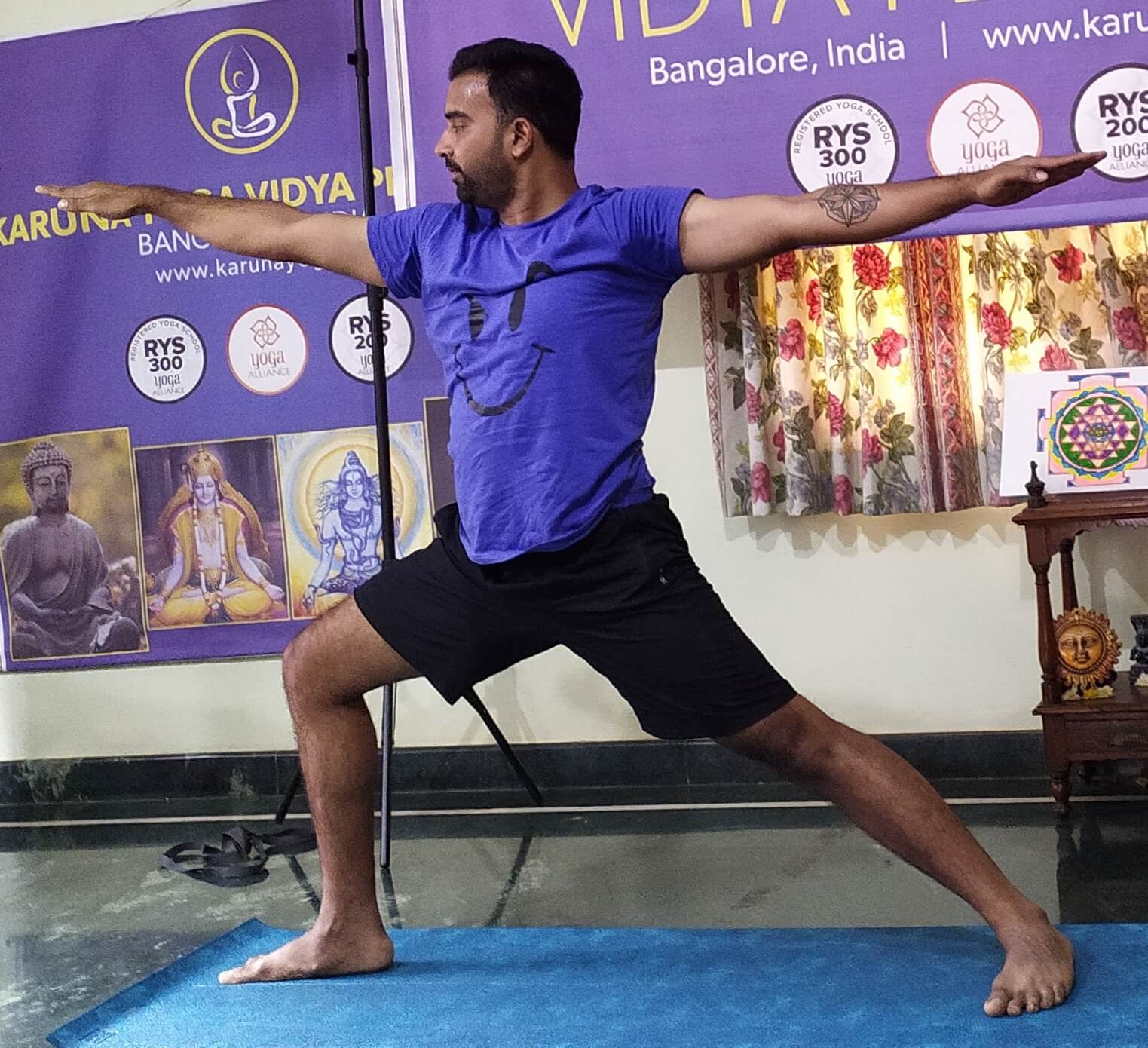
Does 200 HR ENOUGH TO MAKE YOU A YOGA TEACHER? Completing a 200-hour yoga teacher training program can provide you with a solid foundation in yoga philosophy, asana practice, and teaching methodology. However, it is not enough to make you a fully experienced and knowledgeable yoga teacher. Becoming a skilled and effective yoga teacher requires ongoing practice, study, and teaching experience. A 200-hour yoga teacher training program typically covers the basic principles of yoga, including yoga philosophy, pranayama, meditation, and asana practice. It also includes training on teaching methodology, class sequencing, and anatomy. While this training is an excellent starting point for teaching yoga, it is just the beginning of a lifelong journey. To become a skilled yoga teacher, you need to continue practicing and studying yoga beyond your initial teacher training. You also need to gain teaching experience, feedback from students, and continue learning from experienced yoga teachers. In conclusion, a 200-hour yoga teacher training program is a necessary and valuable step towards becoming a yoga teacher, but it is not enough to make you an expert. It is essential to continue learning, practicing, and growing to become a skilled and effective yoga teacher.
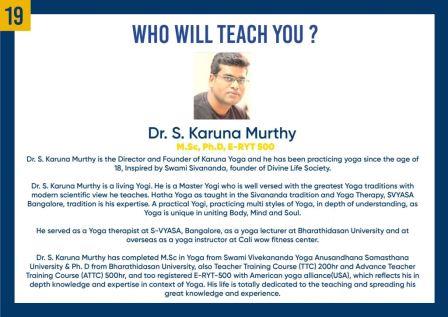
After You Complete Your RYT 200 Yoga Teacher Training Course, What’s Next?
20 tips to building a career as a yoga teacher Here are 20 tips to building a career as a yoga teacher:
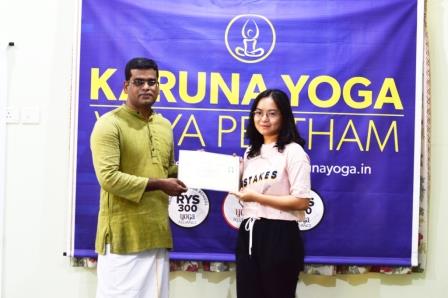
10 Tips for Selecting a Yoga Teacher Training Course in India Here are 10 tips for selecting a yoga teacher training course in India:
Offline/Online 12 hours- Asana and Kinesiology Teacher Training Course Asana and Kinesiology Teacher Training Course The Yoga Biomechanics course aims to deepen students’ understanding of yoga by studying the biomechanics of yoga poses, learning how to apply anatomical guidelines to position correct positions, studying effective teaching techniques in a variety of situations, and exploring the history and philosophy of yoga. What is Kinesiology? Kinesiology is the study of body movement. Kinesiology addresses the principles and mechanisms of dynamic physiological, biomechanical and psychological movement. What you will learn from this course? Pre-requisites: What do I need for the online course? Recommended Texts What’s the language of the course? Our courses will be held in English Medium. Duration: 12 hrs Self-Paced/ Flexible Duration: Online or Regular Mode. Fee: Foreigners USD 300 (non-refundable) advance towards the course fee. Course Dates: Please Contact Us (karunaayoga@gmail.com or +91 9686549129) Course Syllabus Terms & Conditions: After the payment of the course fee, you will receive a link to access the classes through zoom. This short term course is only meant for sincere students of Yoga practitioner. Without submitting the required assignments, you will not receive a certification. Please note that the course fee is non refundable. However, if you can’t start the course due to severe circumstances, please get in touch with us and we’ll find a solution for you.
Virasana, also known as Hero Pose, is a seated posture that can help stretch and strengthen the legs, ankles, and feet. Here are the steps to practice Virasana: 1. Kneel down on the floor with your knees together and your feet apart, so that your thighs are perpendicular to the floor. 2. Keep your hands on your thighs and sit back on your heels. 3. If you find it difficult to sit back on your heels, you can place a folded blanket or a cushion between your heels and buttocks for support. 4. Keep your spine straight and your shoulders relaxed. 5. Close your eyes and breathe deeply and slowly. 6. Stay in this pose for 30 seconds to 1 minute, gradually increasing the time as you become more comfortable. Tips: – If you experience any pain or discomfort in your knees or ankles, come out of the pose immediately. – You can use a block or a bolster under your buttocks to elevate your hips for more comfort. – If you have any knee or ankle injuries or chronic pain, it’s best to practice this pose under the guidance of an experienced yoga teacher. Benefits: – Stretches the thighs, knees, and ankles. – Strengthens the arches of the feet. – Improves digestion. – Relieves menstrual cramps. – Helps to alleviate sciatica pain. – Can be used for meditation as it helps to improve focus and concentration. Here is a step-by-step guide on how to teach Virasana to a student: Remember to always prioritize safety and alignment when teaching yoga poses, and to encourage students to listen to their bodies and adjust the pose as needed. Virasana, also known as Hero Pose, is a seated posture in yoga that provides a number of benefits to the body and mind. Here are some of the benefits of practicing Virasana: It’s important to note that some people may find Virasana challenging, particularly if they have knee or ankle injuries or chronic pain. In these cases, it’s best to practice Virasana with the guidance of an experienced yoga teacher or to modify the pose as needed. While Virasana, or Hero Pose, is generally a safe and beneficial yoga posture, there are some contraindications and precautions to consider. Here are some contraindications of Virasana: It’s important to listen to your body and avoid any pose that causes pain or discomfort. If you have any concerns or health conditions, it’s best to consult with a healthcare provider before practicing yoga. Counterposes are important in yoga to release any tension or discomfort that may have accumulated during a pose. Here are some counterposes that can be practiced after Virasana: Remember to always listen to your body and choose the counterpose that feels best for you. It’s important to hold each counterpose for a few breaths to allow your body to fully release any tension or discomfort. Virasana, or Hero Pose, can be challenging for some people, particularly if they have knee or ankle issues or tightness in the thighs. Here are some preparatory practices that can help to prepare the body for Virasana: Remember to always listen to your body and avoid any practice that causes pain or discomfort. With regular practice, your body will gradually become more open and flexible, allowing you to comfortably sit in Virasana for longer periods of time. Proper alignment is important in any yoga pose to help prevent injury and maximize the benefits of the pose. Here are some alignment cues for Virasana: Remember to listen to your body and adjust your alignment as needed. If you feel any pain or discomfort, back off from the pose or use props such as blankets or blocks to support your body. With regular practice, you will find greater ease and comfort in Virasana. Virasana, or Hero Pose, primarily involves stretching and strengthening the muscles of the legs, ankles, and feet, as well as the muscles of the hips and thighs. Here’s a breakdown of the kinesiology of Virasana: As with any yoga pose, it’s important to practice with awareness and listen to your body. If you experience any pain or discomfort, adjust your alignment or back off from the pose. With regular practice, you will develop greater strength, flexibility, and awareness in your body. Biomechanically, Virasana involves various joint movements and muscle actions that are important for building strength and flexibility in the legs and feet. Here’s a breakdown of the biomechanics of Virasana: Overall, Virasana helps to improve joint mobility, increase muscle strength and flexibility, and promote better posture and alignment. As with any yoga pose, it’s important to practice with proper alignment and awareness, and to listen to your body to avoid any pain or discomfort. Virasana, or Hero Pose, involves a number of anatomical structures throughout the body. Here’s a breakdown of the key anatomical features involved in the pose: Overall, Virasana helps to stretch and strengthen the muscles of the legs, feet, hips, and back, and improve joint mobility and posture. As with any yoga pose, it’s Important to practice with proper alignment and awareness, and to listen to your body to avoid any pain or discomfort. Virasana, or Hero Pose, has a number of physiological benefits. Here are some of the ways that the pose can affect the body: Overall, Virasana is a beneficial pose for the body and mind, and can be practiced by people of all levels and abilities. As with any yoga pose, it’s important to practice with proper alignment and awareness, and to listen to your body to avoid any pain or discomfort. Virasana, or Hero Pose, involves several key functional anatomy principles. Here are some of the ways that the pose can affect the body: Overall, Virasana is a functional pose that can help to improve joint mobility, strength, and stability throughout the body. As with any yoga pose, it’s important to practice with proper alignment and awareness, and to
Virabhadrasana 1 (Warrior 1 Pose) is a standing yoga posture that strengthens the legs, stretches the chest and shoulders, and improves overall balance and stability. Here are the steps to practice Virabhadrasana 1: 1. Begin in Tadasana (Mountain Pose) at the front of your mat. Step your left foot back about 3-4 feet, keeping your feet hip-distance apart. Your left foot should be turned slightly inward, while your right foot is facing forward. 2. Bend your right knee so that it is directly over your right ankle, with your thigh parallel to the ground. Keep your left leg straight and strong, with your left heel pressing firmly into the ground. 3. Raise your arms overhead, with your palms facing each other and your shoulders relaxed. Your arms should be parallel to each other and perpendicular to the ground. 4. Sink into your hips, pressing down through your right foot and lifting through the crown of your head. Lengthen your spine and engage your core muscles to maintain stability. 5. Hold the pose for 5-10 breaths, then release by straightening your right leg and lowering your arms. Return to Tadasana and repeat on the other side. Tips for practicing Virabhadrasana 1: – Keep your hips facing forward and level, without twisting to the side. – Engage your thigh muscles to support your knee and protect against injury. – If you have tight hips or limited mobility, you can shorten your stance or place a block under your back heel for support. – Focus on your breath and maintain a steady gaze to help you stay balanced and centered in the pose. With regular practice, Virabhadrasana 1 can help to build strength, increase flexibility, and improve overall physical and mental well-being. Teaching Virabhadrasana 1 (Warrior 1 Pose) effectively requires clear instruction, demonstration, and attention to alignment and safety. Here are some steps to help guide your teaching: 1. Begin by explaining the benefits of Virabhadrasana 1, such as strengthening the legs and improving balance and stability. 2. Demonstrate the pose and break it down into steps, highlighting key alignment points. For example: – Start in Tadasana (Mountain Pose) and step your left foot back about 3-4 feet. – Turn your left foot inward slightly and your right foot forward. – Bend your right knee so that it is directly over your right ankle, with your thigh parallel to the ground. – Raise your arms overhead, with your palms facing each other and your shoulders relaxed. – Sink into your hips and lengthen your spine, engaging your core muscles to maintain stability. 3. Encourage students to listen to their bodies and modify the pose as needed. For example, if someone has knee or hip issues, they may need to shorten their stance or use a prop for support. 4. Offer adjustments and modifications as necessary to help students achieve proper alignment and prevent injury. For example, you may use verbal cues to encourage students to engage their core, press down through their feet, or lift their chest. 5. Encourage students to focus on their breath and maintain a steady gaze to help them stay centered and balanced in the pose. 6. Offer variations or additional challenges to keep the practice interesting and engaging. For example, you may invite students to hold the pose for longer, or transition into a dynamic flow between Warrior 1 and other poses. 7. End the practice with a brief cool down and relaxation period, allowing students to integrate the benefits of the practice and prepare for the rest of their day. By teaching Virabhadrasana 1 in a clear, supportive manner, you can help your students experience the physical, mental, and emotional benefits of this powerful posture. Virabhadrasana 1 (Warrior 1 Pose) is a powerful yoga posture that offers a wide range of physical, mental, and emotional benefits. Here are some of the key benefits of practicing Virabhadrasana 1: 1. Strengthens the legs: Virabhadrasana 1 targets the quadriceps, hamstrings, and gluteal muscles, helping to tone and strengthen the legs. This can improve overall lower body strength and stability, making daily activities easier and reducing the risk of injury. 2. Stretches the chest and shoulders: Raising the arms overhead in Virabhadrasana 1 helps to open the chest and stretch the shoulders, improving posture and breathing capacity. 3. Builds balance and stability: Holding Virabhadrasana 1 requires concentration and focus, improving balance and stability. This can be especially beneficial for older adults or anyone who is prone to falls or accidents. 4. Boosts energy and confidence: The powerful stance of Virabhadrasana 1 can help to increase feelings of confidence and inner strength, while the deep breathing and mindful focus can boost energy and reduce stress. 5. Improves flexibility: Practicing Virabhadrasana 1 regularly can help to improve overall flexibility and range of motion, reducing stiffness and enhancing mobility. 6. Stimulates the abdominal organs: The engagement of the core muscles in Virabhadrasana 1 can help to stimulate the abdominal organs, improving digestion and elimination. 7. Increases mental clarity: The concentration and focus required in Virabhadrasana 1 can help to increase mental clarity and focus, reducing stress and improving overall cognitive function. By regularly practicing Virabhadrasana 1, you can enjoy these benefits and improve your overall health and well-being. While Virabhadrasana 1 (Warrior 1 Pose) is generally considered a safe and beneficial yoga posture for most people, there are some contraindications to be aware of. Here are some common contraindications for Virabhadrasana 1: 1. Knee or hip injuries: If you have an acute or chronic knee or hip injury, you may need to modify or avoid Virabhadrasana 1 to prevent further injury or discomfort. 2. High blood pressure: Raising the arms overhead in Virabhadrasana 1 can temporarily increase blood pressure, so people with uncontrolled high blood pressure may need to modify the pose or avoid it altogether. 3. Balance issues: Because Virabhadrasana 1 requires a stable, balanced stance, people with balance issues or vertigo may need to modify the pose
Utthita Trikonasana, or Extended Triangle Pose, is a foundational standing posture in yoga that strengthens the legs, opens the hips and chest, and stretches the hamstrings and side body. Here are the steps to practice Utthita Trikonasana: Some tips to refine your Utthita Trikonasana practice include: – Keep your hips level and facing forward, rather than twisting to one side. – Use a block under your bottom hand if you can’t comfortably reach the floor. – Keep your neck long and your gaze directed towards your top hand or straight ahead. – Engage your core muscles to support your lower back and maintain stability. Here are some steps to follow when teaching Utthita Trikonasana to students: Utthita Trikonasana, also known as Extended Triangle Pose, has numerous physical and mental benefits. Here are some of the benefits of this pose: As with any yoga pose, it is important to practice Utthita Trikonasana safely and mindfully, and to listen to your body’s limitations. While Utthita Trikonasana (Extended Triangle Pose) is generally safe for most people, there are some contraindications and precautions to keep in mind. Here are a few: As always, it’s important to practice yoga safely and mindfully, and to consult with a healthcare provider before starting a new practice, especially if you have any health concerns or injuries. The counterpose for Utthita Trikonasana (Extended Triangle Pose) is usually a gentle forward fold, such as Uttanasana (Standing Forward Fold) or Prasarita Padottanasana (Wide-Legged Standing Forward Fold). These poses can help release any tension in the hamstrings and spine and help bring the body back to a neutral position. Alternatively, students can come into a neutral standing pose, such as Tadasana (Mountain Pose), and take a few deep breaths before moving on to the next pose. This can help them release any residual tension and ground themselves before moving on to the next posture. Remember, counterposes are important to help balance the body and prevent injury. So, it’s always a good idea to incorporate them into your practice. There are several preparatory poses that can help students prepare for Utthita Trikonasana (Extended Triangle Pose). Here are a few examples: Incorporating these poses into a regular yoga practice can help students build the strength, flexibility, and awareness needed to practice Utthita Trikonasana safely and with proper alignment. Proper alignment is important in Utthita Trikonasana (Extended Triangle Pose) to ensure that the body is supported and the pose is done safely. Here are some alignment cues that can help: Remember to keep the knee of the front leg aligned over the ankle, and to avoid collapsing into the pose. Engaging the legs and core muscles can help support the body and maintain proper alignment in the pose. Utthita Trikonasana (Extended Triangle Pose) involves several major muscle groups in the body, including the legs, hips, spine, and shoulders. Here is a breakdown of the kinesiology involved in the pose: Overall, Utthita Trikonasana requires a balance of strength and flexibility in the lower body, along with stability and alignment in the core and upper body. Proper engagement and activation of these muscle groups can help support the body in the pose and prevent injury. The biomechanism of Utthita Trikonasana (Extended Triangle Pose) involves several key principles of human movement and biomechanics. Here are some of the key aspects: Overall, the biomechanism of Utthita Trikonasana involves a balance of stability, mobility, and alignment in the joints, along with proper activation and engagement of the muscles involved in the pose. This balance allows the body to move and function efficiently and effectively in the pose, while minimizing the risk of injury. Utthita Trikonasana (Extended Triangle Pose) involves several key anatomical structures, including: Overall, Utthita Trikonasana requires a balance of mobility and stability in the joints, along with proper activation and engagement of the muscles involved in the pose. Understanding the anatomy of the pose can help practitioners deepen their practice and avoid injury. Utthita Trikonasana (Extended Triangle Pose) can have several physiological benefits, including: Overall, practicing Utthita Trikonasana can have a positive impact on both the physical and mental aspects of the body, promoting overall health and wellbeing. Utthita Trikonasana (Extended Triangle Pose) involves several major muscle groups and joints, including: Overall, Utthita Trikonasana involves a coordinated effort between several muscle groups and joints, promoting overall strength, flexibility, and balance throughout the body. Utthita Trikonasana, also known as the Extended Triangle Pose, is a standing pose commonly practiced in yoga. Here are the kinematics of the pose: During the pose, it’s important to keep your legs engaged and your core activated to maintain stability and balance. Also, be mindful of any strain or discomfort in your lower back or hips, and adjust the pose accordingly. Utthita Trikonasana, also known as extended triangle pose, is a standing yoga posture that engages the entire body, especially the legs, hips, spine, and arms. Here are the steps and mechanisms involved in this pose: The mechanisms involved in Utthita Trikonasana are: Overall, Utthita Trikonasana is a powerful pose that engages the entire body, promoting strength, flexibility, and balance. The anatomy and physiology of Utthita Trikonasana, or extended triangle pose, involves several major muscle groups and systems in the body. Here’s a breakdown of the anatomy and physiology involved in this posture: Overall, Utthita Trikonasana engages multiple muscle groups and systems in the body, promoting strength, flexibility, and balance, as well as improved overall health and wellbeing. Utthita Trikonasana, or extended triangle pose, is a foundational yoga posture that offers many benefits for the body and mind. Here are some tips for refining your practice of Utthita Trikonasana: By refining your practice of Utthita Trikonasana with these tips, you can improve your alignment, stability, and extension in the pose, and experience the full benefits of this powerful yoga posture. Correcting and adjusting Utthita Trikonasana, or extended triangle pose, can help you improve your alignment and avoid injury.
“Uttana Padma Mayurasana” is a pose that combines Uttanasana (Standing Forward Bend) and Padma Mayurasana (Lotus Peacock Pose). Here’s a step-by-step guide on how to practice Uttana Padma Mayurasana: Important considerations: – If you are unable to achieve Padmasana comfortably, you can modify the pose by crossing the ankles and resting the feet on the thighs instead. – Avoid practicing Uttana Padma Mayurasana if you have wrist or shoulder injuries or any other contraindications. Listen to your body and modify or skip the pose as needed. – It’s recommended to practice Uttana Padma Mayurasana under the guidance of a qualified yoga instructor, especially if you are new to the pose or have any specific concerns or limitations. Always practice with mindfulness, respecting your body’s limits, and focusing on the breath and sensations within the pose. Enjoy the exploration and benefits of Uttana Padma Mayurasana while honoring your body’s needs. When teaching Uttana Padma Mayurasana, it’s important to provide clear instructions, cues, and modifications to ensure that students practice the pose safely and effectively. Here’s a step-by-step guide on how to teach Uttana Padma Mayurasana: Throughout the teaching process, provide clear instructions, offer modifications, and encourage students to listen to their bodies and practice mindfully. It’s important to create a safe and inclusive environment where students can explore Uttana Padma Mayurasana at their own pace and level of comfort. Uttana Padma Mayurasana, the combination of Uttanasana (Standing Forward Bend) and Padma Mayurasana (Lotus Peacock Pose), offers a range of benefits for the body, mind, and energy system. Here are some of the benefits of practicing Uttana Padma Mayurasana: It’s important to note that individual experiences may vary, and some benefits may be more prominent for certain practitioners depending on their unique body and practice. It’s always recommended to practice under the guidance of a qualified yoga instructor to ensure proper alignment, modifications, and safety in the pose. Uttana Padma Mayurasana, like any yoga pose, may not be suitable for everyone. Here are some contraindications and precautions to consider before practicing Uttana Padma Mayurasana: Always listen to your body and consult with a qualified yoga instructor or healthcare professional if you have any concerns or specific health conditions. They can provide personalized guidance and offer modifications or alternative poses that are more suitable for your needs. The counterpose for Uttana Padma Mayurasana is typically a gentle release and stretch for the body, particularly focusing on the areas that were engaged and compressed during the pose. Here are a few counterposes that can be practiced after Uttana Padma Mayurasana: These counterposes provide a gentle release and relaxation for the body after the intensity of Uttana Padma Mayurasana. Remember to listen to your body, modify the poses as needed, and seek guidance from a qualified yoga instructor if necessary. Before attempting Uttana Padma Mayurasana, it’s beneficial to include preparatory practices that help open and strengthen the relevant areas of the body. Here are some preparatory practices that can help you prepare for Uttana Padma Mayurasana: Remember to approach these preparatory practices with patience, listening to your body and practicing within your limits. It’s essential to warm up the body before attempting more advanced poses like Uttana Padma Mayurasana and to seek guidance from a qualified yoga teacher if needed. When practicing Uttana Padma Mayurasana, it’s important to pay attention to proper alignment to ensure safety and effectiveness. Here are some alignment cues to keep in mind: Remember to listen to your body, respect its limitations, and modify the pose as needed. If you experience any pain or discomfort, release the pose and seek guidance from a qualified yoga instructor. Proper alignment and mindful practice will help you maximize the benefits and minimize the risks in Uttana Padma Mayurasana. The kinesiology of Uttana Padma Mayurasana involves the coordinated action of several muscles and joints. Let’s explore the key muscle groups and joints involved: It’s important to engage these muscles mindfully and maintain proper alignment to ensure a safe and effective practice of Uttana Padma Mayurasana. Remember to warm up the body, listen to your body’s limitations, and practice under the guidance of a qualified yoga instructor to prevent any strain or injury. The biomechanism of Uttana Padma Mayurasana involves a combination of joint actions and muscle contractions to achieve the final pose. Let’s explore the biomechanics of this posture: It’s Important to approach Uttana Padma Mayurasana with mindfulness and respect for your body’s limitations. Gradually work on developing the necessary flexibility, strength, and stability in the relevant muscle groups and joints to safely and effectively practice this pose. Seek guidance from a qualified yoga instructor to ensure proper alignment and prevent any potential injuries. Uttana Padma Mayurasana, also known as the Extended Lotus Peacock Pose, involves the engagement and stretching of various muscles in the body. Here are the key anatomical elements involved in this pose: It’s important to approach Uttana Padma Mayurasana with awareness and respect for your body’s capabilities. Always listen to your body and practice within your limits. If you’re new to this pose or have any specific concerns, it’s advisable to seek guidance from a qualified yoga instructor to ensure proper alignment and prevent any potential injuries. The practice of Uttana Padma Mayurasana, or Extended Lotus Peacock Pose, offers several physiological benefits. Here are some of the physiological effects it can have on the body: It’s Important to approach the practice of Uttana Padma Mayurasana with mindfulness, listen to your body’s signals, and practice within your limits. If you have any specific medical concerns or limitations, it’s advisable to consult with a qualified yoga instructor or healthcare professional before attempting this pose. The functional anatomy of Uttana Padma Mayurasana, or Extended Lotus Peacock Pose, involves the coordination and activation of various muscle groups and joints to achieve the desired alignment and movement. Here’s a breakdown of the functional anatomy involved in this pose: The functional anatomy of this
Utkatasana, also known as Chair Pose or Fierce Pose, is a standing yoga posture that helps to strengthen the lower body, particularly the quadriceps and gluteal muscles. Here are the steps to practice Utkatasana: 1. Begin standing in Tadasana (Mountain Pose) with your feet together and your arms at your sides. 2. On an inhale, raise your arms overhead with your palms facing each other and your fingertips reaching towards the ceiling. 3. On an exhale, bend your knees and lower your hips down as if you were sitting in a chair. Make sure your knees stay aligned with your toes and your weight is in your heels. 4. Continue to breathe deeply as you hold the pose for several breaths, working on keeping your spine long and your chest lifted. 5. On an inhale, straighten your legs and return to Tadasana, lowering your arms down to your sides. Repeat the pose several times, gradually working up to longer holds as you build strength and stamina. Note: As with all yoga poses, it is important to listen to your body and not push yourself beyond your limits. If you experience any pain or discomfort in your knees, back, or hips, come out of the pose and consult with a qualified yoga teacher or healthcare provider. To teach utkatasana (chair pose), follow these steps: 1. Begin in Tadasana (Mountain Pose) at the front of the mat with your feet hip-width apart and your arms at your sides. 2. Inhale and raise your arms overhead, reaching toward the ceiling. 3. Exhale and bend your knees, as if you are sitting in a chair. Keep your knees and feet together. 4. Inhale and lengthen your spine, lifting your chest. 5. Exhale and press your weight back into your heels, lowering your hips toward the ground. Make sure your knees are not going beyond your toes. 6. Hold the pose for 5-10 breaths, or longer if desired. 7. To release, inhale and straighten your legs, reaching your arms overhead. 8. Exhale and release your arms to your sides, returning to Tadasana. When teaching utkatasana, make sure to emphasize the following alignment cues: – Keep your knees and feet together throughout the pose. – Make sure your knees are not going beyond your toes. – Engage your core muscles to support your lower back. – Press your weight back into your heels to activate your glutes and hamstrings. – Keep your chest lifted and your shoulders relaxed. Also, provide modifications for students who may need them, such as placing a block between their thighs or bending their knees less deeply. Utkatasana, also known as Chair Pose or Fierce Pose, has several benefits for the body, including: While utkatasana is generally safe for most people, it is important to be cautious and avoid the pose or modify it if you have certain health conditions. Some of the contraindications for utkatasana include: If you have any health concerns or medical conditions, it’s always a good idea to check with your healthcare provider before practicing utkatasana. There are no specific counterposes for Utkatasana. However, some suggested counterposes that can be practiced after Utkatasana are: 1. Uttanasana (Standing Forward Bend) 2. Adho Mukha Svanasana (Downward Facing Dog) 3. Balasana (Child’s Pose) 4. Tadasana (Mountain Pose) These poses help to stretch and release the muscles that are contracted during Utkatasana and bring the body back to a neutral position. It is always important to listen to your body and choose the counterpose that feels best for you. Some preparatory practices for utkatasana (chair pose) are: These preparatory practices can help in building strength and flexibility in the body, and can make the practice of utkatasana easier and more comfortable. Utkatasana, also known as Chair Pose, is a standing yoga posture that engages the legs, hips, and core. The following are alignment cues that can help you practice Utkatasana safely and effectively: Remember to listen to your body and modify the pose as needed to avoid discomfort or injury. Utkatasana, or Chair Pose, is a standing yoga posture that engages several muscles in the body. The kinesiology of Utkatasana is as follows: Lower Body: – Quadriceps: The quadriceps muscles on the front of the thighs are the primary muscle group used to bend the knees and lower the hips into the chair-like position of Utkatasana. – Glutes: The gluteus maximus and gluteus medius muscles in the buttocks are also engaged to help stabilize the hips in the pose. – Hamstrings: The hamstrings on the back of the thighs are activated to help support the knee joint and prevent hyperextension. – Calves: The gastrocnemius and soleus muscles in the calves are engaged to help support the body weight in the pose. Core: – Abdominals: The rectus abdominis and obliques muscles in the abdomen are activated to stabilize the torso and prevent the lower back from arching. – Spinal Erectors: The spinal erectors muscles on either side of the spine are also engaged to help maintain an upright posture. Upper Body: – Deltoids: The deltoid muscles in the shoulders are used to lift the arms overhead and keep them in place. – Trapezius and Rhomboids: The trapezius and rhomboid muscles in the upper back are engaged to help keep the shoulders down and away from the ears. Overall, Utkatasana is a great posture for strengthening the legs, hips, core, and upper body, while also improving balance and concentration. The biomechanism of Utkatasana, or Chair Pose, involves the coordination of several body systems and joint movements. Here’s an overview of the biomechanics involved: Joint Movements: – Ankle joint: During Utkatasana, the ankle joint undergoes plantarflexion, which is a movement that involves pointing the foot downward towards the ground, and dorsiflexion, which is a movement that involves lifting the foot upward towards the shin. The plantarflexion occurs when you press into your heels, and the dorsiflexion occurs when you lift your toes. – Knee joint: The
Urdhva Prasarita Padasana is a yoga posture that involves lifting the legs off the ground while lying on your back. Here is a step-by-step method to practice Urdhva Prasarita Padasana: Note: If you find it difficult to lift both legs at the same time, you can start by lifting one leg at a time, and gradually work up to lifting both legs together. Here are the steps to teach Urdhva Prasarita Padasana: It’s important to encourage your students to keep their core engaged throughout the entire pose to prevent any strain on the lower back. Additionally, make sure they keep their legs straight and avoid any bending or flexing at the knees. Urdhva Prasarita Padasana, also known as upward extended feet pose or upward extended leg pose, has several benefits for the body, including: Overall, Urdhva Prasarita Padasana can be a beneficial pose for strengthening the core and leg muscles, improving balance and digestion, relieving stress, and increasing flexibility and circulation. Urdhva Prasarita Padasana (Upward Extended Feet Pose) is generally safe for most practitioners. However, there are some contraindications and precautions to keep in mind: Always listen to your body and modify or avoid the pose if it causes discomfort or pain. Consult with a healthcare provider before starting any new exercise program, especially if you have any medical conditions or injuries. As urdhva prasarita padasana involves a lot of engagement of the core muscles, it is important to counterpose the pose with some gentle stretches and relaxation postures. Some counterposes for urdhva prasarita padasana are: It is important to hold each counterpose for at least 5-10 breaths to allow the body to fully relax and release any tension. There are several preparatory practices that can help prepare the body for urdhva prasarita padasana. Here are some examples: Urdhva Prasarita Padasana is a challenging posture that requires proper alignment to prevent injury and ensure maximum benefit. Here are some alignment cues that can be useful for teaching the pose: 1. Lie down on your back and bring your feet close to your hips. 2. Keep your feet hip-width apart and parallel to each other. 3. Place your arms on the floor, with palms facing down. 4. Engage your core muscles and slowly lift your legs up towards the ceiling. 5. Keep your knees straight and toes pointing towards the ceiling. 6. Draw your shoulder blades down towards the floor and lengthen your neck. 7. Keep your gaze towards your toes or towards the ceiling. 8. Press your palms into the floor to stabilize your upper body. 9. Hold the pose for a few breaths, then slowly lower your legs back down to the floor. Some additional cues that can be helpful include: – Make sure your lower back is flat on the floor throughout the pose. If you feel your back lifting off the floor, bend your knees slightly or lift your feet up a little less. – Avoid gripping your toes or tensing your feet. Instead, keep your feet relaxed and let them dangle from your ankles. – If you have trouble keeping your legs straight, you can bend your knees slightly or practice the pose with a strap around the soles of your feet. – Use your breath to help you stay focused and relaxed in the pose. Inhale deeply through your nose, then exhale slowly through your mouth. Remember, proper alignment is essential for any yoga pose, so encourage your students to take their time and find the right variation of the pose that works for their body. Urdhva Prasarita Padasana is a challenging yoga posture that requires strength and flexibility in the muscles of the hips, lower back, and core. The primary movement in Urdhva Prasarita Padasana is hip flexion, which is the movement of bringing the legs towards the chest. The hip flexors, including the psoas and iliacus muscles, play a significant role in this movement. Additionally, the muscles of the quadriceps and hamstrings work together to keep the legs straight and raise them up towards the ceiling. The hip abductor muscles, such as the gluteus medius and minimus, also play an important role in stabilizing the pelvis during the posture. The muscles of the core, including the rectus abdominis, transverse abdominis, and obliques, work to stabilize the spine and prevent excessive arching in the lower back. The erector spinae muscles of the back also engage to maintain an upright posture and prevent the spine from rounding forward. Breath awareness is also important in this posture, as it can help to deepen the stretch and calm the mind. Urdhva Prasarita Padasana, also known as upward extended feet pose, involves the activation of several muscle groups in the lower body. Here’s a breakdown of the biomechanics of this pose: Overall, Urdhva Prasarita Padasana is an effective pose for strengthening and stretching the muscles of the lower body, while also engaging the core and promoting deep breathing. Urdhva Prasarita Padasana, also known as upward extended feet pose, primarily targets the muscles of the legs, hips, and abdomen. Some of the major muscles involved in this pose include: Additionally, the spine is also involved in this pose as it needs to maintain a straight alignment, and the shoulders are also slightly elevated to support the hips and legs. Urdhva Prasarita Padasana is a pose that primarily targets the abdominal muscles and the hip flexors. Here’s a breakdown of the physiology behind this posture: Overall, Urdhva Prasarita Padasana can help to strengthen the abdominal muscles and hip flexors, improve posture, increase lung capacity, and improve blood circulation in the body. Urdhva Prasarita Padasana involves activation and engagement of several muscles in the body. Here is the functional anatomy of Urdhva Prasarita Padasana: All of these muscles work together to maintain the position of Urdhva Prasarita Padasana. Urdhva Prasarita Padasana, also known as upward extended feet pose, involves movement in multiple joints and has complex kinematics.
Urdhva Dandasana, also known as Upward Facing Staff Pose, is an advanced backbend posture that requires a lot of strength and flexibility. Here is a step-by-step method to practice Urdhva Dandasana: Remember to approach Urdhva Dandasana with caution, and only attempt this pose if you feel comfortable and confident in your backbend practice. If you’re new to this pose, it may be helpful to practice with the guidance of an experienced yoga teacher to ensure proper alignment and avoid injury. Teaching Urdhva Dandasana, or Upward Facing Staff Pose, requires a deep understanding of the pose and the ability to communicate clear and concise instructions to your students. Here are some steps you can follow to effectively teach Urdhva Dandasana: Remember to always prioritize safety and alignment when teaching Urdhva Dandasana. Encourage your students to listen to their bodies, modify the pose as needed, and never force themselves into any position that causes discomfort or pain. With clear instruction and a supportive teaching environment, your students can safely and confidently practice Urdhva Dandasana. Urdhva Dandasana, or Upward Facing Staff Pose, is an advanced backbend posture that offers numerous physical, mental, and emotional benefits. Here are some of the key benefits of practicing Urdhva Dandasana: Overall, Urdhva Dandasana is a challenging but rewarding posture that offers a wide range of physical, mental, and emotional benefits. As with any yoga posture, it’s important to approach Urdhva Dandasana with mindfulness, respect, and an understanding of your body’s limits. If you’re new to the pose, it may be helpful to practice with the guidance of an experienced yoga teacher to ensure proper alignment and avoid injury. Urdhva Dandasana, or Upward Facing Staff Pose, is an advanced backbend posture that can offer numerous benefits, but it may not be appropriate for everyone. Here are some of the contraindications to keep in mind: It’s always important to listen to your body and respect your limitations when practicing yoga. If you have any concerns or medical conditions, it’s important to consult with your healthcare provider before attempting Urdhva Dandasana or any other yoga posture. A qualified yoga teacher can also offer modifications or alternatives to help you practice safely and effectively. Urdhva Dandasana is an advanced backbend posture that can be challenging for many practitioners. To release the tension and balance the body after performing Urdhva Dandasana, it’s important to practice a counterpose that will help to stretch and lengthen the spine, release the back muscles, and calm the nervous system. Here are some counterposes that can be beneficial after practicing Urdhva Dandasana: It’s Important to approach counterposes with mindfulness and awareness of your body’s needs. Take your time and move slowly and intentionally as you transition into each pose. If you have any concerns or medical conditions, it’s important to consult with your healthcare provider before attempting any yoga postures or counterposes. Urdhva Dandasana, or Upward Facing Staff Pose, is an advanced backbend posture that requires strength and flexibility in the spine, shoulders, and hips. Here are some preparatory practices that can help you build the necessary strength and flexibility to safely practice Urdhva Dandasana: It’s Important to approach these preparatory practices with mindfulness and awareness of your body’s needs. Take your time and move slowly and intentionally as you practice each posture. If you have any concerns or medical conditions, it’s important to consult with your healthcare provider before attempting any yoga postures. A qualified yoga teacher can also offer modifications or alternatives to help you practice safely and effectively. Urdhva Dandasana, or Upward Facing Staff Pose, is an advanced backbend posture that requires precise alignment to be practiced safely and effectively. Here are some alignment cues that can help you approach the posture with mindfulness and awareness: Remember to approach Urdhva Dandasana with mindfulness and awareness of your body’s needs. If you have any concerns or medical conditions, it’s important to consult with your healthcare provider before attempting any yoga postures. A qualified yoga teacher can also offer modifications or alternatives to help you practice safely and effectively. Urdhva Dandasana, or Upward Facing Staff Pose, is an advanced backbend posture that requires significant strength, flexibility, and coordination. Here’s a breakdown of the kinesiology involved in the posture: 1. Spinal Extension: Urdhva Dandasana involves a deep extension of the spine, from the lower back all the way up to the cervical spine. This action is primarily controlled by the erector spinae muscles, which run along the length of the spine and work to extend and maintain the curvature of the back. 2. Shoulder Extension: To lift the chest up towards the ceiling, the shoulder blades must also move towards the midline of the body (adduction) and extend away from the spine (extension). This movement is controlled by the trapezius and rhomboid muscles, which are responsible for stabilizing and moving the scapulae (shoulder blades). 3. Arm Extension: In Urdhva Dandasana, the arms are also extended, with the hands placed on the floor next to the ears. This action is primarily controlled by the triceps muscles, which work to straighten the elbows and support the weight of the upper body. 4. Hip Extension: To lift the hips up towards the ceiling, the hip flexors must release and the gluteus maximus muscles must engage to extend the hips. The hamstrings also play a supporting role in hip extension, as they work to stabilize the pelvis and maintain the position of the legs. 5. Quadriceps Engagement: To lift the thighs off the mat and maintain the position of the legs, the quadriceps muscles must engage. These muscles work to straighten the knees and lift the legs away from the floor. Overall, Urdhva Dandasana requires coordination and integration of many different muscle groups throughout the body. It is important to approach the posture with mindfulness and awareness, and to warm up properly before attempting it. If you have any concerns or medical conditions, it’s important to consult with your healthcare provider before
Triang Mukhaikapada Paschimottanasana is a seated forward fold posture in which one leg is folded in and the other leg is extended straight out in front of the body. Here is a step-by-step method to practice Triang Mukhaikapada Paschimottanasana: 1. Sit on the floor with both legs extended straight out in front of you. 2. Bend your right knee and bring the sole of your right foot to the inside of your left thigh. 3. Inhale and extend your arms up over your head. 4. Exhale and fold forward, reaching for your left foot with your hands. 5. Hold the posture for a few breaths, breathing deeply and relaxing into the stretch. 6. To release the posture, inhale and slowly lift your torso back up to a seated position. 7. Repeat the posture on the other side, bending your left knee and placing the sole of your left foot on the inside of your right thigh. When practicing Triang Mukhaikapada Paschimottanasana, it is important to keep your spine straight and to engage your core muscles. Be sure to avoid rounding your back or forcing the stretch, as this can lead to injury. Instead, focus on breathing deeply and relaxing into the posture. With regular practice, you can gradually increase your flexibility and deepen the stretch. To teach Triang Mukhaikapada Paschimottanasana, follow these steps: Remember to provide clear, concise instructions and to monitor your students’ alignment and progress throughout the practice. With consistent practice, your students can gradually deepen their understanding and experience of the posture. Triang Mukhaikapada Paschimottanasana, also known as One-Legged Forward Bend Pose, offers several physical, mental, and emotional benefits. Here are some of the benefits of this posture: Overall, Triang Mukhaikapada Paschimottanasana is a beneficial posture that can improve physical, mental, and emotional well-being. However, as with any yoga posture, it is important to practice it safely and mindfully under the guidance of a qualified yoga teacher. While Triang Mukhaikapada Paschimottanasana offers many benefits, there are some contraindications to be aware of. Here are some situations in which it is not recommended to practice this posture: It is important to practice Triang Mukhaikapada Paschimottanasana safely and mindfully, and to consult with a qualified yoga teacher or healthcare provider if you have any concerns or pre-existing conditions. After practicing Triang Mukhaikapada Paschimottanasana, it is important to practice a counterpose to release any tension and balance the body. Here are some counterposes that you can practice: Remember to practice these counterposes mindfully and gently, and to hold them for several breaths or longer to allow the body to release and relax. Before practicing Triang Mukhaikapada Paschimottanasana, it is important to prepare the body with some gentle stretching and strengthening exercises. Here are some preparatory practices that can help you to prepare for this posture: Remember to practice these preparatory postures mindfully and with awareness, focusing on your breath and body sensations. You can hold each posture for several breaths or longer, depending on your comfort level. It is also important to practice these postures under the guidance of a qualified yoga teacher to ensure that you are practicing them safely and effectively. Here are some alignment cues that can help you to practice Triang Mukhaikapada Paschimottanasana safely and effectively: Remember to practice Triang Mukhaikapada Paschimottanasana mindfully and with awareness, listening to your body and adjusting the posture as needed. It is also important to practice under the guidance of a qualified yoga teacher to ensure that you are practicing safely and effectively. Triang Mukhaikapada Paschimottanasana is a seated forward bend that primarily targets the hamstrings, hips, and lower back. Here is a brief overview of the kinesiology of this posture: Overall, Triang Mukhaikapada Paschimottanasana is a challenging posture that requires strength, flexibility, and balance. It can be a beneficial posture for improving flexibility in the hamstrings, hips, and lower back, and for developing balance and stability in the body. However, it should be practiced mindfully and with awareness, and under the guidance of a qualified yoga teacher to ensure that it is practiced safely and effectively. Triang Mukhaikapada Paschimottanasana involves a complex biomechanical interplay between the muscles, bones, and joints of the body. Here are some of the key biomechanical principles involved in this posture: Overall, Triang Mukhaikapada Paschimottanasana involves a complex interplay between the muscles, bones, and joints of the body. By practicing this posture mindfully and with awareness, you can improve your flexibility, balance, and stability while promoting healthy joint function and spinal alignment. Triang Mukhaikapada Paschimottanasana is a seated forward bend that involves several key anatomical structures. Here are some of the anatomical structures involved in this posture: Overall, Triang Mukhaikapada Paschimottanasana involves several key anatomical structures, including the hamstrings, glutes, hips, lower back, core muscles, neck and shoulders, and ankles and feet. By practicing this posture mindfully and with awareness, you can improve your flexibility, balance, and stability while promoting healthy joint function and spinal alignment. Triang Mukhaikapada Paschimottanasana is a yoga posture that can have several physiological effects on the body. Here are some of the potential physiological benefits of this posture: Overall, Triang Mukhaikapada Paschimottanasana can have several physiological benefits on the body, including improved flexibility, posture, digestion, and relaxation. By practicing this posture mindfully and with awareness, you can support your overall health and well-being. Triang Mukhaikapada Paschimottanasana is a yoga posture that involves several key functional movements and muscles. Here are some of the functional anatomy aspects of this posture: Overall, Triang Mukhaikapada Paschimottanasana involves several key functional movements and muscles, including the hamstrings, glutes, hips, spine, core muscles, and ankles and feet. By practicing this posture mindfully and with awareness, you can improve your flexibility, strength, balance, and stability while promoting healthy joint function and spinal alignment. Kinematics is the study of the movement of the body without considering the forces that cause the movement. Triang Mukhaikapada Paschimottanasana is a yoga posture that involves several key
Tadasana, also known as Mountain Pose, is a foundational yoga pose that involves standing tall with good posture. Here are the steps to practice Tadasana: 1. Begin by standing at the front of your yoga mat with your feet hip-distance apart. Make sure your weight is evenly distributed through both feet. 2. Engage your leg muscles by lifting your kneecaps and firming your thighs. Keep your tailbone slightly tucked in to avoid overarching your lower back. 3. Roll your shoulders down and back, and broaden your chest. Keep your arms relaxed at your sides with your palms facing forward. 4. Lengthen your spine by imagining a string pulling the crown of your head up towards the ceiling. Keep your chin parallel to the floor. 5. Take a few deep breaths, focusing on the sensation of your feet grounding into the mat and your spine lengthening upwards. 6. Hold the pose for 30 seconds to 1 minute, or longer if comfortable. Tips: – Check your alignment in a mirror or with a yoga instructor to ensure you’re doing the pose correctly. – If you have high blood pressure or any other medical condition that affects your balance, practice Tadasana with the support of a wall or chair. Here are some steps and tips on how to teach Tadasana to beginners: 1. Start with a brief introduction to the pose, its benefits, and its Sanskrit name, Tadasana. 2. Have your students stand at the front of their mats with their feet hip-distance apart. 3. Instruct your students to ground their feet into the mat, spreading their toes and distributing their weight evenly through the soles of their feet. 4. Guide your students to engage their leg muscles by lifting their kneecaps and firming their thighs. 5. Instruct your students to roll their shoulders down and back, broadening their chest, and relaxing their arms at their sides with palms facing forward. 6. Encourage your students to lengthen their spine by imagining a string pulling the crown of their head up towards the ceiling. Remind them to keep their chin parallel to the floor. 7. Guide your students to take a few deep breaths, focusing on the sensation of their feet grounding into the mat and their spine lengthening upwards. 8. Hold the pose for 30 seconds to 1 minute or longer if comfortable. 9. Encourage your students to practice Tadasana regularly, reminding them of the benefits of improved posture, balance, and focus. Tips: – Use clear and concise language to guide your students through the pose. – Demonstrate the pose yourself while giving verbal instructions. – Make sure to check your students’ alignment and make adjustments as needed. – Encourage your students to modify the pose by using a wall or chair for support if needed. – Provide variations to the pose, such as lifting the arms overhead or adding a slight forward bend. Tadasana, also known as Mountain Pose, has several benefits for the body, mind, and overall well-being. Some of the benefits of Tadasana include: Overall, Tadasana is a simple but powerful pose that can be practiced by people of all ages and fitness levels to improve their physical and mental well-being. While Tadasana is a generally safe and beneficial yoga pose, there are some contraindications to be aware of. People with the following conditions should avoid or modify Tadasana: 5.Pregnancy: Women in the second and third trimesters of pregnancy should avoid standing for prolonged periods, including in Tadasana. Modified versions, with the support of a wall or chair, may be more appropriate. As always, it is important to consult with a healthcare provider before starting any new exercise routine, including yoga. If you experience any pain or discomfort while practicing Tadasana or any other yoga pose, stop and seek guidance from a qualified yoga teacher or medical professional. As Tadasana is a foundational yoga pose that is often practiced at the beginning and end of a yoga class, there is not necessarily a specific counterpose that is traditionally paired with it. However, there are a few yoga poses that can complement Tadasana and provide a balance to the body. Here are three examples: 1. Uttanasana (Standing Forward Fold): This pose can provide a counterstretch to the spine and hamstrings after standing in Tadasana for an extended period. To practice Uttanasana, simply fold forward from the hips, keeping the legs straight or slightly bent and the hands resting on the floor or a prop. 2. Adho Mukha Svanasana (Downward-Facing Dog): This pose can help to release tension in the shoulders and stretch the hamstrings after standing in Tadasana. From a tabletop position, lift the hips up and back into a downward-facing dog pose, pressing the hands and feet firmly into the ground. 3. Balasana (Child’s Pose): This pose can help to release tension in the lower back and calm the mind after practicing Tadasana. From a kneeling position, fold forward and rest the forehead on the floor or a prop, with the arms extended in front of the body. Remember to always listen to your body and modify or skip any poses that cause pain or discomfort. Tadasana, or Mountain Pose, is a foundational yoga pose that can be practiced by people of all ages and abilities. While there are no specific preparatory practices required to perform Tadasana, there are some poses that can help to stretch and warm up the muscles and joints of the body, making it easier to stand in the pose with proper alignment. Here are a few examples: 1. Standing Forward Bend (Uttanasana): This pose stretches the hamstrings and calves, and helps to lengthen the spine. Stand with your feet hip-width apart and fold forward from the hips, keeping your legs straight or slightly bent. Allow your head to hang heavy and your arms to dangle towards the floor. 2. Cat-Cow Stretch: This simple movement helps to warm up the spine and release tension in the neck and back. Begin on your hands and knees
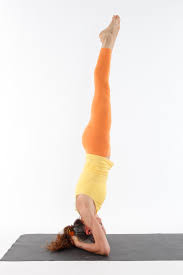
Sirsasana, also known as headstand, is an advanced yoga pose that requires strength, stability, and balance. Here are the steps to practice sirsasana safely: It’s important to practice sirsasana under the guidance of a qualified yoga teacher to ensure proper alignment and to prevent injury. If you have any medical conditions or injuries, consult with your doctor before attempting sirsasana. Teaching sirsasana or headstand can be a challenging and rewarding experience for both you and your students. Here are some steps to consider when teaching sirsasana: Overall, teaching sirsasana requires patience, attention to detail, and an understanding of the individual needs of your students. Encourage your students to approach the pose with a sense of curiosity and to practice with mindfulness and care. Sirsasana, or headstand, is an advanced yoga pose that offers a wide range of physical, mental, and emotional benefits. Here are some of the benefits of practicing sirsasana: It’s important to practice sirsasana safely and under the guidance of a qualified yoga teacher to ensure proper alignment and to prevent injury. If you have any medical conditions or injuries, consult with your doctor before attempting sirsasana. Sirsasana, or headstand, is an advanced yoga pose that can offer many benefits when practiced safely and mindfully. However, it is important to note that there are some contraindications and precautions to keep in mind. Here are some common contraindications of sirsasana: It’s important to listen to your body and to practice sirsasana mindfully. If you have any medical conditions or injuries, consult with your doctor before attempting sirsasana. Additionally, practice under the guidance of a qualified yoga teacher to ensure proper alignment and to prevent injury. Counterposes are important in yoga to help bring the body back to a neutral position and release any tension that may have accumulated during the practice. Here are some counterposes that can be done after practicing sirsasana: It’s important to listen to your body and choose counterposes that feel good and release any tension that may have accumulated during the practice. Remember to take your time in each pose and to breathe deeply and mindfully. Sirsasana, or headstand, is an advanced yoga pose that requires a strong foundation and proper alignment. Here are some preparatory practices that can help to build the strength and flexibility needed for sirsasana: Remember to practice with patience and consistency, and to listen to your body. If you have any medical conditions or injuries, consult with your doctor before attempting sirsasana or any other yoga poses. Proper alignment is crucial for sirsasana, as it helps to prevent injury and ensure that you are getting the full benefits of the pose. Here are some alignment cues to keep in mind when practicing sirsasana: Remember to take your time in each step of the pose, and to listen to your body. If you experience any pain or discomfort, come out of the pose and rest. With regular practice and proper alignment, sirsasana can be a safe and rewarding pose for building strength, improving circulation, and calming the mind. Sirsasana, or headstand, is an advanced yoga pose that requires strength, balance, and proper alignment. Here are some key points of kinesiology to consider when practicing sirsasana: With regular practice and attention to proper alignment, sirsasana can be a challenging and rewarding pose for building strength, improving balance, and calming the mind. However, it is important to approach this pose with caution and seek guidance from a qualified yoga teacher, especially if you are new to the practice or have any pre-existing medical conditions or injuries. Sirsasana, or headstand, is a yoga pose that requires a complex interplay of biomechanical factors to achieve and maintain the pose. Here are some key aspects of the biomechanics involved in sirsasana: Overall, sirsasana is a challenging and complex pose that requires a combination of strength, balance, and proper alignment. With regular practice and attention to biomechanics, sirsasana can be a powerful tool for building physical and mental resilience, as well as deepening your yoga practice. Sirsasana, or headstand, is an advanced yoga pose that requires a combination of strength, balance, and flexibility. Here are some key anatomical considerations for this pose: Overall, sirsasana requires a strong and integrated connection between the head, neck, shoulders, core, and legs. Practicing this pose with awareness and attention to proper alignment can help to build strength and flexibility in these areas, while also promoting a sense of mental focus and calm. Sirsasana, or headstand, has several physiological effects on the body, including: Overall, sirsasana is a challenging and complex pose that has a wide range of physiological benefits. With regular practice and attention to proper alignment, this pose can help to build physical and mental resilience, improve overall health and well-being, and deepen your yoga practice. Sirsasana, or headstand, is a complex pose that requires activation and coordination of several muscles and joints. Here’s a breakdown of the functional anatomy involved in this pose: Overall, sirsasana requires a coordinated effort between the shoulders, arms, core, hips, and neck muscles to maintain proper alignment and stability in the pose. With regular practice and attention to proper alignment, this pose can help to build strength, stability, and flexibility in these areas, and deepen your overall understanding of functional anatomy in yoga. Kinematics refers to the study of motion and its causes. In the case of sirsasana, or headstand, the main motions involved are those of the head, neck, arms, and legs. Here’s a breakdown of the kinematics involved in this pose: Overall, the kinematics of sirsasana involve a coordinated effort between the head, neck, arms, legs, and trunk to achieve and maintain the pose. With regular practice and attention to proper alignment and technique, you can improve your kinesthetic awareness and control in this challenging and rewarding pose. The mechanism of sirsasana, or headstand, is primarily related to the effects of gravity on the body and the
Setu Bandhasana, also known as Bridge Pose, is a backbend that can be practiced to open the chest, stretch the front body, and strengthen the back muscles. Here’s a step-by-step method to practice Setu Bandhasana: 1. Starting Position: – Begin by lying on your back on a yoga mat with your knees bent and feet hip-width apart, flat on the mat. – Ensure that your arms are resting alongside your body, palms facing down. 2. Foot Placement: – Adjust your feet so that they are positioned directly under your knees, about hip-width apart. – Check that your feet are parallel to each other, pointing straight ahead. 3. Engaging the Core and Grounding: – Press your feet firmly into the mat, activating your leg muscles. – Engage your core by gently drawing your navel toward your spine, which helps stabilize your lower back. 4. Lift the Hips: – On an inhalation, slowly lift your hips off the mat, maintaining a steady and controlled movement. – Press through your feet and shoulders, lifting the hips as high as comfortable while keeping your knees directly over your ankles. 5. Roll Up the Spine: – As you lift your hips, try to roll up through the spine one vertebra at a time, starting from the tailbone. – Keep your weight evenly distributed across your feet and shoulders, avoiding excessive strain on any particular area. 6. Shoulder Position: – Roll your shoulders slightly underneath your body to help open the chest and broaden the collarbones. – You can interlace your fingers underneath you and squeeze your shoulder blades together for added support. 7. Opening the Chest: – Lift your breastbone toward your chin, gently opening the chest and elongating the front of the body. – Avoid straining the neck; the majority of the lift should come from the chest and shoulders. 8. Relaxing the Neck and Jaw: – Soften your jaw and relax your neck, allowing the back of your head to rest gently on the mat. – Avoid excessive tension in the neck and maintain a comfortable position. 9. Breath and Duration: – Breathe deeply and evenly, allowing the breath to flow naturally throughout the pose. – Hold the pose for a few breaths or longer, depending on your comfort and strength. – Gradually work up to holding the pose for 30 seconds to 1 minute, if appropriate for your practice. 10. Releasing the Pose: – To release from Setu Bandhasana, exhale and slowly lower your spine back down to the mat, rolling down one vertebra at a time. – Rest for a few breaths in a neutral position before proceeding with additional poses or relaxation. Remember to listen to your body, modify the pose as needed, and avoid any discomfort or pain. If you have any specific concerns or limitations, it’s advisable to practice under the guidance of a qualified yoga teacher who can provide personalized instruction and adjustments. When teaching Setu Bandhasana (Bridge Pose), it’s important to guide your students through each step with clear instructions and cues. Here’s a suggested method to teach Setu Bandhasana: 1. Introduction and Preparation: – Explain the benefits of Setu Bandhasana, such as stretching the front body, opening the chest, and strengthening the back muscles. – Start with a brief warm-up to prepare the body, including gentle spinal movements, shoulder rolls, and hip-opening exercises. 2. Starting Position: – Instruct the students to lie on their backs on their yoga mats, with knees bent and feet hip-width apart, flat on the mat. – Guide them to position their arms alongside their bodies, palms facing down. 3. Foot Placement and Alignment: – Explain the proper foot placement, with feet directly under the knees, about hip-width apart. – Emphasize aligning the feet parallel to each other, pointing straight ahead. 4. Engaging the Core and Grounding: – Instruct the students to press their feet firmly into the mat, activating the leg muscles. – Guide them to engage their core by gently drawing the navel toward the spine, creating stability in the lower back. 5. Lifting the Hips and Rolling Up: – On an inhalation, guide the students to slowly lift their hips off the mat, maintaining control and a steady movement. – Encourage them to roll up through the spine one vertebra at a time, starting from the tailbone. 6. Shoulder Position and Chest Opening: – Instruct the students to roll their shoulders slightly underneath their bodies to open the chest and broaden the collarbones. – Offer options for interlacing the fingers underneath for added support and shoulder engagement. 7. Alignment and Modifications: – Pay attention to the alignment of the students’ knees, ensuring they remain directly over their ankles. – Provide modifications, such as placing a block between the thighs or using a bolster under the sacrum, to support those who need it. 8. Breath and Relaxation: – Remind the students to breathe deeply and evenly throughout the pose, allowing the breath to flow naturally. – Encourage them to relax their neck and jaw, softening any tension in those areas. 9. Duration and Release: – Instruct the students to hold the pose for a few breaths or longer, depending on their comfort and strength. – Encourage them to gradually work up to holding the pose for 30 seconds to 1 minute, if appropriate for their practice. – Guide them to release the pose by exhaling and slowly lowering the spine back down to the mat, rolling down one vertebra at a time. 10. Closing and Integration: – Allow students to rest in a neutral position after releasing Setu Bandhasana, inviting them to notice any sensations or effects in their bodies. – Offer modifications or variations for further exploration, if desired. – Conclude the
Salamba Sirsasana, or Supported Headstand, is a yoga pose that involves the use of props to help support the body in the pose. Here is a method for practicing Salamba Sirsasana: It’s important to note that Salamba Sirsasana should be practiced under the guidance of a qualified yoga teacher. Additionally, this pose is an inversion and should be avoided by individuals with certain medical conditions such as high blood pressure, neck injuries, and glaucoma. Here are some steps and guidelines to follow when teaching Salamba Sirsasana: It’s important to remind your students to honor their bodies and listen to any sensations or discomfort that may arise. You may also want to offer modifications for students who are not ready for the full expression of the pose. Encourage your students to approach Salamba Sirsasana with patience, mindfulness, and respect for their own unique practice. Salamba Sirsasana, or supported headstand, has many physical, mental, and emotional benefits. Some of the key benefits include: It’s Important to note that Salamba Sirsasana is an advanced pose and should only be practiced under the guidance of an experienced teacher. It is not recommended for individuals with neck or spine injuries or high blood pressure. Salamba Sirsasana, or supported headstand, is an advanced yoga pose that requires a great deal of strength and stability. It is important to avoid this pose if you have any contraindications that could make the pose unsafe for your body. Some common contraindications for Salamba Sirsasana include: It’s important to speak with a qualified yoga teacher or healthcare professional before attempting Salamba Sirsasana to ensure that the pose is safe for your body. After practicing Salamba Sirsasana, or supported headstand, it’s important to counterpose to release any tension or pressure in the body. Some good counterposes for Salamba Sirsasana include: It’s Important to listen to your body and choose a counterpose that feels good for you. If you experience any discomfort or pain during or after practicing Salamba Sirsasana, be sure to speak with a qualified yoga teacher or healthcare professional. Before practicing Salamba Sirsasana, or supported headstand, it’s important to prepare the body with some preparatory poses that help to build strength and increase flexibility in the neck, shoulders, arms, and upper back. Some preparatory poses for Salamba Sirsasana include: It’s important to practice these poses with awareness and attention to alignment, and to listen to your body as you prepare for Salamba Sirsasana. If you experience any discomfort or pain during or after practicing these poses, be sure to speak with a qualified yoga teacher or healthcare professional. Here are some alignment cues for Salamba Sirsasana, or supported headstand: Remember to always practice with awareness and attention to alignment, and to listen to your body as you explore this challenging pose. If you experience any discomfort or pain during or after practicing Salamba Sirsasana, be sure to speak with a qualified yoga teacher or healthcare professional. Salamba Sirsasana, or supported headstand, involves a complex interplay of several muscles and joints. Here is a brief overview of the kinesiology involved in this pose: Overall, Salamba Sirsasana requires a balance of strength, stability, and flexibility in the upper body, core, and legs. Proper alignment and engagement of the muscles is essential to avoid strain or injury, so it is important to approach the pose with awareness and caution, especially if you are new to the practice or have any pre-existing injuries or conditions. Salambha Sirsasana, or supported headstand, involves a complex interplay of biomechanical factors. Here is a brief overview of the biomechanics involved in this pose: Overall, Salambha Sirsasana requires a balance of strength, stability, and flexibility in the upper body, core, and legs. Proper alignment, engagement, and breathing are all essential to avoid strain or injury, so it is important to approach the pose with awareness and caution, especially if you are new to the practice or have any pre-existing injuries or conditions. Salamba Sirsasana, or supported headstand, is an inversion pose that has numerous anatomical benefits. The following are the major anatomical structures that are involved in this pose: Overall, Salamba Sirsasana can improve circulation, digestion, and balance while strengthening the upper body and core muscles. However, it is crucial to practice the pose with proper alignment and under the guidance of a trained teacher to avoid any injury. Salamba Sirsasana, or supported headstand, is an advanced yoga pose that requires a great deal of strength, balance, and focus. The pose has several physiological benefits, including: Salamba Sirsasana primarily involves the muscles of the upper body and core. Here are the main muscles involved in the pose: In addition to these muscles, Salamba Sirsasana also requires a strong and stable foundation in the hands, forearms, and elbows. The activation of these muscles helps to create a solid base for the body and allows for greater stability and control in the pose. Salambha sirsasana, also known as supported headstand, is a yoga posture that involves placing the crown of the head on the floor and supporting the body with the forearms. Here are some key points about the kinematics of this posture: It Is important to remember that salambha sirsasana is an advanced yoga posture that requires proper warm-up and preparation, as well as the guidance of an experienced teacher. Salamba Sirsasana, or headstand, is an inversion pose that engages the entire body and requires the coordination of multiple joints and muscle groups. Here is a brief overview of the mechanism involved in the pose: Overall, Salamba Sirsasana can be a challenging but rewarding pose that offers numerous physical and mental benefits. By understanding the mechanism involved in the pose, practitioners can refine their practice and safely explore the full potential of this powerful inversion. Salambha Sirsasana, also known as supported headstand, is an advanced yoga pose that requires strength, flexibility, and balance. Here is a brief overview of the anatomy and physiology
Salamba Sarvangasana, also known as supported shoulderstand, is an inverted yoga posture that is typically practiced toward the end of a yoga class. Here is a method of practicing Salamba Sarvangasana: Note: If you are new to this posture or have any neck or shoulder issues, it’s important to practice under the guidance of an experienced teacher. Also, if you have any pre-existing health conditions or injuries, it is best to consult with a healthcare professional before practicing Salamba Sarvangasana or any other yoga posture. Here is a step-by-step guide on how to teach Salamba Sarvangasana (Supported Shoulderstand) in a yoga class: It is important to remind students to keep their neck and shoulders relaxed and not to force the pose beyond their level of comfort. Encourage them to practice the pose regularly, gradually increasing their time in the pose, and to seek assistance or modifications if necessary. Salamba Sarvangasana, also known as Supported Shoulderstand, offers many benefits for the mind and body. Here are some of the benefits: It is important to practice Salamba Sarvangasana under the guidance of a qualified yoga teacher to ensure proper alignment and avoid any potential injury. Salambha Sarvangasana or supported shoulder stand pose has many benefits, but there are also some contraindications that need to be considered before practicing the pose. Here are some of the contraindications for Salambha Sarvangasana: It is always recommended to consult with a qualified yoga teacher or healthcare professional before practicing any yoga pose, especially if you have any medical conditions or injuries. The counterpose for Salamba Sarvangasana (supported shoulder stand) is Halasana (plow pose) or Matsyasana (fish pose). These poses help to release any tension or stiffness in the neck and shoulders, and also help to stretch the spine in the opposite direction. It is important to perform counterposes after Salamba Sarvangasana to release any tension built up in the body and to restore balance. Preparatory poses for Salamba Sarvangasana include: 1. Adho Mukha Svanasana (Downward Facing Dog Pose) 2. Setu Bandha Sarvangasana (Bridge Pose) 3. Uttanasana (Standing Forward Bend Pose) 4. Viparita Karani (Legs-up-the-wall Pose) 5. Virasana (Hero Pose) These poses help to stretch and strengthen the shoulders, back, and neck, which are essential for Salamba Sarvangasana. Practicing these poses regularly will help you prepare your body for the full pose. Here are some alignment cues for salambha sarvangasana: 1. Lie down on your back with your arms on either side of your body and palms facing downwards. 2. Slowly lift your legs up towards the ceiling, keeping them straight and perpendicular to the floor. 3. Place your hands on your lower back for support and slowly lift your hips off the floor. 4. Walk your hands up your back, supporting your spine and lifting your legs higher. 5. Keep your shoulders down and your neck long. 6. Press your elbows and forearms into the ground to lift your chest and create space in your neck. 7. Keep your gaze towards your toes or straight up towards the ceiling. 8. Breathe deeply and hold the pose for 30-60 seconds. 9. Slowly lower your body back down to the floor, one vertebra at a time. Remember to listen to your body and move slowly and mindfully into the pose. It’s important to avoid any pain or discomfort, and to modify the pose if needed. Salamba Sarvangasana, also known as supported shoulder stand, is a pose that involves the entire body. Here is the kinesiology of the pose: Overall, Salamba Sarvangasana requires a lot of strength and stability throughout the entire body, making it a challenging yet rewarding pose. Salamba Sarvangasana, or supported shoulder stand, involves a complex biomechanism that involves the musculoskeletal, respiratory, circulatory, and nervous systems. Here are some of the biomechanical aspects of this posture: Overall, Salamba Sarvangasana is a posture that involves a combination of muscular engagement, deep breathing, and inversion, resulting in numerous physical, mental, and emotional benefits. Salamba Sarvangasana, also known as supported shoulder stand pose, is an asana that primarily targets the shoulders, neck, and upper back, while also engaging the core, legs, and hips. Here are some of the key anatomical structures involved in this pose: Overall, Salamba Sarvangasana is a powerful pose that can help to improve both strength and flexibility throughout the body. It is important to practice this pose mindfully and with proper alignment to avoid injury and maximize its benefits. Salambha Sarvangasana, or supported shoulder stand, is a yoga asana that has many physiological benefits. Here are some of the physiological effects of Salambha Sarvangasana: Overall, Salambha Sarvangasana is a beneficial asana for the entire body, promoting physical and mental well-being. Salamba Sarvangasana, or supported shoulder stand, is a yoga posture that involves the activation of several muscles and joints. Some of the major muscles and joints involved in this pose include: Overall, Salamba Sarvangasana is a full-body posture that can help improve strength, flexibility, balance, and circulation. Salamba Sarvangasana, or supported shoulder stand, is a yoga pose that involves various joint movements and muscle activations. During the initial setup, the practitioner lies on their back and lifts their legs up toward the ceiling, activating the hip flexors and core muscles. The arms come to support the lower back as the practitioner lifts their hips and lower back off the ground. The shoulder blades come closer together, and the upper back muscles engage as the body comes into the shoulder stand position. In the pose, the neck and cervical spine are flexed, while the thoracic spine is extended. The shoulder joints are in flexion, and the elbows are bent, allowing the hands to support the lower back. The hips are flexed, and the knees are straight. The ankle joints are in dorsiflexion, and the toes are pointing toward the ceiling. When transitioning into and out of the pose, the joints and muscles must work together to control the movement and maintain stability.
Salabhasana, also known as Locust Pose, is a yoga posture that strengthens the muscles of the back, glutes, and legs. Here’s how to practice Salabhasana: Here are some additional tips to keep in mind as you practice Salabhasana: Remember to practice Salabhasana mindfully, listening to your body and being gentle with yourself. You can modify the posture as needed to suit your individual needs and limitations. Here are some steps to follow while teaching Salabhasana (Locust Pose) in a yoga class: Remember to encourage your students to be gentle with themselves and not to push beyond their limits. You can offer modifications and variations of the pose to suit individual needs and abilities. Salabhasana, also known as Locust Pose, has several benefits for the body, including: Overall, Salabhasana is a great pose for building strength and improving overall health and wellness. While Salabhasana (Locust Pose) has many benefits, there are certain conditions where this pose should be avoided or modified. Some contraindications of Salabhasana include: If you have any concerns or medical conditions, it’s best to consult with a doctor or qualified yoga teacher before practicing Salabhasana or any other yoga pose. A good counterpose for Salabhasana (Locust Pose) is Balasana (Child’s Pose). Balasana is a gentle, restorative pose that helps to release tension in the back and hips, and can be a good way to relax after practicing Salabhasana. To practice Balasana: Balasana is a gentle pose that can be modified as needed to suit your body and needs. If you have knee or hip issues, you can place a bolster or blanket between your thighs and calves for extra support. There are several preparatory practices that can help prepare your body for Salabhasana (Locust Pose). These include: These preparatory practices can help you to gradually build the strength and flexibility needed for Salabhasana, while also helping to prevent injury. As with any yoga practice, it’s important to listen to your body and only go as far as feels comfortable and safe for you. Here are some alignment cues to keep in mind when practicing Salabhasana (Locust Pose): Remember to move mindfully and with intention, paying close attention to your body’s signals and adjusting your alignment as needed to ensure proper form and prevent injury. Salabhasana (Locust Pose) involves the following key movements and muscle activations: Overall, Salabhasana is a challenging pose that requires strength and activation in many different muscle groups throughout the body. By practicing this pose regularly, you can build strength and stability in your back, glutes, and shoulders, as well as improve your posture and overall body awareness. The biomechanism of Salabhasana (Locust Pose) involves a combination of joint movements and muscle activations in different parts of the body. Here’s a breakdown of the key biomechanical elements of the pose: In addition to these joint movements, Salabhasana also requires engagement and activation of the core muscles, including the rectus abdominis, obliques, and transverse abdominis. These muscles work to stabilize the spine and pelvis, and prevent excessive arching or compression in the lower back. Overall, the biomechanism of Salabhasana involves the coordinated effort of many different muscle groups and joint movements to achieve a strong and stable posture. By practicing this pose regularly, you can develop greater strength, flexibility, and body awareness in your back, hips, and shoulders. Salabhasana (Locust Pose) involves activation and engagement of various muscles throughout the body. Here are some of the key anatomical elements of the pose: In addition to these muscle activations, Salabhasana also involves extension of the spine, which stretches the erector spinae muscles along the length of the back. The pose also strengthens the muscles of the upper and lower back, hips, and shoulders, and can improve posture and spinal alignment with regular practice. The practice of Salabhasana (Locust Pose) offers several physiological benefits. Here are a few: Salabhasana (Locust Pose) primarily involves the posterior chain muscles of the body, which includes the erector spinae muscles of the lower back, the glutes, hamstrings, and the muscles of the calves. Here’s a breakdown of the functional anatomy of Salabhasana: Overall, Salabhasana is a great pose for strengthening and stabilizing the posterior chain muscles, which can help to improve posture and reduce the risk of lower back pain and injury. Kinematics refers to the study of the motion of the body during movement. In Salabhasana, the body moves into a position of extension, with the spine, hips, and legs lifting off the ground. Here are some key kinematic features of Salabhasana: Overall, the kinematics of Salabhasana involve a coordinated effort between multiple muscle groups to lift the body off the ground into a position of extension. This can help to improve strength and flexibility in the back, hips, and legs, and improve overall posture. The mechanism of Salabhasana involves the activation of the muscles in the back, hips, and legs to lift the body off the ground into a position of extension. Here are the key steps involved in the mechanism of Salabhasana: The mechanism of Salabhasana helps to improve strength and flexibility in the back, hips, and legs. The pose helps to activate the muscles in the back, which can help to improve posture and reduce back pain. The pose also strengthens the glutes and hamstrings, which can help to improve stability and reduce the risk of injury. Additionally, the pose helps to stretch the muscles in the front of the body, including the hip flexors and abdominal muscles, which can help to improve flexibility and reduce tension in these areas. The anatomy and physiology of Salabhasana involve the activation of several muscles and systems in the body, including: Overall, Salabhasana is a beneficial pose for improving strength, flexibility, and posture in the back, hips, and legs, while also providing benefits for the nervous, respiratory, and circulatory systems. Here are some tips for refining your Salabhasana (Locust Pose) practice: Remember to always
Paschimottanasana, also known as seated forward bend, is a yoga asana that involves folding forward from a seated position. Here is the method of practicing Paschimottanasana: 1. Begin by sitting on your mat with your legs stretched out in front of you. 2. Make sure your spine is straight and your shoulders are relaxed. 3. Inhale and raise your arms overhead. 4. Exhale and slowly bend forward from your hips, keeping your spine straight. 5. Try to reach for your toes or ankles with your hands. 6. If you can’t reach your toes, you can hold onto your ankles, shins, or thighs. 7. Hold this position for a few breaths. 8. Inhale and slowly come back up to a seated position. 9. Repeat this process a few times, trying to go deeper into the stretch each time. You can also modify this pose by using a strap or towel around the soles of your feet and holding onto it with your hands to deepen the stretch. It’s important to remember to breathe deeply and slowly throughout the pose. And if you feel any discomfort or pain, come out of the pose slowly and carefully. Paschimottanasana, also known as seated forward fold, is a seated yoga posture that involves folding forward from the hips while keeping the legs straight. Here are the steps to teach Paschimottanasana: When teaching Paschimottanasana, it is important to focus on the following alignment cues: – Keep your legs engaged and toes flexed towards your face. – Maintain a long spine as you fold forward, leading with your chest. – Keep your shoulders relaxed away from your ears. – Avoid rounding your back or collapsing your chest. – Hold the pose for a few breaths, but do not force yourself too deep into the stretch. – Focus on your breath and allow your body to relax deeper into the pose with each exhale. As with all yoga poses, it is important to modify the pose based on your students’ needs. You can use props like a bolster, block or strap to assist students who have tight hamstrings or a limited range of motion. Paschimottanasana, also known as Seated Forward Bend, is a classical yoga pose with a wide range of physical and mental benefits. Here are some of the benefits of practicing Paschimottanasana: Overall, Paschimottanasana is a calming and grounding pose that can help to improve physical flexibility and mobility, as well as mental and emotional wellbeing. Paschimottanasana, or seated forward bend, is generally considered a safe yoga pose for most people. However, there are some contraindications to keep in mind: It is always recommended to consult a healthcare professional before beginning a new exercise regimen, including yoga practice, especially if you have any medical conditions or injuries. The counterpose for Paschimottanasana is any gentle backbend such as Bhujangasana (Cobra pose) or Matsyasana (Fish pose). These poses can help release any tension or compression in the spine and stretch the front body after the forward fold. Additionally, any gentle twisting pose such as Ardha Matsyendrasana (Half Lord of the Fishes pose) can help release tension in the spine and massage the internal organs. Some preparatory practices for Paschimottanasana are: 1. Standing Forward Bend (Uttanasana) 2. Downward Facing Dog Pose (Adho Mukha Svanasana) 3. Seated Forward Bend with support 4. Half Forward Bend (Ardha Uttanasana) 5. Cat-Cow Stretch (Marjaryasana/Bitilasana) 6. Wide-Angle Seated Forward Bend (Upavistha Konasana) 7. Supine Hand-to-Big-Toe Pose (Supta Padangusthasana) These asanas help to stretch and prepare the hamstrings, back muscles, and hips, which are the primary areas of focus in Paschimottanasana. It is important to practice these preparatory poses regularly and with proper alignment to avoid injury and build flexibility gradually. Here are some alignment cues for Paschimottanasana (Seated Forward Bend): 1. Sit on your mat with your legs stretched out in front of you. Make sure your feet are flexed, and your toes are pointing up towards the ceiling. 2. Engage your core muscles and lengthen through your spine, lifting your chest up towards the ceiling. 3. As you exhale, begin to bend forward from your hips, leading with your chest rather than your head. Keep your back straight and your chin tucked in slightly. 4. Reach for your toes or hold onto your shins, ankles, or feet, depending on your flexibility. 5. As you hold the pose, continue to lengthen through your spine, and draw your shoulder blades down and away from your ears. 6. Try to relax your neck and shoulders, and let your head hang naturally. 7. Stay in the pose for 5-10 deep breaths, then slowly release and come back up to a seated position. Some additional tips for alignment in Paschimottanasana: – If you have tight hamstrings, try sitting on a folded blanket or cushion to lift your hips slightly. This can make it easier to maintain a straight back. – Focus on lengthening through your spine rather than how far forward you can fold. You may not be able to touch your toes, and that’s okay. The goal is to lengthen and stretch the muscles along the back of your body. – Keep your feet flexed and your toes pointing up to engage the muscles in your legs and protect your knees from hyperextension. – Avoid rounding your back or hunching your shoulders. This can put unnecessary strain on your spine and neck. Instead, focus on keeping your back long and your chest open. Paschimottanasana is a seated forward bend that stretches the posterior chain of the body, including the spine, hamstrings, and calves. Here is the kinesiology of Paschimottanasana: – Hip flexion: The movement of bringing the thighs closer to the torso involves hip flexion, which is primarily performed by the iliopsoas muscle group. The rectus femoris, sartorius, and tensor fasciae latae also assist in hip flexion. – Spinal flexion: The forward bend involves spinal flexion, which is the movement of bringing the chest and abdomen towards the